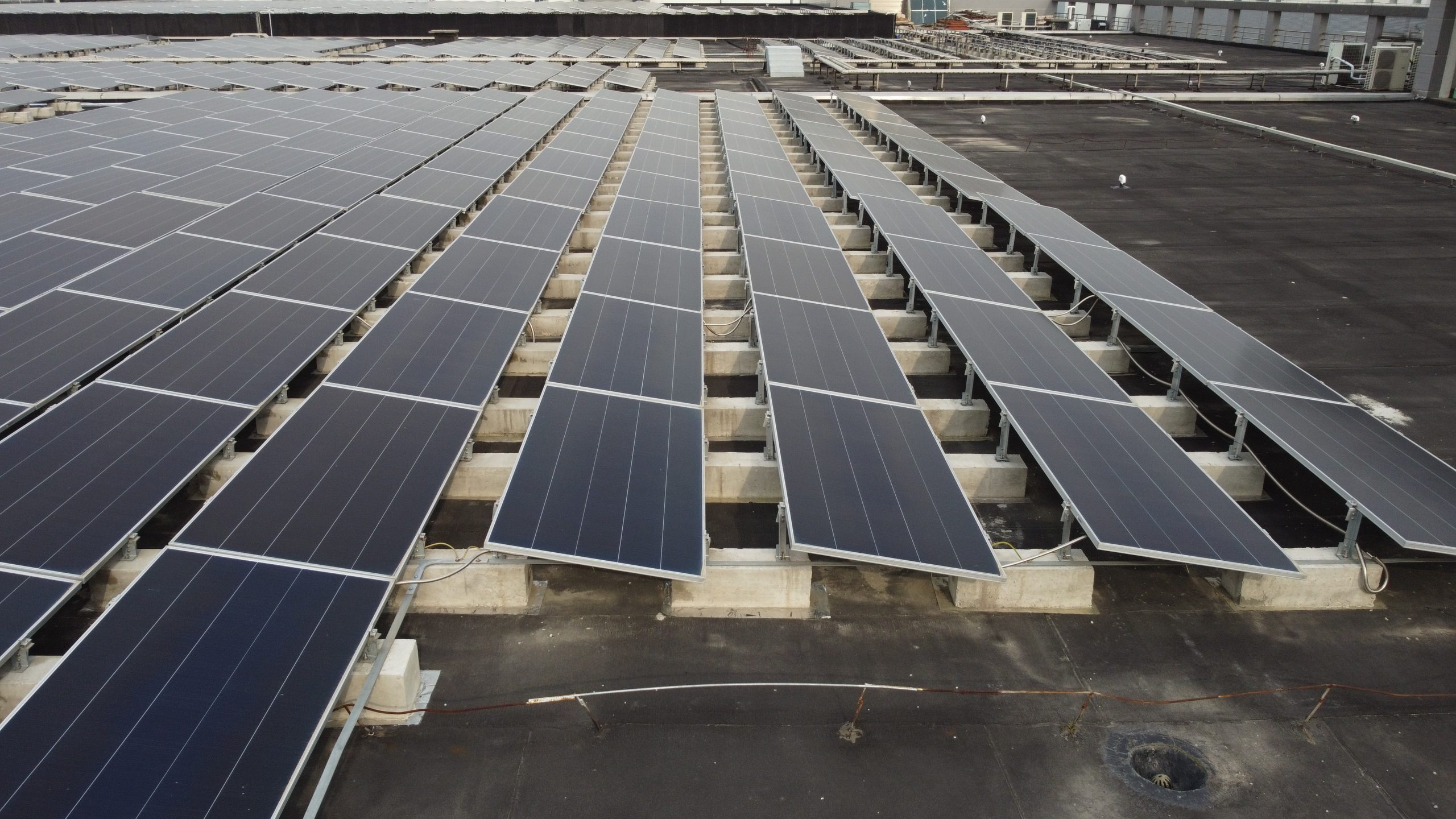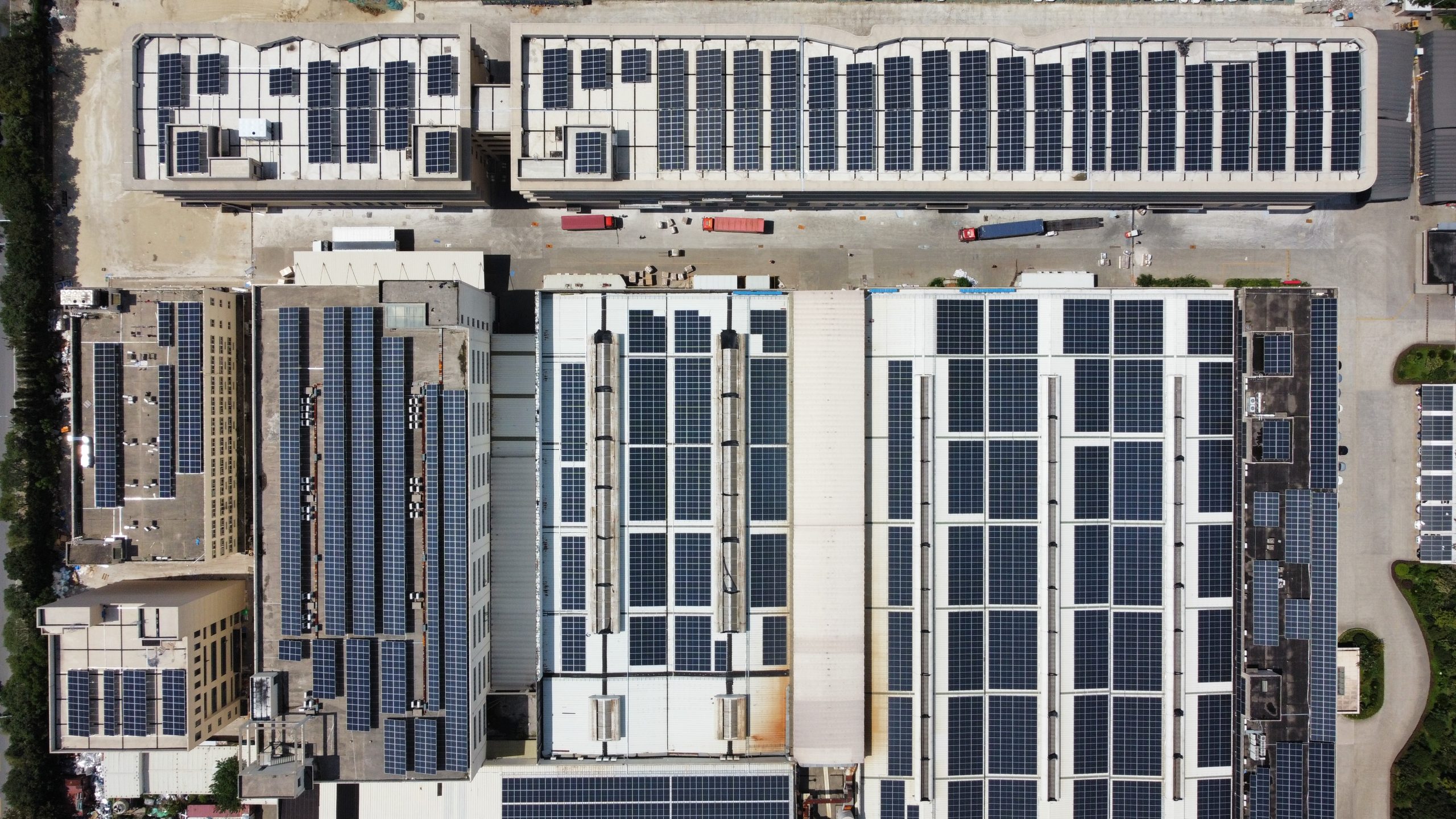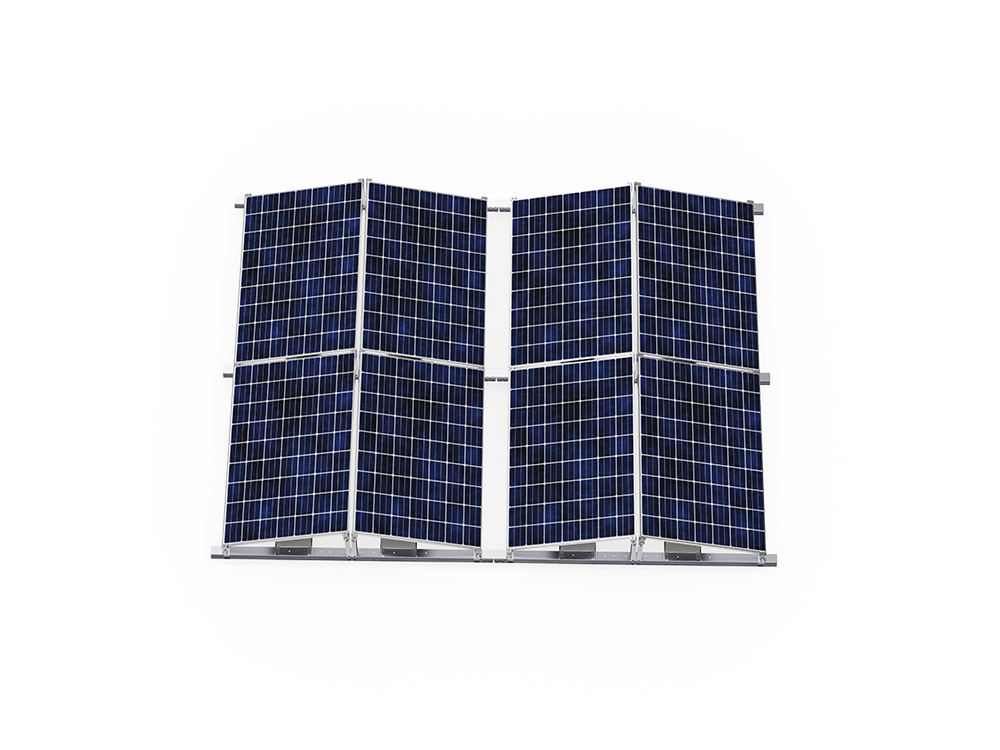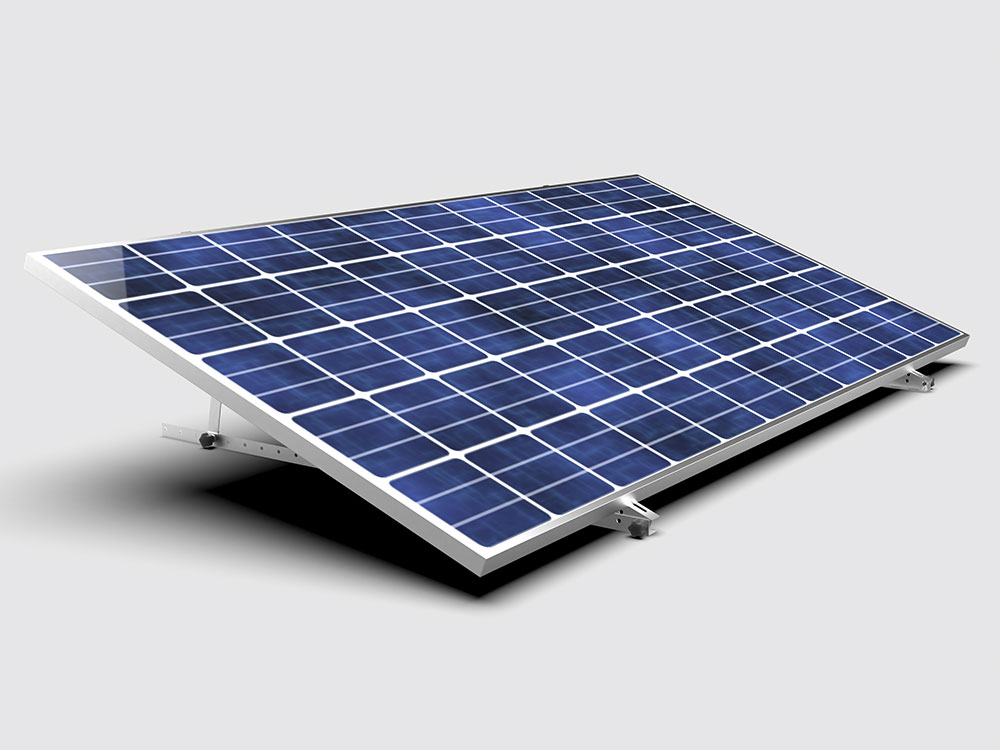
When preparing to install a solar system on your roof, selecting the right mounting system is often the critical factor determining the project’s success. A suitable mounting system must not only securely support solar panels but also seamlessly integrate with your roof, balancing aesthetics and functionality. Today, we’ll delve into how to select the right mounting system for different roof types, including BIPV, color-coated steel tiles, glazed tiles, and saddle panels.
Understanding Your Roof’s Characteristics
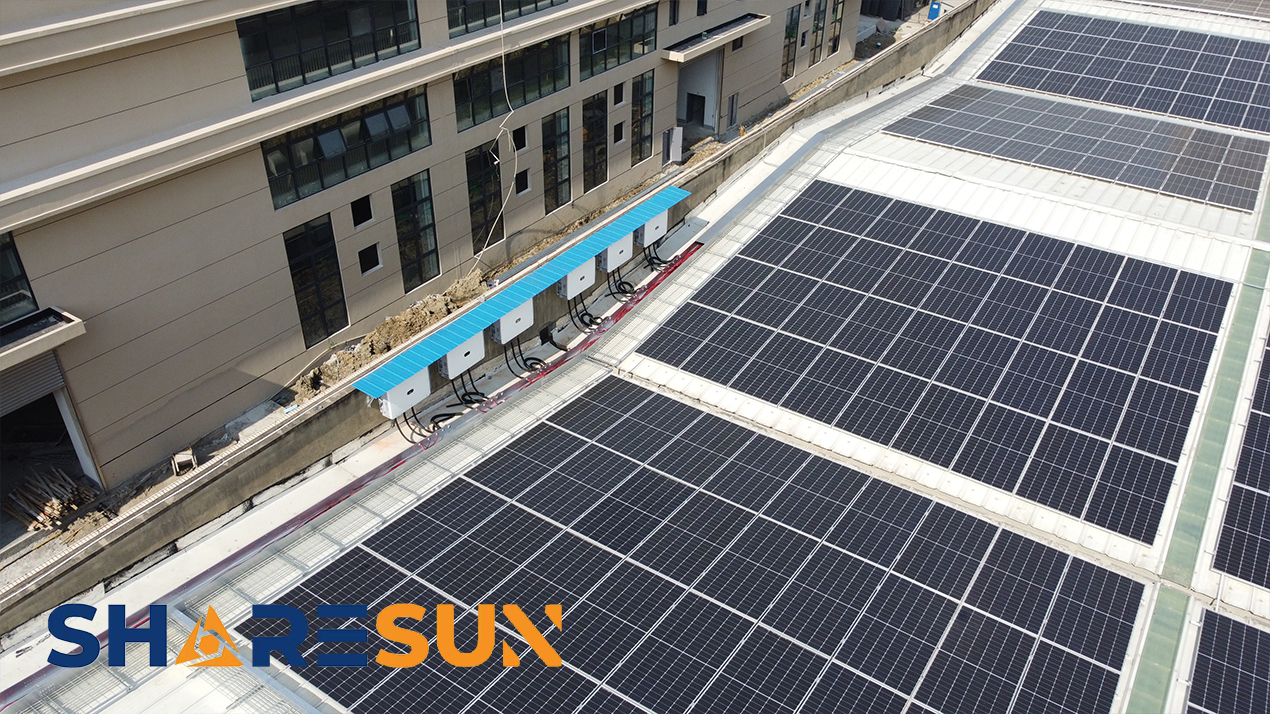
Different roof materials and structures dictate entirely distinct mounting solutions. For color steel tile roofs, mounting selection must prioritize corrugation spacing, thickness, and roof corrosion levels. The current mainstream installation method employs specialized aluminum alloy or stainless steel clamps to achieve secure fixation without damaging the roof surface. This approach offers convenient installation while effectively protecting the original waterproofing layer, making it particularly suitable for metal roofs on most commercial and industrial buildings.
For traditional glazed tile roofs, solar mounting requires meticulous care. Professional installers employ specialized tile hooks that attach discreetly to roof rafters, preventing damage to the tiles themselves. This process demands skilled craftsmanship to ensure structural integrity, maintain roof waterproofing, and preserve the roof’s aesthetic harmony.
Selecting saddle panel mounts necessitates consideration of their unique corrugated structure. Typically, saddle clamps matching the panel profile are used for fixation, with careful attention to evenly distributing load points during installation. Given the relatively light self-weight of such roofs, design must thoroughly account for local wind and snow loads to ensure system safety during severe weather.
BIPV represents a higher level of system integration. It transcends merely installing brackets on existing roofs, instead integrating solar modules as an integral part of the building design. This necessitates deep integration of the mounting system with the building structure, waterproofing/drainage, insulation, and other systems, typically requiring customized solutions and cross-disciplinary design team collaboration.
Comprehensive Considerations in Selection
When selecting mounting systems, multiple practical factors must be weighed alongside roof type. Roof orientation and pitch directly impact power generation efficiency; mounting designs should maximize module sunlight exposure. Local climate conditions—particularly wind and snow load data—are essential inputs for structural calculations.
In coastal or industrial zones, corrosion resistance of mounting materials becomes critical. High-quality aluminum alloys or hot-dip galvanized steel often deliver extended service life. Simultaneously, the project’s overall budget and expected return on investment are critical decision factors, requiring the identification of the optimal economic balance point while ensuring safety and reliability.
Ease of installation and convenience for future maintenance also warrant attention. Overly complex mounting structures may increase construction difficulty and labor costs while potentially complicating future upkeep. Selecting a well-designed, easy-to-install mounting system often saves significant time and expenses throughout the project lifecycle.
Professional Advice and Safety First
Regardless of roof type, professional preliminary surveys and structural calculations are essential. We recommend selecting an experienced, fully qualified installation team capable of accurately assessing your roof’s actual conditions and providing the most suitable mounting solution.
When selecting materials, never compromise quality for low cost. A high-quality solar mounting system should withstand long-term environmental challenges, ensuring stable operation of the solar power plant for 25 years or longer. Reviewing a supplier’s product certifications, project portfolios, and customer feedback is an effective way to gauge their reliability.
As technology advances, the solar mounting field continues to innovate. Options range from traditional fixed mounts to adjustable-angle tracking systems, and from standardized products to fully customized solutions. Yet regardless of technological developments, the most crucial principles in selecting solar mounts remain grounded in practical conditions, adherence to engineering standards, and ensuring system safety and reliability.
Selecting the right rooftop solar mounting system is like laying a solid foundation for your solar project. It requires a blend of expertise, practical experience, and careful decision-making. We hope this guide helps you make smarter, safer choices when dealing with different roof types, ensuring your solar project not only gets off the ground smoothly but also delivers consistent, long-term green value for years to come.