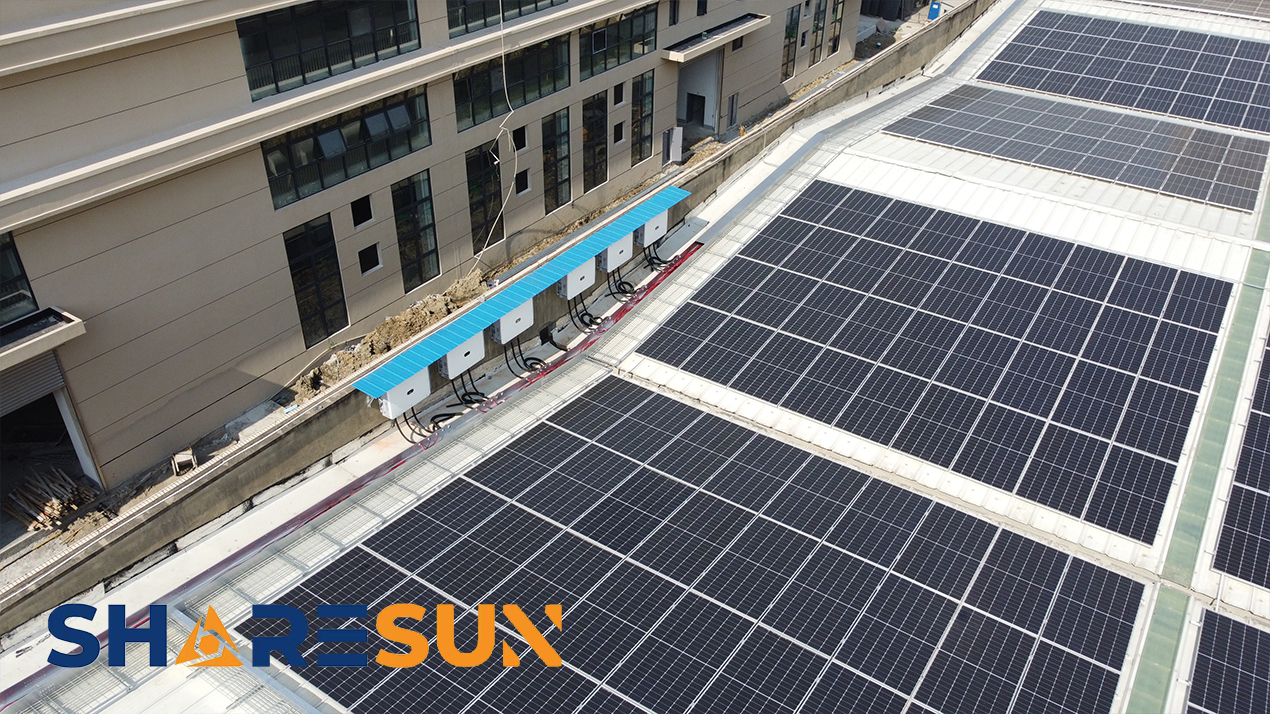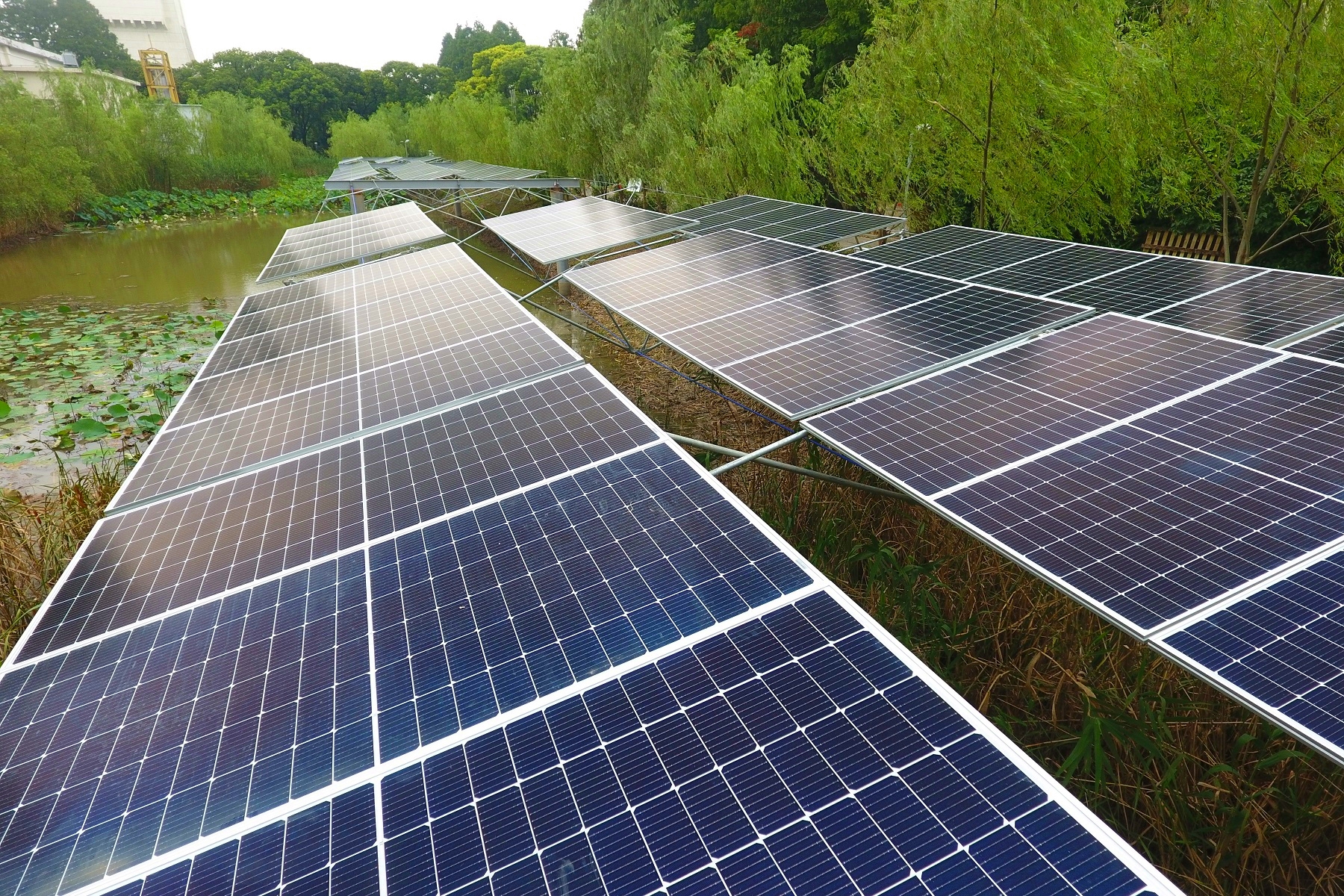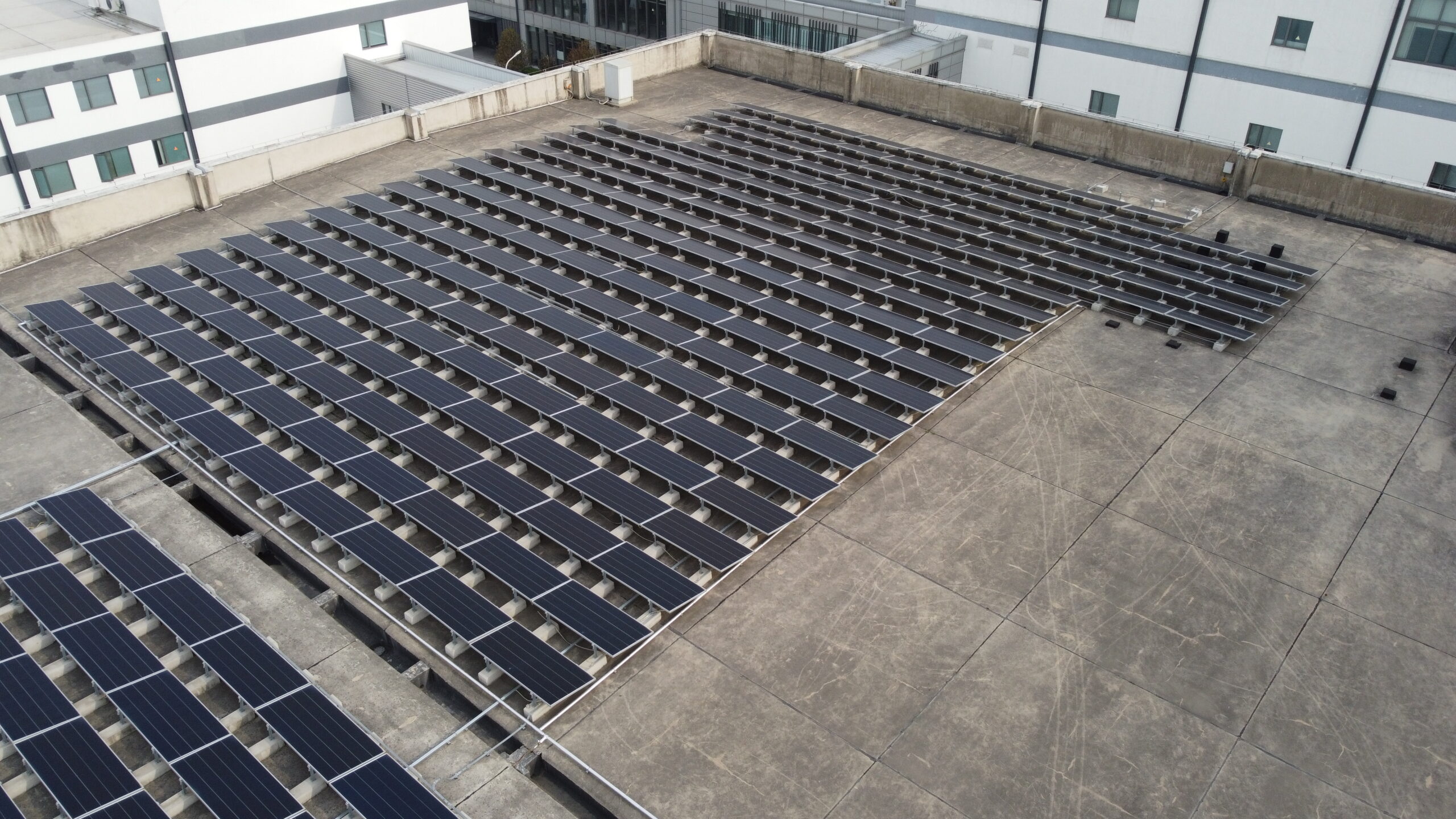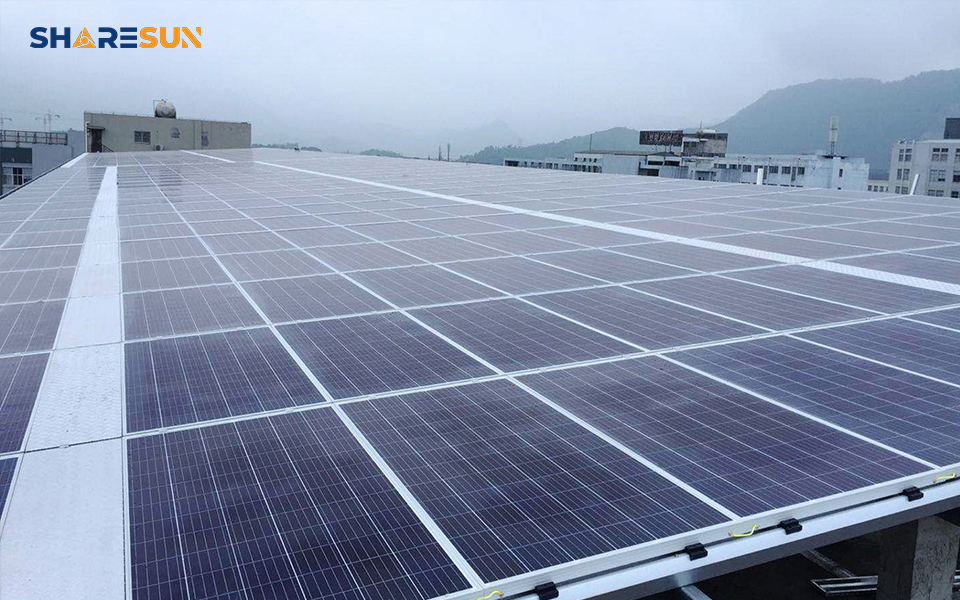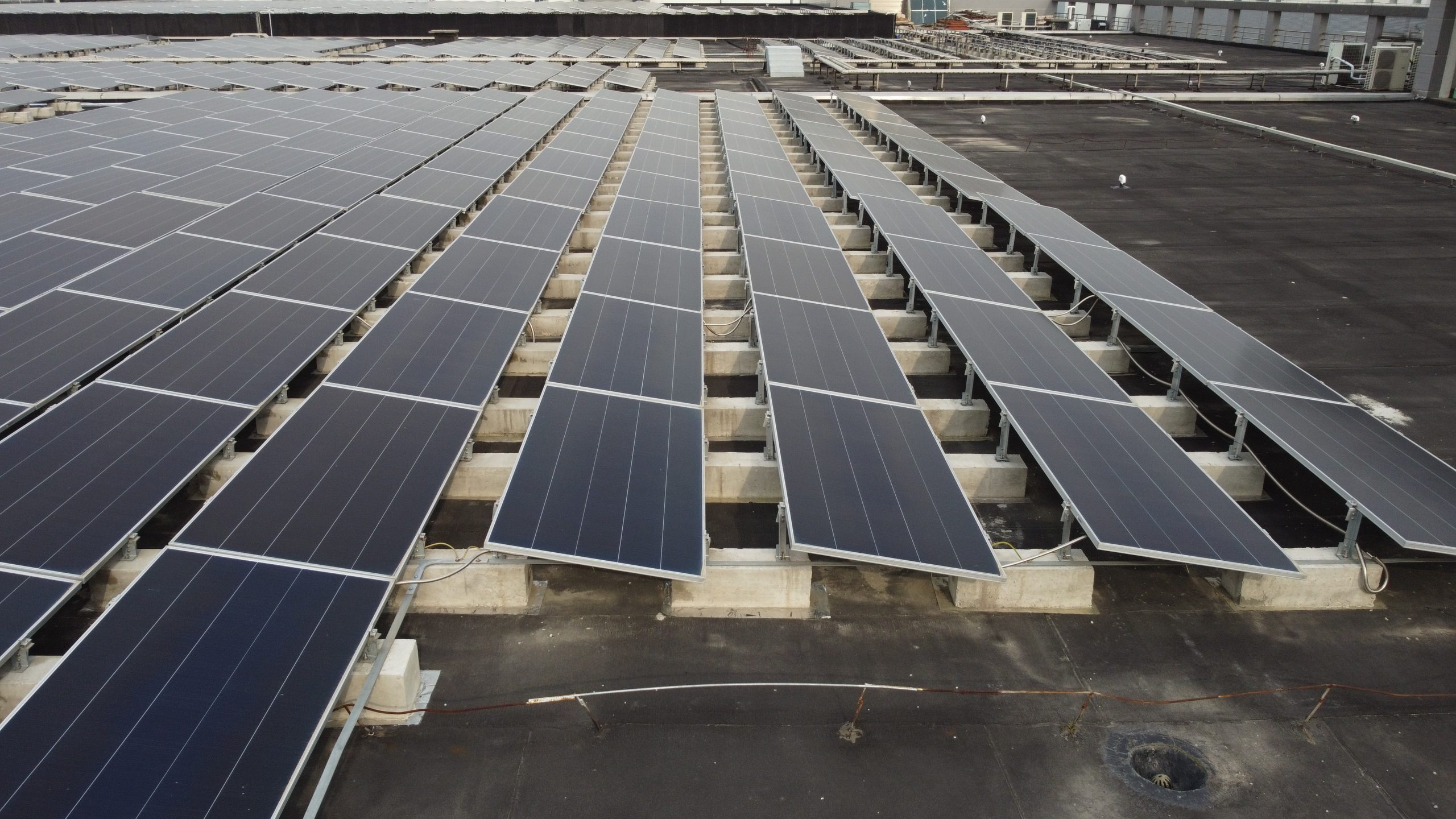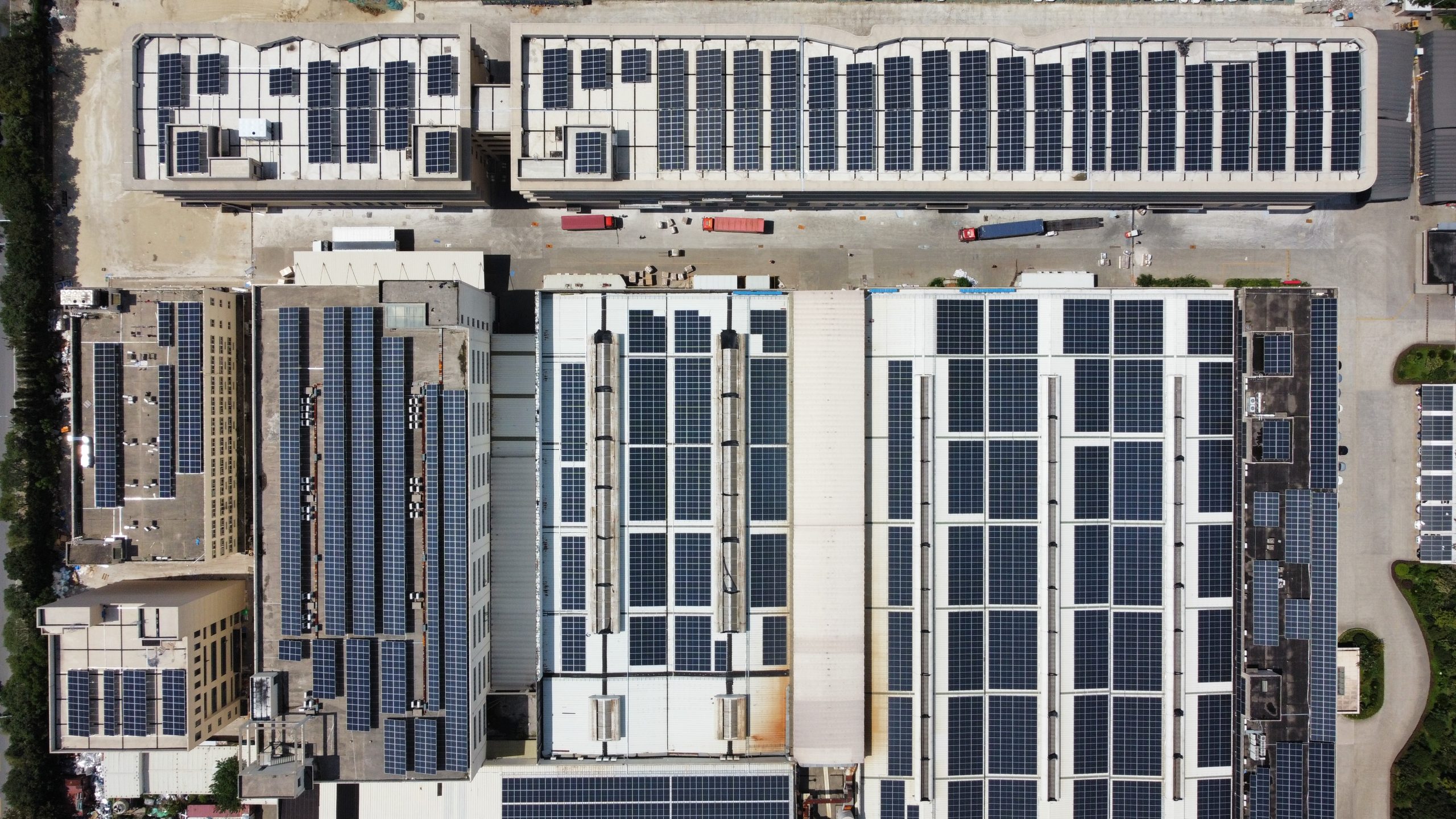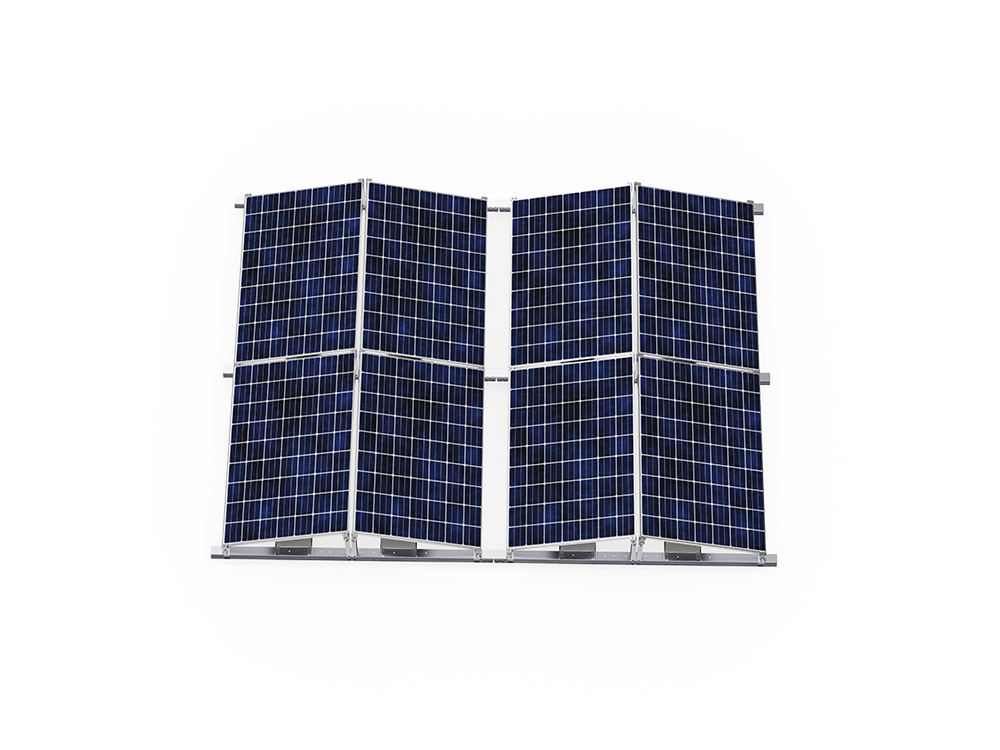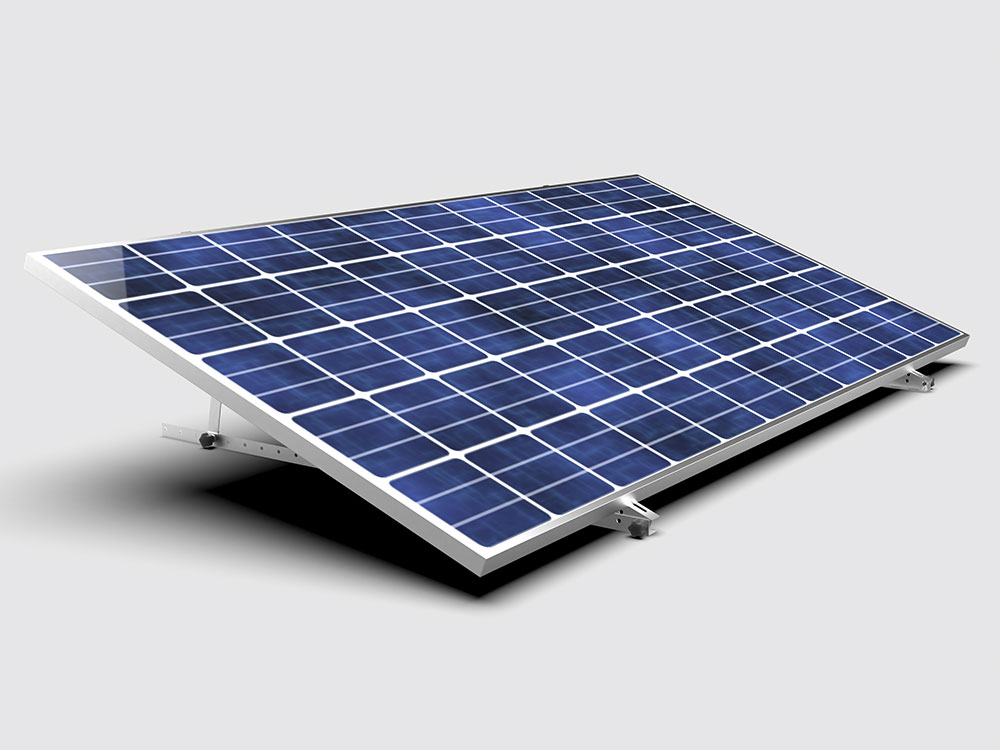
BIPV is a technology that seamlessly integrates solar power generation systems with buildings, attracting increasing attention. As a critical component supporting solar modules, the characteristics of a BIPV solar mounting system significantly impact the overall performance and reliability of the BIPV system.
The design of BIPV solar panels prioritizes integration with building structures. Rather than simply attaching a support frame to the building surface, it is closely integrated with the building’s design and construction, making the solar system an integral part of the architecture. This approach not only enhances the building’s overall aesthetics but also minimizes visual impact on its appearance. For instance, in modern commercial buildings and high-end residential projects, BIPV solar racks are cleverly concealed within roofs, walls, or shading structures. This achieves solar power generation without compromising the building’s original style or aesthetic appeal.
BIPV solar panels exhibit exceptional load-bearing capacity. Since solar panels endure long-term stresses from wind, snow loads, and their own weight, the mounting structure must possess robust strength and stability. Typically fabricated from high-strength steel or aluminum alloy, these materials offer superior tensile and shear strength while effectively resisting corrosion, thereby extending the system’s lifespan. During the design phase, engineers perform precise mechanical calculations and structural optimizations based on local meteorological conditions and building codes. This ensures the brackets can stably support solar panels under extreme weather conditions, guaranteeing the system’s safe operation.
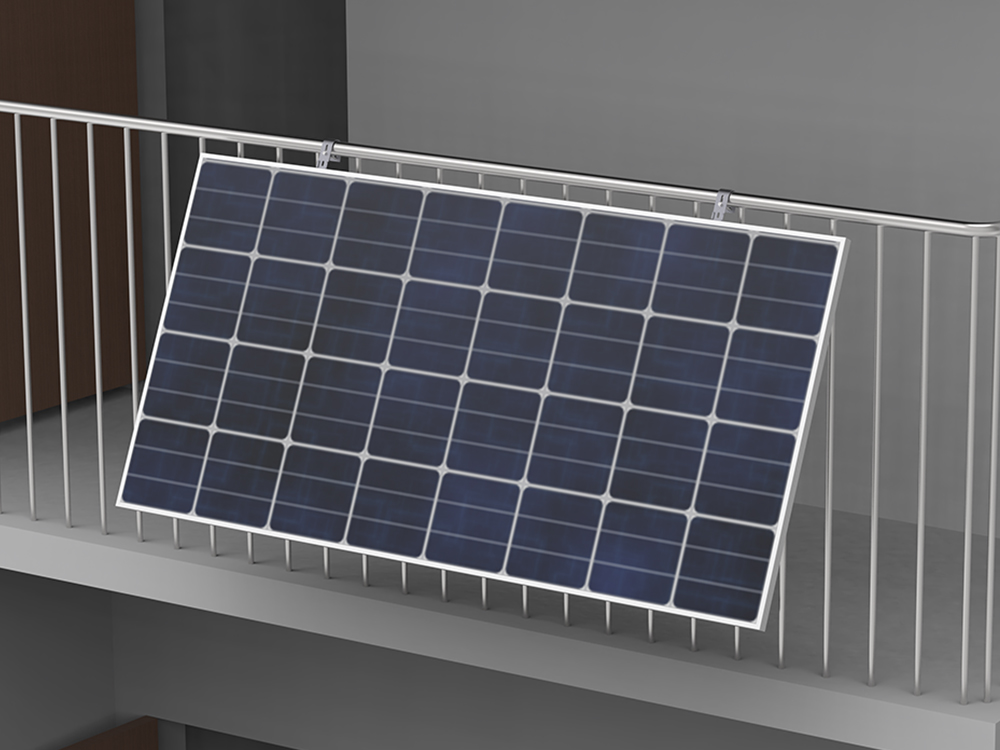
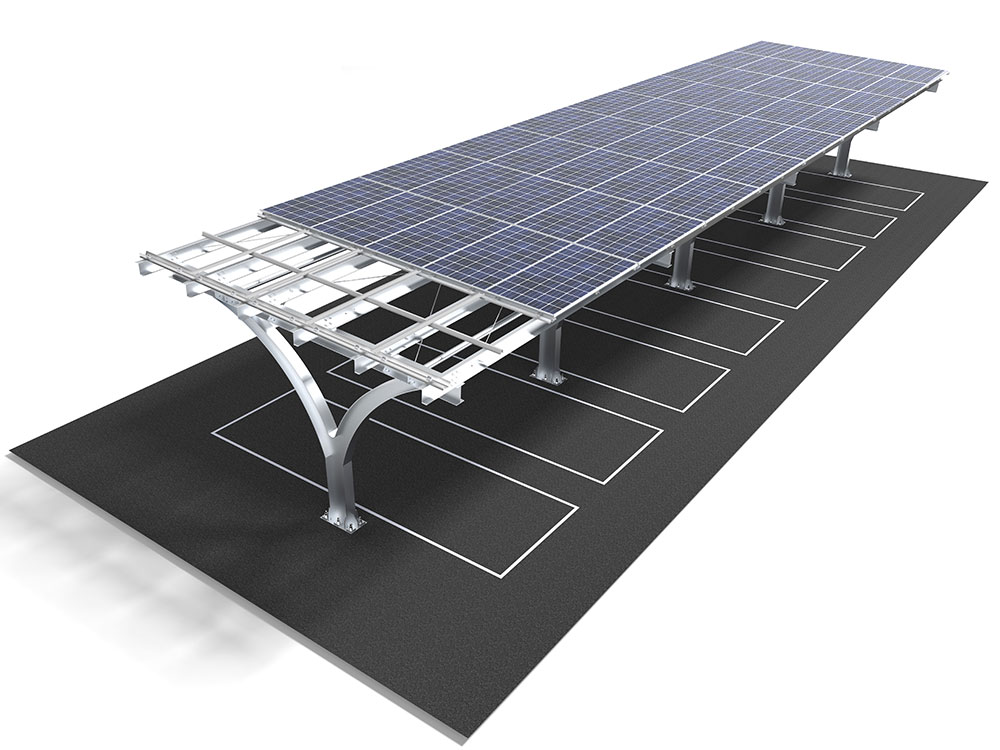
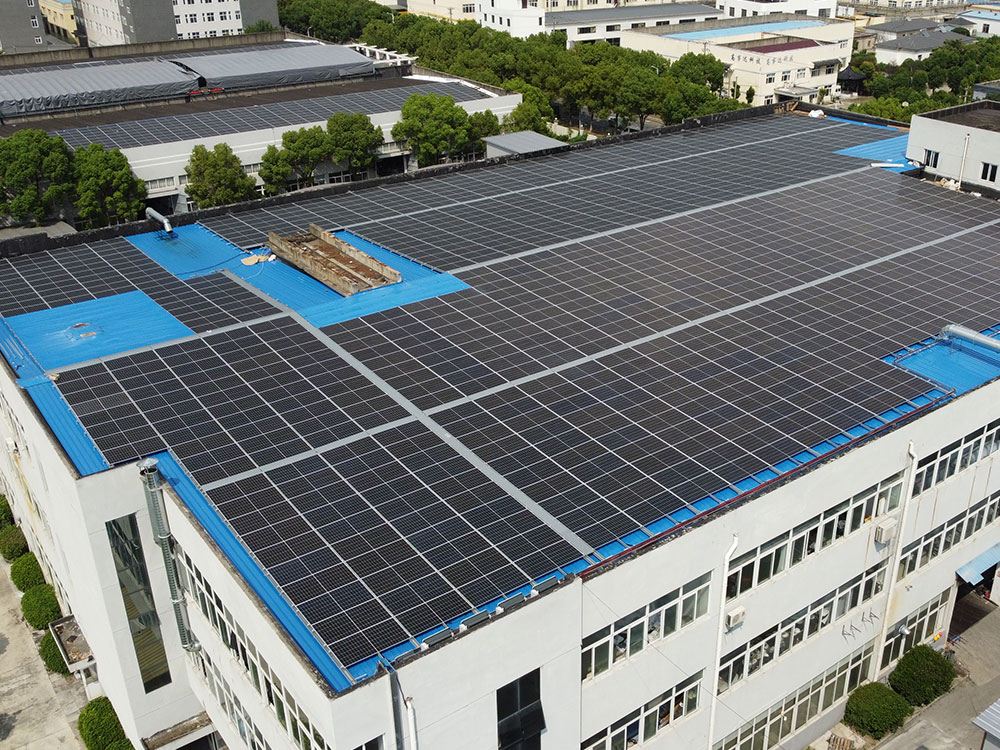
Flexibility is another significant feature of BIPV solar panels. Different building structures and solar system layouts demand distinct mounting requirements, necessitating a high degree of customization. They can adapt to the shapes and dimensions of complex buildings, offering suitable mounting solutions for structures ranging from flat roofs and pitched roofs to curved surfaces. Installation methods are diverse, including roof-mounted, wall-mounted, and curtain wall-integrated options, accommodating installation needs across different building sections. This flexibility enables BIPV solar panels to better suit various construction projects, providing robust support for the numerous applications of building-integrated photovoltaic systems.
BIPV solar panels also emphasize system protection and maintenance. Since solar panel efficiency is often impacted by dust, debris, and other contaminants, mounting designs prioritize components that facilitate easy cleaning and upkeep. Some brackets incorporate specialized structural designs that allow rainwater to more readily wash away surface contaminants, reducing the frequency of manual cleaning. Additionally, the bracket’s connectors and fasteners are engineered for easy disassembly and replacement, facilitating routine inspection and maintenance of the solar panels to ensure long-term, stable system operation.
The environmental performance of BIPV solar panels is equally noteworthy. Beyond strength and durability, material selection prioritizes recyclable or eco-friendly options to minimize environmental impact. Upon reaching the end of the solar system’s lifespan, these mounting materials can be recycled again, further reducing the environmental footprint of building-integrated photovoltaic systems. BIPV solar panels provide robust support for building-integrated photovoltaic systems through their inherent characteristics: seamless architectural integration, superior load-bearing capacity, high flexibility, ease of maintenance and cleaning, and environmental sustainability.