When considering installing rooftop solar mounting systems, many households and businesses first ask: Is my roof suitable for solar mounting? In reality, not all roofs meet the requirements for solar mounting systems. Selecting the right roof is fundamental to ensuring the safe and efficient operation of a solar power generation system.
Roof Types and Structural Strength
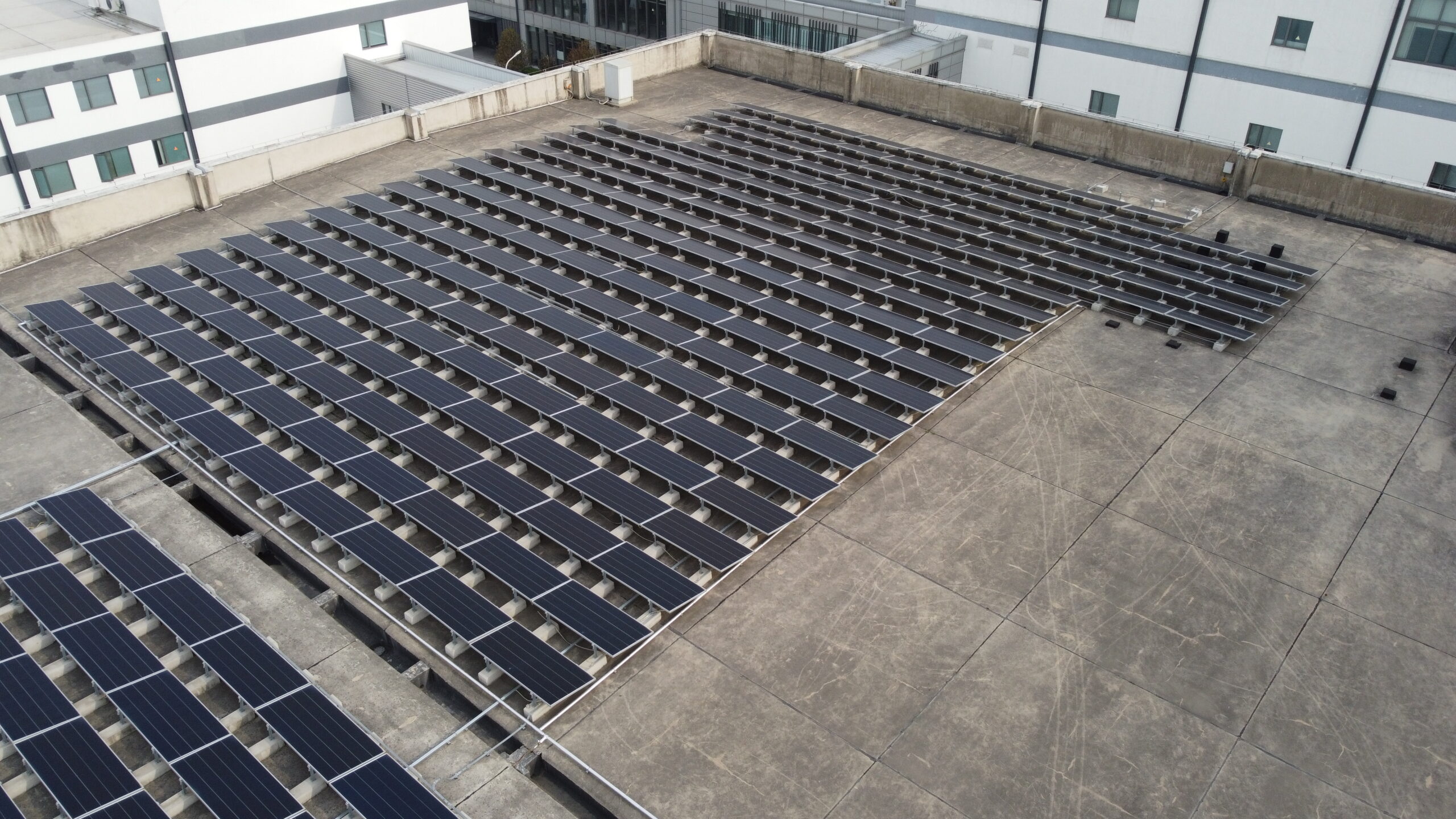
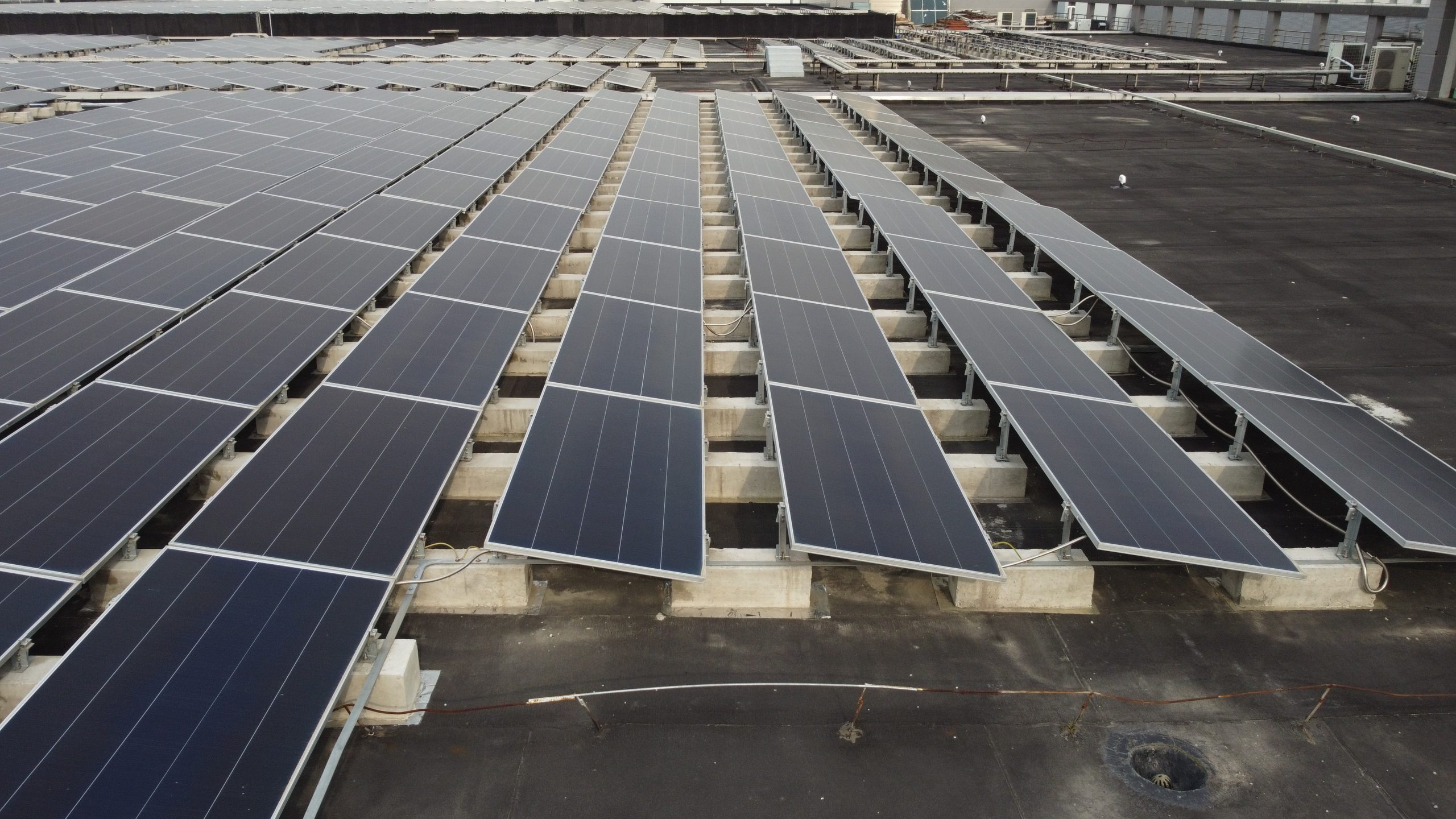
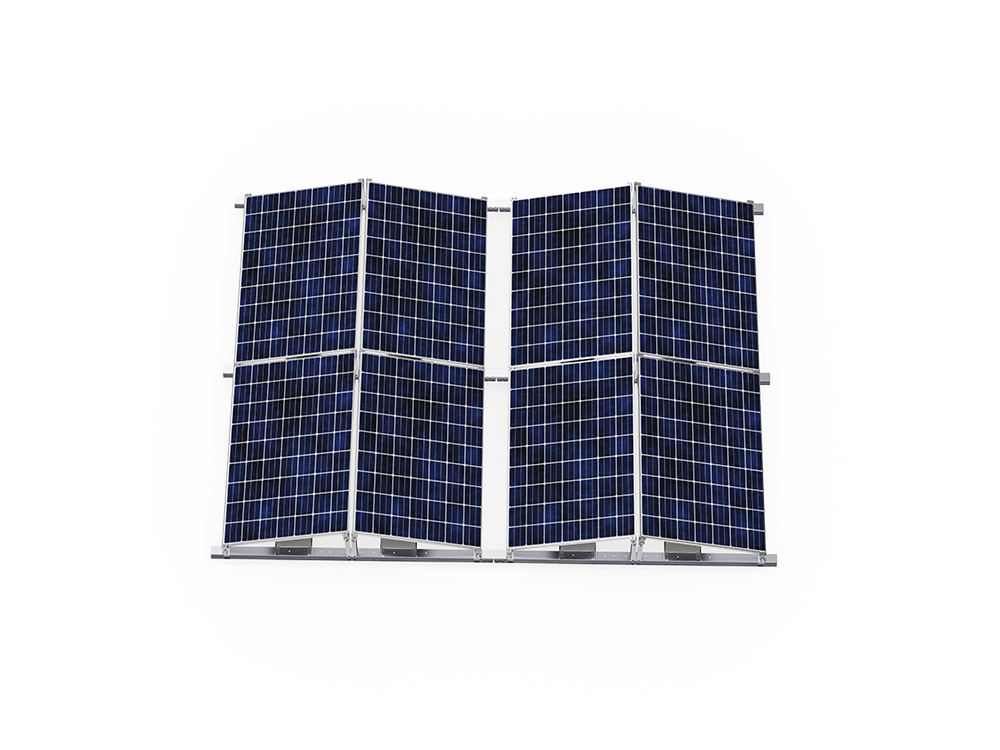
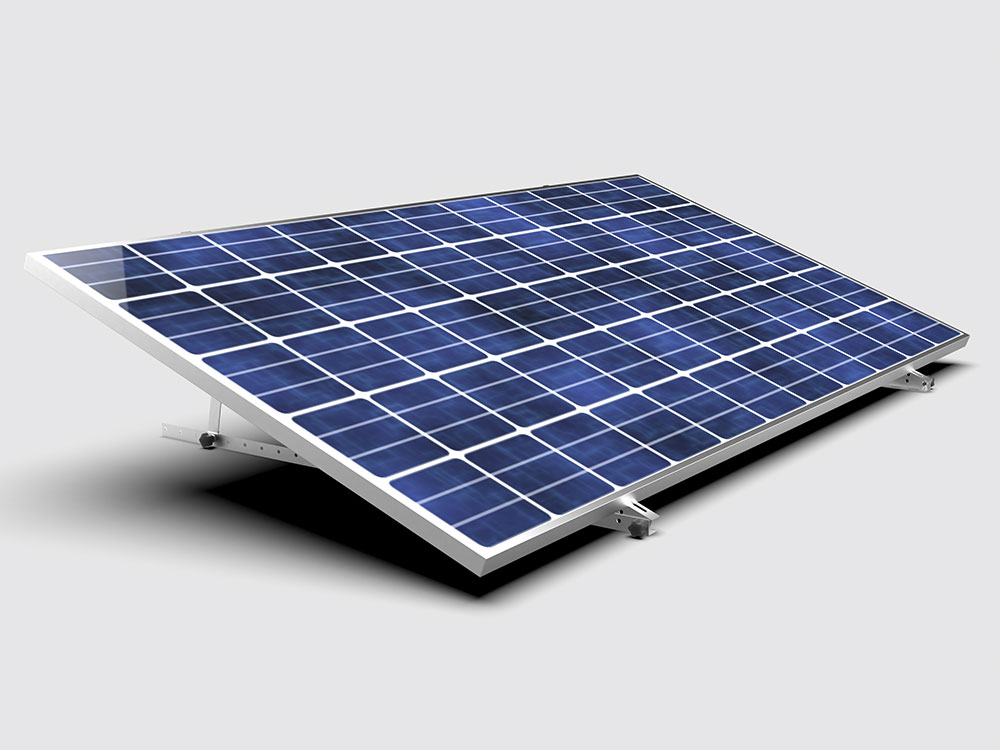
A roof’s structure and materials directly impact the feasibility of mounting solar racks. Common roof types include flat roofs and pitched roofs, with materials ranging from concrete and tiles to metal. Flat roofs typically allow for angle adjustments via brackets to maximize sunlight capture, while pitched roofs require installation designs tailored to their existing slope. Regardless of roof type, sufficient load-bearing capacity is essential to sustain the weight of solar brackets and panels long-term. A structural assessment by professionals is recommended before installation to ensure roof stability and reliability.
Orientation and Sunlight Conditions
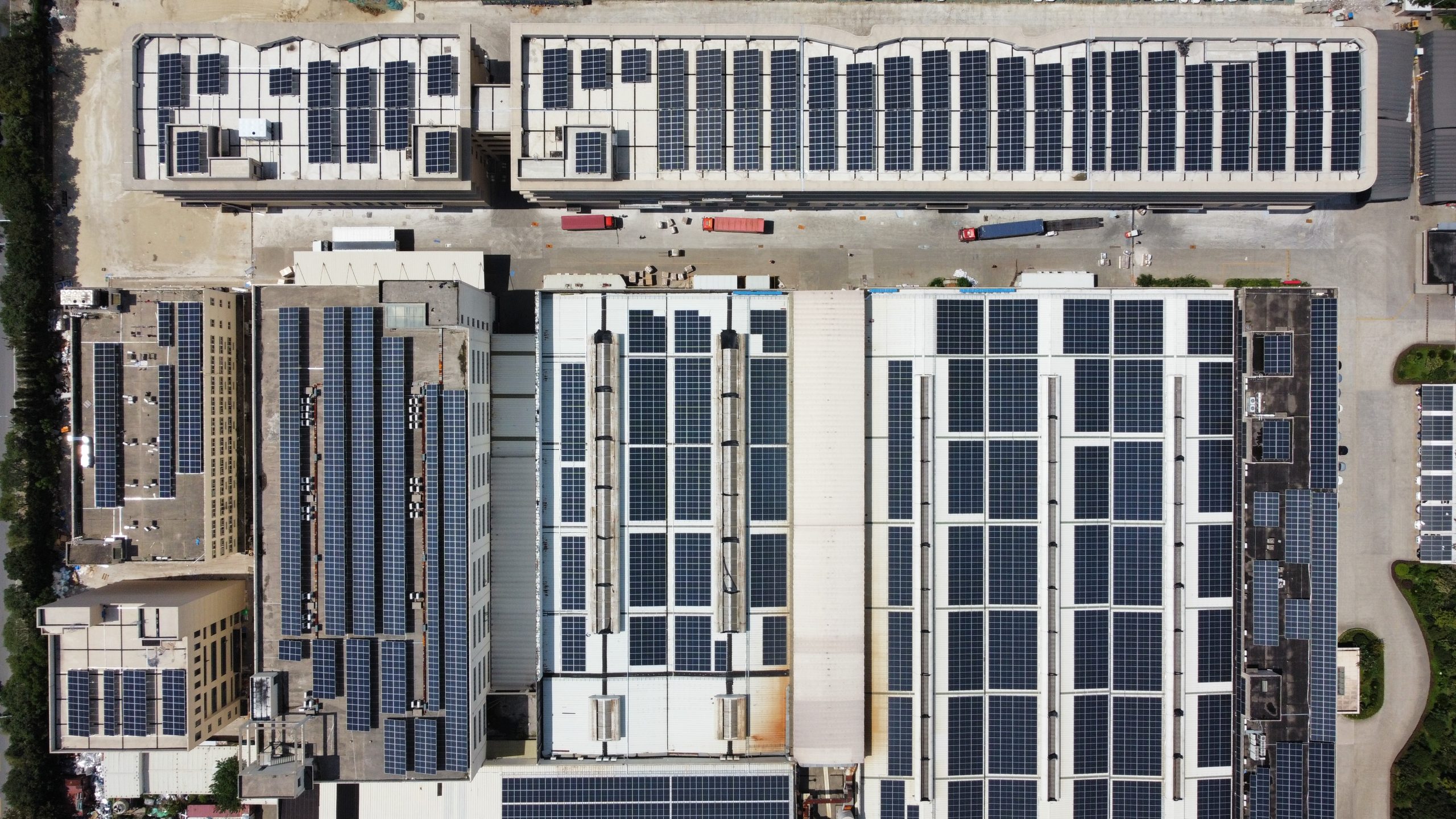
Sunlight is central to solar power generation, making roof orientation and sunlight exposure critical. In the Northern Hemisphere, south-facing roofs generally receive the most sunlight and achieve higher power generation efficiency. East-west facing roofs can also be installed, though efficiency may be slightly reduced. Additionally, the roof should be free from obstructions like tall buildings or trees that could cast shadows and reduce the output power of solar panels. If partial shading occurs, the mounting layout can be adjusted to optimize performance.
Roof Age and Maintenance Condition
The roof’s lifespan is another factor to consider. Solar mounting systems are designed for a service life exceeding 25 years, so the roof itself should be in good condition to avoid the need for short-term repairs or replacement. If the roof has been in use for many years and exhibits issues like leaks or structural deterioration, it is advisable to repair it before installing solar panels to minimize future dismantling and maintenance costs.
Installation Conditions and Regulatory Restrictions
Beyond the roof’s inherent characteristics, local regulations and installation conditions must be considered. Some areas impose strict rules on rooftop installations—for instance, historic preservation buildings or residential complexes may restrict aesthetic alterations. Additionally, the roof must provide sufficient space to accommodate solar panels and the mounting system while allowing access for maintenance. Installation must also ensure electrical connections are safe and comply with grid connection standards.
In summary, roofs suitable for solar mounting systems should feature robust structural integrity, optimal orientation, ample sunlight exposure, and well-maintained surfaces. Through professional assessment and thoughtful design, most roofs can become ideal locations for solar power generation. Selecting reliable solar mounting products and installation services not only enhances energy self-sufficiency but also contributes to environmental sustainability.
For professional consultation, please contact me: Click here