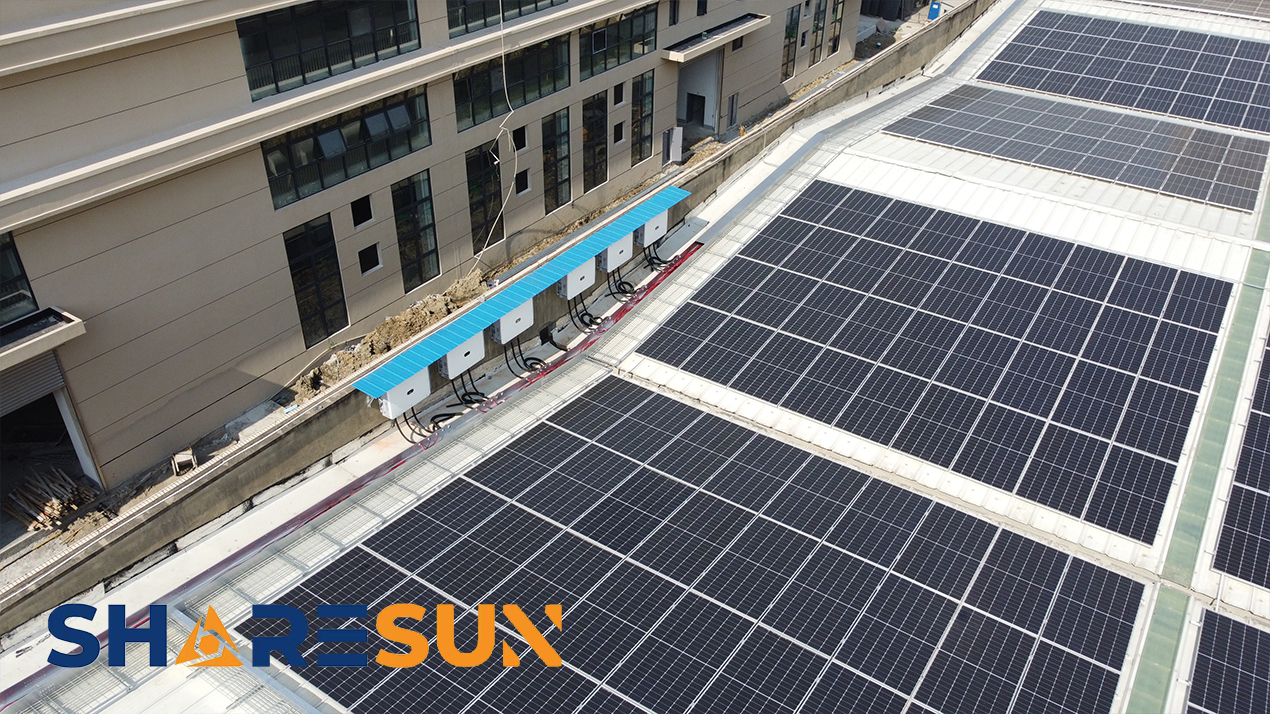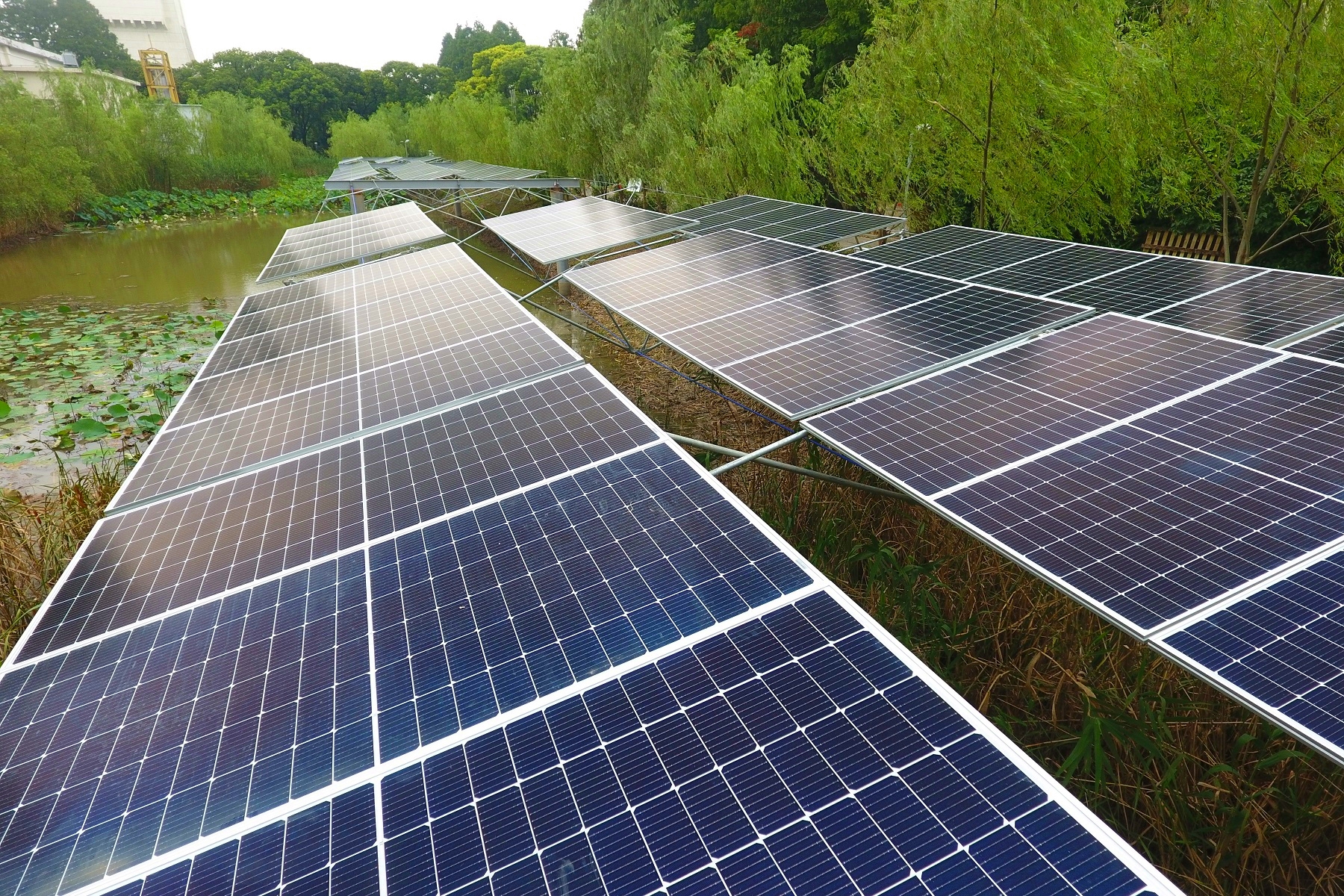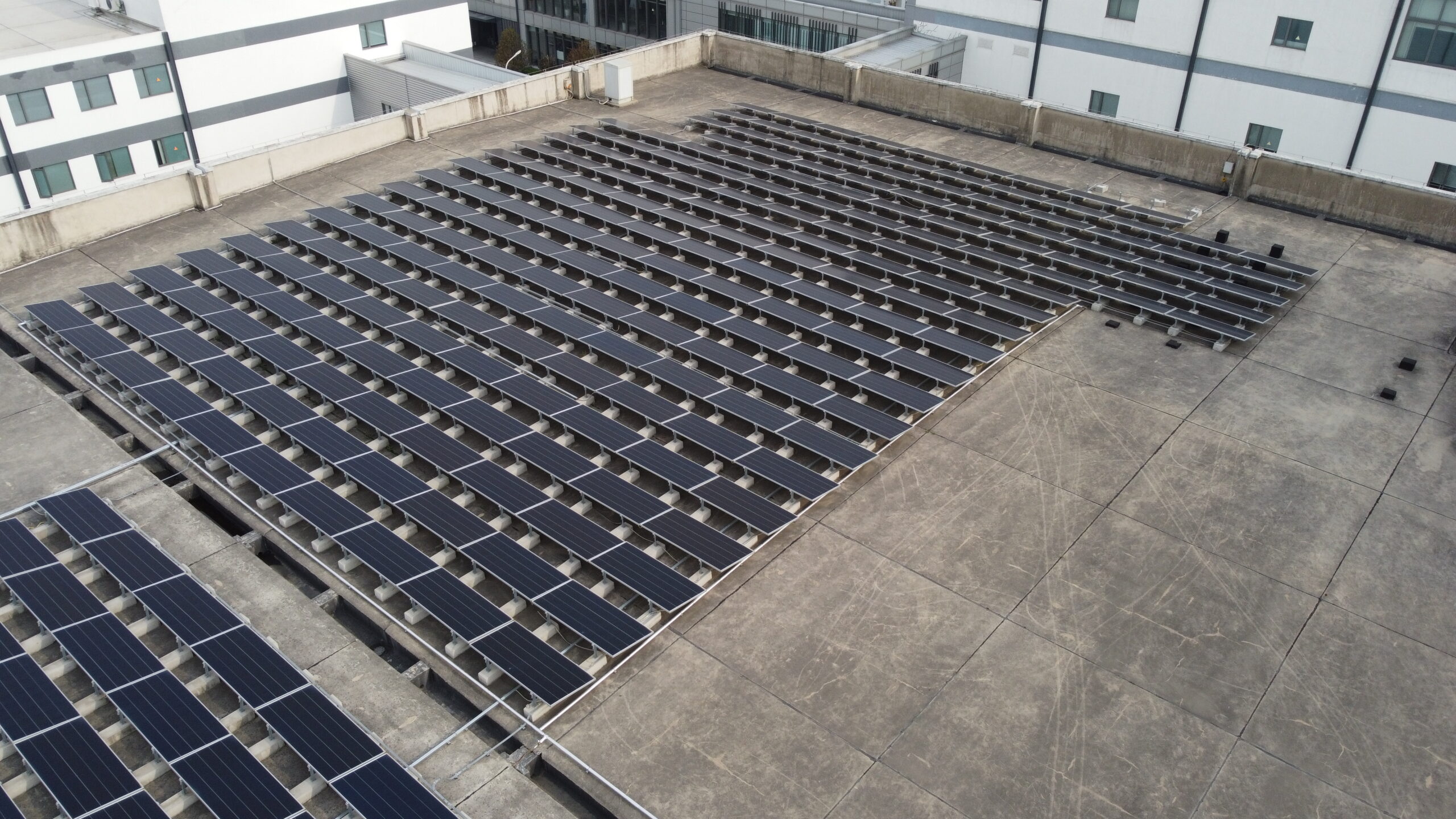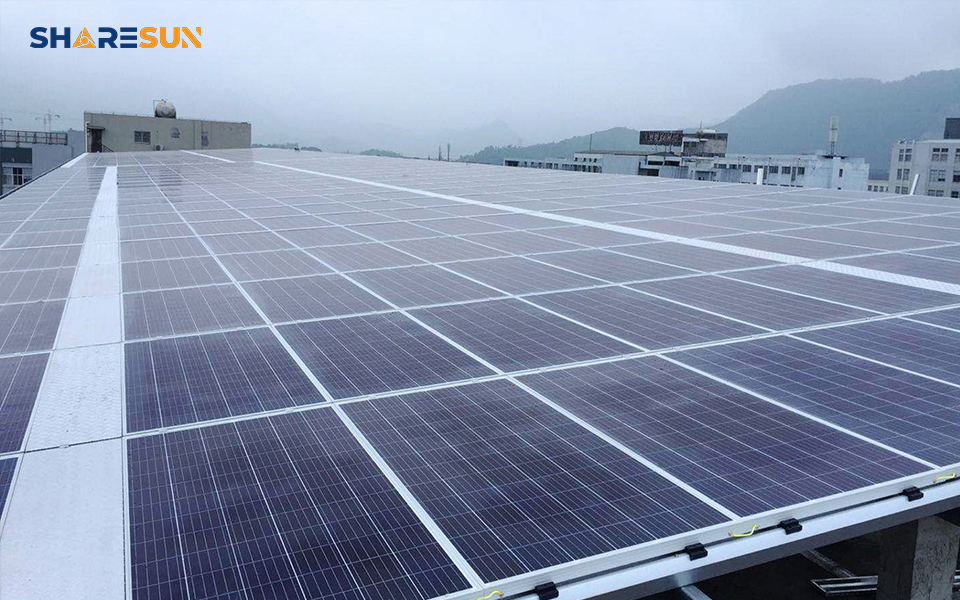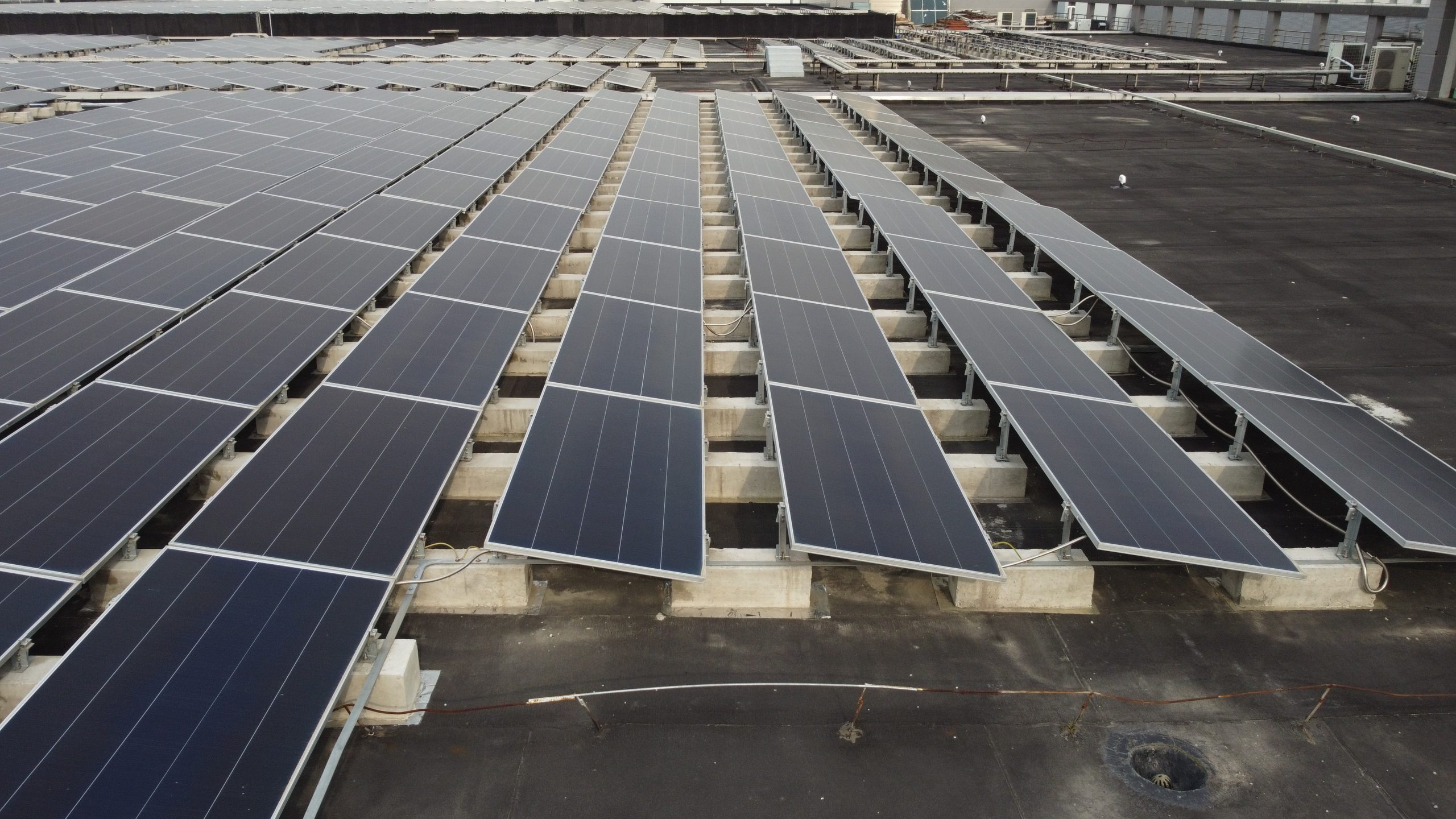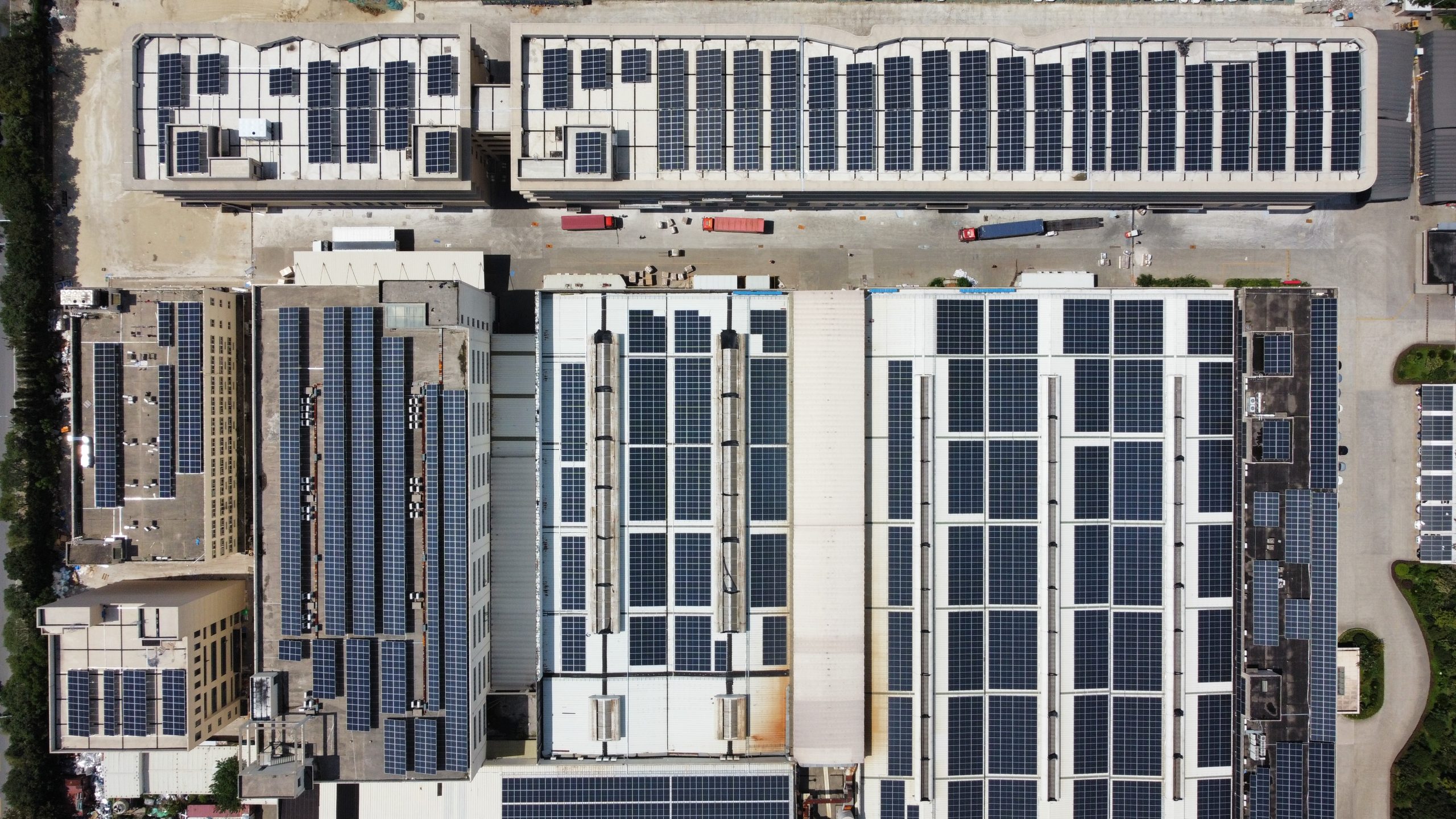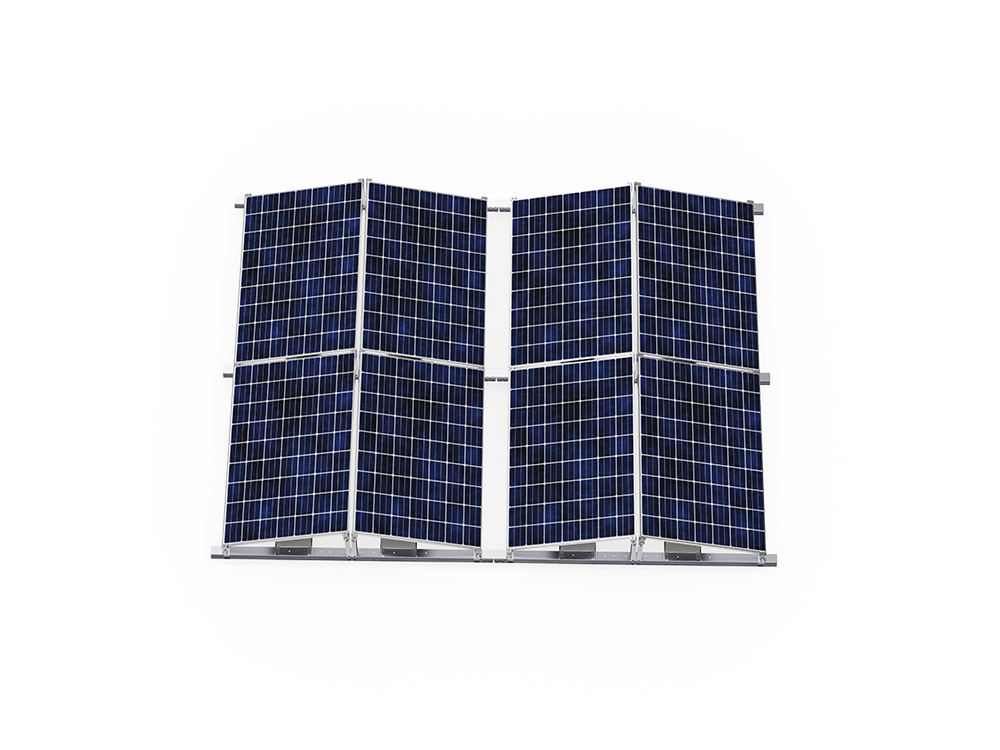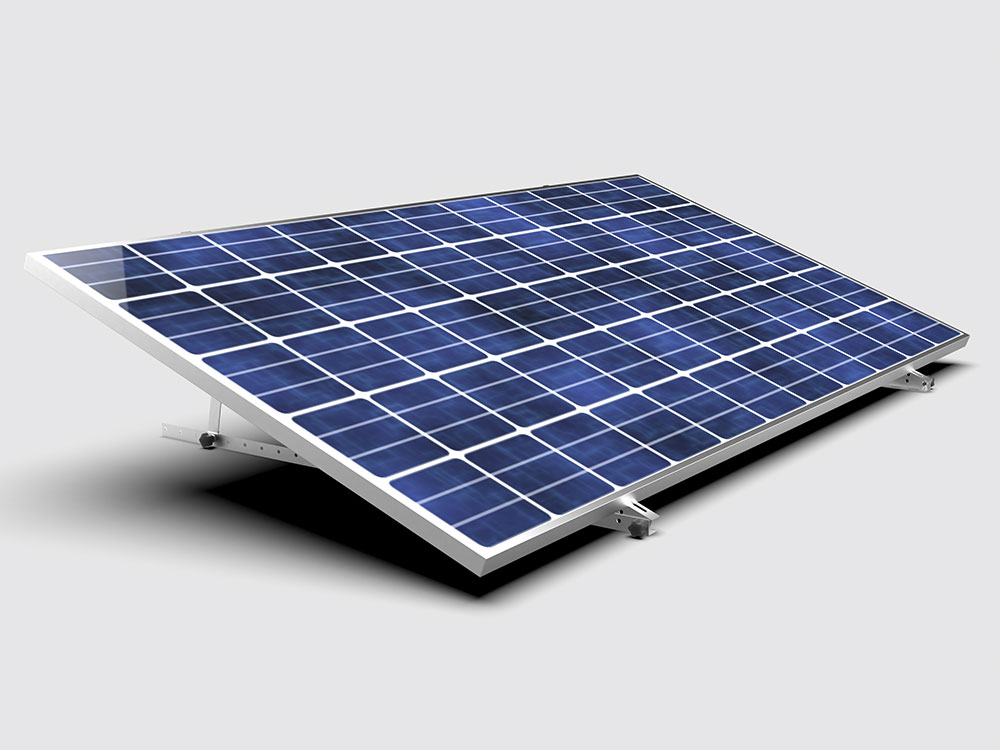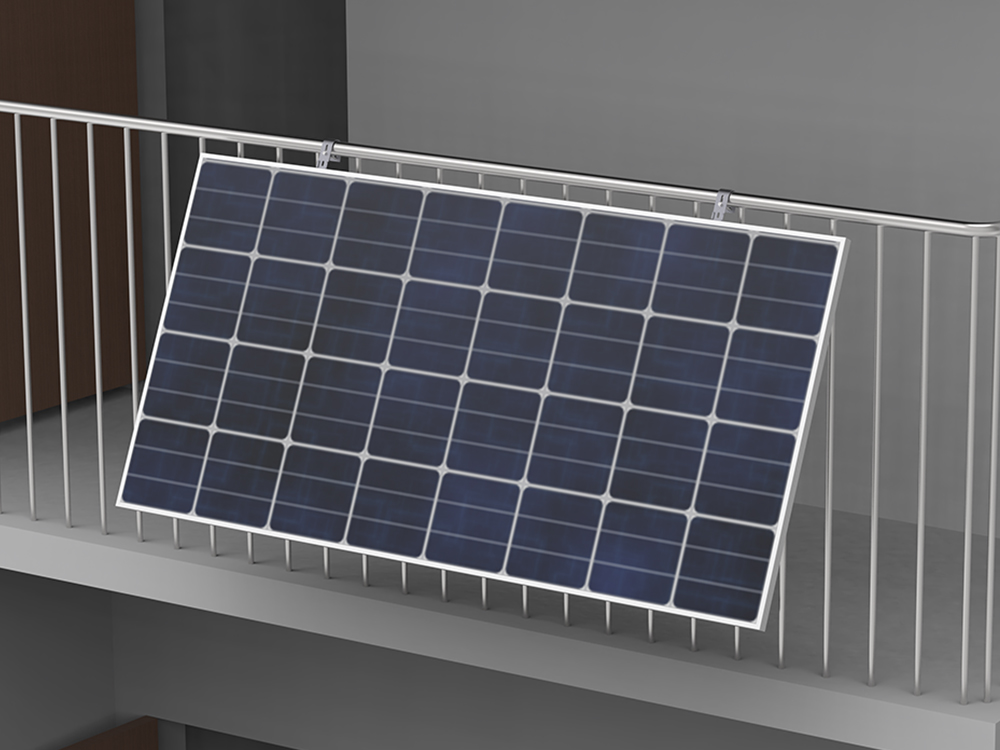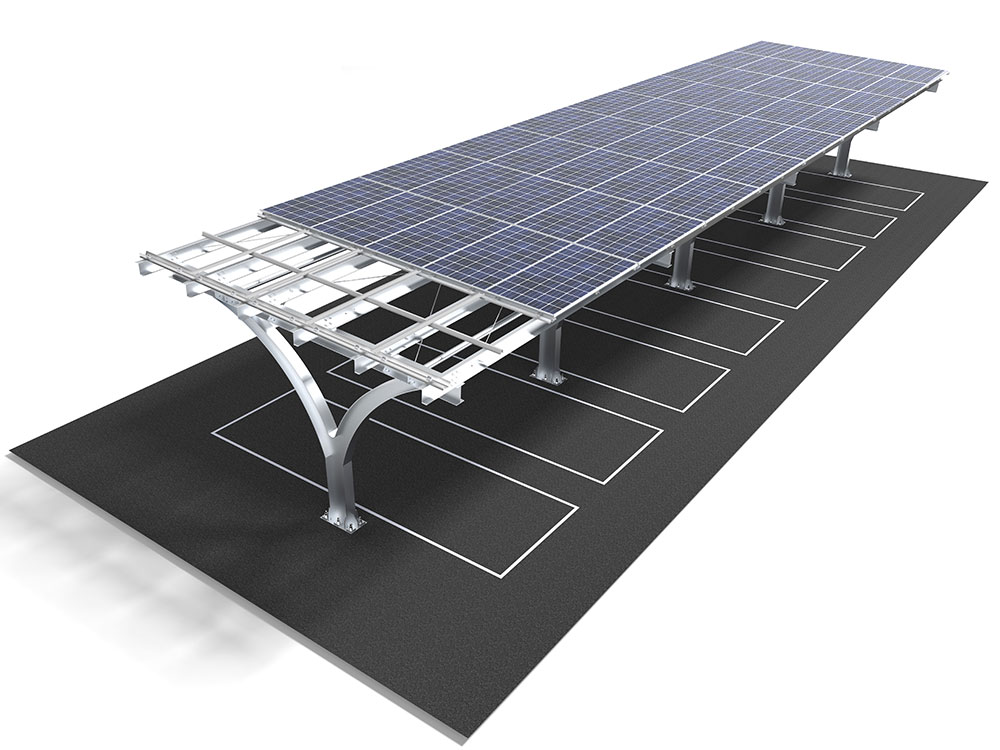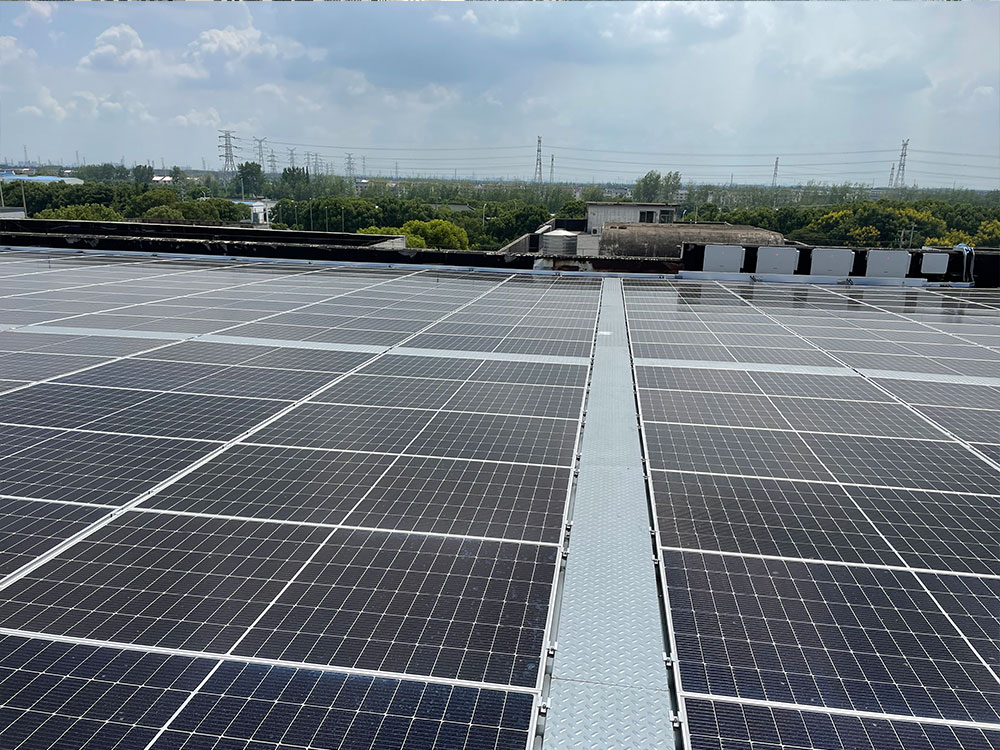
As solar power generation technology becomes more widespread, rooftop solar has emerged as a key method for households and businesses to harness solar energy. However, beyond common rooftop solar systems, the concept of “BIPV” has gradually entered public awareness in recent years. So, what exactly does BIPV mean? And how does it differ from conventional rooftop solar?
Simply put, BIPV stands for Building-Integrated Photovoltaics. It refers to directly integrating solar power generation capabilities into a building’s structure and materials, making it an integral part of the architecture. Examples include solar tiles, solar curtain walls, and solar skylights. These elements not only generate electricity but also serve functions like building envelope protection, shading, and decoration. In contrast, conventional rooftop solar systems typically involve installing standard solar panels on top of existing building roofs. These are “retrofitted” power generation units with a relatively singular core function focused primarily on electricity generation.
From a design perspective, BIPV emphasizes deeper integration between solar energy and architectural design. It is incorporated into the overall design considerations during the initial planning stages of a building, striving to harmoniously unify power generation with architectural aesthetics and structural safety. Consequently, BIPV products often achieve a more aesthetically pleasing and integrated appearance by better aligning with the building’s facade or roof lines. Conventional rooftop solar systems, however, are typically retrofitted onto existing buildings based on roof conditions and orientation. While they can generate electricity efficiently, their integration with the building’s appearance is generally less seamless than BIPV.
In terms of construction and functionality, BIPV, being an integral part of the building structure, often replaces traditional building materials (such as roof tiles or glass curtain walls). This substitution can, to some extent, reduce material costs. Simultaneously, it directly impacts the building’s waterproofing, insulation, and structural load-bearing capabilities, demanding higher standards for design, installation techniques, and product reliability. Conventional rooftop solar systems, however, are installed atop existing roof structures without replacing building envelope functions. Their installation is relatively independent, prioritizing the efficiency and stability of the power generation system.
In summary, the core distinction between BIPV and conventional rooftop solar lies in “integration level” and “functionality.” BIPV represents a higher level of integration, transforming solar power systems from building “add-ons” into “integral components,” achieving seamless unification with the building structure itself. For new constructions or buildings undergoing large-scale renovations, BIPV offers solutions with greater aesthetic value and functional integration. Conventional rooftop solar, however, remains dominant in solar retrofits for existing buildings due to its mature technology, flexible installation, and high cost-effectiveness.
Whether opting for BIPV, which integrates seamlessly with the building, or choosing the economical and practical conventional rooftop solar, the fundamental goal remains the same: to harness solar energy more efficiently for electricity generation. Understanding the differences between the two helps owners and designers make the most suitable choice based on the project’s specific requirements, budget, and aesthetic preferences.
For detailed program information, please click here: Contact Us