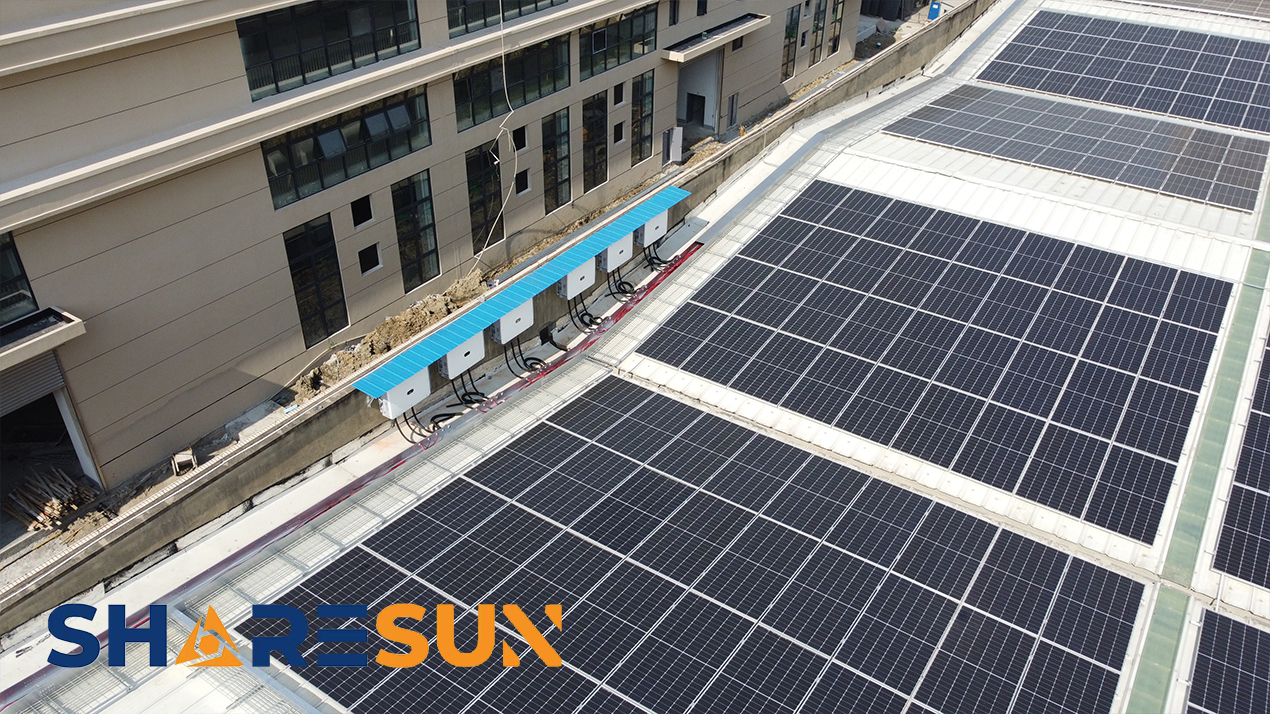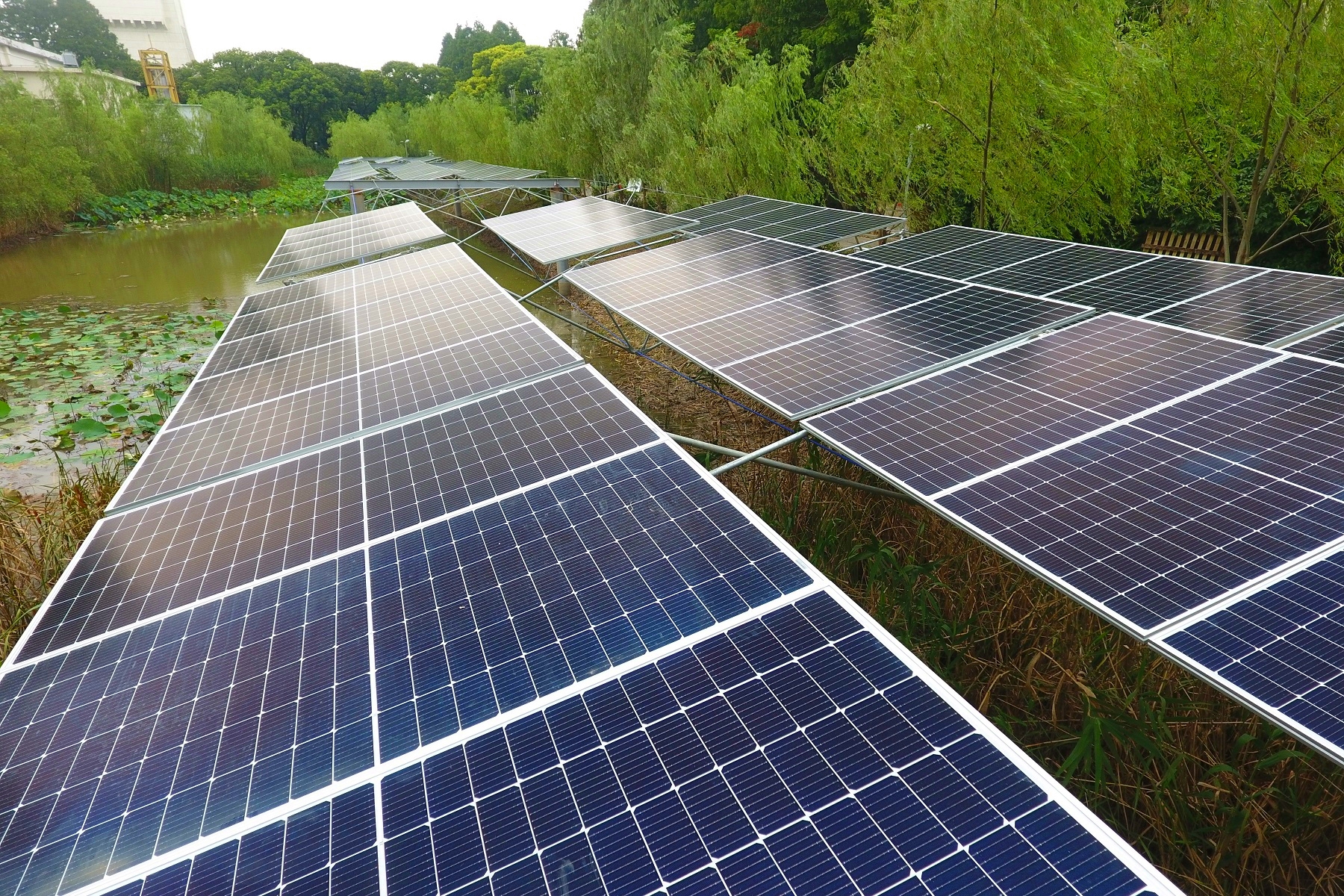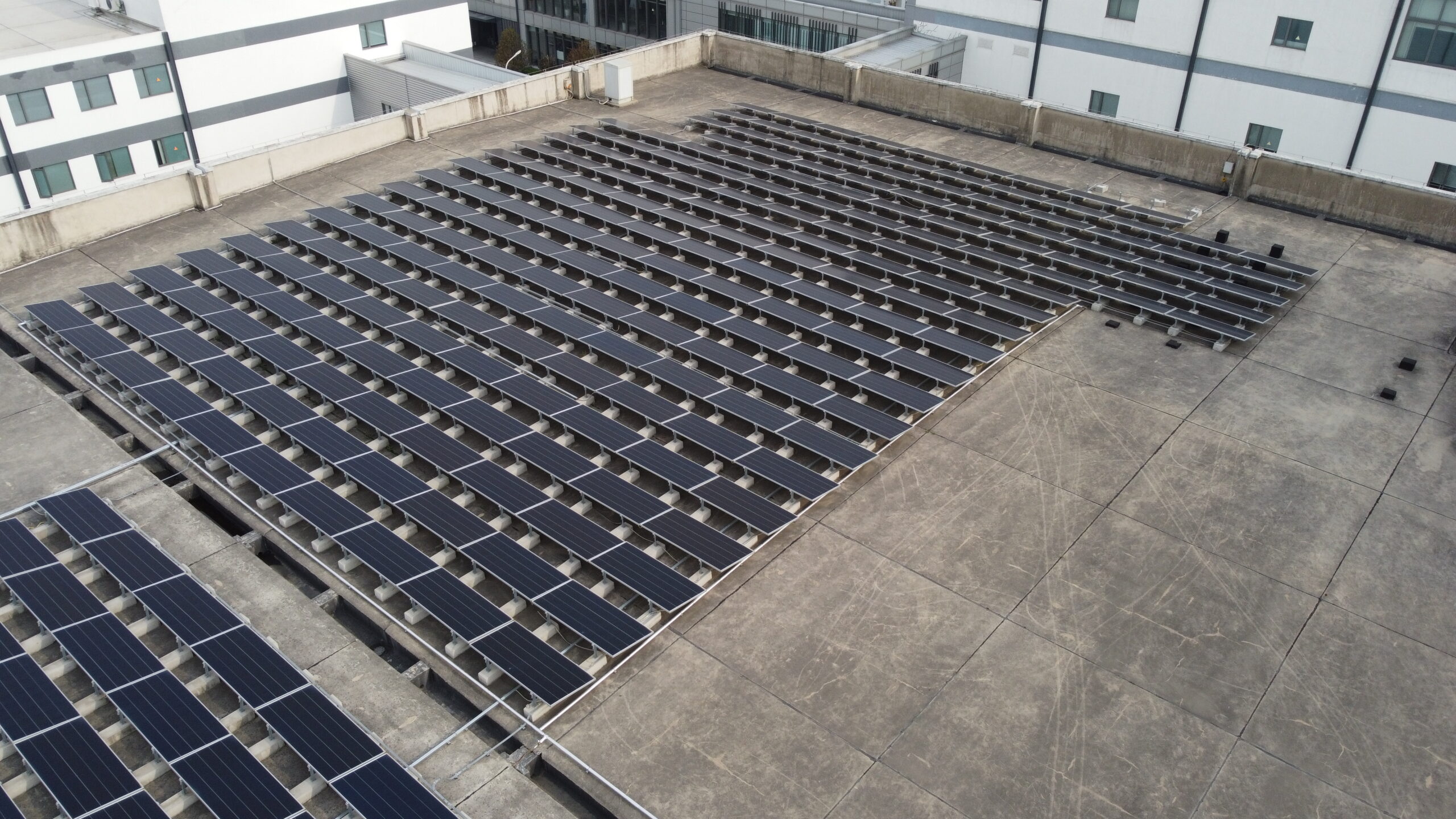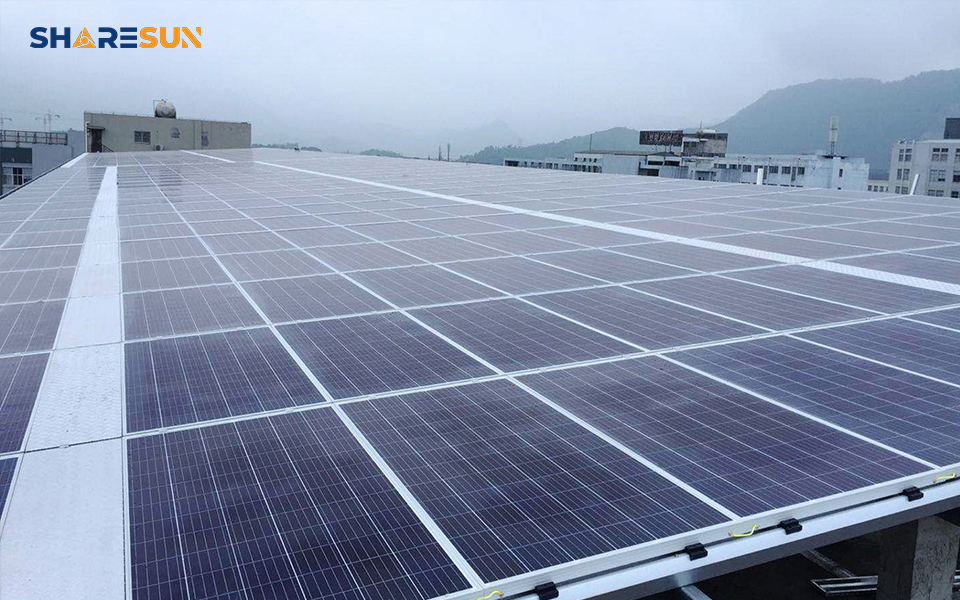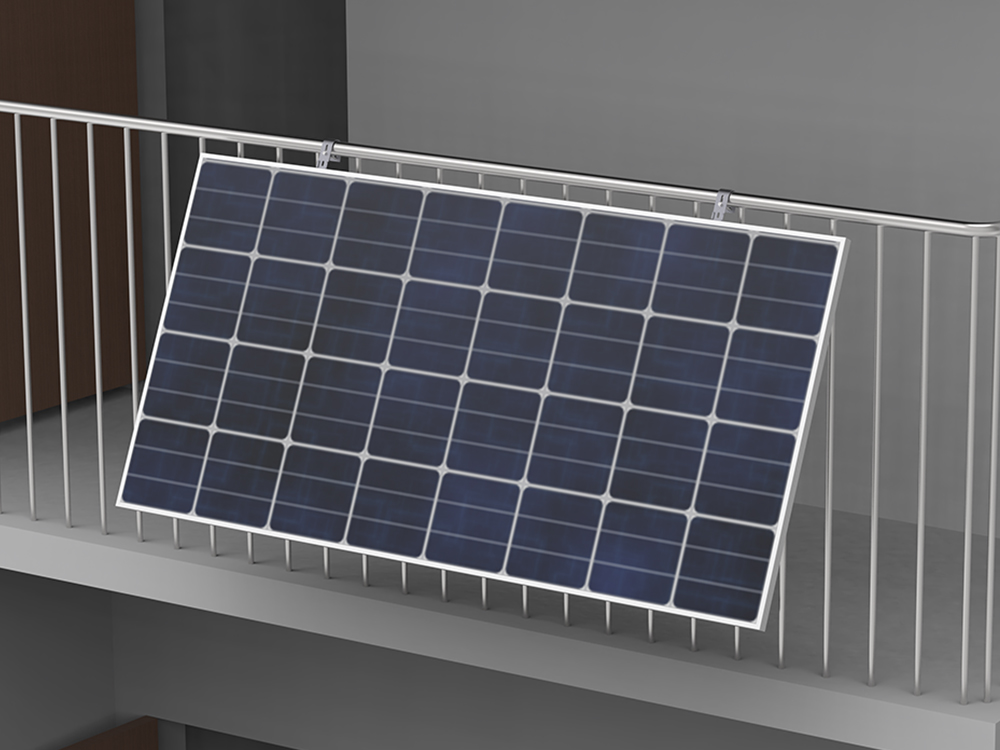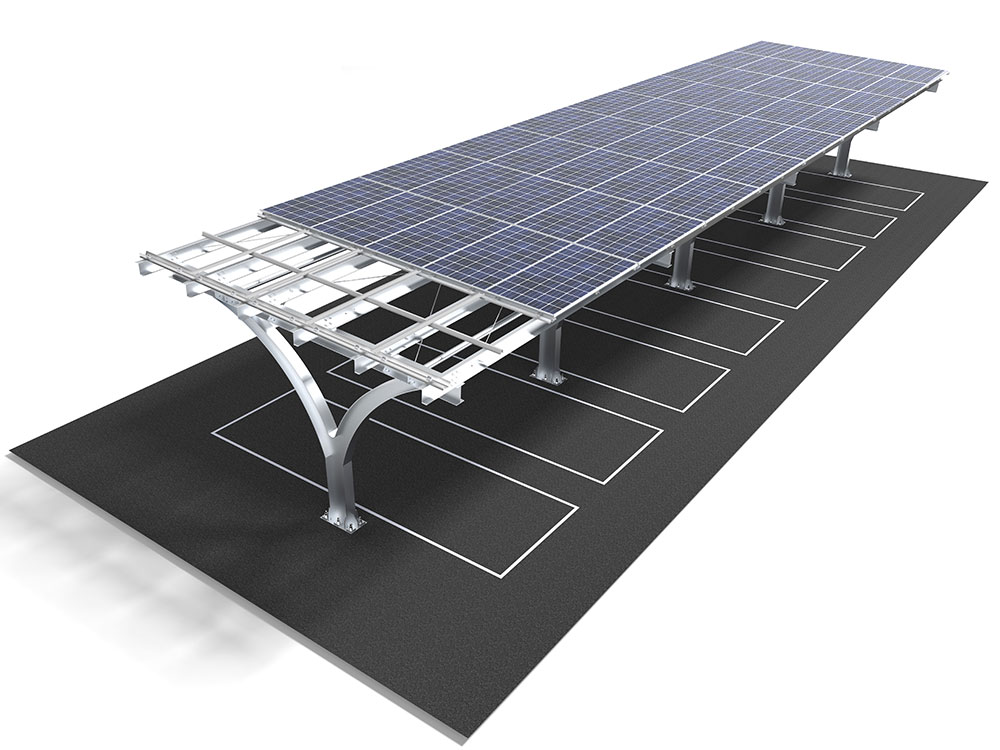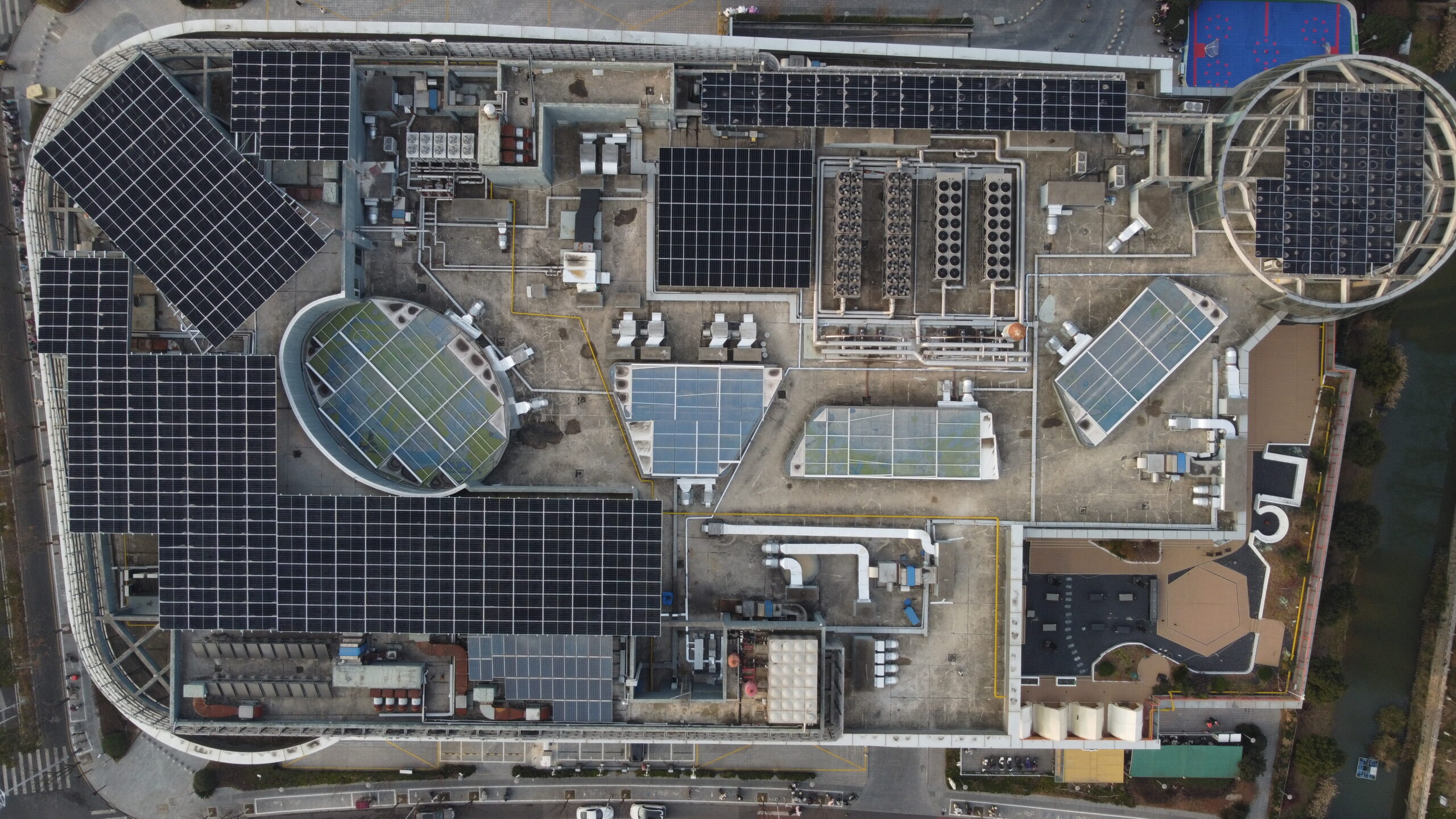
Solar panel mounts serve as the essential support structure in solar power generation systems. They bear the weight of solar panels, ensuring the entire system operates stably and reliably over the long term in complex outdoor environments. Installation quality directly impacts power generation efficiency and is crucial for system safety and longevity. Several key aspects require special attention during installation.
First, site selection and assessment form the foundation. A thorough site survey must be conducted before installation to ensure the area receives ample sunlight and is free from obstructions like trees, buildings, or other objects that could shade the panels. Additionally, terrain, geological conditions, and climate factors—such as wind speeds, snow loads, and soil bearing capacity—must be assessed. These elements determine the type of mounting structure and its anchoring method. For instance, in high-wind regions, a more robust mounting design and deeper foundations are required to prevent damage from strong gusts.
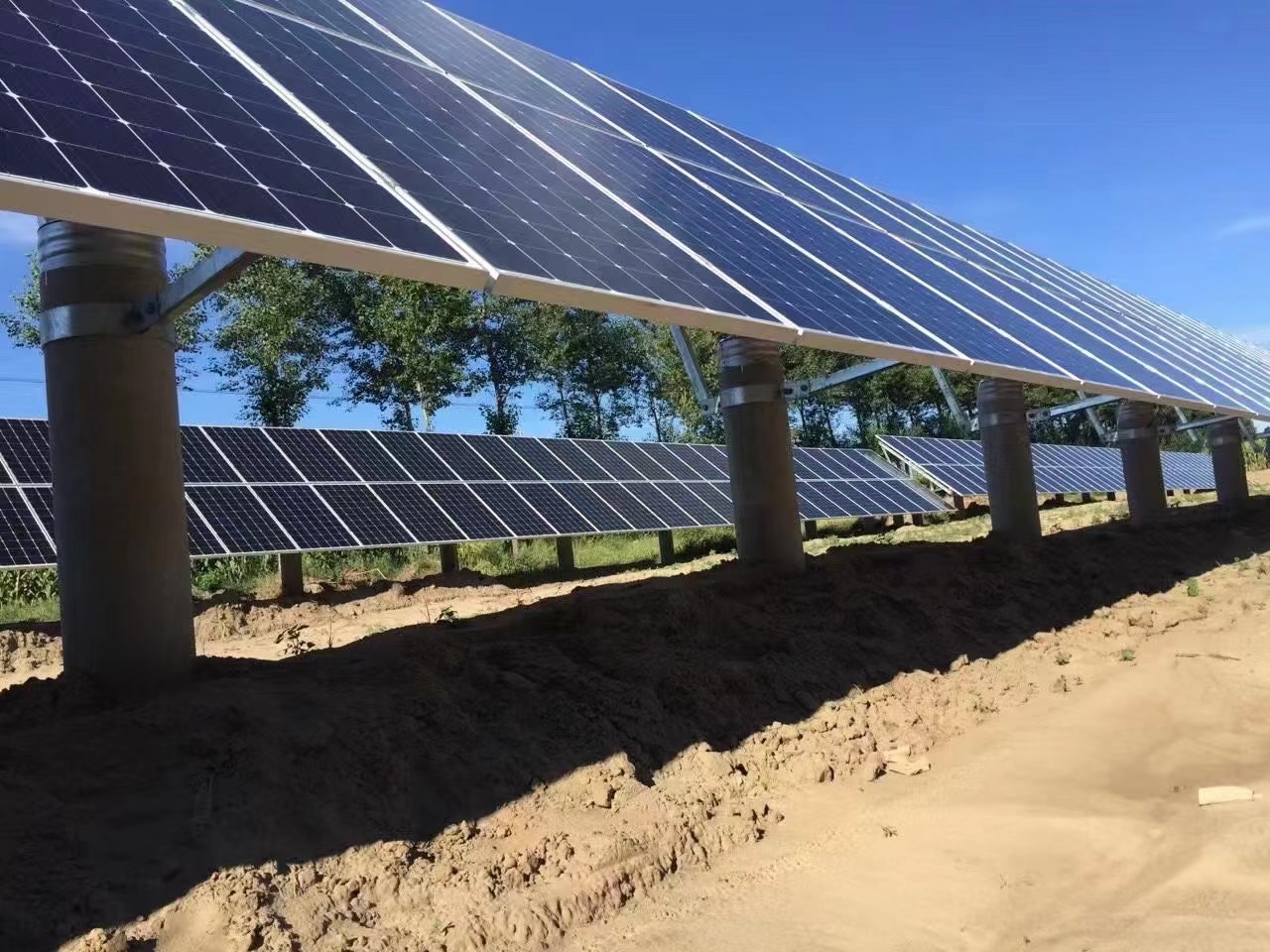
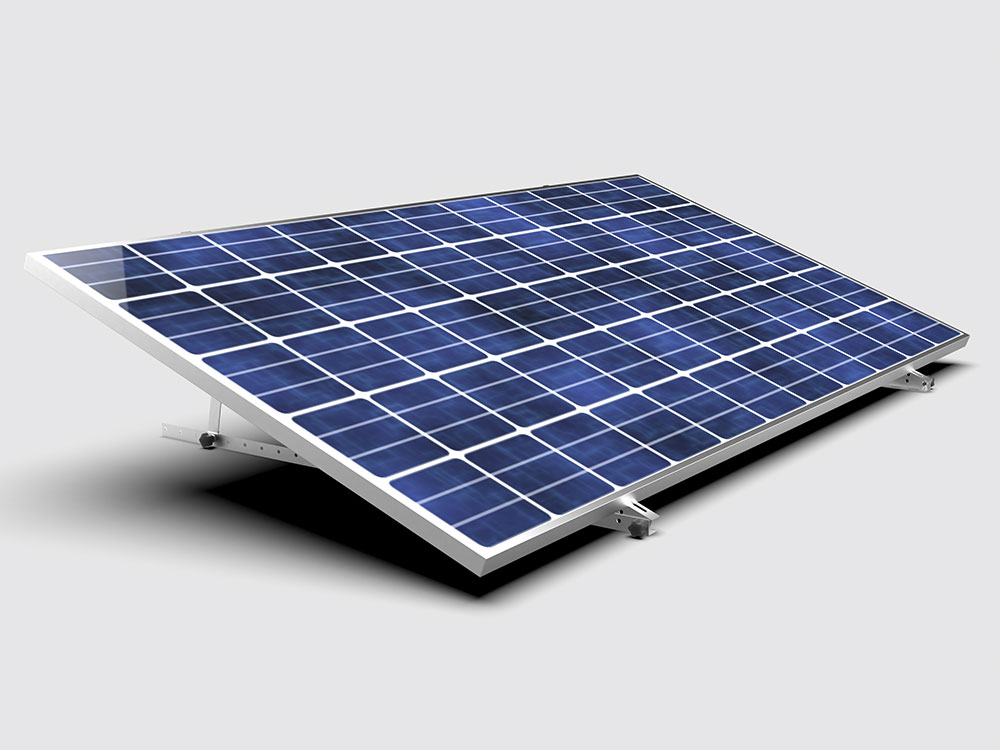
Second, selecting the right mounting material and design is crucial. Common materials include aluminum alloy and hot-dip galvanized steel—the former being lightweight and corrosion-resistant, ideal for rooftop installations; the latter offering high strength, suitable for large ground-mounted power plants. Design must allow adjustable mounting angles to optimize panel tilt according to local latitude, maximizing solar radiation capture. During installation, strict adherence to design drawings is mandatory. All fasteners must be securely tightened to prevent component displacement or breakage due to loosening.
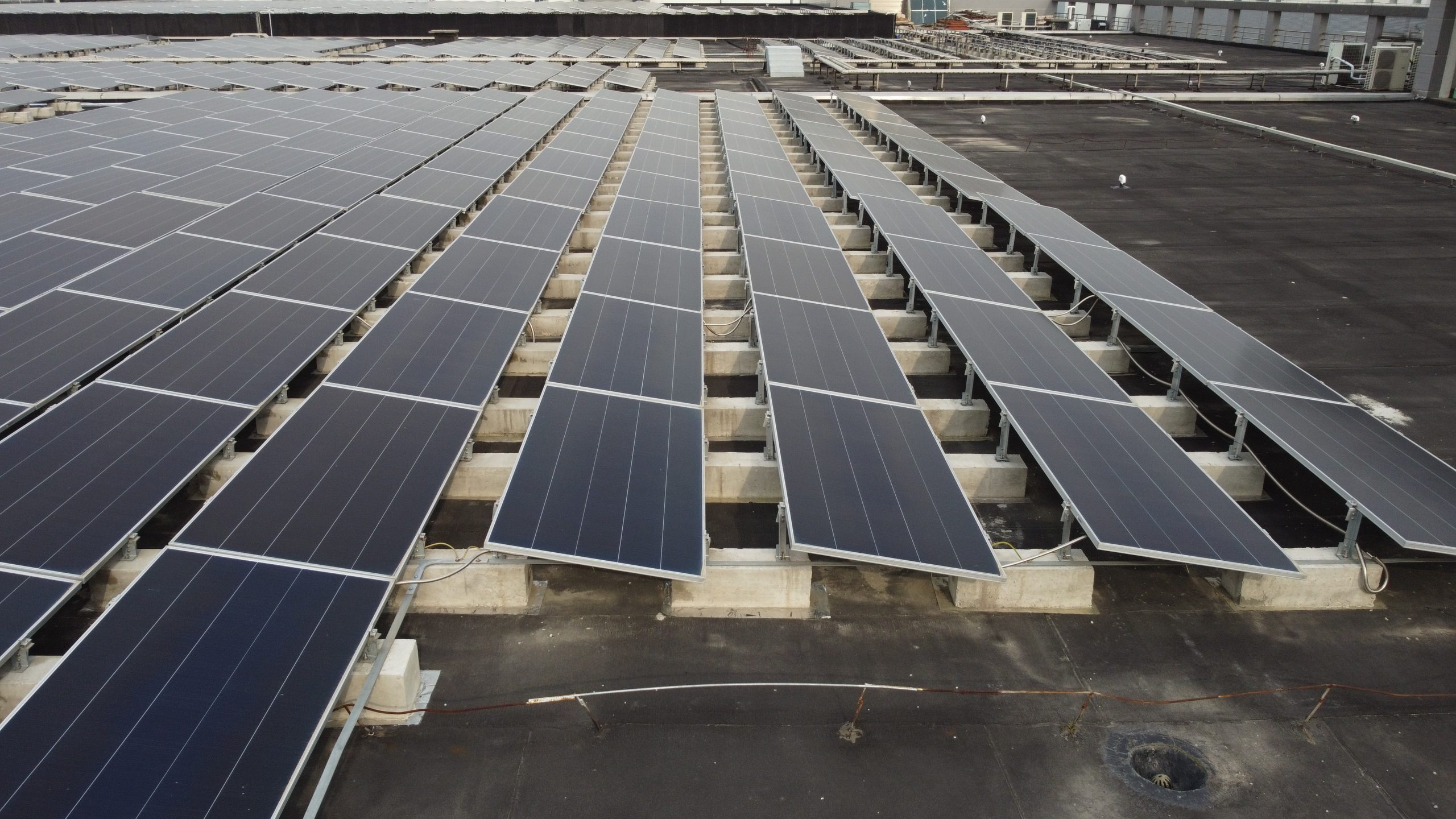
Precision and balance are paramount throughout installation. Mounting structures must be level, with even load distribution across all support points. Failure to achieve this may cause microcracks in solar panels, impairing power generation performance. For rooftop installations, special attention must be paid to waterproofing to prevent mounting hardware from damaging roof structures and causing leaks. Sufficient maintenance access must be provided for future cleaning and component inspections.
Safety protocols must be strictly adhered to. Installers should wear protective gear and secure safety harnesses during elevated work. Electrical connections require certified electricians to ensure proper wiring between panels, inverters, and cables, preventing electrocution or fire hazards. Following system installation, comprehensive testing must be conducted, including structural stability checks, panel alignment verification, and electrical performance assessments.
Finally, environmental adaptability must be considered. Solar mounting systems should possess adequate corrosion resistance, particularly in coastal or heavily industrialized areas. Regular inspections for signs of rust, deformation, or loosening are essential, with timely maintenance extending service life. Simultaneously, optimize the layout of solar panels to minimize shading. This not only enhances power generation efficiency but also helps reduce the hot-spot effect, safeguarding panel integrity.
In summary, installing solar mounting systems is a comprehensive engineering endeavor requiring careful consideration of site selection, materials, installation precision, and safety standards. Only by meticulously executing each step can the efficient and stable operation of solar power systems be ensured, delivering enduring power for green energy.
For more information, please click here: Contact Us