As solar power systems become increasingly common in households, more homeowners are focusing on installing safe and reliable solar power stations on their roofs. However, faced with various roof structures—flat roofs, tile roofs, color-coated steel roofs—many wonder: How should one select the right solar mounting system?
In reality, there is no one-size-fits-all answer for selecting solar mounting systems. The key lies in understanding the specific characteristics of the roof. Different roof materials, structures, and slopes dictate entirely different installation methods for the mounting system. Choosing correctly ensures the power station operates stably for 25 years; choosing incorrectly can lead to leaks, loosening, or even safety hazards.
Flat Roofs: Counterweight-Based Systems Are Primary, Drilled-Anchor Mounting Can Also Be Considered
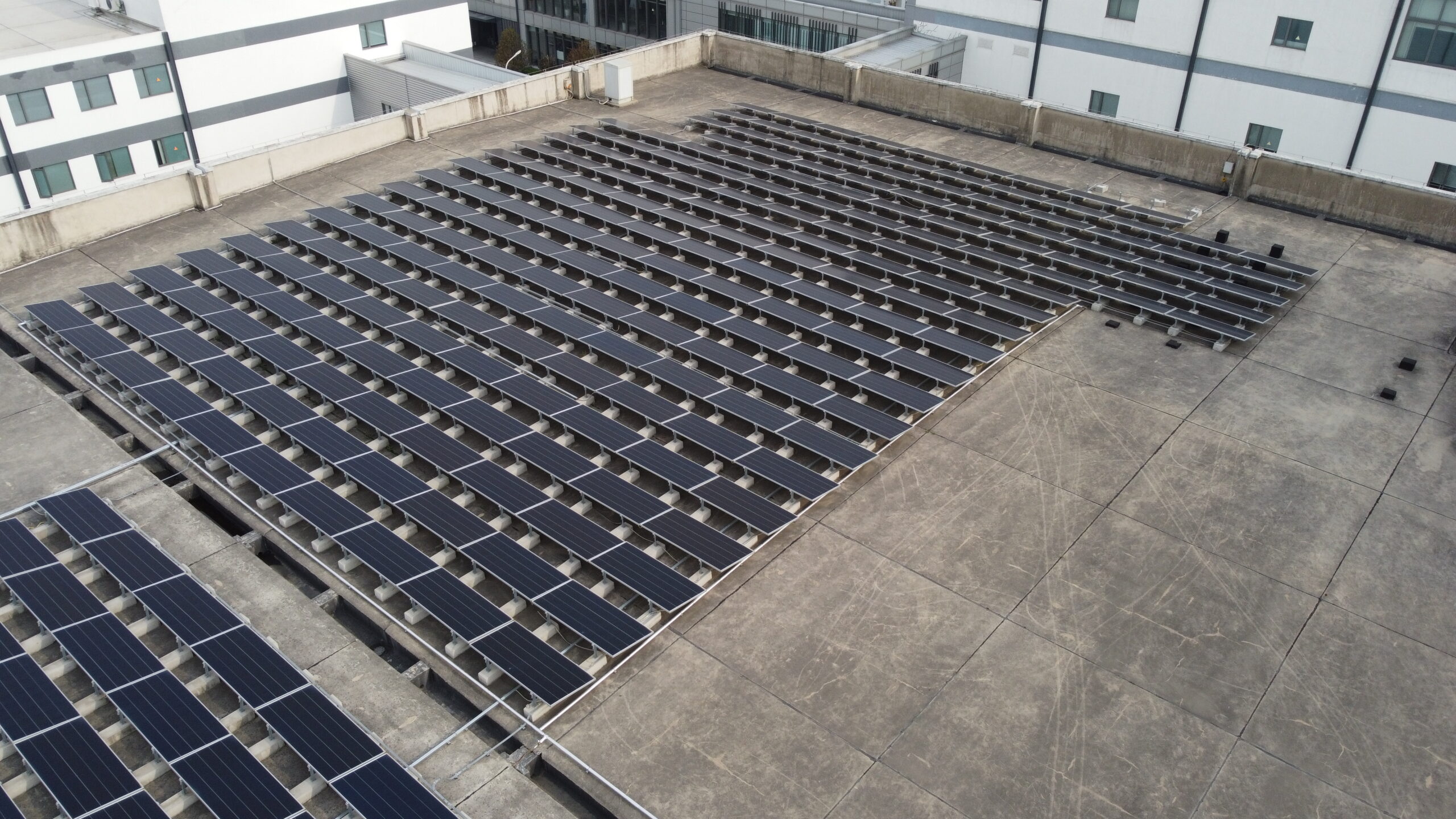
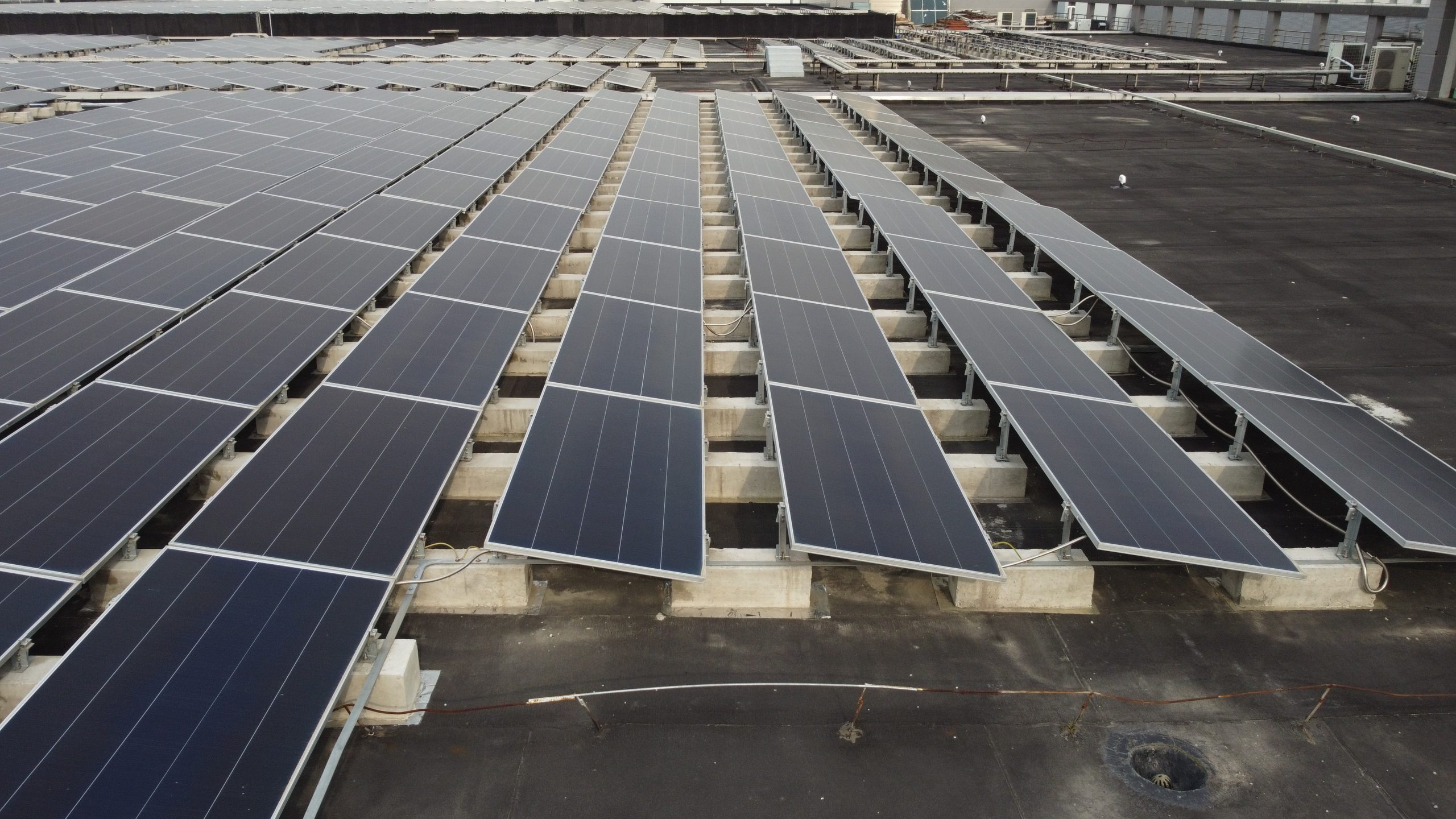
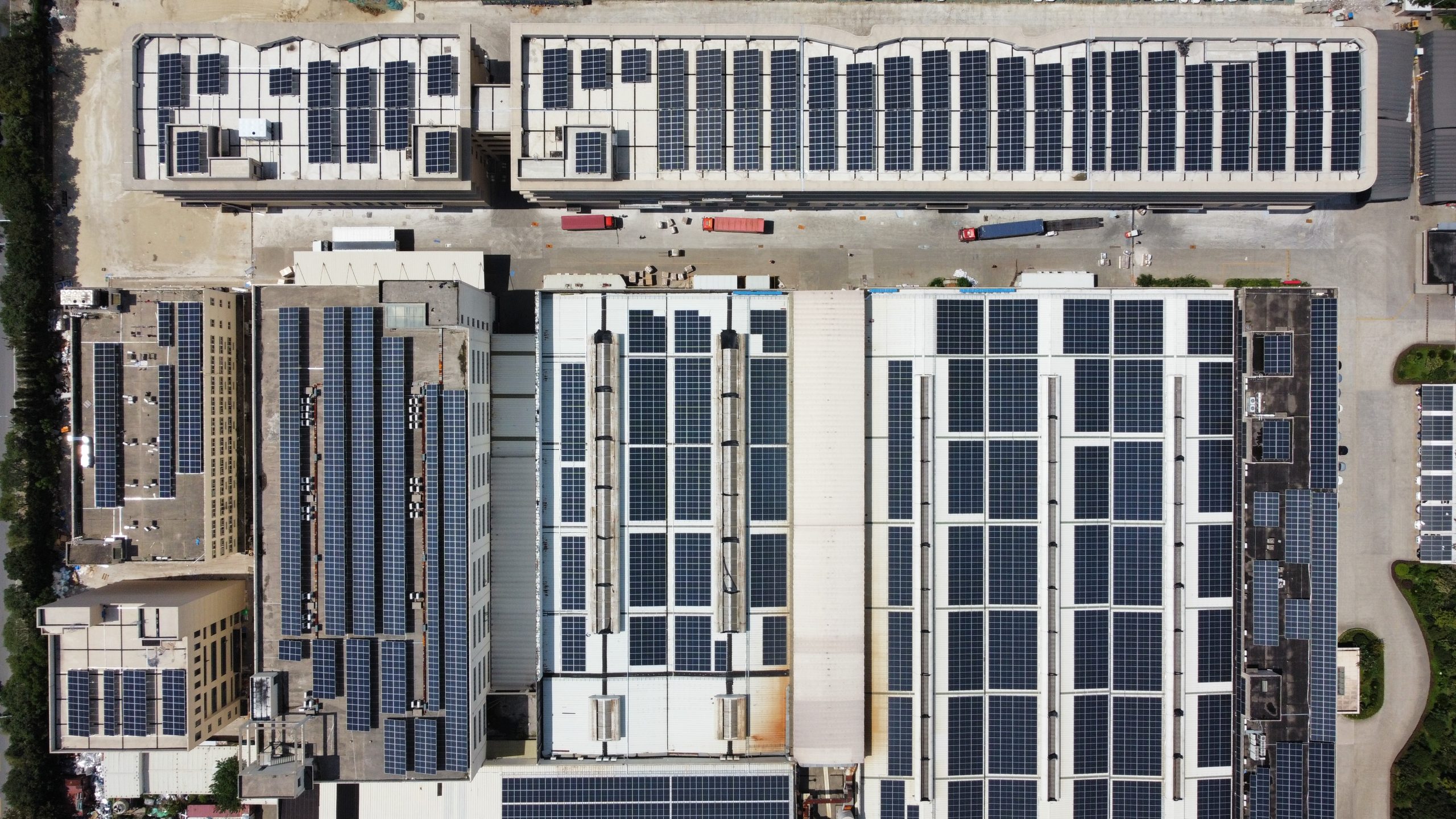
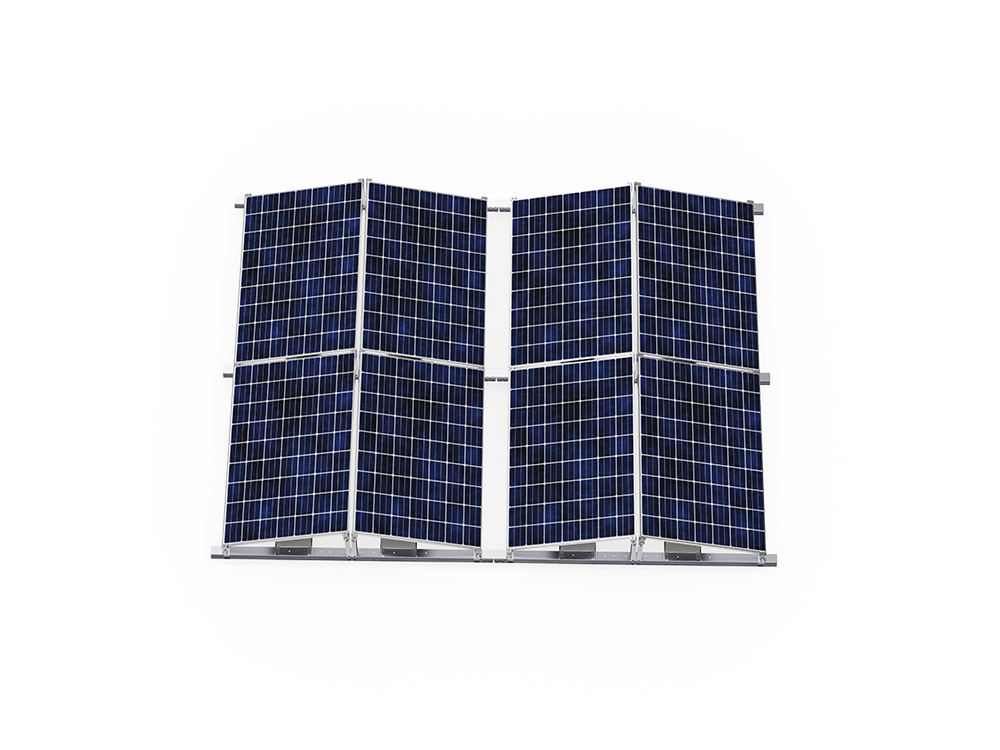
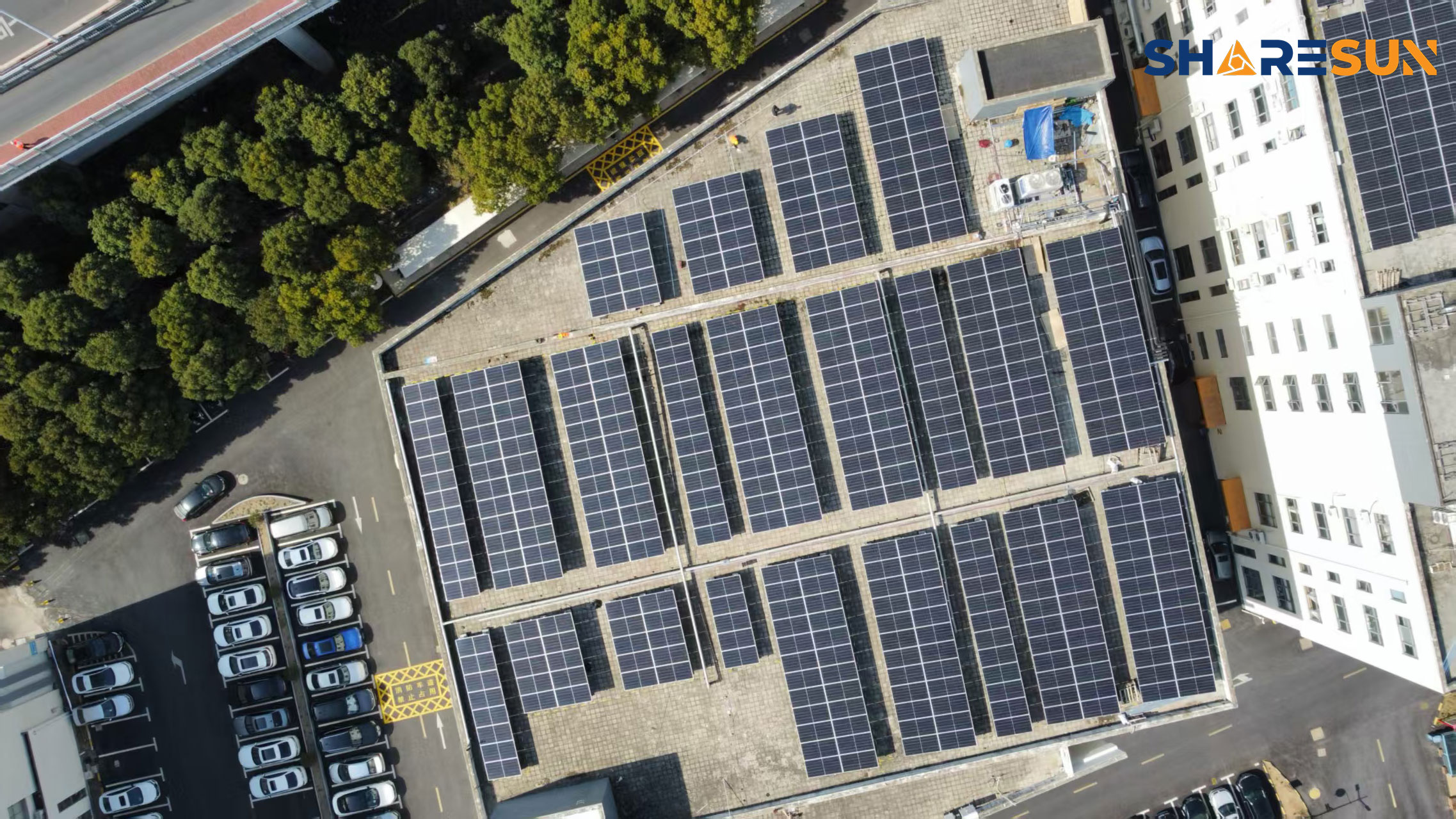
If your home has a flat, cast-in-place concrete roof, the most common solution is a ballasted mounting system (also known as a weight-based system). This installation method avoids drilling holes in the roof surface. Instead, it relies on the weight of precast concrete blocks or slabs to firmly “press” the mounting structure and solar panels onto the roof.
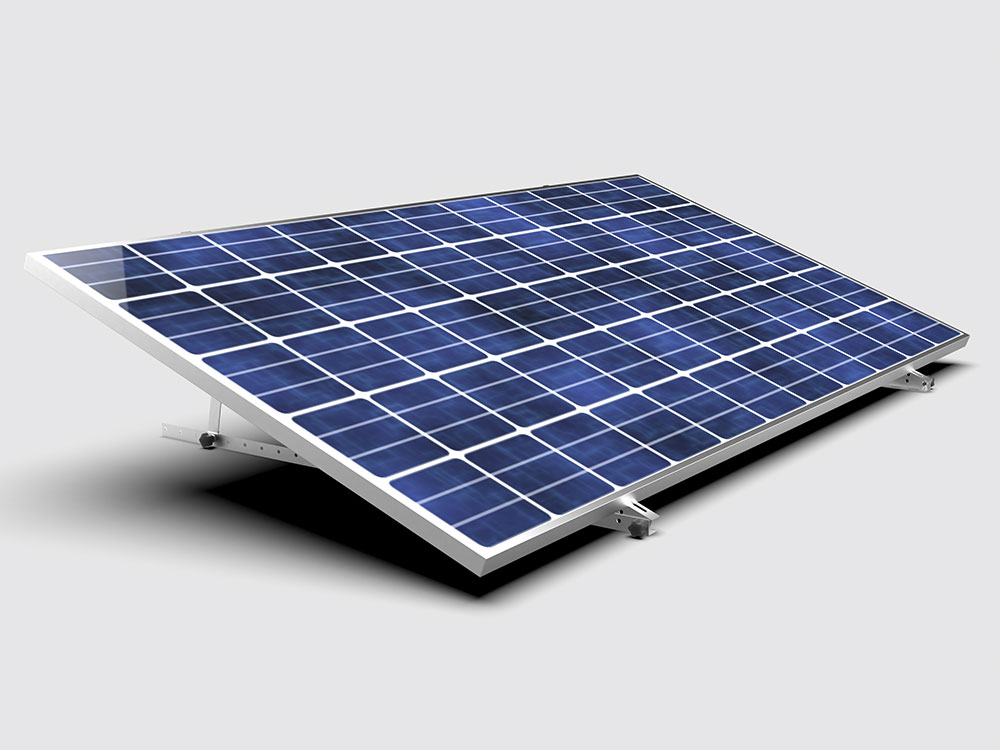
For flat roofs, waterproofing is paramount. The greatest advantage of ballasted systems is that they preserve the original waterproofing layer, allowing the roof warranty to remain intact. During installation, solar panels are typically mounted at a slight tilt of 5 to 15 degrees. This enhances solar power generation efficiency while utilizing the space beneath the panels for ventilation and heat dissipation, preventing dust accumulation that could reduce output. Simulation data shows that for flat roofs, increasing the tilt from 0 to 5 degrees can significantly boost annual power generation.
Naturally, this approach imposes certain load-bearing requirements on the roof. It’s advisable to have a professional assess the structure beforehand to ensure it can withstand the additional weight. If your roof has limited load capacity or if your area experiences high winds, consider drilling-mounted brackets instead. These are anchored directly into the structural layer using expansion bolts, but this method demands extremely high standards for waterproofing and requires exceptionally careful installation.
Tiled Roofs: Specialized Hooks and Waterproofing Are Key
For roofs covered with glazed tiles, Roman tiles, asphalt shingles, or other types of tiles, the approach to installing solar roof mounts is entirely different. The tiles themselves serve as both decoration and the waterproofing layer. They are brittle and offer no load-bearing capacity whatsoever. Mounts must never be placed directly on the tiles, nor should screws be driven into them.
The correct approach involves using specialized tile roof hook systems. During installation, carefully lift a section of tiles at the designated location to locate the underlying load-bearing structure—typically concrete layers, wooden rafters, or tile battens—and secure the hooks to these elements. These hooks must be height-adjustable to accommodate varying tile thicknesses and curvatures.
Once securely installed, the hooks should protrude through the tile gaps. Next, lay the mounting rails over the hooks, then install the solar panels. At the hook penetration points, apply matching stainless steel waterproofing plates to ensure a tight seal, preventing rainwater infiltration. After installation, replace the surrounding tiles to maintain the roof’s aesthetic integrity.
Though this installation method is time-consuming, labor-intensive, and technically demanding, it achieves reliable fixation on tile roofs while minimizing leakage risks.
Metal Roofs: Clamp-Style Mounts Are the Preferred Choice for Non-Invasive Installation
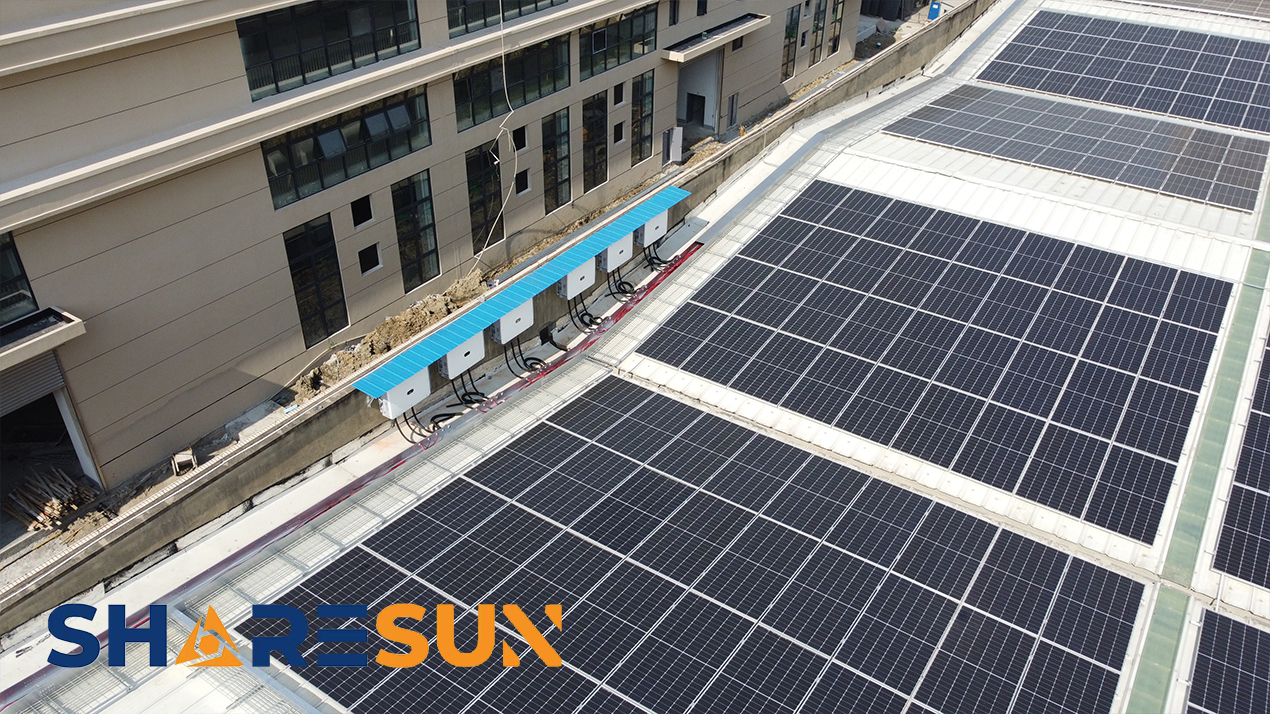
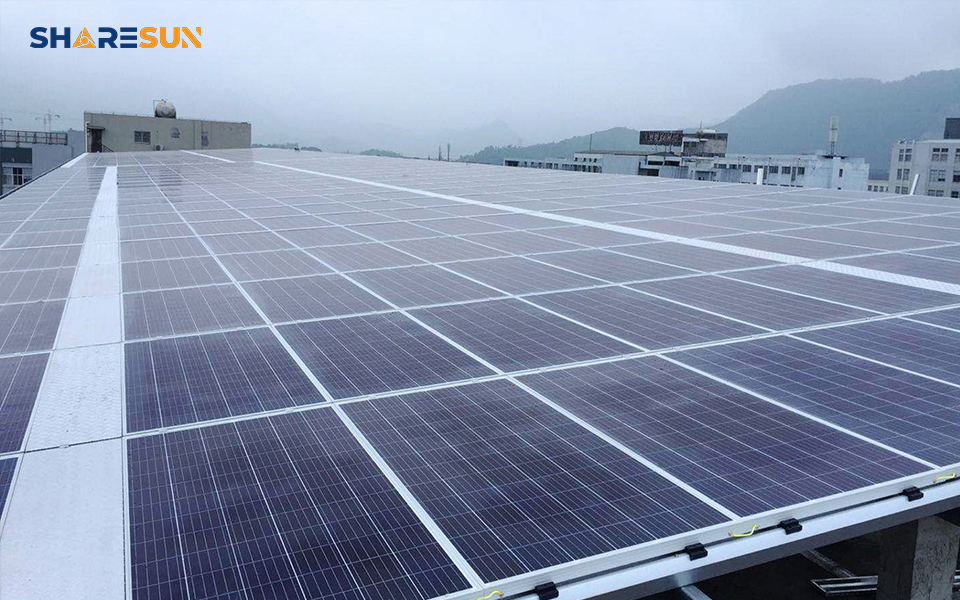
Metal roofs, particularly color-coated steel roofs, are ubiquitous on industrial buildings, warehouses, logistics parks, and even rural homes. Solar mounting technology for these surfaces has reached a high level of maturity.
If your roof features standing seam metal roofing—where the seams are vertically upright—congratulations! This is one of the most suitable roof types for solar installation. You can use specialized metal clamps that directly “hug” or grip the standing seams, requiring absolutely no drilling into the roof panels. This “non-invasive installation” method perfectly preserves the roof’s integrity, does not affect the original roof warranty, and is extremely quick and convenient to install.
If your roof consists of trapezoidal color-coated steel tiles or corrugated panels, two options are available. For certain specific panel types, specialized clamps can be used to secure the panels by gripping the side of the corrugation peaks. A more common method involves using self-tapping screws with waterproof washers or specialized bolts to directly penetrate the corrugation peaks of the metal panels and anchor them to the underlying purlins. For corrugated panels, bolts with curved washers are also used to ensure a better fit against the wavy peaks.
Regardless of the method, any penetration-based fastening must ensure the waterproof gaskets are of high quality and properly installed. Otherwise, they may become potential leak points over time.
Beyond selection criteria, several universal principles apply
In addition to choosing the right solar mounting system based on roof type, several principles apply to all roofs:
First, the mounting structure must be corrosion-resistant. Whether using aluminum alloy or hot-dip galvanized steel, ensure the surface undergoes thorough anti-corrosion treatment to withstand 25 years of exposure to wind and sun. Aluminum alloy mounts offer lightweight corrosion resistance, reducing weight by approximately 45% compared to traditional steel structures; steel mounts provide high strength, each with distinct advantages.
Second, wind resistance must be considered. During the system design phase, account for the maximum wind speeds likely to occur locally. A qualified rooftop solar mounting system should withstand the test of a 50-year natural disaster event.
Third, thoroughly assess the roof condition before installation. This includes evaluating the remaining service life (ideally over 10 years), structural load-bearing capacity, and potential obstructions. Solid preliminary assessments ensure a permanent solution.
Ultimately, the core logic for selecting a rooftop solar mounting system is: adapt to the roof. For concrete flat roofs, prioritize ballasted systems to protect the waterproofing layer. Tiled roofs require specialized hooks that grip the structural layer. Metal roofs are best suited for clamp-on systems for non-invasive installation. Understanding your roof’s type and characteristics before matching it with the appropriate solar mounting solution ensures your solar power system delivers true peace of mind.
For more professional consultation, click here: Contact Us