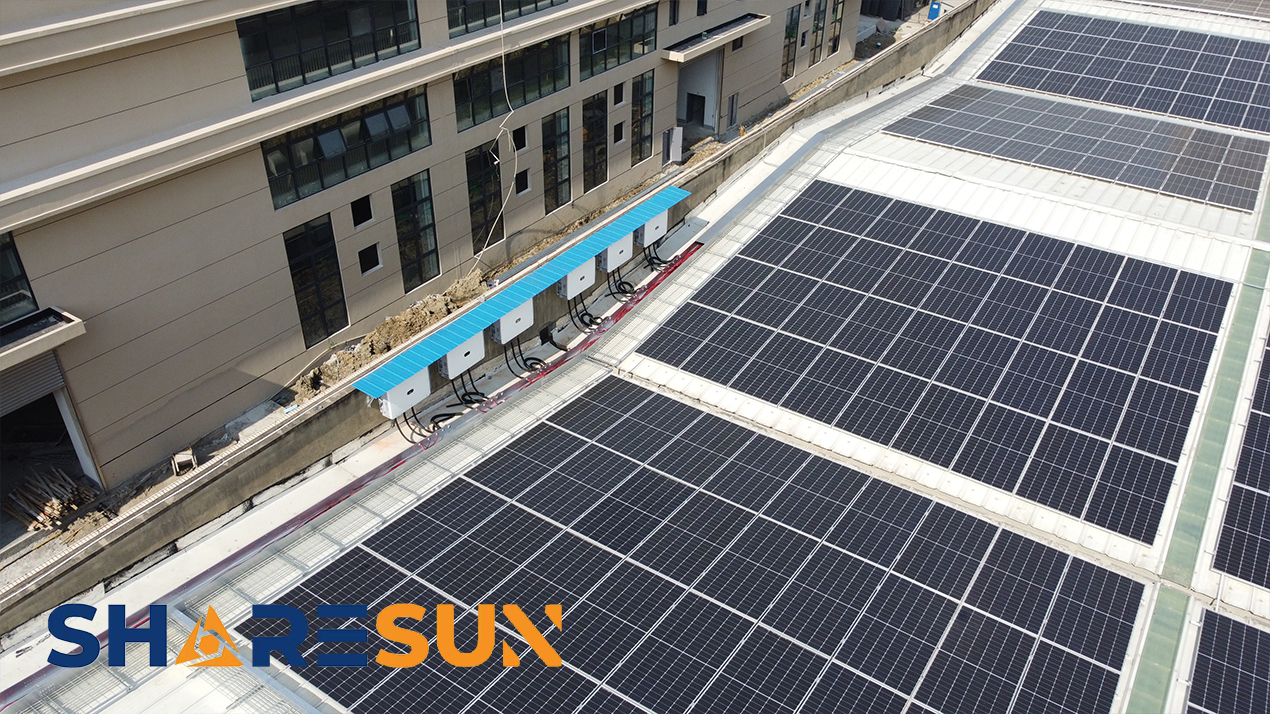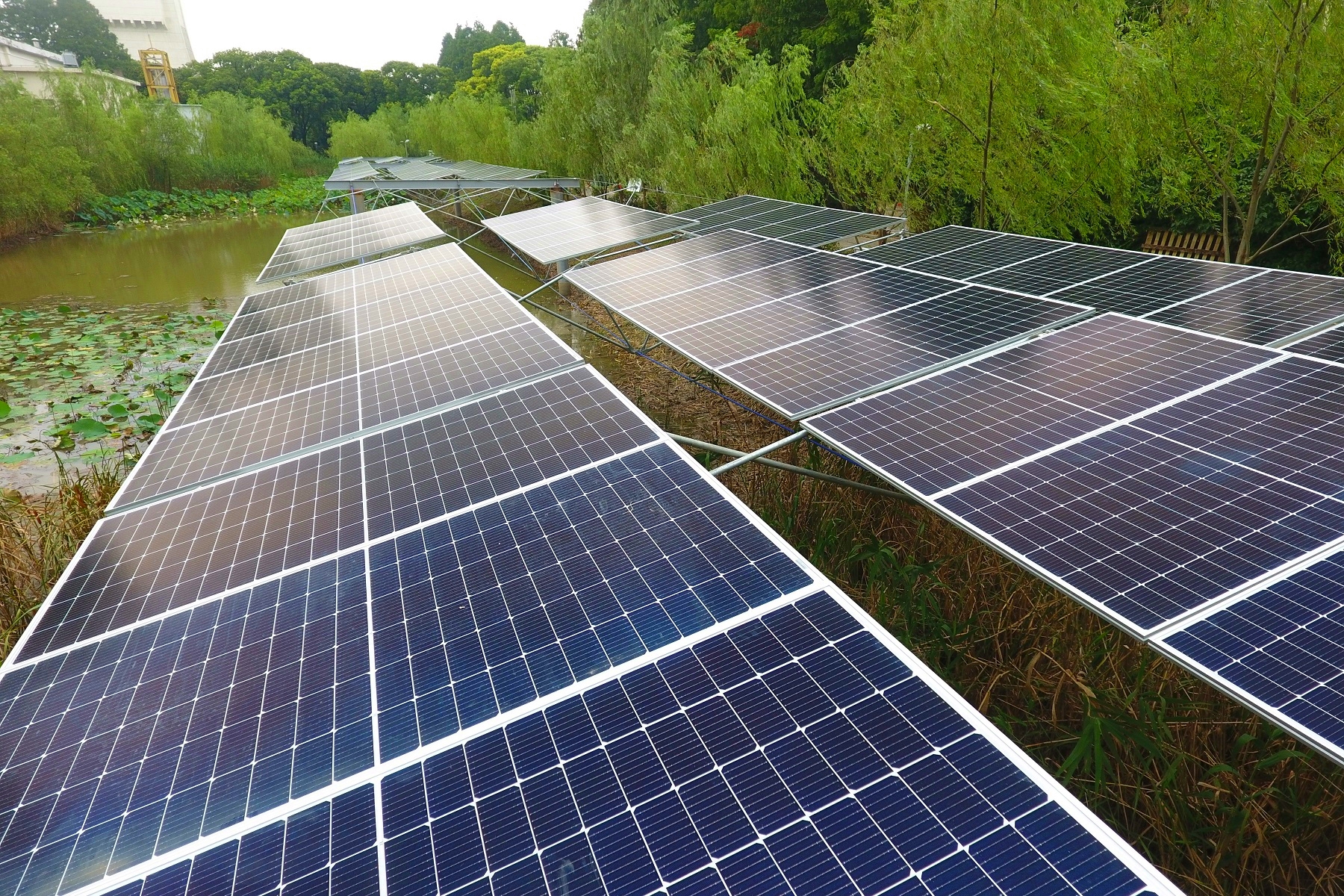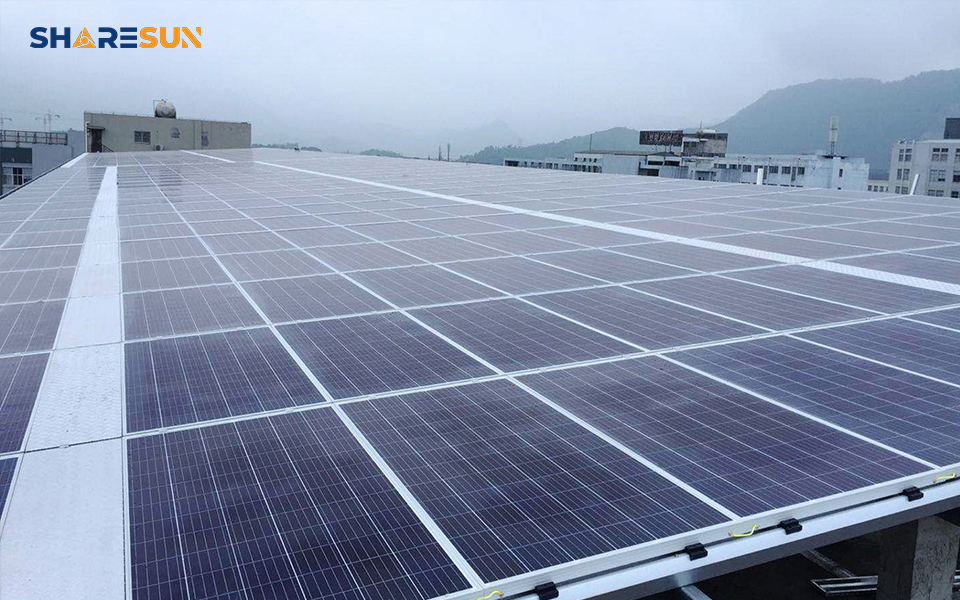
When installing a solar power system on the roof of a home or factory building, the roof type directly determines the selection of the solar mounting system. Many people assume that any flat roof can be installed using a universal method, but this is not the case.
Flat roofs represent a broad category encompassing diverse covering materials—from poured concrete and color-coated steel sheets to decorative glazed tiles. Each material demands distinct installation approaches and methods. Selecting the correct mounting system ensures the power station operates safely and reliably for over 25 years.
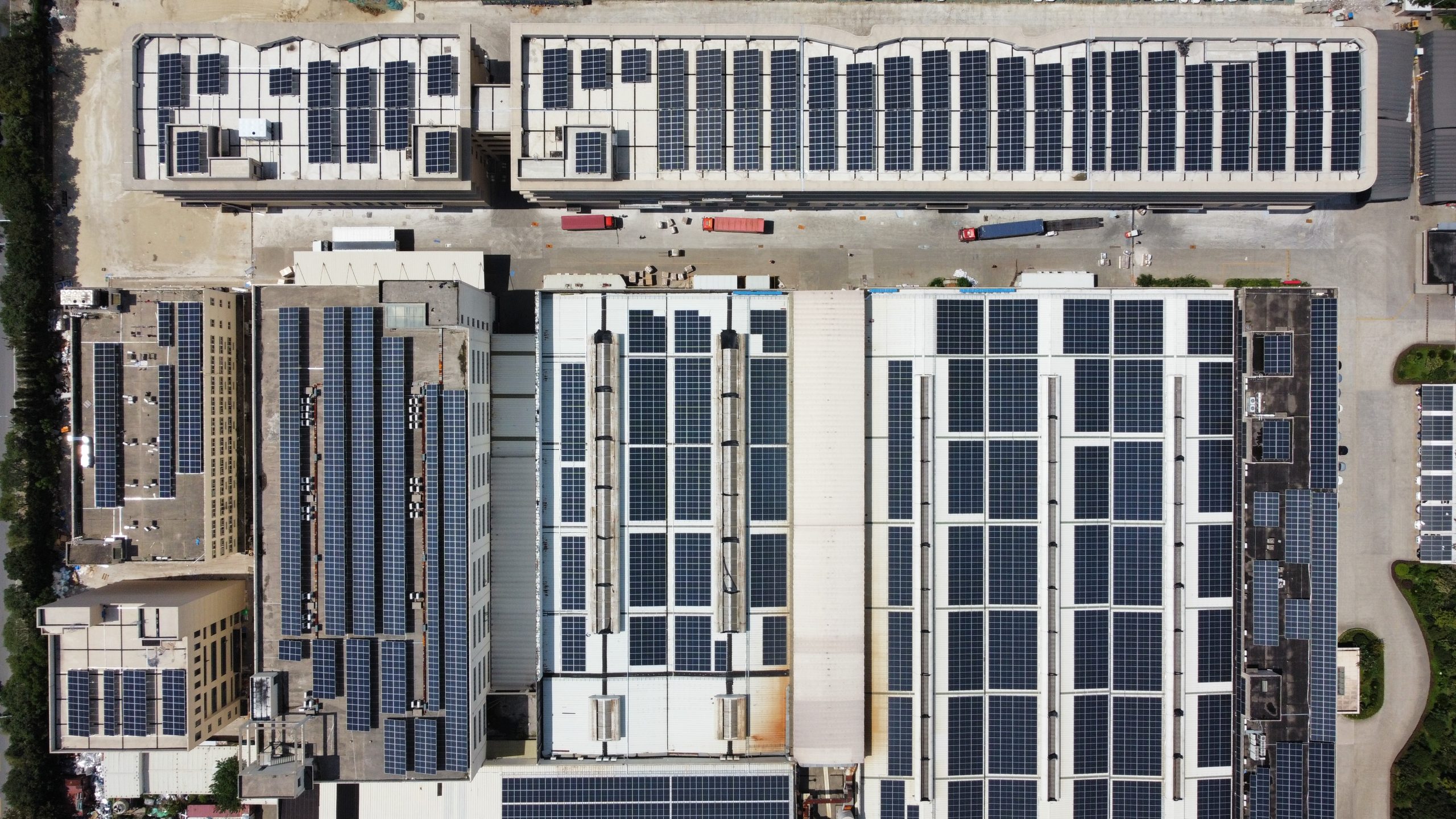
Color-coated steel tile flat roofs: Clamp-on mounts are the preferred choice, with protecting the waterproof layer being critical.
In many industrial parks or rural self-built homes, flat roofs are constructed using color-coated steel tiles. These roofs are lightweight and quick to install, but the biggest pitfall when mounting solar panels on them is “drilling holes.”
In the past, some construction teams opted for self-tapping screws to secure brackets directly to the panels for convenience. While initially secure, over time the screw washers deteriorate, allowing rainwater to seep through the holes and create leakage risks. Therefore, for color-coated steel tile flat roofs, the preferred solution today is clamp-style mounting systems.
This solar mounting system leverages the inherent structure of the color-coated steel tiles. Mainstream color steel tiles include standing seam, interlocking (biting edge), and trapezoidal types. For standing seam and interlocking tiles, specialized aluminum alloy clamps are available that grip directly onto the tile’s crest without penetrating the roof panel.
This “non-invasive installation” method maximizes roof integrity and completely eliminates leakage risks. During installation, the clamps are first secured to the standing seam of the steel tile. Next, rails are mounted on top of the clamps, and finally, the solar panels are fixed to these rails. The entire weight of the solar power system is evenly distributed through the clamps to the roof purlins, ensuring both safety and reliability. Moreover, the lightweight and corrosion-resistant aluminum alloy material avoids placing excessive load on the roof.
For special trapezoidal color steel tiles incompatible with clamps, some solutions employ self-tapping screws with waterproof washers anchored at the wave peaks. However, this requires extremely rigorous waterproofing measures.
Glazed Tile Flat Roofs: Mounting Structures Must Penetrate Tiles and Anchor into Structural Layer
In aesthetically focused villas or custom-built homes, flat roofs may feature glazed tiles for both decorative and waterproofing purposes. While visually appealing, glazed tiles are sintered ceramic materials—brittle and incapable of bearing any load. Directly placing solar brackets on glazed tiles or attempting to screw into the tiles will cause them to shatter immediately.
Therefore, installing a solar power system on a glazed tile flat roof cannot rely on the tiles themselves; it must “penetrate” them.
The correct approach is to first locate the concrete structural layer or wooden beams beneath the tiles using the roof’s structural drawings or a site survey. During installation, carefully lift a section of tiles to mount specialized metal hooks onto the structural layer. Use expansion bolts if the substrate is concrete; wood screws are required for wooden beams.
These hooks must be height-adjustable to accommodate varying tile thicknesses and curvatures. Once securely installed, the hooks are threaded through tile gaps. Rails are then laid over the hooks, followed by solar panel installation. At hook penetration points, waterproofing must be meticulously sealed using stainless steel waterproof plates or weather-resistant sealant to prevent rainwater infiltration. After installation, surrounding tiles are replaced to maintain visual integrity.
Concrete Flat Roofs: Weighted Mounting Dominates for Stability and Waterproofing
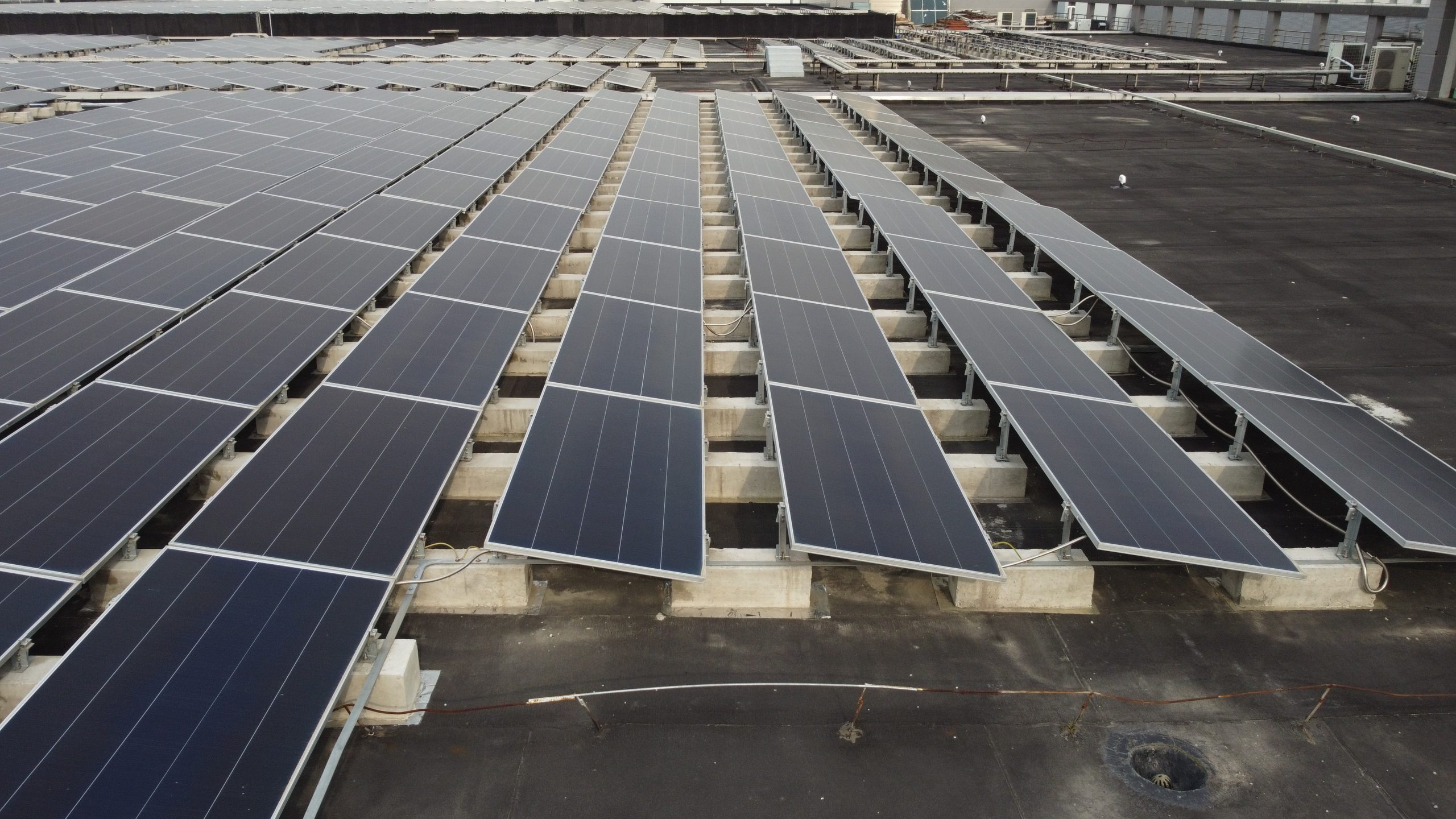
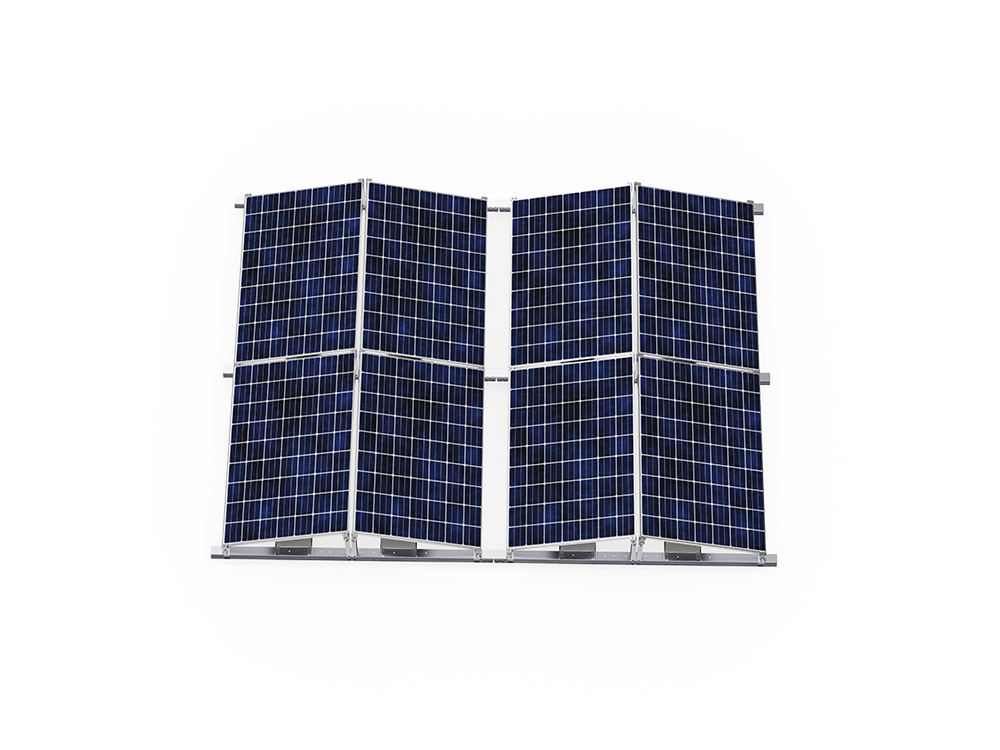
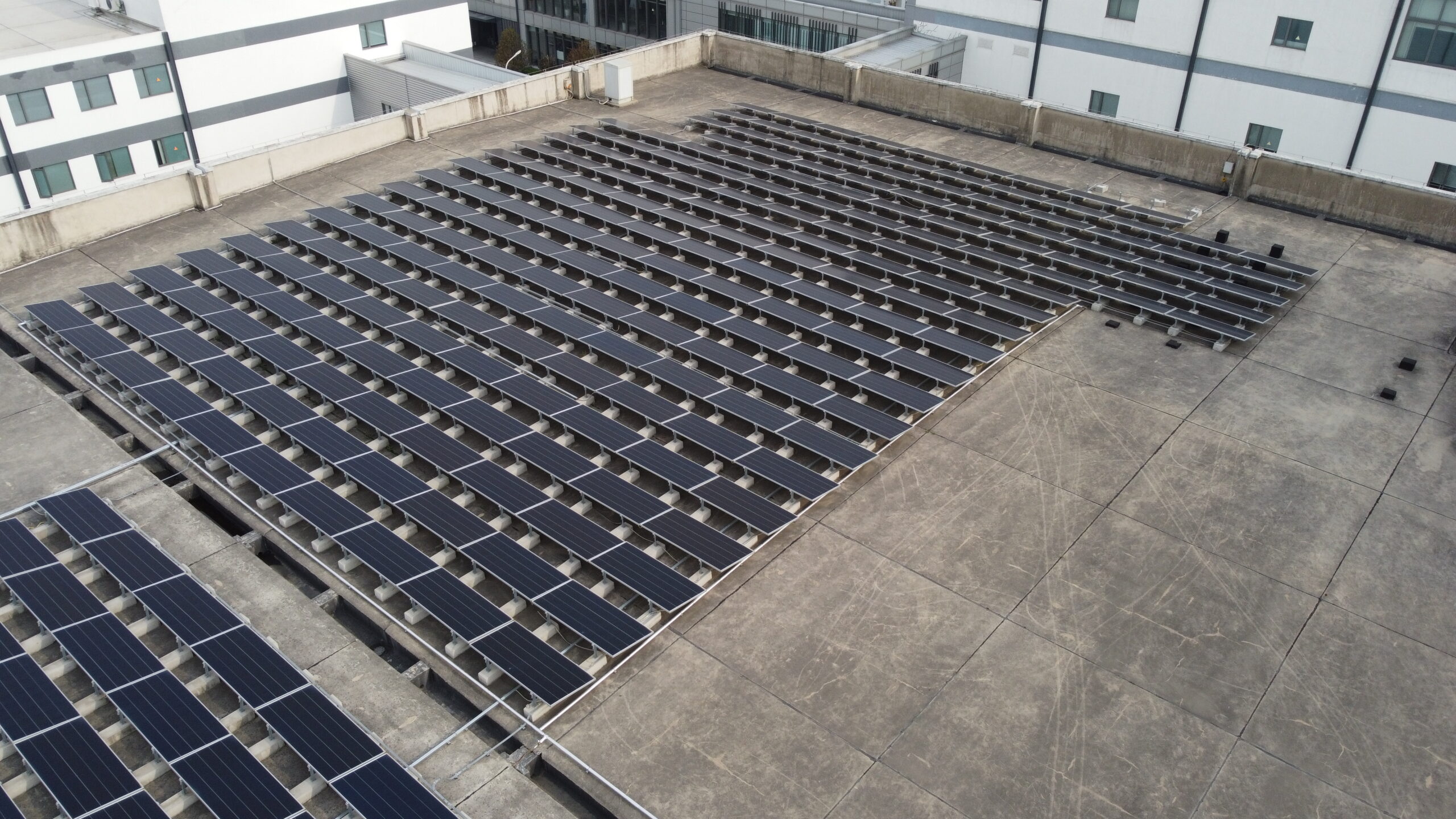
For common cast-in-place concrete flat roofs, the most established approach is weighted solar mounting systems (also called ballasted mounts). These systems eliminate the need for roof penetration, relying instead on the weight of precast concrete pedestals or blocks to firmly anchor the structure to the roof.
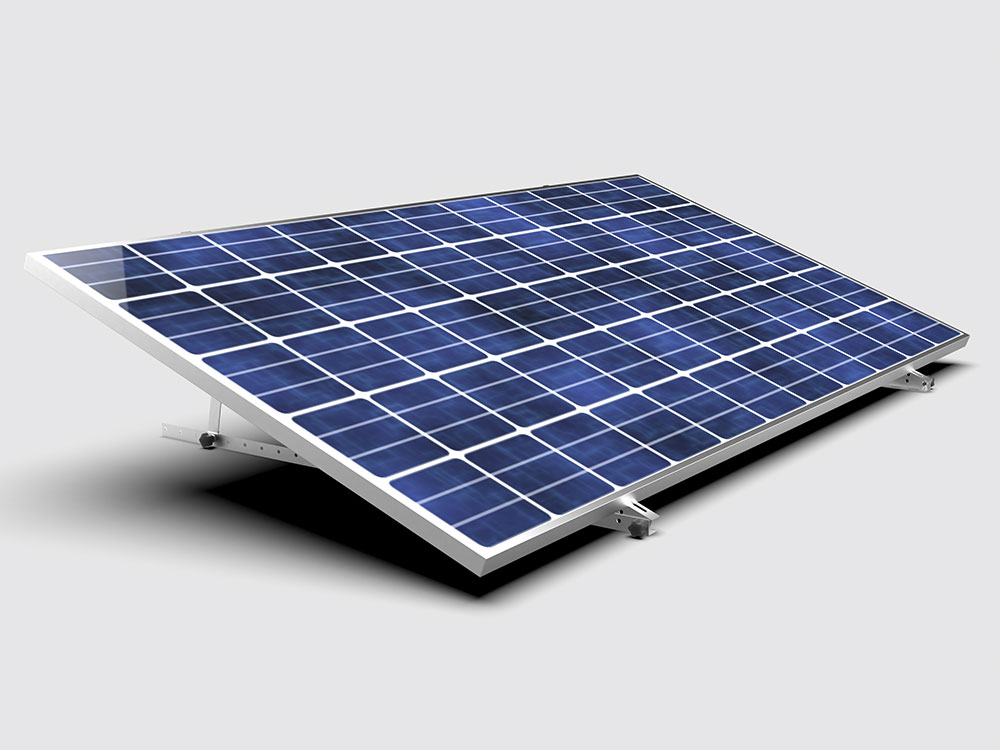
For concrete flat roofs, waterproofing is critical. Using ballasted mounts avoids damaging the original waterproofing layer, thereby preserving the building’s warranty. During installation, solar panels are typically mounted at a reasonable south-facing angle. This enhances solar power generation efficiency while utilizing the space beneath the panels for ventilation and heat dissipation.
Naturally, this method requires the roof itself to possess sufficient load-bearing capacity. Prior to installation, professional assessment is necessary to ensure the roof can withstand the combined weight of the concrete blocks and mounting structure.
Ultimately, there is no “one-size-fits-all” solution for installing solar racks on flat roofs. For color-coated steel tiles, our approach is “respect the original form and clamp without damage,” using clamps to protect the waterproofing layer. For glazed tiles, we must “look beyond the surface to the core,” penetrating the decorative layer with hooks to secure the actual structural layer. For concrete surfaces, we can flexibly employ “ballast weighting” to maintain waterproofing integrity while maximizing power generation efficiency.
For more professional consultation, click here: Contact Us