Solar mounting systems serve as the “backbone” of the entire solar power generation system, bearing the critical responsibility of supporting solar panels and withstanding wind, frost, rain, and snow. The quality of the mounting system directly determines whether a solar power plant can operate for more than 25 years. Currently, many people tend to overlook the importance of mounting systems when selecting a type. Choosing the right mounting system not only extends the lifespan of the power plant but also significantly increases power generation revenue.
Broadly speaking, solar mounting systems can be categorized based on installation methods, structural types, and application scenarios.
I. By Structural Type: Rigid Mounting Systems vs. Flexible Mounting Systems
This is currently the most common classification method.
Rigid mounting systems are the traditional type, primarily using steel or aluminum alloy as the main load-bearing components. They form a stable support structure through rigid connections such as posts, crossbeams, and purlins. Rigid mounts are characterized by their simple structure, mature technology, and excellent stability, making them suitable for most conventional ground-mounted and rooftop solar power plants.
Flexible mounts are a new type of structure that has developed rapidly in recent years. They primarily use prestressed steel cables to support solar modules, replacing traditional rigid purlins. To draw an analogy, rigid mounting systems are like a fixed table, while flexible mounting systems are more like a hammock—they “cradle” the modules with steel cables and maintain stability through tension.
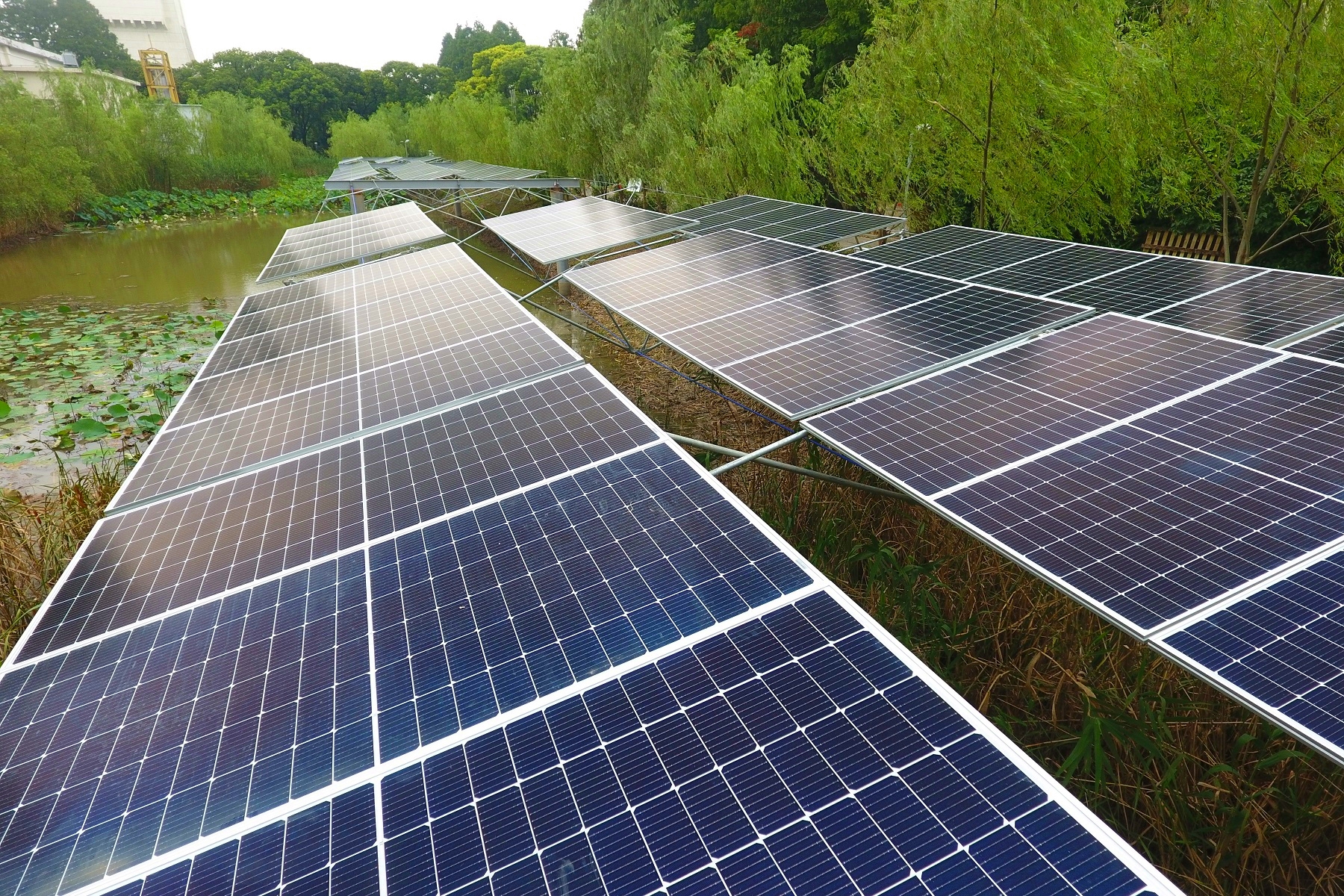
The greatest advantage of flexible mounting systems lies in their “long spans and high clearance.” Traditional rigid mounting systems often require dense columns when spanning ravines, fish ponds, or mountainous terrain, resulting in high construction difficulty and costs. In contrast, flexible supports can be continuously tensioned over spans exceeding 1,000 meters, significantly reducing the number of support columns and preserving the original terrain to the greatest extent possible. For example, in solar-aquaculture complementary projects, flexible supports can provide a clearance of over 6 meters, truly enabling “power generation above and fish farming below” without mutual interference.
This also highlights that flexible supports demand higher standards in design and technology, with wind and vibration resistance being the core challenge. Currently, leading flexible support products in the industry have passed wind tunnel tests at speeds exceeding 46 m/s and remain intact even under the rigors of a Category 17 typhoon.
II. Classification by Operation Mode: Fixed Mounts and Tracking Mounts
This classification is based on whether the structure moves.
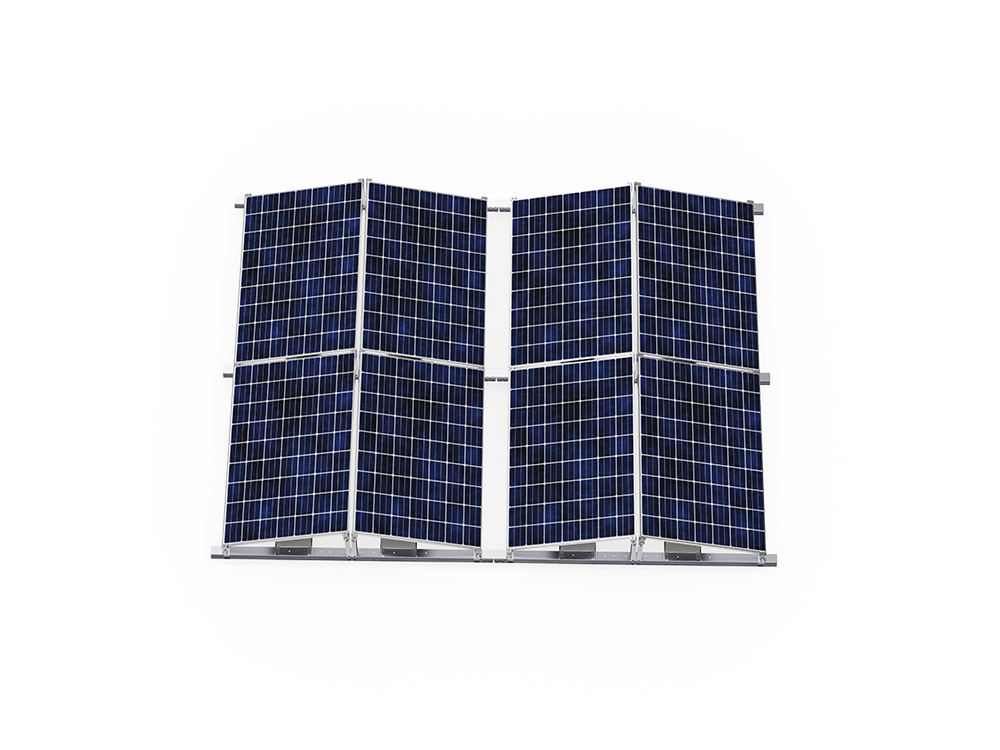
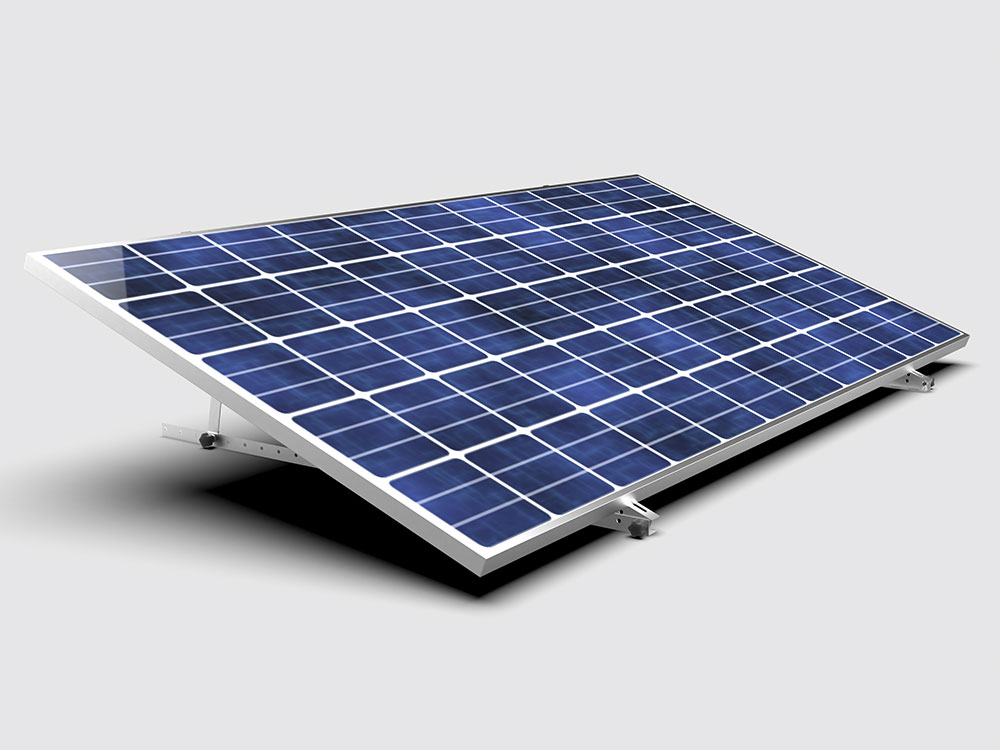
A fixed mount remains unchanged in angle and orientation once installed. Based on whether the tilt angle is adjustable, they can be further subdivided into fixed-tilt and fixed-adjustable types. Fixed-adjustable mounts are manually adjusted several times a year to account for seasonal changes—for example, tilted downward in summer and upward in winter—to maximize power generation without significantly increasing costs.
The advantages of fixed mounts include simple structure, low cost, and minimal maintenance, and they currently remain the mainstream choice in the domestic market.
Tracking mounts, on the other hand, are much more “intelligent.” Using electromechanical or hydraulic systems, they allow solar panels to track the sun like sunflowers, maintaining an angle of near-vertical incidence at all times to maximize power generation.
Tracking mounts are primarily divided into three types: horizontal single-axis, inclined single-axis, and dual-axis. Horizontal single-axis mounts track east-west around a horizontal axis and are suitable for low-latitude regions; tilted single-axis systems rotate east-west while tilting southward at a certain angle, making them suitable for mid-to-high latitudes; dual-axis systems can rotate in two directions simultaneously, achieving precise tracking around the clock and delivering the most significant increase in power generation—compared to fixed mounts, dual-axis tracking systems can generate 40% to 60% more electricity.
However, tracking mounts also have drawbacks: they are expensive, their moving parts require maintenance, and their failure rate increases in harsh environments such as sandstorms. Currently, tracking mounts have a high market penetration rate overseas and are gradually being promoted domestically.
III. By Application Scenario: Ground-Mounted, Rooftop, and Suspended Mounting Systems
This classification is based on the location of installation.
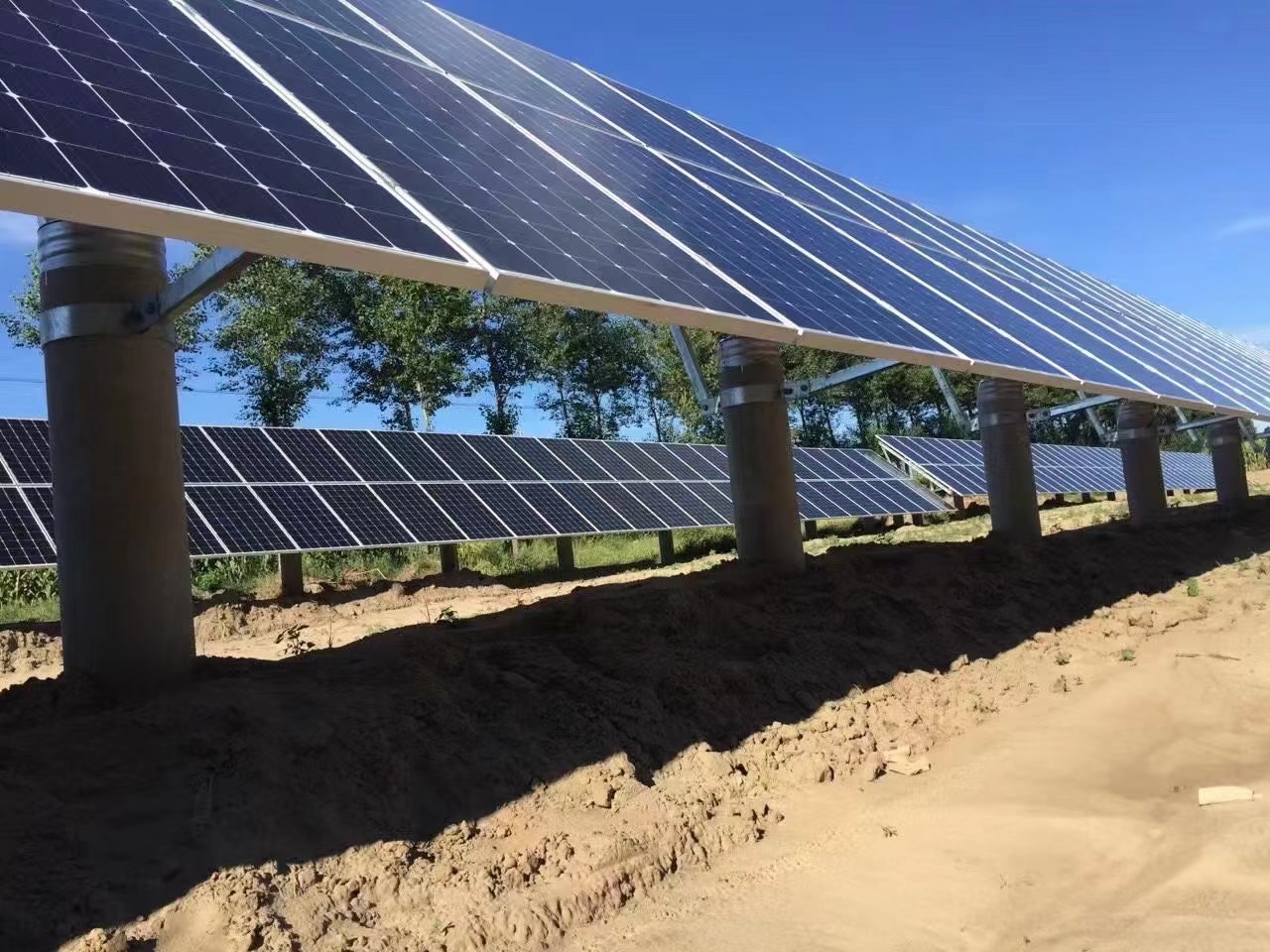
Ground-mounted systems are the primary choice for large-scale power plants and are installed on open flat land, mountainous terrain, or tidal flats. Depending on the foundation type, they can be further categorized into concrete foundation systems and metal pile foundation systems. Concrete foundations offer excellent stability and high load-bearing capacity, making them suitable for large-scale ground-mounted power plants; screw pile or impact pile foundations, on the other hand, feature fast construction speeds and minimal environmental disturbance, making them suitable for sites requiring rapid installation or with complex geological conditions.
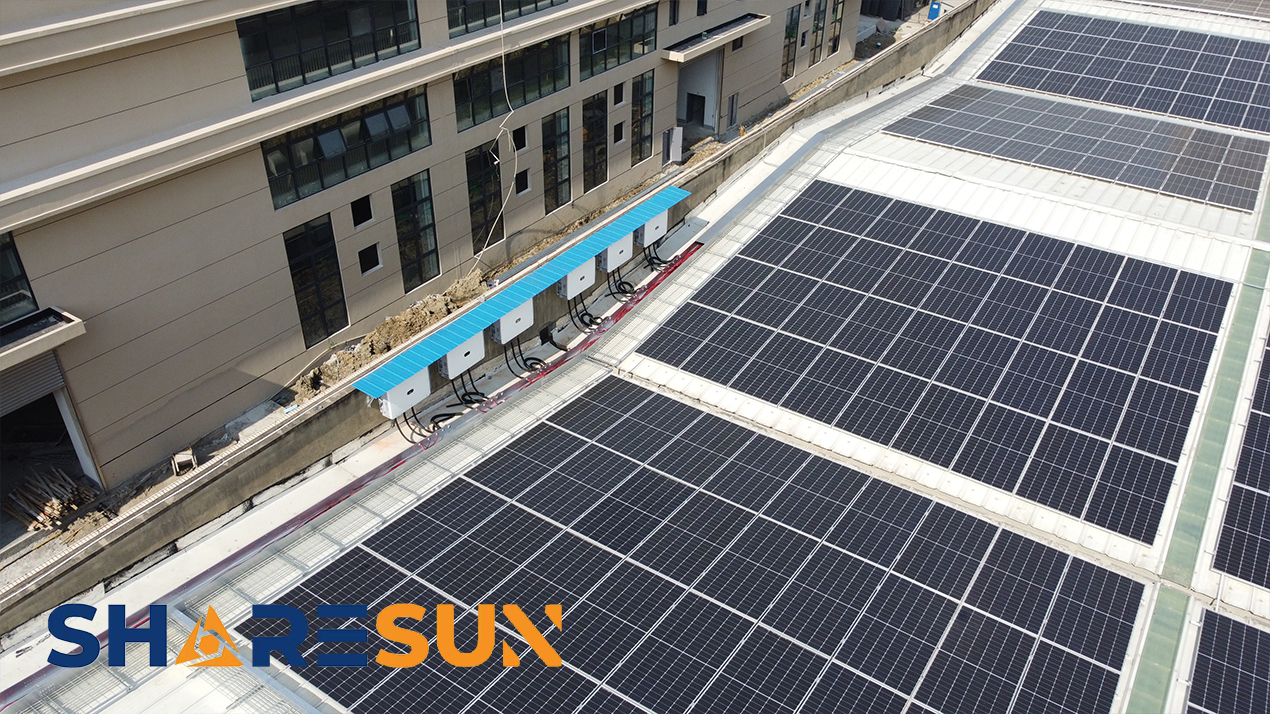
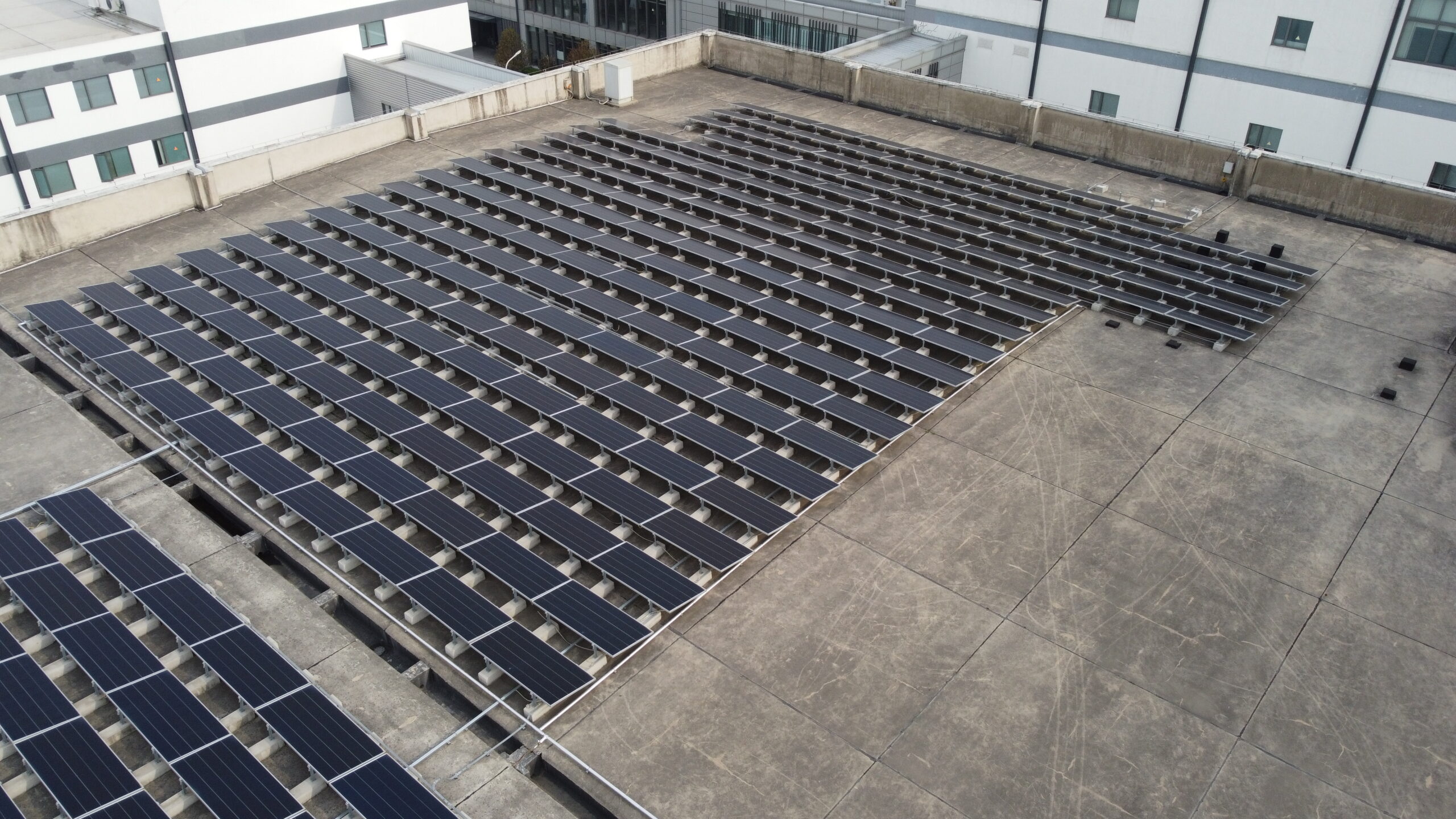
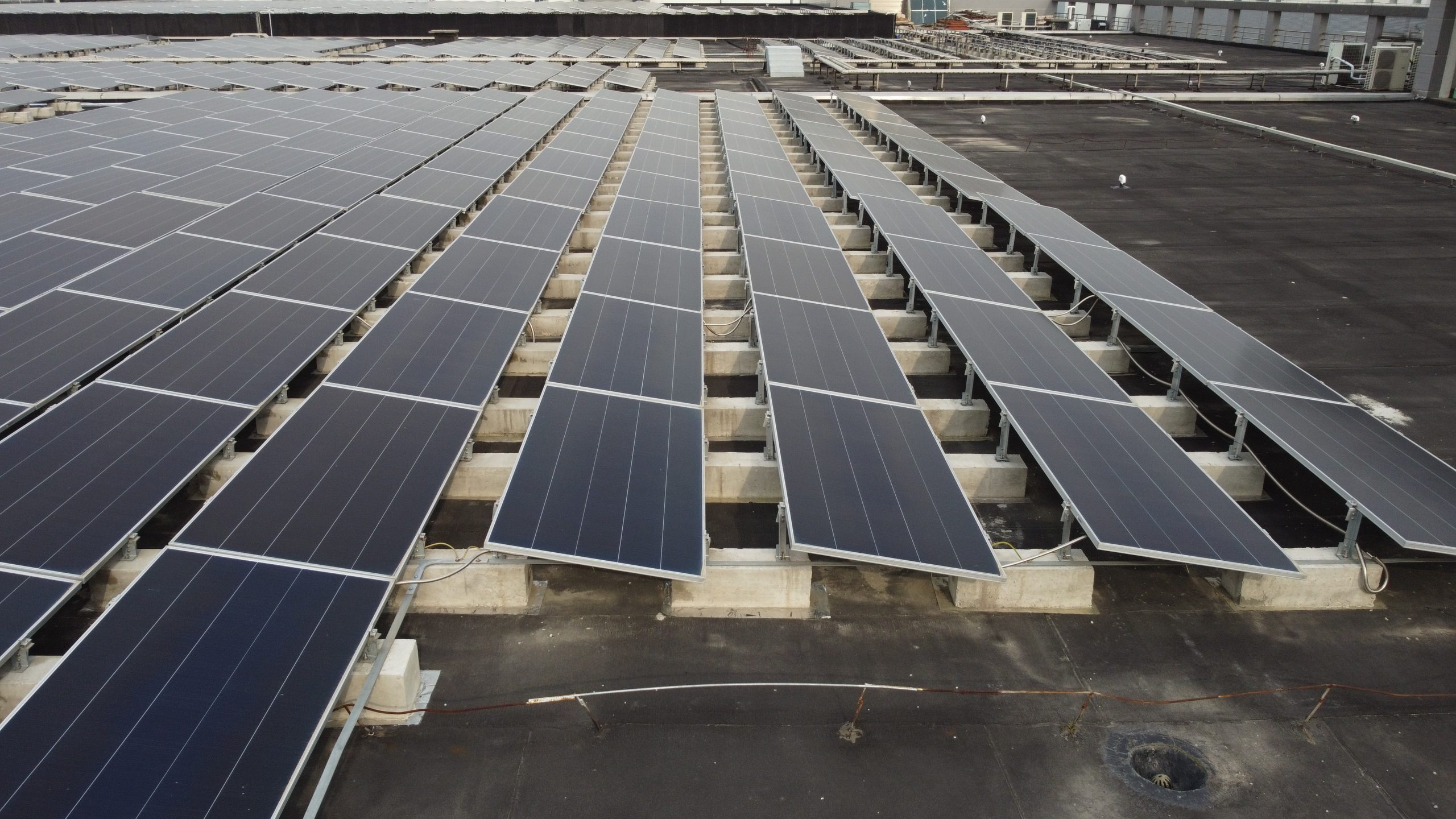
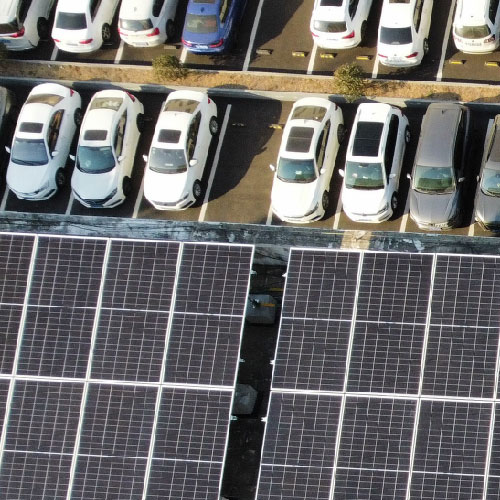
Roof-mounted systems are further subdivided based on roof type. Flat roofs typically use counterweight or drilled-in mounting systems: the counterweight system relies on concrete blocks to secure the structure, preserving the waterproofing layer but requiring sufficient roof load-bearing capacity; drilled-in mounting systems are directly anchored to the structural layer, providing greater stability but requiring proper waterproofing measures.
For pitched and tiled roofs, specialized hooks are used to secure the system to rafters or tile battens, with rails and modules then attached. Installation requires extra care to avoid damaging the tiles.
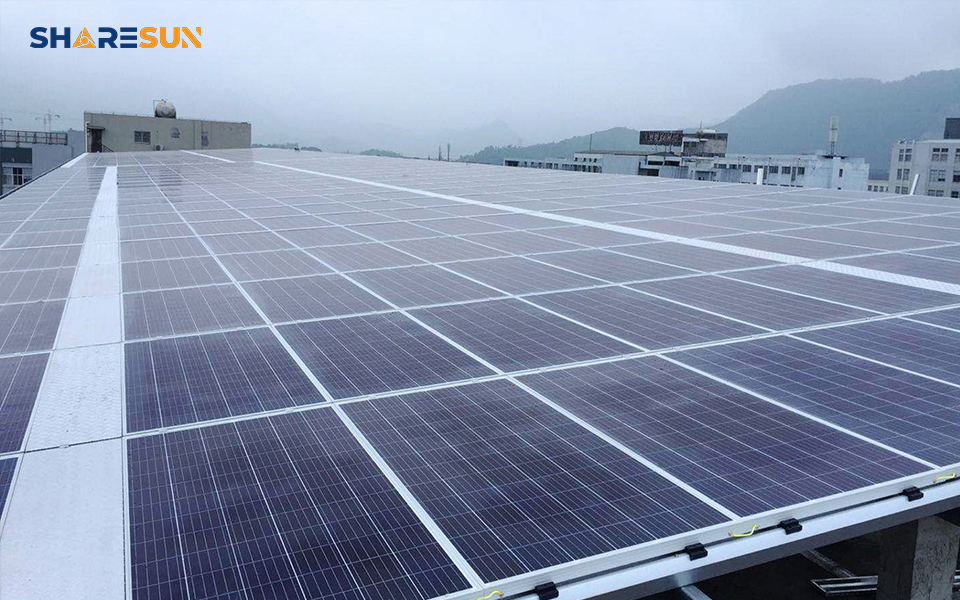
Metal roofs are currently the most common form for commercial and industrial rooftop solar systems. Color-coated steel roofs can be secured with self-tapping screws at the ridge, or specialized clamps can be selected based on the panel type—for standing seam roofs, clamps can be directly attached to the seams without drilling, preserving the roof’s integrity.
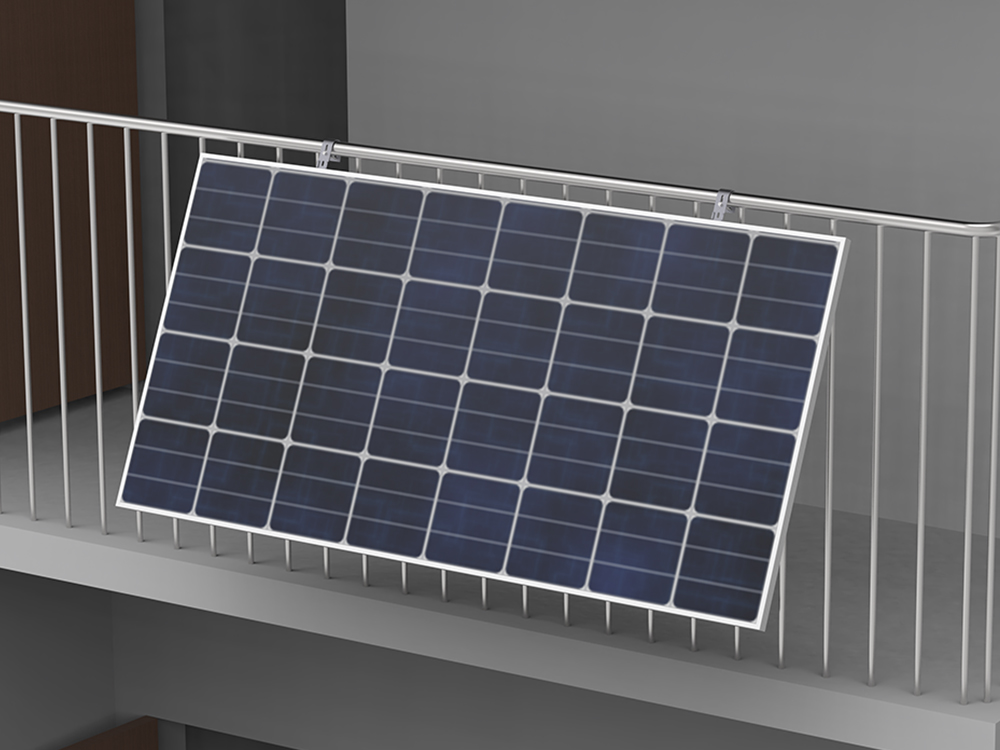
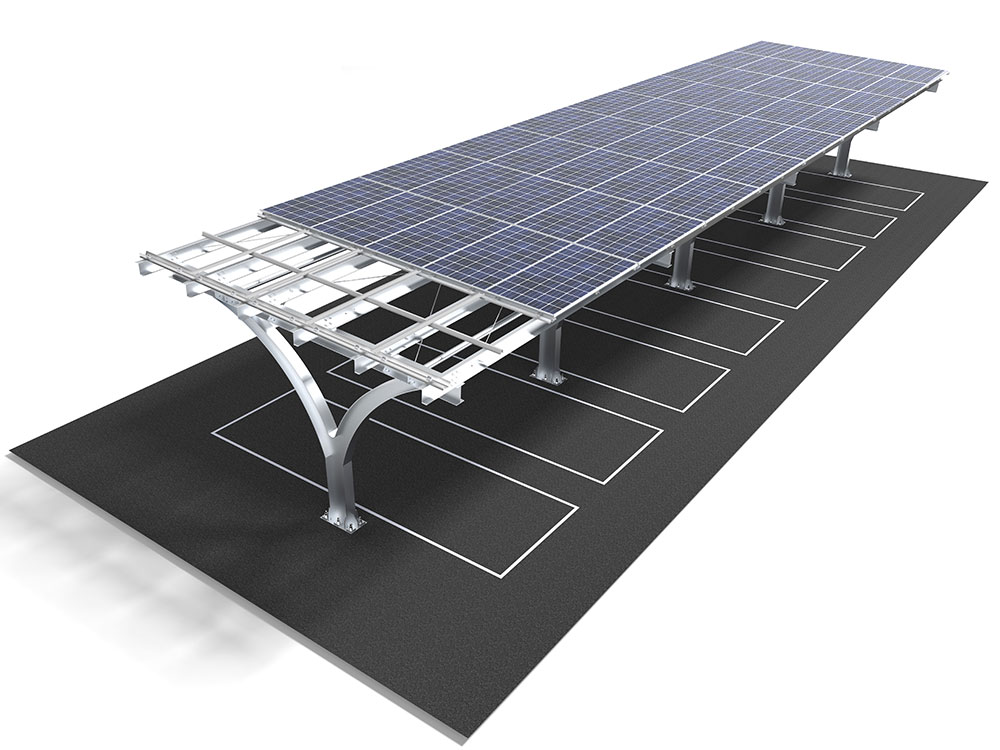
Suspended mounting systems are relatively niche, primarily used on the exterior walls of urban buildings, balconies, carports, and similar settings. The recently popular balcony solar systems fall into this category. A lightweight aluminum alloy mounting kit can be directly hung on balcony railings or secured to exterior walls, taking up no floor space and offering very simple installation; some products can even be assembled in as little as 15 minutes.
IV. By Material: Steel Mounts vs. Aluminum Alloy Mounts
This distinction is relatively straightforward. Steel mounts offer high strength, excellent load-bearing capacity, and relatively low cost, making them suitable for large-scale power plants and areas subject to heavy loads; aluminum alloy mounts are lightweight, corrosion-resistant, and aesthetically pleasing, offering greater advantages for residential rooftops and highly corrosive environments.
Neither material is inherently superior; the choice depends entirely on the specific application. In coastal areas with high salt fog, the corrosion resistance of aluminum alloy offers greater peace of mind; conversely, in scenarios with high wind loads and large spans, the strength advantages of steel become evident.
When selecting solar mounting systems, one should not focus solely on price but must evaluate multiple factors in conjunction with the project’s specific conditions, such as terrain, climate, roof type, load-bearing capacity, and investment budget. A properly selected mounting system is the foundation for ensuring the safe operation of a power plant for 25 years.
For more professional consultation, please click here: Contact Us