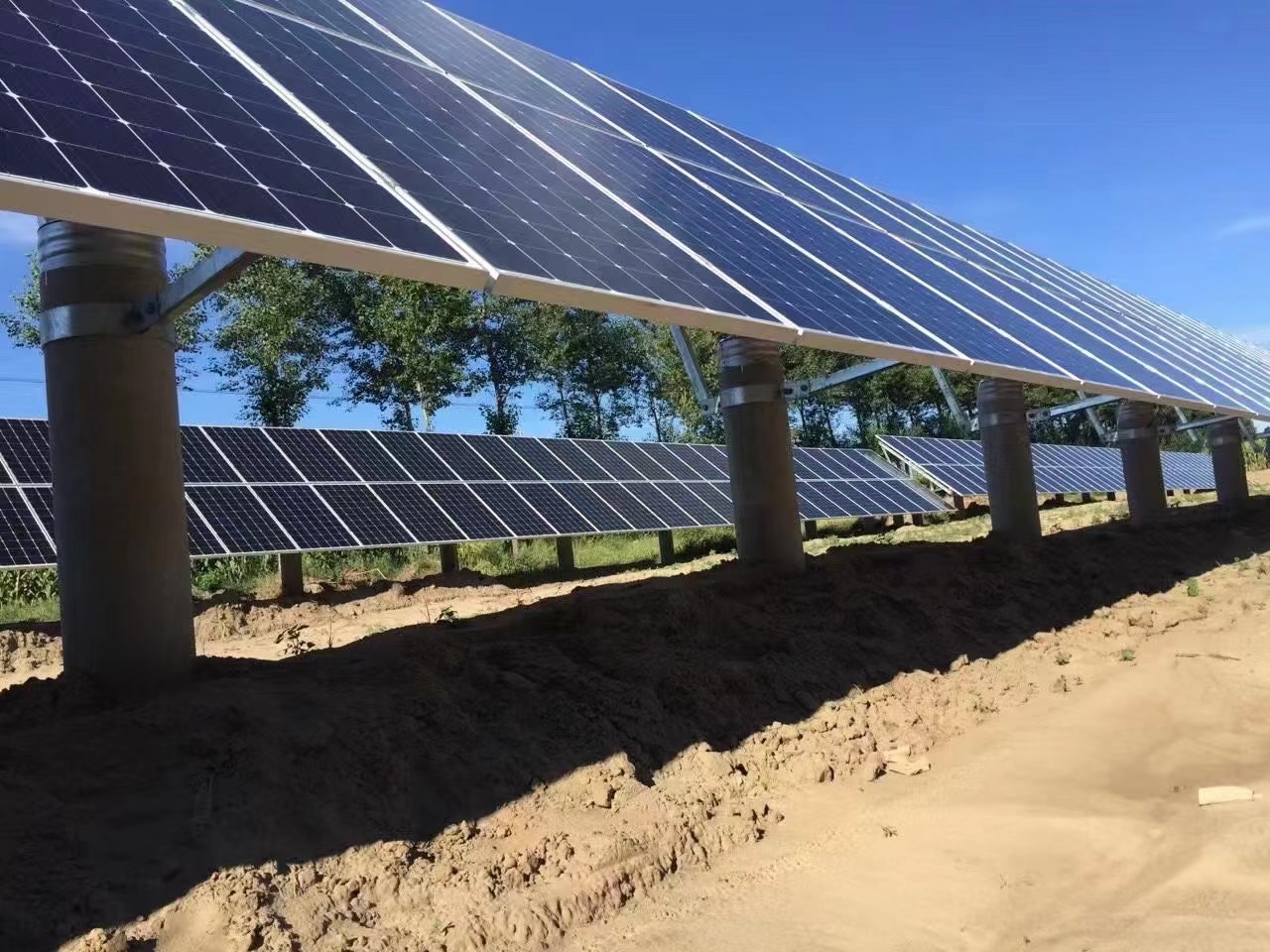
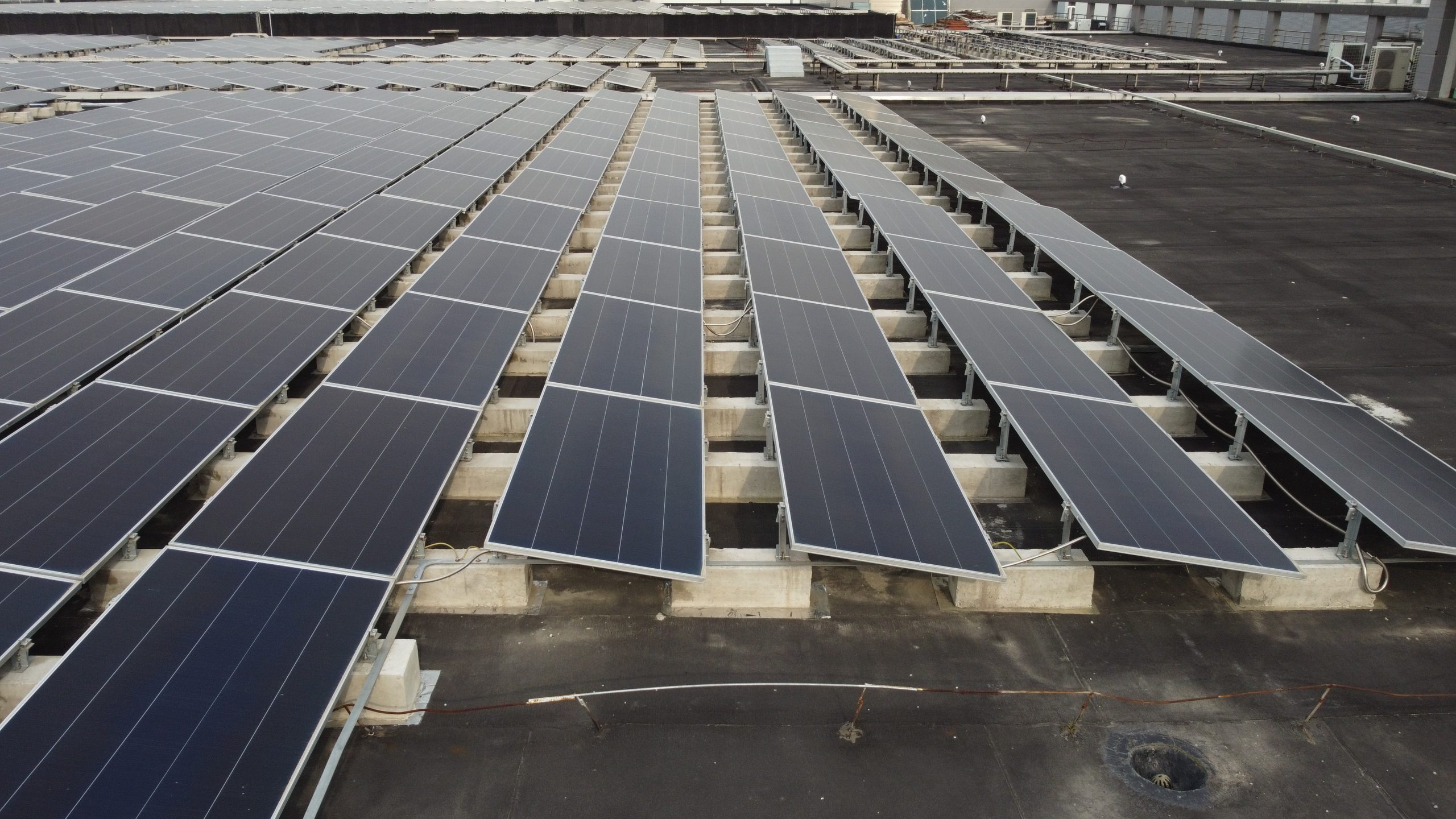
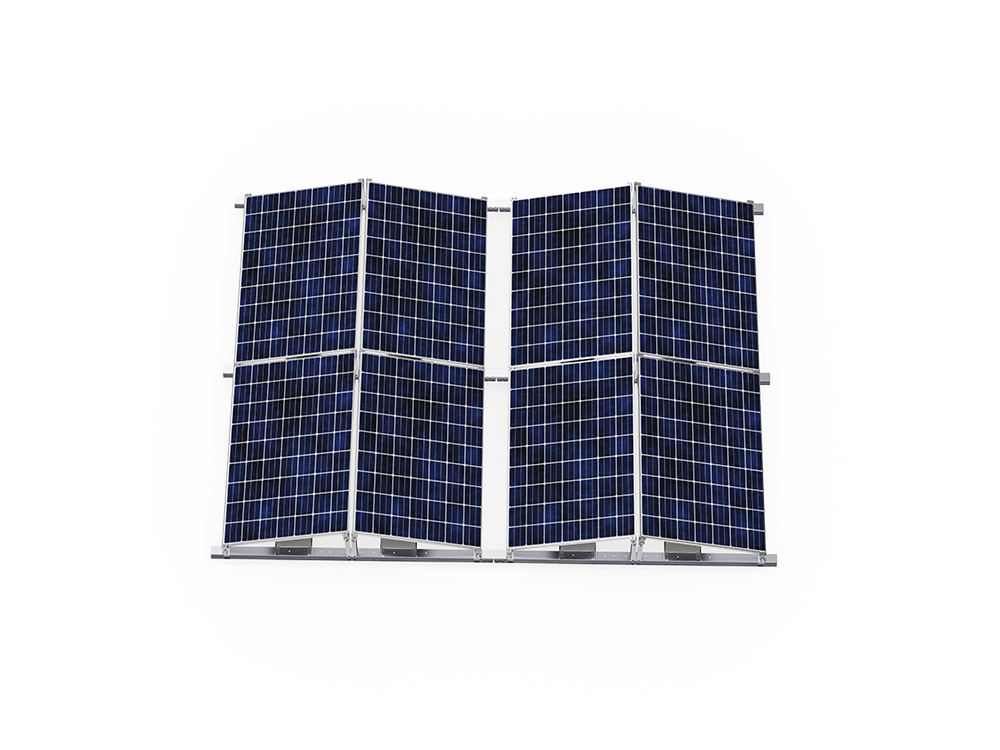
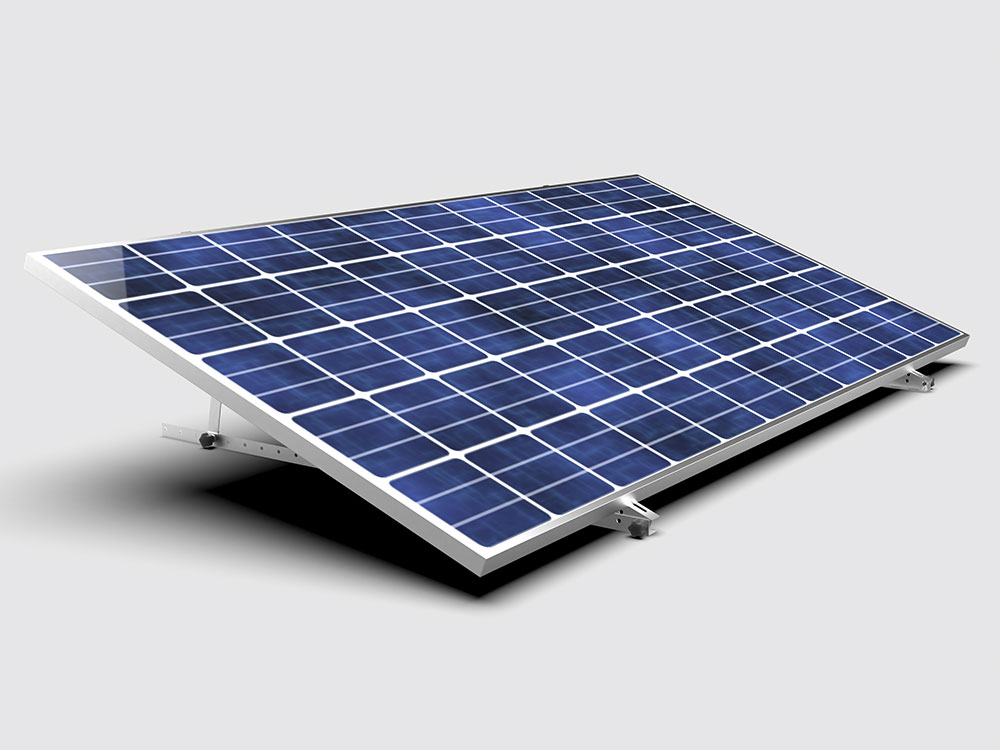
With the widespread adoption of solar power generation, construction safety at solar power plants has become a focal point of attention both within and outside the industry. Construction work at these sites involves high-risk activities such as working at heights and installing electrical equipment, and requires strict adherence to safety standards to ensure personnel safety and project quality. Drawing on practical experience, this article explores key safety standards and precautions for solar power plant construction, providing practical guidance for construction teams.
Pre-construction safety preparations are the foundation for ensuring the smooth progress of a project. Before construction begins, a comprehensive site survey must be conducted to assess the terrain, weather conditions, and potential risk factors. At the same time, all construction personnel should undergo professional safety training, clearly define their roles and responsibilities, and familiarize themselves with emergency response plans. Personal protective equipment (PPE), such as hard hats, slip-resistant footwear, and safety harnesses, must be fully provided and ensure compliance with national standards. Furthermore, the contractor must develop a detailed safety management plan, including a work permit system, on-site supervision mechanisms, and accident reporting procedures, to eliminate safety hazards at their source.
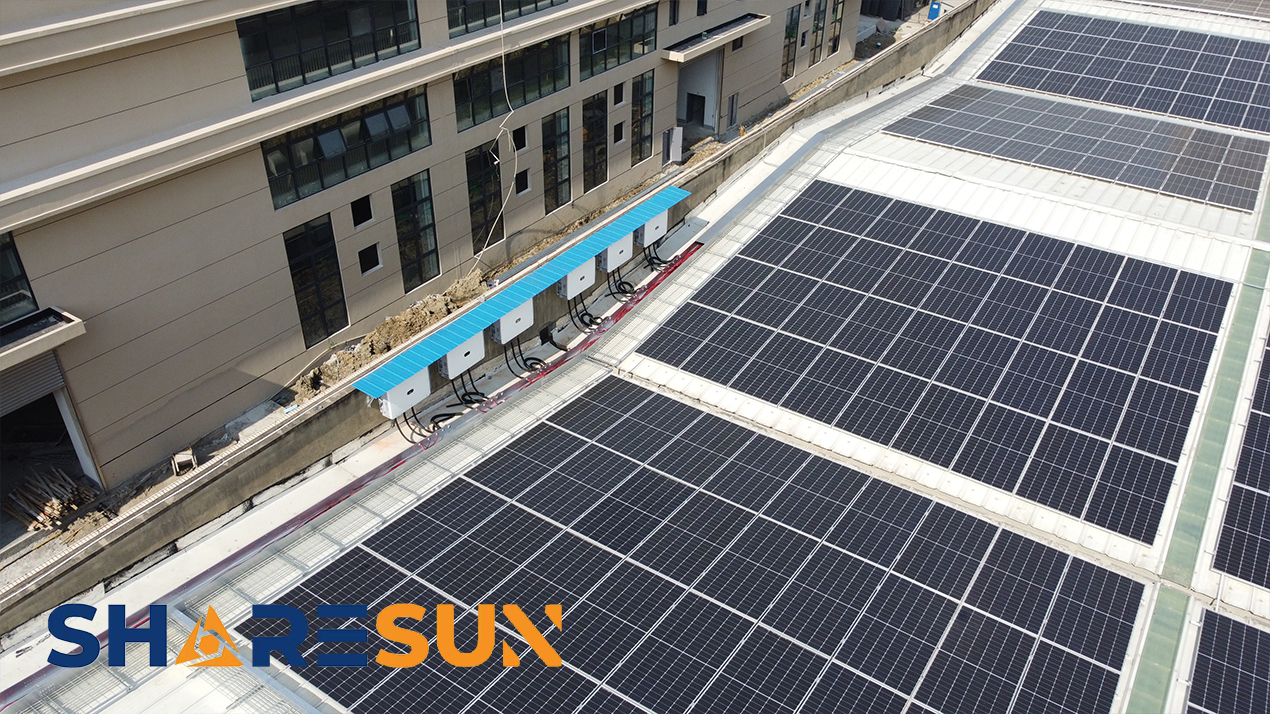
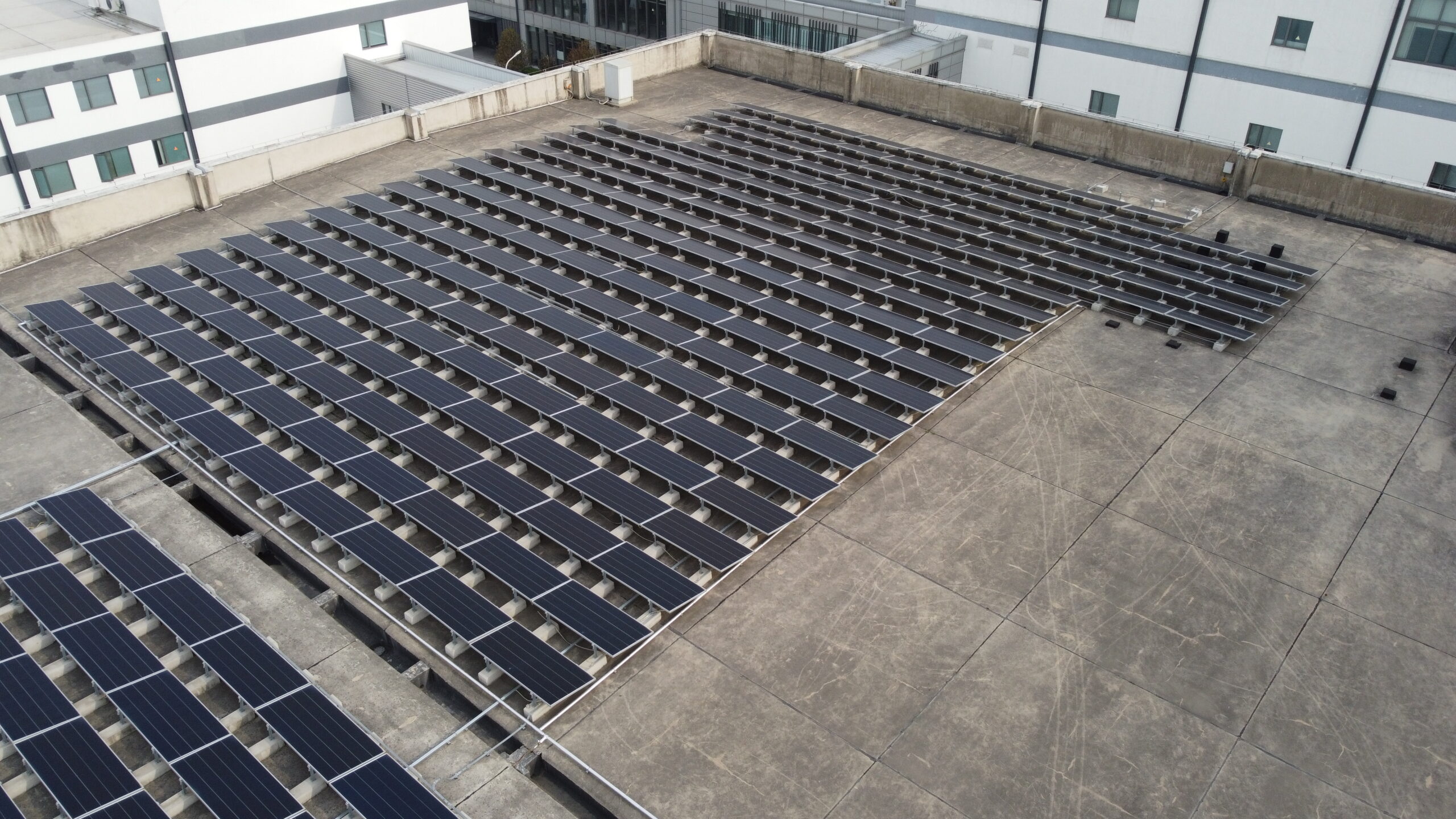
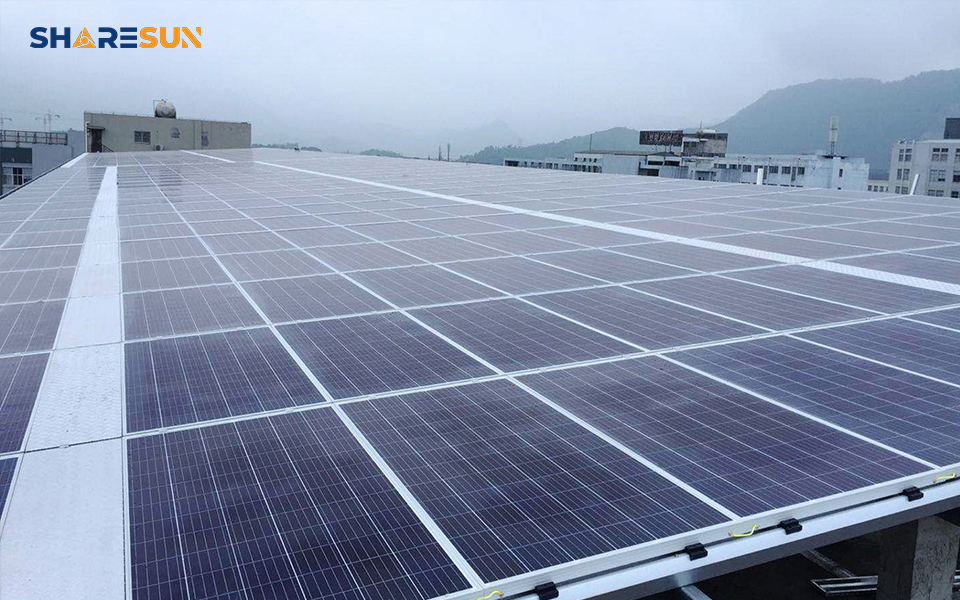
Working at heights is the most common risk in solar power plant construction. Whether installing racks for rooftop or ground-mounted plants, work at heights is often involved. Construction personnel must correctly use safety harnesses and safety ropes, and ensure that anchor points are secure and reliable. When working on rooftops, special attention must be paid to the stability of the roof structure to avoid falling through gaps or slipping. In the event of adverse weather conditions such as strong winds, rain, or snow, work at heights must be immediately suspended until conditions improve. At the same time, prominent safety warning signs should be added to the construction site to restrict non-workers from entering hazardous areas and prevent accidents.
Electrical safety is a critical aspect of solar power plant construction. Solar panels generate voltage when exposed to sunlight, so electrical work must be performed with extreme caution. Strictly adhere to the “work-under-power-off” principle during construction; ensure the system is de-energized before connecting cables or commissioning equipment. All cable routing must comply with electrical codes, avoiding dragging on the ground, crushing, or excessive bending, and proper insulation and waterproofing measures must be implemented. The installation of equipment such as inverters and distribution boxes must be performed by licensed electricians, and proper grounding must be implemented to prevent electric shock. Additionally, the construction team should regularly inspect the insulation of tools and equipment to mitigate the risk of electrical leakage.
Lifting and transportation operations must also be strictly regulated. Equipment such as solar modules, mounting structures, and inverters is often large and heavy, making them prone to collisions or falls during handling and lifting. When using cranes or hoists, operations must be coordinated by a professional signaler to ensure no one is standing beneath the load. During manual handling, workers should maintain proper posture to avoid strains or being struck by falling objects. Materials should be stacked neatly and securely to prevent slipping or collapsing; securing measures must be particularly thorough when working on slopes or rooftops.
In addition to technical operations, managing the construction environment is equally important. The construction site must be kept clean and tidy, with debris and obstacles promptly removed to prevent tripping or cuts. During summer construction, heatstroke prevention measures should be implemented, ensuring an adequate supply of drinking water and a reasonable work-rest schedule to prevent heatstroke. Furthermore, the construction team must prioritize fire safety by equipping the site with fire extinguishers and strictly prohibiting smoking or the use of open flames, especially near flammable materials.
Construction safety at solar power plants is of the utmost importance and requires the joint attention of the construction company, the supervising party, and the owner. Only by implementing safety standards in every detail can accidents be effectively prevented, and the quality and progress of the project be guaranteed. It is recommended that the construction team conduct regular safety self-inspections and drills, continuously optimize safety management measures, and ensure that the construction of the solar power plant proceeds efficiently while prioritizing safety.
For more professional consultation, please click here: Contact Us
Safety Standards and Precautions for Solar Power Plant Construction
With the widespread adoption of solar power generation, construction safety at solar power plants has become a focal point of attention both within and outside the industry.
Share this post
Pinterest
LinkedIn
Facebook
WhatsApp