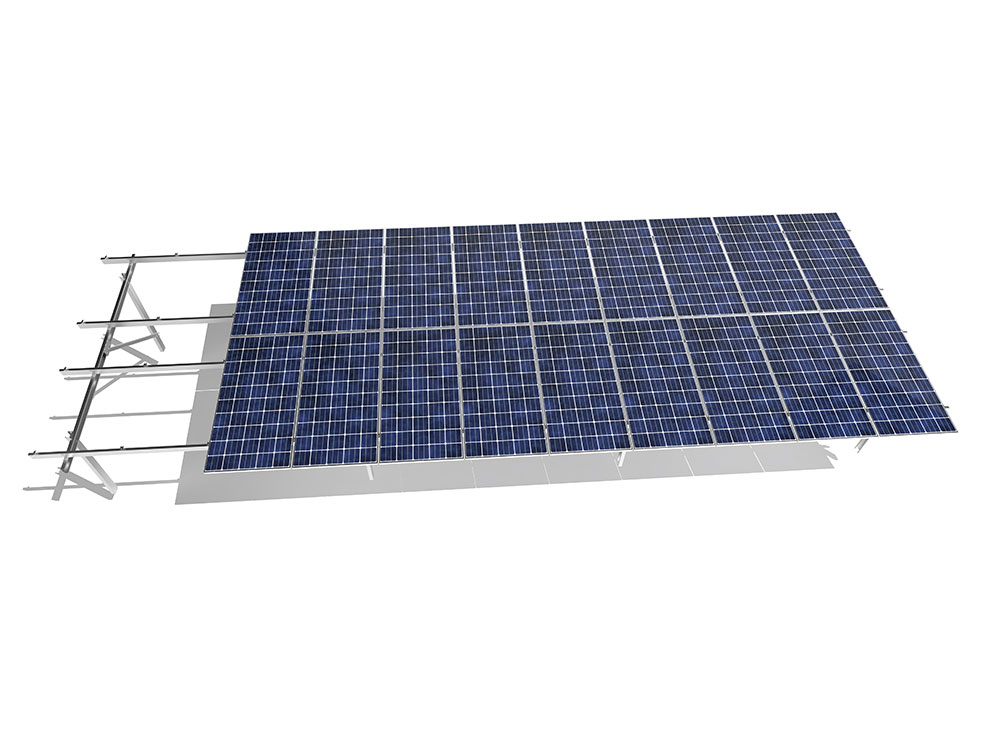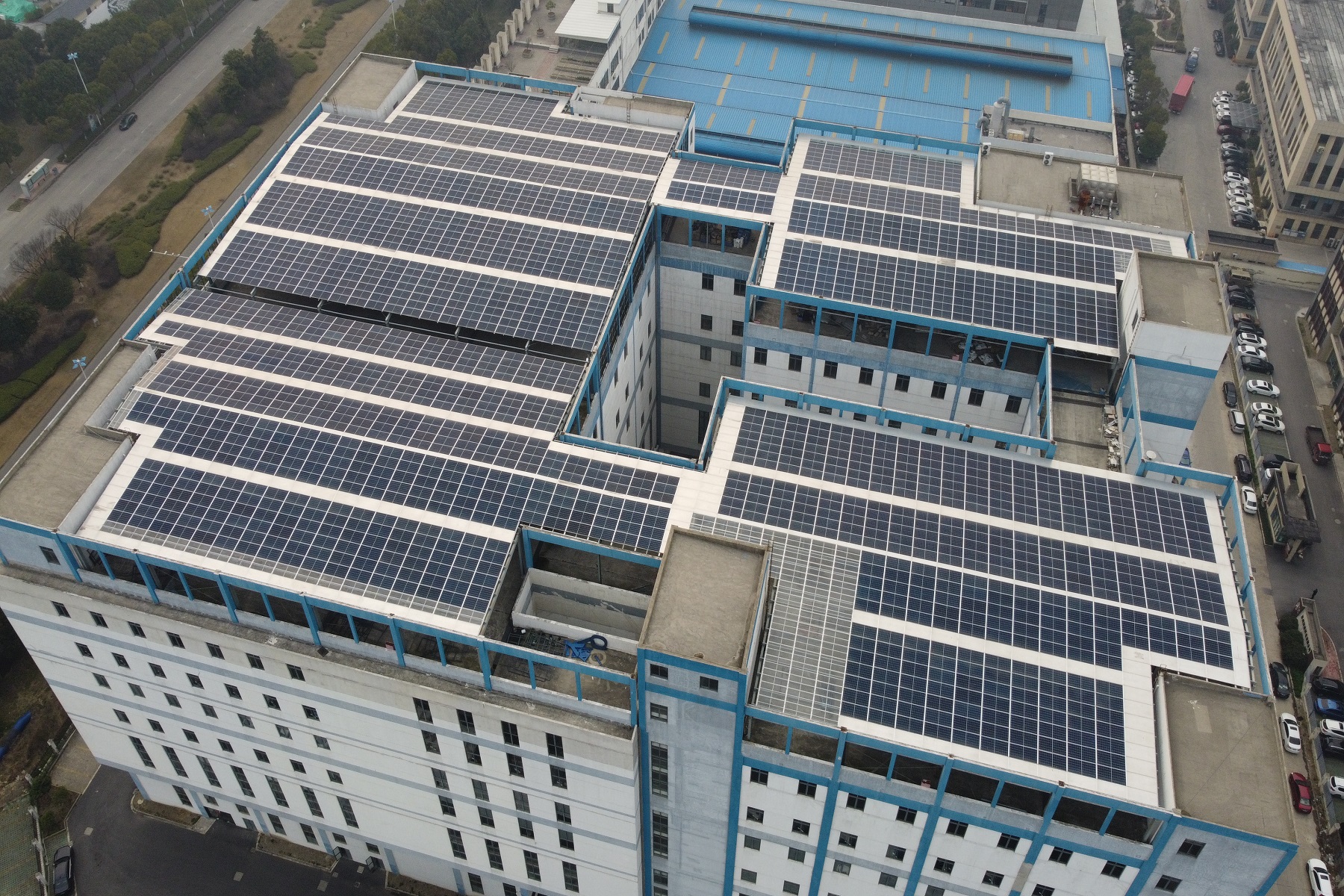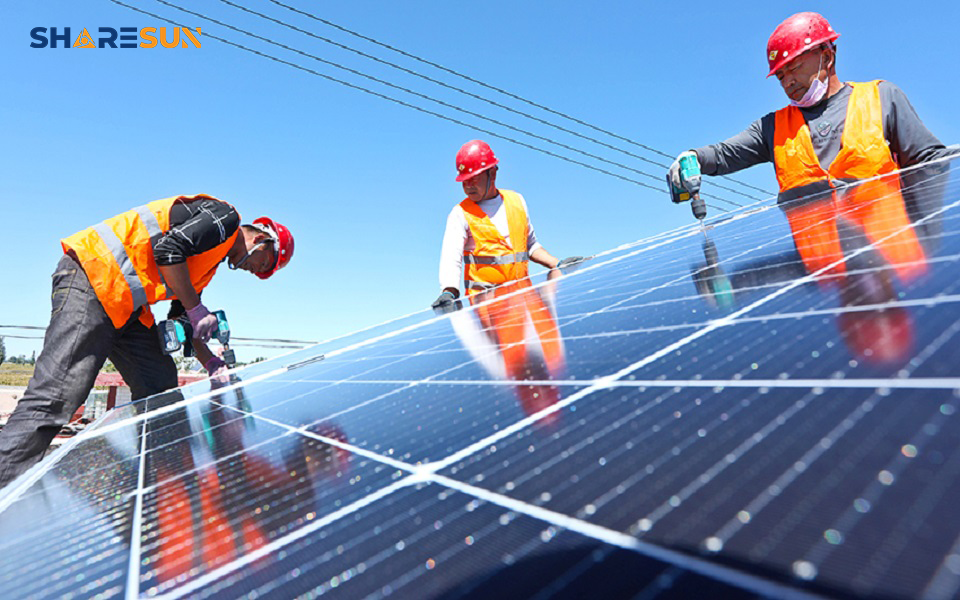
“Can solar mounting systems be installed in agricultural projects?” This is a question many farm owners, agricultural cooperatives, and those interested in modern farming are exploring. The answer is a clear yes. Combining agriculture with solar energy is a growing trend in modern agriculture, offering a new path to boost rural revitalization and sustainable farming development.
What Is Agrivoltaics?
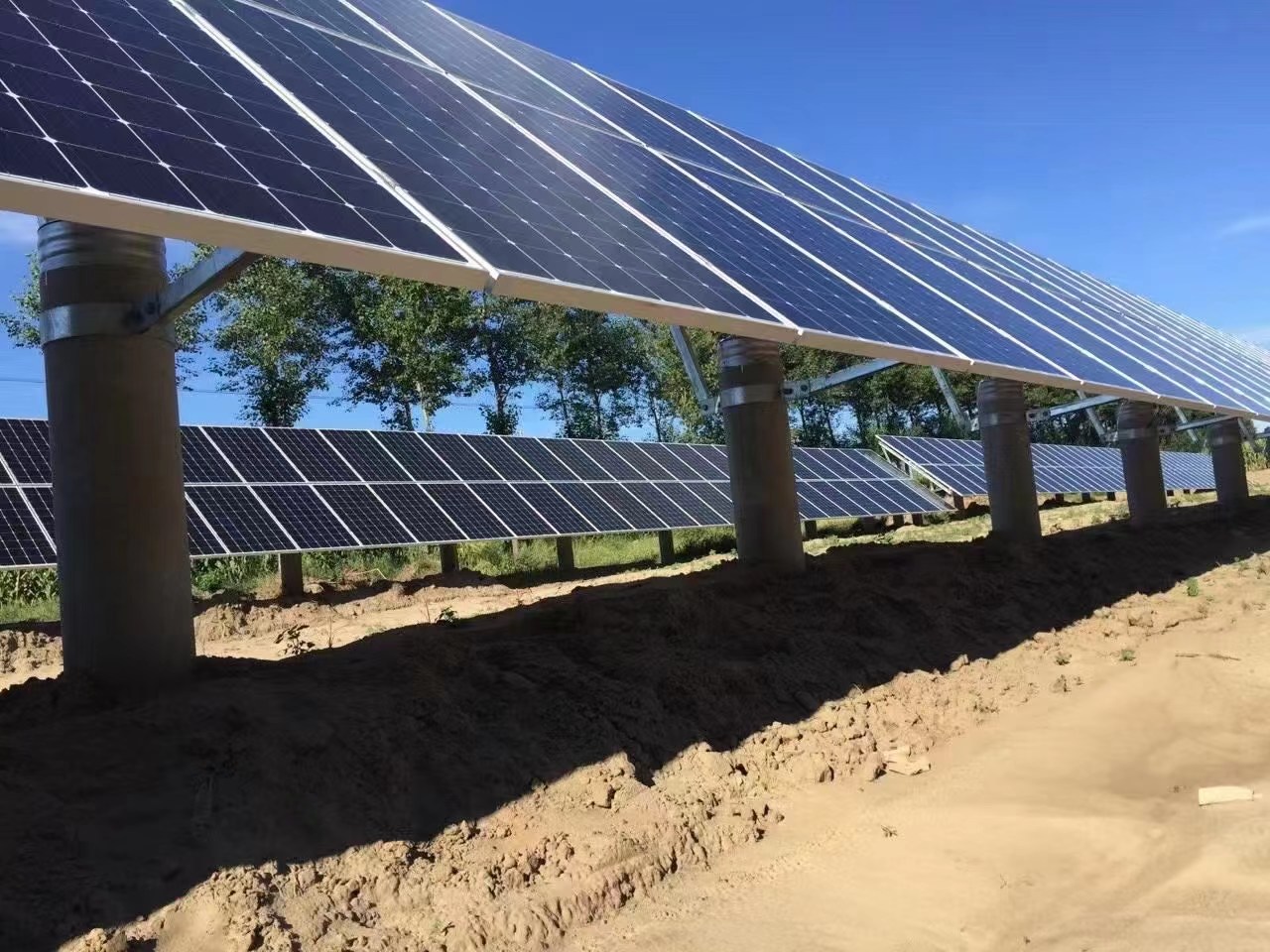
If you aim to use the same piece of land for both growing crops (or raising livestock) and generating solar power, achieving multiple benefits from sunlight, land, and profit sharing, this model is known as agrivoltaics or solar farming. It’s not simply about using land for a solar power plant. Instead, it integrates solar energy generation with agricultural production, creating a synergy where the whole is greater than the sum of its parts.
What Are the Benefits of Installing Solar Mounting Systems on Farms?
The most direct benefit is the creation of an additional income stream. For farmers, solar panels act like a “sunlight bank.” The electricity generated can be used for farm operations, reducing energy costs. Any surplus power can be sold to the grid, providing a stable, long-term source of extra revenue. This helps mitigate risks from agricultural market price fluctuations and enhances the overall resilience of the farming business.
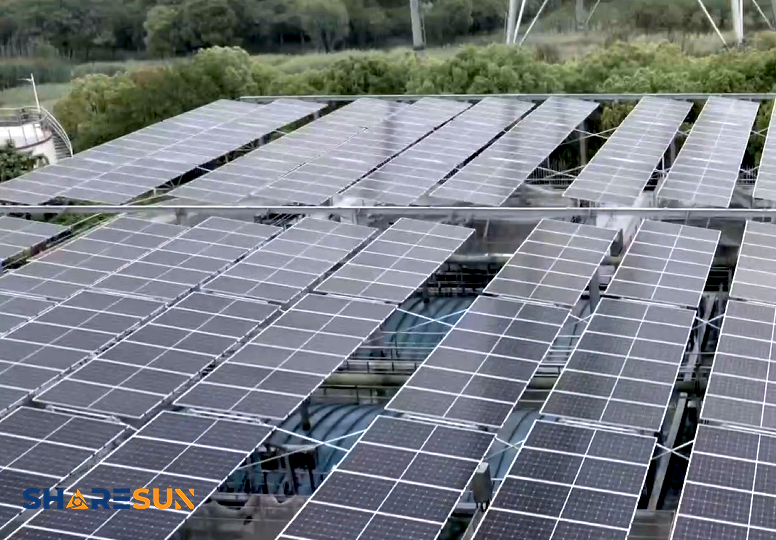
Furthermore, solar installations can offer unexpected practical advantages. During hot summers, the panels can provide partial shade for crops underneath, reducing water evaporation and creating a more suitable microclimate for shade-tolerant or light-sensitive crops (e.g., mushrooms, tea, some medicinal herbs). For livestock farms, installing panels above barns or shelters provides shade for animals, improving their living conditions and welfare.
Additionally, this approach significantly increases land use efficiency by enabling dual-purpose use of the same plot. Land that previously had a single function can now simultaneously support agricultural production and clean energy generation, aligning with policies promoting intensive and efficient land use.
Important Considerations for Implementation
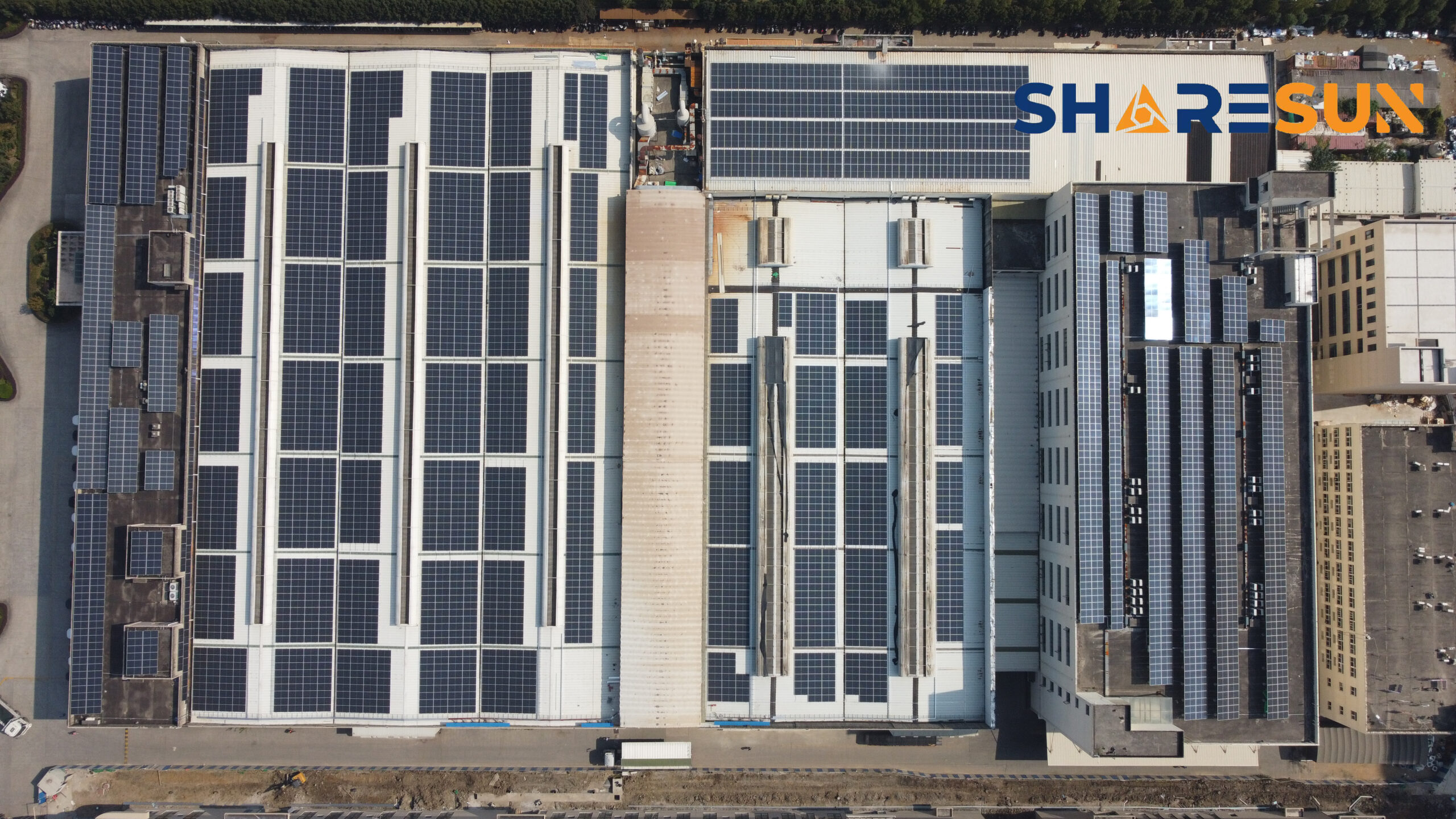
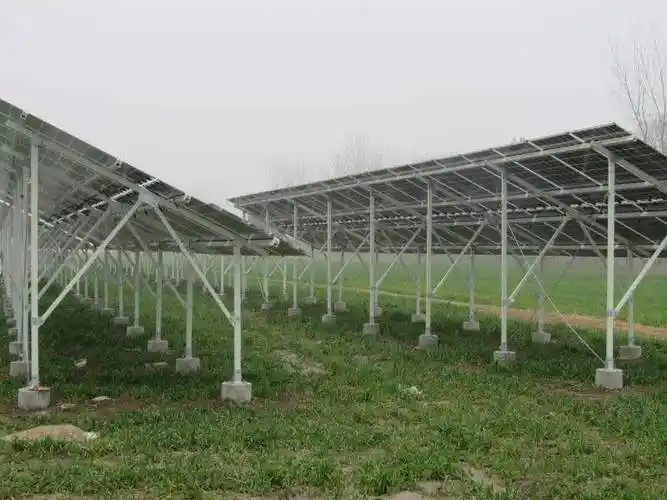
Installing solar mounting systems in agricultural settings requires scientific planning and adaptation to local conditions. The key is balancing the needs of energy generation and farming. Design priorities must ensure that panel height, spacing, and light transmission meet the sunlight requirements for healthy crop growth below or around them. Energy production should not come at the cost of agricultural yield—this would miss the core purpose. Established and successful models include solar greenhouses, solar installations on barn roofs, and projects developed on non-prime farmland like hilly or marginal areas.
Agricultural projects are not only suitable for solar mounting systems but can greatly benefit from this smart farming innovation. By seamlessly blending traditional agriculture with clean energy, agrivoltaics introduces new technological elements and profit models into farming. If you are managing an agricultural project, consider whether this “power-generating field” could bring new vitality and opportunities to your operations.