In advancing green energy development, the agro-photovoltaic model has gradually become a key approach integrating agriculture with the solar industry. This model achieves comprehensive land utilization by installing solar racks above farmland, enabling “power generation above and cultivation below.” However, many worry: Could these solar racks impact normal crop growth? Today, we’ll explore this question objectively.
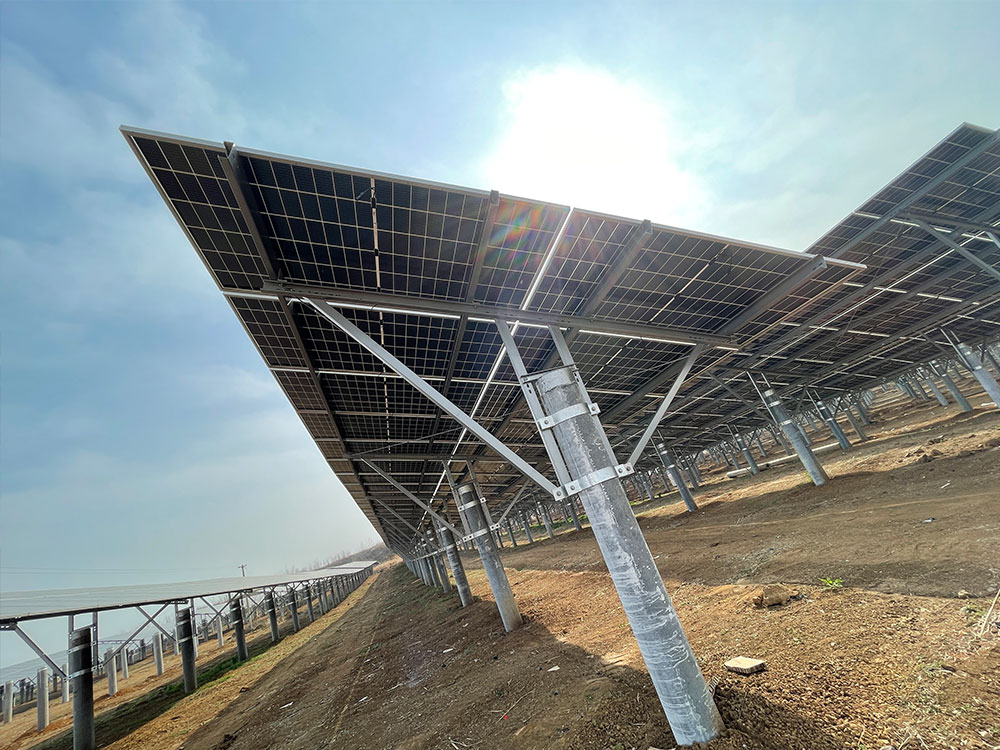
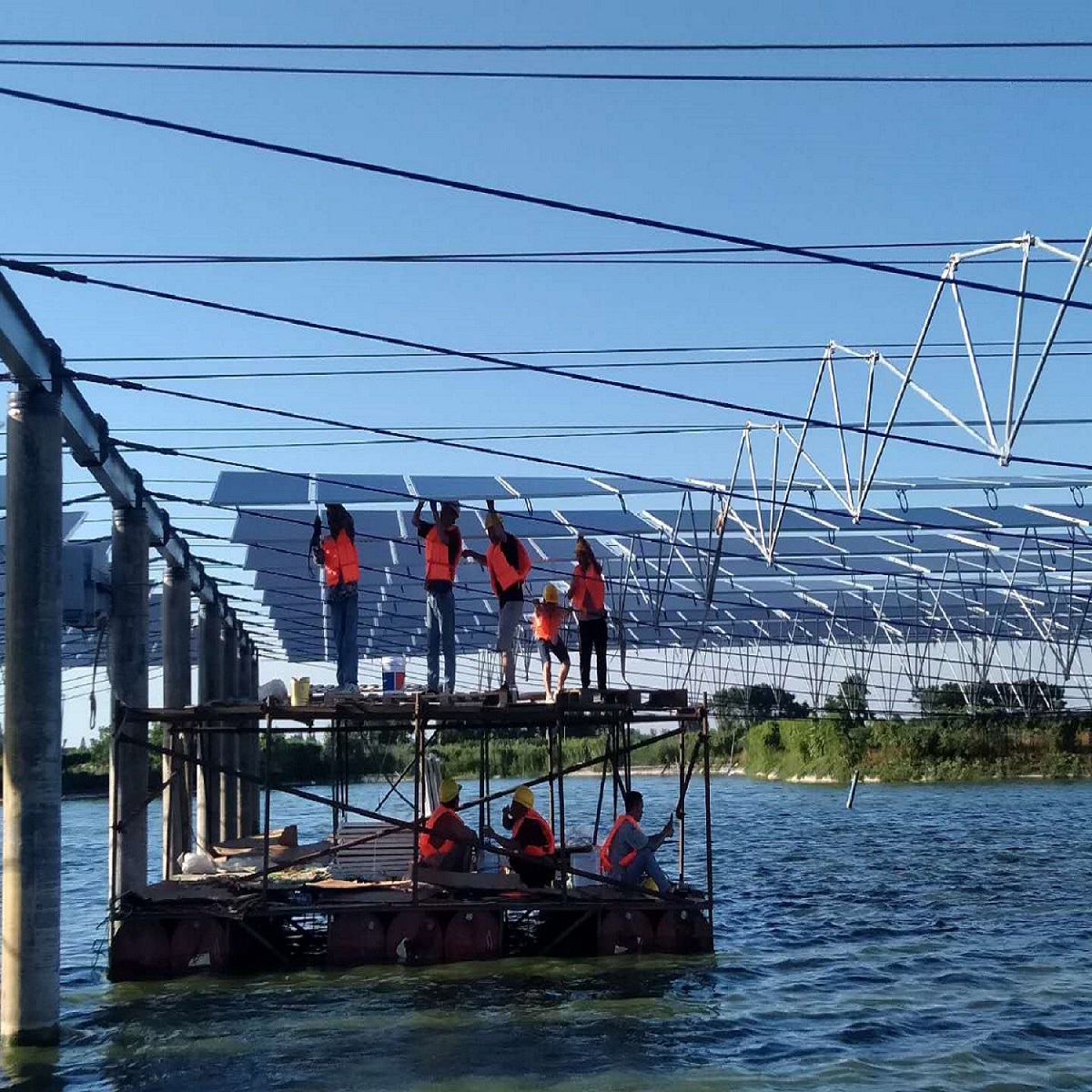
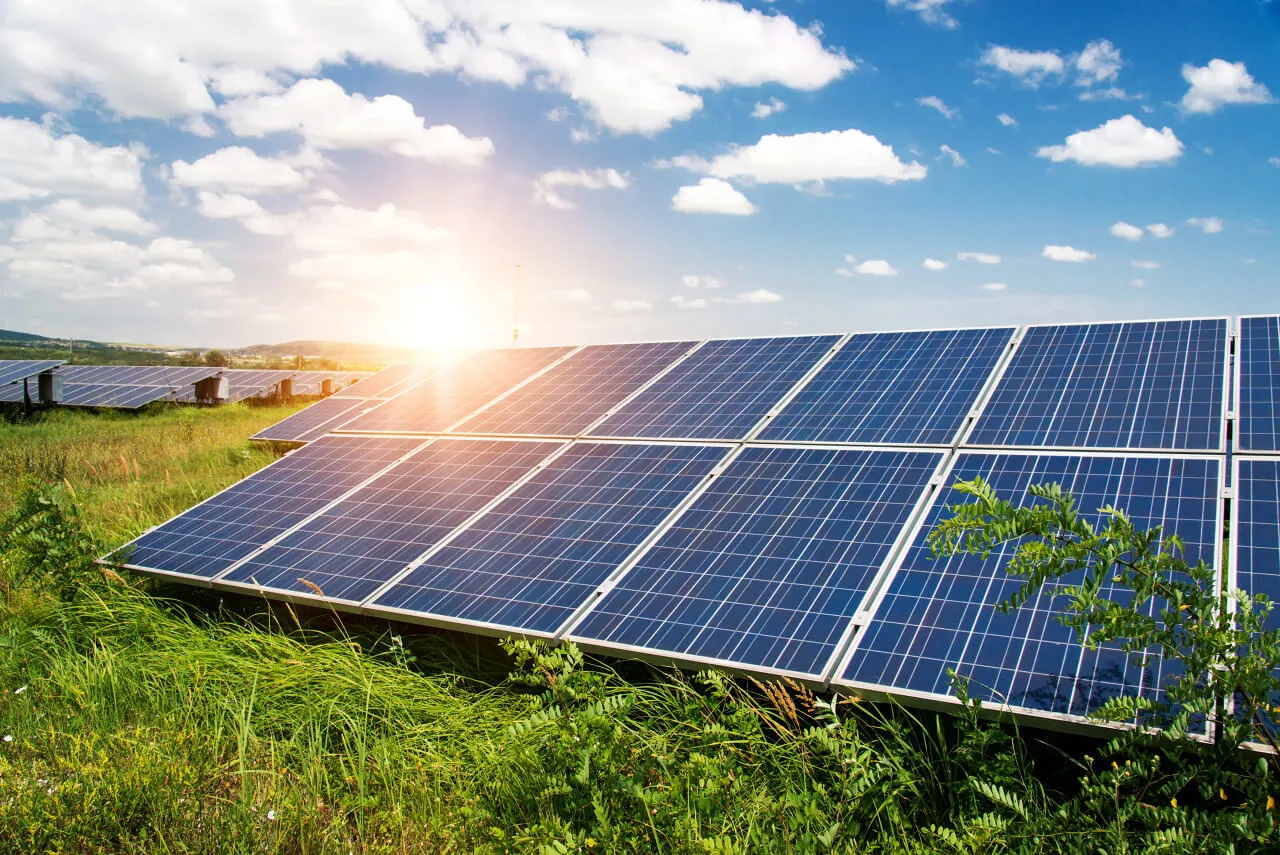
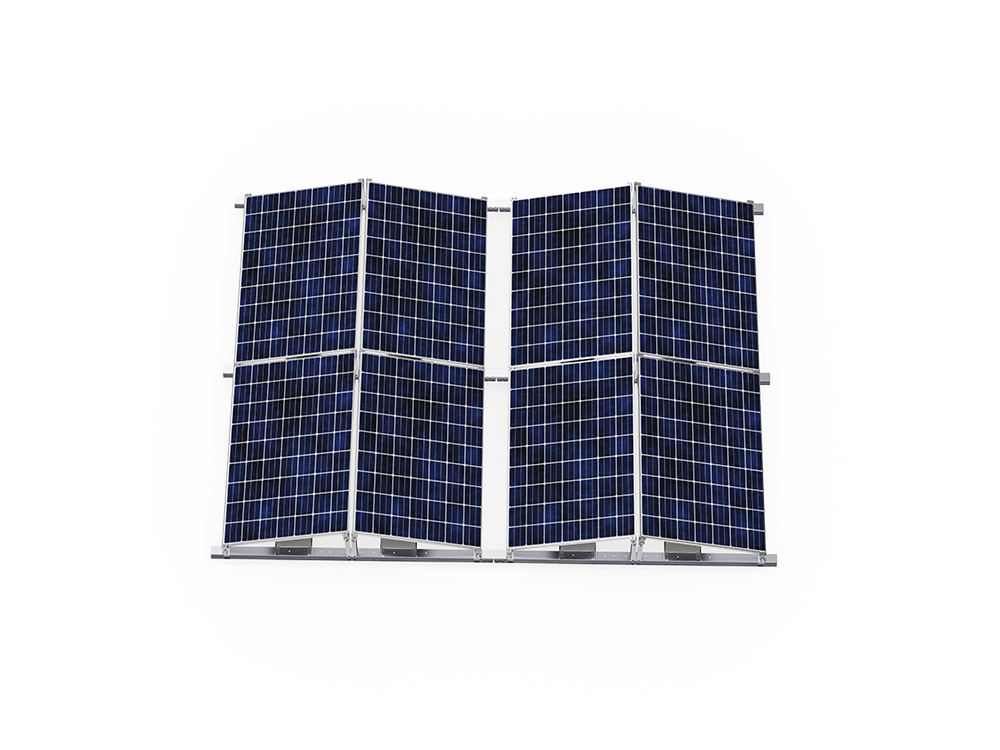
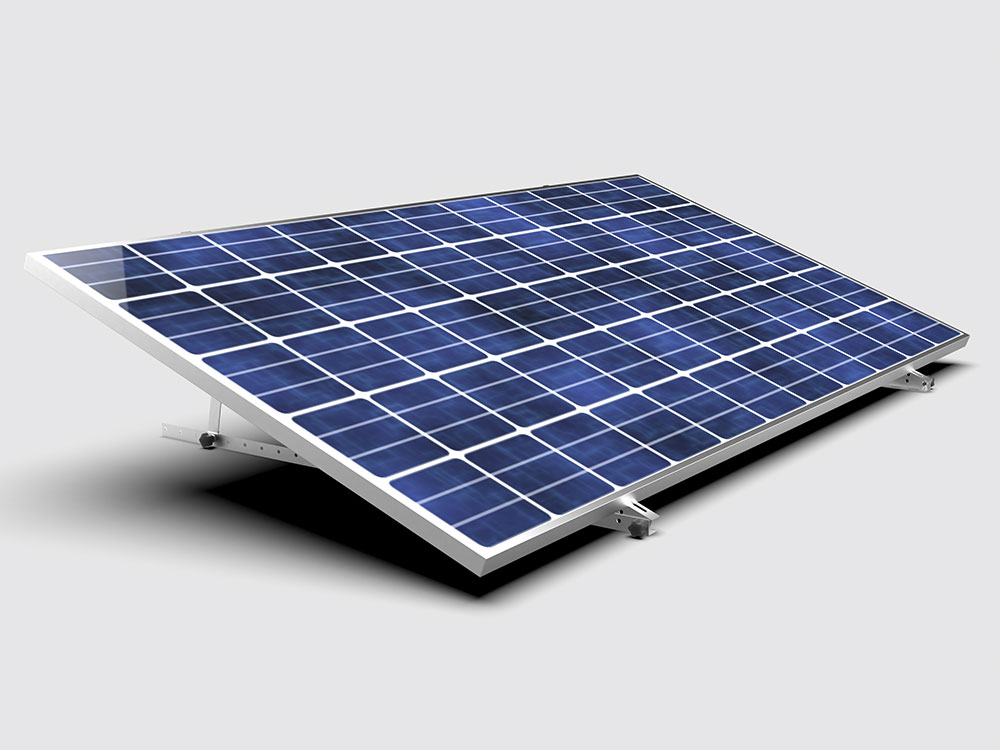
In practical application, agro-photovoltaic solar racks are specifically designed to minimize disruption to agricultural production. Similar to common solar carports, these structures typically feature elevated designs that provide ample growing space for crops. The height, spacing, and arrangement of the racks are scientifically calculated to ensure crops receive necessary sunlight. For instance, some projects employ single-row or double-row layouts with adjusted tilt angles to prevent excessive shading of the fields below.
So, do solar racks actually affect crop growth? The answer isn’t a simple “yes” or “no”—it depends on specific design and management practices. A well-planned solar panel layout can create moderate shading, which during hot summer periods may actually benefit shade-loving or shade-tolerant crops like tea, edible fungi, and certain vegetables. This shading reduces intense sunlight exposure and water evaporation, improving the microclimate in the field. However, if the structure is poorly designed—for instance, with excessive density or insufficient height—it may lead to insufficient light, impairing photosynthesis and ultimately reducing crop yields.
Therefore, the success of agro-photovoltaic projects hinges on scientific planning. In practice, parameters of solar racks must be flexibly adjusted based on local climate conditions, soil characteristics, and crop types. For instance, in sun-drenched regions, rack spacing can be appropriately increased; conversely, crops with higher light requirements should have their illumination needs prioritized. Additionally, modern agricultural techniques can complement solar rack usage, such as selecting crop varieties suited for shaded environments or adopting water-saving irrigation methods like drip irrigation to optimize resource utilization.
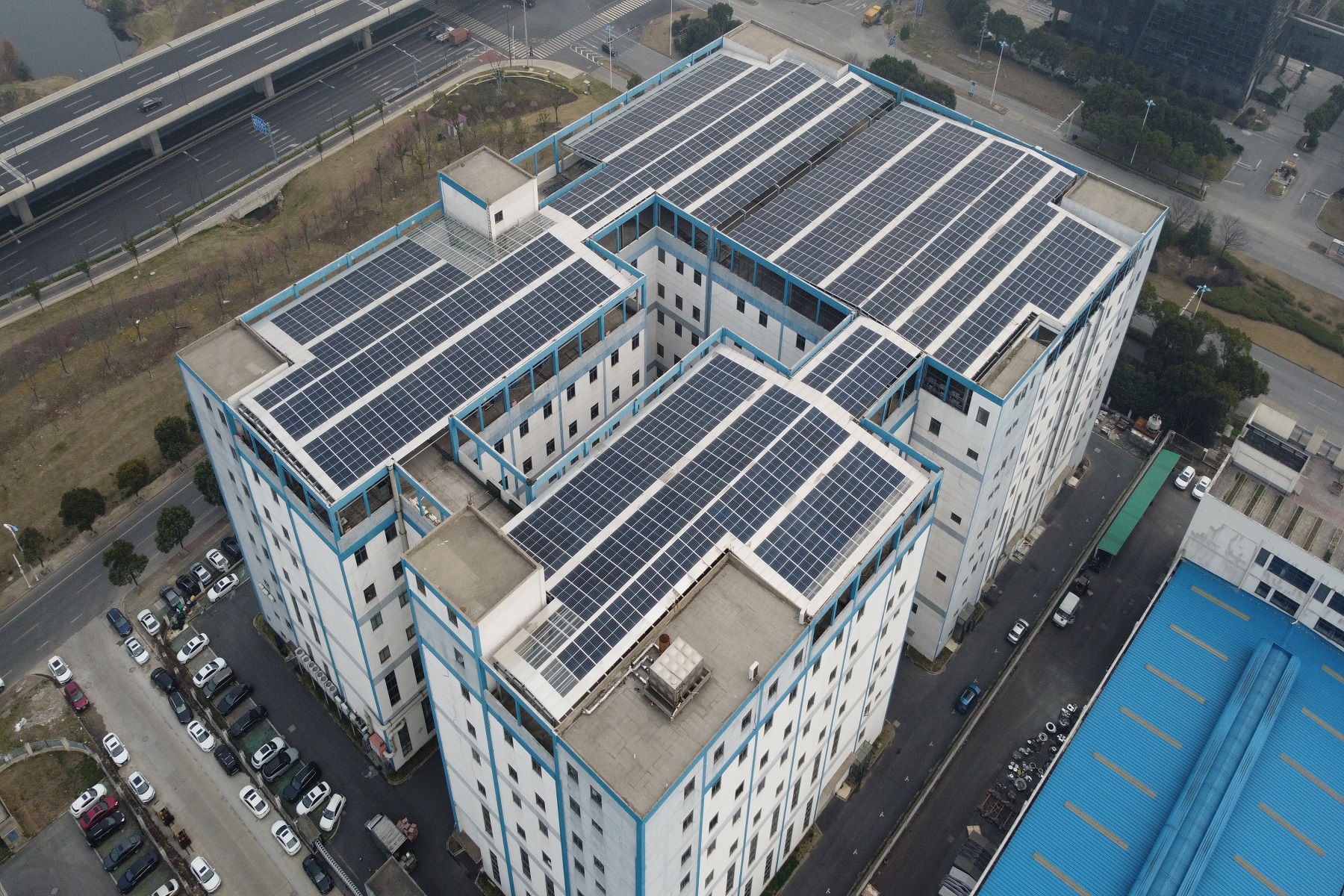
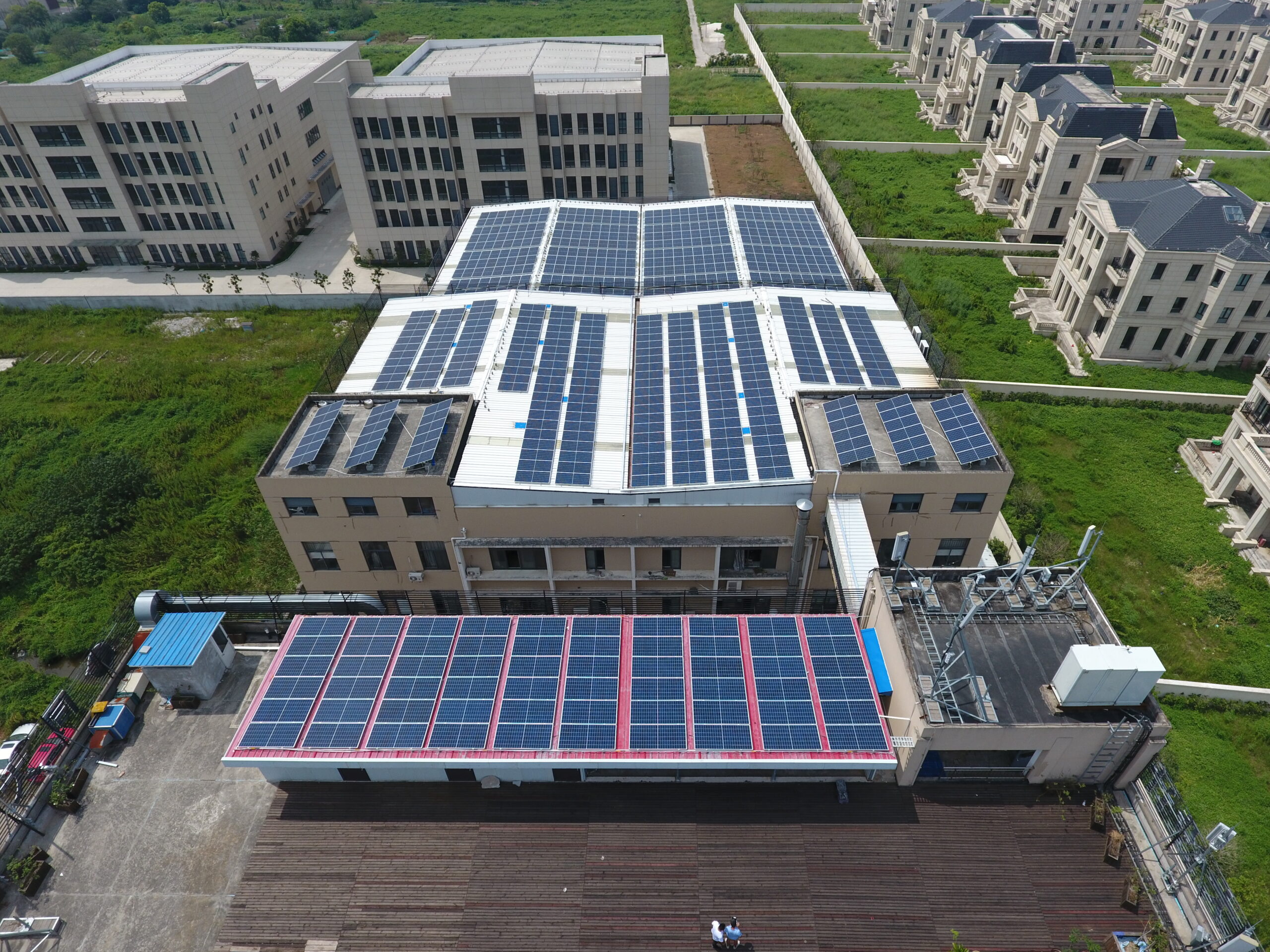
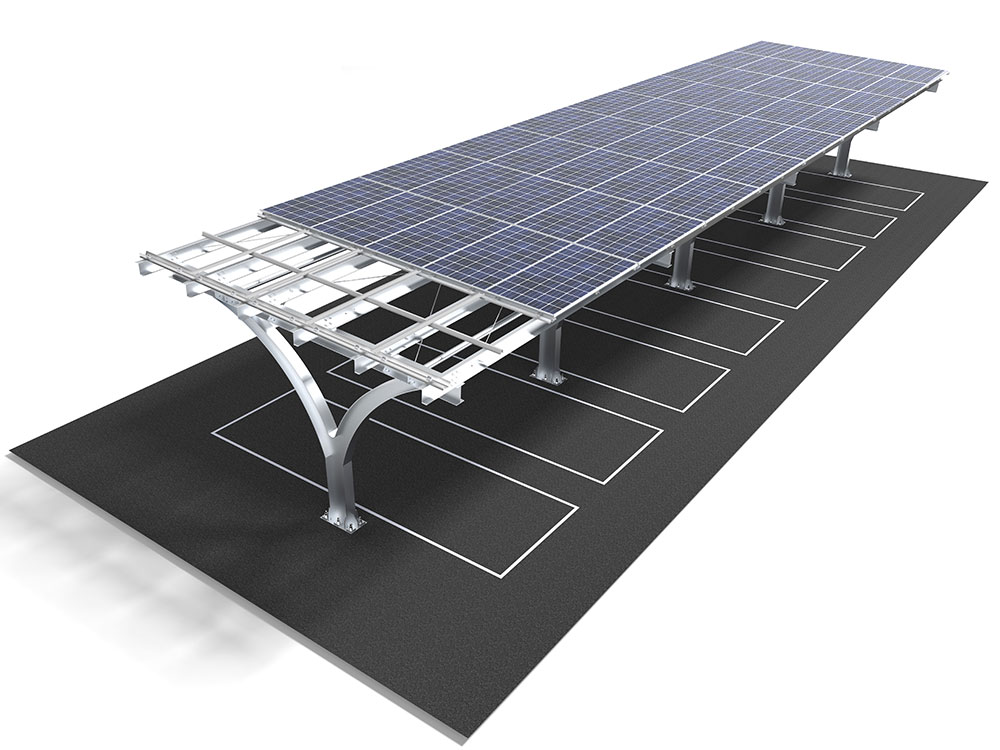
It is worth noting that the agro-photovoltaic model shares similarities with solar carports, both embodying the concept of “space reuse.” Solar carports install panels above parking lots to enable simultaneous parking and power generation, while agro-photovoltaic systems extend this approach to agricultural production. This dual-purpose model conserves land resources while generating additional income for farmers through electricity sales. It has demonstrated positive outcomes in numerous regions, particularly areas abundant in sunlight but constrained by limited land availability.
Naturally, agro-photovoltaic systems face challenges, including substantial initial investment and the need for ongoing maintenance that balances agricultural and solar operations. However, in the long term, through meticulous design and management, solar racks can not only coexist harmoniously with crops but also deliver additional economic and ecological benefits to agriculture. For instance, solar panels can reduce water evaporation, aiding soil moisture retention; rack structures can also support agricultural installations like irrigation systems or insect screens, further boosting agricultural productivity.
Overall, the impact of agro-photovoltaic solar racks on crop growth is two-sided. Well-designed systems can serve as agricultural “assistants,” while improper layouts may cause adverse effects. Therefore, promoting agro-photovoltaic integration must adhere to the principles of site-specific adaptation and scientific planning to ensure synergistic development between solar power generation and agricultural production. With technological advancements and deeper practical experience, agro-photovoltaic integration holds promise in achieving a better balance between food security and energy transition, emerging as a vital pathway for rural revitalization and green development.