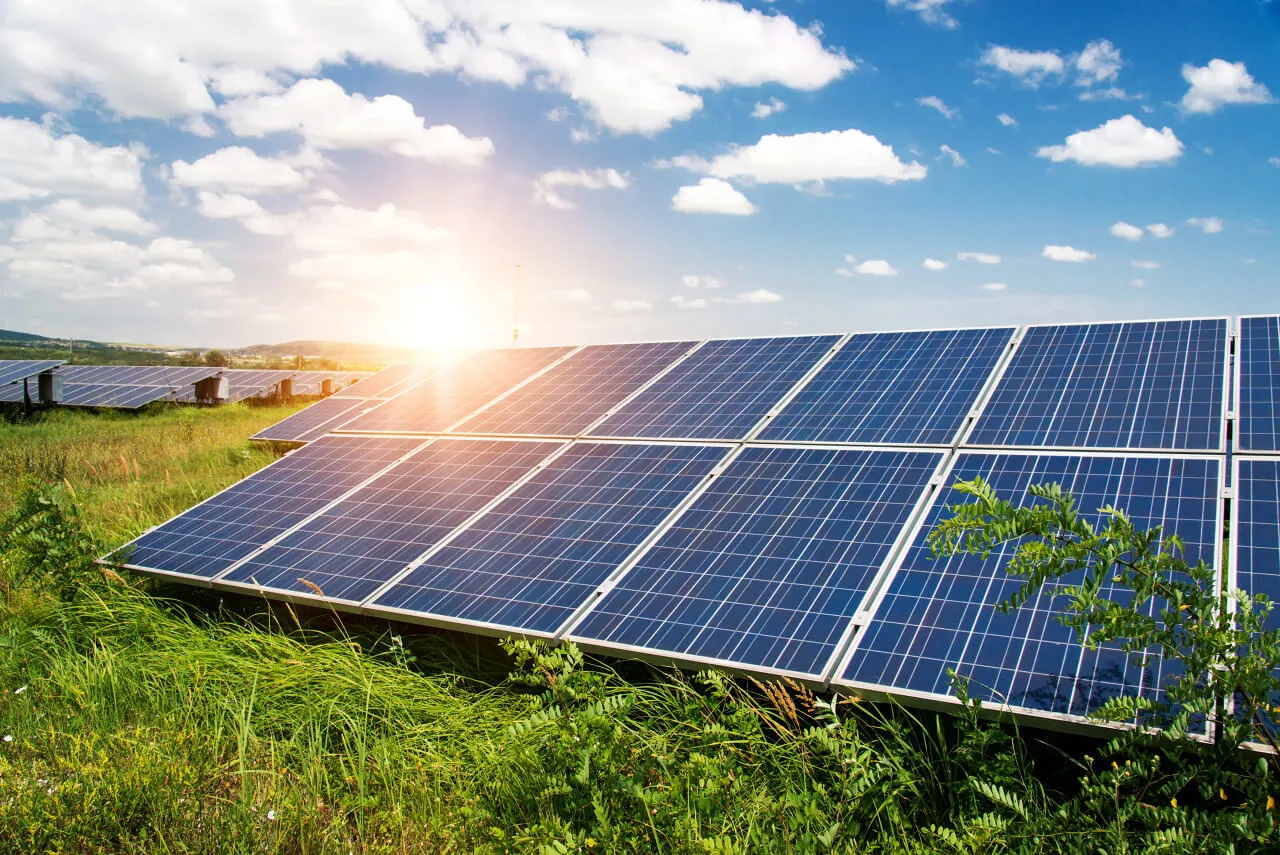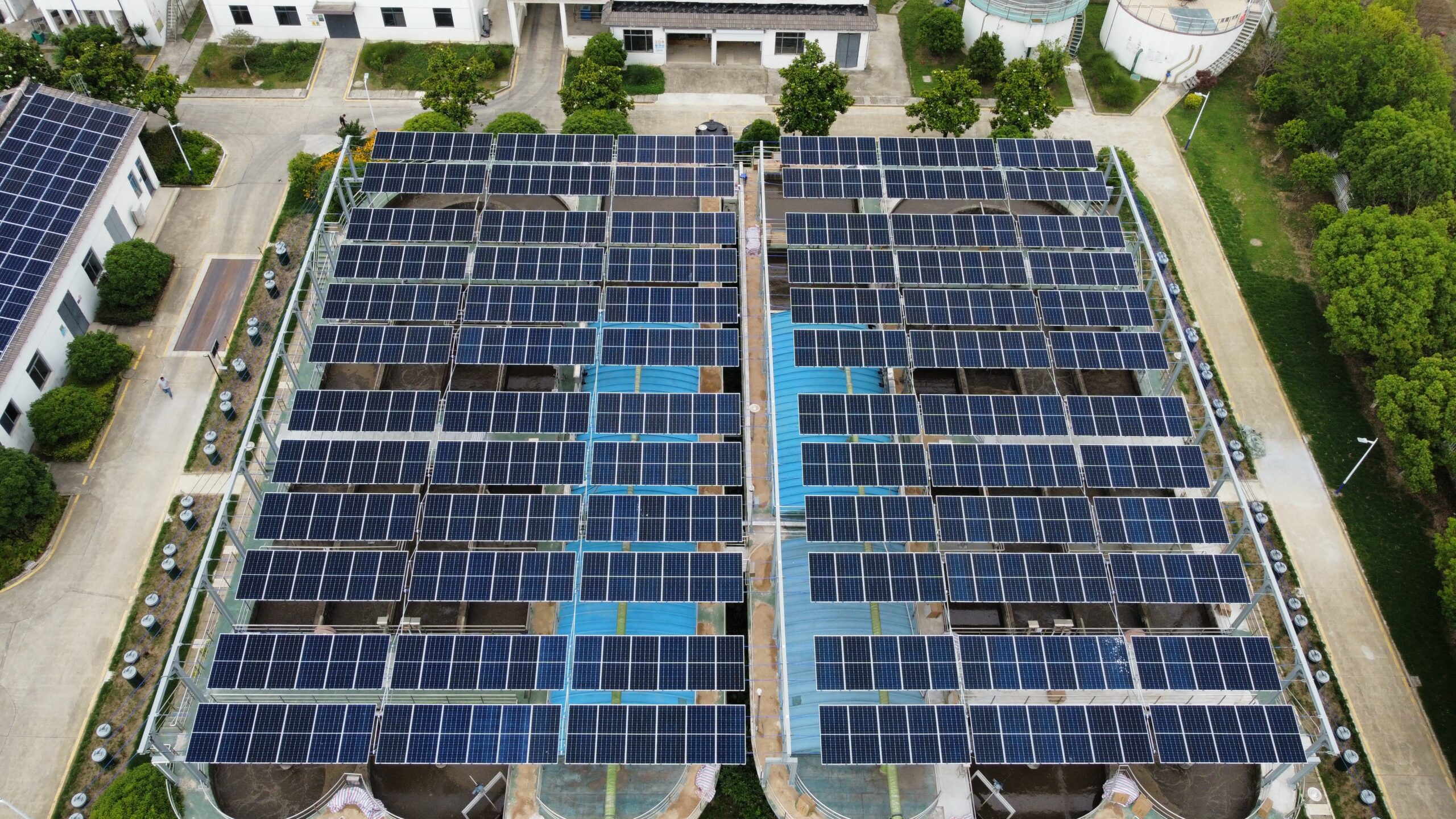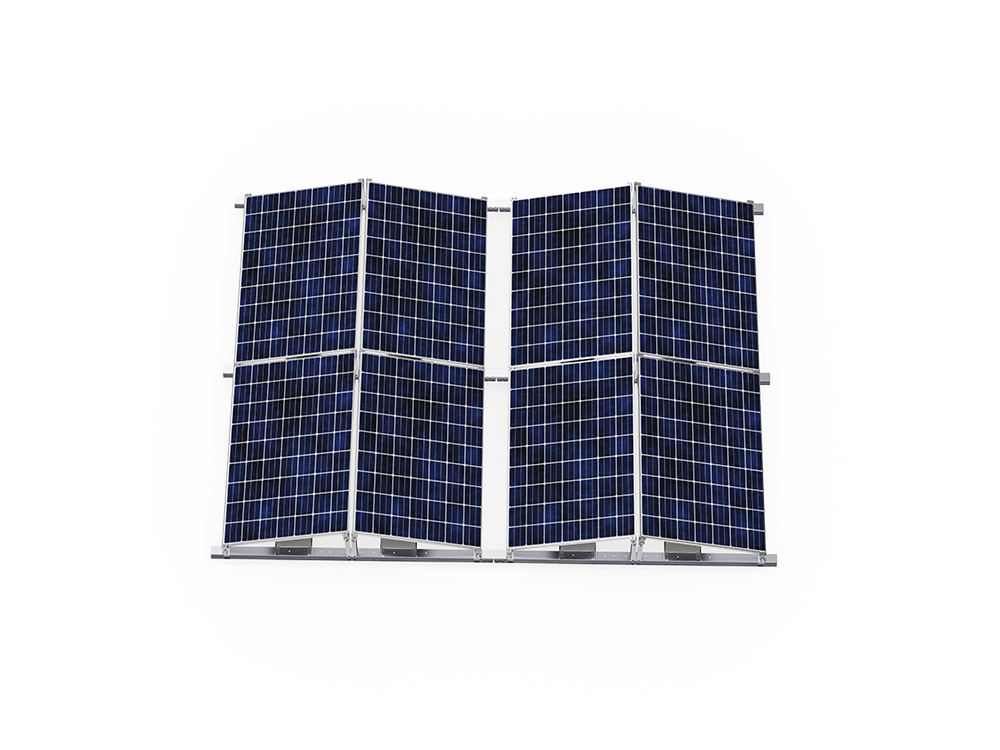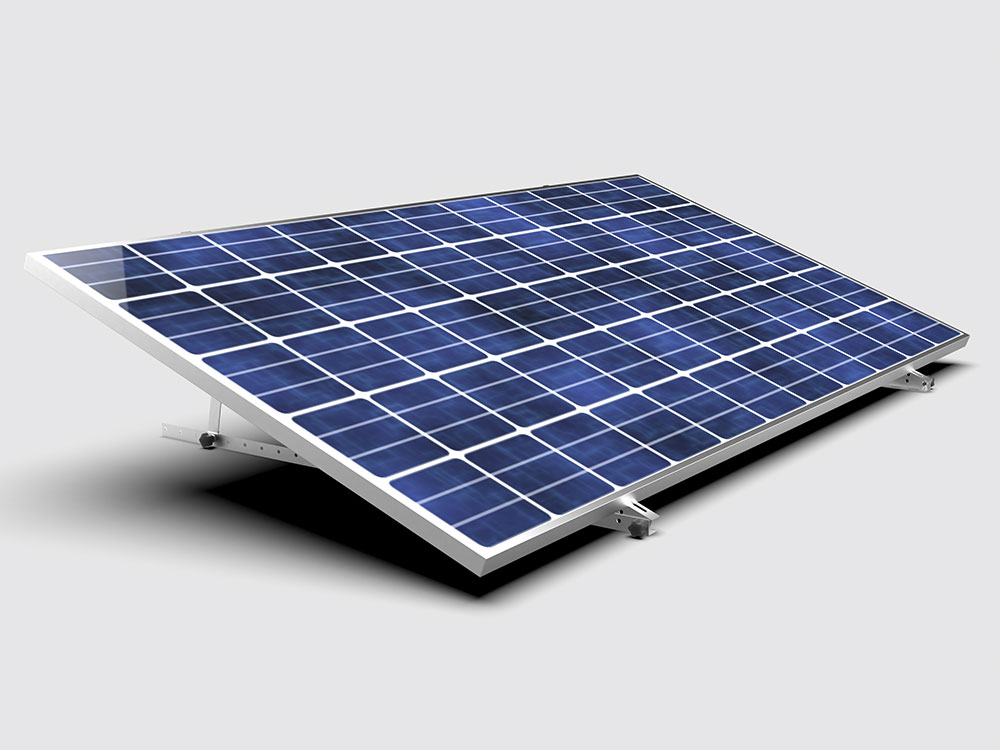
With the growing popularity of solar power technology, more and more people with yards or open spaces are considering installing ground-mounted solar power systems. Unlike rooftop installations, ground-mounted systems require some land space but offer advantages such as optimal orientation, easy cleaning, convenient maintenance, and excellent heat dissipation. However, the foundation of a reliable ground-mounted solar power plant lies in the selection of the solar mounting system.
Faced with a wide variety of products on the market, how can you select a ground-mounted mounting system that is both sturdy and cost-effective based on your actual needs? The following points are the key factors you need to consider.
Step 1: Assess the Terrain, Then Choose the Foundation
Mounting systems do not exist in isolation; they must be firmly anchored to the ground via a foundation. The type of soil on your property directly determines which mounting method you should use. This is the first practical consideration when selecting a mounting system.
The most common ground-mounted foundation methods include the following:
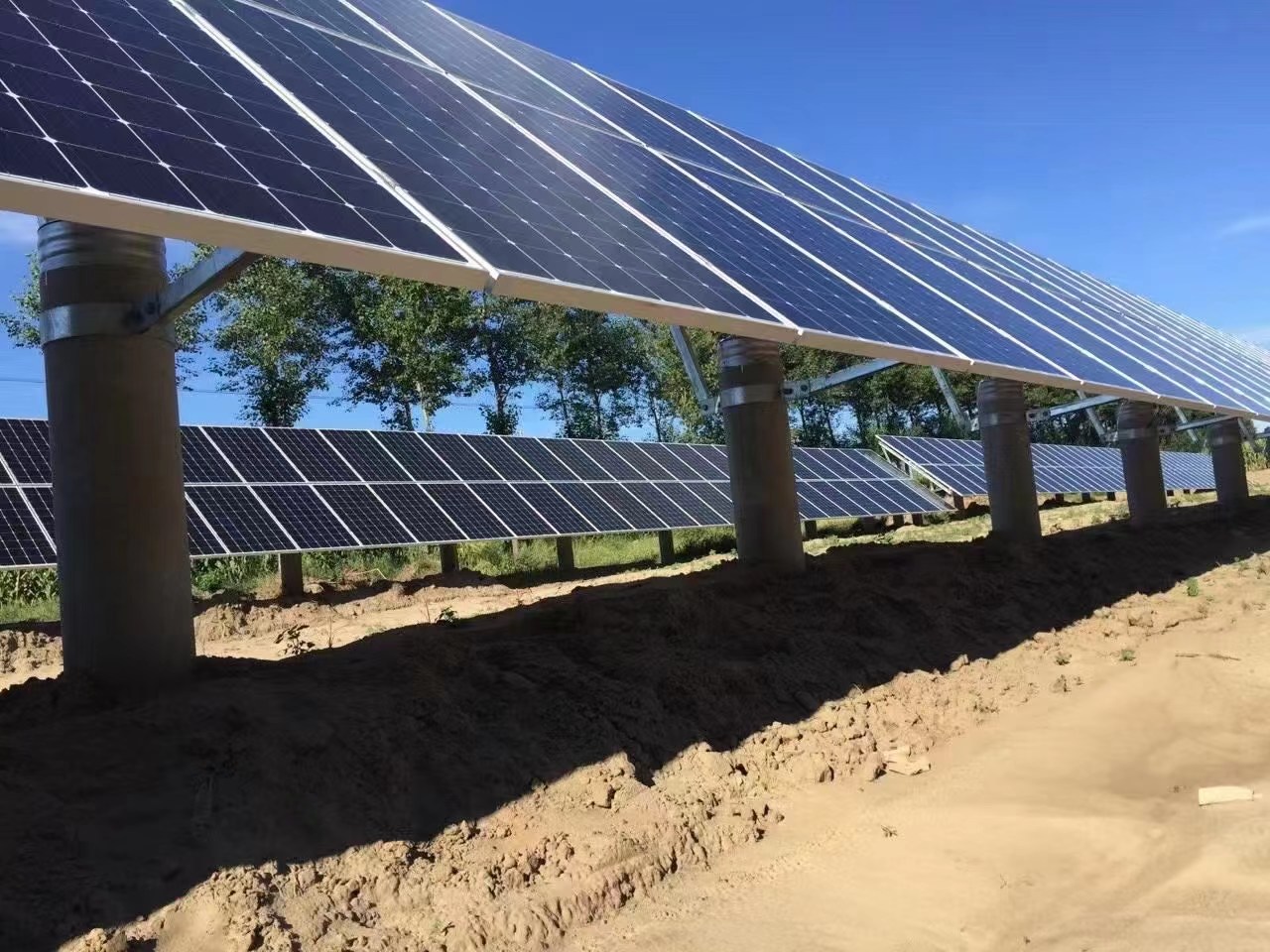
Screw piles: This is currently one of the most popular methods. If your soil is relatively uniform and contains few large stones, screw piles are an excellent choice. They function like oversized “screws,” driven directly into the ground by machinery. This method requires no excavation, causes no damage to the surface, and is extremely fast—you can install the support system immediately after driving the piles, with no concrete curing period. This method is particularly suitable for sandy soil, grasslands, or general farmland.
Concrete Foundation: If the soil is loose or contains too many underground rocks to allow for pile driving, the traditional concrete pouring method is a more reliable option. You’ll need to excavate a foundation pit in advance, tie the rebar, pour the concrete, embed anchor bolts, and install the support structure only after the concrete has fully cured. Although the construction cycle is longer, this method offers the best stability and load-bearing capacity, particularly in areas prone to typhoons or on tidal flats with poor geological conditions.
Hammered Ground Piles: If the land is relatively flat and free of hard rock, C-channel or H-beam steel can be driven directly into the ground like piles. This method is the simplest and relatively low-cost, but its resistance to pull-out is weaker compared to the first two methods.
Step 2: Consider the Material—Balancing Cost and Lifespan
Solar mounting systems are exposed to the outdoors for extended periods, enduring wind, rain, sunlight, and humidity. The material is the key factor determining their lifespan.
Currently, there are two mainstream materials on the market:
Hot-dip galvanized steel: This is the preferred choice for most ground-mounted power plants. Steel offers high strength and excellent load-bearing capacity. It provides superior stability, particularly in regions with high wind speeds and heavy snow loads. After hot-dip galvanization (with a zinc coating thickness typically ranging from 55 to 80 μm), its service life in normal environments can exceed 20 years. From a cost perspective, steel is also the most cost-effective option.
Aluminum alloy: The primary advantages of aluminum alloy are its light weight and aesthetic appeal. It is inherently corrosion-resistant and does not require the heavy galvanization treatment needed for steel, making it particularly suitable for environments with high salt fog corrosion, such as coastal areas. However, aluminum alloys are less strong than steel and significantly more expensive (typically 1.3–1.5 times the cost of steel structures). They are better suited for roofs with high load-bearing requirements or special applications with extremely high corrosion resistance needs; for standard ground-mounted solar power stations, they offer a lower cost-performance ratio than galvanized steel.
For standard residential ground-mounted solar power stations, unless there are special requirements, high-strength hot-dip galvanized steel is both a durable and economical choice.
Step 3: Consider the Type: Fixed or Tracking?
Depending on usage requirements, ground-mounted racks are categorized as “fixed” or “tracking.”
Fixed: This is the most mature and reliable type. An optimal tilt angle (e.g., 30 degrees) is calculated based on your region’s latitude and then permanently fixed. Although power generation depends entirely on the sun’s position, this type offers zero maintenance costs, a simple structure, and an extremely low failure rate.
Adjustable-Tilt Mounts: If you wish to increase power generation without significantly increasing costs, adjustable mounts are a good option. These mounts allow you to adjust the angle several times throughout the year—spring, summer, fall, and winter—resulting in approximately a 5% increase in annual power generation.
Tracking Systems (Single-Axis/Dual-Axis): These systems automatically track the sun’s movement, significantly boosting power generation (single-axis systems can increase output by 15–25%). However, they feature complex structures, are expensive to install, consume a portion of the generated electricity, and require more maintenance.
For most homeowners or small business owners, fixed-mount systems are often the most hassle-free option unless you have a very open site and a generous budget.
Step 4: Details That Should Not Be Overlooked
In addition to the general guidelines mentioned above, there are several details that require attention during selection and installation:
Height Above Ground: When designing the mounting system, ensure that the lowest edge of the modules is above ground level. This is to prevent muddy water from splashing onto the glass and contaminating the modules during rain, and to account for the maximum local snow depth to prevent the modules from being buried under snow.
Wind Resistance Design: Do not focus solely on the thickness of the mounting structure itself; the structural rationality is equally important. A qualified mounting design must be capable of withstanding the highest historical wind speeds in the local area.
Corrosion Protection and Grounding: It is best to use stainless steel for all fasteners. Additionally, metal mounting structures must be reliably grounded to protect against lightning strikes.
When choosing a ground-mounted solar mounting system, there is no absolute “best” option—only the “most suitable” one. First, assess the characteristics of your land, then make a choice based on your budget and desired power generation capacity.
If your land is soft and easy to work with, opt for a combination of screw piles and hot-dip galvanized steel fixed mounts. This solution has been proven in countless solar power plants and balances the stability, safety, and cost-effectiveness of solar power generation.
For more professional advice, please click here: Contact Us