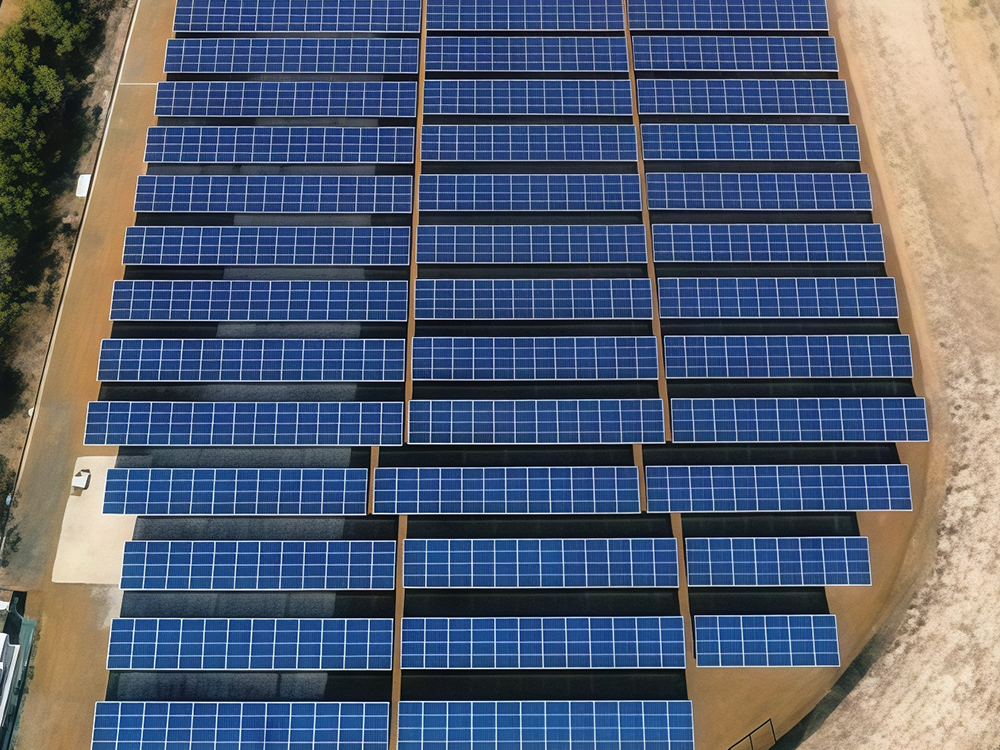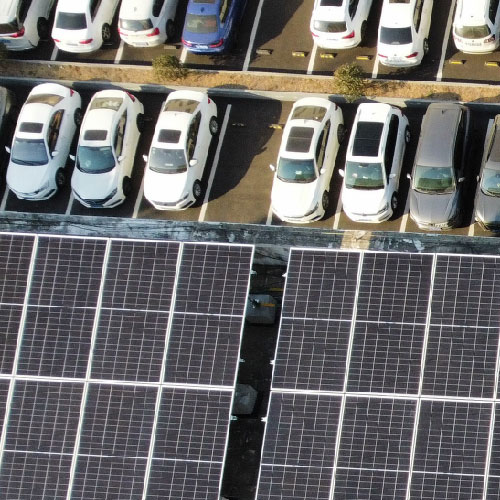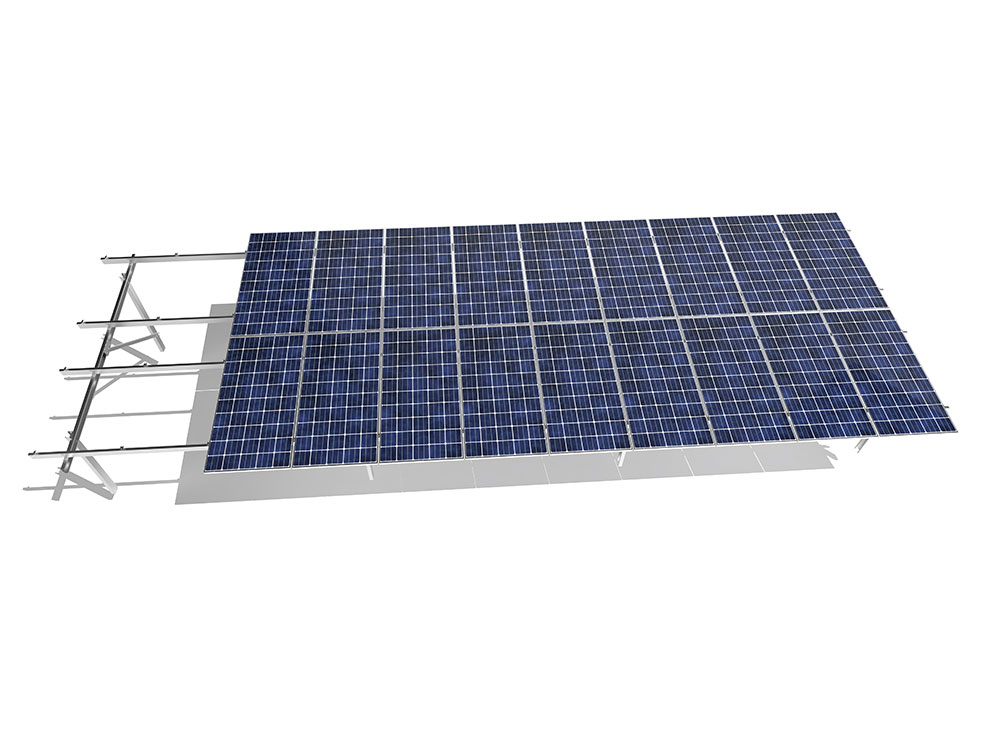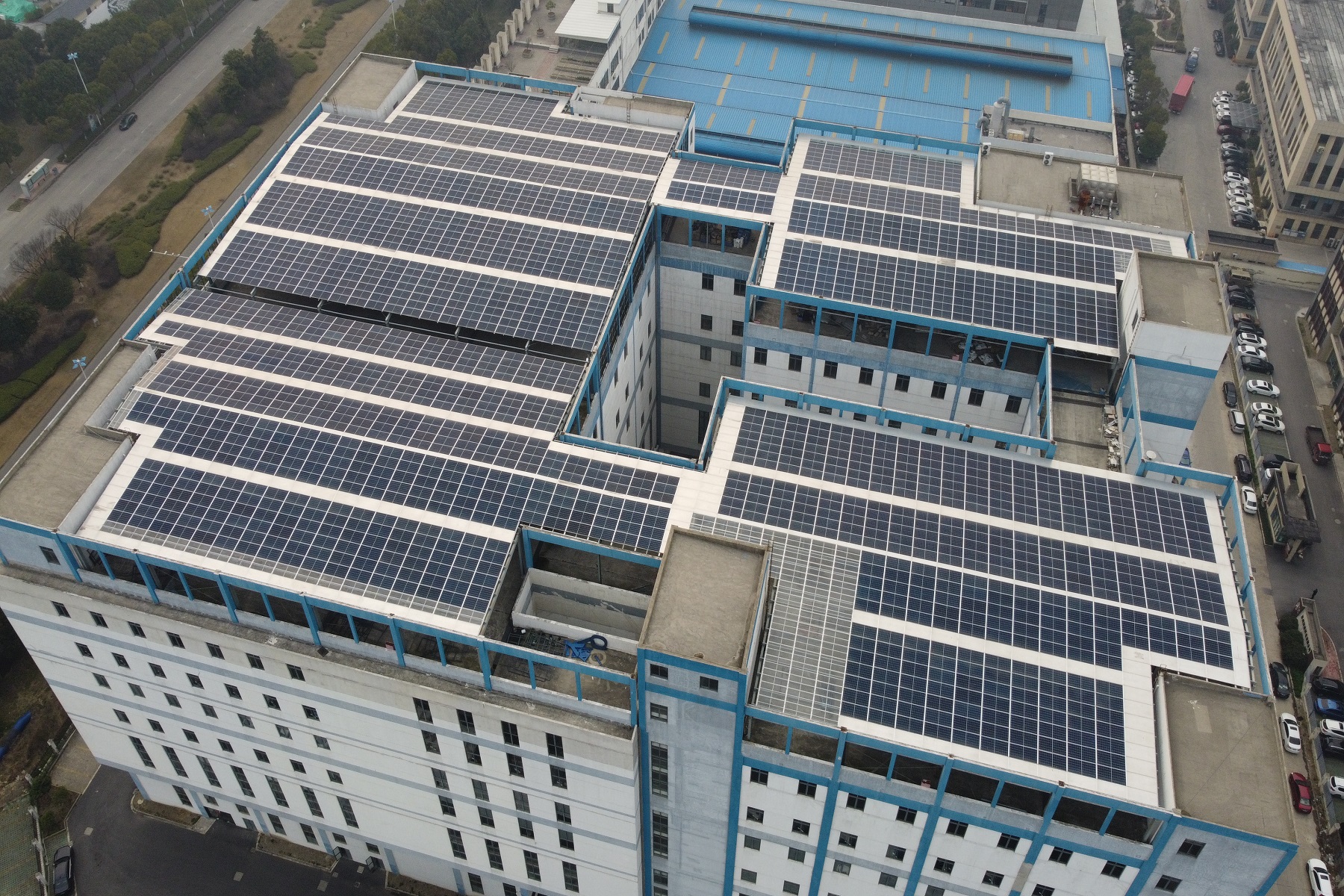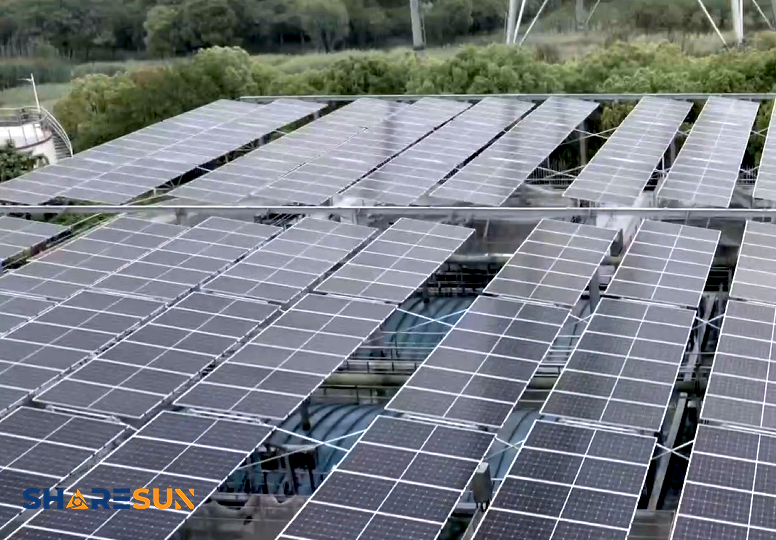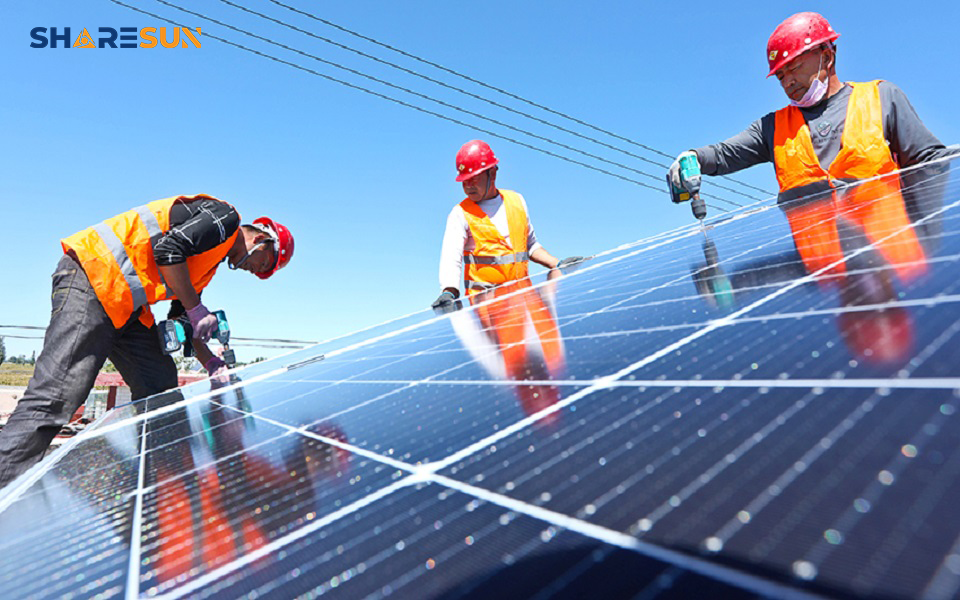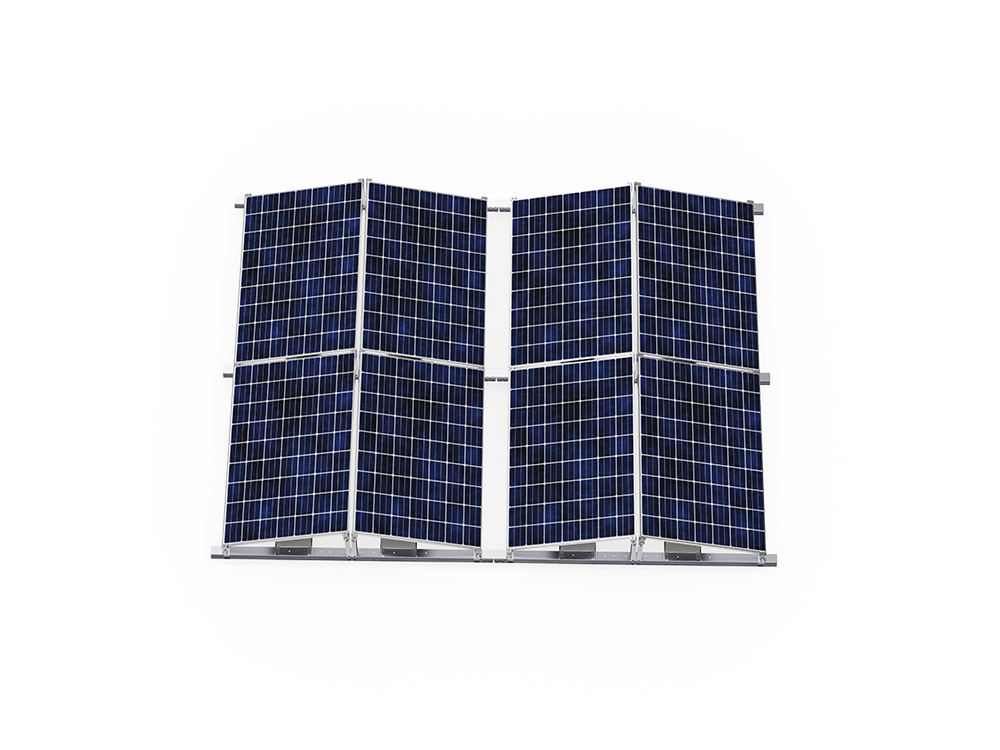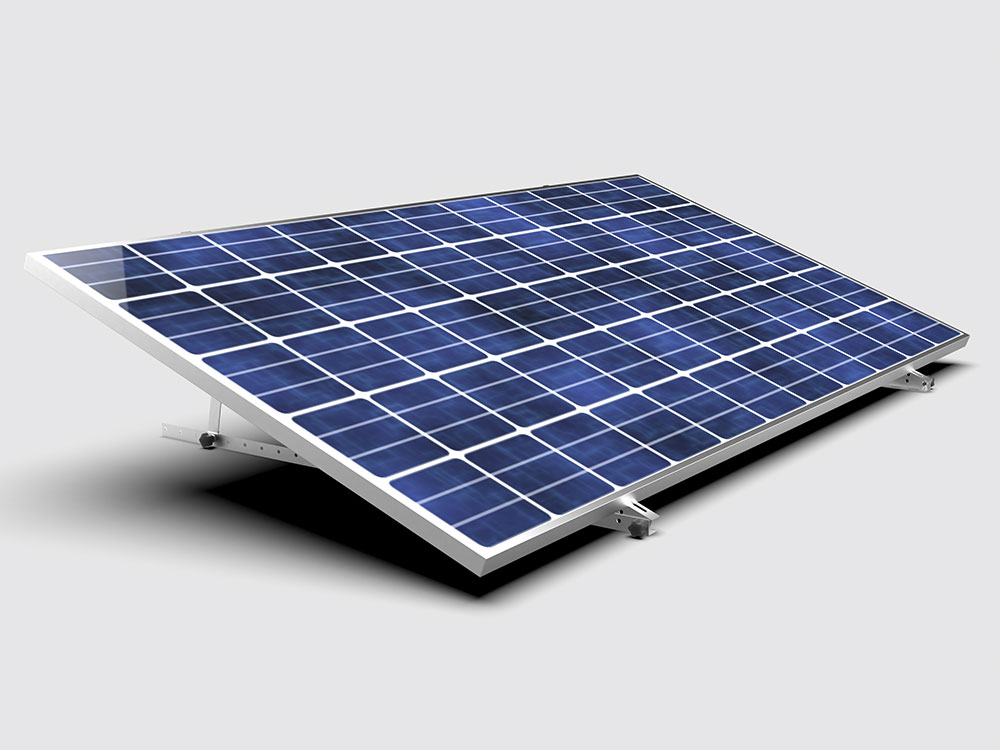
Among the various types of ground-mounted solar mounting systems, Helical Pile solar mounting systems are gaining popularity in the market due to their unique advantages. This article will focus on the features, suitable applications, and key selection criteria of Helical Pile solar mounting systems to help you choose the most appropriate ground-mounted solar mounting solution.
Advantages of Helical Pile Solar Mounting Systems
Constructed from high-quality hot-dip galvanized steel, Helical Pile solar mounting systems offer corrosion resistance and extended service life. Their distinctive spiral design enhances structural stability, ensuring solar panels remain securely anchored to the ground under diverse climatic conditions for safe, reliable power generation. Additionally, these systems enable efficient installation with short project timelines, effectively reducing overall project duration and costs.
Application Scenarios
Helical Pile solar mounts are suitable for ground-mounted installations in various power facilities, including solar power stations and wind farms. Whether on flat terrain, slopes, or challenging landscapes like saline-alkali soil, permafrost zones, or wetlands, these mounts can be customized to meet diverse requirements. For instance:
– In flat-ground solar projects, Helical Pile foundations serve as an alternative to concrete independent foundations, particularly suited for soft soil conditions. For sloped solar projects, Helical Piles paired with adjustable-angle brackets adapt to varying gradients, ensuring uniform panel tilt angles.
Selection Guidelines
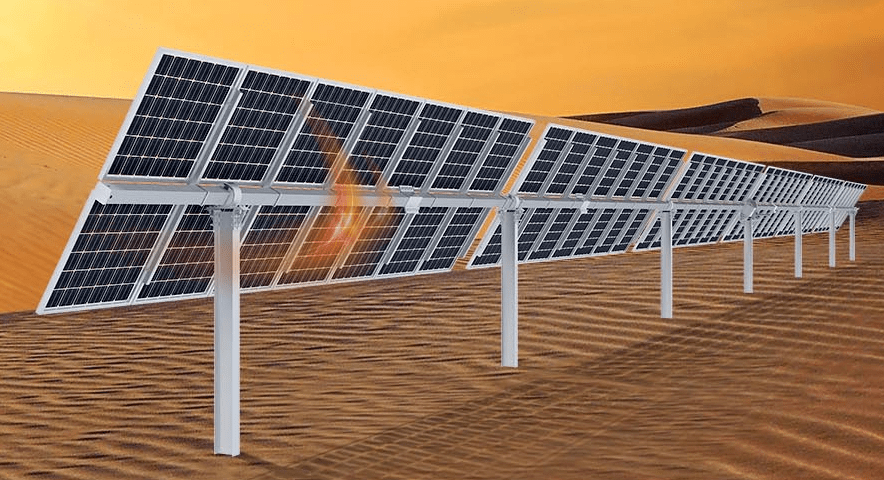
Diameter and Length: Select Helical Pile diameter and length based on terrain and geological conditions. Common specifications include 60mm, 75mm, and 89mm diameters, with lengths ranging from 1.5m to 3m. Deeper and thicker piles are required for more complex terrain and softer soil. For example, in desert areas, piles ≥89mm diameter and ≥2.5m length are recommended to enhance uplift resistance.
Load Capacity: Generally, a load capacity ≥8kN is required for windy regions. For projects in high-wind zones like coastal typhoon belts, models exceeding 12kN bearing capacity are recommended.
Material and Corrosion Protection: The primary material is Q235B carbon steel, which must undergo hot-dip galvanization with a zinc coating thickness ≥80μm to prevent rusting and failure. Some premium products feature additional epoxy coatings, extending service life to over 25 years.
Helical Blade Design: Blade angle and width impact soil penetration efficiency and uplift resistance. Premium products feature a “trapezoidal + curved surface” blade structure, combining “drill bit + suction cup” functionality for secure anchoring and enhanced stability.
Customization Services: Many manufacturers offer bespoke helical pile modifications, including length adjustments, pitch optimization, custom flange connections, and anti-disengagement locking devices. Examples include “L-shaped bent piles” for mountainous slopes, “splice flange piles” requiring multi-support coordination, and “rotation-limiting piles” compatible with smart tracking brackets. Though slightly more expensive, customization significantly improves system stability and compatibility, with prices generally ranging from 150 to 400 RMB per pile.
When selecting ground-mounted solar racks, Helical Pile solar racks undoubtedly represent a high-quality option worthy of consideration. They offer excellent stability, durability, and adaptability, while also meeting various specialized requirements through customization services. During the actual selection process, factors such as the project site’s geological conditions, climate environment, and budget must be comprehensively evaluated to choose appropriate Helical Pile specifications and custom solutions. This ensures the long-term stable operation and efficient power generation of the solar system.