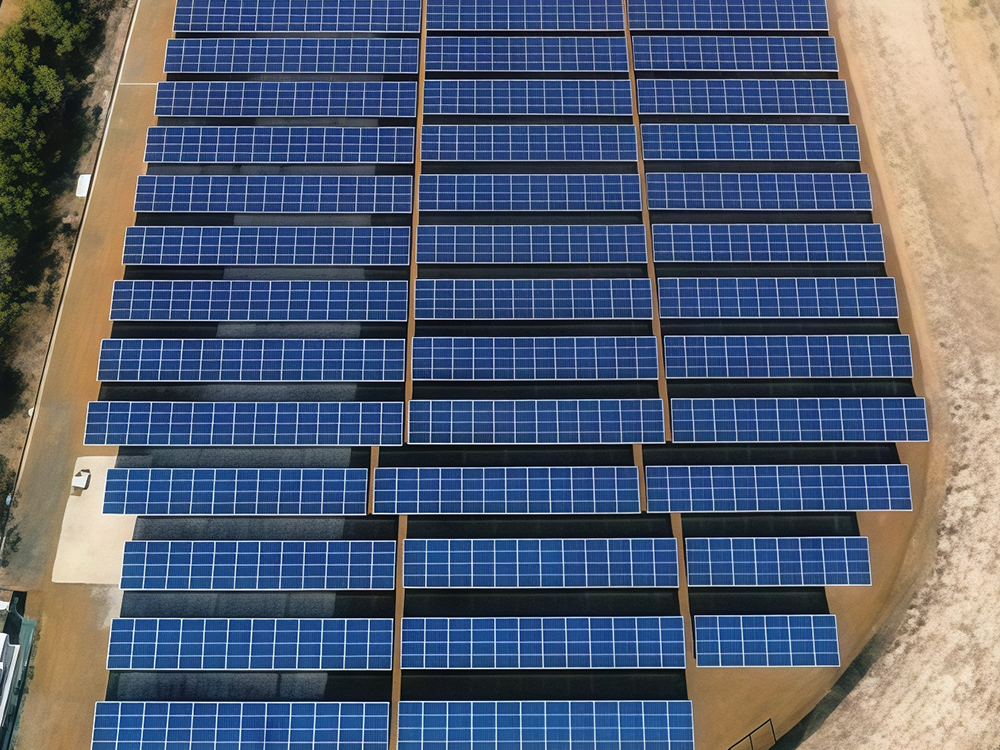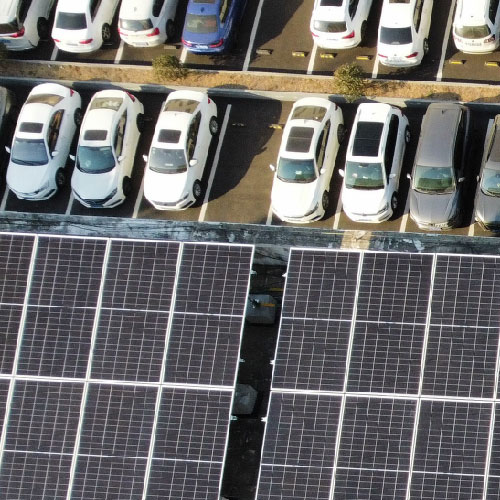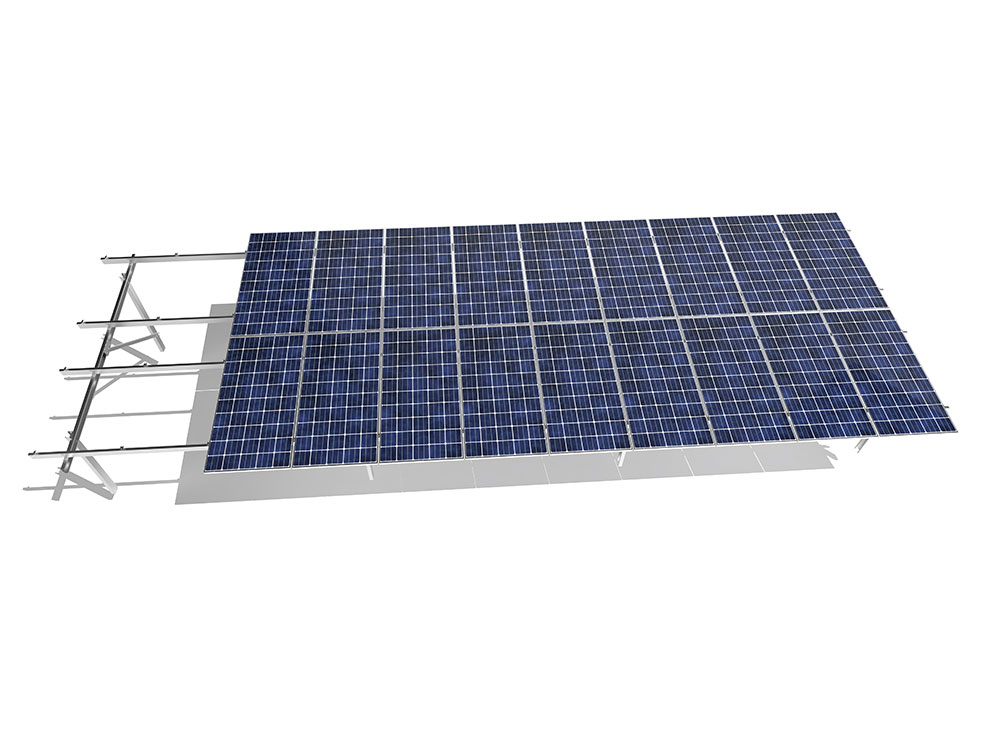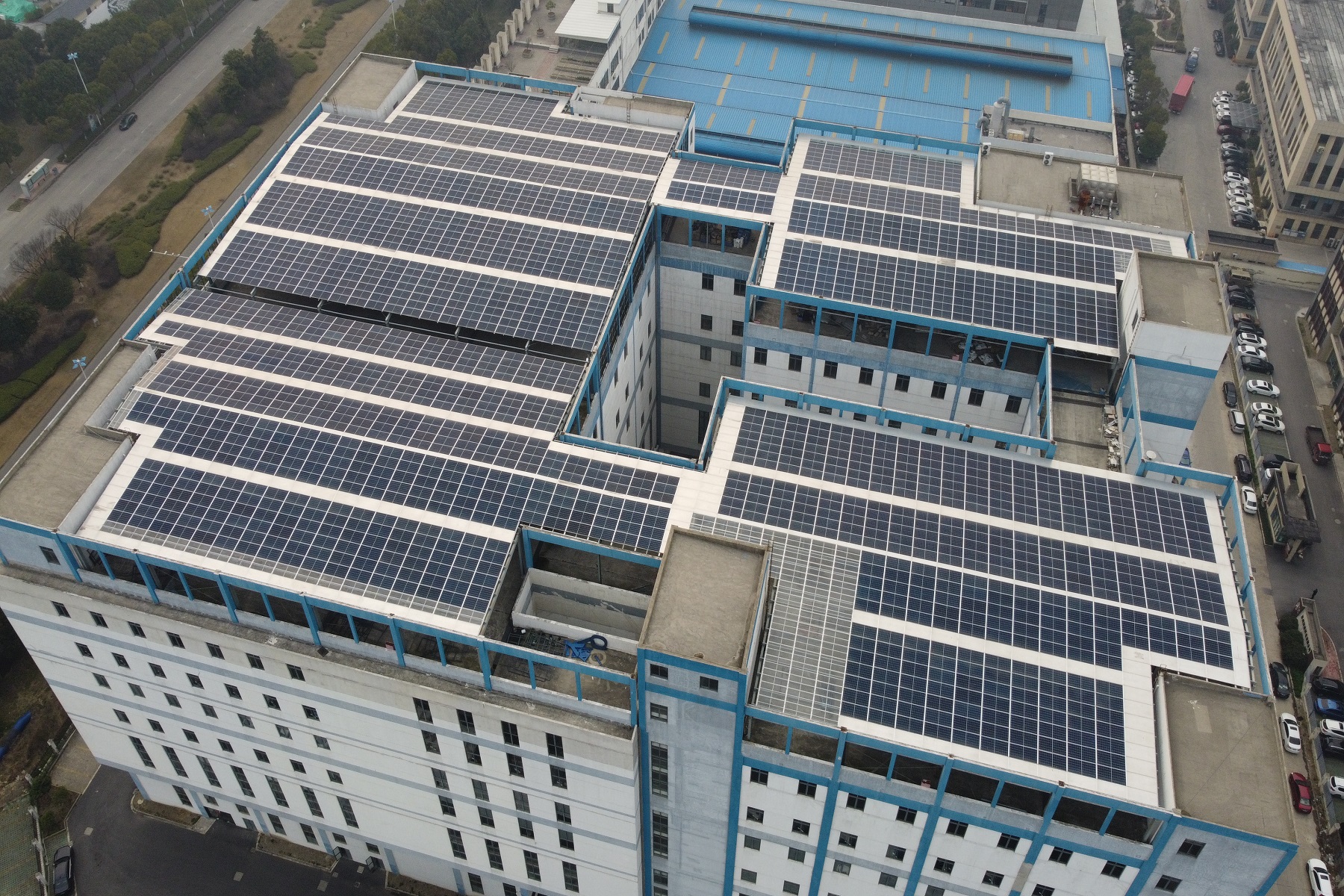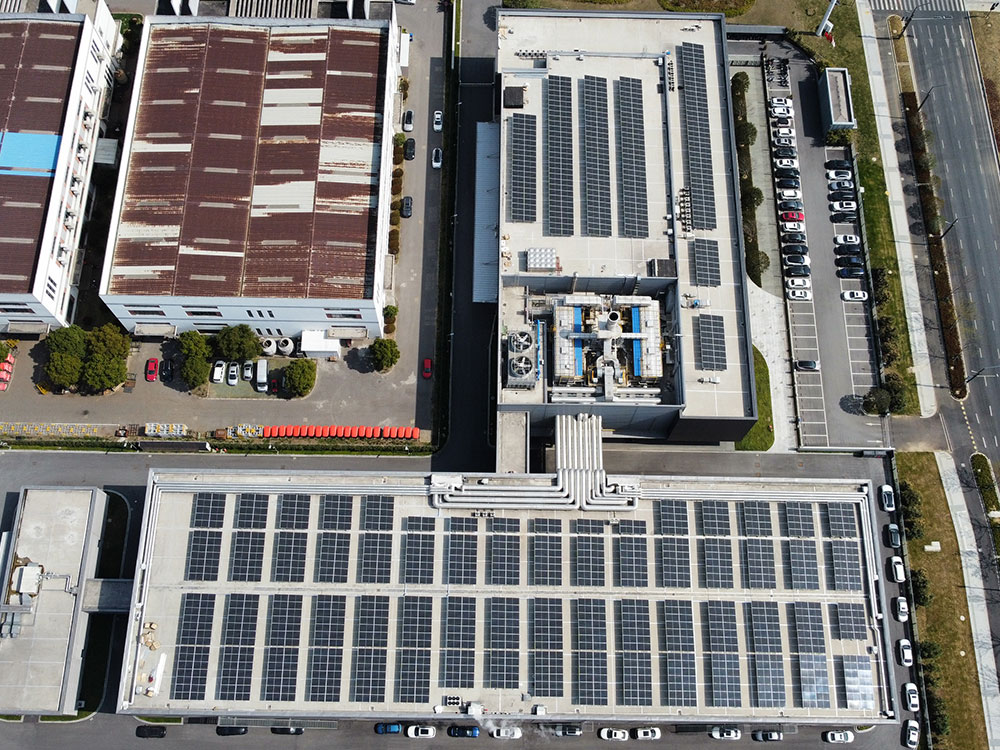
With the widespread adoption of solar technology, an increasing number of households and businesses are installing solar power systems on their roofs. Selecting the appropriate solar roof mounting system is crucial for ensuring stable system operation and maximizing power generation efficiency. For flat roofs in particular, due to their structural characteristics and usage environment, choosing the right mounting system requires comprehensive consideration of multiple factors.
- Characteristics of Flat Roof Solar Mounting Systems
Flat roof solar racks are primarily designed for installation on level rooftop surfaces. Their core function is to mount solar panels at an optimal tilt angle to enhance power generation efficiency. Typically, flat roof racks must address two key challenges: the roof’s load-bearing capacity and the protection of the roof’s waterproofing layer. - Selecting Rack Types
Flat roof solar racks primarily come in two types: concrete ballast racks and steel structure racks.
Concrete Ballast Mounts: These mounts incorporate concrete blocks at the base to add weight, preventing wind displacement. They require no roof penetration, causing minimal damage to the waterproofing layer, making them suitable for scenarios with high waterproofing requirements.
Steel Frame Mounts: Steel frame mounts must be secured to the roof’s load-bearing structure. They offer high stability and load-bearing capacity, making them ideal for roofs with strong load-bearing capabilities. - Material Selection
Choosing appropriate support materials is crucial for ensuring long-term stable operation. Common materials include steel, aluminum alloy, and stainless steel.
Steel: Steel supports offer high strength and lower cost but are prone to rust, requiring anti-corrosion treatment.
Aluminum Alloy: Lightweight and highly corrosion-resistant, aluminum alloy supports are suitable for long-term exposure to natural environments, particularly in humid regions.
Stainless Steel: Stainless steel brackets offer superior corrosion resistance, making them suitable for harsh environments like coastal areas, though they carry a higher cost. - Design Considerations
When designing flat roof solar mounting systems, the following key points must be addressed:
Tilt Angle: Typically, the tilt angle should be adjusted based on local latitude, generally set to local latitude ±5°, to maximize power generation efficiency.
Load-bearing Capacity: Prior to installation, a professional structural engineer must assess the roof’s load-bearing capacity to ensure the combined weight of the mounts and solar panels does not exceed the roof’s capacity.
Waterproofing Protection: During installation, special care must be taken to protect the roof’s waterproofing layer, avoiding penetration that could cause leaks. - Installation and Maintenance
When installing flat roof solar mounting systems, observe the following guidelines:
Anchor Point Selection: Ensure mounting points are secure and reliable, particularly in regions with high wind loads.
Leveling and Angle Adjustment: Maintain precise leveling and angle accuracy during installation to maximize sunlight exposure for solar panels.
Regular Maintenance: Periodically inspect bracket connections and anti-corrosion coatings to promptly identify and address potential issues.
Selecting appropriate flat roof solar mounting systems not only enhances the efficiency of solar power generation but also ensures long-term stable operation. During selection and installation, comprehensively consider factors such as roof structure, load-bearing capacity, environmental conditions, and budget to guarantee the safety and high-efficiency operation of the solar system.