In solar power systems, while solar mounting systems may seem like mere “supporting actors,” they play a crucial role. Not only must they support the weight of the photovoltaic modules, but they must also withstand wind, rain, snow, and corrosion over decades, directly impacting the safety and power generation efficiency of the entire solar system. Designing an efficient solar mounting system is not simply a matter of stacking steel; rather, it is a systematic engineering endeavor that requires a comprehensive consideration of site conditions, material properties, and structural mechanics.
First, Understand the Installation Site
The first step in designing a mounting system is not to draw plans, but to “assess the site.” Where will the solar power system be installed? On a flat roof, a tiled roof, or open ground? Different sites impose entirely different requirements on the mounting system.
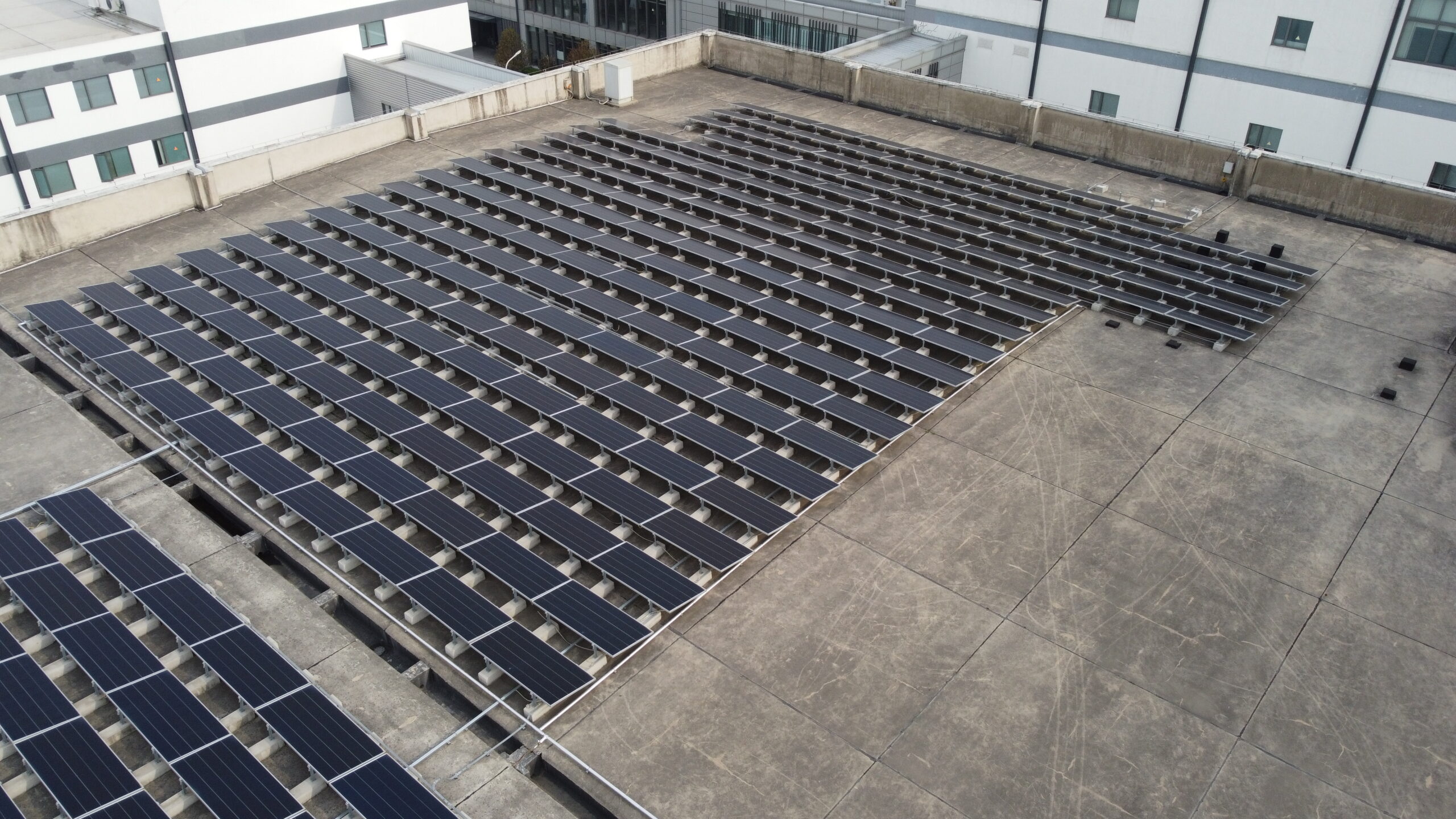
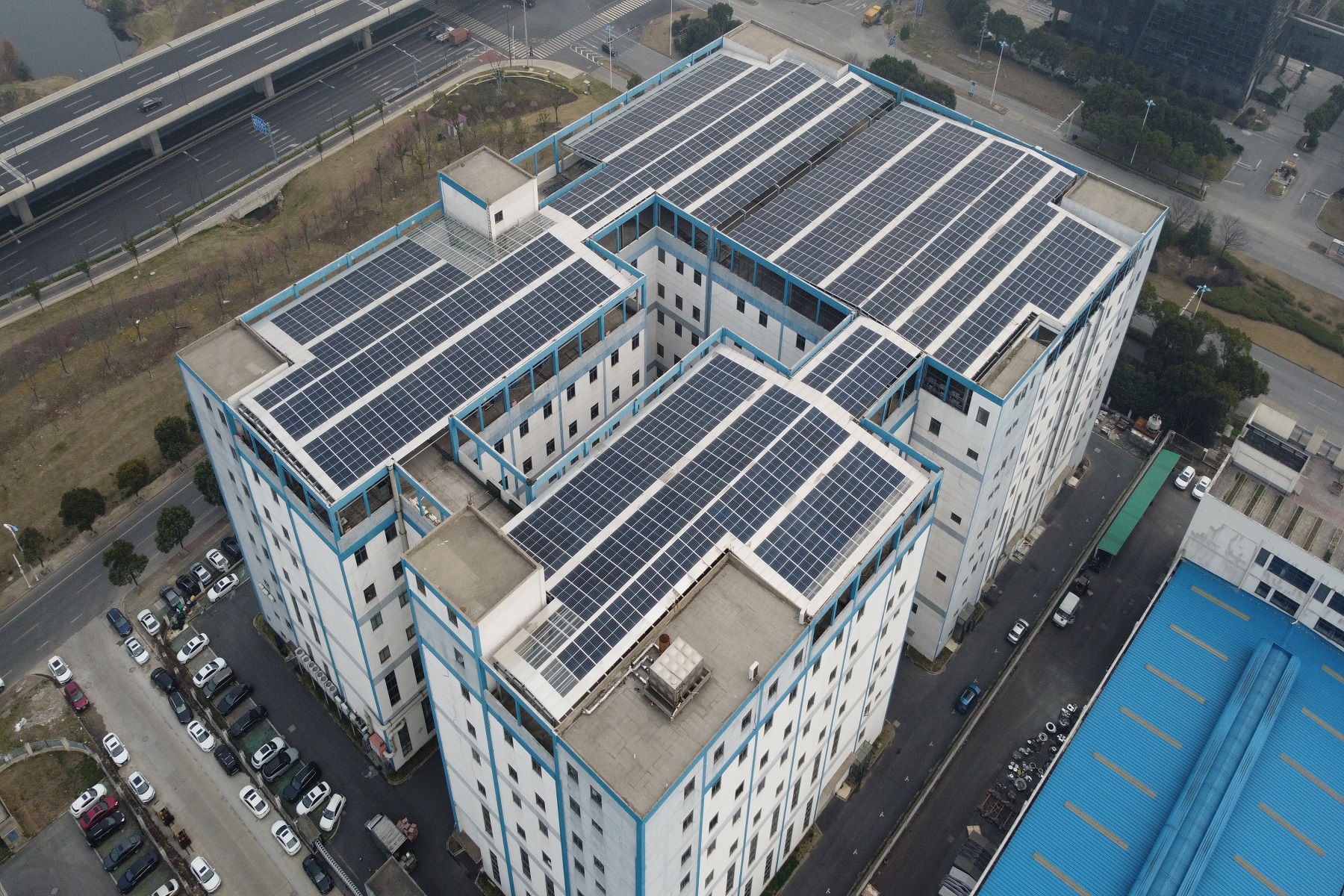
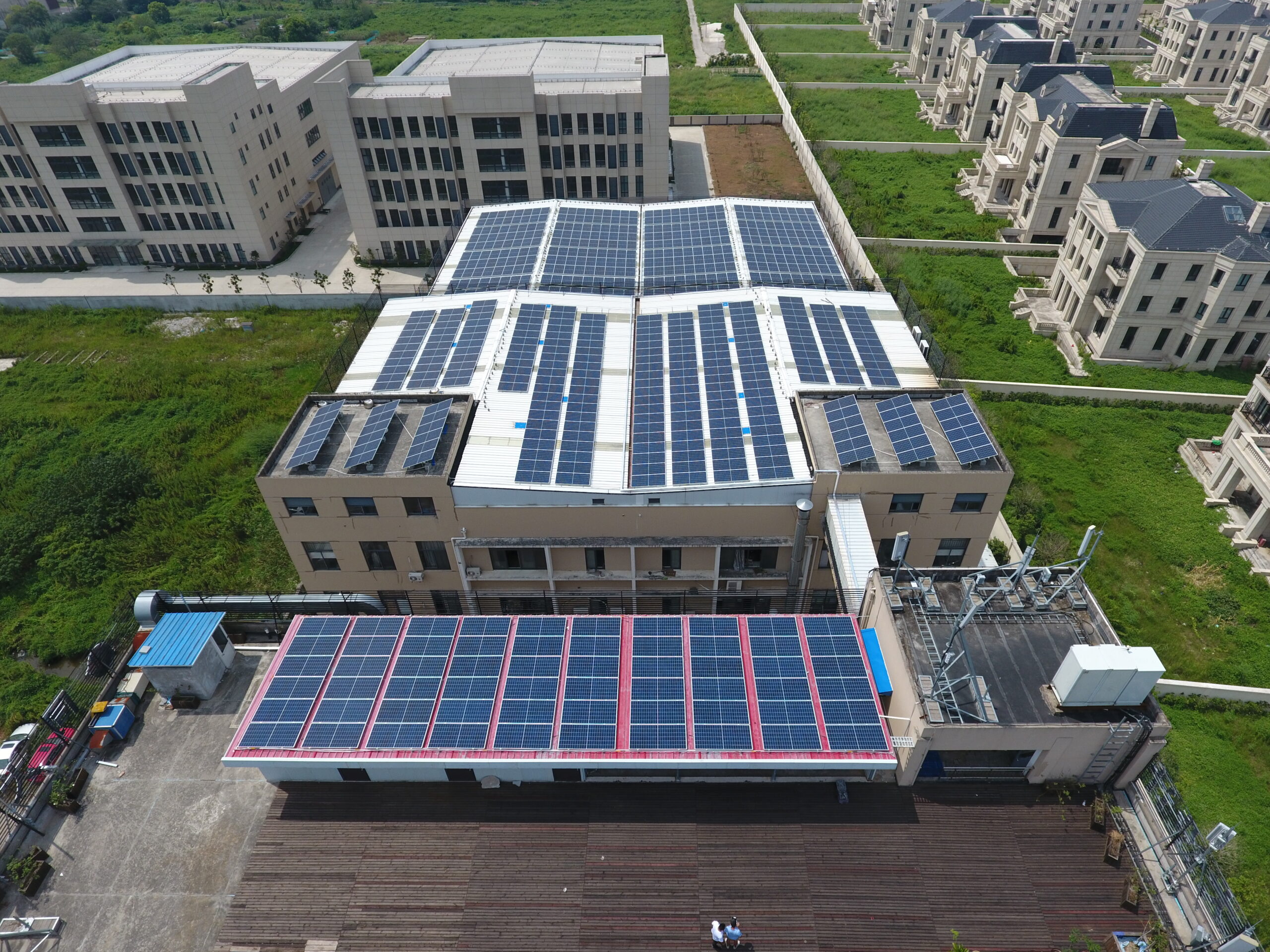
For flat roofs, the core challenge lies in ensuring stability without compromising the waterproofing layer. Currently, there are two primary approaches: one is the ballast method, which uses concrete blocks to “press” the mounting system onto the roof, avoiding drilling and protecting the waterproofing layer, but adding extra weight to the building; the other is the drilled-through method, where bolts penetrate the roof deck to secure the system to structural beams, offering strong wind resistance but requiring extremely high standards for waterproofing. In practice, some opt for a hybrid design, drilling holes along the edges where stress is highest and using counterweights in the interior to achieve a balance.
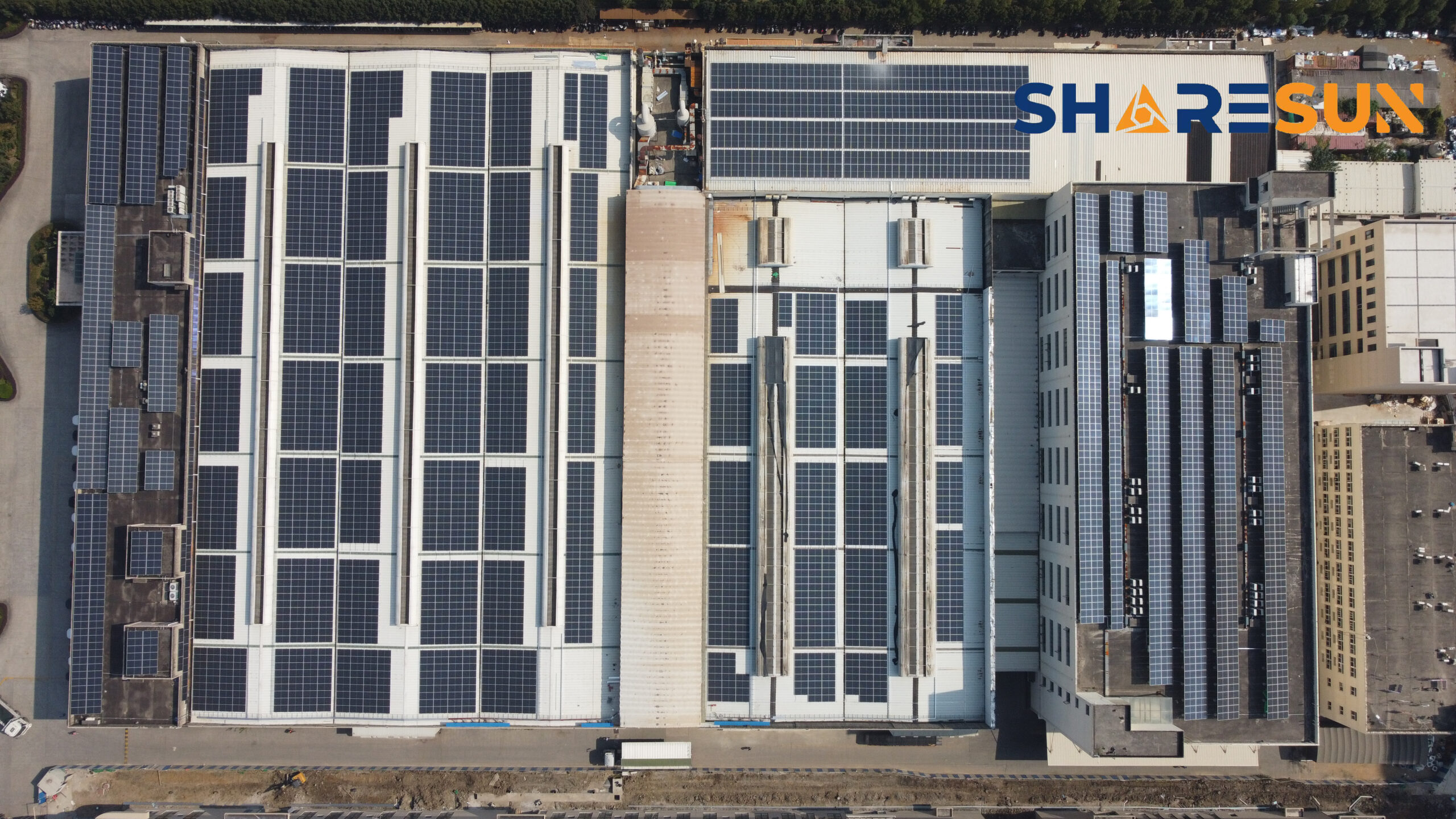
For color-coated steel or metal roofs, current technology is highly mature. For common trapezoidal sheets, self-tapping screws with waterproof washers can be used to secure the structure to the ridges; for high-quality standing seam roofs, specialized metal clamps are recommended. These clamp onto the seams without drilling, preserving the roof integrity while enabling rapid installation.
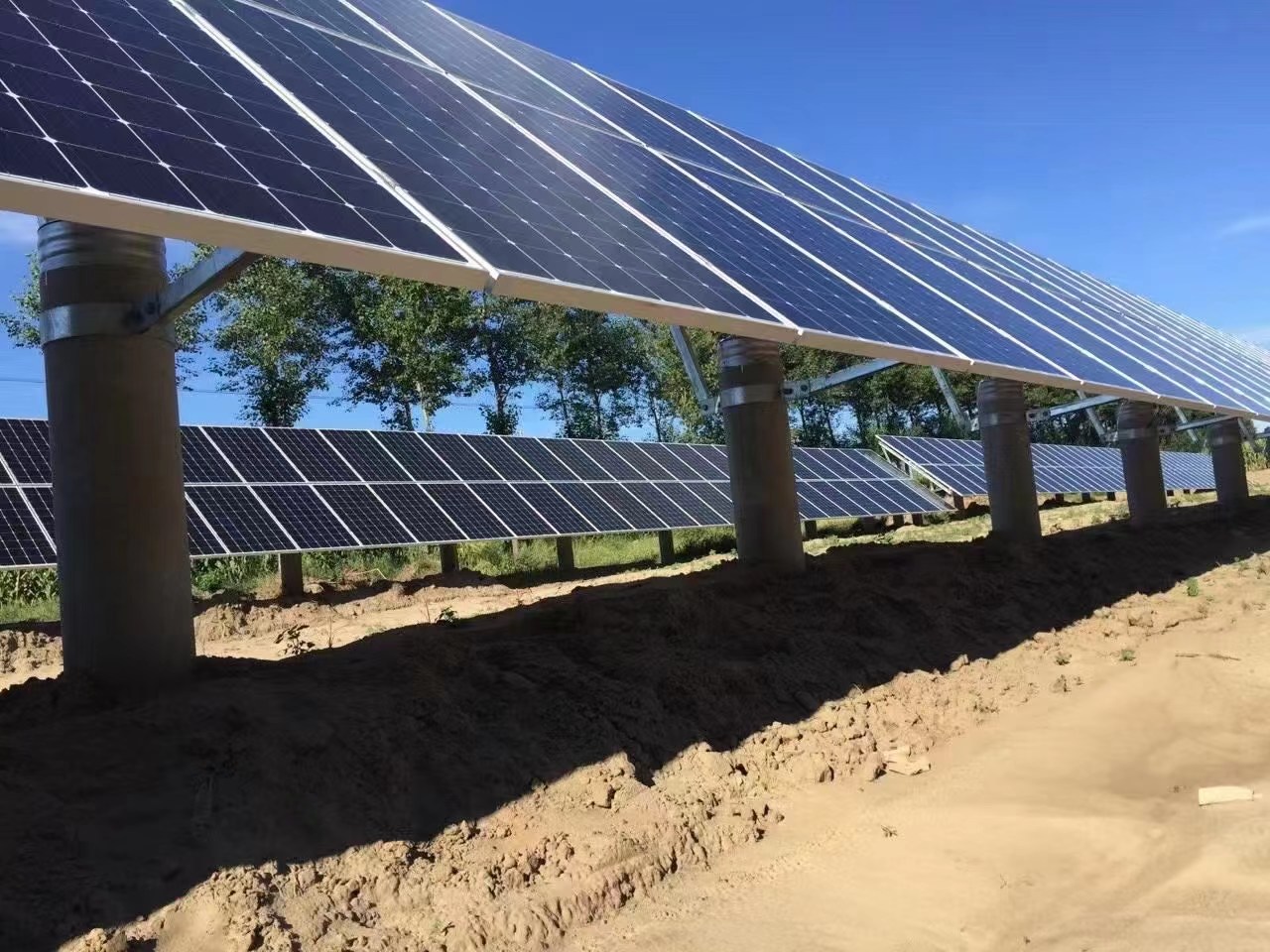
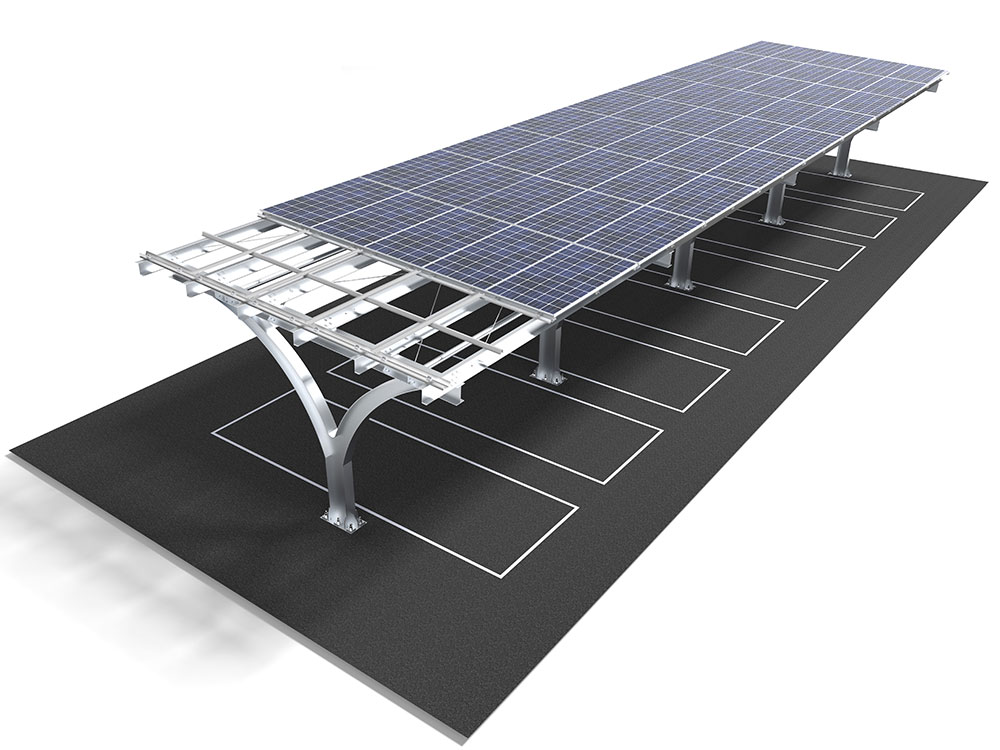
As for ground-mounted power stations, the focus of design has shifted to the selection of foundation types. Whether to use piles or concrete footings depends on geological conditions and land characteristics. In complex environments such as fish ponds, mountainous terrain, or mine pits, large-span flexible supports are becoming a popular choice. They can span over 60 meters, reducing the number of support columns. This not only minimizes obstruction of farmland or water surfaces but also preserves the land’s natural ecological use.
There is no “best” material—only the most suitable one
The choice of support material directly determines cost and lifespan. Currently, the mainstream options are steel and aluminum alloy.
The primary advantages of aluminum alloy (such as 6063T5) are its light weight and corrosion resistance. It weighs only about 35% of steel, and its surface, treated with anodization, offers strong resistance to salt spray corrosion, making it ideal for highly corrosive environments such as coastal areas or near chemical plants, while also providing an aesthetically pleasing appearance. However, it also has its drawbacks: its strength is approximately 68%–69% that of Q235B steel, and under equivalent stress conditions, its deformation is 2.9 times that of steel. This means that in areas requiring large spans or in regions with strong winds, aluminum alloy structures may need to be built much sturdier, causing costs to skyrocket.
Steel (such as Q235B) is the traditional “workhorse.” It offers high strength and minimal deflection, making it extremely cost-effective for large spans and heavy loads. The standard corrosion protection is hot-dip galvanizing; an 80-micron zinc coating is sufficient to ensure a service life of over 20 years in typical environments. However, steel is heavy, resulting in high transportation and installation costs, and it faces greater corrosion challenges than aluminum in environments with strong acids, strong alkalis, or high humidity, such as coastal areas.
Therefore, the key to designing efficient mounting systems lies in “adapting to local conditions”: for standard ground-mounted power plants, steel is often the economical choice; for residential rooftops with limited load-bearing capacity, the lightweight advantage of aluminum alloy comes into play.
Wind is the primary adversary in mounting system design
The most challenging load in solar mounting system design is not the weight of the modules themselves, but wind. Wind can either “press” down from the front (wind pressure) or “pull” up from the back (wind suction), causing the mounting structure to vibrate or even suffer fatigue failure.
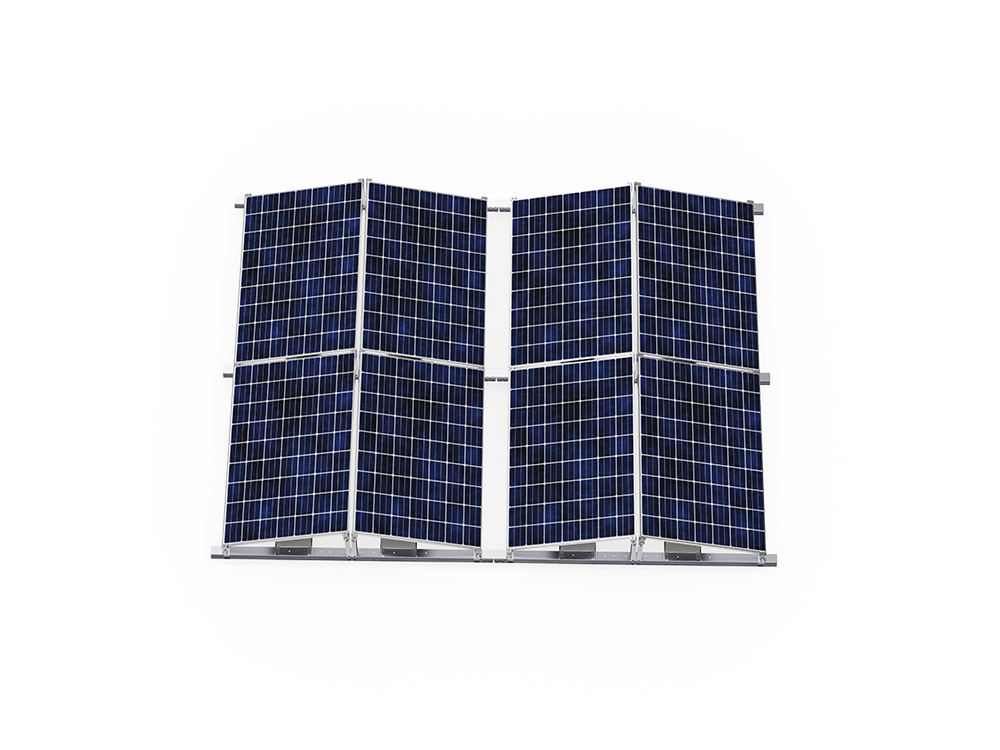
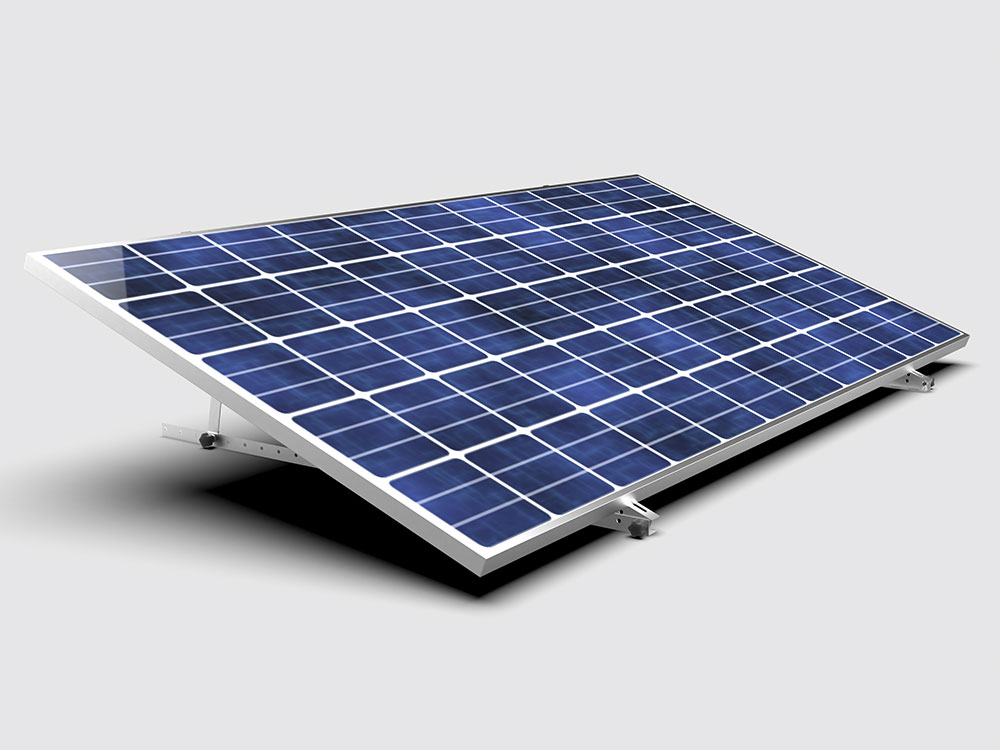
For fixed mounting systems, the key to design lies in structural stiffness. By arranging diagonal braces and column spacing appropriately, the slenderness ratio can be kept within code-allowed limits, preventing excessive deformation under wind loads.
For emerging flexible support structures, wind-resistant design is far more complex. Essentially, these structures function as prestressed cable systems, much like a “guitar string.” Recent research indicates that the magnitude of the initial tension directly influences the structure’s response to wind-induced vibrations: while greater prestress may enhance resistance to wind pressure, it can also amplify the displacement response to wind-induced vibrations. This requires precise calculations during the design phase to find that “balance point” and prevent the support from resonating at specific wind speeds. More innovative designs have introduced “self-adjusting ballast,” which automatically fills a ballast tank with water when wind suction is strong, using the added weight to press down on the support—effectively equipping it with a smart “stabilizer.”
Attention to Detail Determines Long-Term Reliability
Beyond macro-level structural design, certain details often determine the ultimate success or failure of a mounting system:
Grounding and Corrosion Protection. As photovoltaic systems are live electrical equipment, the mounting structure must be reliably grounded to establish an equipotential bond. Additionally, proper isolation must be ensured at points where different metals come into contact (e.g., aluminum brackets with steel bolts) to prevent galvanic corrosion.
Drainage and Protection Against Mud and Dirt. The lower edge of the modules must be positioned at a sufficient height above the ground or roof surface (recommended to be no less than 30 centimeters). This prevents snow from burying the modules and avoids mud and sand splashed by rain from contaminating the glass surface, which could reduce power generation efficiency.
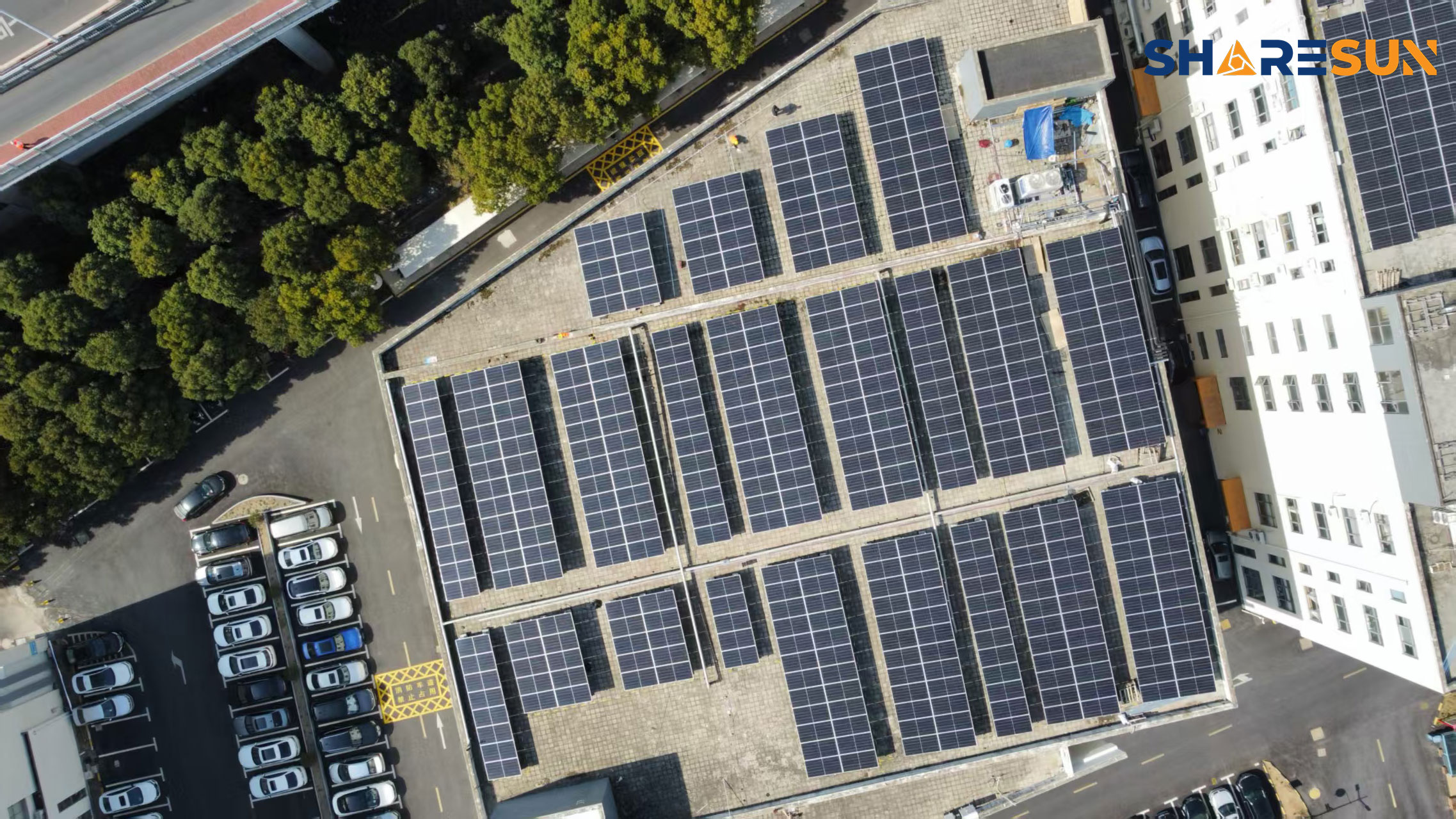
Shadow avoidance. During design, the spacing between rows must be calculated strictly based on data from the winter solstice to ensure no shading occurs even on the day with the shortest daylight hours. If space is limited, a staggered layout can be adopted to adjust for this.
In summary, designing an efficient solar mounting system is fundamentally a process of finding the optimal balance between safety, cost, and power generation efficiency. It does not require flashy designs, but it must be based on rigorous calculations; it has no fixed templates, but it always adheres to the laws of mechanics and nature. Only by thoroughly understanding material properties, structural mechanics, and on-site environmental conditions can this “framework” truly support the stable returns of a solar power plant for decades.
For more professional consultation, please click here: Contact Us