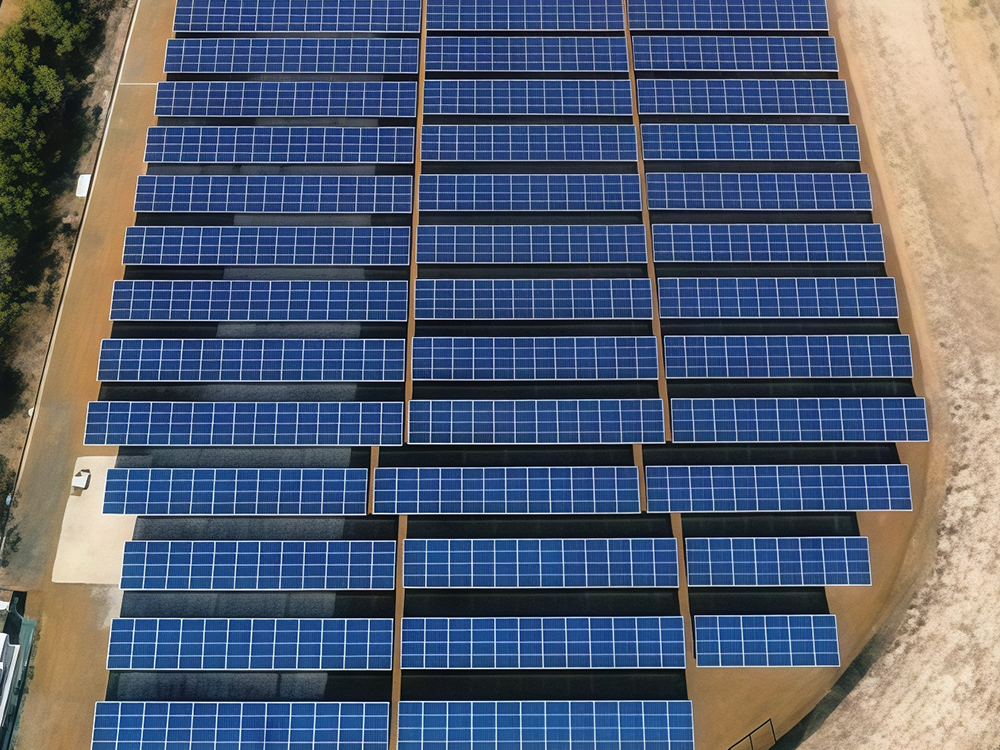
In today’s agricultural landscape exploring diversified development, solar farms—as an innovative “agrivoltaic” model—are gaining increasing attention. Many farmers are pondering this question: Is my farm suitable for installing solar racks, building a solar farm, and generating solar power? The answer is: This isn’t suitable for all farms; it requires scientific assessment based on the farm’s specific conditions. A successful solar farm project must achieve a harmonious integration of agricultural cultivation and solar power generation.
I. What Kind of Farms Are More Suitable for Solar Farm Development?
First, from a natural conditions perspective, regions with abundant sunlight resources form the foundation for solar farm development. Solar power generation relies on sunlight; areas with long annual sunshine hours and strong solar radiation achieve higher generation efficiency and more significant economic returns. Such regions possess inherent advantages for solar farm construction.
Second, regarding land characteristics, marginal lands or low-yield farmlands are priority candidates for solar farm development. Installing solar panels on a large scale in high-yield farmlands may severely impact staple crop yields due to excessive shading. However, for areas cultivating low-value crops, livestock pastures, or nutrient-poor soils, scientifically designing the height and spacing of solar racks enables dual benefits: “power generation above panels while farming or raising livestock below.” This significantly boosts comprehensive land productivity, embodying the core value of modern solar farms.
Finally, the farm’s own electricity consumption capacity and surrounding grid integration capability are critical. If the farm has stable, substantial electricity needs (e.g., irrigation, greenhouses, livestock, processing) or can be easily connected to the grid, the solar farm’s generated power can be effectively utilized, yielding stable economic returns. Such solar farm projects are more viable.
II. What Key Factors Should Be Considered When Building a Solar Farm?
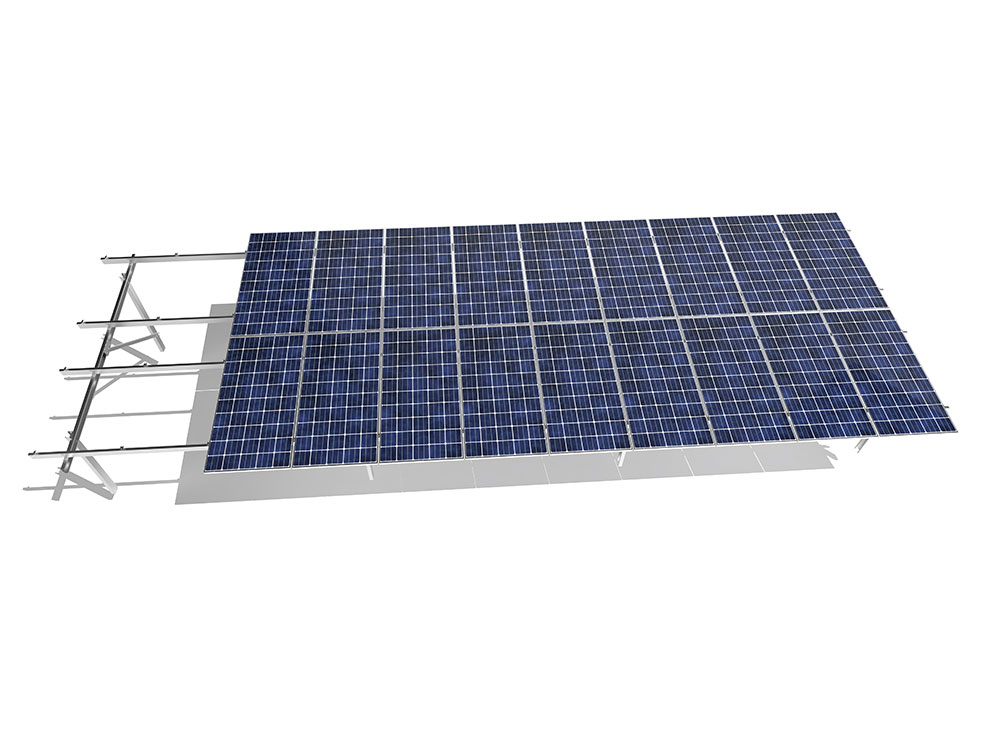
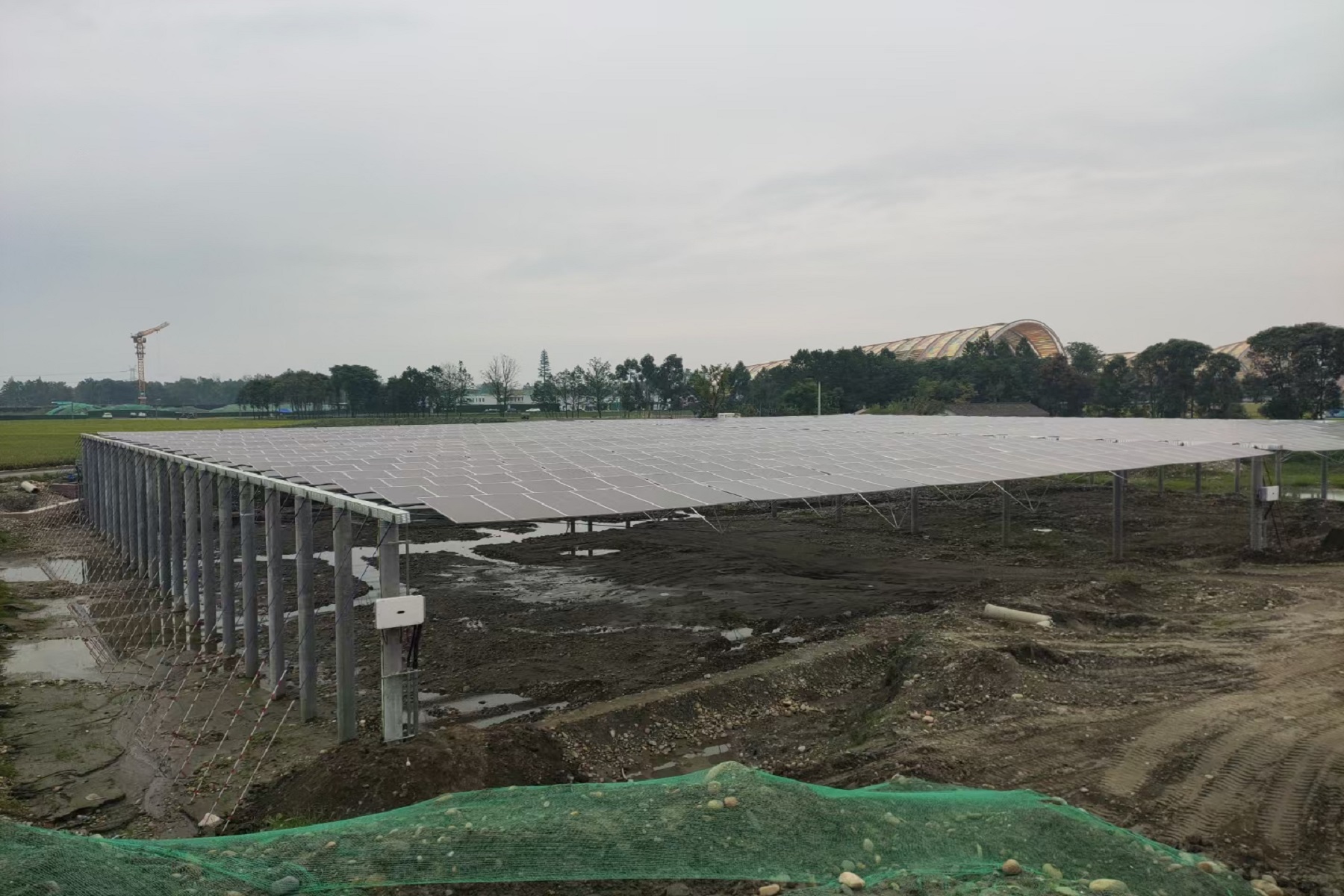
Adaptability to Agricultural Activities: This is the core of solar farm construction. Dedicated solar racks must “make way” for agricultural production. This means the racks must be sufficiently tall (typically over 3 meters above ground) and spaced widely enough to allow passage of large agricultural machinery while meeting basic sunlight requirements for different crops. The design must be tailored to the site and compatible with the planned crops or farming model.
Balancing Investment and Returns: Initial construction requires significant investment in solar racks and power generation equipment. Farmers must comprehensively evaluate factors like power generation revenue, agricultural income, and government subsidies to calculate the investment payback period and ensure the project’s economic viability.
Long-Term Maintenance and Management: Solar farms operate for over 25 years. During this period, professional maintenance of power generation equipment is essential, while simultaneously coordinating agricultural production beneath the panels. This places higher demands on farm management capabilities, which is key to the sustained success of solar farms.
III. Practical Selection Recommendations
Before deciding to build a solar farm, farmers should adopt a pragmatic approach:
Conduct Professional Assessments: Invite solar energy companies and agricultural experts for on-site inspections to comprehensively evaluate sunlight resources, soil conditions, and planting plans, designing a customized solar farm solution.
Define Primary Objectives: Determine the core purpose of the solar farm—is it solely for electricity revenue or primarily to support agricultural production? Different goals necessitate vastly different designs and investment strategies.
Understand Local Policies: Thoroughly consult relevant local authorities to understand specific regulations regarding land use, agricultural subsidies, and solar grid connection to ensure the project’s legal compliance.
In summary, installing solar racks or building a solar farm on a farm is not a simple “yes” or “no” decision. It represents a systematic upgrade toward refined, multifunctional land utilization. With scientifically chosen sites, well-designed layouts, and a farming-first approach, solar farms can become an effective pathway to promote sustainable modern agriculture and increase farm revenue. For suitable farms, constructing a solar farm is undoubtedly a green future worth exploring in depth.
To get more solutions, click here: Contact us