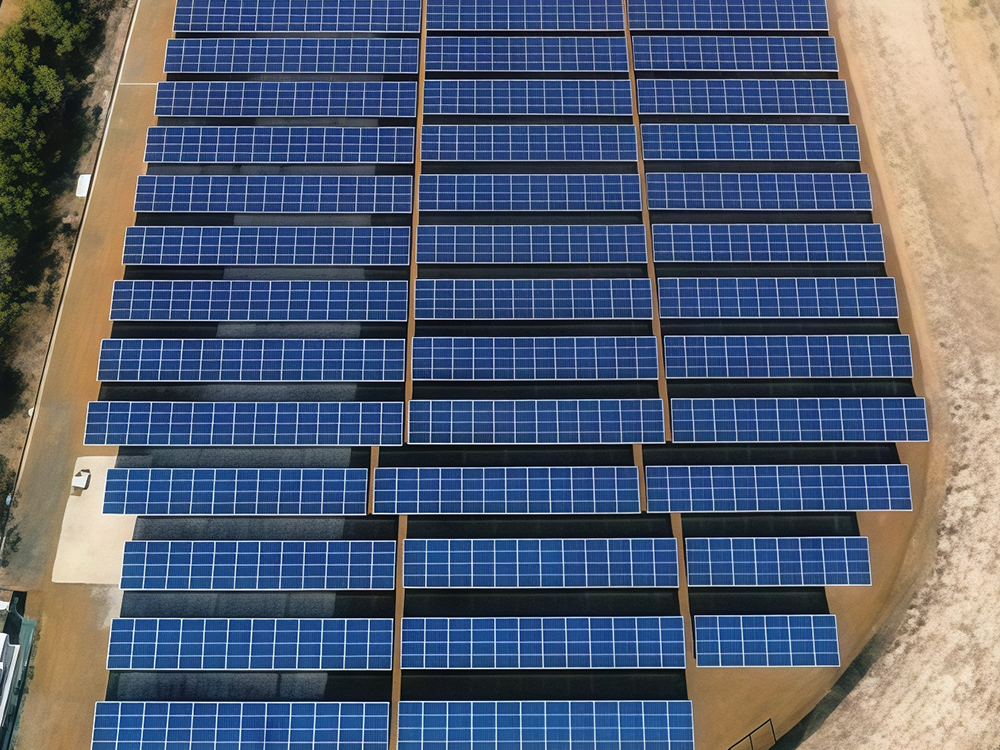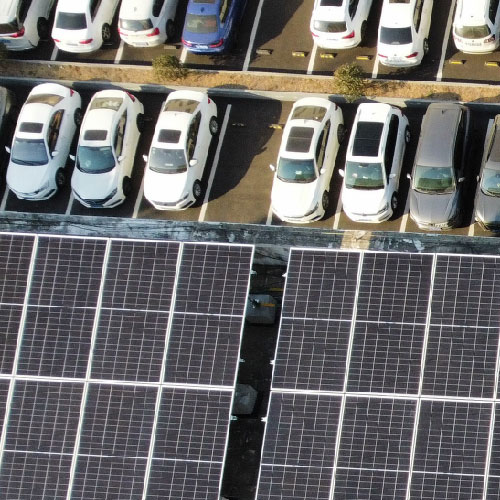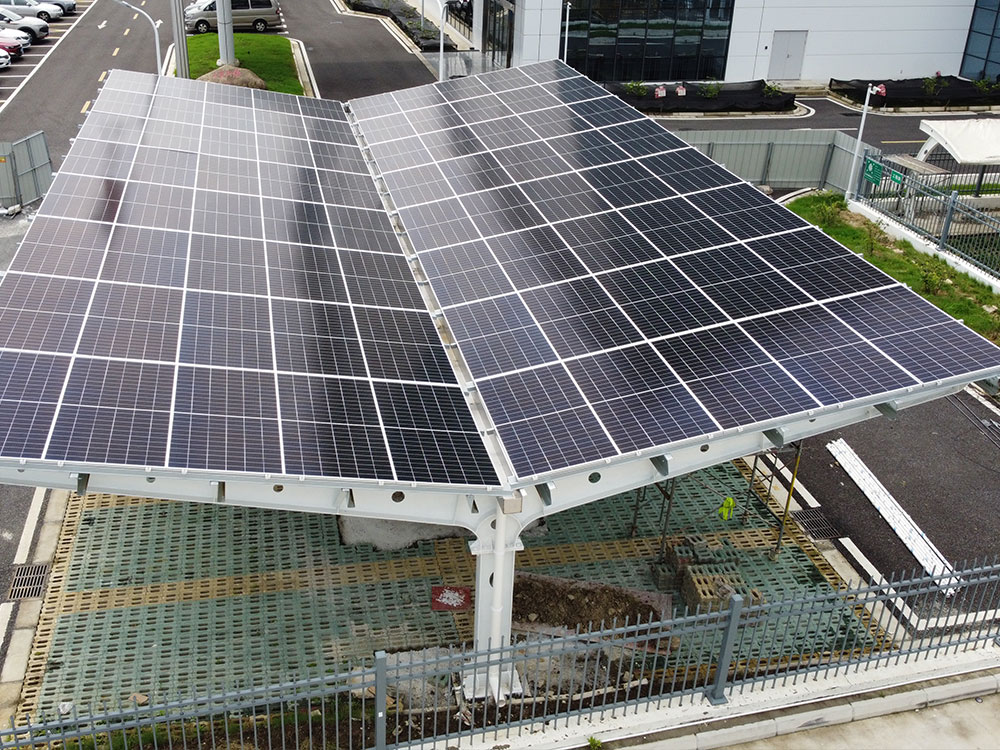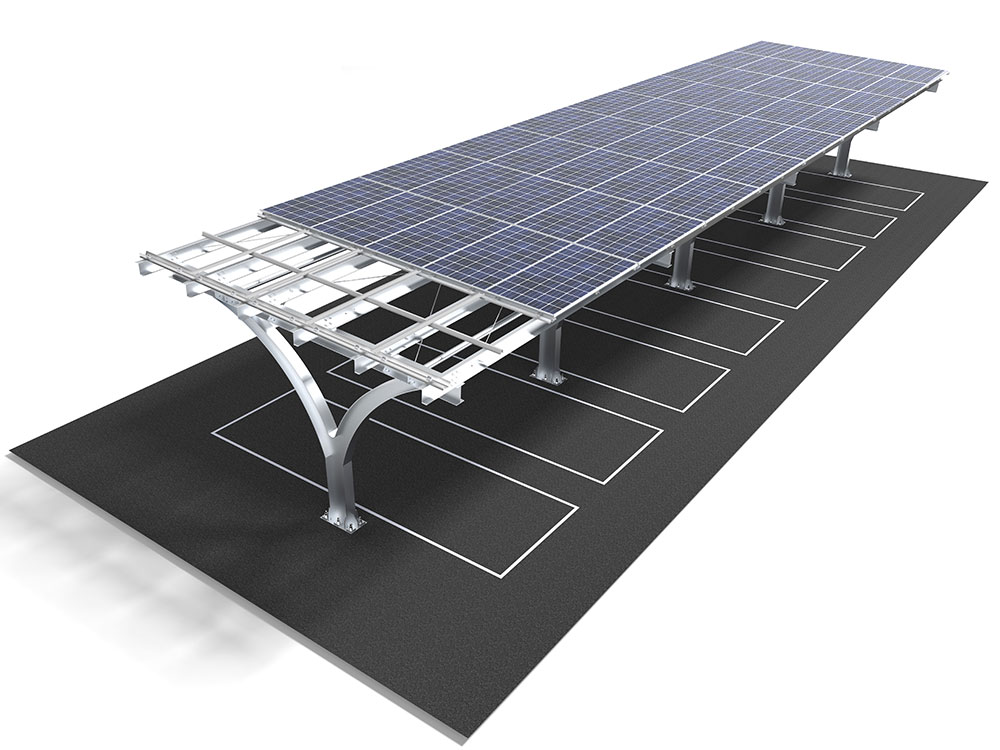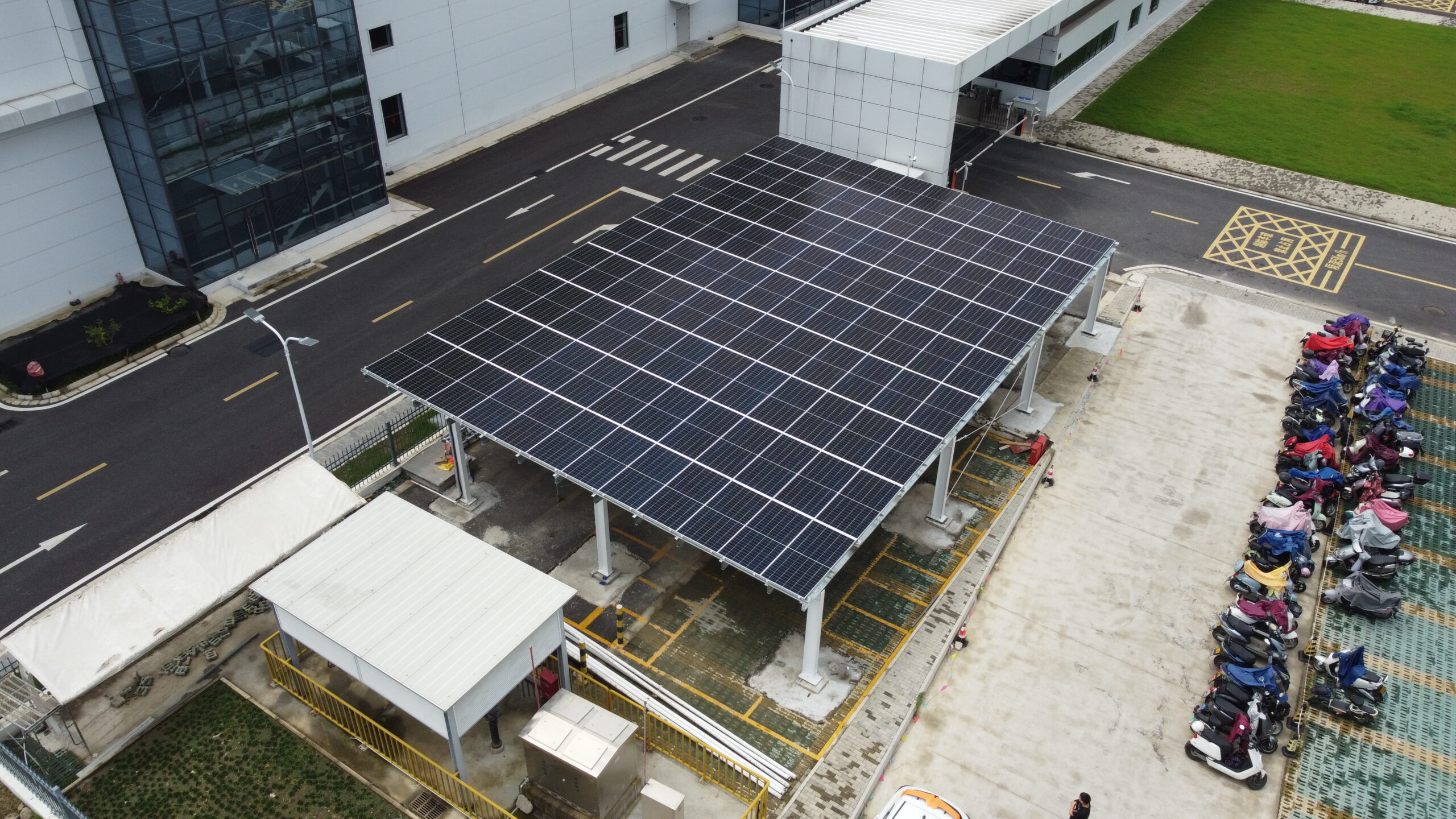
With growing environmental awareness and increasing energy demands,solar powered carport are emerging as a popular green energy solution. Whether installing single-row or double-row solar powered carport, multiple factors must be comprehensively evaluated to ensure the system’s safe, stable, and efficient operation.
First, a comprehensive site assessment is essential. Understand the installation location’s sunlight conditions to avoid obstructions like tall buildings or large trees, as even partial shading can significantly reduce power generation efficiency. Simultaneously, consider local climate conditions such as wind speeds and snowfall levels to ensure the carport structure can withstand corresponding natural loads.
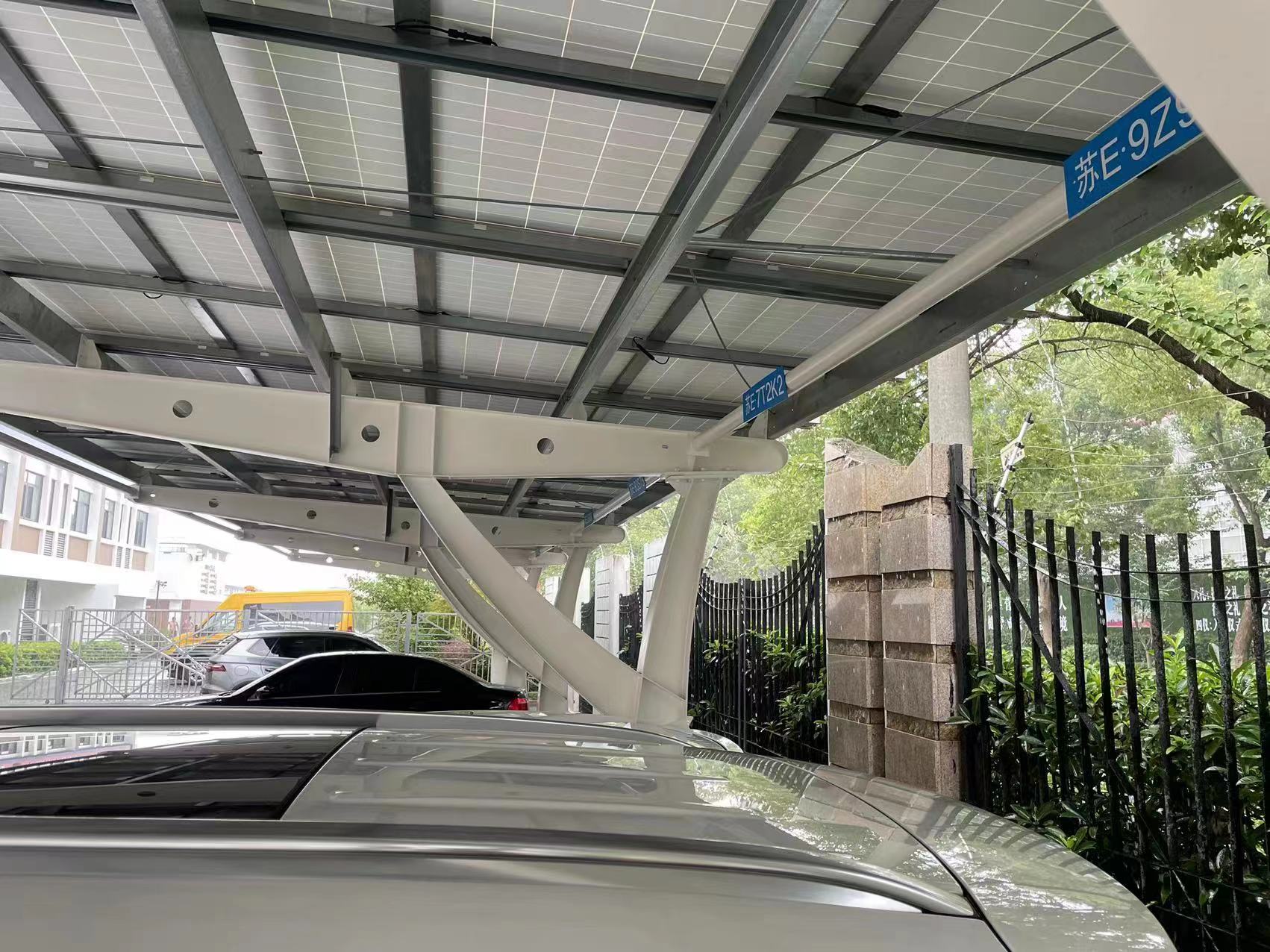
At the design level, structural design is critical. The framework must be capable of enduring the weight of solar panels, wind pressure, snow loads, and other forces over the long term. Therefore, selecting an installer with appropriate qualifications and experience is essential. For support materials, options like aluminum alloy or galvanized steel are generally recommended, as these offer good weather resistance and corrosion resistance. Furthermore, drainage design must be considered to prevent rainwater accumulation from damaging solar components and electrical equipment.
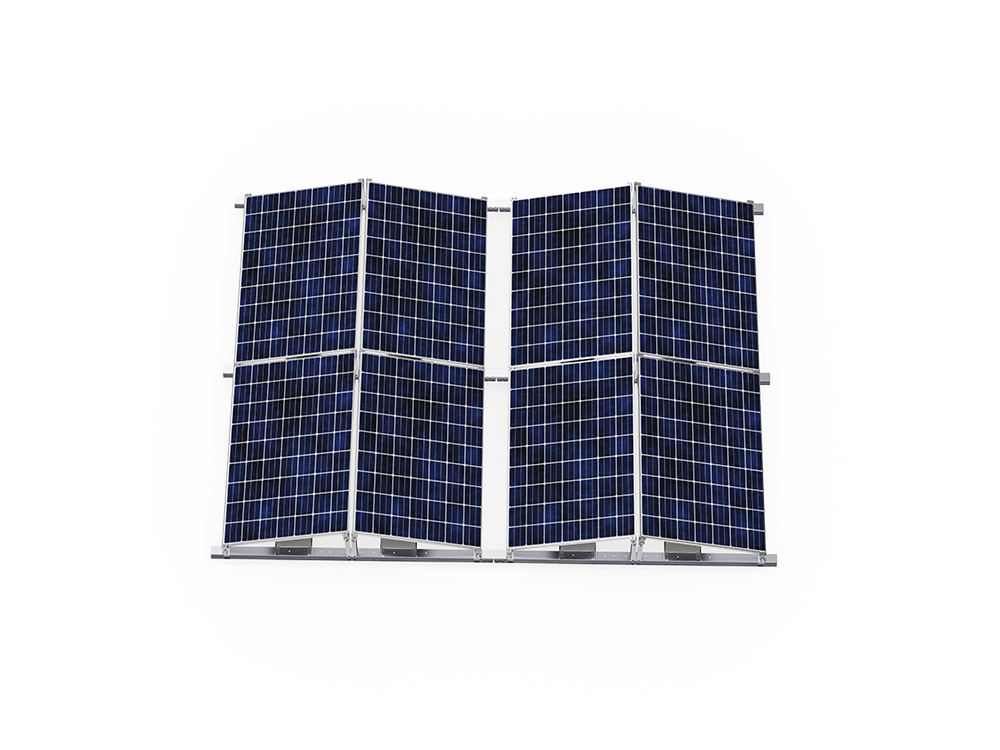
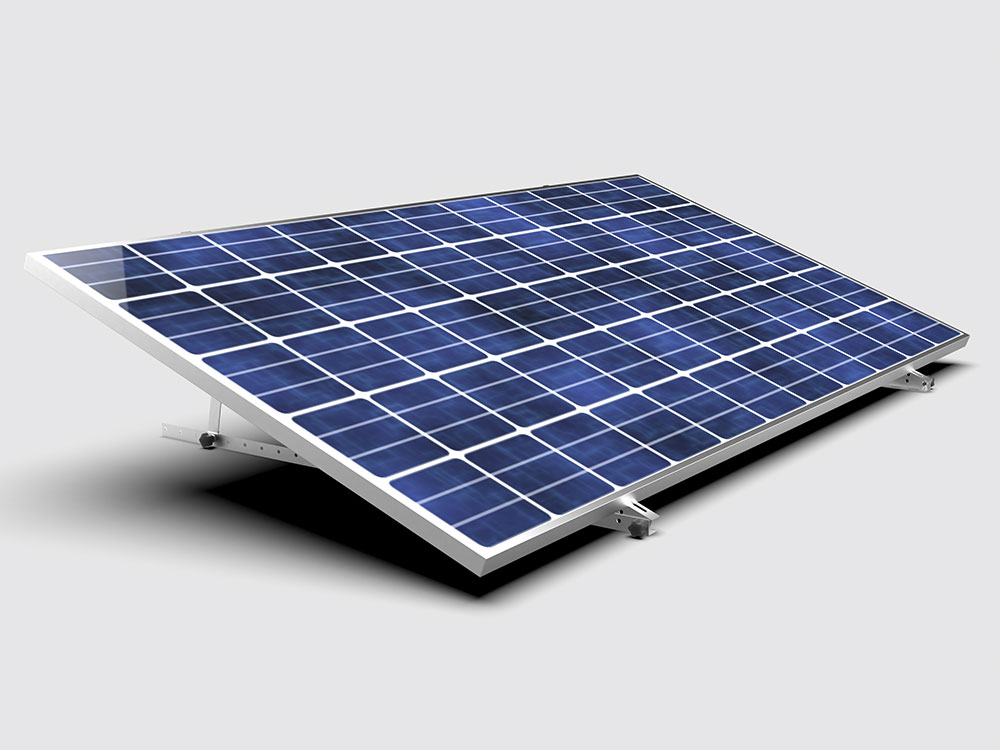
The selection and layout of solar panels also impact power generation efficiency. Opting for high-quality solar panels is recommended, as they offer superior photovoltaic conversion efficiency and lower long-term degradation rates. During layout planning, ensure each panel receives ample sunlight exposure while rationally determining installation angles and orientations. For single-row and double-row solar powered carport, optimize panel arrangements based on site conditions and requirements to minimize shadow interference.
The electrical system implementation is equally critical. Cable routing must adhere to safety, aesthetics, and quality standards, minimizing prolonged exposure to sunlight or water accumulation to reduce cable aging and short-circuit risks. As the “heart” of the power system, the inverter’s stability and conversion efficiency directly impact power generation. Therefore, select an appropriate model and brand of inverter, ensuring it is installed in a well-ventilated location.
Following installation, thorough commissioning and acceptance testing are mandatory to verify precise, secure installation of all components and confirm power generation meets design specifications. Regular maintenance includes cleaning panels of dust and debris, inspecting cable connections, and checking bracket fastenings. Additionally, clearly defined warranty terms should be established to ensure prompt repair services when equipment issues arise.
In summary, installing a solar carport is a systematic project requiring comprehensive planning from initial design through post-installation operation and maintenance. Only through this approach can the solar carport truly become a worry-free, safe, and high-return asset.
Contact us for inquiries about solar mounting systems: Click here to consult