Many homeowners with sloped roofs face a key question when considering solar power systems: Which mount is right for an inclined roof? This is a critical decision. The right mount ensures sturdier installation, higher energy efficiency, and better protection for the roof structure, enabling long-term stable operation of the entire system.
For pitched roofs, the most common and typically optimal choice is a pitched mounting system. Simply put, this installation method allows solar panels to lie essentially flat against the existing roof slope. This approach offers several distinct advantages. First, it eliminates the need for complex additional support structures. The solar panels are directly secured to the roof rafters or trusses via the mounting base, minimizing alterations to the existing roof structure. This setup also reduces wind resistance and enhances safety. Second, installation is relatively straightforward, requiring fewer materials and helping to control overall costs. Finally, because the panels follow the roof’s angle, the visual appearance is clean and aesthetically pleasing, preserving the home’s overall look.
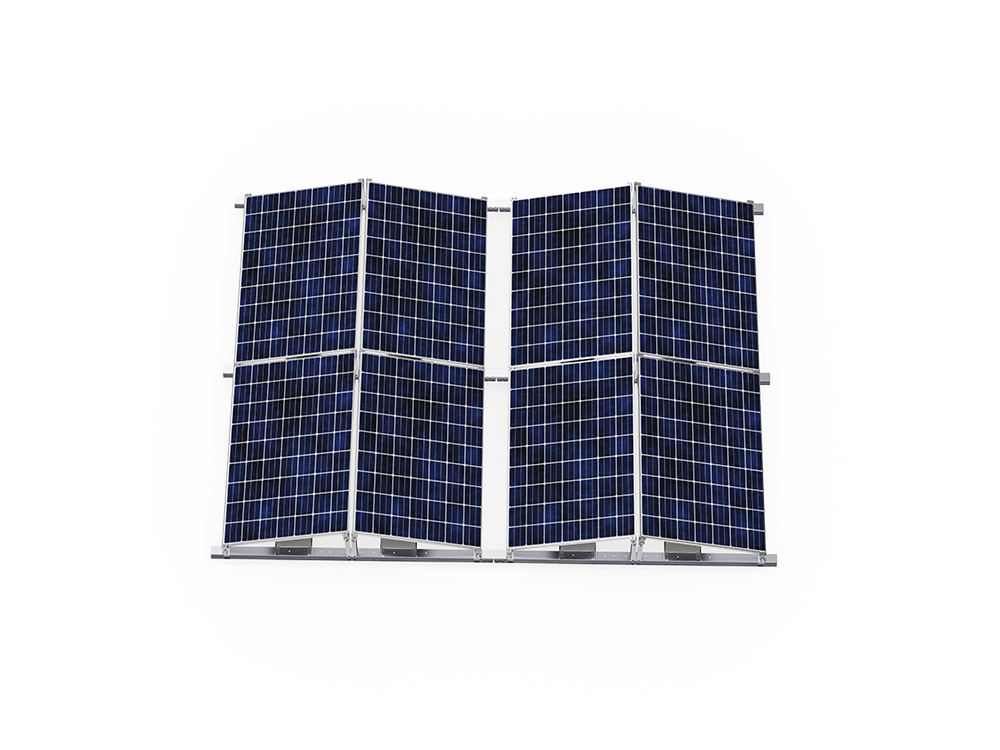
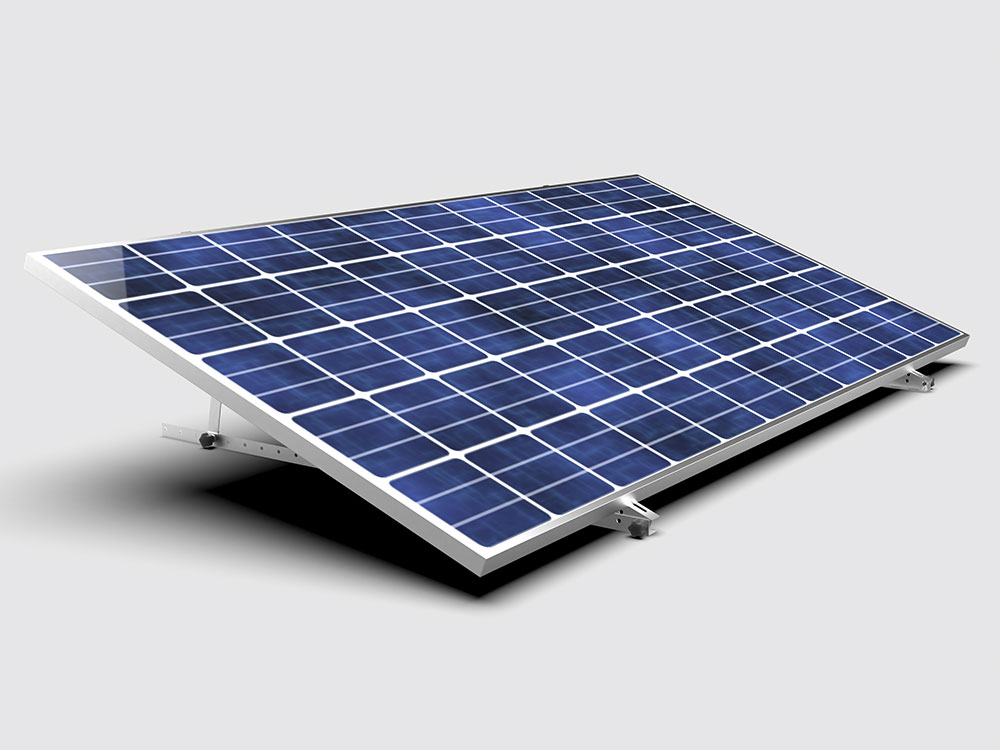
Does this mean all pitched roofs can simply use flat-mount installations? An important factor must be considered: the slope angle of your roof versus the optimal solar angle for your location. Installing solar aims to maximize sunlight exposure and electricity generation. If your roof’s slope closely matches the optimal solar angle required for your local latitude, flat-mount installation is undoubtedly the best solution. However, if there’s a significant discrepancy, we sometimes consider using brackets with tilt adjustment capabilities to pursue higher efficiency. These brackets can elevate the panels slightly above the roof’s natural slope, bringing them closer to the ideal angle for sunlight capture and boosting power generation. This requires balancing the increased energy yield against the associated costs, increased wind resistance, and potential impact on the roof structure.
Regarding installation methods, solar mounting systems for pitched roofs primarily fall into two categories: clamp-type and bolt-through types. For tile roofs (such as clay tiles, asphalt shingles, or glazed tiles), specialized clamps are typically used to secure the mounting base, preventing damage to the tiles and the waterproofing layer. This is currently the mainstream non-invasive installation method. For metal roofs like color-coated steel sheets, specialized clamps or bolts with waterproof washers are commonly used to ensure secure connections and leak-proof sealing. Regardless of the method, professional design and installation teams will first assess your roof’s structural strength, material, and orientation before selecting the most suitable and safest solution.
In summary, installing solar panels along the slope of a pitched roof is the fundamental and mainstream approach. The key lies in having professional installers conduct an on-site survey. Based on your roof’s specific conditions (material, angle, orientation, structure) and your power generation needs, they will ultimately determine whether to use standard slope mounting or an optimized solution with minor angle adjustments. A quality solar mounting system lays a solid foundation for your rooftop solar setup, ensuring it generates power efficiently while withstanding the elements, delivering long-term green returns for years to come.