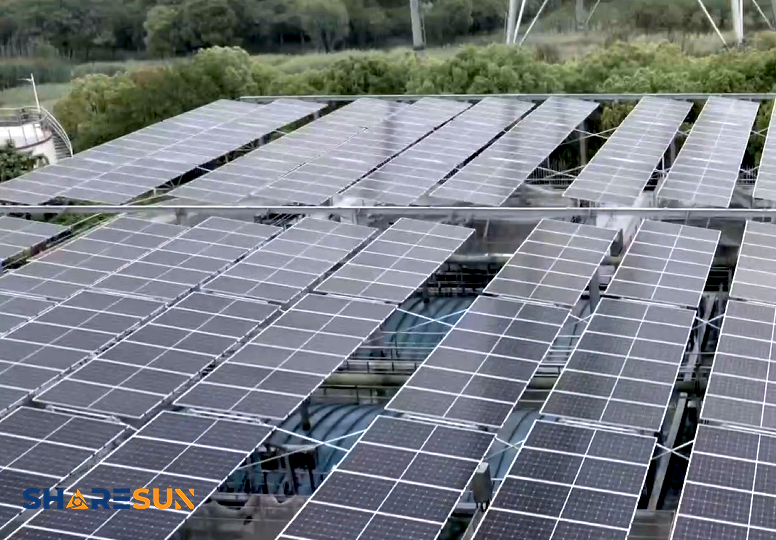
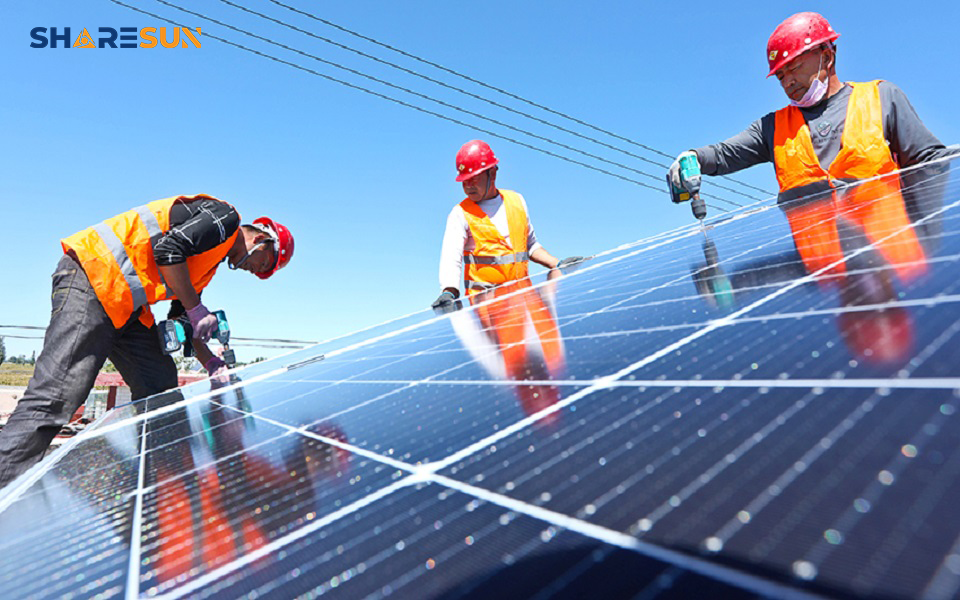
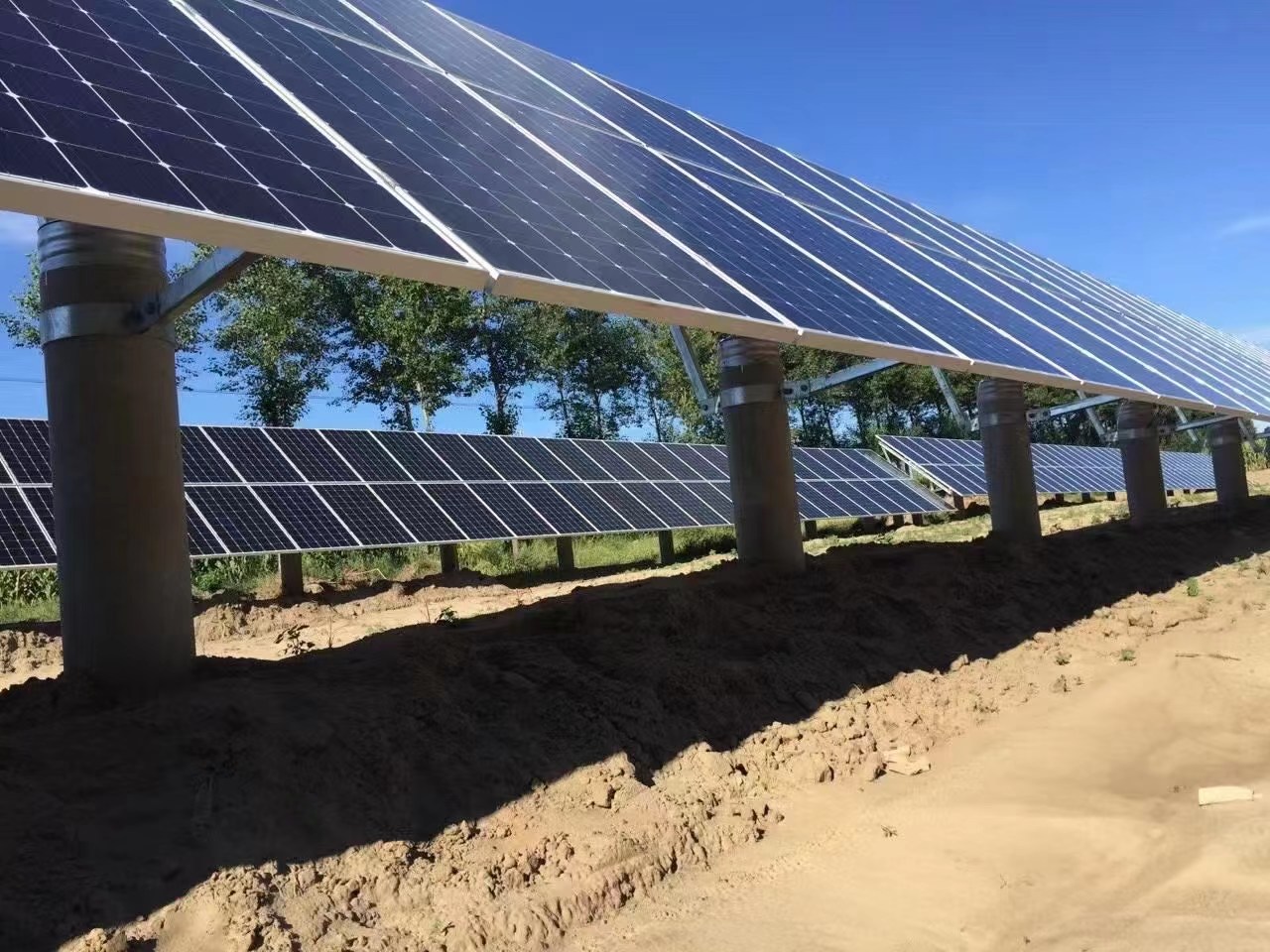
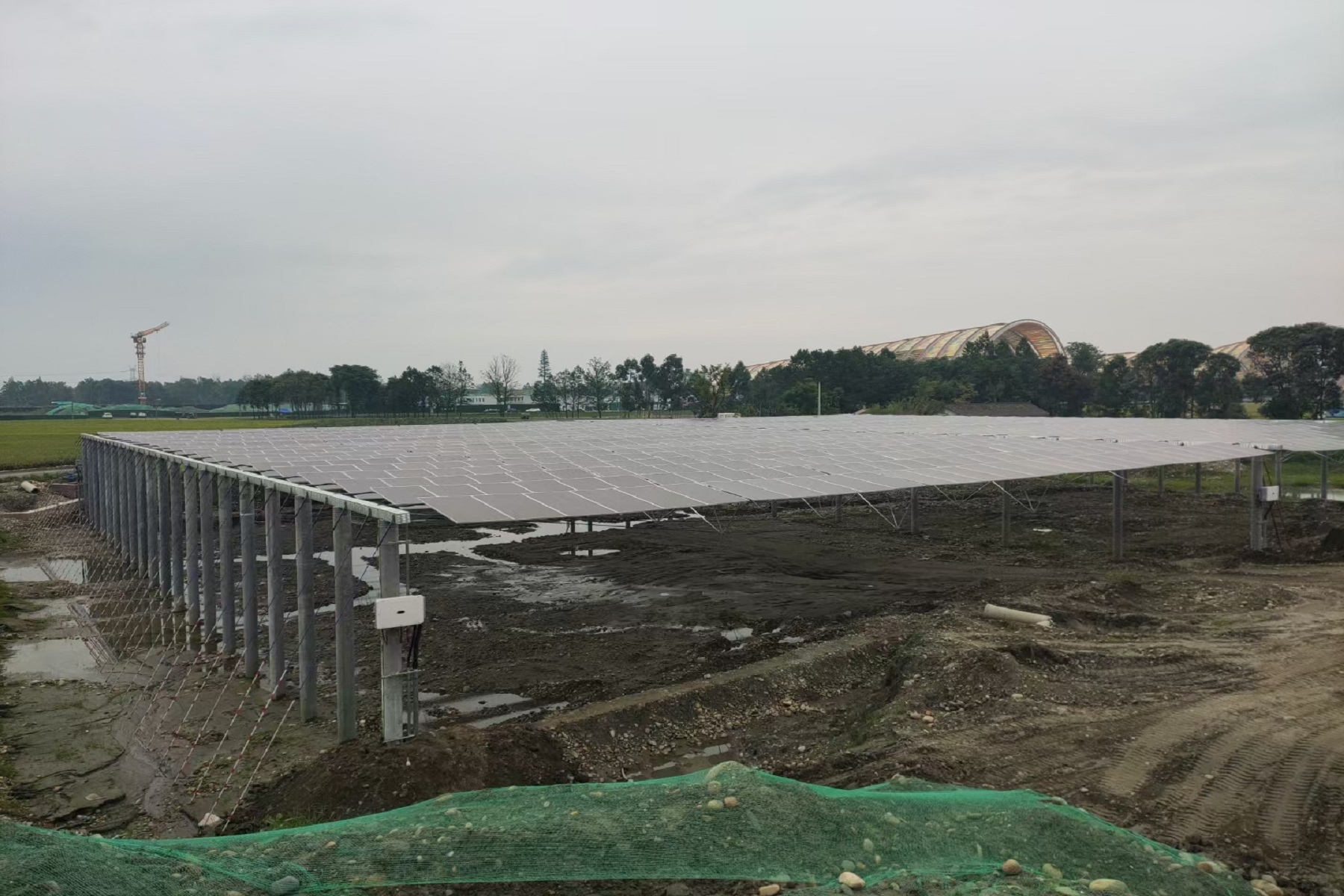
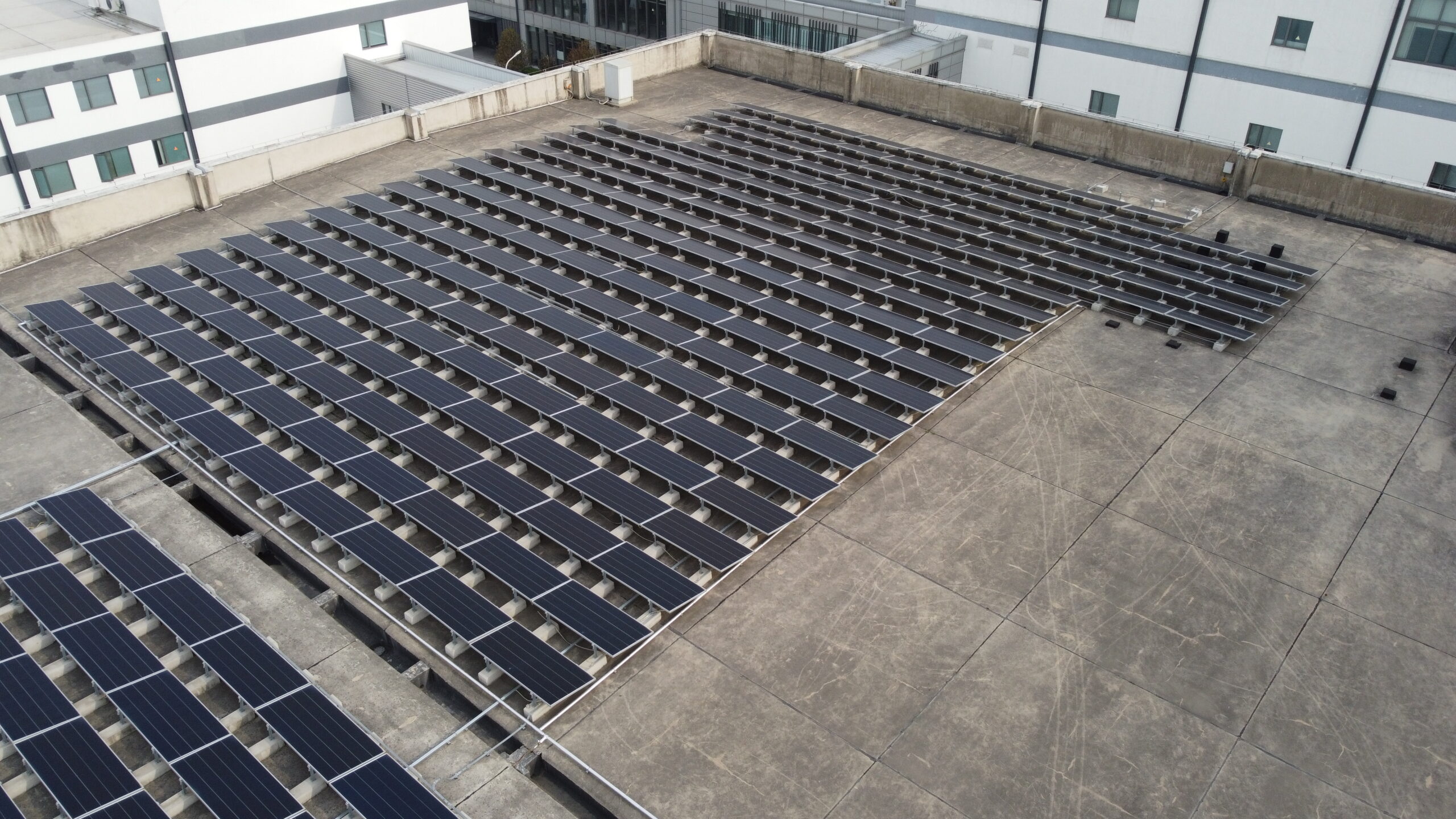
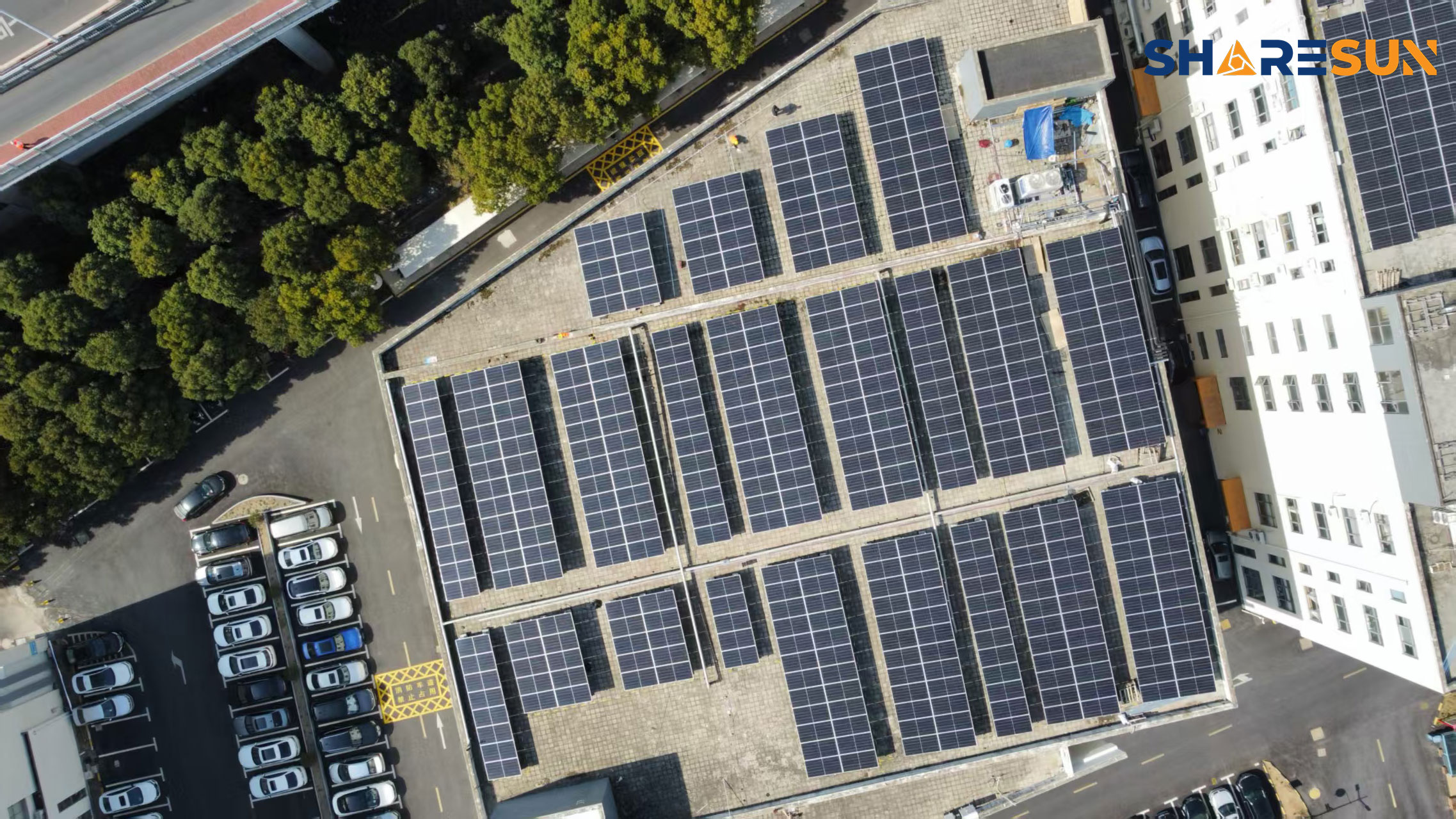
Custom solar mounting systems are the preferred choice for many commercial and industrial projects, ground-mounted power plants, and special rooftop projects.
In solar power systems, while solar mounting systems may seem like mere “supporting actors,” they play a crucial role. Not only must they support the weight of the photovoltaic modules, but they must also withstand wind, rain, snow, and corrosion over decades, directly impacting the safety and power generation efficiency of the entire solar system.
With the growing popularity of solar power technology, more and more people with yards or open spaces are considering installing ground-mounted solar power systems.
In recent years, more and more people have been installing solar mounting systems. Rows of solar panels look quite neat on rooftops and in open spaces. However, many people are only concerned with how much each solar panel costs or how thick the mounting brackets are; few ask about how grounding is done.
When installing a solar power system on the roof of a home or factory building, the roof type directly determines the selection of the solar mounting system. Many people assume that any flat roof can be installed using a universal method, but this is not the case.
As solar power systems become increasingly common in households, more homeowners are focusing on installing safe and reliable solar power stations on their roofs. However, faced with various roof structures—flat roofs, tile roofs, color-coated steel roofs—many wonder: How should one select the right solar mounting system?