
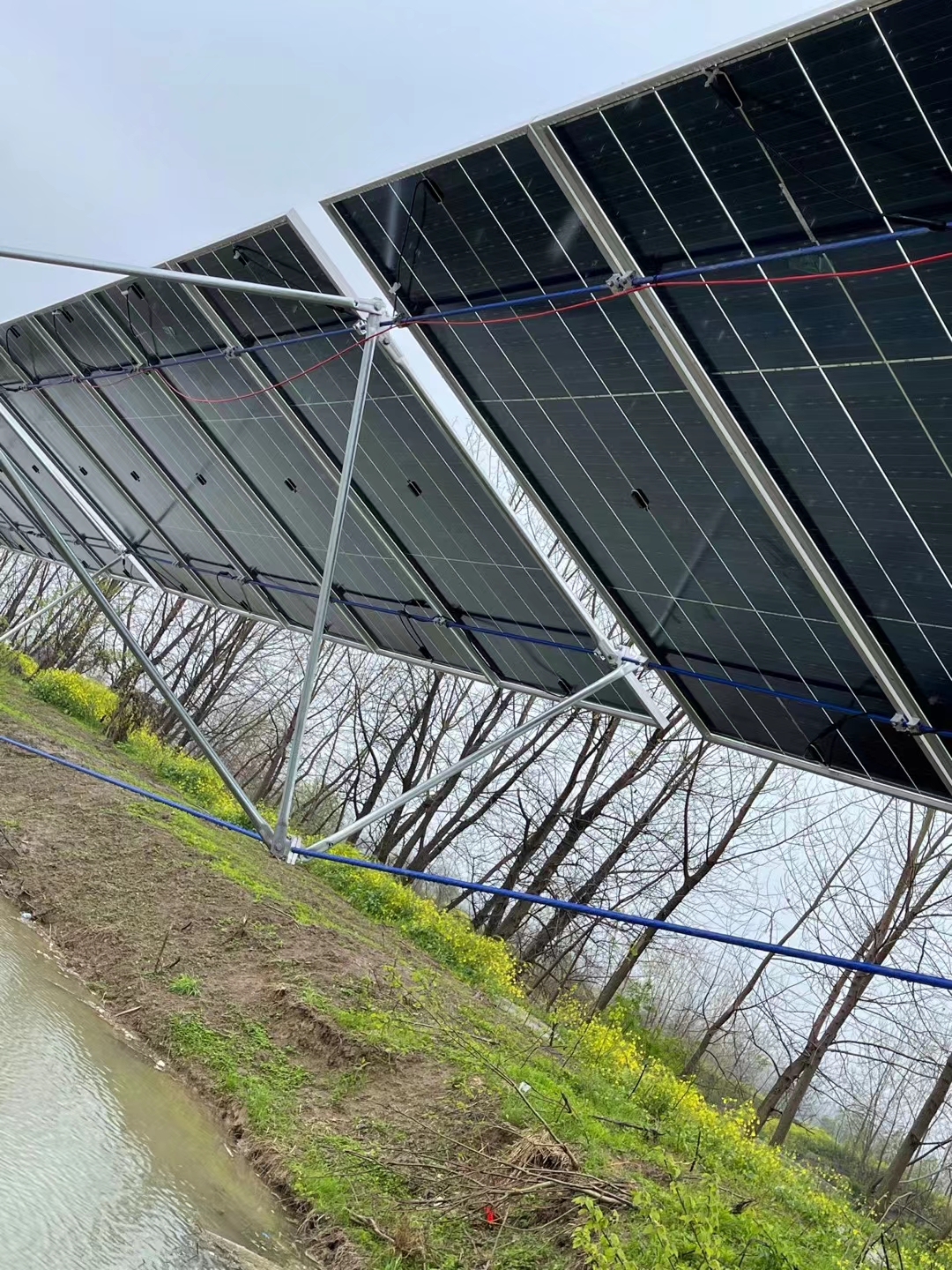
With the global transition in energy structures and growing environmental awareness, solar power plants—as a form of clean energy generation—have gradually become a hot topic in the energy sector.
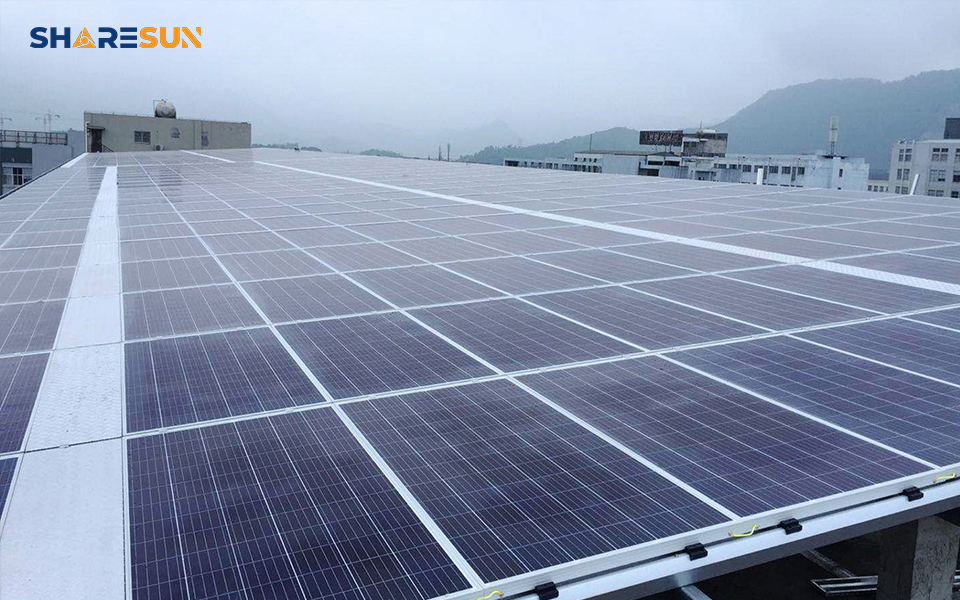
With the continuous advancement of solar technology, solar mounting systems—as a vital component of solar power generation systems—are being used in an increasingly diverse range of scenarios.
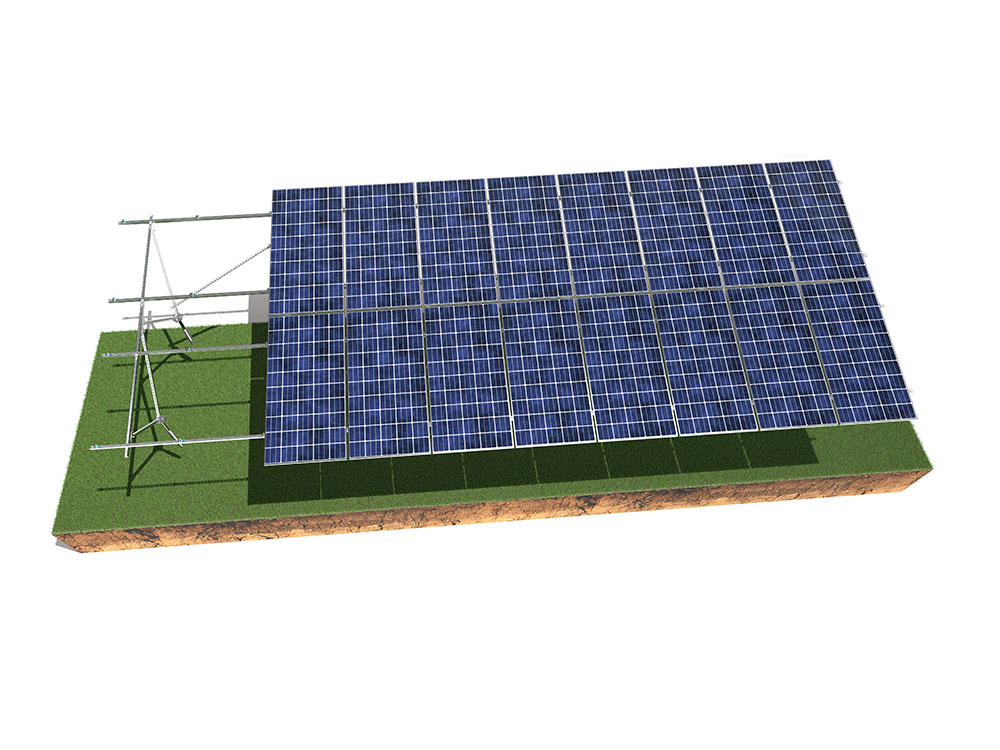
Solar mounting systems are a critical component of solar power systems. Although they may seem simple, even a slight misstep during selection can lead to issues such as water leaks, rust, or even collapse due to strong winds down the line. For homeowners or small-scale installers, mastering the following practical tips can help you avoid most pitfalls.
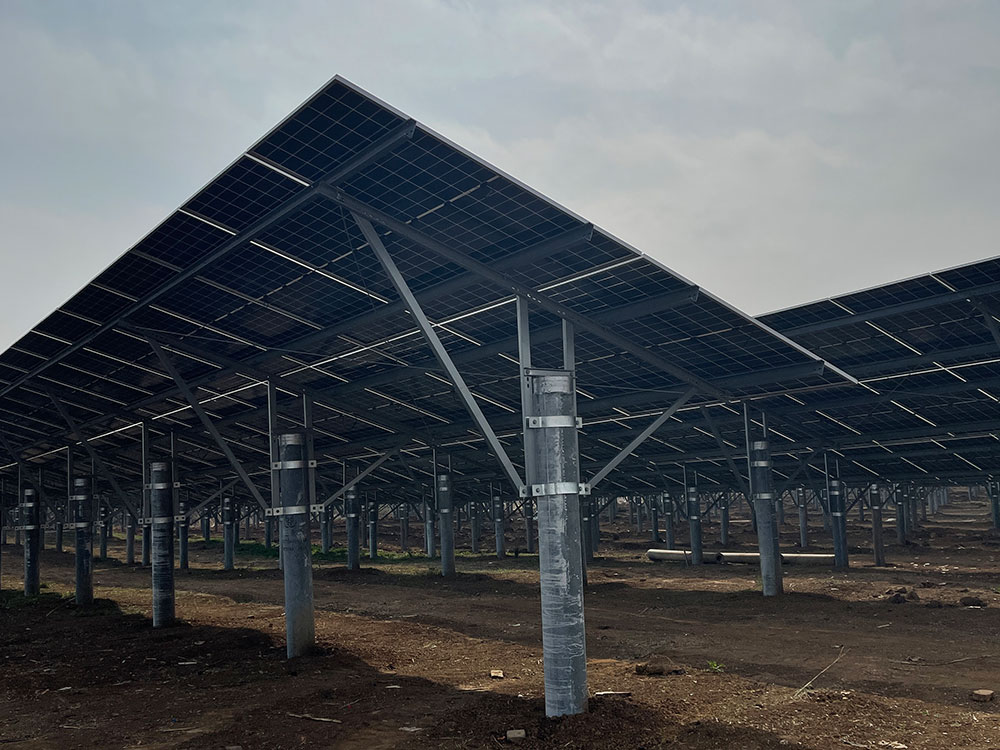
The core challenge of installing solar panels on a farm is the conflict between the space required for power generation and the land needed for farming. If the wrong mounting system is chosen, either crops cannot be grown underneath or farm machinery cannot access the area. Currently, the mainstream solution that is truly suitable for farms is the agro-solar complementary mounting system.
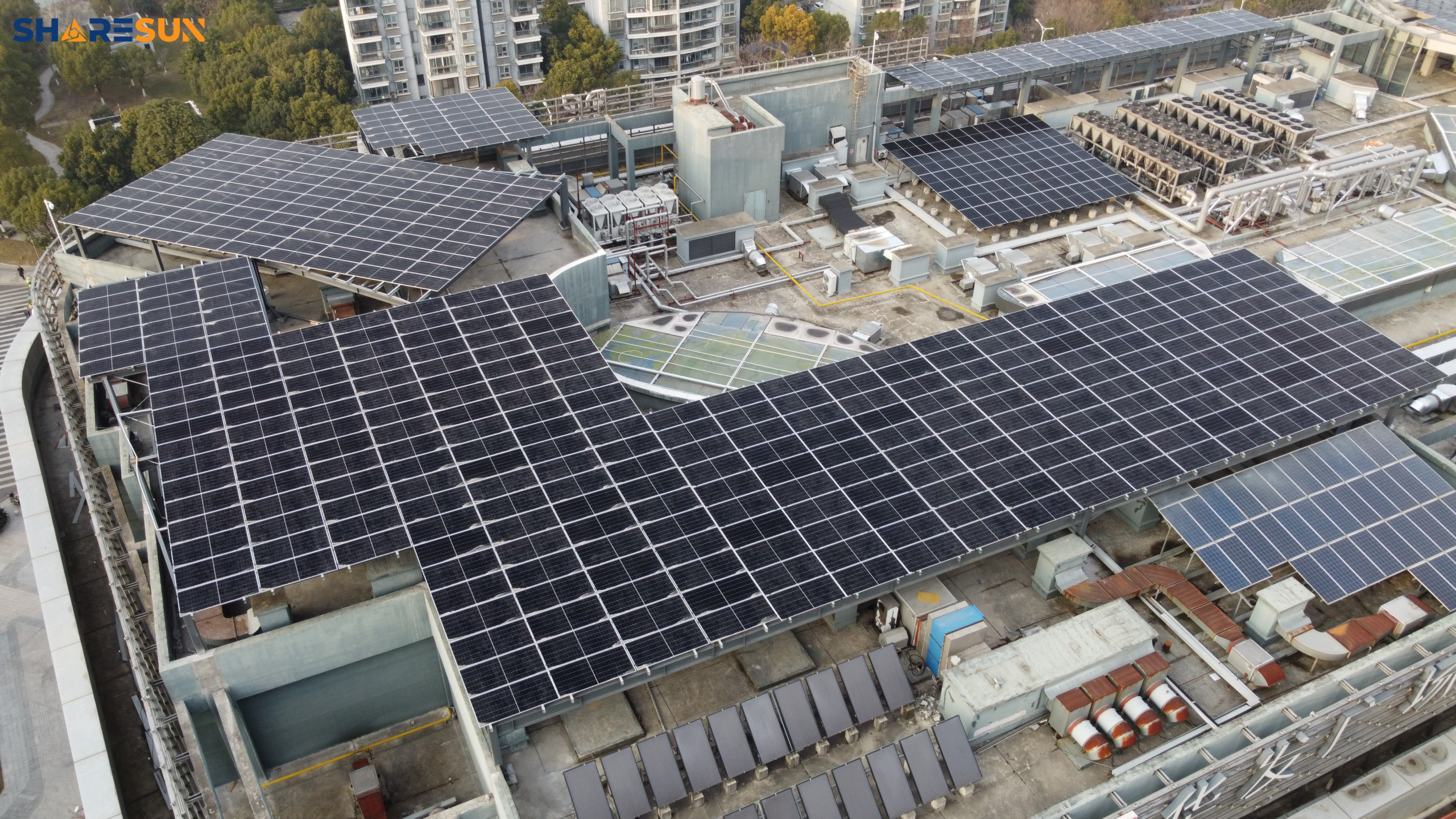
Solar mounting systems serve as the “backbone” of photovoltaic systems and are an indispensable component of solar power generation. The selection of the right mounting system directly determines the safety and power generation efficiency of the power plant. A high-quality solar mounting system can last for over 25 years. While there are many high-quality solutions available on the market today, they must be specifically matched to different installation scenarios and should not be installed haphazardly.
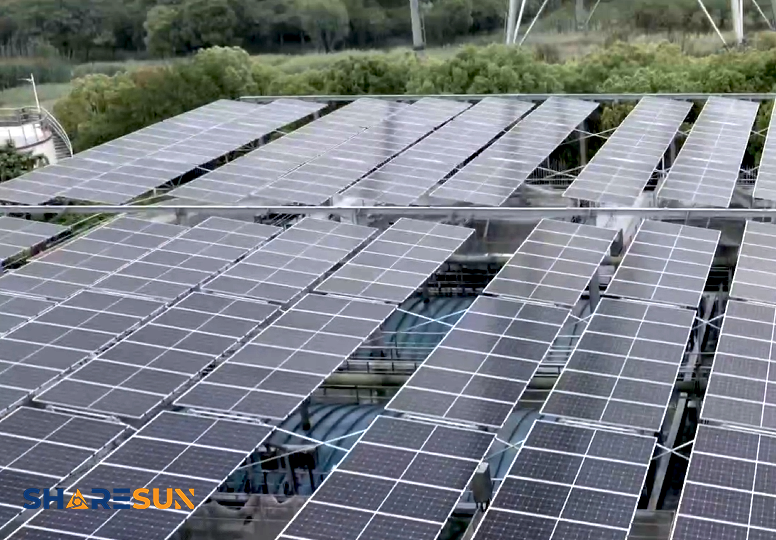
With government incentives and support, more and more people are installing solar mounting systems. Recently, many people planning to install solar panels have been asking me: What is the best material for solar mounting systems? For those who aren’t very familiar with solar power, it’s important to do your research beforehand—after all, choosing the wrong mounting system can lead to a lot of headaches down the road.