
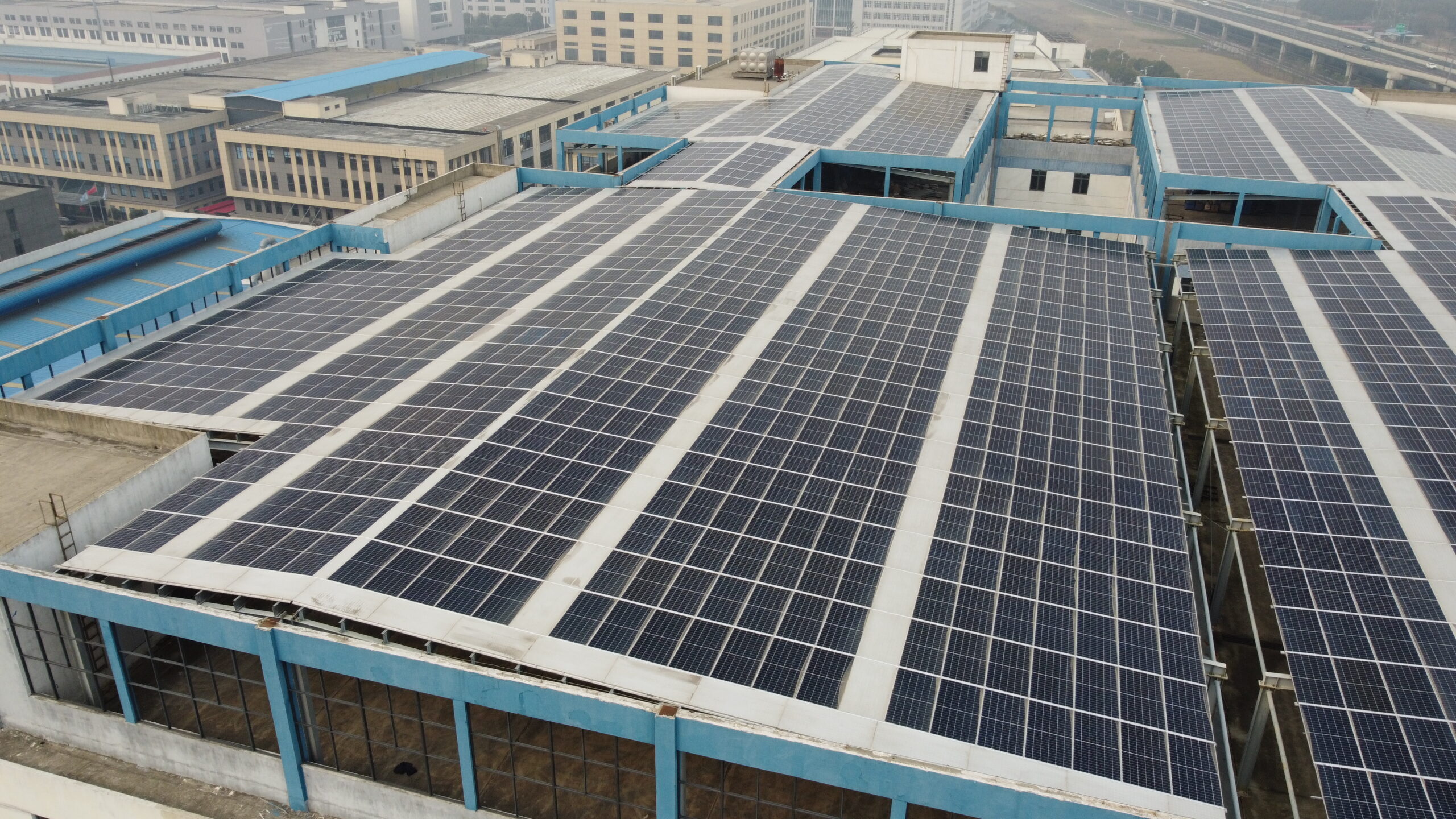
When it comes to solar mounting systems, many people’s first reaction is, “It’s just a metal frame, right?” But anyone who has actually built a solar power plant knows that choosing the wrong mounting system leads to a host of problems down the line.
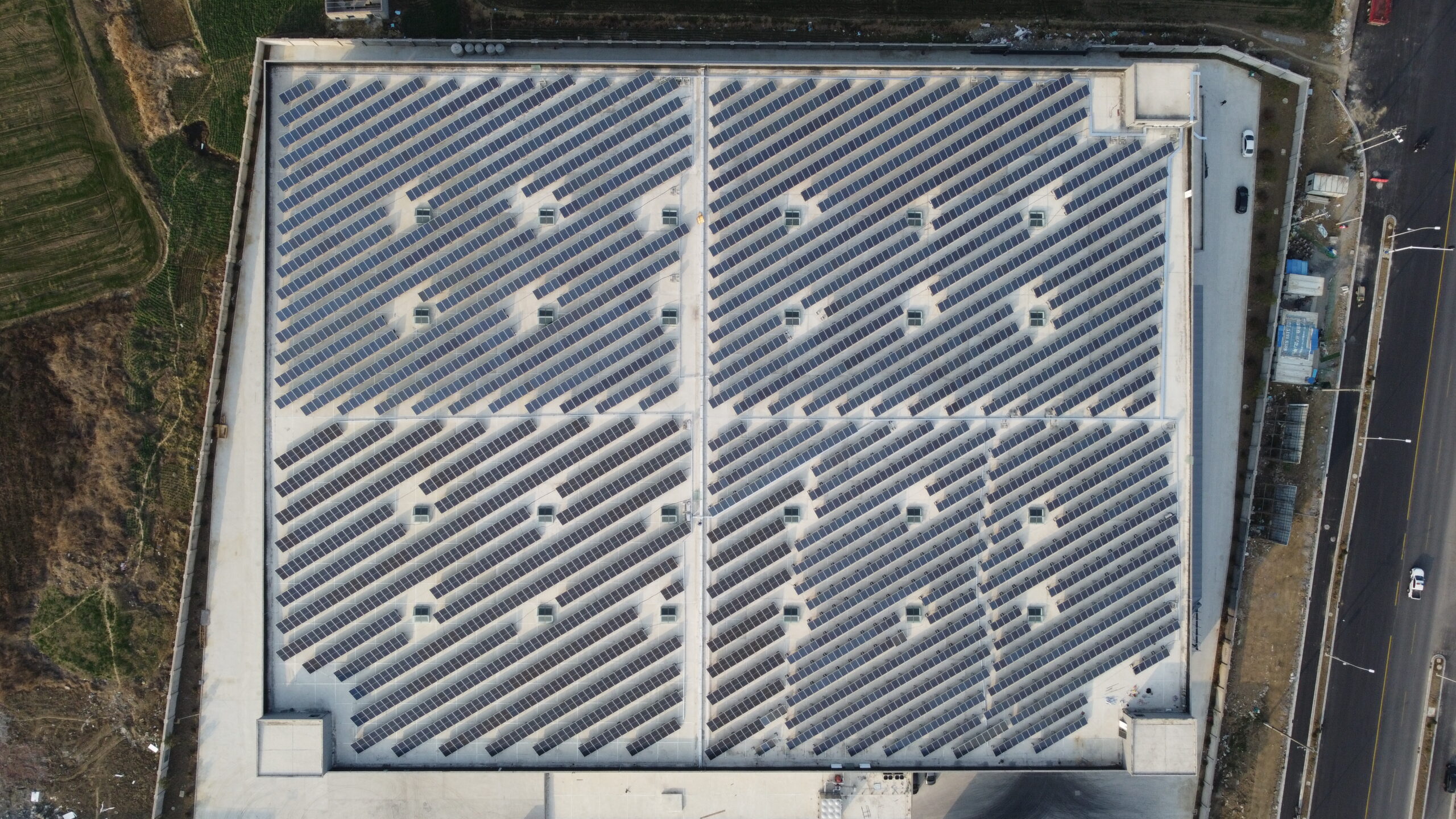
With the widespread adoption of solar power generation, construction safety at solar power plants has become a focal point of attention both within and outside the industry.
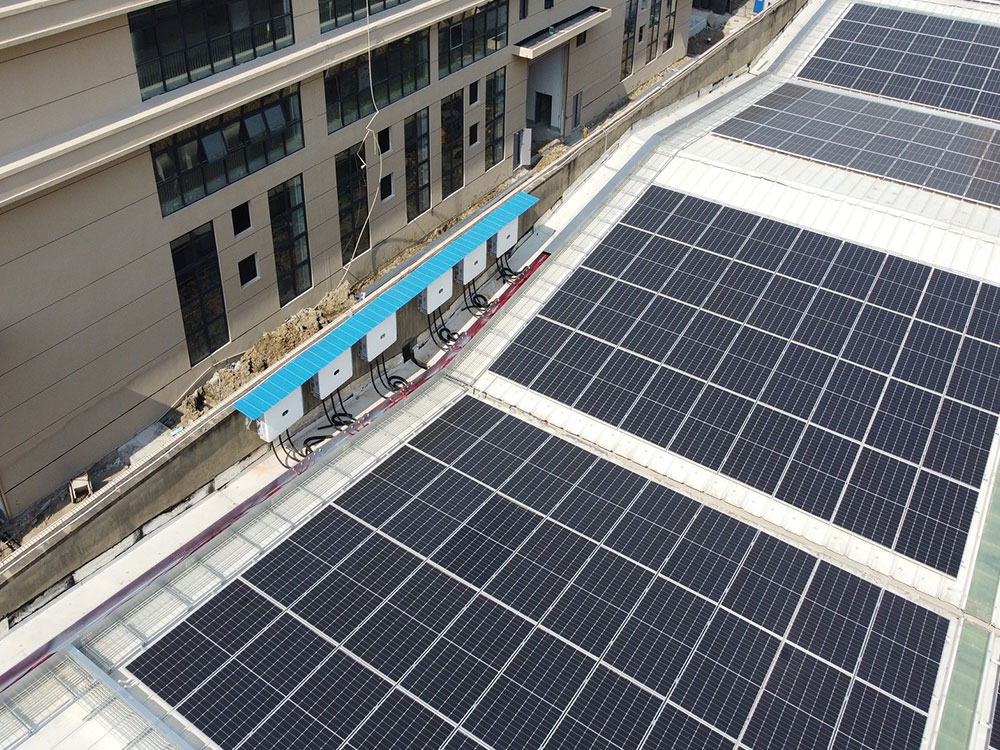
As solar power generation becomes increasingly widespread, many people are beginning to pay attention to the installation of mounting systems.
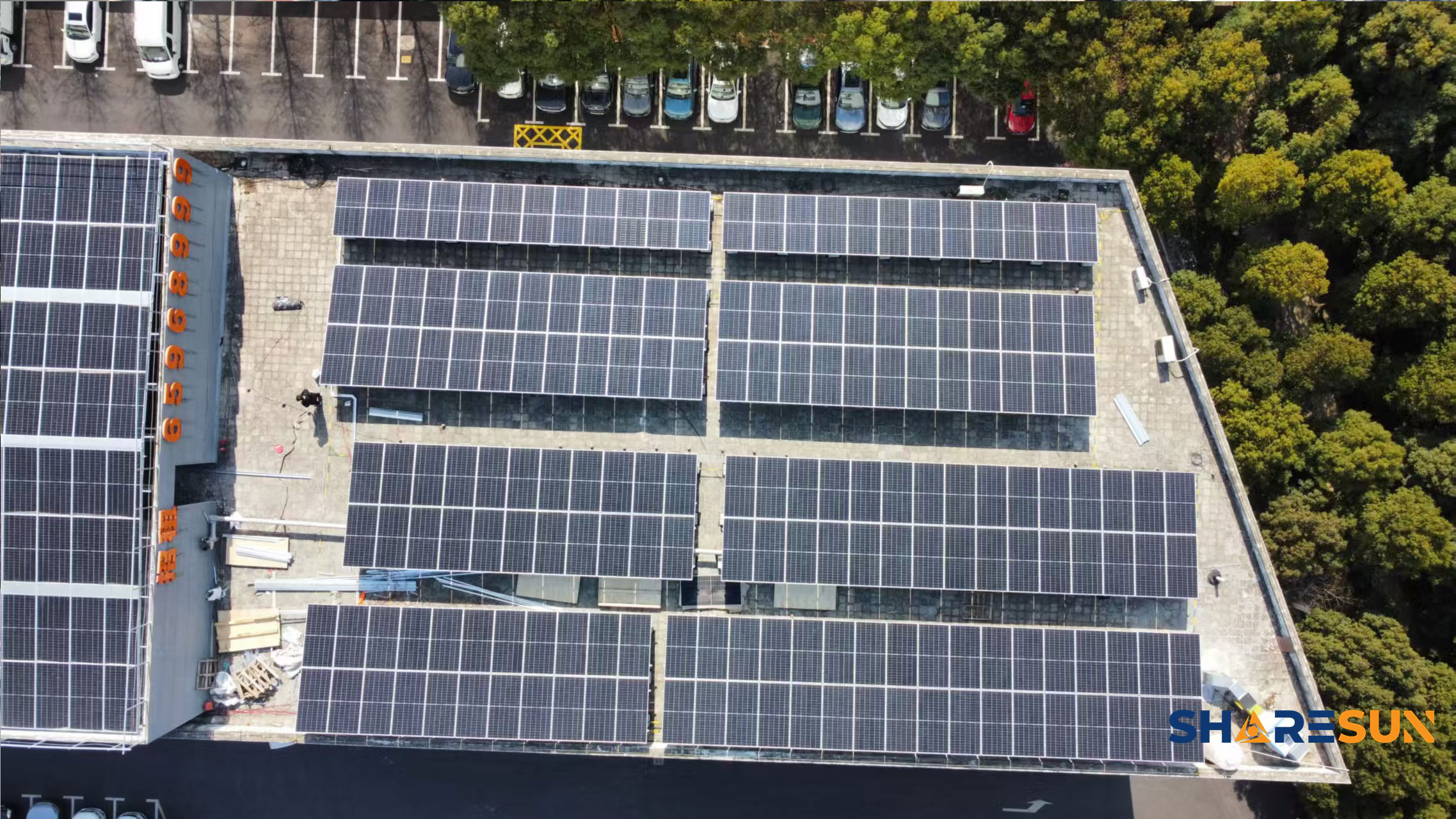
There are different types of solar mounting structures, which can generally be classified based on three criteria: installation method, materials used, and structural form. Understanding these differences allows you to select the appropriate mounting structure to save costs and avoid future problems.
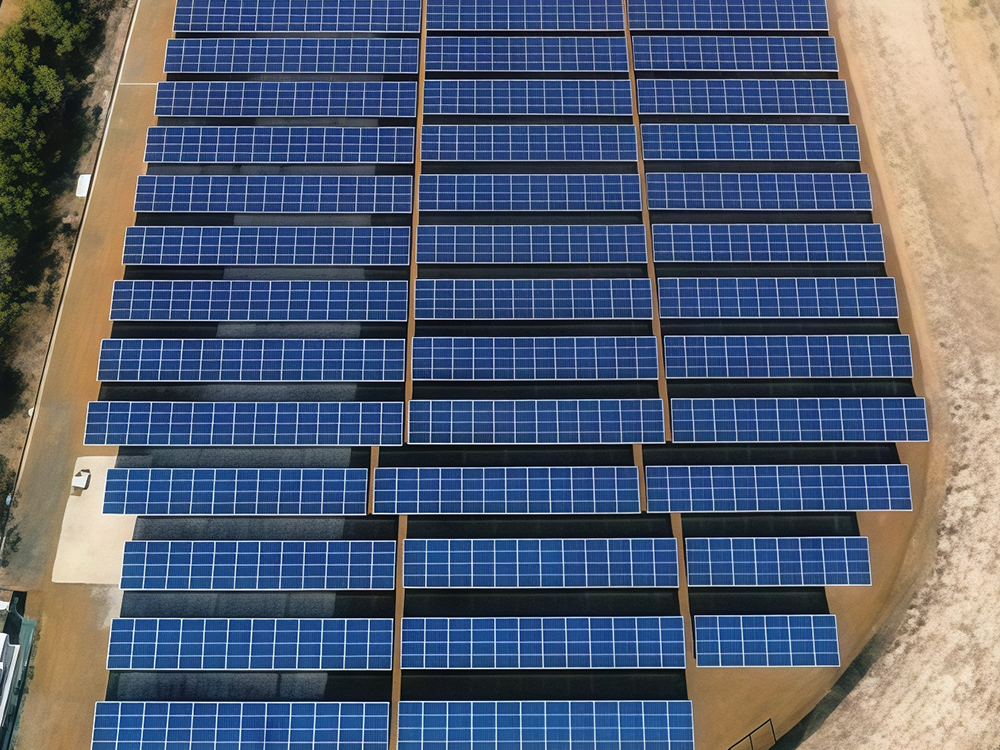
The construction of a solar power plant has a significant impact on its subsequent operational stability and efficiency.
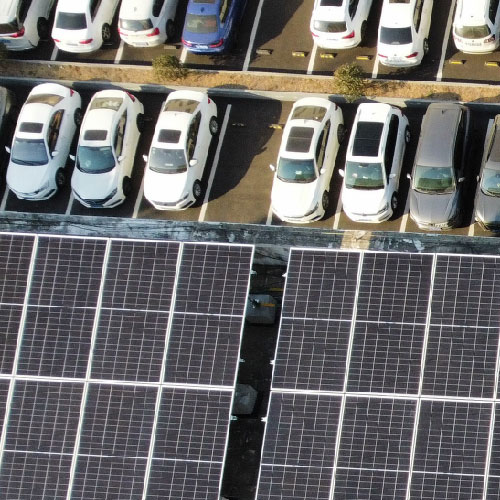
Solar mounting systems serve as the “backbone” of the entire solar power generation system, bearing the critical responsibility of supporting solar panels and withstanding wind, frost, rain, and snow.