As solar power becomes increasingly common, many people face a common dilemma before installation: with so many solar mounting systems on the market, how do you decide? While less noticeable than the panels themselves, the mounting system is crucial for the safe and stable operation of your entire solar system. An improper choice can not only reduce power generation efficiency but also pose safety risks. Choosing the right mount isn’t difficult—it just requires a clear approach and adherence to a few core principles.
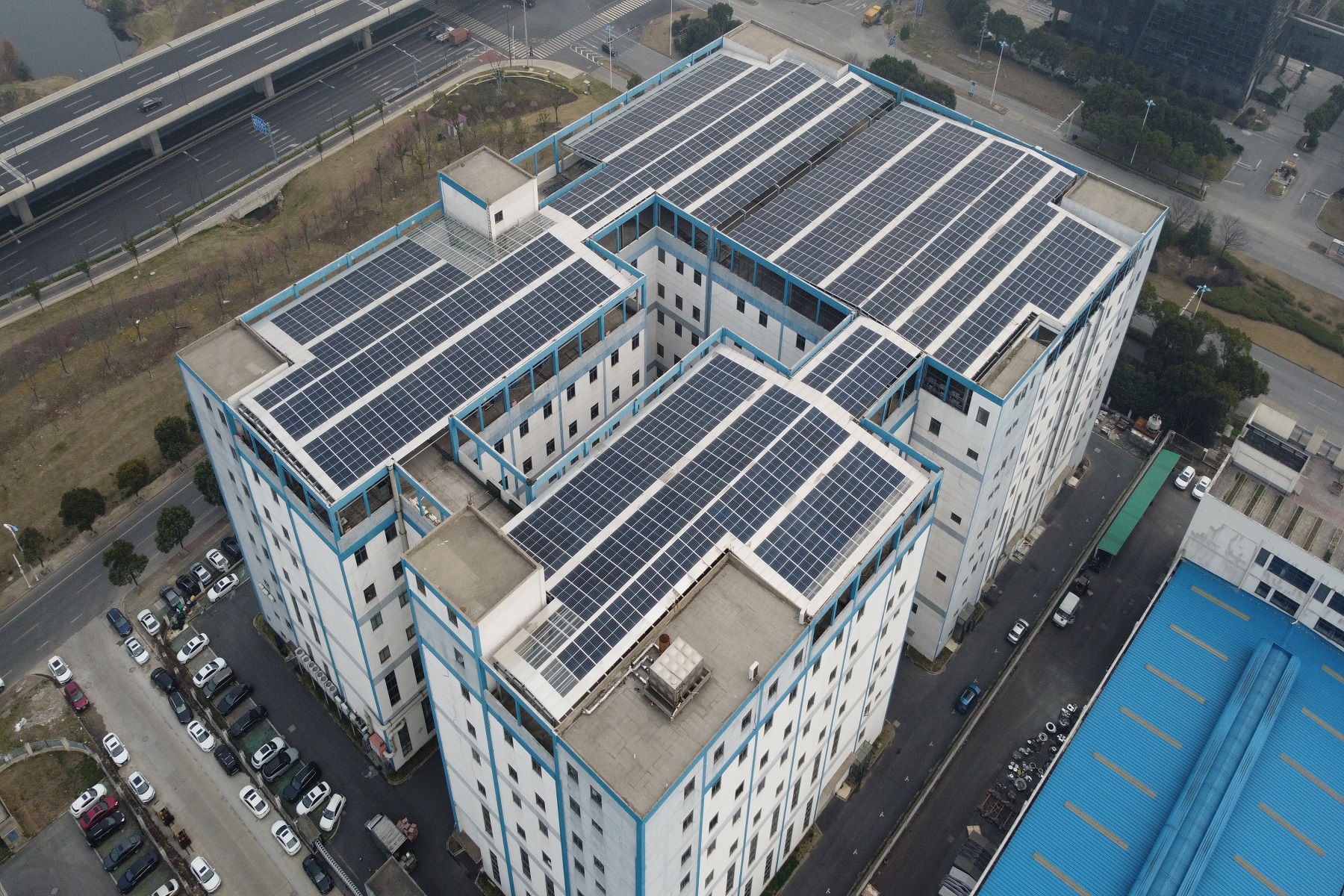
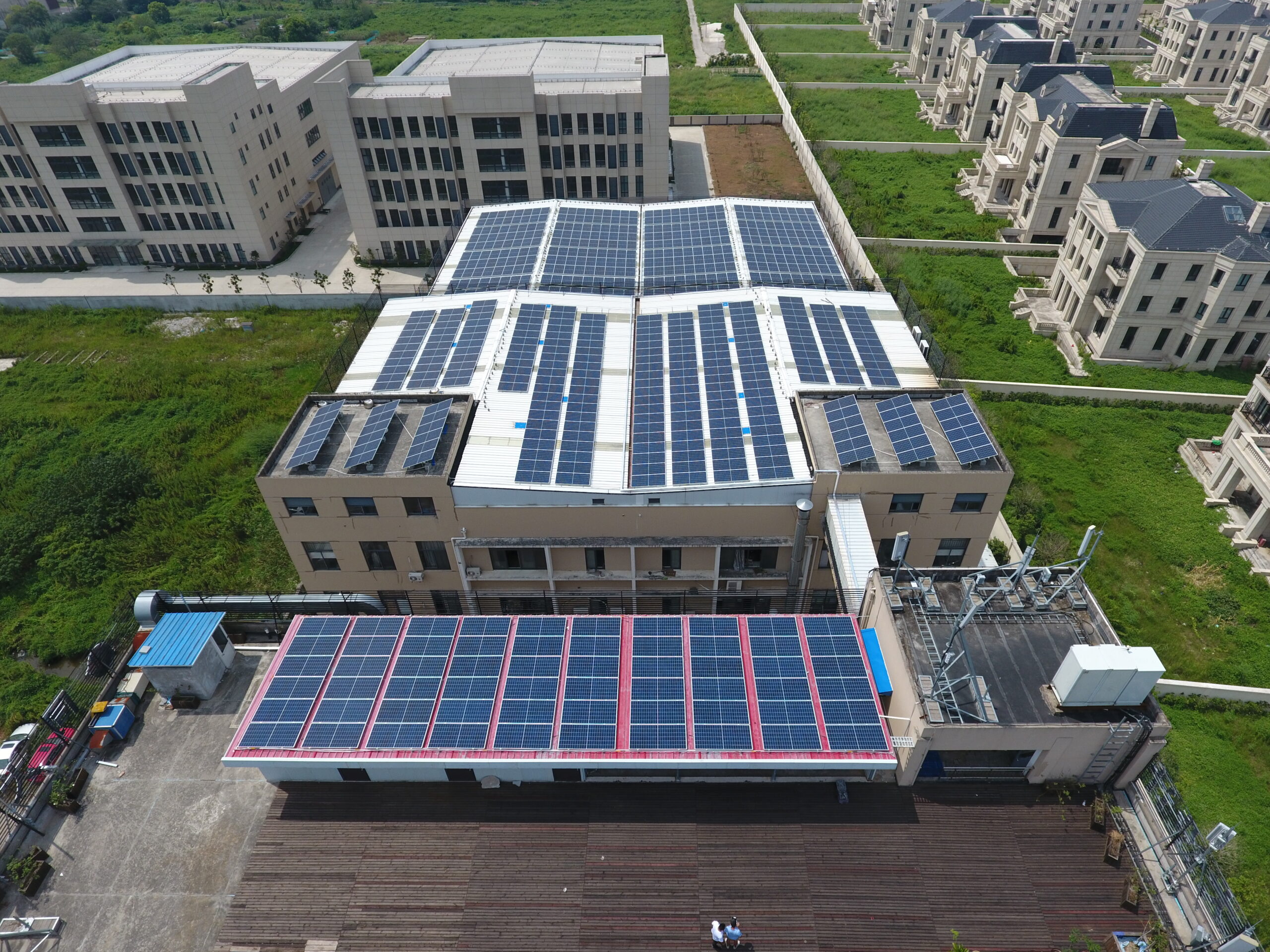
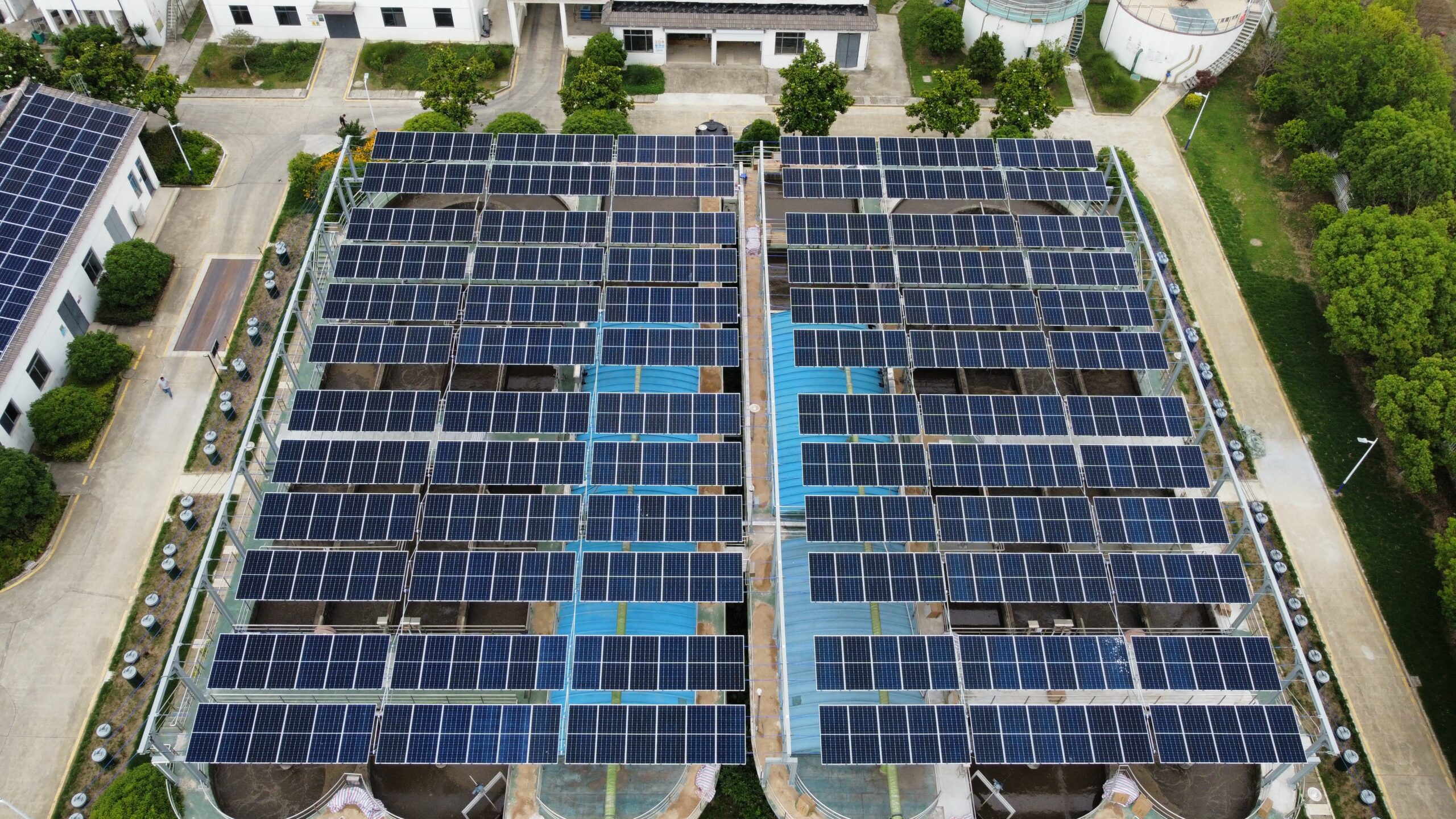
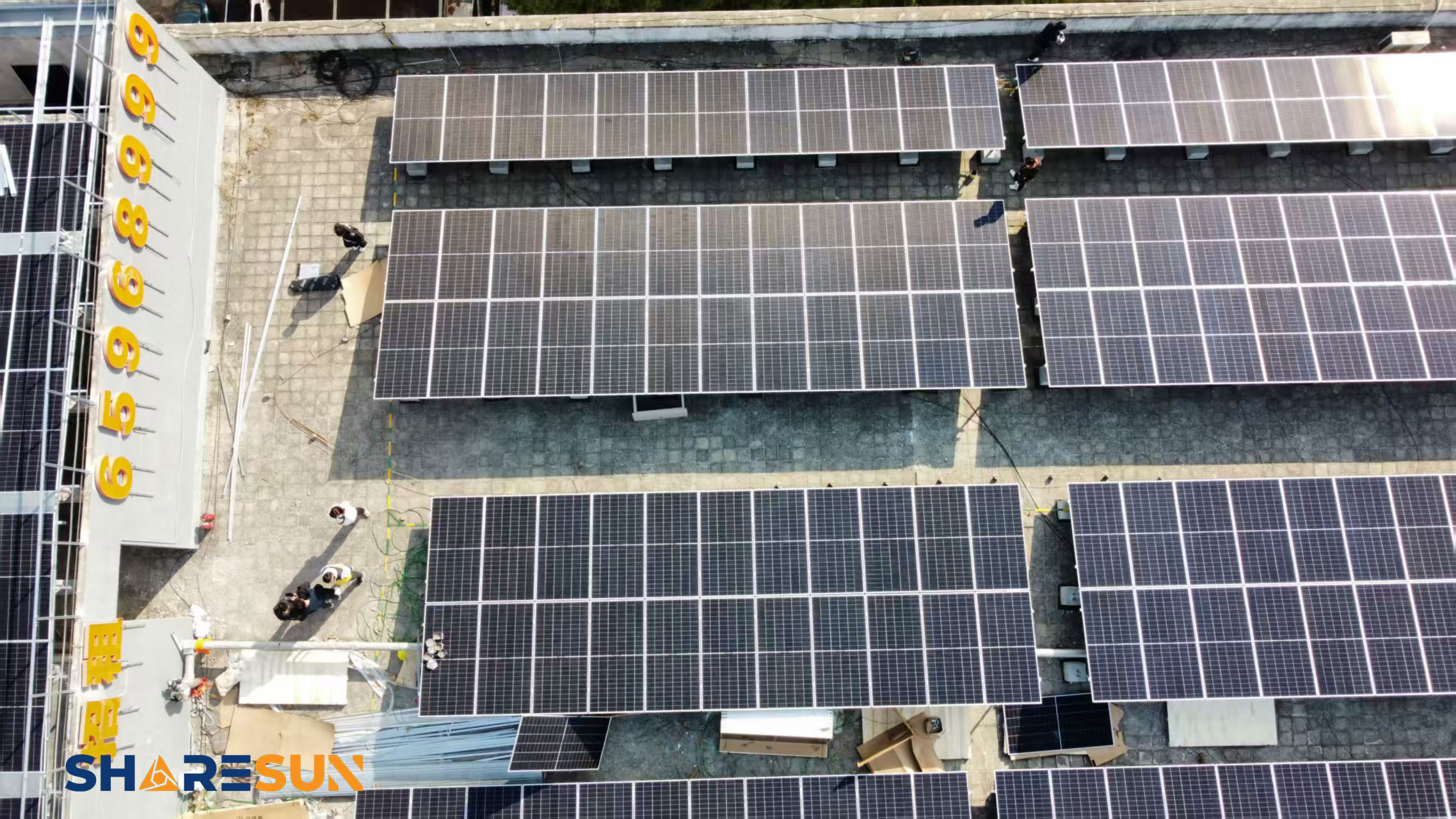
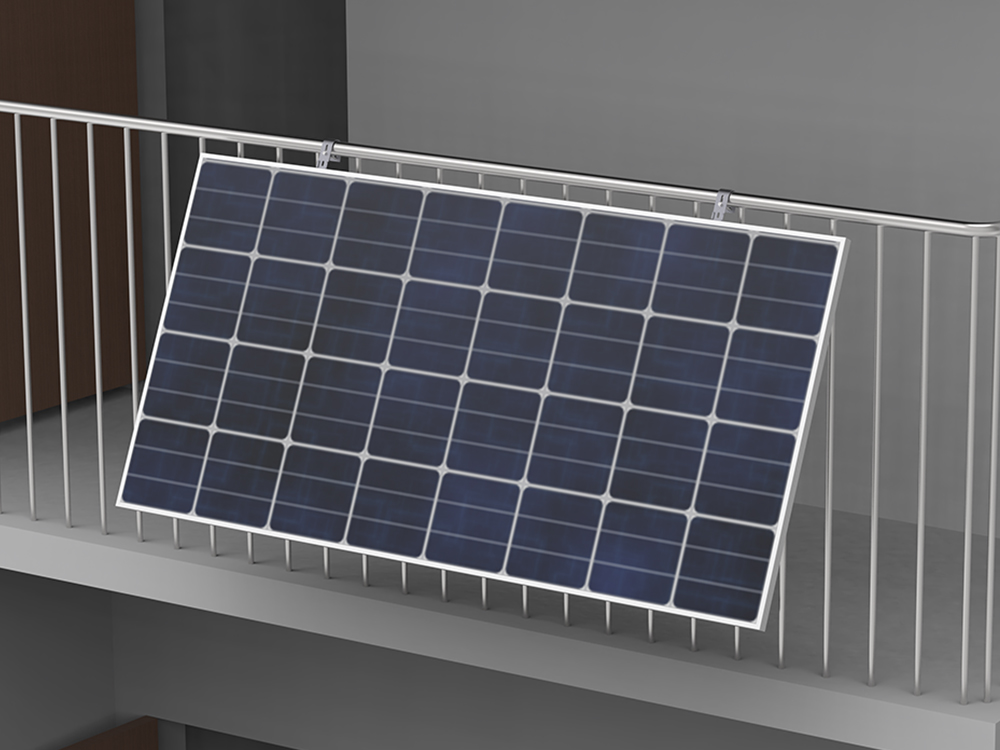
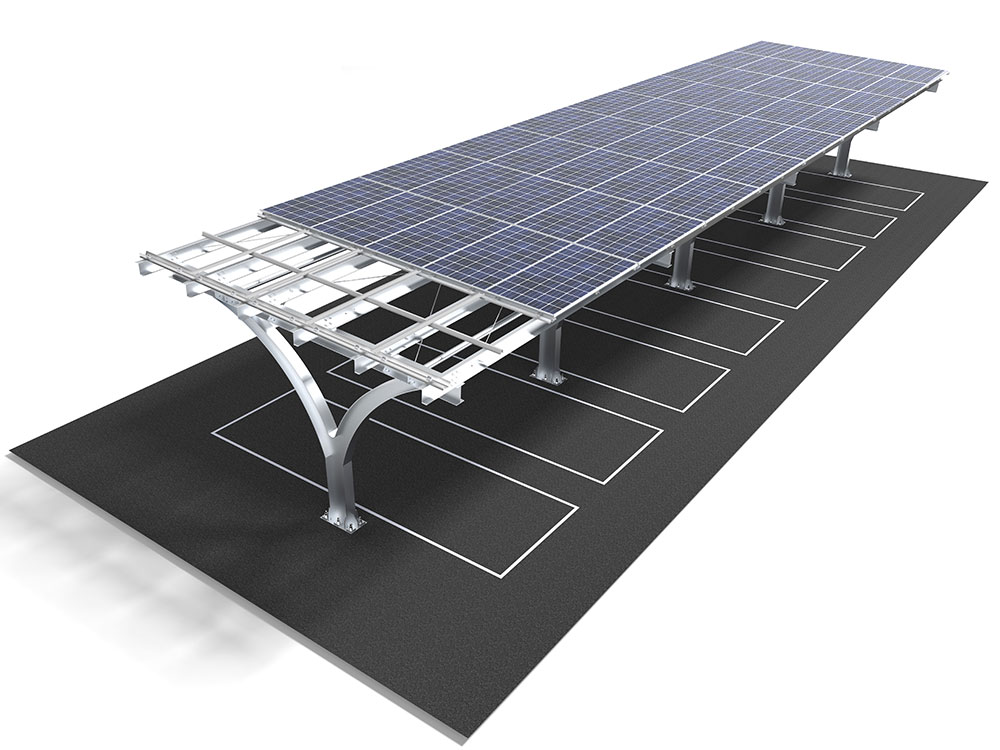
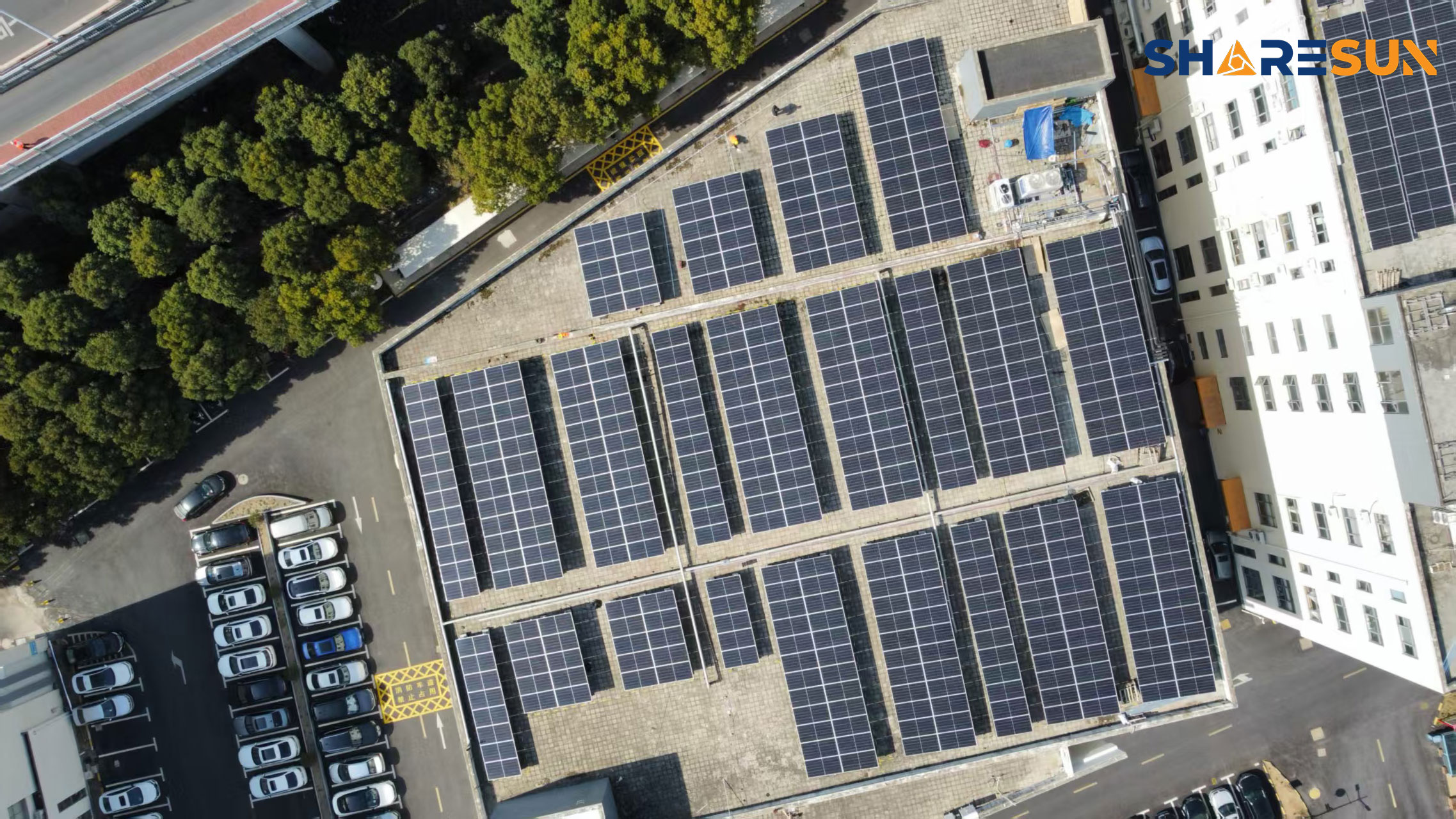
Mount selection fundamentally depends on your installation scenario. The most common scenarios are rooftop and ground-mounted installations. If you plan to install on your home’s roof, the roof type directly determines the mount’s base configuration. As mentioned earlier, corrugated metal roofs typically use clamp-style mounts that grip the roof panels directly with metal clamps—no drilling required, effectively preserving the roof’s waterproofing. Flat concrete roofs, however, commonly employ ballast-style mounts secured with concrete weights or penetrating chemical anchors. For pitched tile roofs (such as clay or glazed tiles), specialized hooks or clamps are required. Therefore, before selecting mounting systems, first clarify your installation site conditions and consult professionals for an on-site assessment.
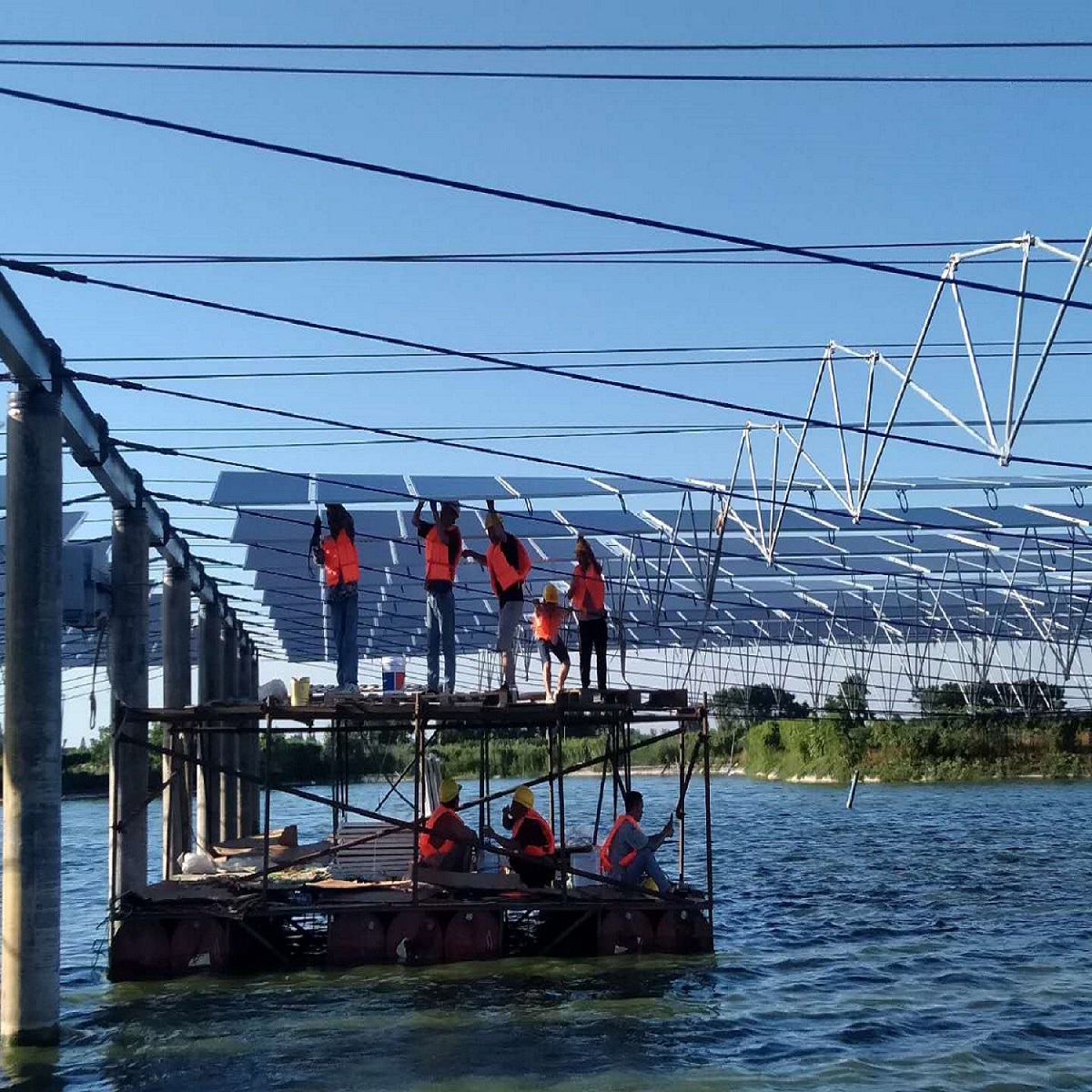
Consider local environmental factors, particularly climate conditions. In areas with high winds, coastal salt spray, or intense UV exposure, wind resistance and corrosion resistance are paramount. In such cases, prioritize brackets made from high-strength steel (e.g., Q235B, Q355B) treated with hot-dip galvanization or aluminum-magnesium-zinc coating, offering a service life exceeding 25 years. For snow-prone regions, consider the bracket’s load-bearing capacity and appropriate tilt angle design to facilitate snow shedding.
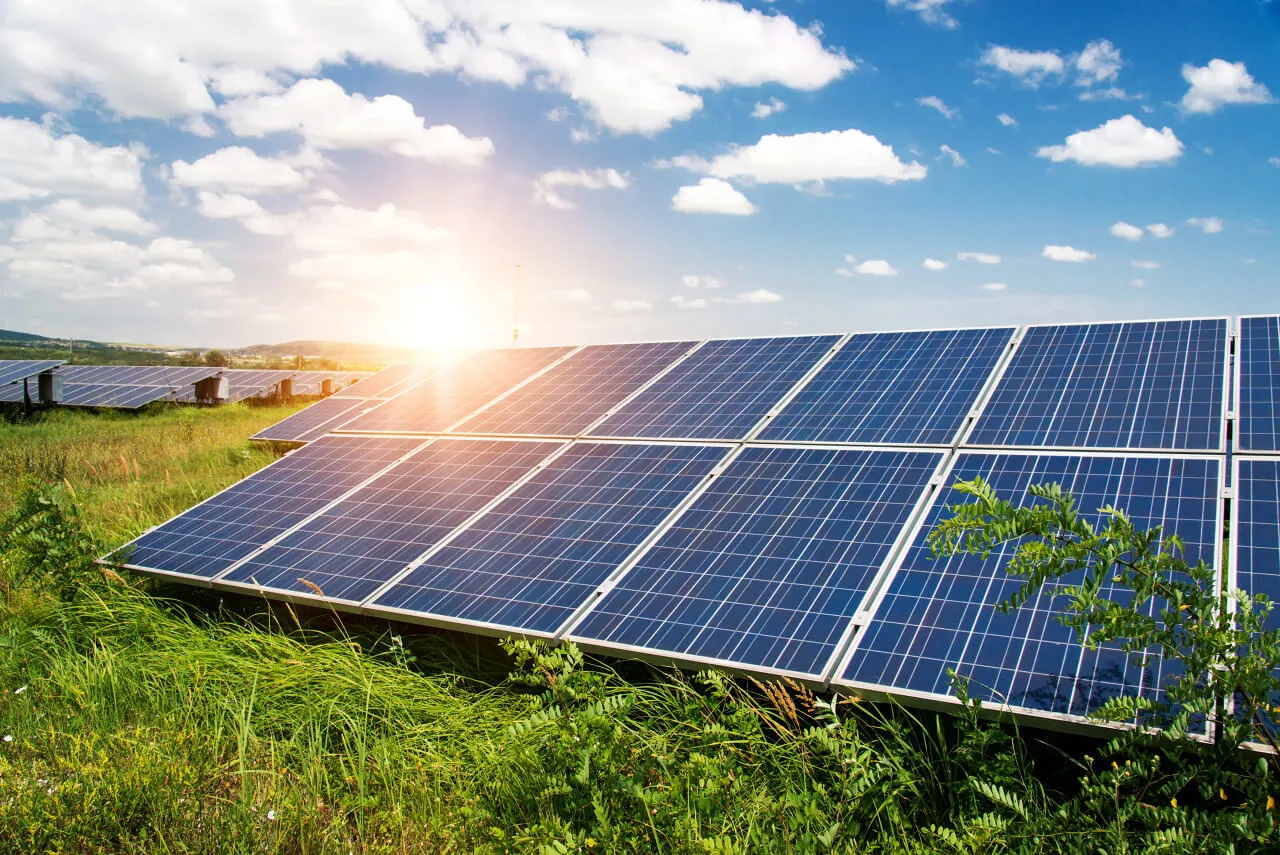
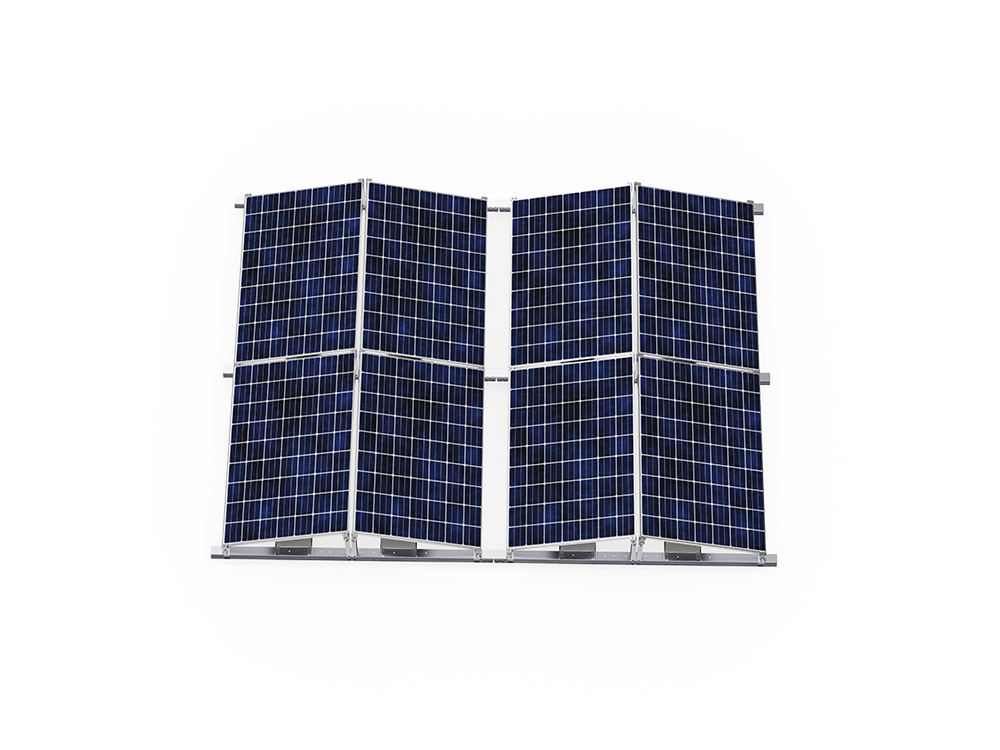
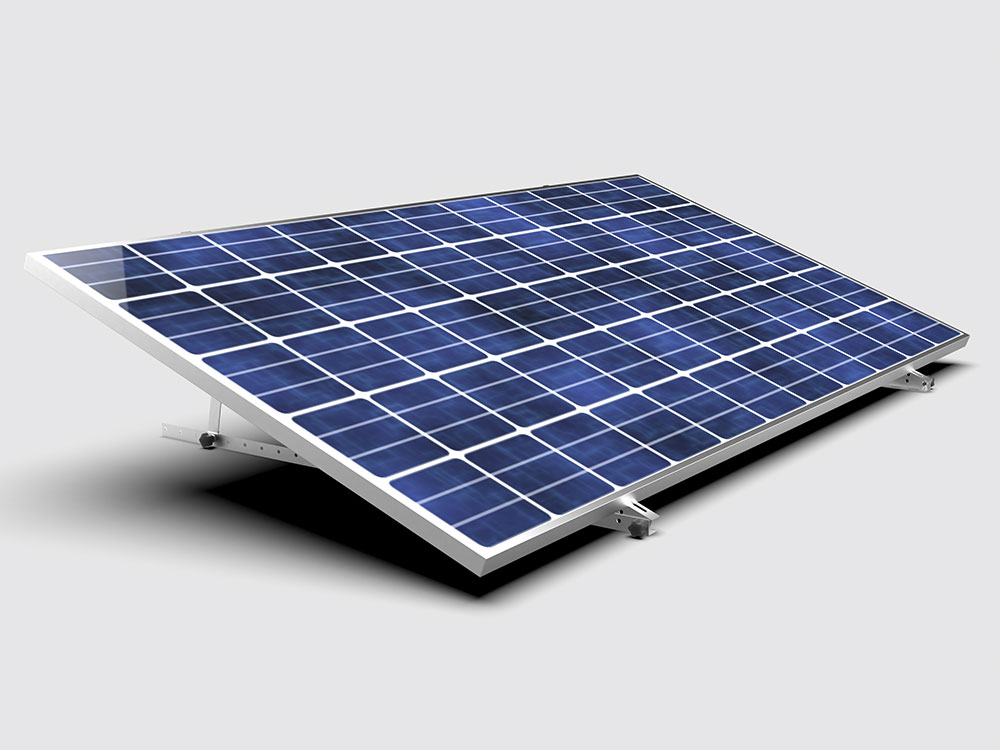
Finally, a reasonable budget is a practical consideration. Mounting costs typically account for 5%-15% of total solar system investment. Fixed mounts (non-adjustable tilt) offer the lowest cost, most mature technology, and widest application. Adjustable-angle mounts and single-axis tracking systems can optimize sunlight incidence to increase power generation (by approximately 5%-30%), but come with higher initial investment and maintenance costs. For most residential users, selecting certified, reliable fixed-mount brackets offers the best cost-performance ratio.
A dependable mounting solution must balance safety, durability, and economic efficiency. If uncertainty persists, the most direct approach is to engage multiple qualified solar system integrators with proven track records for on-site assessments and customized designs. Request detailed comparative proposals tailored to your specific roof conditions, electricity needs, and budget. Remember, solar mounting systems form the “skeleton” of your system. Never compromise quality for low cost. A solid design and reliable installation are the fundamental guarantees for your solar power plant’s stable energy production and returns over the next twenty-five years.
To learn more about this topic, click here: Contact Us