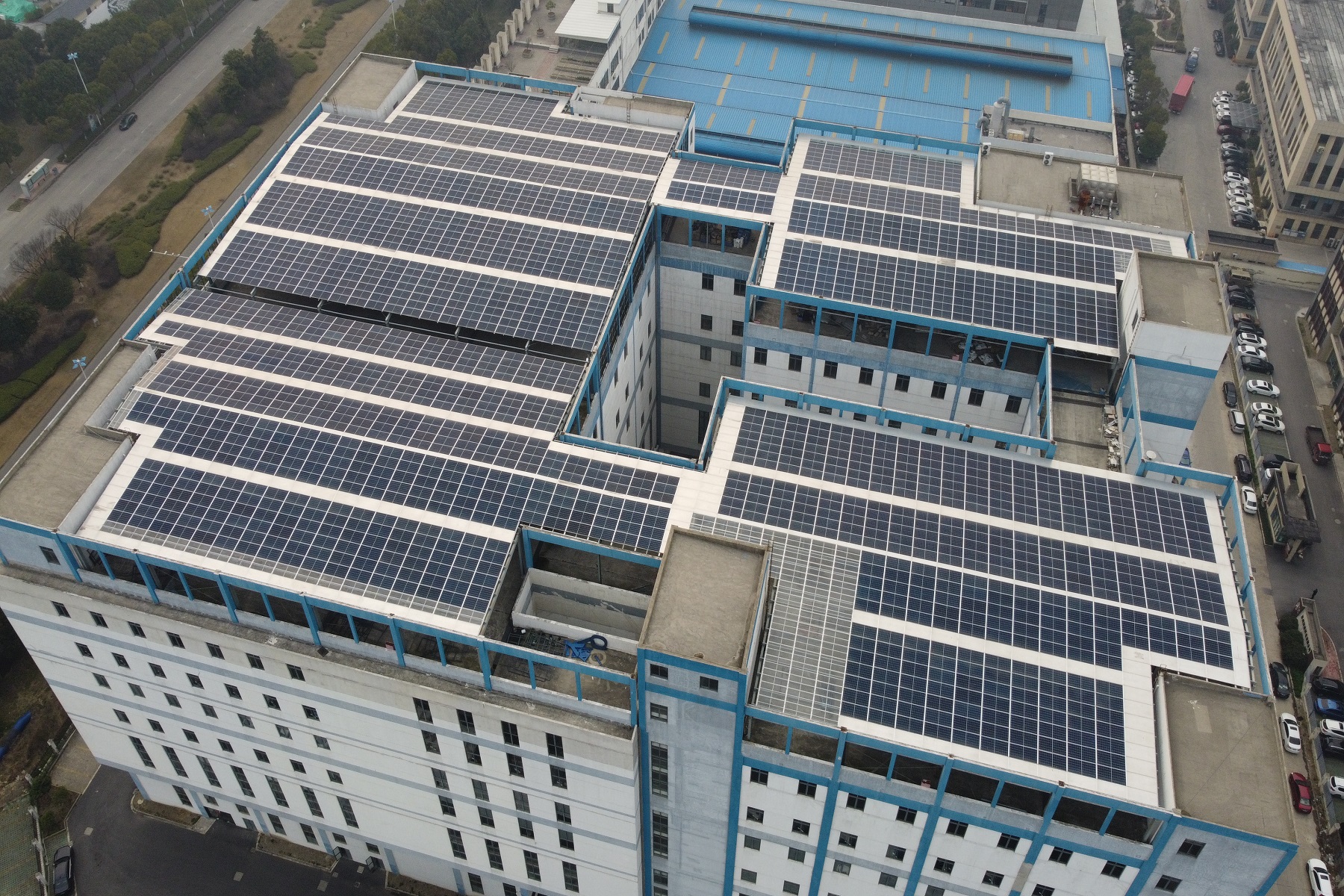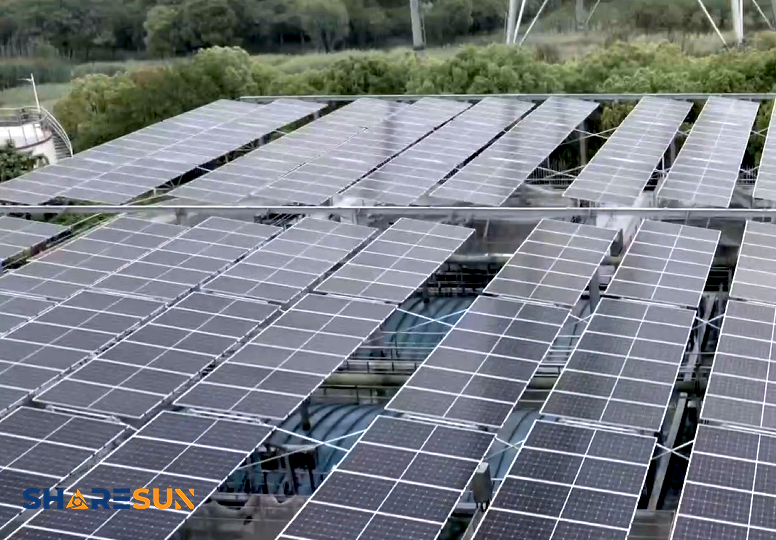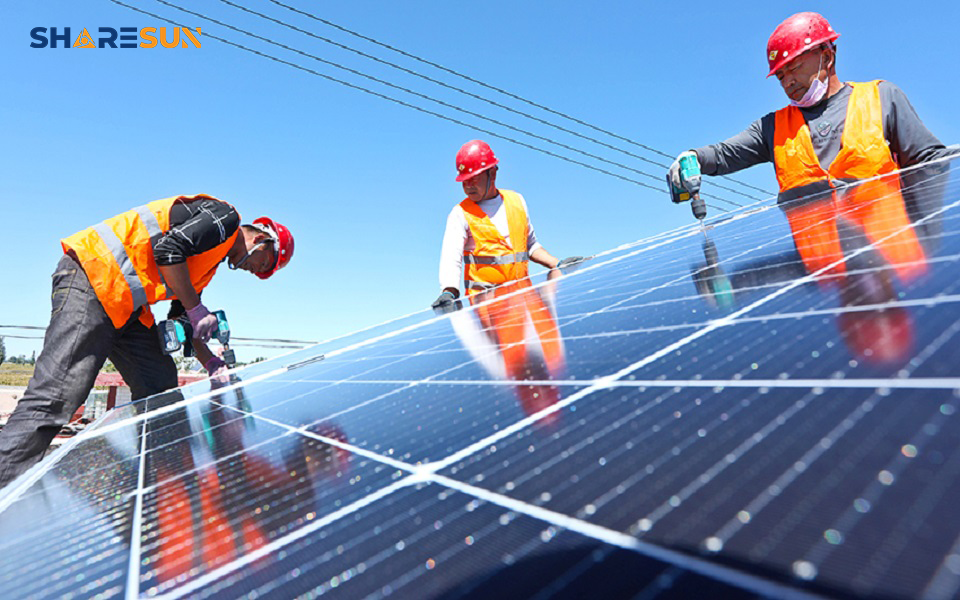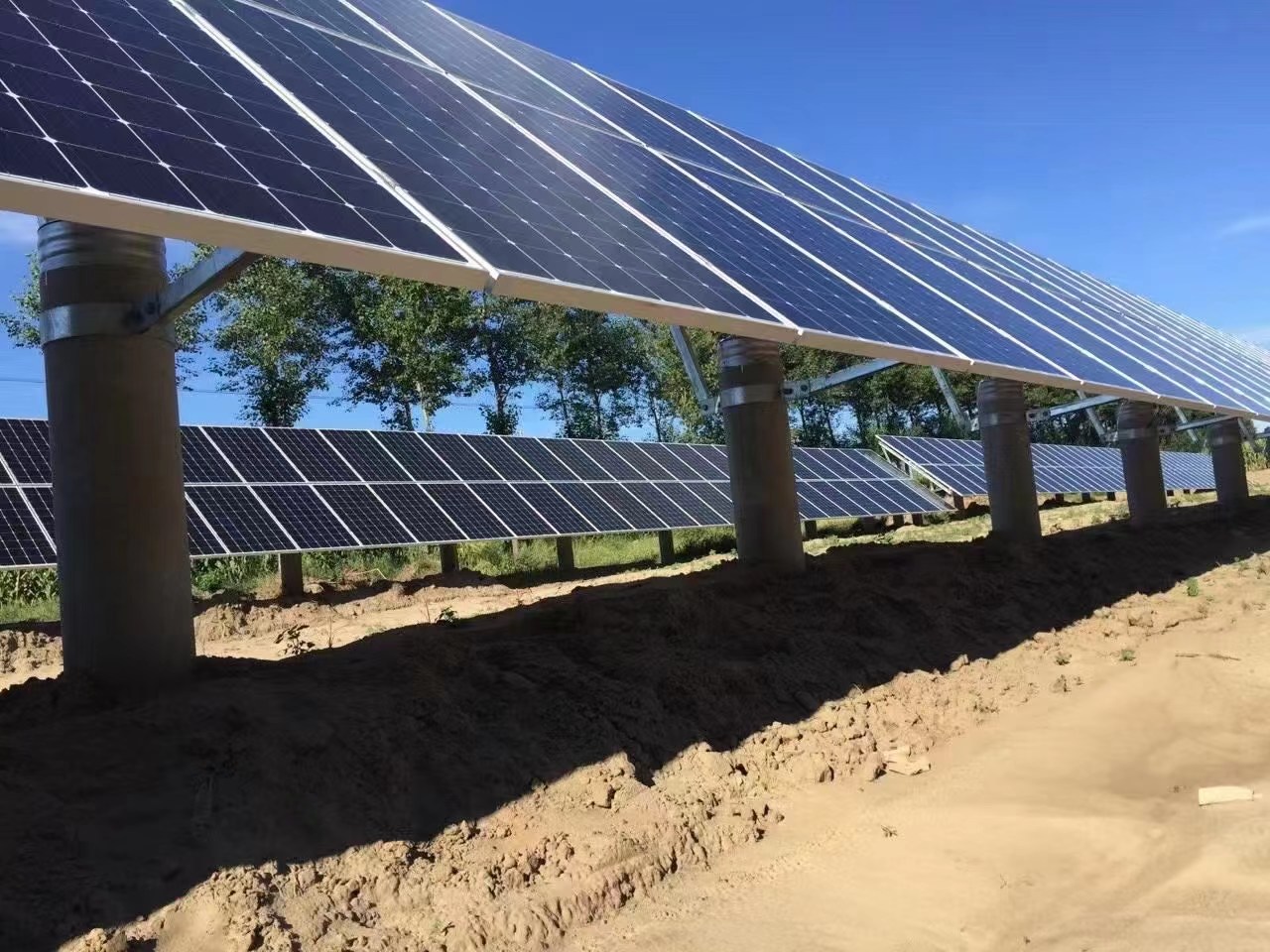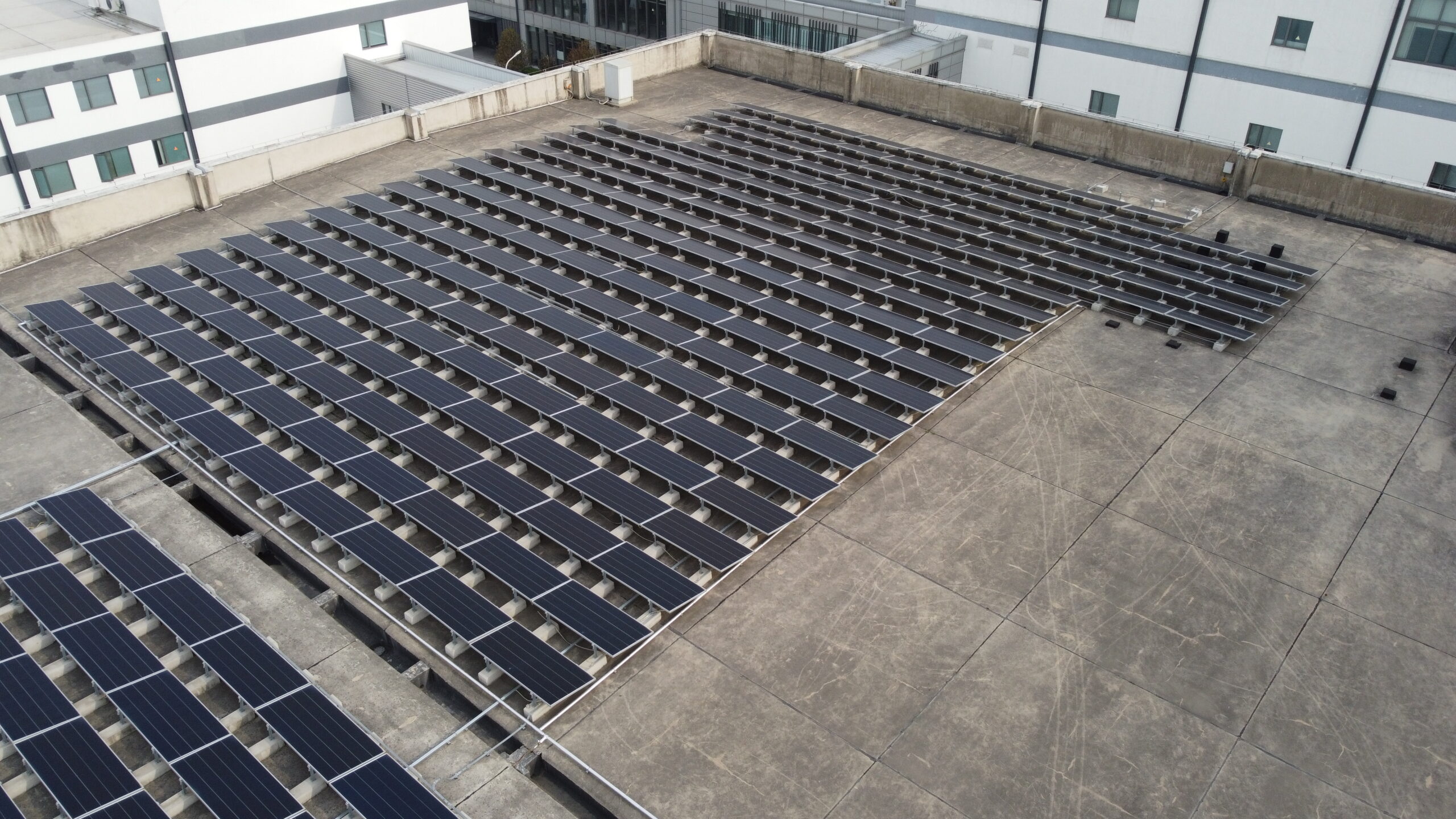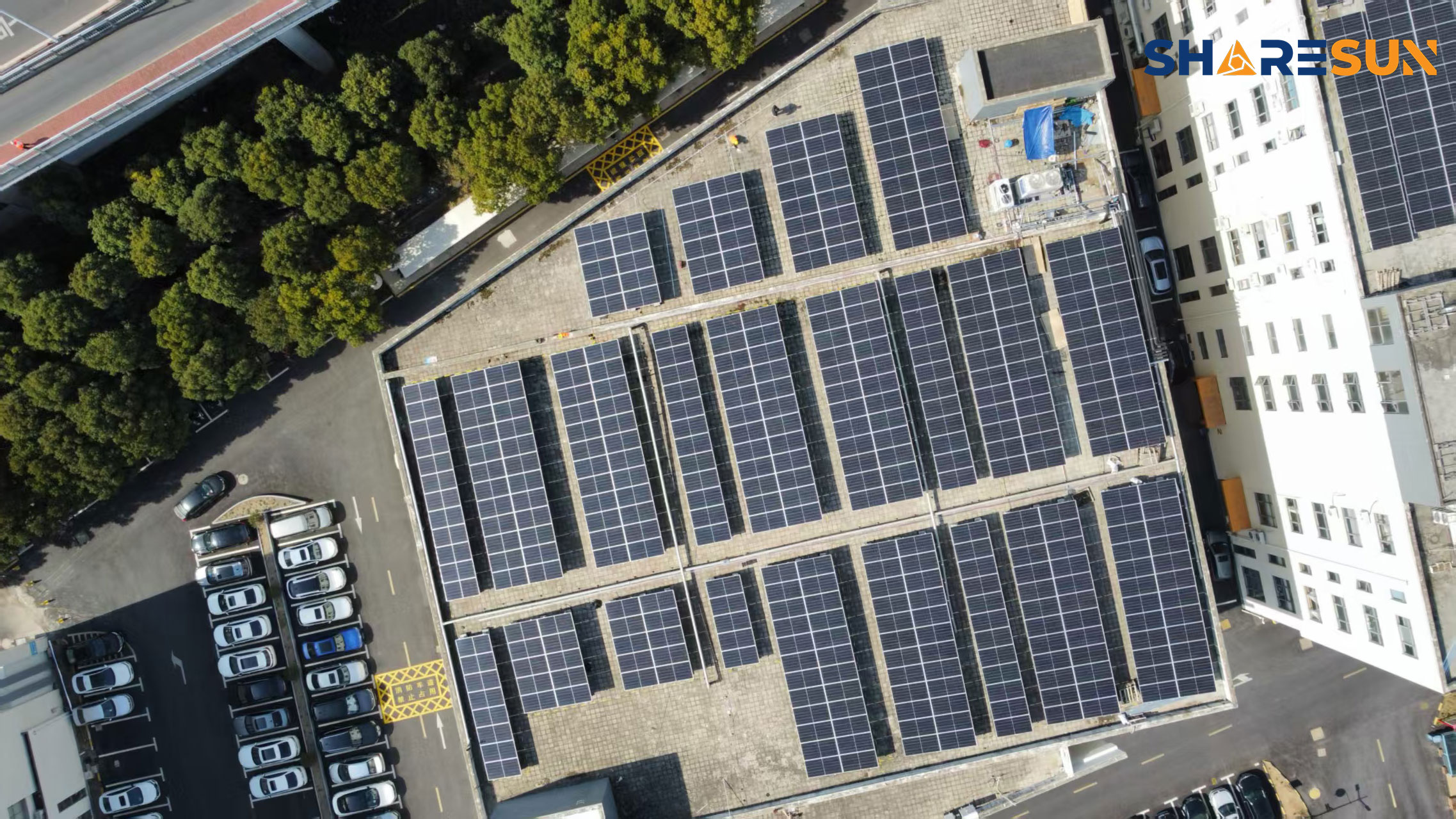
Solar mounting systems are key parts of solar power setups. Their price depends on many factors. Knowing these can help you make smarter buying choices and manage project costs.
1. Raw Material Costs
Solar racks are mainly made from steel or aluminum. Price changes in these metals affect production costs directly. If global steel or aluminum prices rise, solar rack prices also go up. Aluminum racks usually cost more than steel ones. But they are lighter and resist rust better.
2. Production Technology
How the rack is made changes its price. Advanced methods, like hot-dip galvanizing, cost more upfront. But they make the rack last longer and fight corrosion better. Solar tracking systems that follow the sun cost much more than fixed racks. Automated production lines make more consistent quality but need big investments.
3. Type and Design
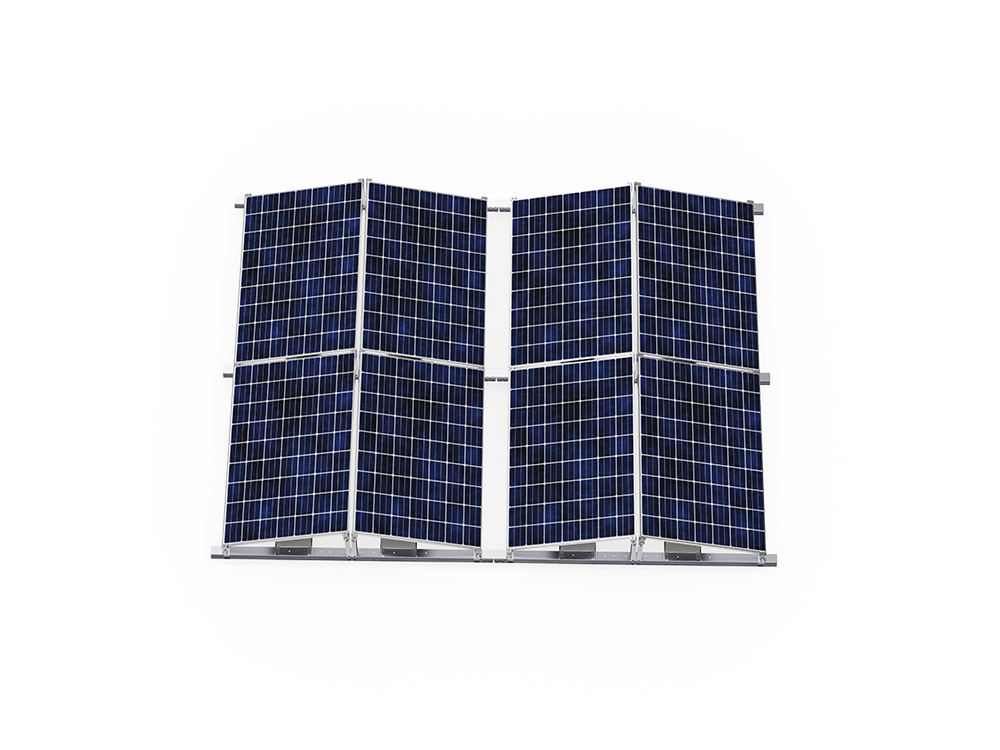
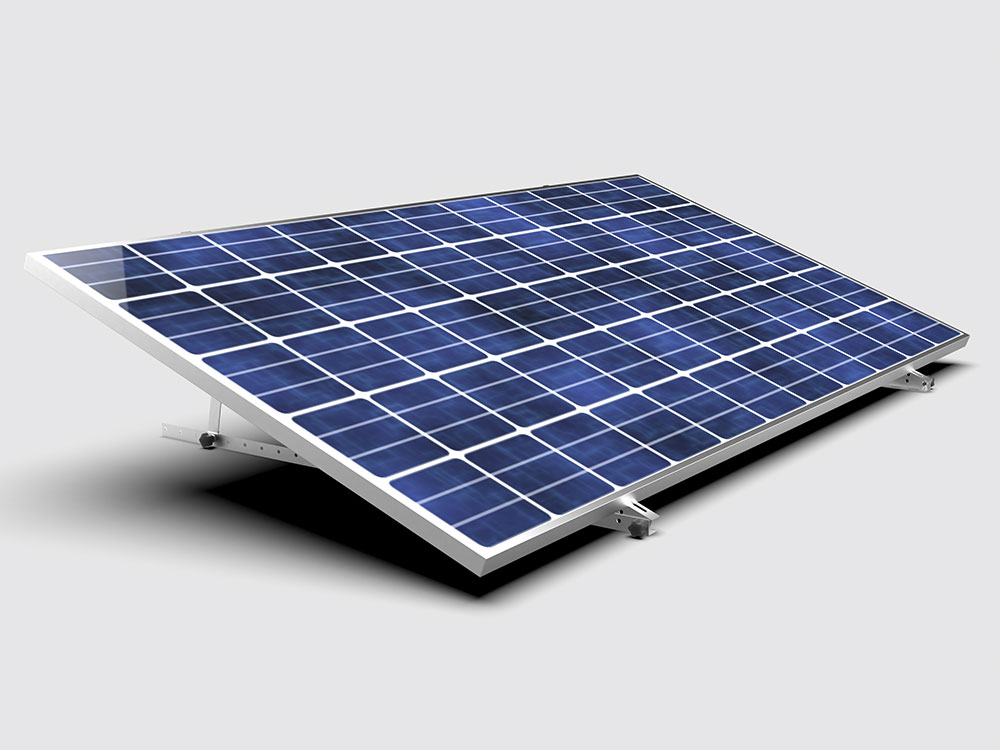
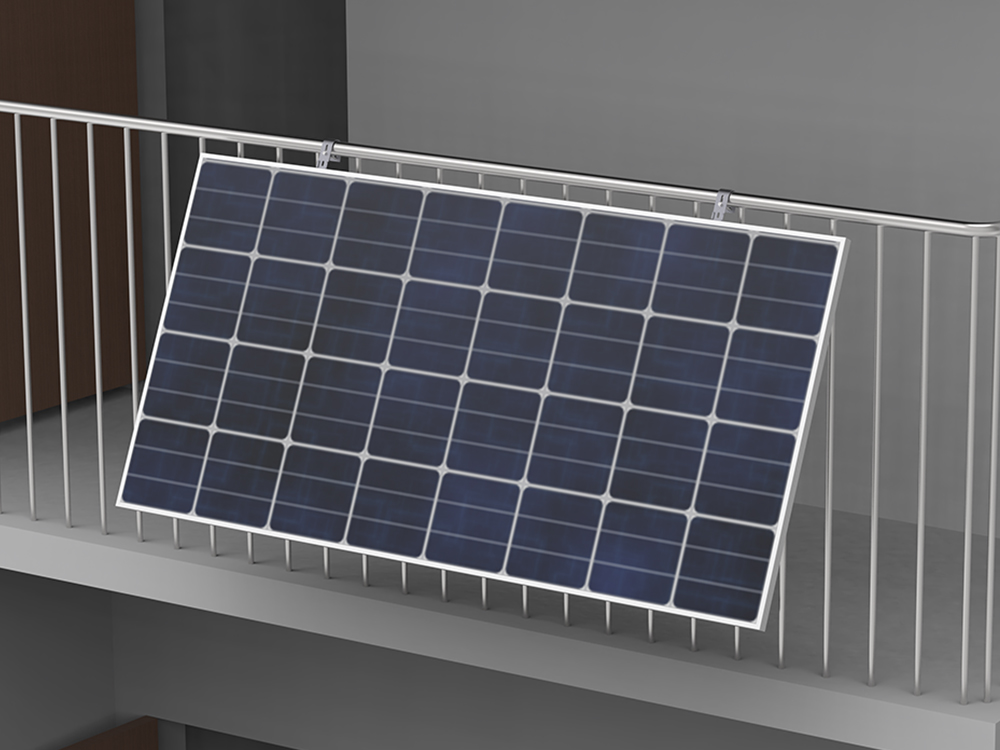
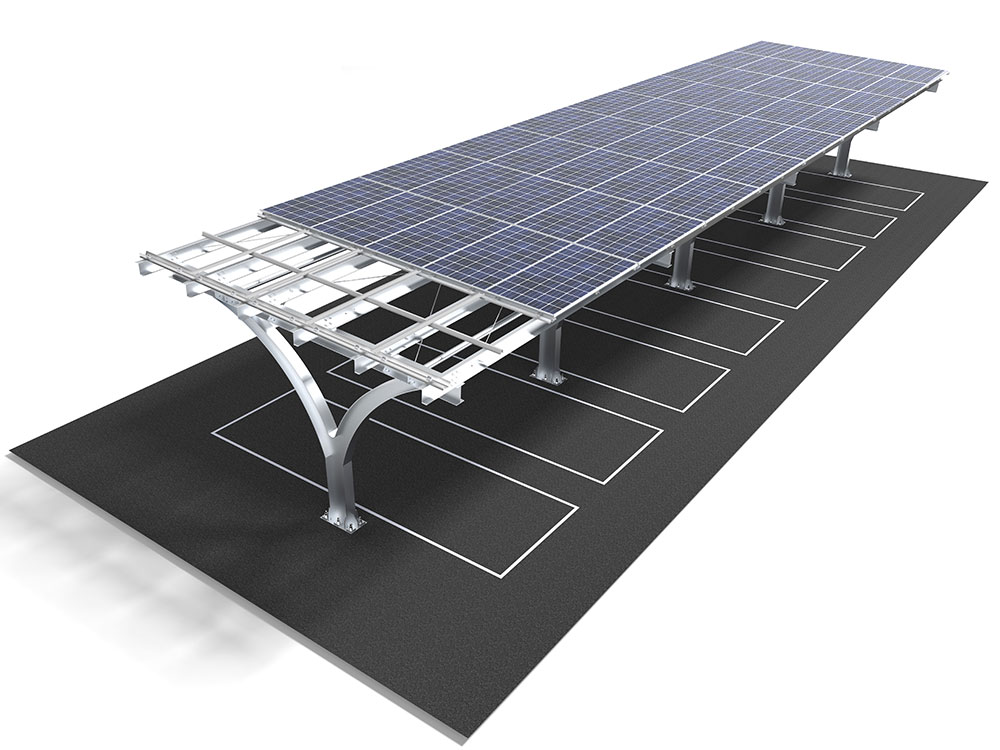
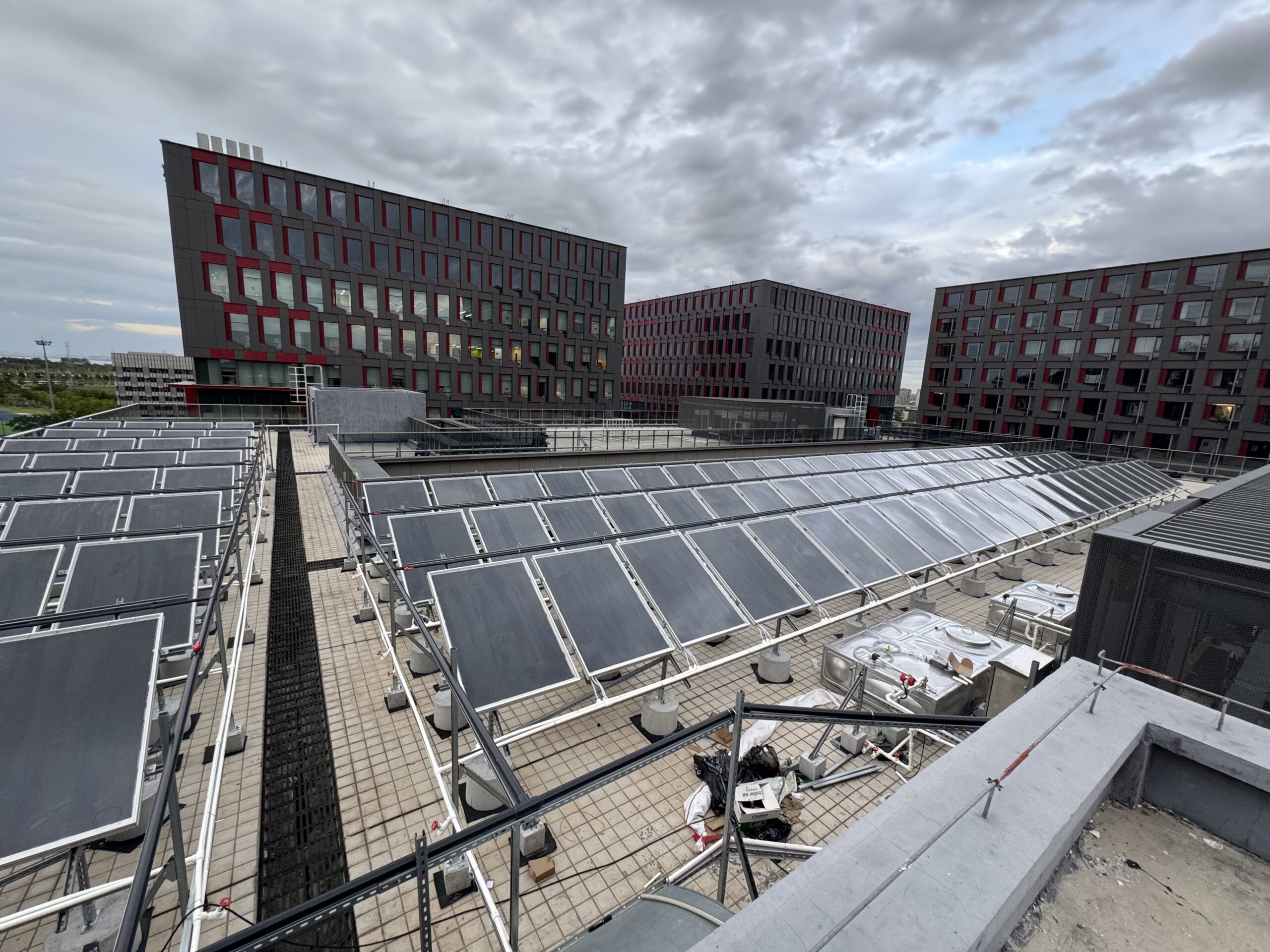
There are many solar rack types: for roofs, ground, or tracking systems. Design complexity and material use vary, so prices differ. Fixed racks have a simple design and lower price. Single-axis or dual-axis trackers have extra parts and controls. They often cost 30%-50% more. Stronger designs that handle heavy wind or snow need more material and cost more.
4. Project Size & Order Quantity
Bigger orders usually get better prices. Large solar projects can ask for bulk discounts. Small projects or single buys pay more per unit. Shipping distance and site location also affect the final cost. Hard-to-reach sites cost more for delivery and setup. Standardized products are often cheaper due to mass production.
5. Market & Policy
Solar industry trends and government rules also change prices. High demand can push prices up. Low demand can bring them down. Local subsidies, import taxes, and environmental rules change the final price for buyers. For example, some countries help local solar makers with subsidies. Changes in global trade can raise material costs and affect rack prices too.
Conclusion
Solar rack prices depend on materials, production, design, project size, and market factors. Choose based on your project’s real needs. Look for the best value, not just the lowest price. A good choice controls your initial cost and reduces long-term maintenance. It also improves your whole solar system’s quality.