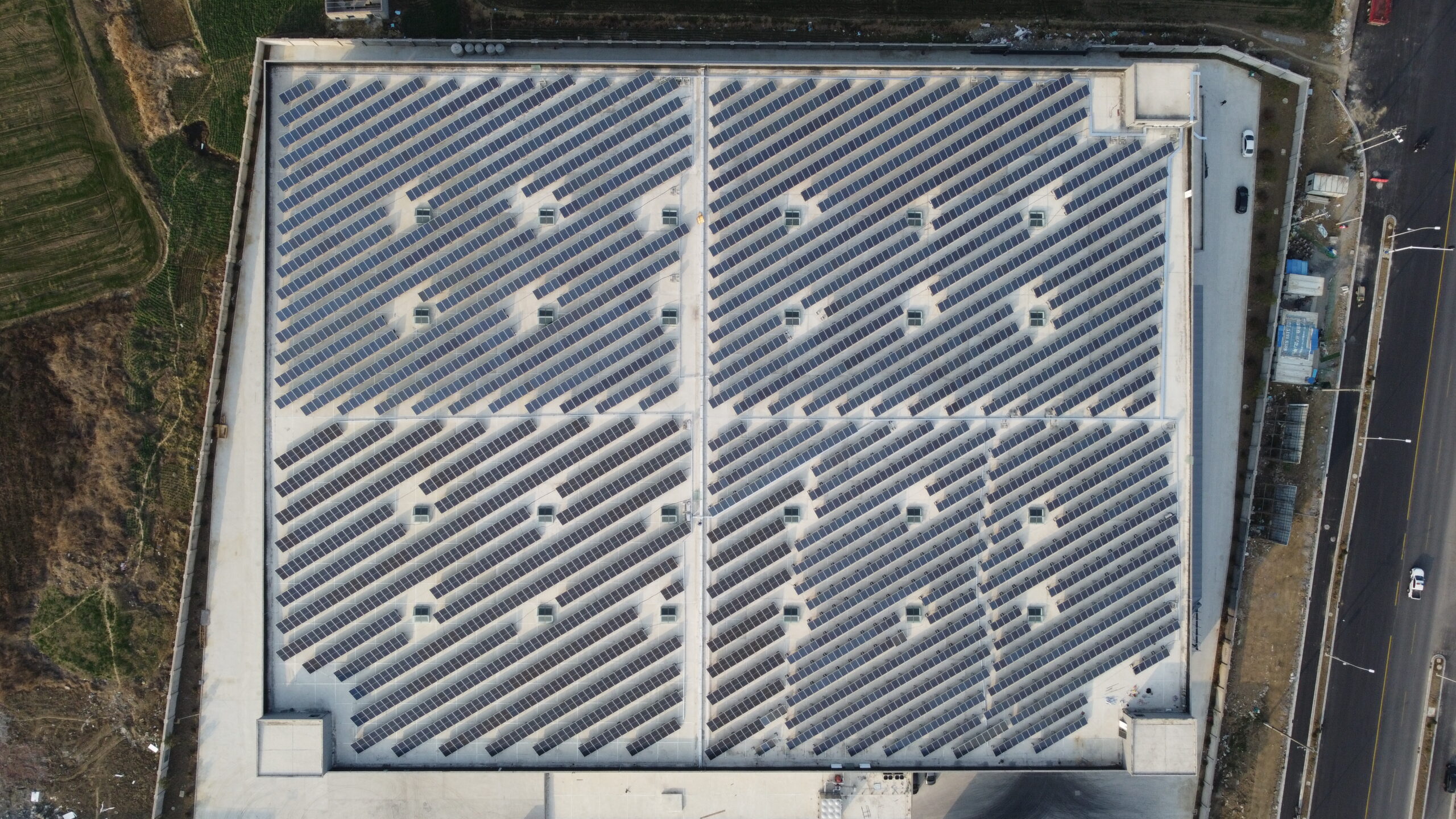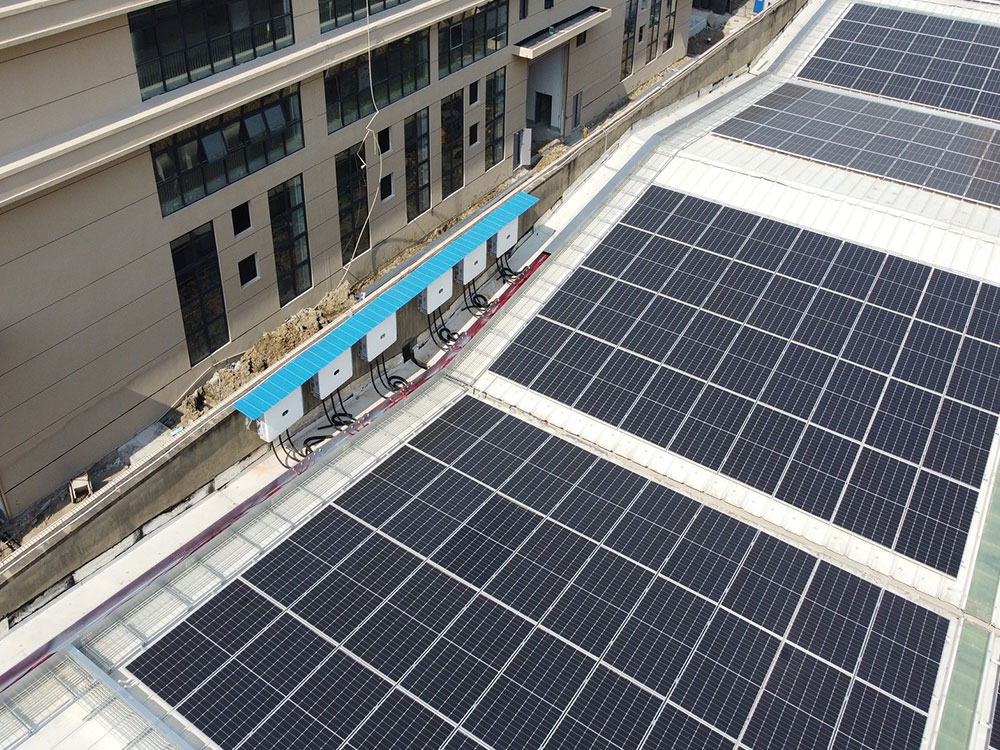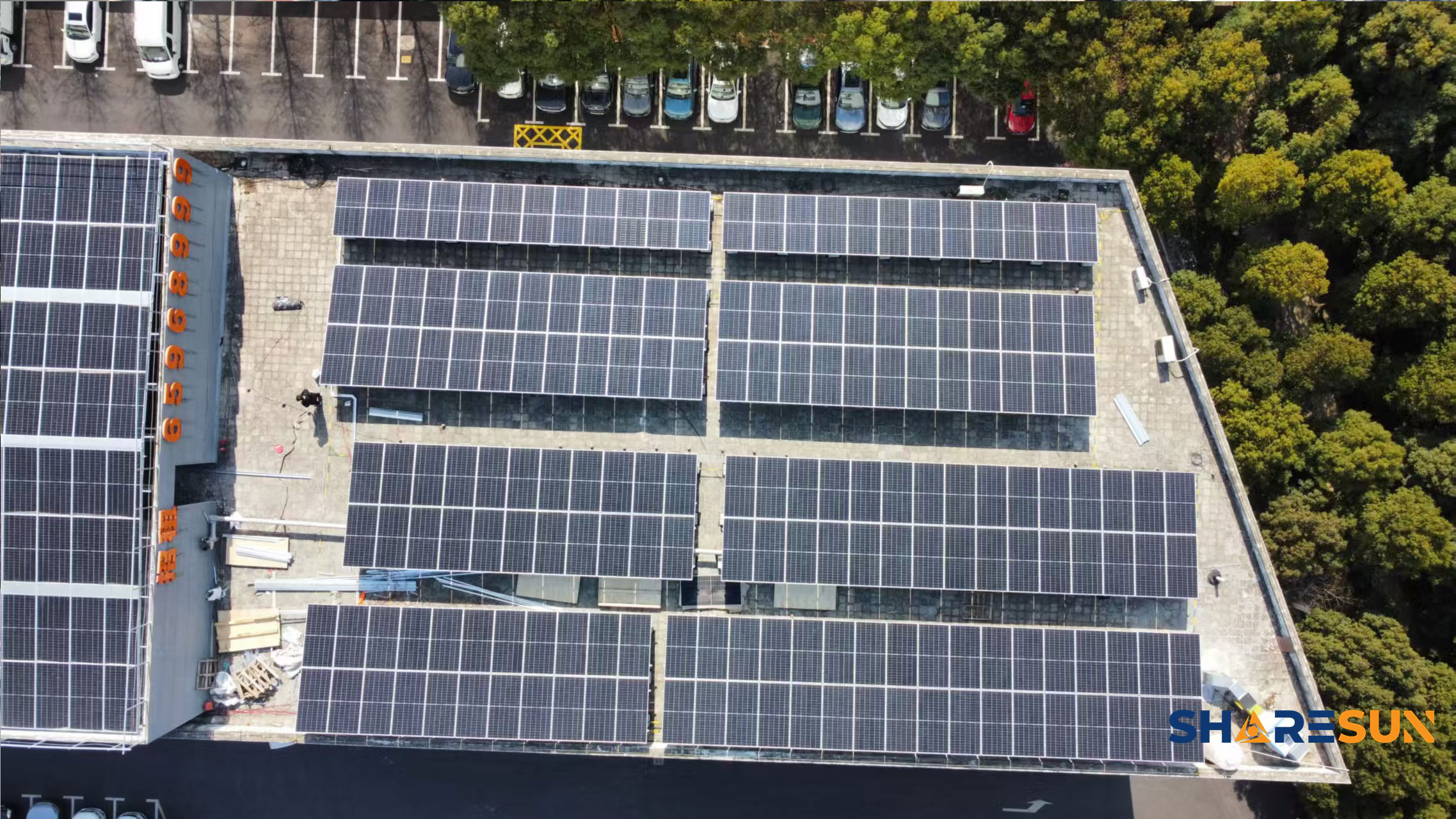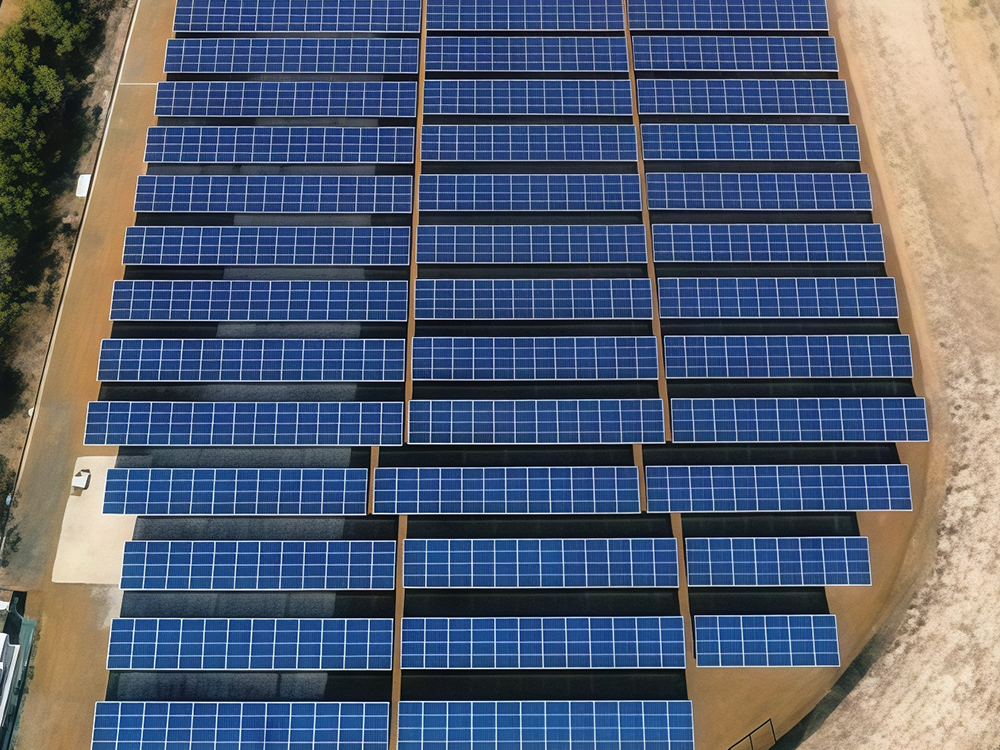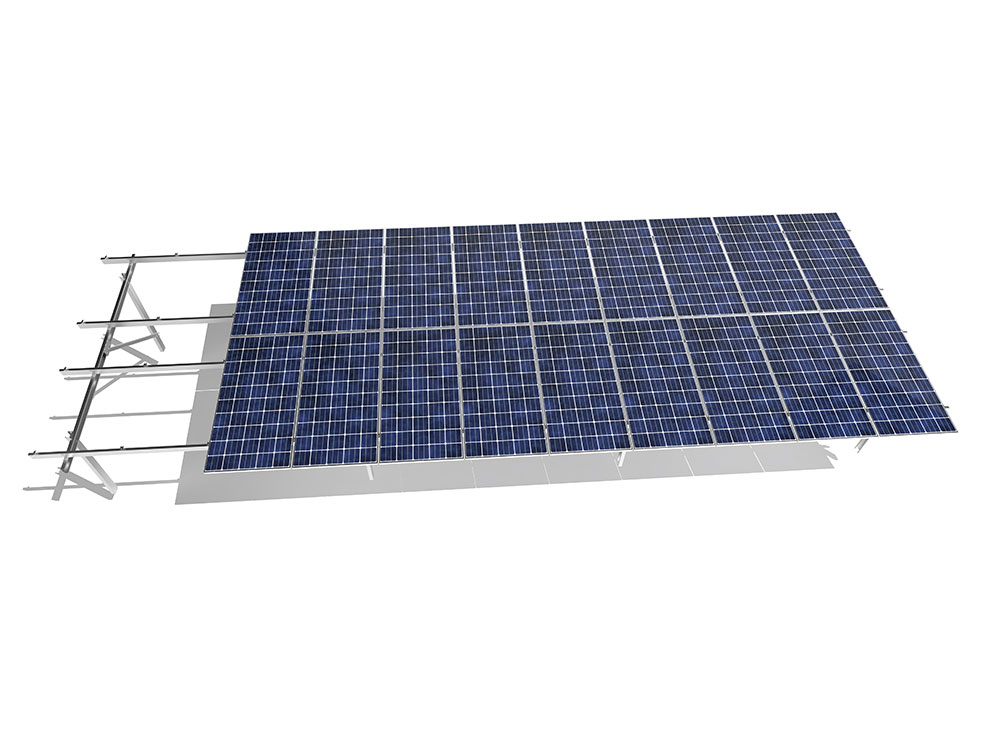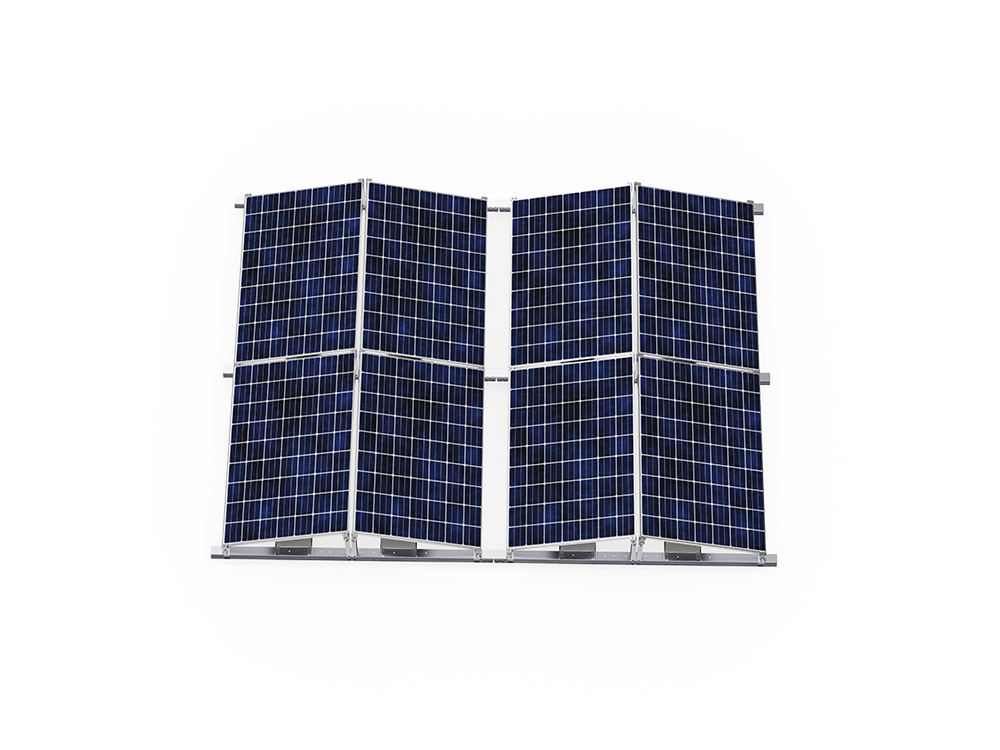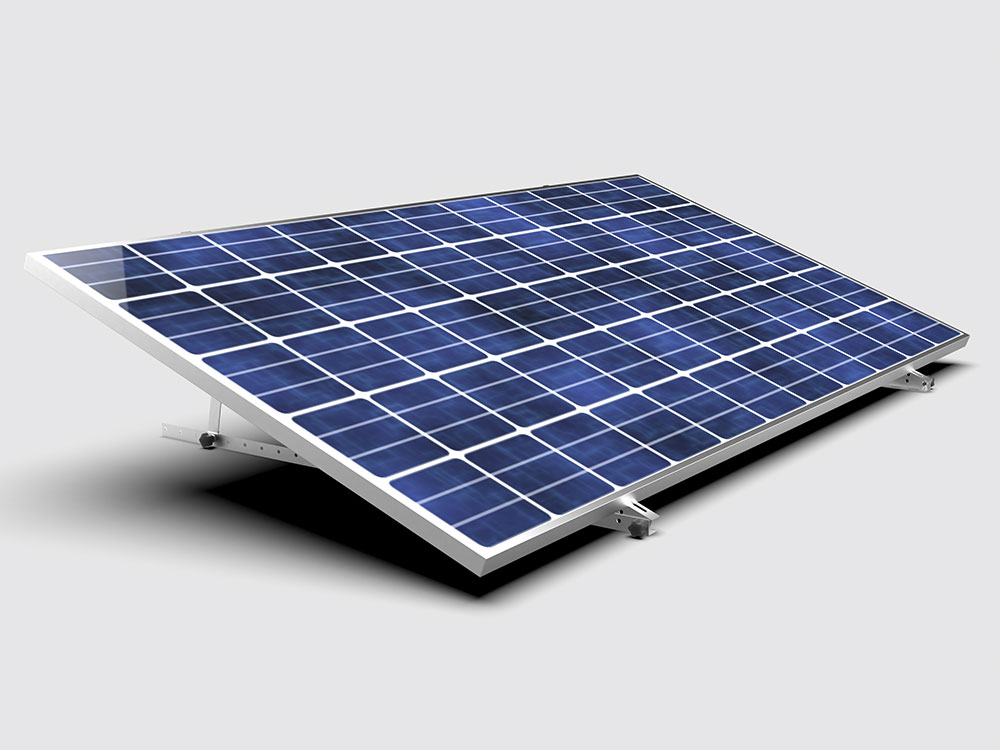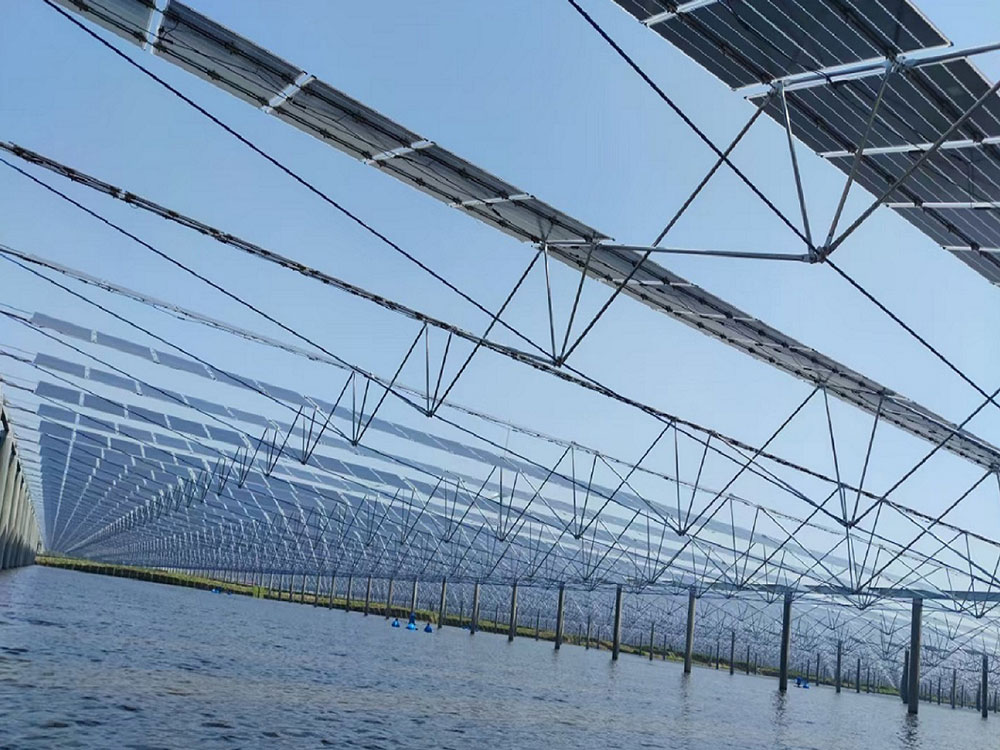
Simply put, a cable structure solar mounting system is a technical solution that uses steel cables to support solar panels instead of traditional rigid brackets. Unlike conventional mounting systems, which require numerous posts and beams, this system utilizes the tension of the cables to form a stable support surface. While this structure may sound somewhat unique, where exactly is it suitable for use?
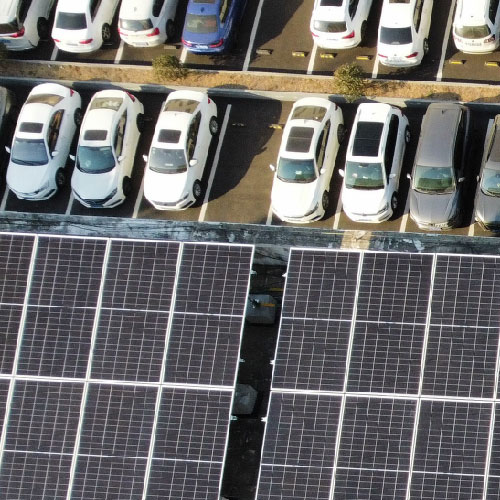
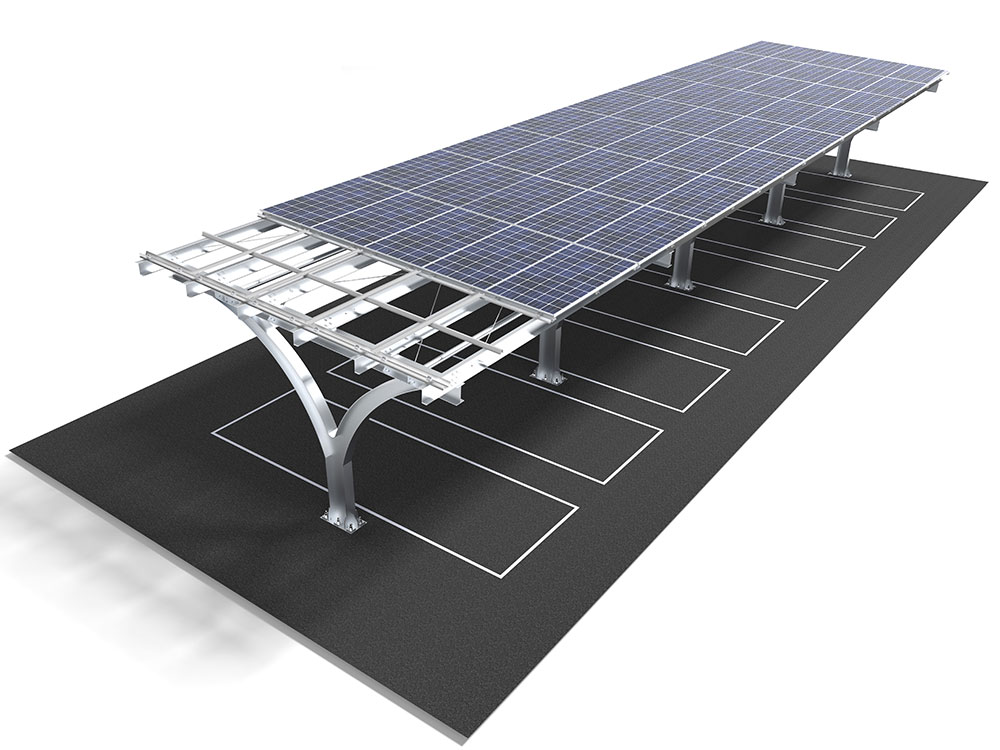
First and foremost, the most obvious candidates are various large-span sites. For example, at wastewater treatment plants, landfills, and large parking lots, there are often equipment, vehicles, or special ground conditions beneath the surface that make it impossible to densely install piles. cable structure solar mounting systems allow for sparse column placement, spanning tens or even dozens of meters, with solar panels suspended overhead while normal operations continue below. Covering the tanks at a wastewater treatment plant with a layer of solar panels generates electricity, provides shade, and reduces algae growth—a win-win-win situation.
Another ideal application is in mountainous and hilly areas. With uneven ground and steep slopes, traditional mounting systems are extremely difficult to install, requiring significant earthwork and resulting in high costs. cable structure structures are highly adaptable to terrain; the steel cables can follow the natural contours of the land, allowing for flexible placement of support columns without the need to level the ground. As a result, solar panels can be installed on many slopes that were previously considered “unsuitable,” significantly improving land use efficiency.
Agricultural greenhouses and livestock farms are also ideal applications for cable structure solar mounting systems. Whether for mushroom cultivation, shrimp farming, or flower cultivation, many agricultural facilities require shade and temperature control. cable structure structures can be elevated to heights of three to four meters or more, allowing agricultural machinery to operate freely beneath them while ensuring unobstructed ventilation—all without disrupting normal production. The electricity generated by the solar panels can be directly used for greenhouse irrigation, ventilation, and supplemental lighting, or fed into the grid for sale, providing tangible benefits to farmers.
Another scenario worth mentioning involves ecologically fragile areas or regions requiring protection of the original ground surface. For example, in mine reclamation sites, desert fringes, and grasslands, traditional construction methods—such as excavating foundations and pouring concrete—cause significant land disturbance. cable structure structures require fewer piles, resulting in minimal surface damage during construction; some can even utilize screw piles, a foundation type that causes minimal soil disturbance. For projects requiring “minimal construction footprint,” cable structure structures offer clear advantages.
Of course, cable structure solar mounting systems are not a one-size-fits-all solution. They also have some limitations, such as higher demands on design and construction—cables require pre-tensioning, and installation precision must be strictly controlled. Additionally, in areas with extremely high winds or heavy snow accumulation, careful structural analysis is necessary; they cannot be used indiscriminately. However, in the scenarios mentioned earlier, their advantages are indeed significant.
In summary, if your project has the following characteristics—large site spans, uneven ground or the inability to drive piles densely, the need to preserve functional space below, or a desire to minimize ground disturbance—cable structure solar mounting systems are worth serious consideration. While not a new concept, they have proven to be a practical and reliable choice in an increasing number of real-world projects.
For more professional advice, click here: Contact Us