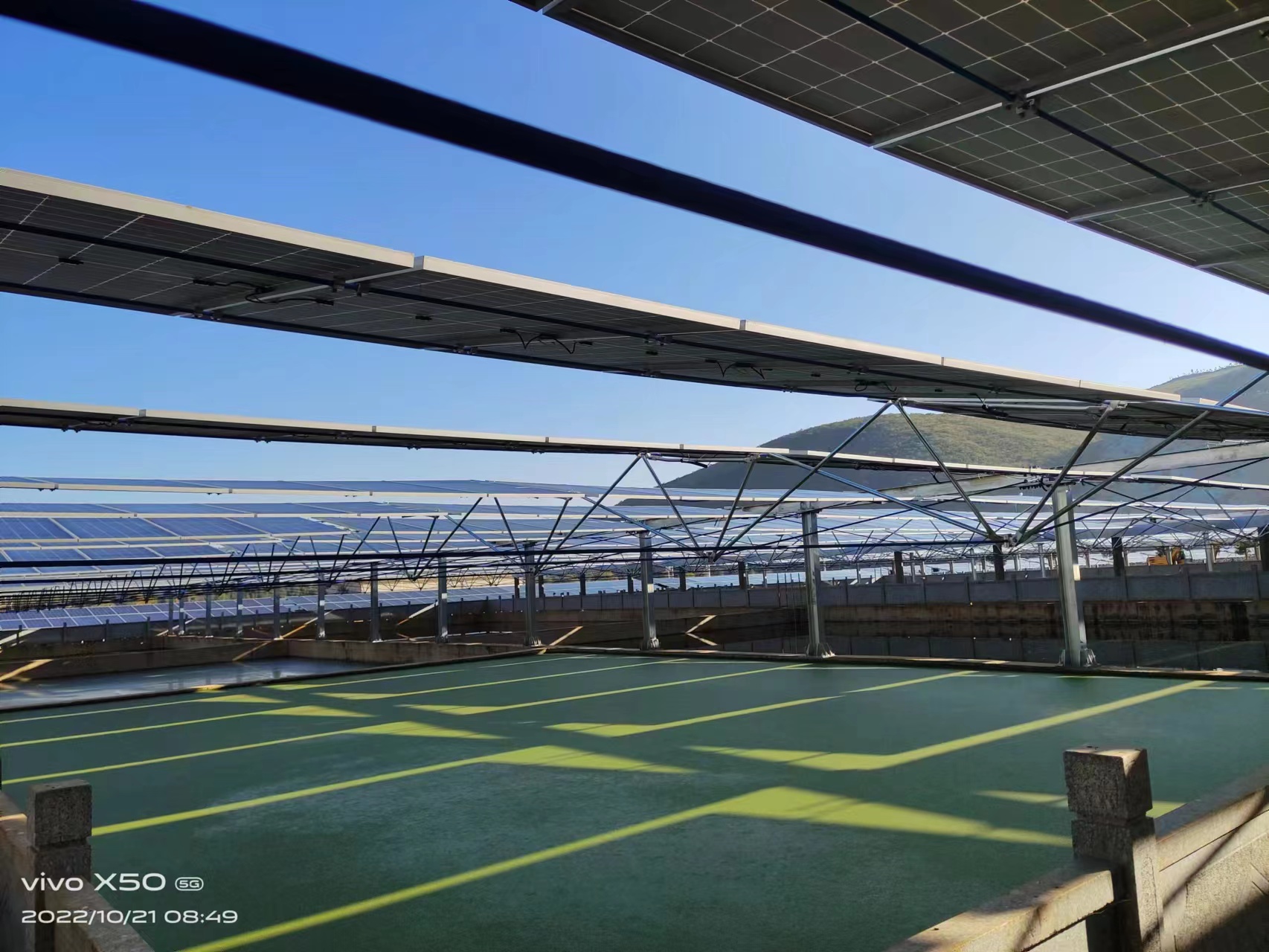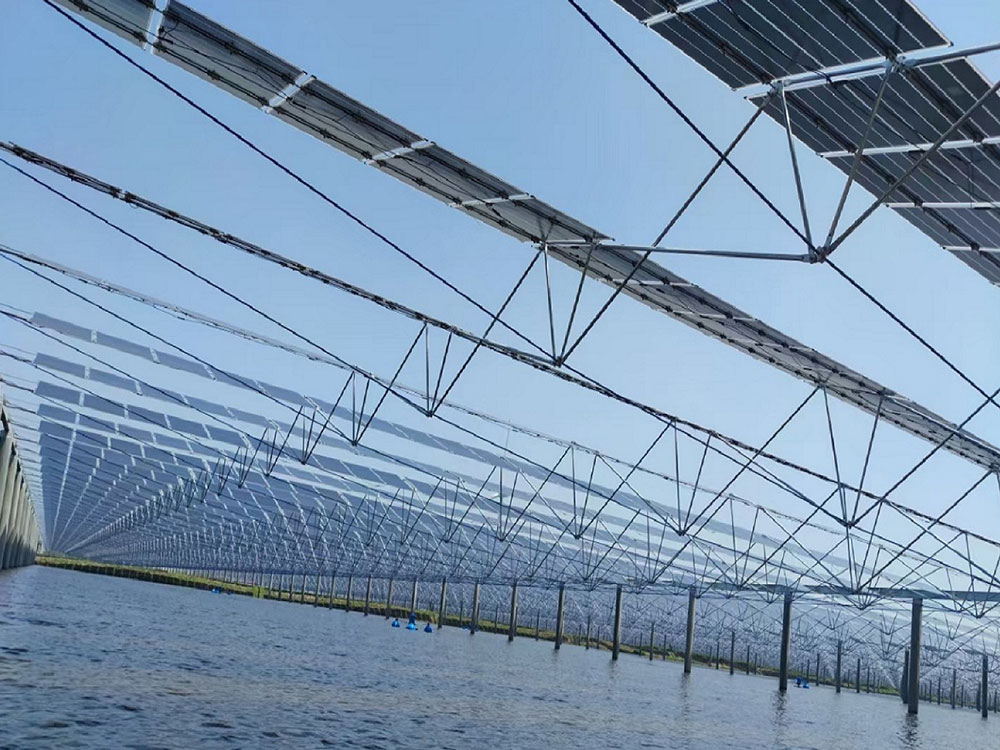
In solar power plant construction, selecting the mounting system is critical. It not only affects the plant’s stable operation but also directly impacts construction costs and long-term benefits. In recent years, Cable Structure solar mounting systems have gained market attention as an innovative solution. With their unique construction, they demonstrate significant advantages in specific applications.
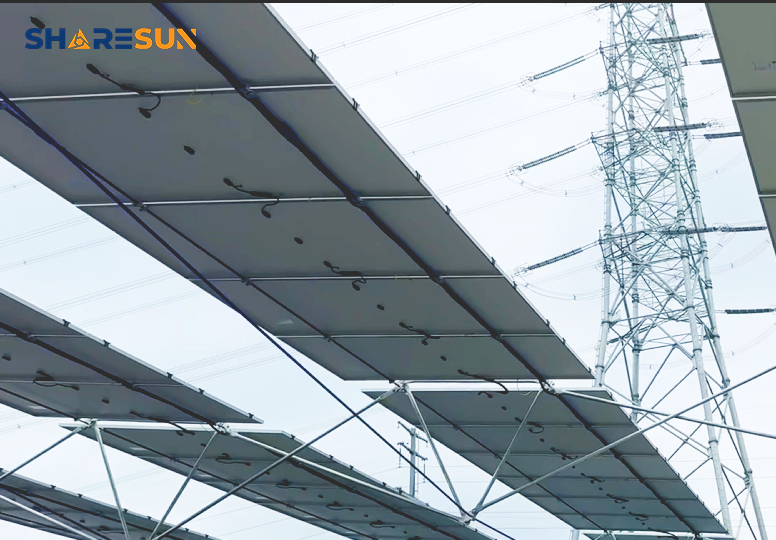
As the name suggests, Cable Structure solar racks primarily rely on high-strength steel cables for load-bearing and stability. These cables are tensioned under prestress to form a spatial load-bearing network, partially replacing traditional rigid steel beams and columns. So, what exactly are the benefits of this design?
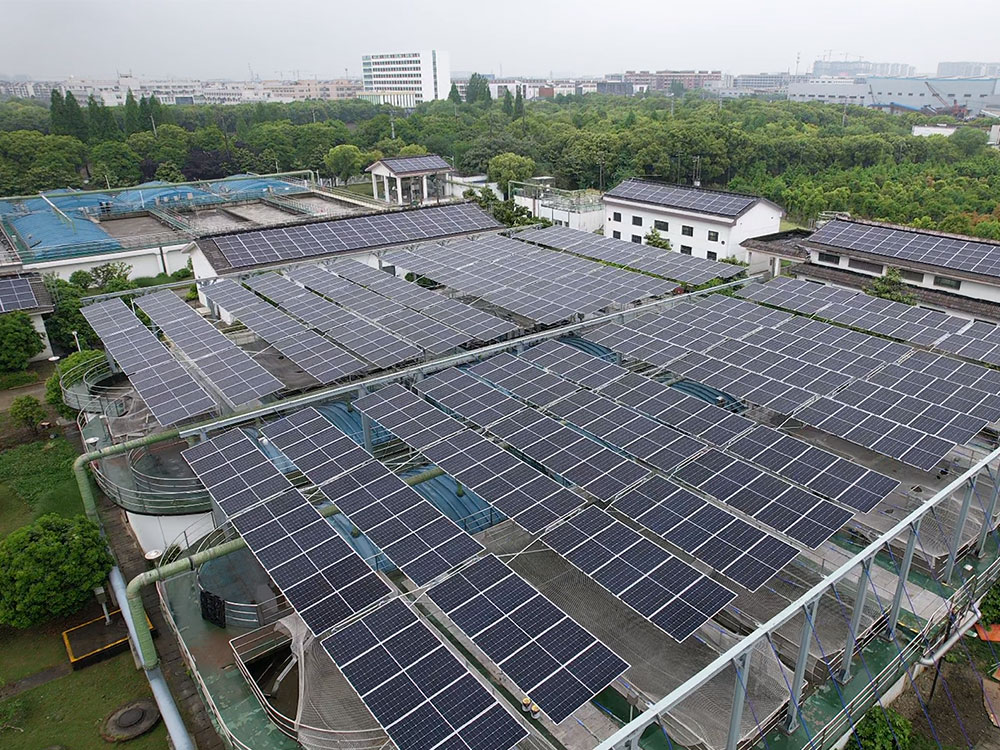
First and foremost, its most prominent advantage lies in cost-effectiveness. By extensively utilizing high-strength cables, it significantly reduces steel consumption compared to conventional steel structures, particularly in scenarios requiring large spans, resulting in markedly lower material costs. Secondly, it offers excellent adaptability. The cable structure’s flexibility allows it to better accommodate complex terrains, such as undulating mountains, slopes, or areas requiring the crossing of ditches and obstacles. This reduces earthwork excavation and minimizes disruption to the original topography. Furthermore, it possesses inherent wind resistance and seismic damping capabilities. When subjected to forces, cable-net structures can disperse wind loads through deformation, and their flexible characteristics also help dissipate seismic energy. Additionally, they create larger lower spaces, facilitating “solar-plus” models (such as solar agriculture or solar desertification control) and enabling comprehensive land utilization.
However, Cable Structure structures are not a universal solution. Their advantages are highly dependent on scientific design and appropriate application scenarios. So, how should one decide whether to adopt Cable Structure structures when constructing solar power plants?
The key lies in a comprehensive assessment based on the project’s actual conditions. Topography and geological factors are primary considerations. For sites with significant terrain undulations, poor geological conditions, and high construction difficulty, the adaptability advantages of cable structures become particularly evident. Conversely, on flat, regular sites, traditional fixed supports may prove simpler and more straightforward. Climate conditions are also critical. In regions with extreme wind loads or high seismic activity, rigorous calculations are required to ensure the cable structure design meets wind and earthquake resistance requirements. Its flexibility may be an advantage here, but it could also pose greater challenges to module stability.
Secondly, initial investment must be balanced against total lifecycle costs. While cable structures may reduce material expenses, their design and construction (especially prestressing tensioning processes) demand higher levels of expertise, potentially increasing design and installation costs. Detailed cost analysis is required to determine if the overall price remains competitive.
Finally, and most critically, technical and quality assurance are paramount. Cable Structure solar racking systems involve far more complex design than traditional racks, demanding exceptional precision in structural calculations, node design, material performance (especially corrosion and fatigue resistance of cables), and construction accuracy. When selecting solutions, ensure the design team possesses deep technical expertise and proven track records, manufacturers supply high-quality, durable cables and fittings, and construction crews have specialized prestressing experience. Neglecting any link in this chain may compromise the safety and stable operation of the entire solar power plant.
In summary, Cable Structure solar mounting systems represent a distinctive and promising technical approach. It offers significant advantages in reducing steel consumption, adapting to complex terrain, and enabling land-use integration. However, selection must avoid blind following of trends. Instead, it should be closely aligned with specific project conditions, involving thorough evaluation of technical feasibility, economic rationality, and long-term reliability. Partnering with collaborators possessing robust technical capabilities is essential to ensure this innovative structure functions safely and efficiently within solar power plants.
For professional consultation, please click here: Contact Us