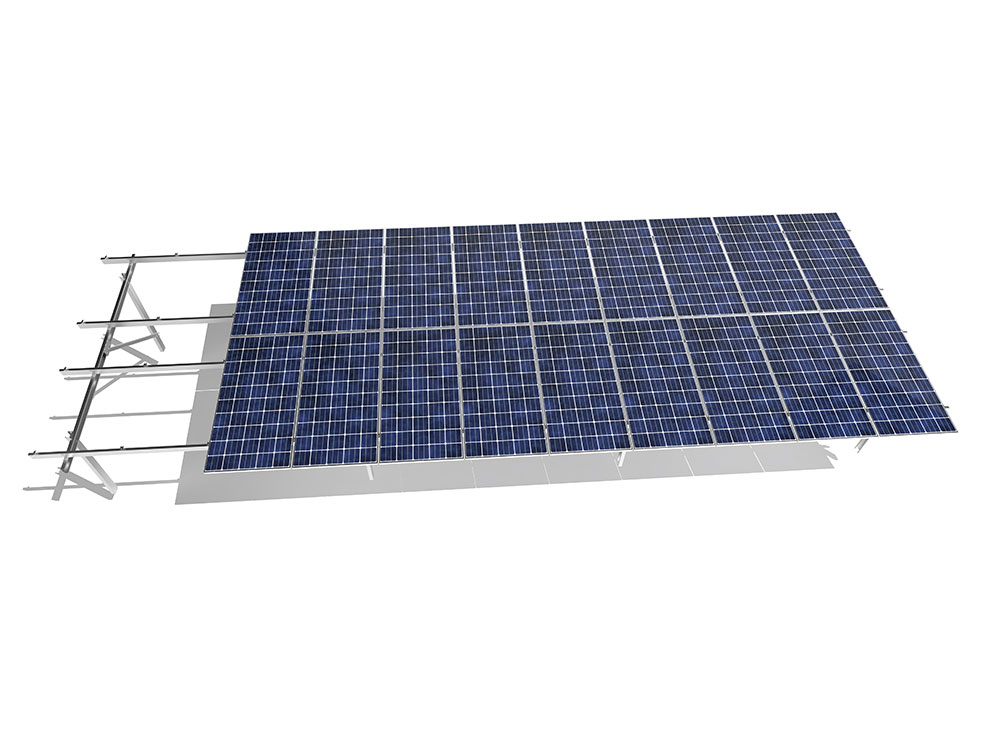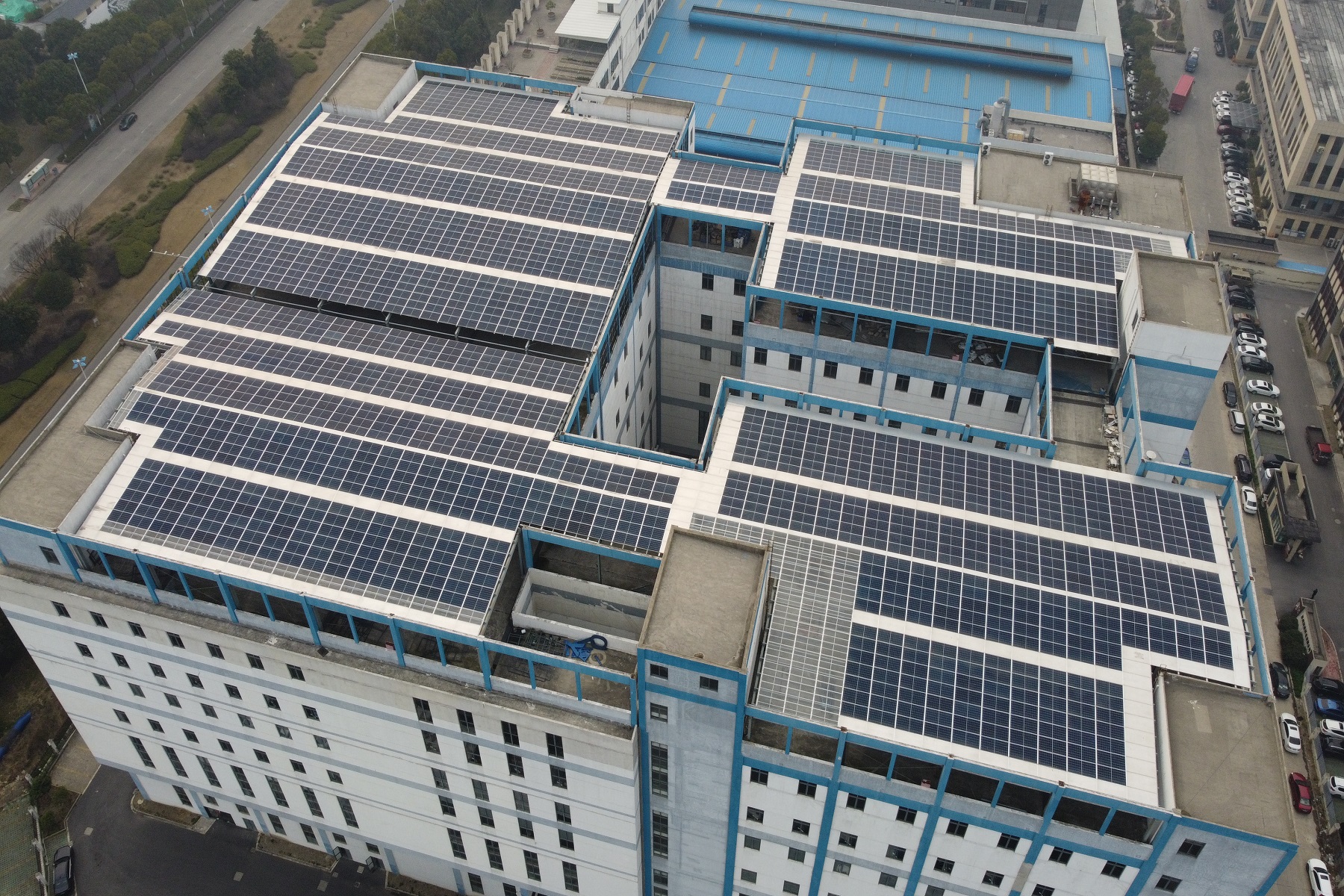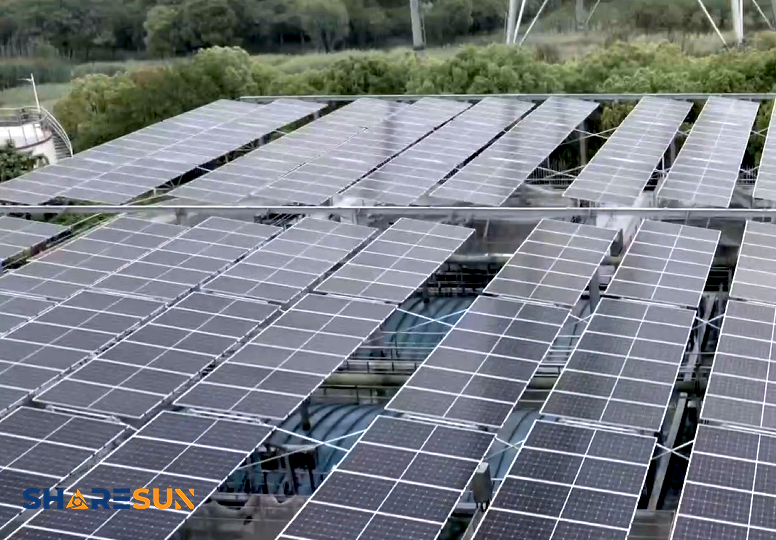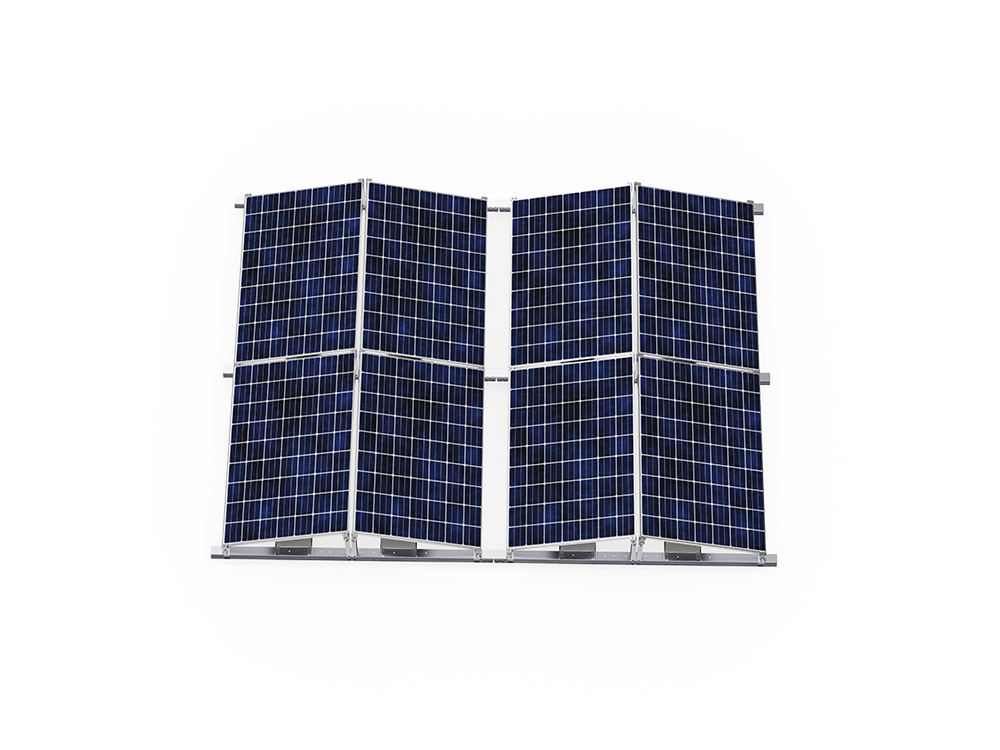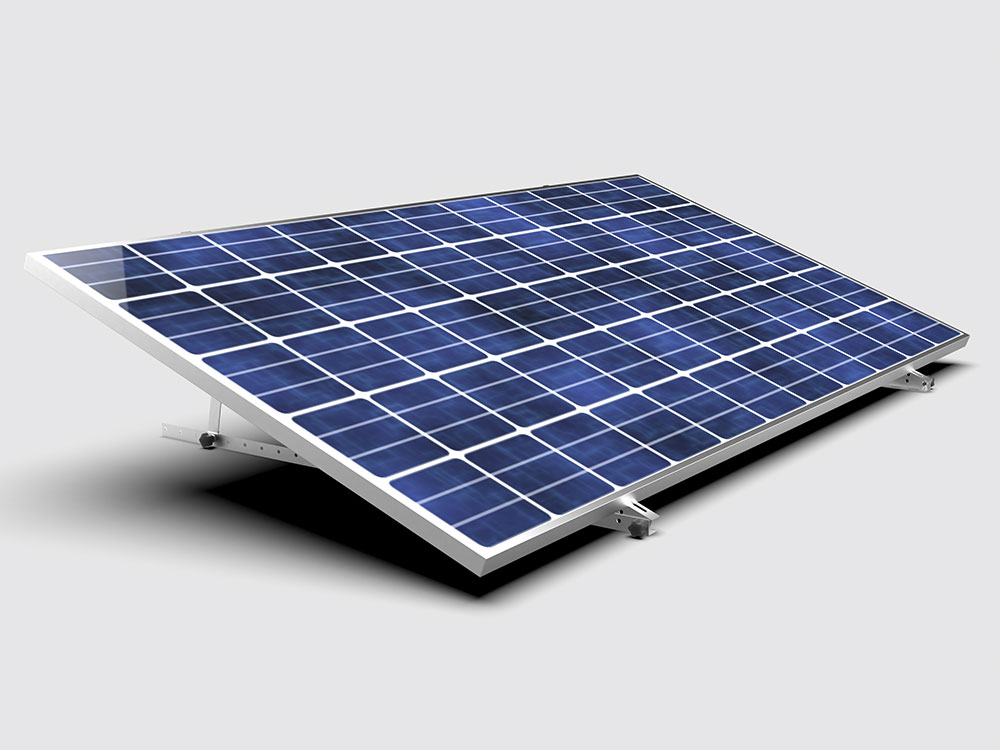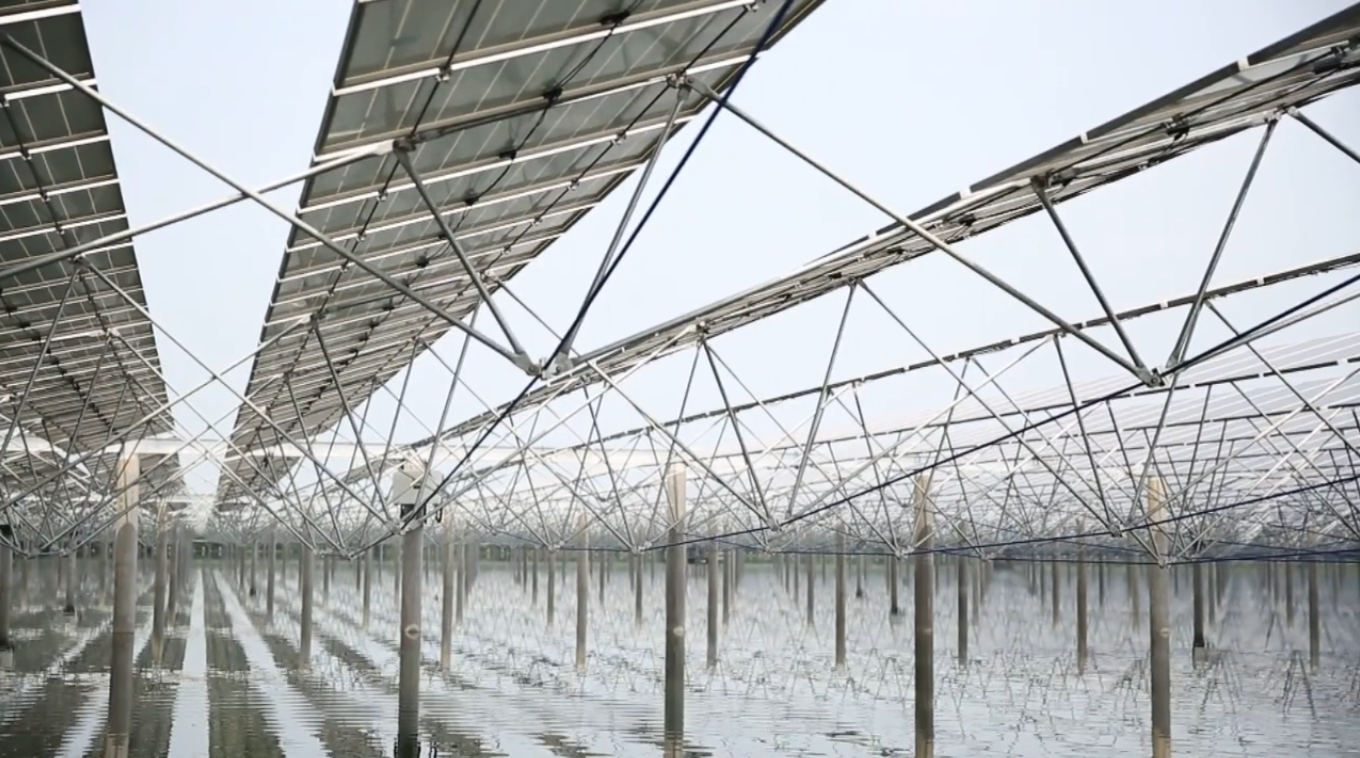
Fishery PV Mounting Systems encompass specialized support structures integrating solar power generation systems with aquaculture. By securing solar panels over fish ponds, lakes, and other water bodies, they enable a three-dimensional utilization model of “power generation above water, aquaculture below.” The implementation of this design concept relies on its core carrier—the Fishery PV Mounting Systems. From a professional perspective, these racks offer a series of significant advantages, demonstrating strong vitality in the integration of new energy and agriculture.
The primary advantage of Fishery PV Mounting Systems lies in their concentrated and efficient use of land resources. Traditional solar power plants typically require large tracts of land, potentially conflicting with other land uses. In contrast, fish-solar hybrid racks are mounted directly above water surfaces, requiring virtually no additional land area. This enables efficient vertical reuse of space. This approach is particularly suited for regions with limited land but abundant water resources. It transforms single-purpose fish ponds or lakes into dual-purpose facilities producing both clean electricity and aquatic products, significantly boosting economic output per unit area and resource utilization efficiency.
Secondly, these racks are designed with full consideration for compatibility with aquaculture environments. Professional Fishery PV Mounting are not merely ground-based structures relocated to water; they undergo targeted optimization. Their design provides partial shading over the water surface, helping reduce water temperature and evaporation during summer while suppressing excessive algae growth. This improves water quality and creates optimal conditions for shade-loving aquatic species or those requiring stable water temperatures. Additionally, the support structures typically utilize high-strength ceramic materials, undergo rigorous load calculations and wave-resistant design, ensuring long-term stability in humid conditions without disrupting underwater aquaculture operations.
From an energy production perspective, the aquatic solar support system’s placement environment can positively influence its power generation efficiency. Water bodies exert a moderating effect on surrounding temperatures, with air temperatures over water surfaces generally lower than those on land exposed to intense summer heat. Solar panels operating in moderately cooler conditions exhibit higher power generation efficiency and experience reduced performance degradation caused by high temperatures. Furthermore, open water areas typically have minimal overhead obstructions, allowing solar panels to receive more uniform and prolonged sunlight exposure, thereby enhancing the overall efficiency of the power generation system.
The application of Fishery PV Mounting Systems also yields significant ecological and social benefits. By integrating clean energy infrastructure into natural environments without compromising the fundamental ecological functions of water bodies, it exemplifies the successful implementation of green development principles. For aquaculture operators, this model establishes stable electricity revenue streams or self-consumption channels, bolstering the industry’s risk resilience and comprehensive profitability while facilitating the transformation and upgrading of traditional fisheries. From a macro perspective, it advances renewable energy development and utilization, supports energy conservation and emission reduction goals, and serves as a key technological pathway for rural revitalization and sustainable development.
The advantages of solar-aquaculture hybrid racks primarily lie in their uniquely innovative spatial utilization, ingenious integration with aquaculture ecosystems, potential enhancement of power generation efficiency, and comprehensive benefits. They represent not merely a specialized form of solar racking but a systemic solution for cross-industry collaboration and efficient resource utilization, demonstrating broad application prospects and practical value.