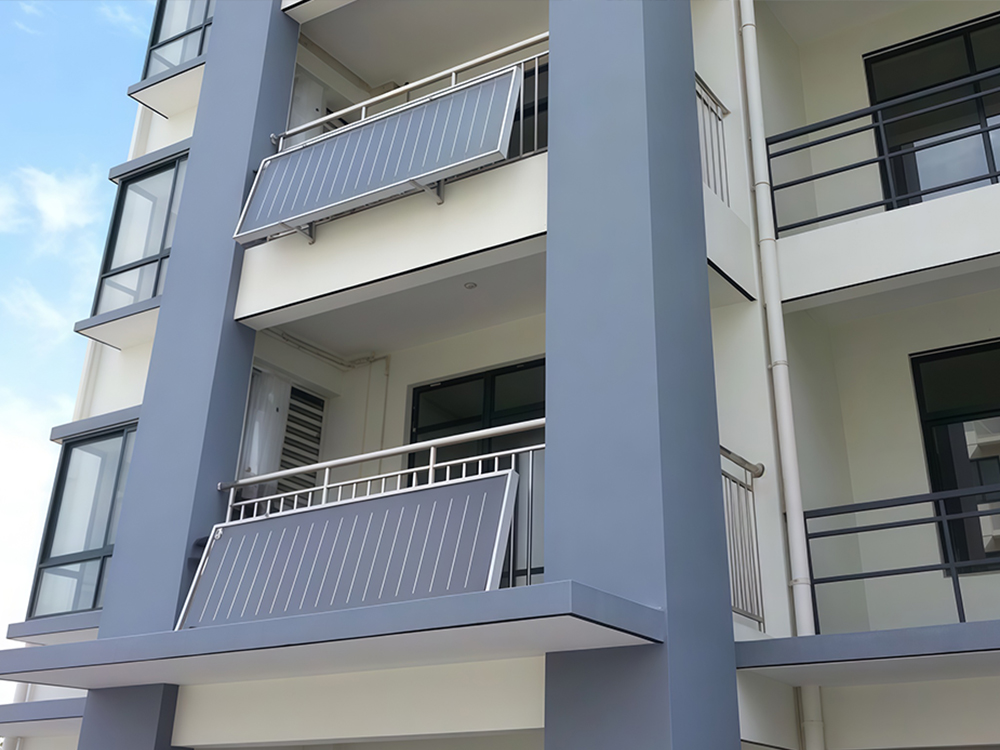
With the development of distributed solar energy and increased public engagement in green energy, more households are turning their attention to balconies and considering the installation of small-scale solar power systems. As the crucial physical support for these systems, the installation of balcony solar mounting systems has garnered significant interest. So, under permissible and compliant conditions, what are the practical advantages of installing balcony solar mounting systems? This requires an objective analysis from the perspectives of user value, technical characteristics, and social benefits.
First, the most direct benefit lies in achieving “proximity” and “visibility” in energy production. Unlike distant large-scale power plants, systems installed on balconies make the power generation process tangible and observable. Users can directly observe their own appliances generating electricity under sunlight. This not only enhances personal awareness of energy conservation and environmental protection but also serves as a practical demonstration of a green lifestyle. This sense of participation, unattainable through mere electricity consumption, carries significant educational and exemplary value.
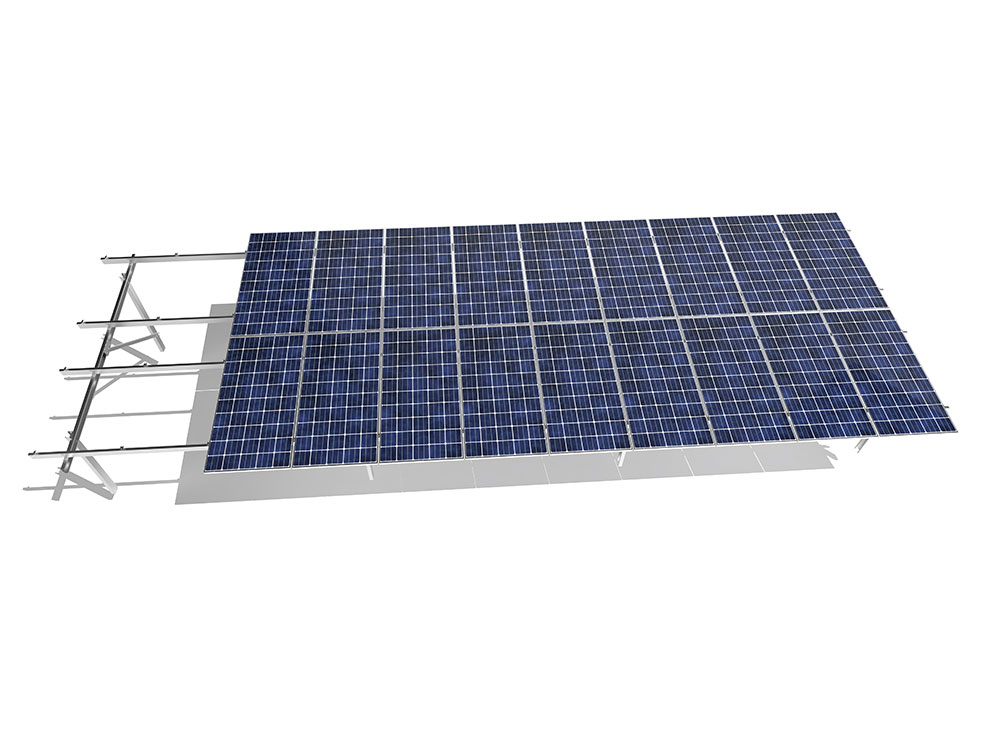
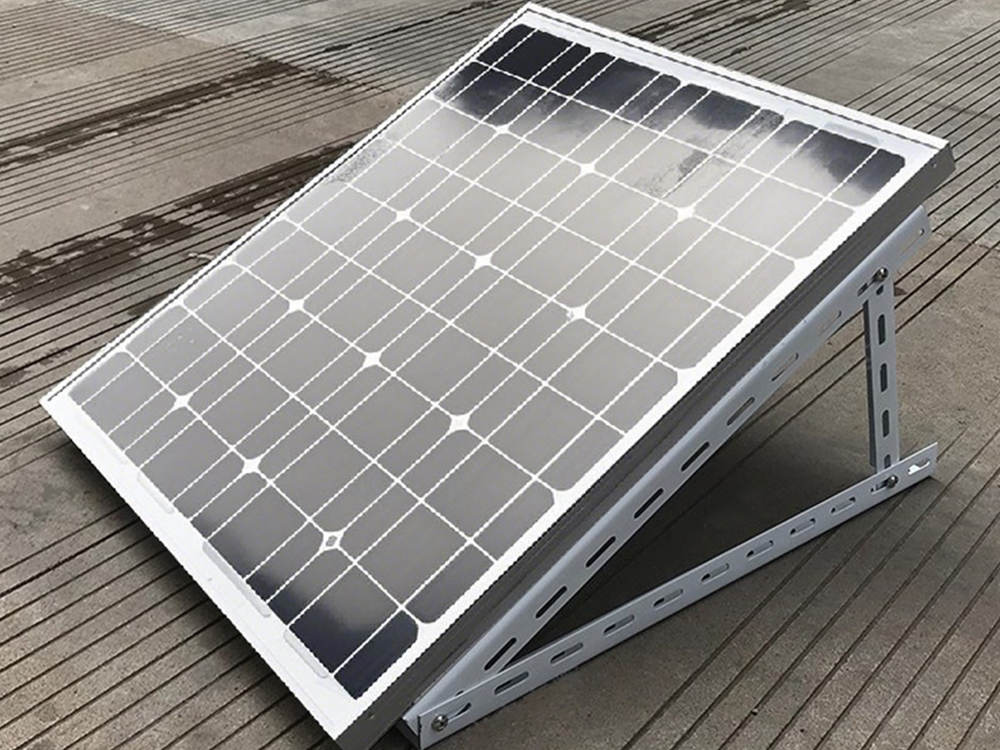
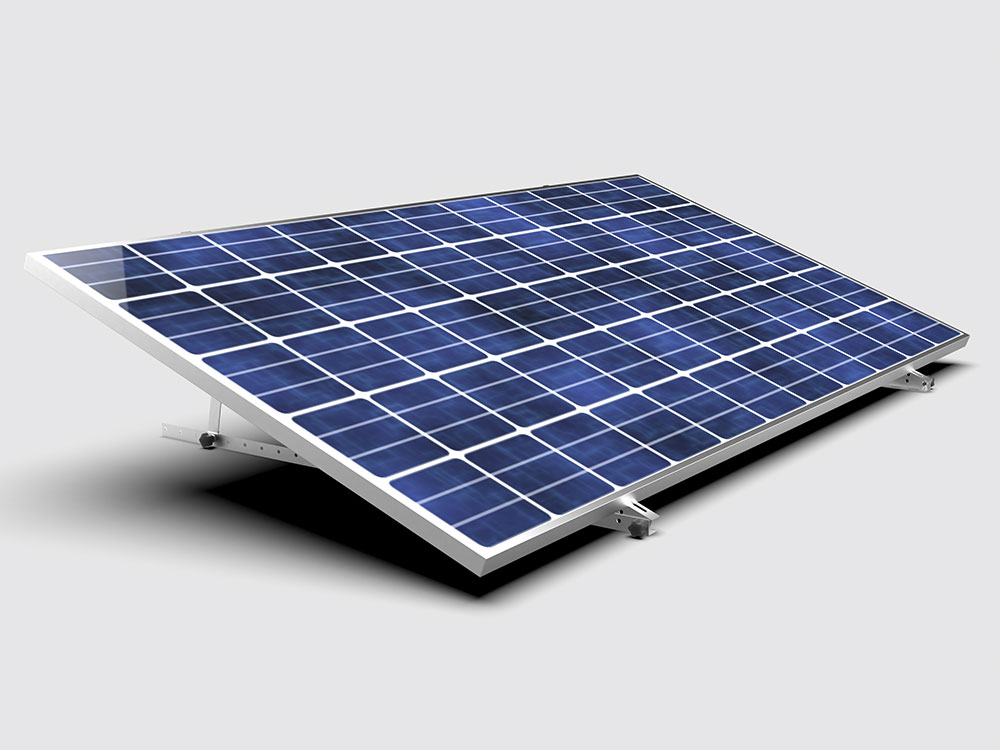
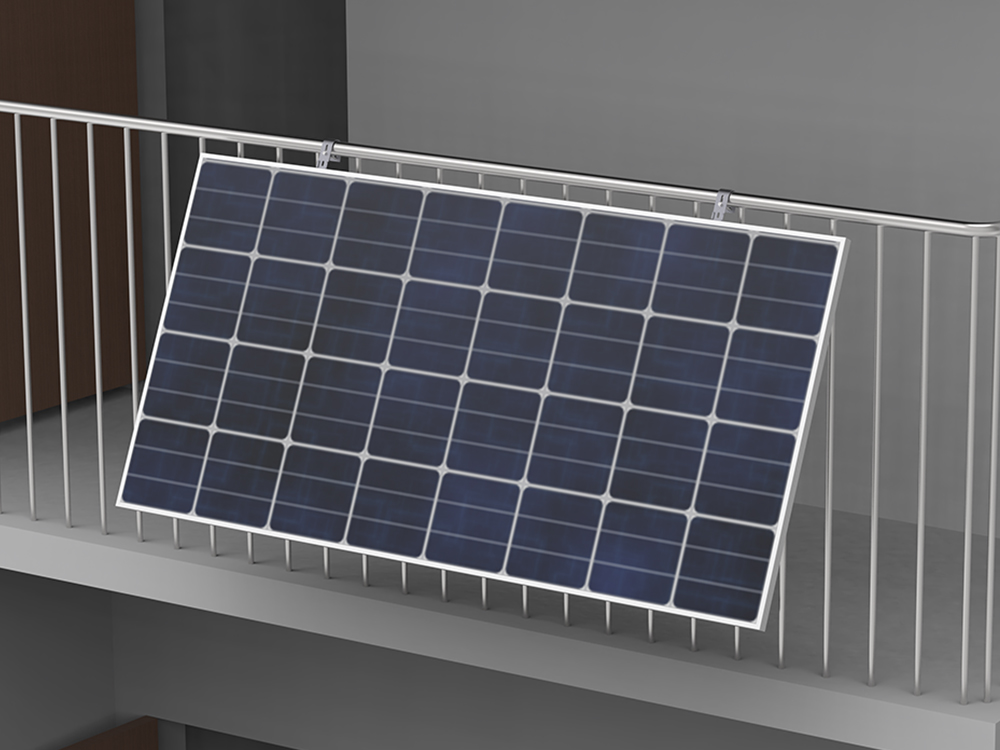
From a professional perspective, balcony solar mount designs ensure a safe and reliable installation foundation. Modern high-quality mounts predominantly utilize lightweight, high-strength materials like corrosion-resistant aluminum alloy. Their compact structural design securely anchors solar panels to railings, walls, or balcony surfaces, effectively withstanding wind loads. This professional installation method far surpasses haphazard user-installed solutions, maximizing safety for the equipment itself, pedestrians below, and property. It addresses the critical pain point of “how to install safely.”
While limited in power generation, balcony solar systems deliver tangible economic and practical benefits. The electricity produced prioritizes powering nearby balcony or indoor appliances—such as lighting, routers, and small electronics—reducing reliance on grid purchases. During peak sunlight hours, this self-generated power functions as a free buffer supply, alleviating local strain during summer electricity surges. Long-term, this offers users a subtle yet tangible buffer against energy price fluctuations.
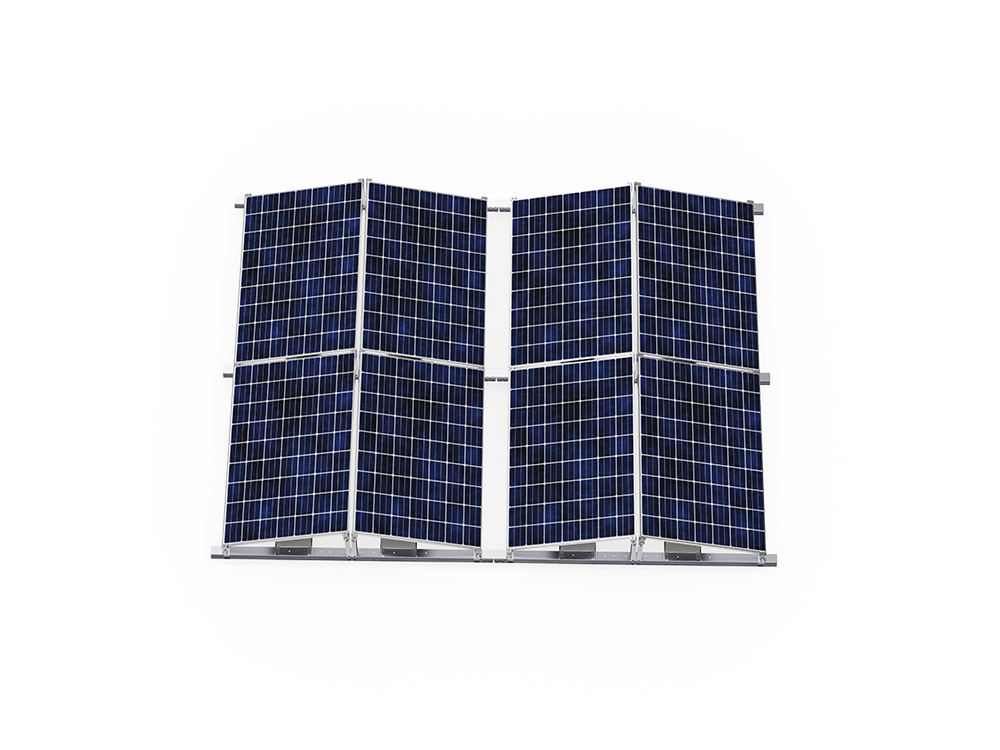
Balcony solar mounting systems feature modularity and scalability. Users can start with one or two panels for initial experience. If satisfied with results and conditions permit, they may later expand within regulatory limits. This low-barrier entry allows more urban residents to explore solar power technology at minimal cost and risk, lowering the initial threshold for participating in renewable energy development.
From a broader societal perspective, these small solar systems scattered across countless balconies represent potential micro-nodes in the future smart grid and distributed energy networks. While individual contributions may be modest, widespread adoption collectively fosters a positive consumer-side energy culture, energizing the social foundation for the energy transition.