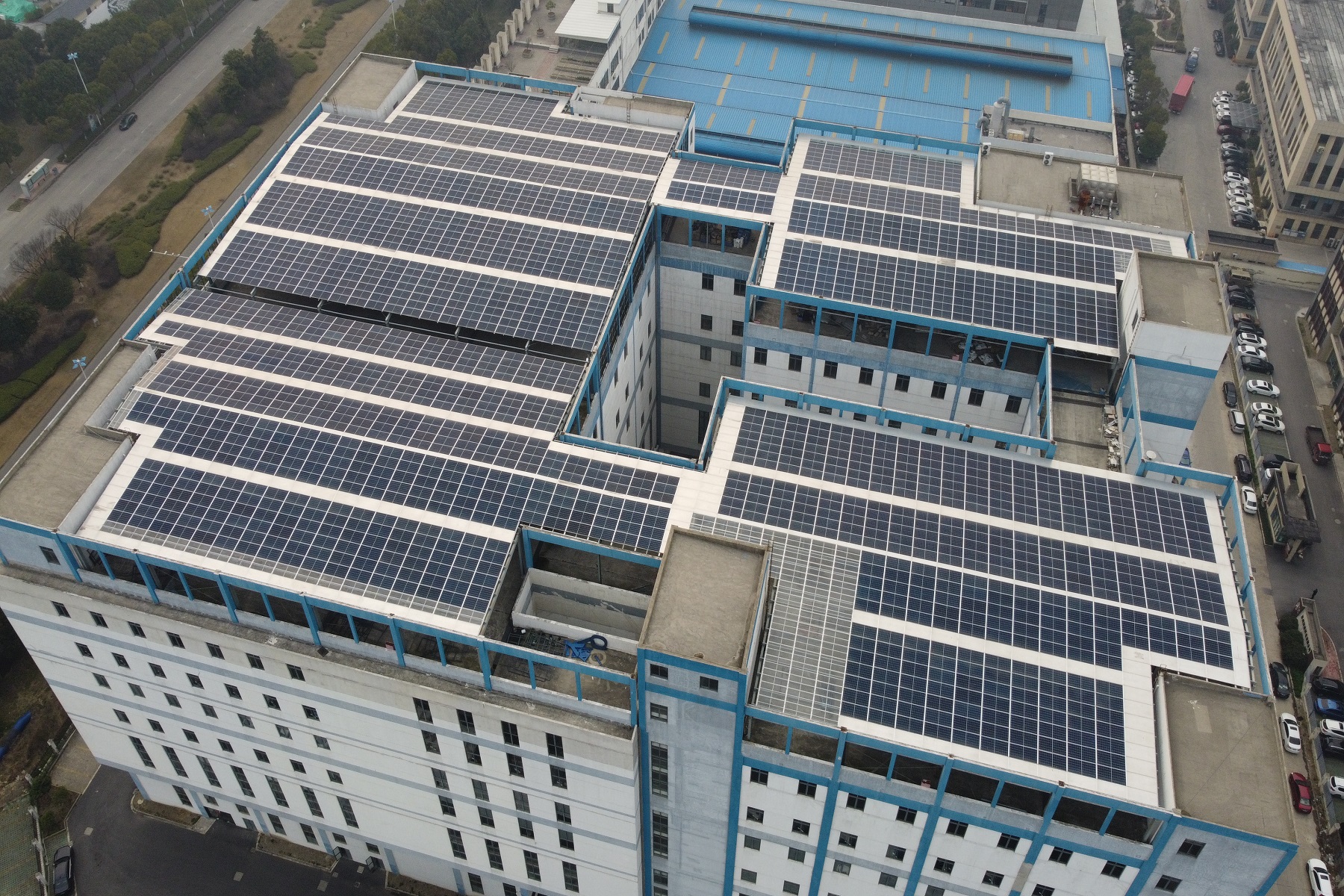
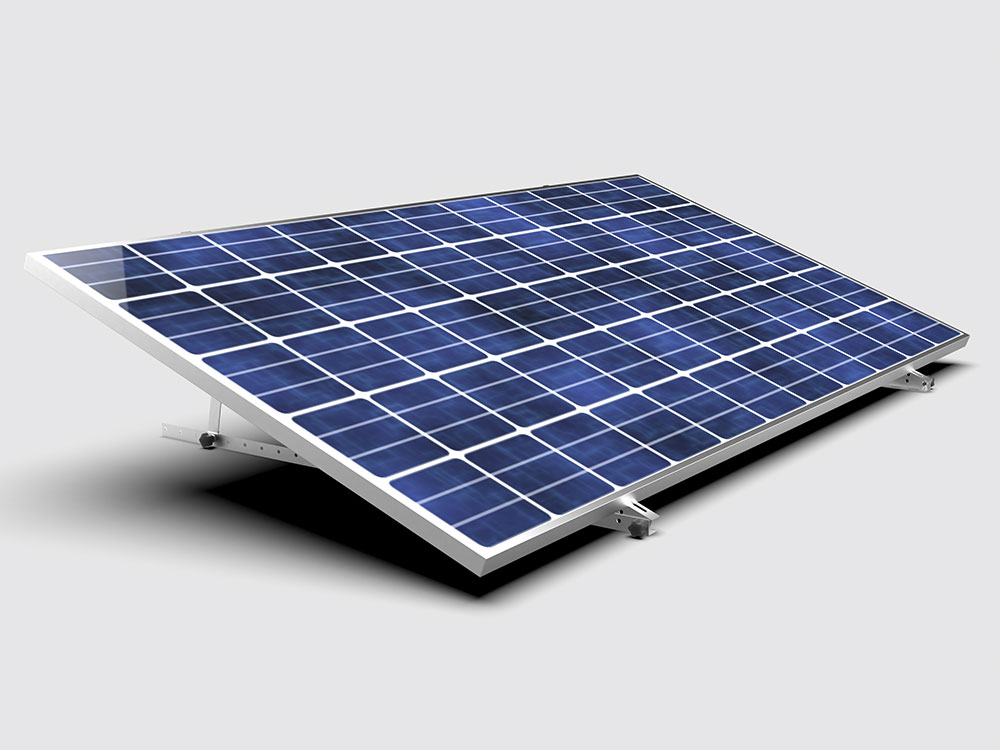
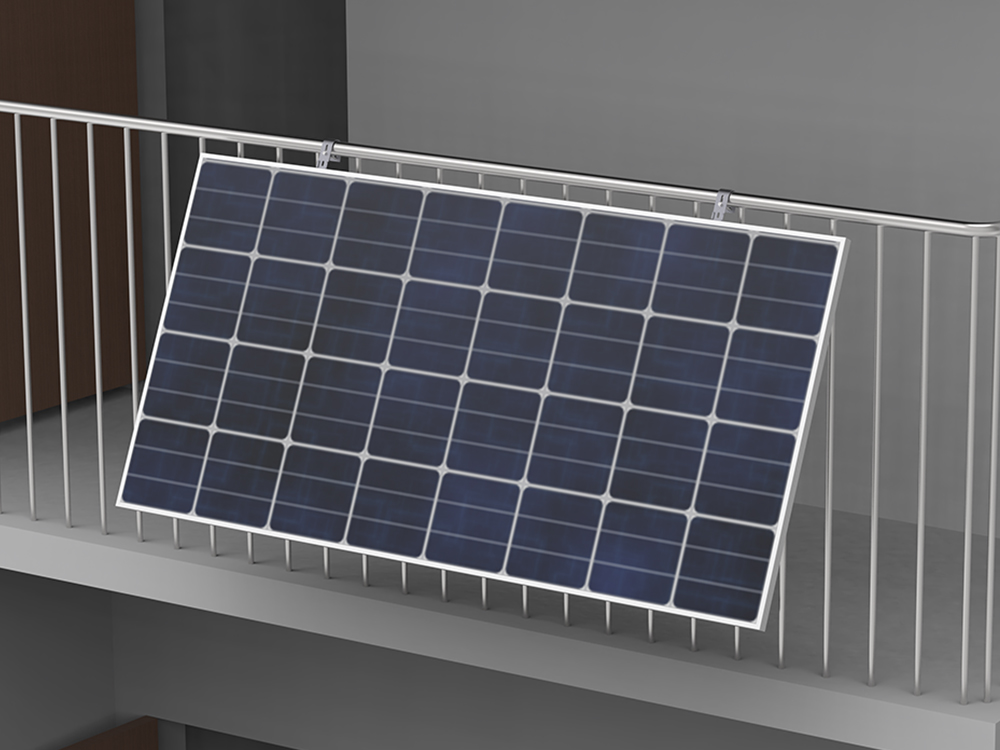
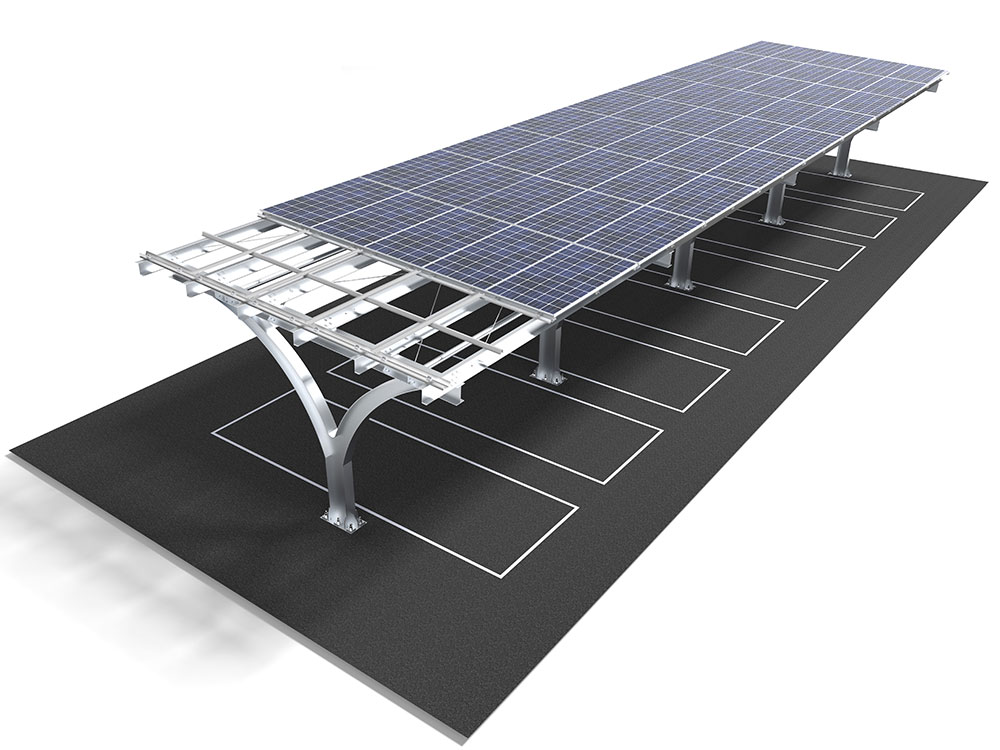
Amid the wave of synergistic development between energy transition and agricultural modernization, the solar on farmland model has emerged as a key solution to address land resource constraints and promote green agriculture through its innovative approach of “generating power above panels while cultivating crops below.” As the core structural component of this model, the performance advantages of solar on farmland mounting systems directly determine a project’s overall benefits and sustainability, making them the preferred solution in the solar agriculture sector.
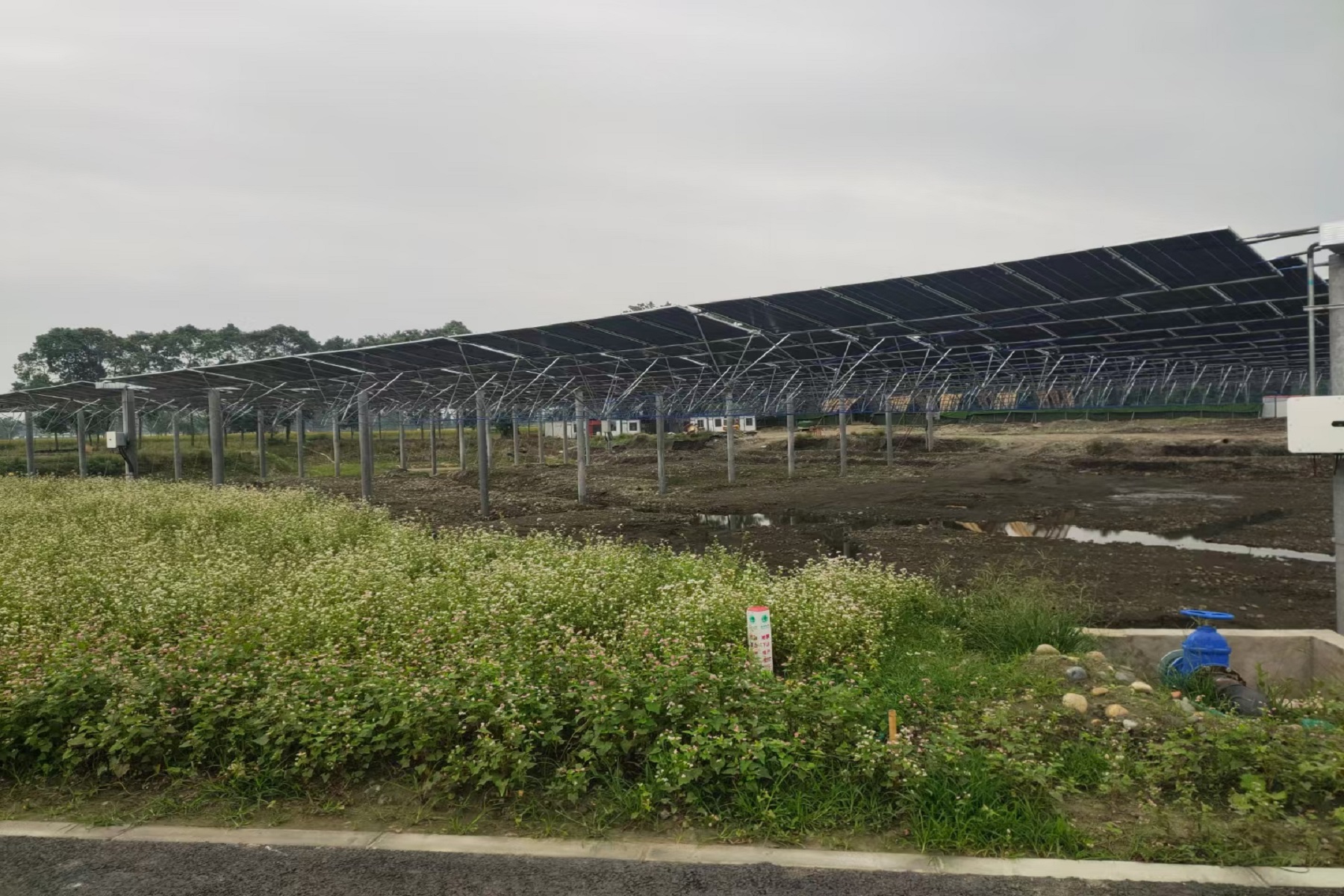
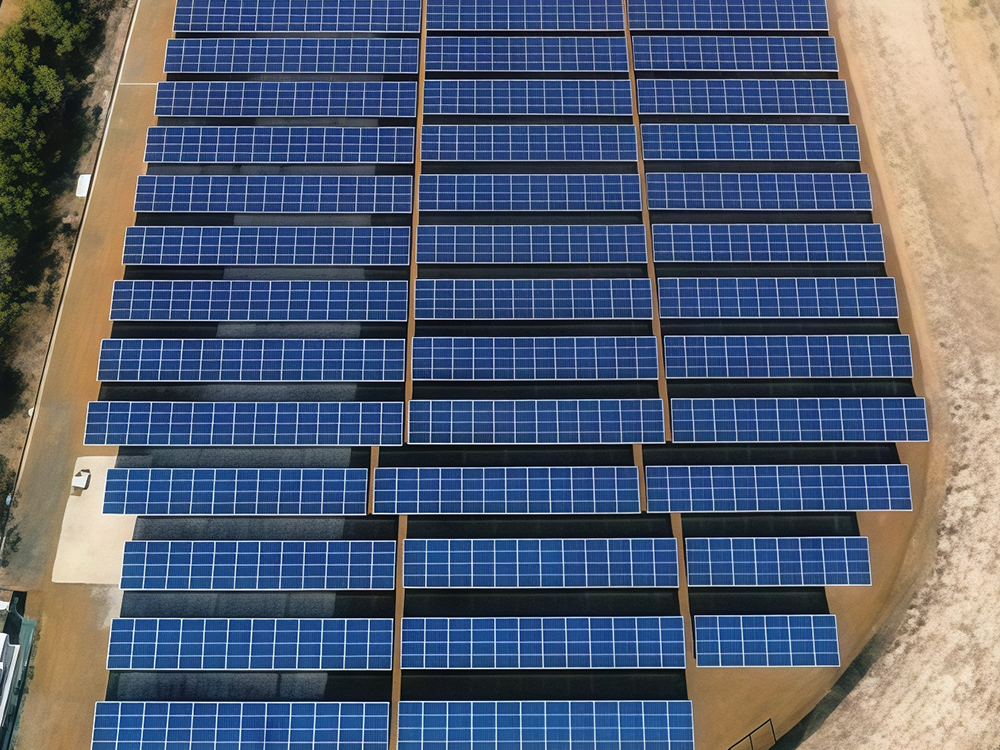
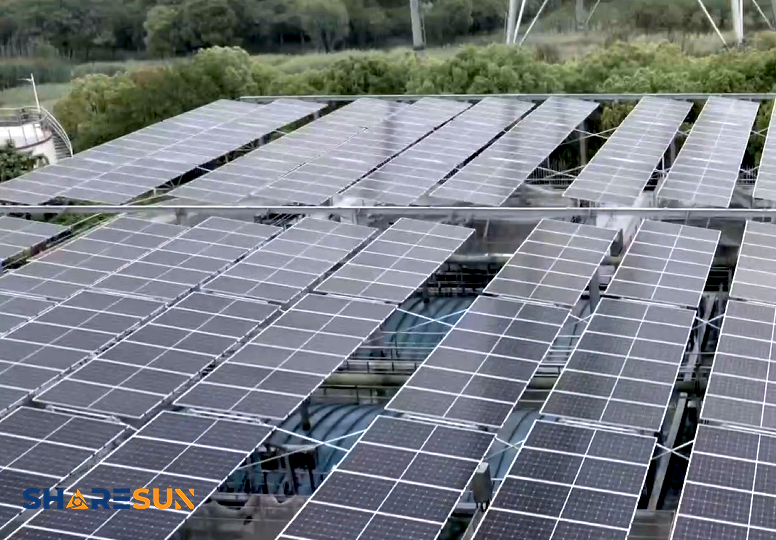
The most fundamental advantage of solar on farmland racks lies in achieving efficient land reuse and value enhancement. Traditional solar projects often require vast tracts of level land, creating conflicts with agricultural production. Specialized farmland solar racks, however, employ scientific structural design to enable solar panels and crops to coexist harmoniously without altering the original agricultural land use. The racks can flexibly adjust clearance height and panel density based on crop growth height and light requirements. This ensures solar panels receive ample sunlight for power generation while reserving sufficient growth space for crops below. Consequently, the same land simultaneously generates clean energy revenue and agricultural output, significantly boosting comprehensive land utilization efficiency. Whether in orchards, vegetable gardens, or traditional Chinese medicine cultivation bases, tailored support designs for solar on farmland enable dual harvests through “solar energy + agriculture.”
Exceptional terrain adaptability and ecological compatibility further distinguish farmland solar supports. China’s agricultural landscapes range from fertile plains to complex hilly and mountainous regions, where traditional supports often face significant installation constraints. Featuring flexible structural designs, these systems for solar on farmland effortlessly adapt to undulating terrain and slope variations. They eliminate the need for extensive land leveling, minimizing damage to surface vegetation during construction and preserving the original ecological landscape to the greatest extent possible. During construction, these systems also minimize foundation work and site access road requirements, further reducing disturbances to farmland ecosystems. This enables synergistic development of green power generation and ecological conservation. Such eco-friendly characteristics make them particularly advantageous for deployment in ecologically sensitive agricultural zones.
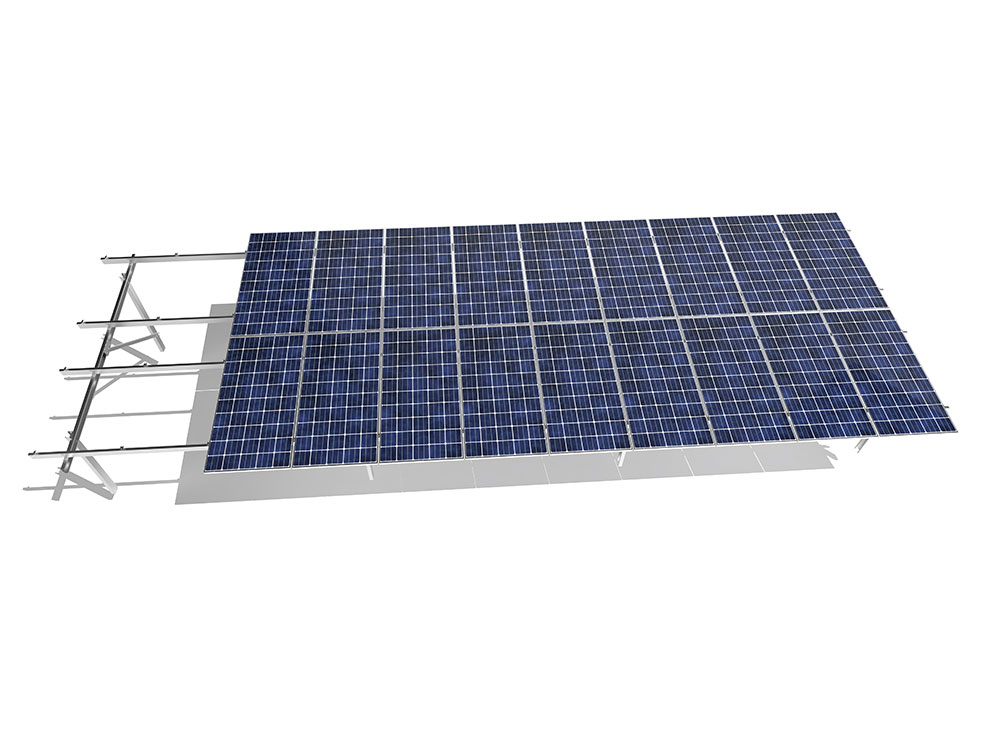
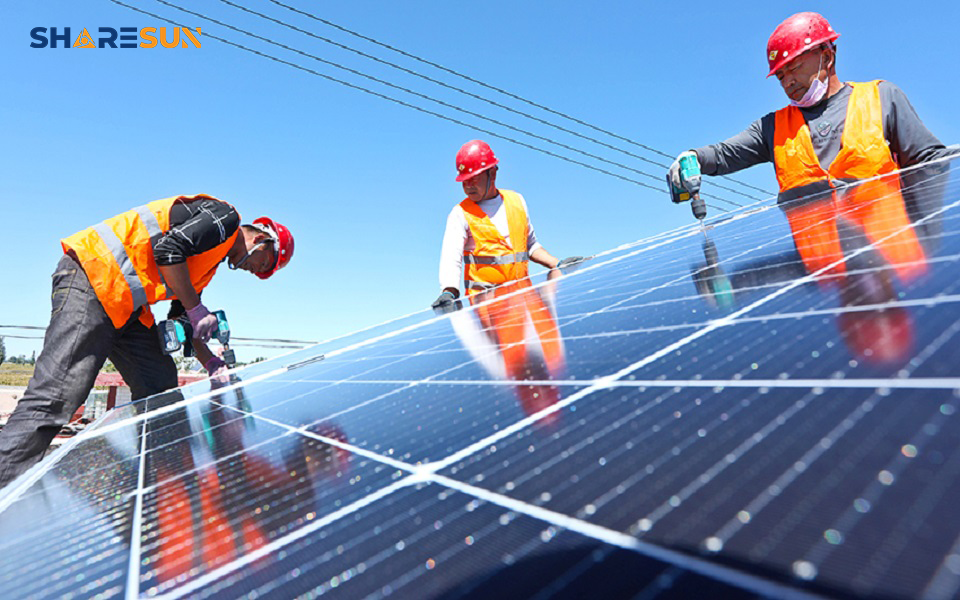
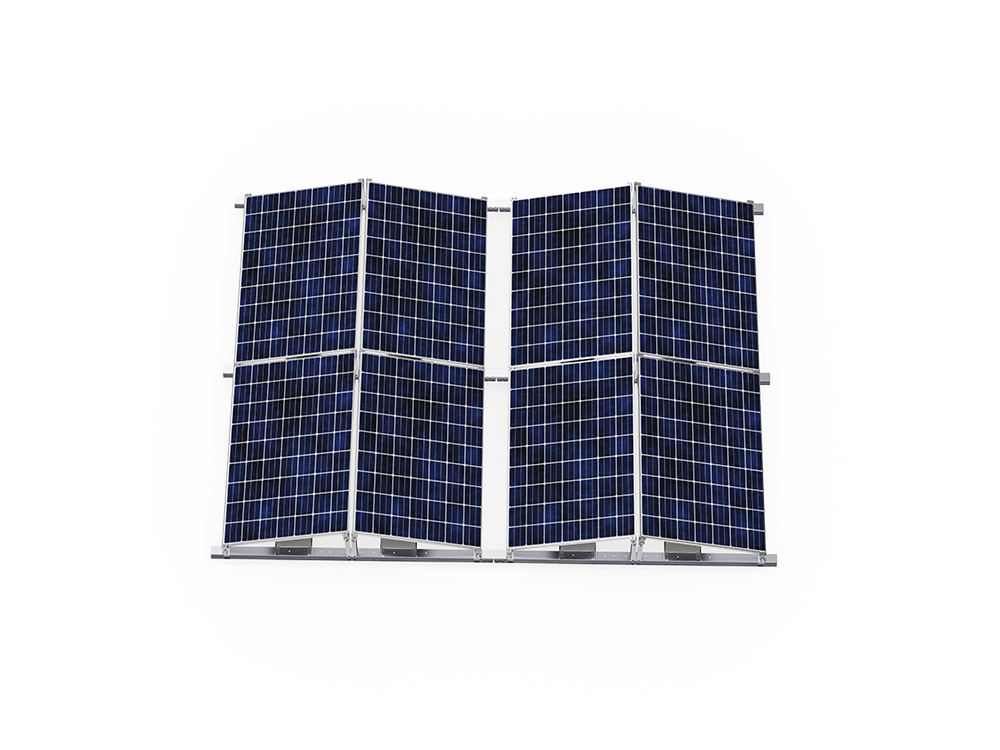
Stable and reliable performance coupled with convenient construction and maintenance provide robust assurance for the long-term operation of solar on farmland projects. Often situated in outdoor agricultural environments, these projects face challenges from natural weather events like wind, rain, and hail. Specialized solar racks for farmland use, through optimized structural design, offer excellent wind resistance and load-bearing capacity. They securely support solar panels, effectively protecting equipment from damage caused by severe weather. Additionally, the racks adopt a prefabricated production and on-site assembly model. The installation process is straightforward, requiring minimal specialized construction equipment, significantly shortening the construction cycle and reducing project costs. During subsequent operations, the simple structure of the racks facilitates easy maintenance, eliminating the need for frequent tightening or major repairs. This reduces operational and maintenance (O&M) investments while ensuring long-term stable power generation for the project.
From a long-term operational perspective, solar on farmland racks offer significant economic and policy alignment advantages. Their material selection and structural design balance cost-effectiveness with durability, reducing material consumption (e.g., steel) while extending service life and lowering total lifecycle costs. Furthermore, as national policy support for solar agriculture and green energy projects intensifies, solar racks compatible with solar on farmland models align with land conservation and ecological protection objectives. This alignment enables projects to better leverage relevant policy incentives. For agricultural producers and project investors, these advantages not only enhance profitability but also provide long-term policy safeguards for project sustainability.
In summary, solar on farmland racks perfectly align with the demands of modern agriculture and green energy integration through multiple advantages: land reuse, terrain adaptability, stability and reliability, and cost-effectiveness. Whether driving traditional agricultural industry upgrades or supporting energy structure transformation, they play an irreplaceable role as the core support for implementing solar on farmland projects, injecting sustained momentum into rural revitalization and green development.