What Are the Features of Solar-Fish Integrated Mounting Systems?
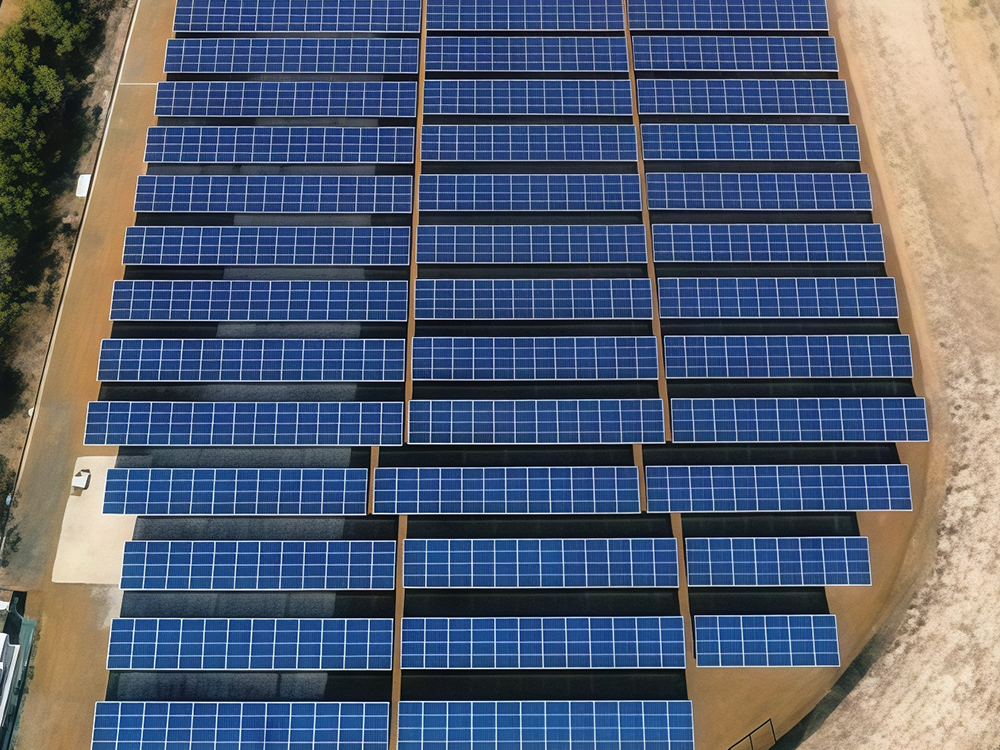
Against the backdrop of advancing energy transition and sustainable development, solar power applications continue to expand and innovate. Among these, the solar-fish integrated model ingeniously combines water resource conservation with clean energy production, achieving an ecological win-win where “solar panels generate electricity above while fish thrive below.” The successful implementation of this model relies heavily on its core foundation—the robust support provided by specialized solar mounting systems. Compared to conventional ground-mounted or rooftop solar racking systems, fish-solar hybrid racking systems exhibit unique and critical characteristics.
The foremost feature is exceptional corrosion resistance. Exposed to high humidity and water vapor evaporation for extended periods, and potentially subjected to direct water contact or erosion, these racks must withstand severe corrosion challenges. Therefore, these racks typically employ advanced anti-corrosion materials and processes, such as hot-dip galvanized aluminum alloys, ensuring they maintain structural strength and stability in harsh environments. This provides a service life far exceeding that of ordinary racks, thereby guaranteeing long-term, stable returns for solar power generation projects.
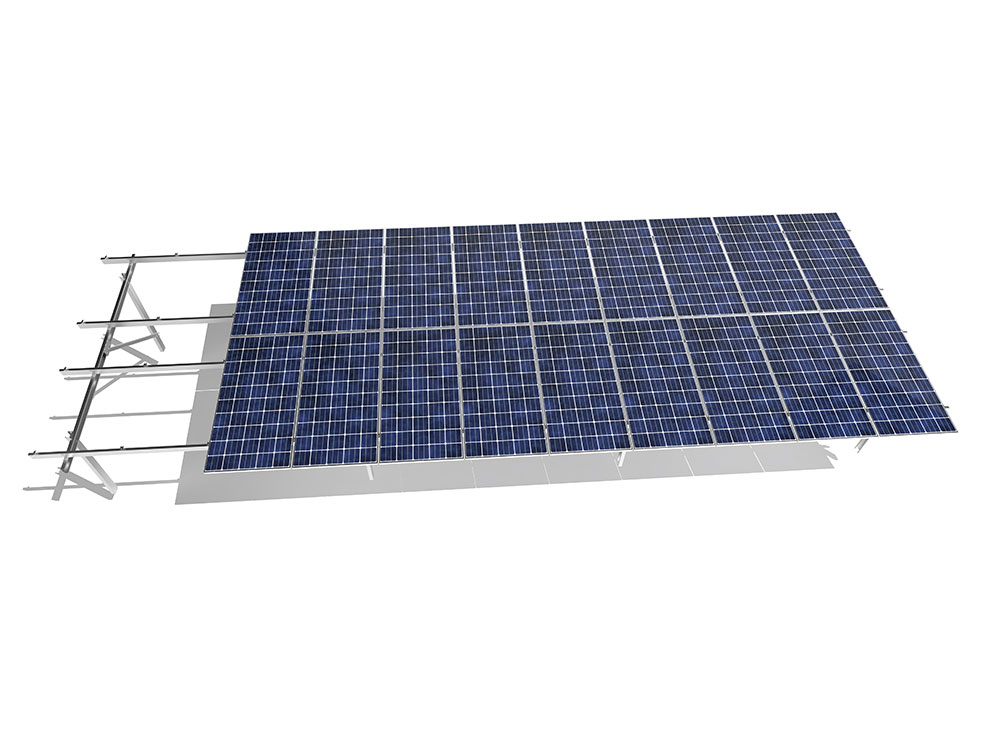
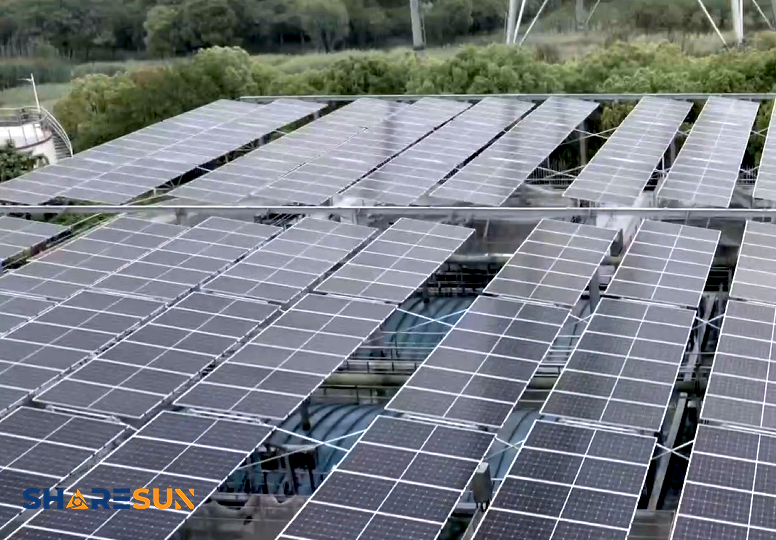
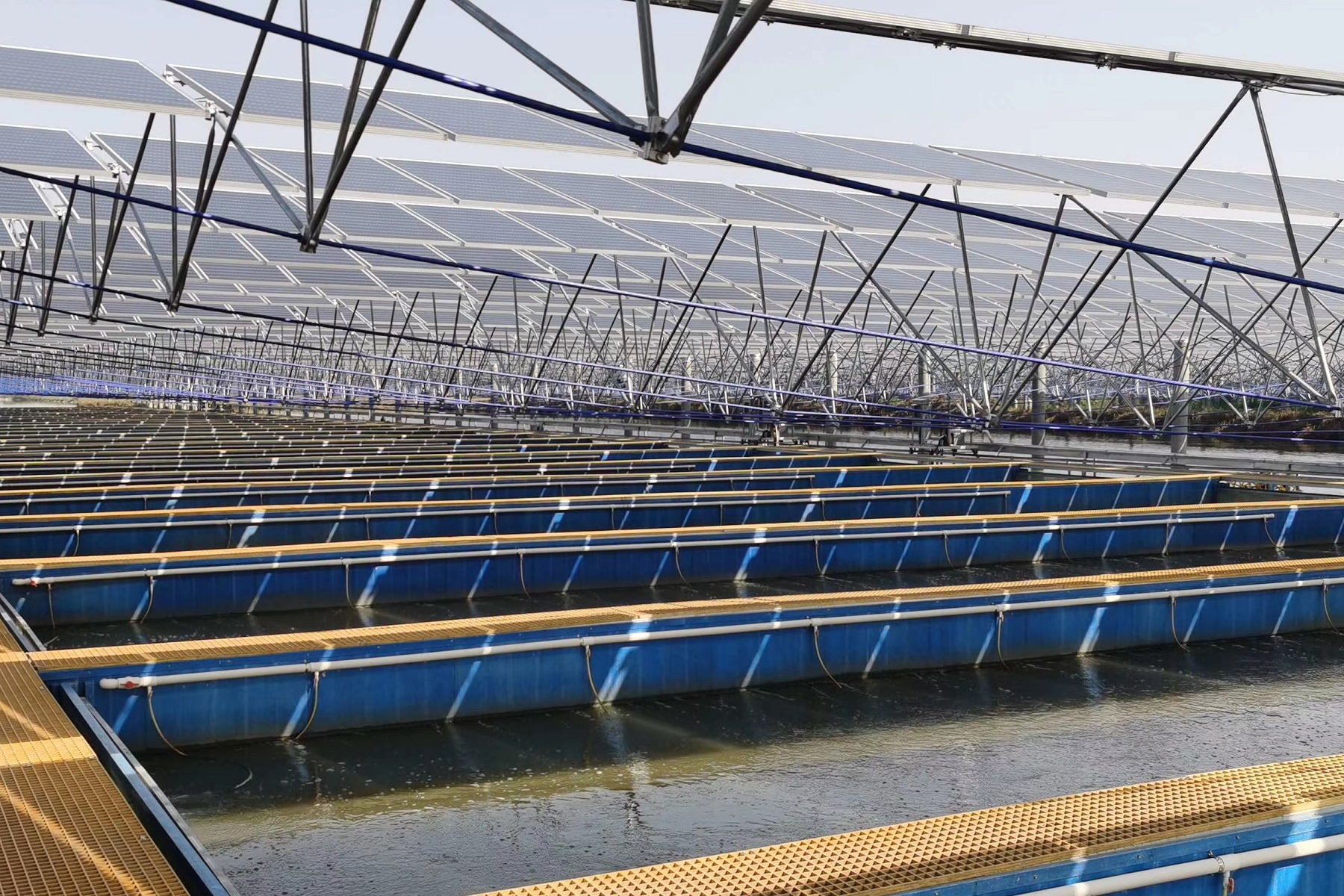
Second, their structural design offers exceptional adaptability and stability. Fish-solar hybrid sites are often located in water bodies like fish ponds or lakes, where geological conditions are soft and bearing capacity is limited. Specialized solar racks require deep pile foundations or unique floating designs. Pile-mounted structures anchor deep into stable soil layers, providing a solid foundation for the solar array. Floating systems utilize high-buoyancy materials to keep the entire array safely afloat while allowing minor movement with wind and waves. Both designs address complex foundations, ensuring the entire support system remains secure during high winds, water level fluctuations, and other challenges.
Furthermore, scientifically sound eco-friendly design embodies its core philosophy. These structures aren’t merely placed on water surfaces; their design thoroughly considers impacts on underwater ecosystems. By optimizing array spacing, elevating overall support height, and employing appropriate tilt angles, ample sunlight penetrates the water surface to support aquatic plant photosynthesis while preserving essential operational space for aquaculture. This meticulous planning minimizes disruption to existing aquaculture operations, achieving true synergy between solar energy and agriculture.
Finally, the system’s economic advantages become evident during long-term operation. While initial investment may exceed conventional ground-mounted structures, it generates higher comprehensive value. It conserves precious land resources, making it particularly suitable for areas with limited land availability. By increasing the value output per unit of land—achieving “one kilowatt-hour of electricity and one fish per unit area”—it delivers dual returns to investors through electricity revenue and aquaculture profits. This significantly enhances the economic and social benefits of solar power projects.
In summary, the fish-solar hybrid solar rack is far more than a simple support structure. It represents a comprehensive solution integrating advanced materials science, precision structural engineering, and ecological design principles. Its corrosion resistance, robust stability, environmental friendliness, and cost-effectiveness collectively form the cornerstone for the successful promotion of the fish-solar hybrid model, providing a solid technical foundation for expanding solar power generation into broader green application scenarios.
For professional inquiries, please contact us: Click here