As solar power generation becomes increasingly widespread, many people are beginning to pay attention to the installation of mounting systems. Although solar mounting systems may appear to be nothing more than “a few metal frames,” they directly impact the safety and service life of the entire solar system. If the mounting system is not installed properly, the panels may become loose, deform, or even collapse entirely during high winds. So, what are the most important considerations during the actual installation process? Below, we’ll address these points one by one from a practical perspective.
1. Local Weather Conditions Determine Whether the Mounting System Can Withstand the Elements
Weather conditions vary significantly across different regions, so it’s essential to obtain local wind and snow load data before installation. This isn’t merely optional reference material—it’s the fundamental basis for structural design.
Wind Loads: In coastal areas and regions prone to typhoons, the mounting system’s wind resistance must be carefully evaluated. The connection between the mounting system and the foundation, as well as the fixation of modules to the tracks, must be designed based on the local 50-year return period wind pressure.
Snow Loads: In northern regions with heavy winter snowfall, the pressure exerted by snow on the modules and mounting system must be considered. If snow loads are underestimated, the mounting system may be bent or collapsed under the weight.
Other Factors: For example, lightning protection and grounding in areas prone to thunderstorms, or severe salt fog corrosion in coastal areas or near chemical plants.
Recommendation: Do not rely on experience-based estimates; instead, consult local meteorological data or engage a professional structural engineer for verification. Many accidents occur because people assume the structure is “sturdy enough.”
2. Actual conditions of the roof or ground determine the foundation design
Solar mounting systems must ultimately be secured to a building roof or the ground, and the appropriateness of the foundation design directly impacts safety.
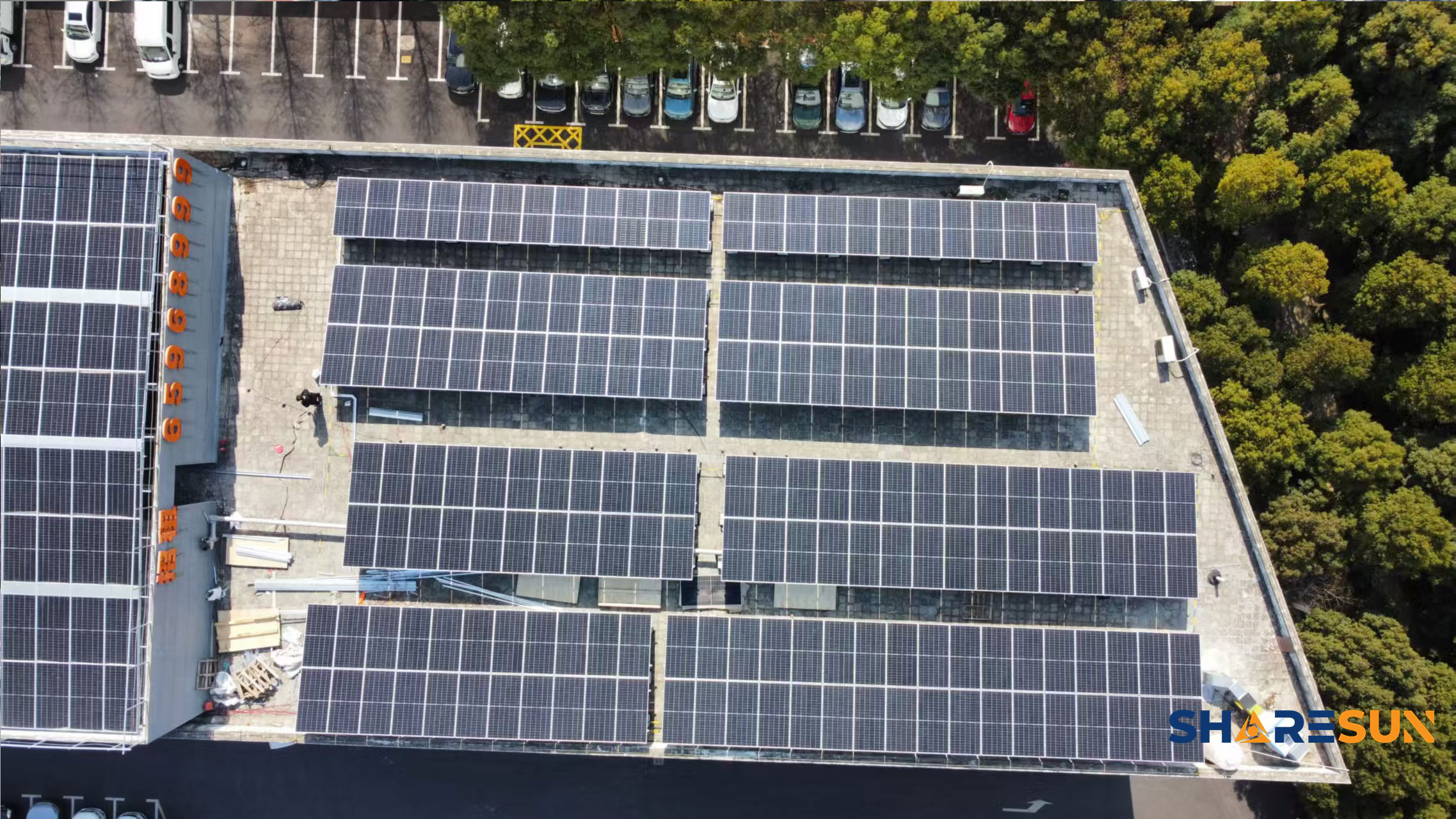
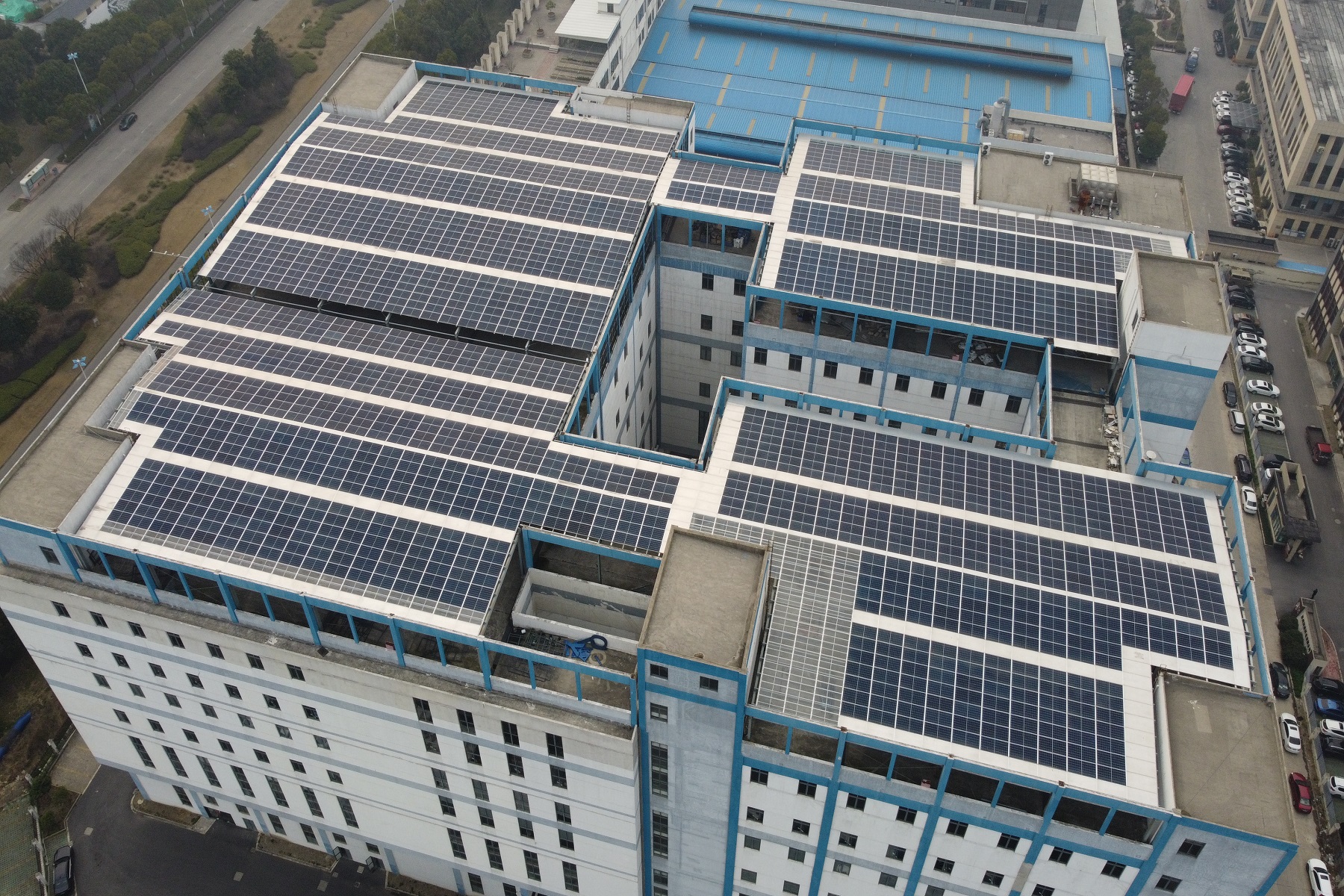
Roof-mounted solar systems (color-coated steel roofing, flat concrete roofs, tiled roofs)
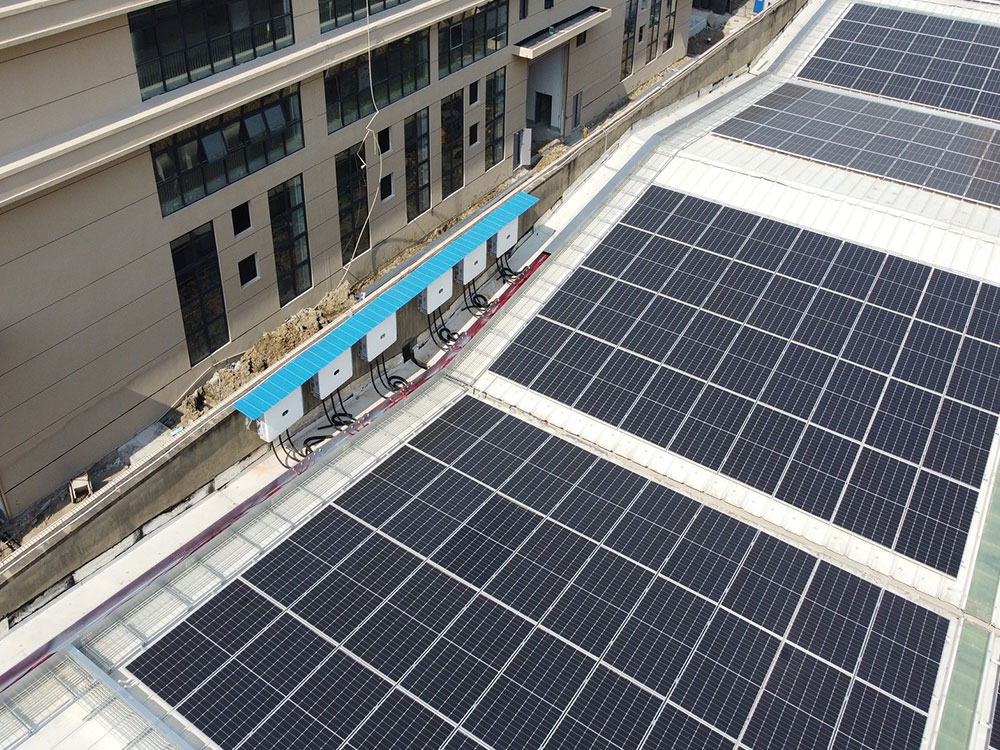
Color Steel Tile roofs: First, confirm the load-bearing capacity of the steel sheets. In many older industrial buildings, the steel sheets have corroded or warped; installing solar panels directly could cause collapse. Clamp selection must match the sheet type (corner-seam, standing seam, etc.), and clamping force must be moderate—over-tightening can crush the sheet surface, while under-tightening makes them prone to being blown off by wind.
Flat Concrete Roofs: A common approach is to pour concrete foundation piers or use ballast-type mounting systems. Here, attention must be paid to roof waterproofing; the foundation piers must not directly damage the waterproofing layer. Additionally, the load-bearing capacity of the existing roof structure must be verified, especially for non-accessible roofs.
Tiled Roofs: Tiles must be removed to secure mounting hooks to wooden rafters or the concrete roof deck, after which the tiles are reinstalled. Waterproofing is critical; sealant and waterproof gaskets must be applied at the hook installation points to prevent leaks.
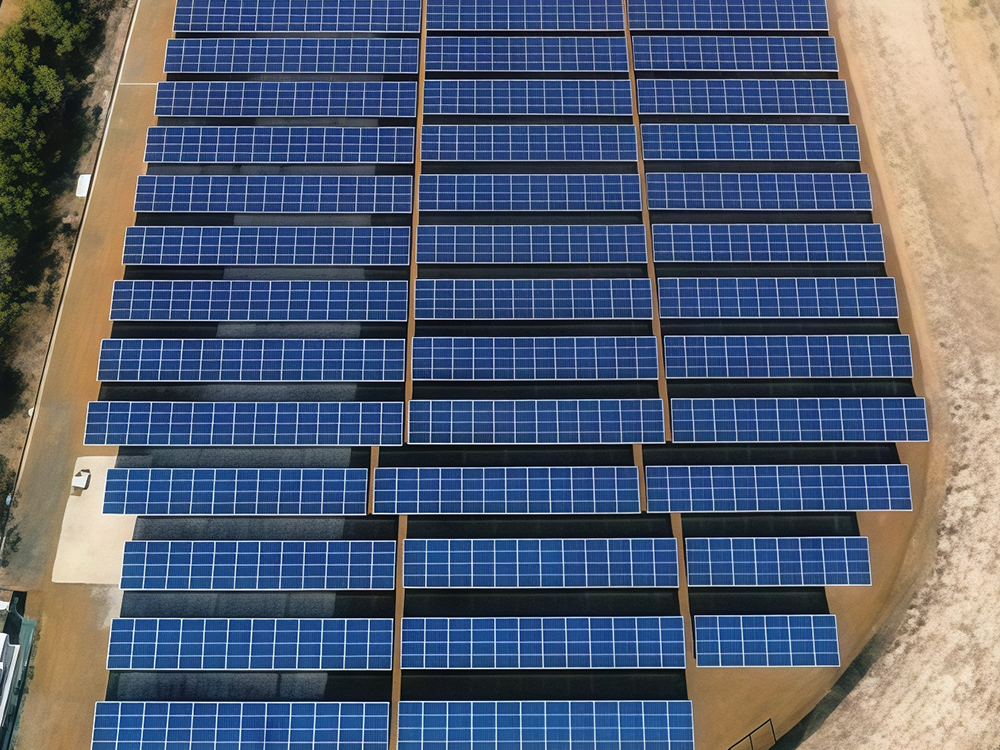
Ground-Mounted Solar Systems
Geological Conditions: In areas with soft soil or high groundwater levels, pile foundations or independent foundations are required. In regions with good soil quality, screw piles or precast piles offer high efficiency and low cost.
Terrain Slope: In mountainous or sloped areas, consider the inclination of the pile foundation and construction feasibility; use a stepped layout if necessary.
3. Corrosion Resistance and Strength of Mounting Materials
Currently, there are three mainstream materials for solar mounting systems: hot-dip galvanized steel, aluminum alloy, and stainless steel (for a few special scenarios).
Hot-dip galvanized steel: Offers high cost-effectiveness and good strength, suitable for the vast majority of applications. The key factor is the thickness of the galvanized coating, which is generally required to be no less than 65 μm (micrometers). If the coating is too thin, rust will form within a few years in humid or industrially polluted environments.
Aluminum Alloy: Lightweight, aesthetically pleasing, and corrosion-resistant, but with lower strength than steel. Suitable for scenarios with limited roof load capacity or high anti-corrosion requirements. It is also more expensive than steel mounting systems.
Stainless Steel: Commonly used in highly corrosive environments such as coastal areas and chemical plants. It is costly and rarely used in standard projects.
Note: Small components such as connecting bolts and clamps are often the weakest links in the mounting system. Opt for stainless steel bolts whenever possible, as standard galvanized bolts tend to fail first in outdoor environments.
4. Installation Precision and Construction Quality
Even the best design is wasted if the installation is sloppy.
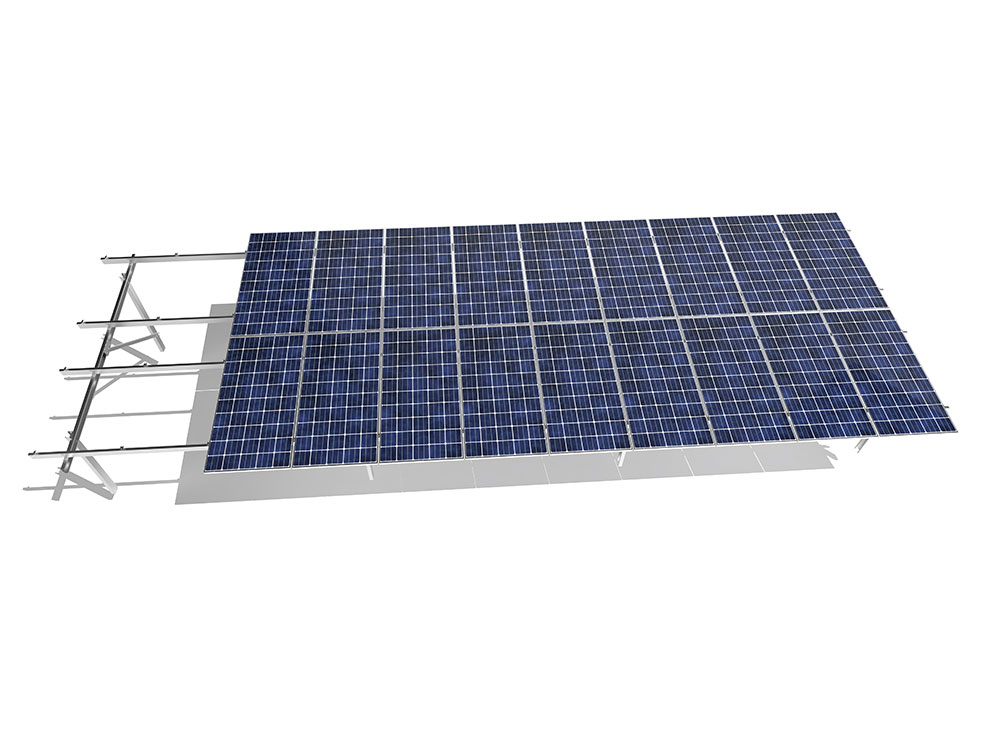
Pillar Verticality: Mounting pillars must be perfectly vertical; otherwise, cumulative deviations will occur during the subsequent installation of rails and modules, leading to uneven stress distribution and potential hidden cracks in the modules.
Rail Levelness: Rails within the same array must lie in the same plane, with deviations controlled within ±5 mm. If the rails are not level, the modules will experience torsional stress after installation.
Tightening Torque: Bolted connections are not simply a matter of “tightening them as much as possible.” If they are too loose, they will come loose; if too tight, they may damage the threads or the profiles. If possible, use a torque wrench to apply the torque specified in the design.
Anti-loosening Measures: Under repeated vibration and wind loads, bolts are prone to self-loosening. It is recommended to use spring washers, lock nuts, or thread-locking adhesive.
5. Electrical Safety and Grounding
Since the mounting structure itself is made of metal, it may become energized in the event of a short circuit in the modules or cables, posing a risk of electric shock.
Grounding of the mounting structure: All metal mounting structures must be reliably grounded; the grounding resistance is generally required to be no greater than 4 Ω (refer to the design drawings for specifics).
Bonding Connections: Bolt connections between mounting rack sections may become electrically non-conductive due to paint or oxidation layers; therefore, bonding wires must be added or serrated washers used to break through the coating.
Module Grounding: Electrical continuity must also be ensured between the module frame and the mounting rack, typically achieved through grounding washers or dedicated grounding clamps.
6. Ease of Future Maintenance
Many people neglect their solar systems after installation, but the mounting structure requires periodic inspection and maintenance.
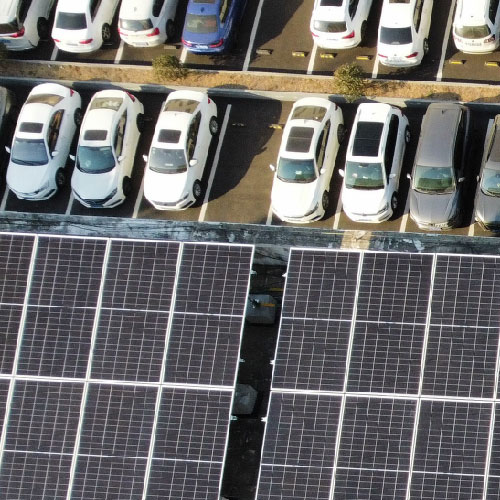
Provide Access Paths: In densely arranged arrays, leave sufficient spacing for personnel to walk through, facilitating inspection of bolts, cables, and modules.
Drainage Considerations: Water should not pool on the mounting system’s crossbeams; profile openings should face downward whenever possible to prevent dust accumulation and rainwater stagnation.
Adjustability: If the site is prone to uneven settlement (such as on soft soil foundations), consider using connectors with adjustment features to allow for minor height adjustments later.
7. Compliance: Do not install first and seek approval later
Although this is often overlooked, it bears repeating: confirm whether filing or approval is required before installation.
Roof-mounted solar systems in some cities require filing or obtaining consent from property management and neighbors (especially in multi-story residential buildings).
Ground-mounted power stations involve land use regulations; do not construct within designated farmland or ecological red lines.
For grid-connected projects, provide documentation such as mounting structure foundations and load-bearing certificates as required by the local power grid company.
Summary
When installing solar mounting systems, the four core considerations are: accurately calculate environmental loads, ensure foundations and materials match site conditions, follow standard installation procedures, and never compromise on safety and grounding.
Do not blindly pursue the lowest price, nor assume that “the most expensive is the best.” By selecting a reasonable mounting solution and construction standards based on the project site’s actual climate, roof conditions, and required service life, you can ensure your solar system operates safely and reliably for over twenty years.
If you are planning to install a solar system, we recommend first having an experienced structural engineer or professional installation company inspect the site. Do not attempt to install it yourself based solely on online images. Solar mounting systems are concealed installations; once problems arise, repairs are more troublesome than the initial installation.
For more professional consultation, please click here: Contact Us