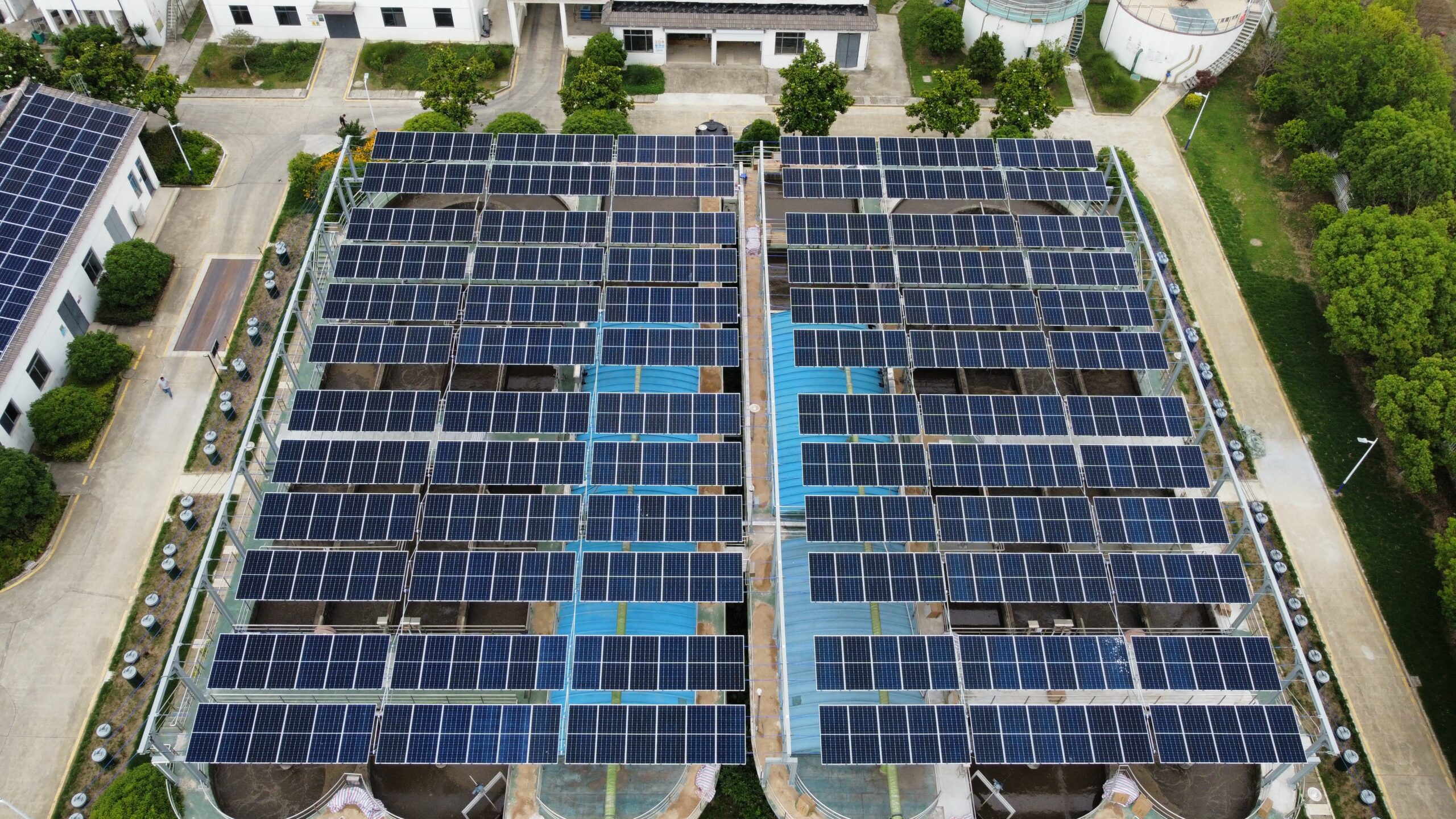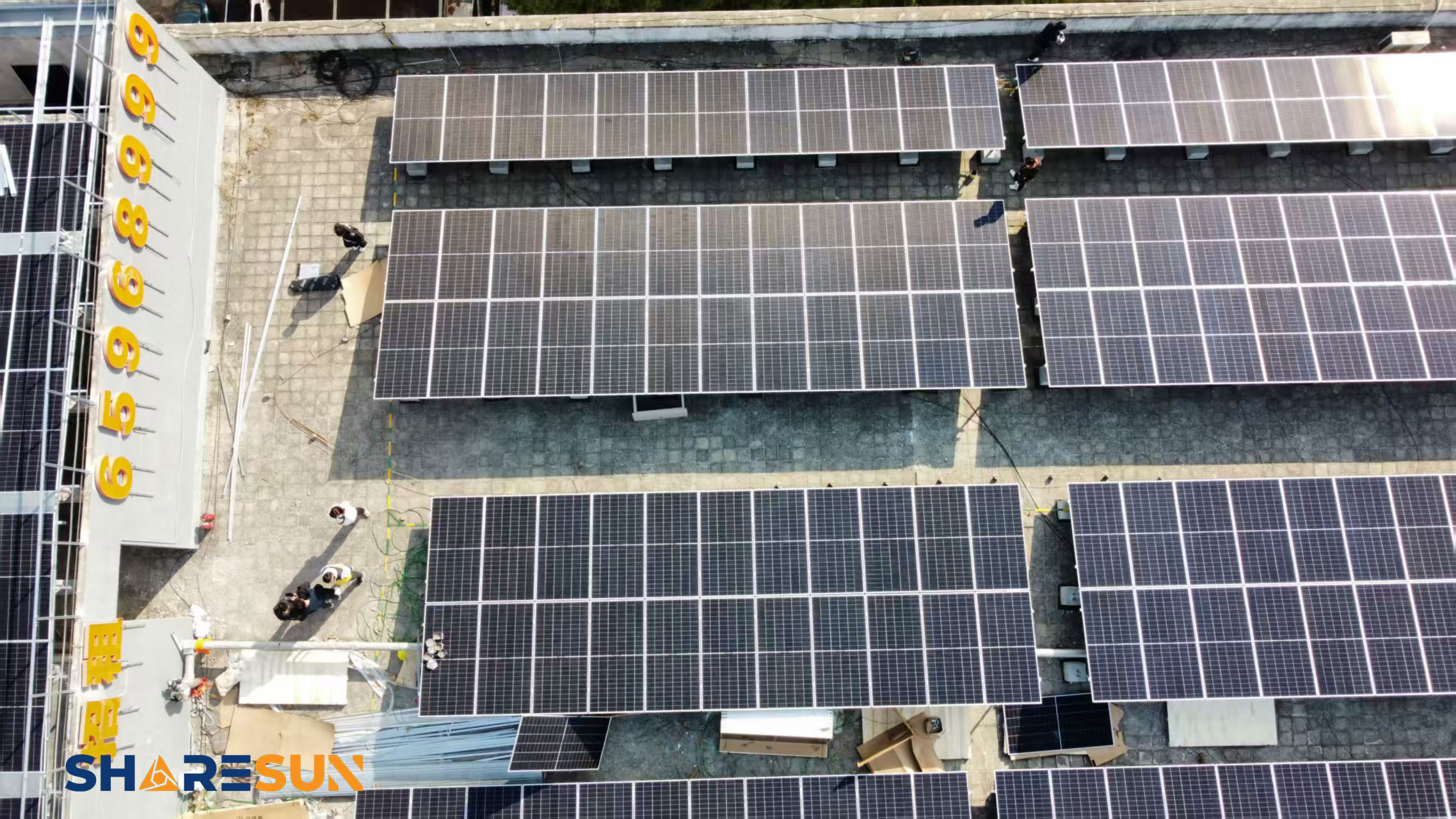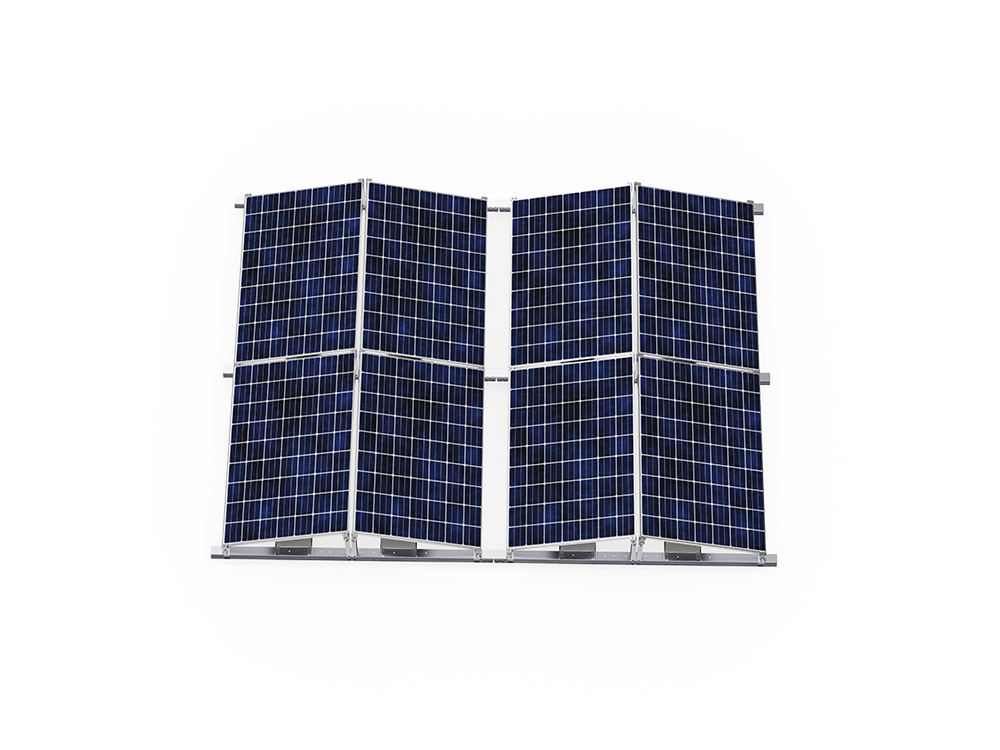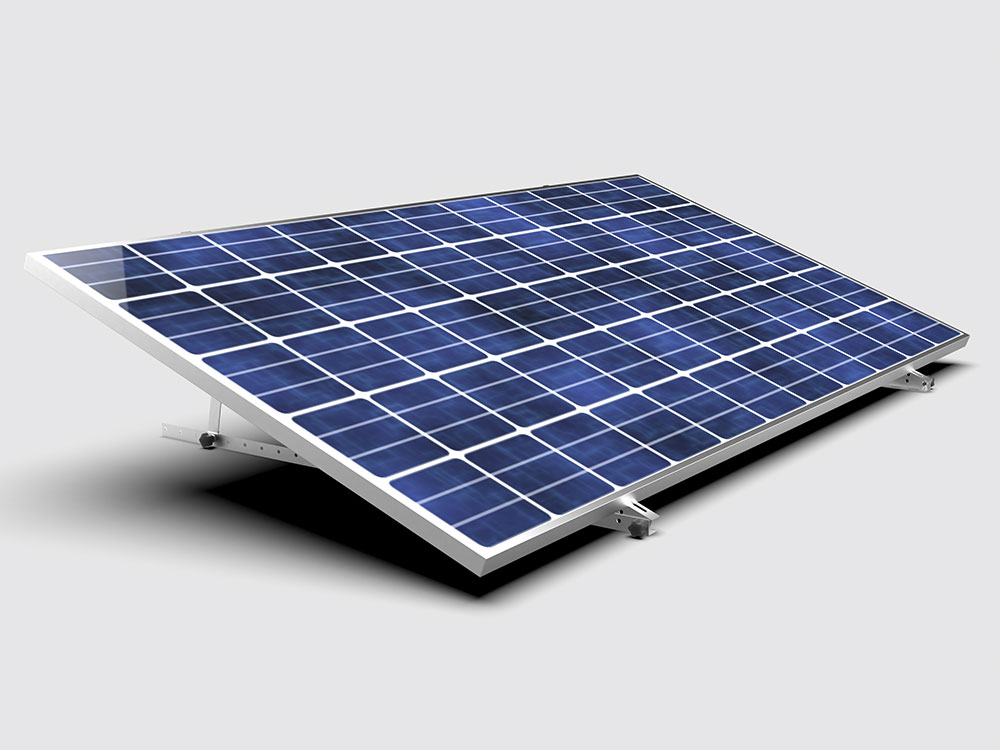
Within the overall investment of a solar power plant, solar mounting structures are often regarded as an unremarkable supporting element. However, after five or ten years of operation, it is precisely this seemingly simple “framework” that ultimately determines whether the system can continue to generate electricity reliably and stably. The design of a solar power generation system is an interconnected, holistic engineering endeavor. As the critical link connecting the ground to the modules, the thoroughness of the mounting structure’s design directly impacts the safety and profitability of the entire plant. Below, we outline several core issues that must be addressed during system design from a practical application perspective.
Beyond Support: Mounting Structures as Precision Mechanical Systems
Many instinctively view mounting structures as mere steel frames with limited technical complexity. In reality, a reliable mounting system integrates knowledge from structural mechanics, materials science, and environmental engineering. The primary task in system design is confirming the structure’s ability to withstand local extreme weather conditions.
Wind load calculations represent the most complex aspect. For traditional fixed mounts, designs must reference local meteorological data to ensure wind resistance exceeds the region’s 50-year return period threshold. Tracking mounts, increasingly prevalent in recent years, feature lighter structures and greater sensitivity to wind forces, demanding more refined design approaches. Research indicates that relying solely on generic building load codes may not fully meet the design requirements for tracking mounts, as these codes inadequately account for mutual interference between solar arrays and the mount’s own torsional characteristics. A more reliable approach involves wind tunnel testing to obtain actual dynamic wind load coefficients, thereby preventing the “weakest link effect” caused by insufficient design of individual components.
Adapt to Local Conditions: Different Installation Environments, Different Design Logics
Mounting system design cannot be a one-size-fits-all solution; it must deeply integrate with the installation environment. Roof-mounted installations and ground-mounted installations have fundamentally different design starting points.
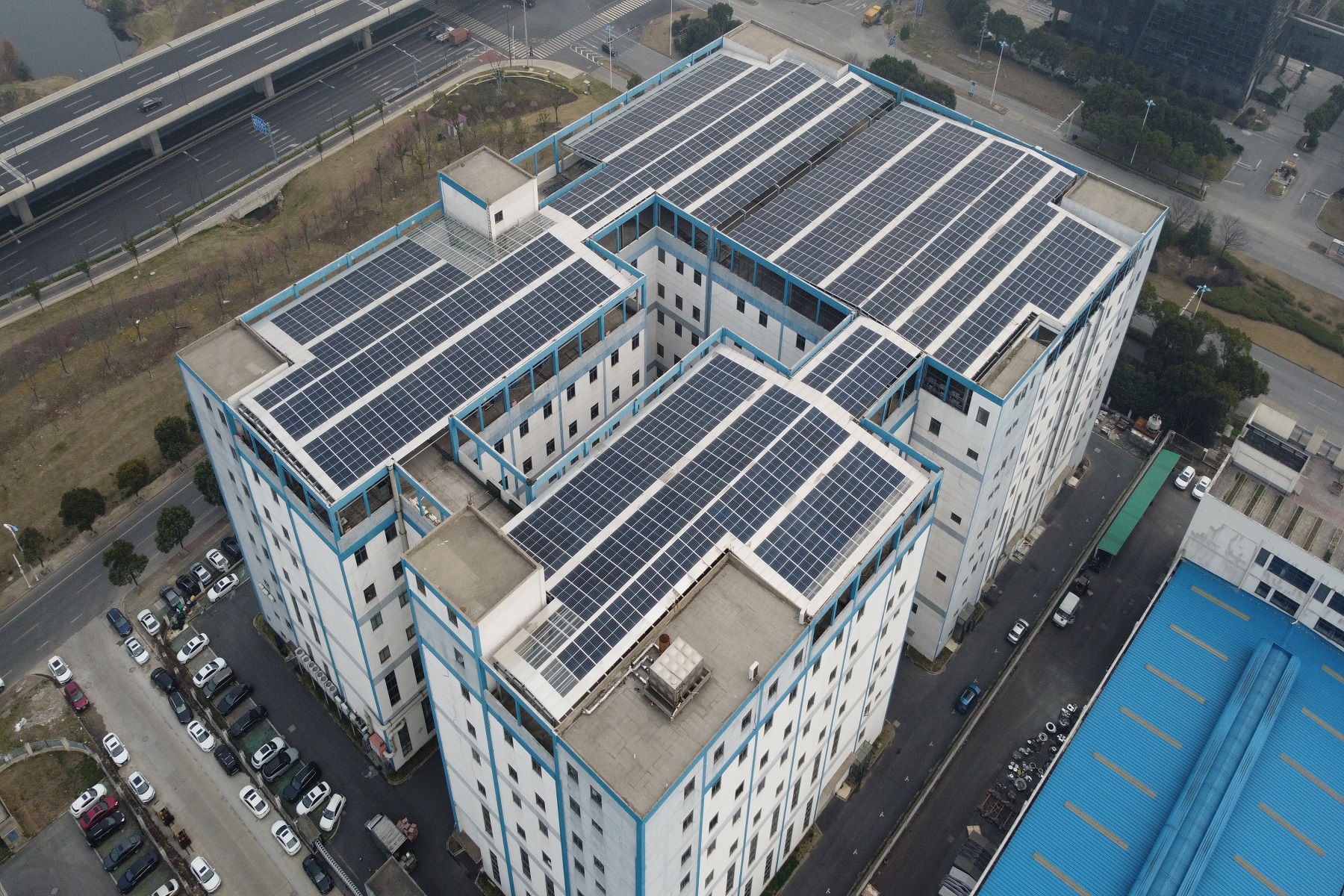
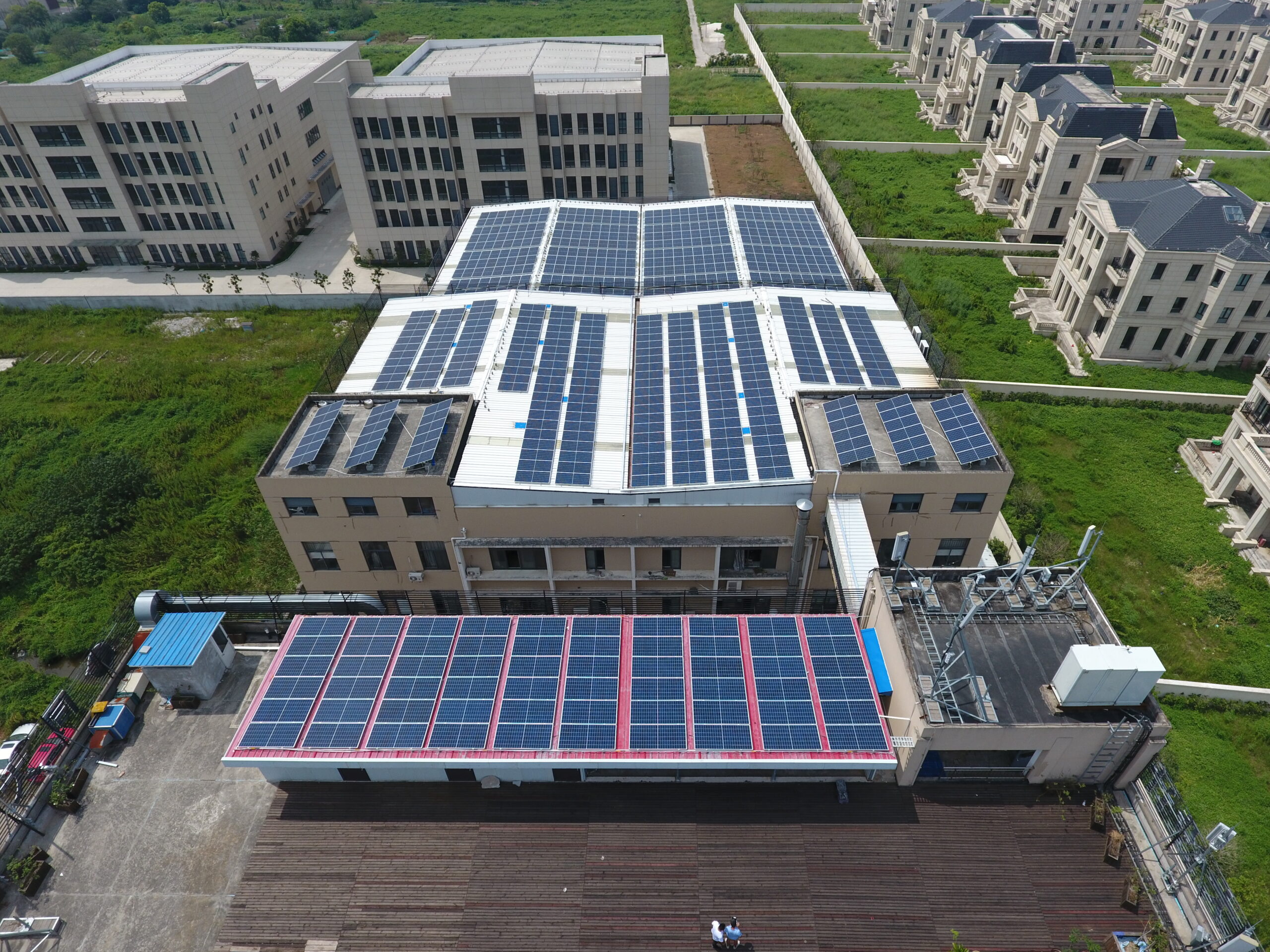
For rooftop solar, the design core lies in “integration” and “protection.” First, respect the structural integrity of the existing building by having professional engineers assess the roof’s additional load-bearing capacity. Second, the roof’s waterproofing layer must be protected. For color-coated steel roofs, specialized clamps or screws with waterproof washers must be selected based on tile type to minimize or properly repair any damage. For standing seam metal roofs where drilling is prohibited, clamps must secure the mounts to the standing seams, ensuring the roof’s integrity remains unaffected. When installing on tile roofs, specialized hooks must be carefully embedded beneath the tiles, with waterproofing at penetration points being a critical detail determining project success.
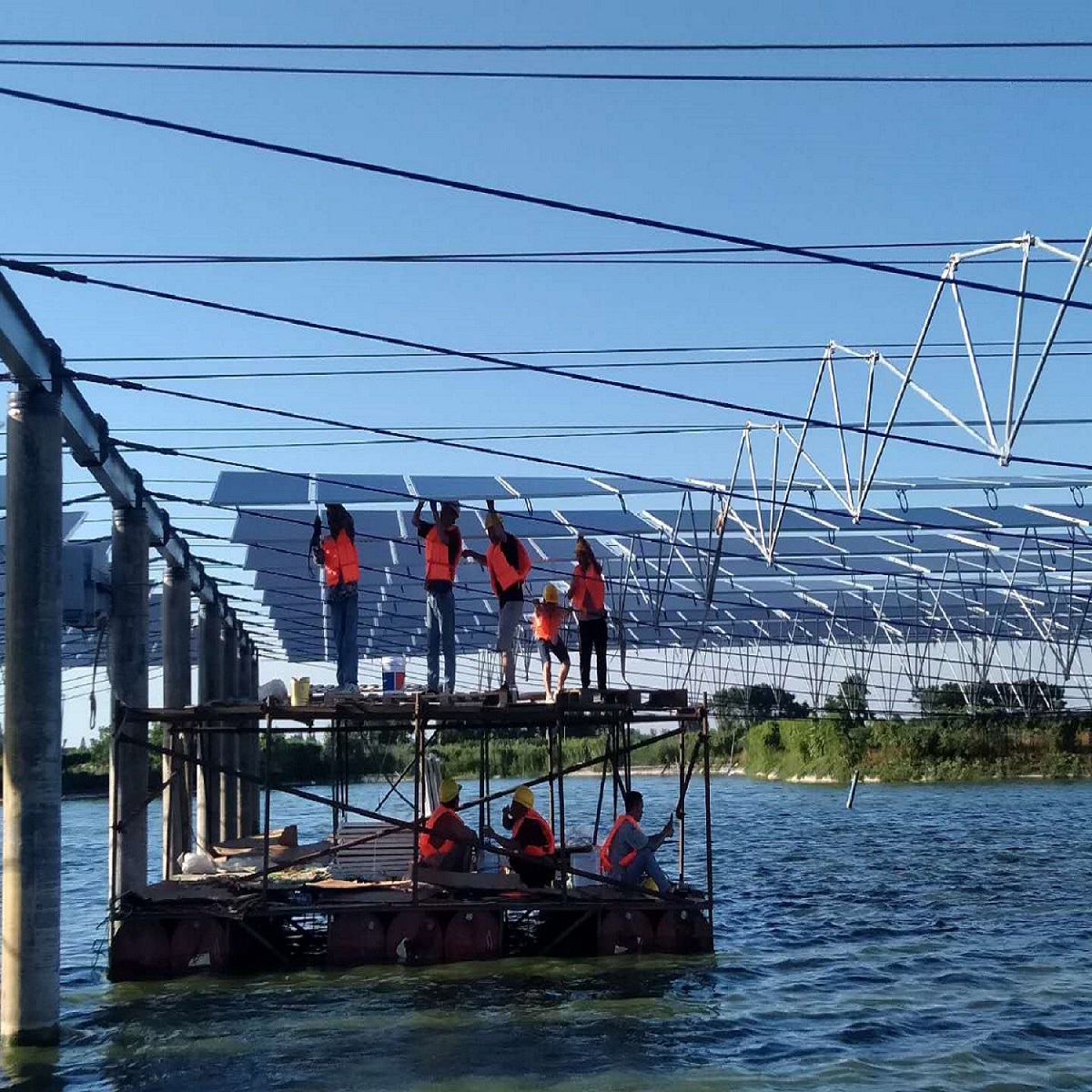
For ground-mounted solar plants, particularly in complex terrains like mountains, abandoned mining areas, or tidal flats, design emphasizes “adaptation” and “spanning.” Flexible mounting systems, gaining prominence in recent years, address the limitations of traditional structures when crossing ditches, rivers, or fish ponds. By tensioning prestressed steel cables between two support points, flexible structures achieve greater spans, significantly reducing foundation requirements while minimizing disruption to existing topography and vegetation. This design enables true “combined use” of solar energy with agriculture, fisheries, and other activities, enhancing land utilization efficiency. Naturally, such structures impose higher demands on cable corrosion protection, node connections, and overall safety monitoring, necessitating corresponding technical specifications.
The devil is in the details: The long-term test of connections and corrosion protection
A solar power plant typically has a lifespan exceeding 25 years, and the durability of its mounting system largely depends on the unseen connection points and corrosion protection processes.
In connection design, whether using bolted joints or welding, it is essential to ensure reliable load transfer at each node. For aluminum alloy structures, which often employ specialized connectors or L-shaped aluminum angles, the boundary conditions of components differ from steel structures. Their stress characteristics require specific consideration during design. If low-cost procurement results in excessive hole tolerance tolerances, on-site installation becomes not only labor-intensive but may also leave safety hazards due to unstable connections.
Regarding corrosion protection, the design focus should not solely pursue coating thickness but rather adopt a tailored approach. In dry inland regions, conventional hot-dip galvanizing may suffice. However, in coastal areas with severe salt spray corrosion or acidic soil environments like volcanic ash, enhanced protection is essential. In such cases, materials like anodized aluminum alloys or ultra-high-strength rare-earth corrosion-resistant steel can be considered to address corrosion at the material source. According to the international standard ISO 12944, corrosion protection grades range from C1 to C5, each corresponding to distinct environmental conditions. Designers must match appropriate corrosion protection solutions for brackets, connectors, and foundations based on the humidity, salinity, and pollutant concentration at the project site.
In summary, an excellent solar power system design should treat the solar mounting structure as a dynamic, complex system deeply interacting with its environment. It demands rigorous adherence to scientific wind load calculations, meticulous consideration of unique roof or terrain conditions, and strict attention to material connections and corrosion protection details. Only then can solar power plants reliably deliver clean electricity over the long term.
For more professional advice, please click here: Contact Us