With growing environmental awareness and electricity cost considerations, more households and businesses are choosing to install solar power systems. When you decide to embrace clean energy, you’ll discover that the entire solar mounting installation process involves far more than simply setting up a few panels. A comprehensive installation service is actually the foundation ensuring your solar power plant operates safely, efficiently, and reliably for over 25 years.
So what exactly does professional solar panel mounting installation entail? Below is a detailed breakdown based on the actual construction process.
Pre-Installation Site Survey and Design Planning
Before commencing work, a professional installation team must conduct a thorough on-site survey. This step is critical, directly determining the safety and power generation efficiency of the subsequent solar system.
Technicians will measure your roof or ground space, assess structural load-bearing capacity, and evaluate surrounding obstructions. They’ll inspect roof materials (tiles, concrete, or metal) since this directly impacts mounting methods. For example, tile roofs require precise positioning and installation of roof hooks without damaging tiles—padding adjustments may be necessary. Based on the survey findings, the team will develop a customized installation plan, determining the array layout, tilt angle, and optimal orientation (typically south-facing) to maximize energy production.
Foundation Construction and Mounting
The stability of solar racks relies entirely on the quality of the foundation work. This phase varies significantly depending on the installation location.
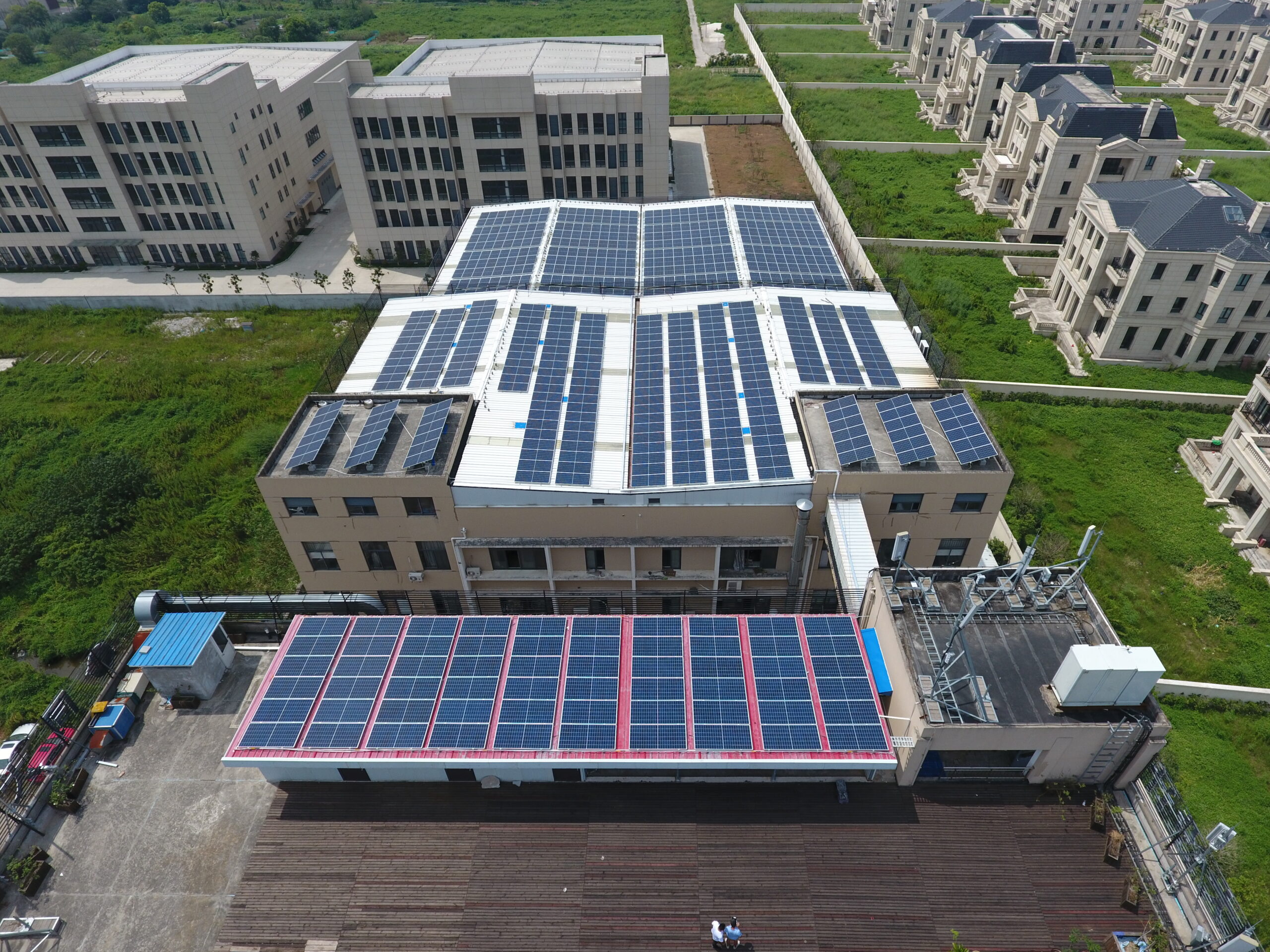
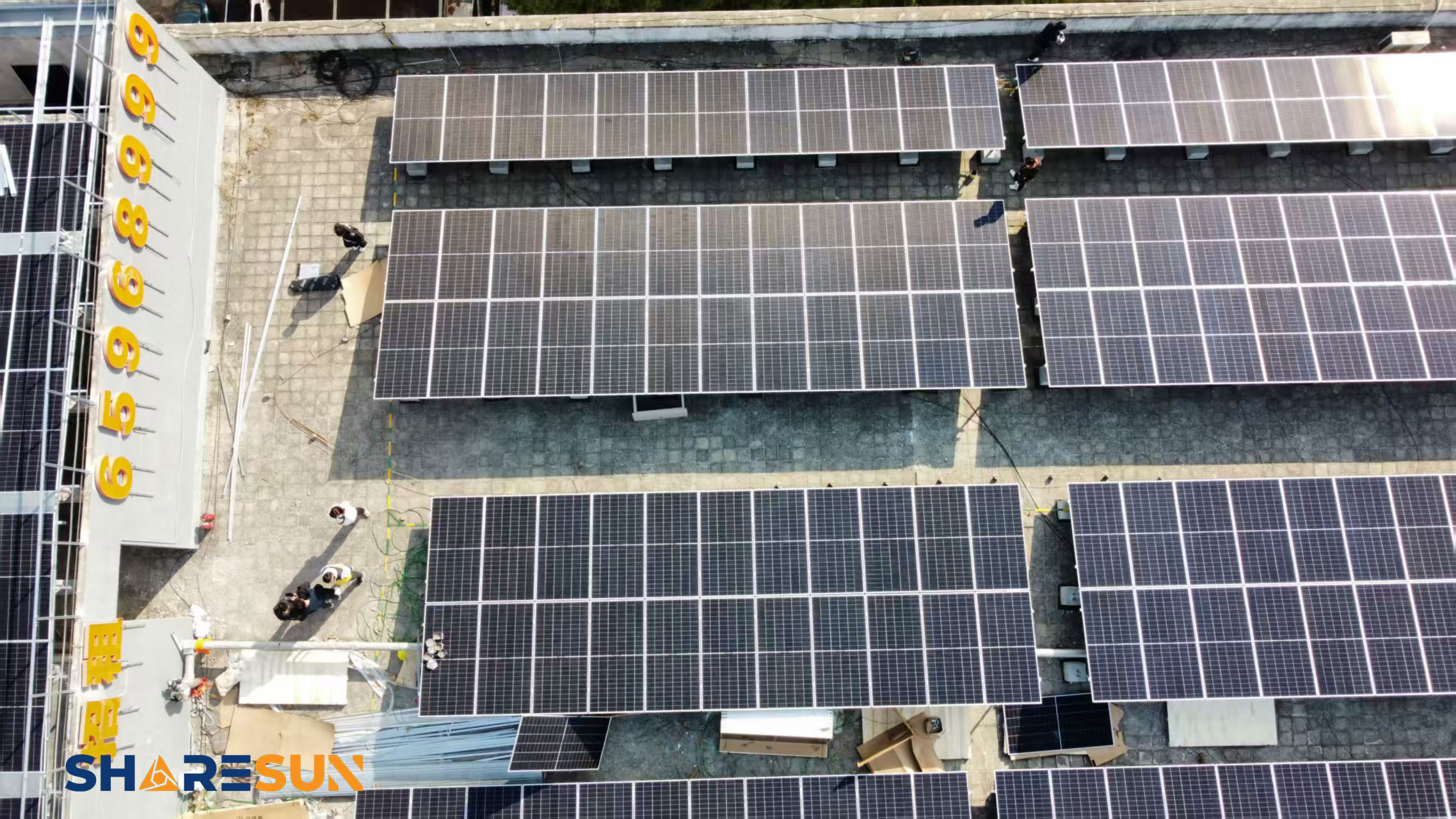
For flat roofs, cement pedestals or chemical anchors are commonly used for fixation. Additional waterproofing and concrete encasement may be required to add weight and withstand high winds. Ground-mounted solar installations involve more complex construction, potentially including drilling, pouring concrete foundations, or driving helical piles to ensure the structure remains immovable in all weather conditions. On pitched roofs, workers must precisely install roof hooks—the critical components connecting the roof to the mounting system—ensuring they are perfectly level and secure.
Assembly and Adjustment of the Main Structure
Once the foundation is complete, the main solar mounting structure is assembled. This process resembles erecting a building’s skeleton, primarily involving the installation of rails (also called tracks) and crossbeams.
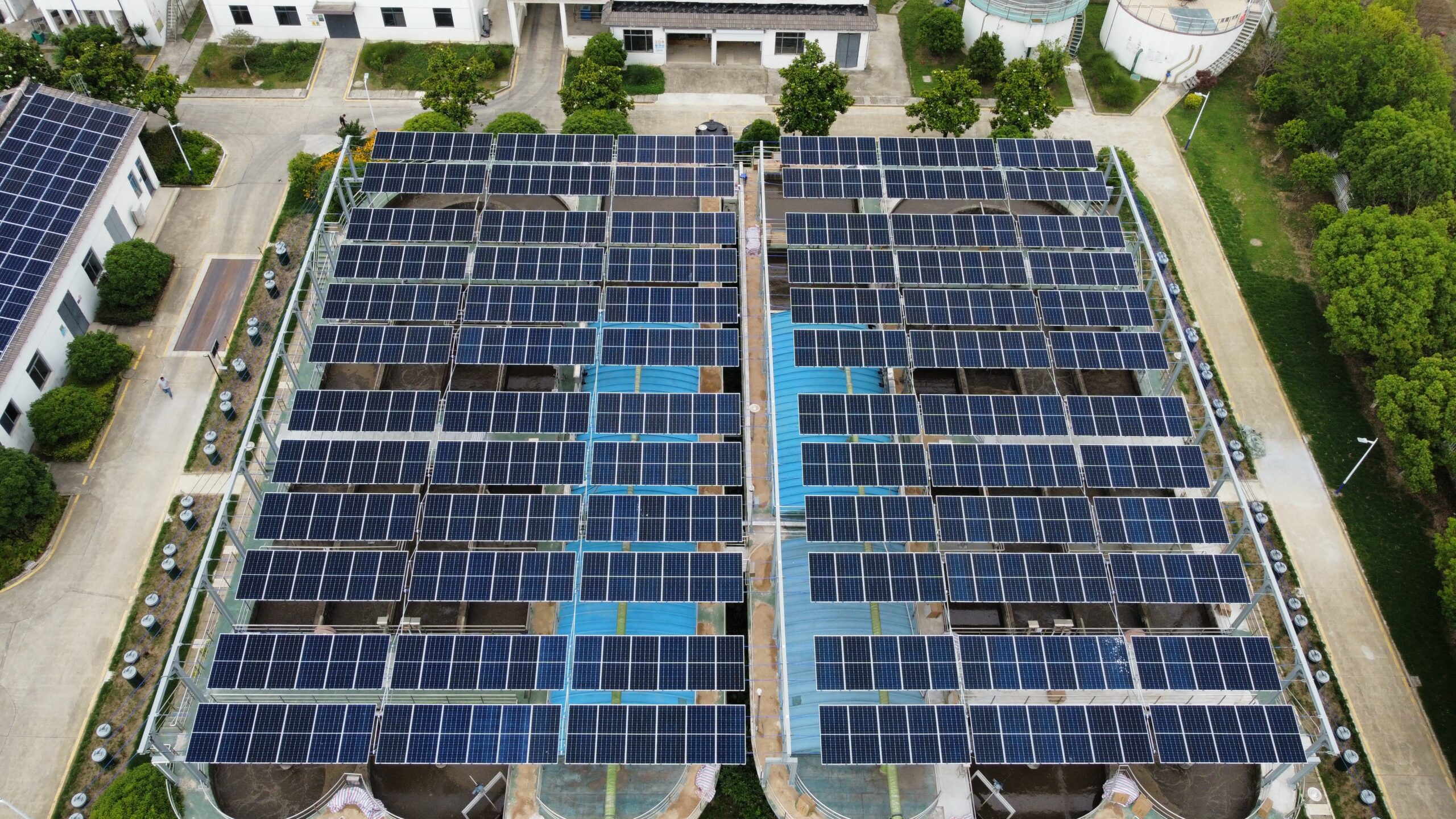
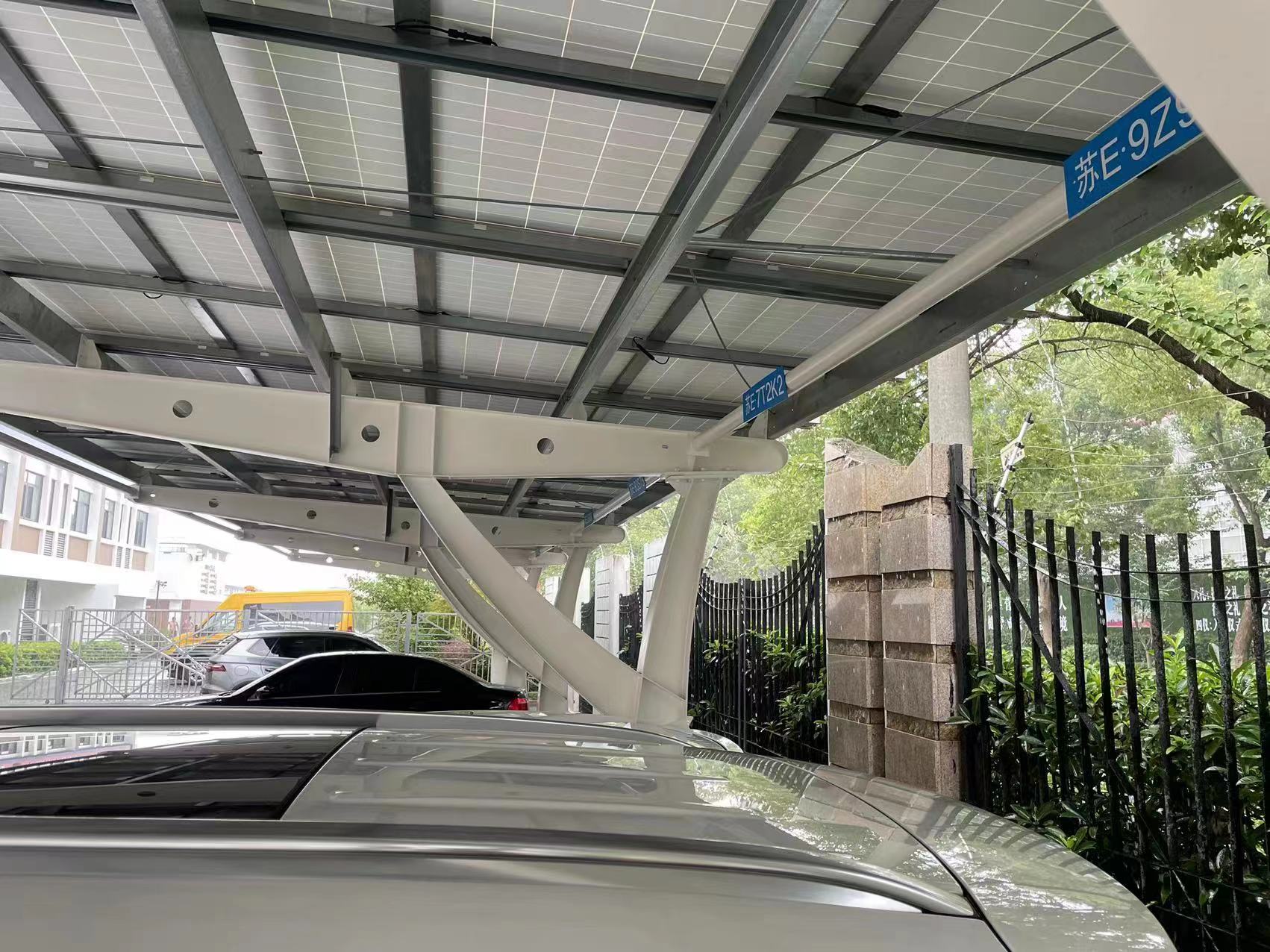
Installers secure the rails to pre-set bases or hooks using specialized T-bolts and connectors. Throughout this process, they meticulously control the rails’ levelness and straightness to ensure the entire support surface forms a perfectly flat plane. For large ground-mounted power plants, column braces and diagonal braces are also installed, creating a stable triangular structure that enhances overall wind and snow load resistance. Only with precise mounting of the support structure can subsequent solar panels be arranged uniformly and bear loads evenly.
Installation and Securing of Solar Panels
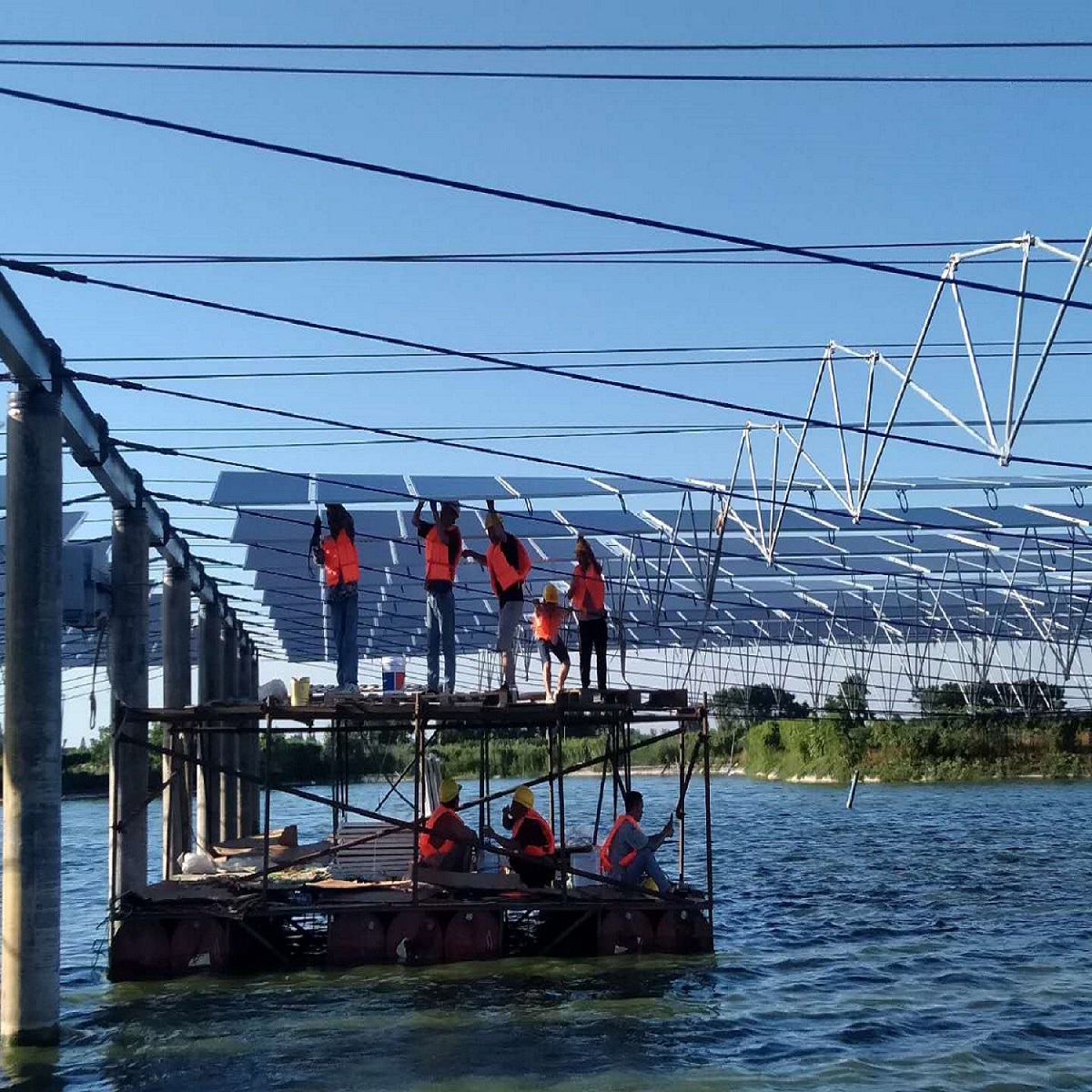
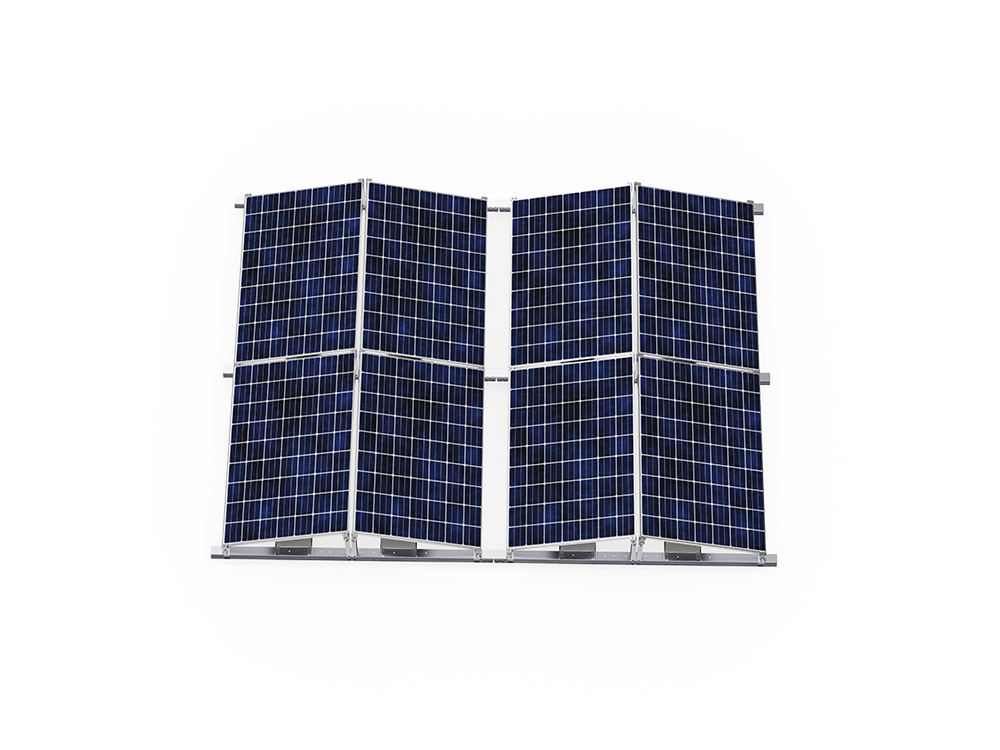
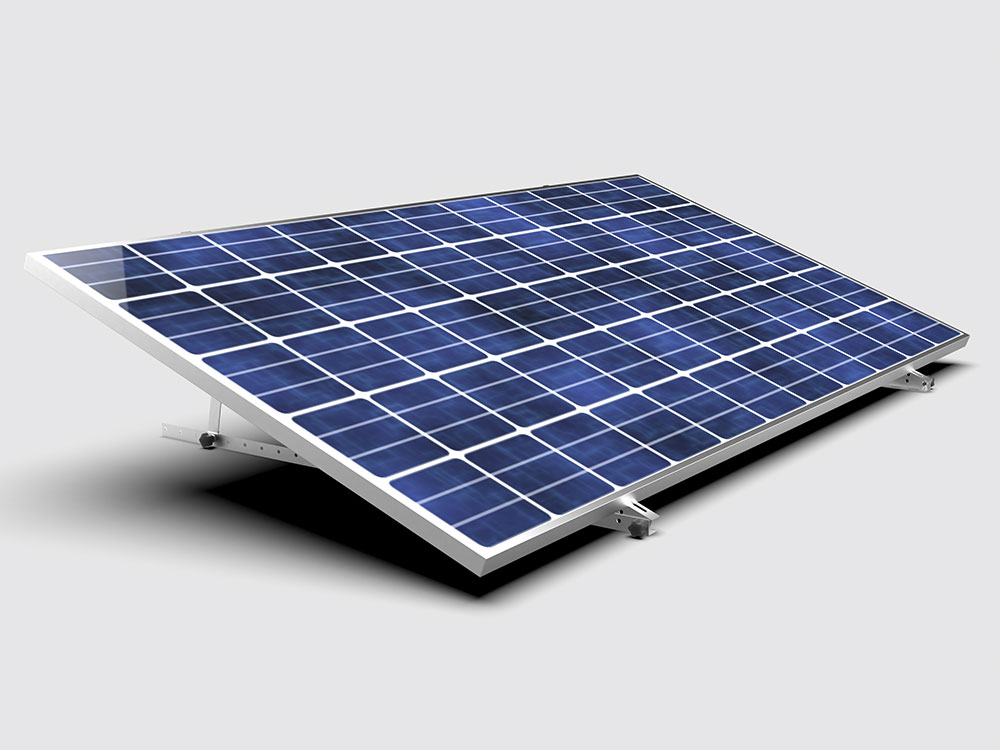
Once the solar support system is fully assembled, the true “stars”—the solar panels—make their entrance. Installation technicians transport each panel to its designated position on the support structure and securely fasten them to the rails using specialized clamps (center clamps and edge clamps).
This process appears straightforward but demands considerable skill. Installers wear gloves, handling panels gently to prevent glass breakage. They strictly adhere to the design drawings to control spacing between panels and ensure bolts meet torque specifications, preventing loosening over time.
Electrical Connections and Safety Protections
Although primarily an electrical task, this is inseparable from solar mounting installation services. The mounting system typically also serves to secure cable trays and conduits.
Installers lay cable trays on the racks and secure equipment like inverters and combiner boxes in designated positions. They connect cables from the backs of solar panels in series and parallel configurations, ensuring all wiring is secure and waterproof. Notably, premium installation services include comprehensive lightning protection grounding systems. These reliably connect the solar racks to the building’s lightning rods, preventing lightning induction and safeguarding both personnel and equipment.
Detailed Workmanship and Waterproofing Repairs
This is a critical aspect demonstrating the professionalism of installation services. When installing solar power systems on roofs, drilling holes is unavoidable, but preventing leaks is the benchmark for assessing craftsmanship.
After drilling holes to secure solar mounting brackets, professional installation teams rigorously waterproof all penetration points using weather-resistant sealant or specialized waterproof covers. For certain color-coated steel tile roofs, installers may even need to slightly adjust or cut existing tiles, restoring them to their original state or enhancing their appearance post-installation.
Commissioning, Acceptance, and O&M Guidance
The conclusion of solar bracket installation does not mark the end of service. Upon full completion, the team assists with system commissioning and utility grid connection acceptance. They verify the structural integrity of the entire bracket system meets national standards and cleans the site.
Additionally, professional installation services include essential usage training, teaching you how to monitor power generation and perform routine maintenance. For instance, they will remind you to regularly clean bird droppings and dust from the solar panel surfaces to maintain generation efficiency. After all, a stable mounting system ensures your solar panels deliver consistent returns throughout their 25-year lifespan.
Solar mounting installation services encompass a comprehensive project involving preliminary design, civil construction, mechanical installation, electrical connections, and post-installation maintenance. Selecting an experienced and responsible installation team not only ensures your solar power system is aesthetically pleasing and structurally sound but also guarantees decades of worry-free enjoyment of solar dividends.
For more professional consultation, click here: Contact Us