The Basic Concept of Distributed Solar Power Plants
Distributed solar power generation refers to solar power facilities developed on the consumer side, connected to the distribution grid, and balanced and regulated primarily within the distribution grid system. In simpler terms, it means installing solar power equipment at or near the point of electricity consumption, prioritizing self-consumption of the generated electricity, and selling any surplus back to the grid.
This concept may sound somewhat abstract, but we can understand it through an everyday example. Traditional large-scale centralized solar power plants resemble massive power stations built in sparsely populated desert regions. The electricity they generate must travel long distances via high-voltage transmission lines to reach cities. In contrast, distributed solar power plants are more akin to small vegetable gardens cultivated in each household’s backyard. The produce is first consumed by the family, with any surplus sold at the local market.
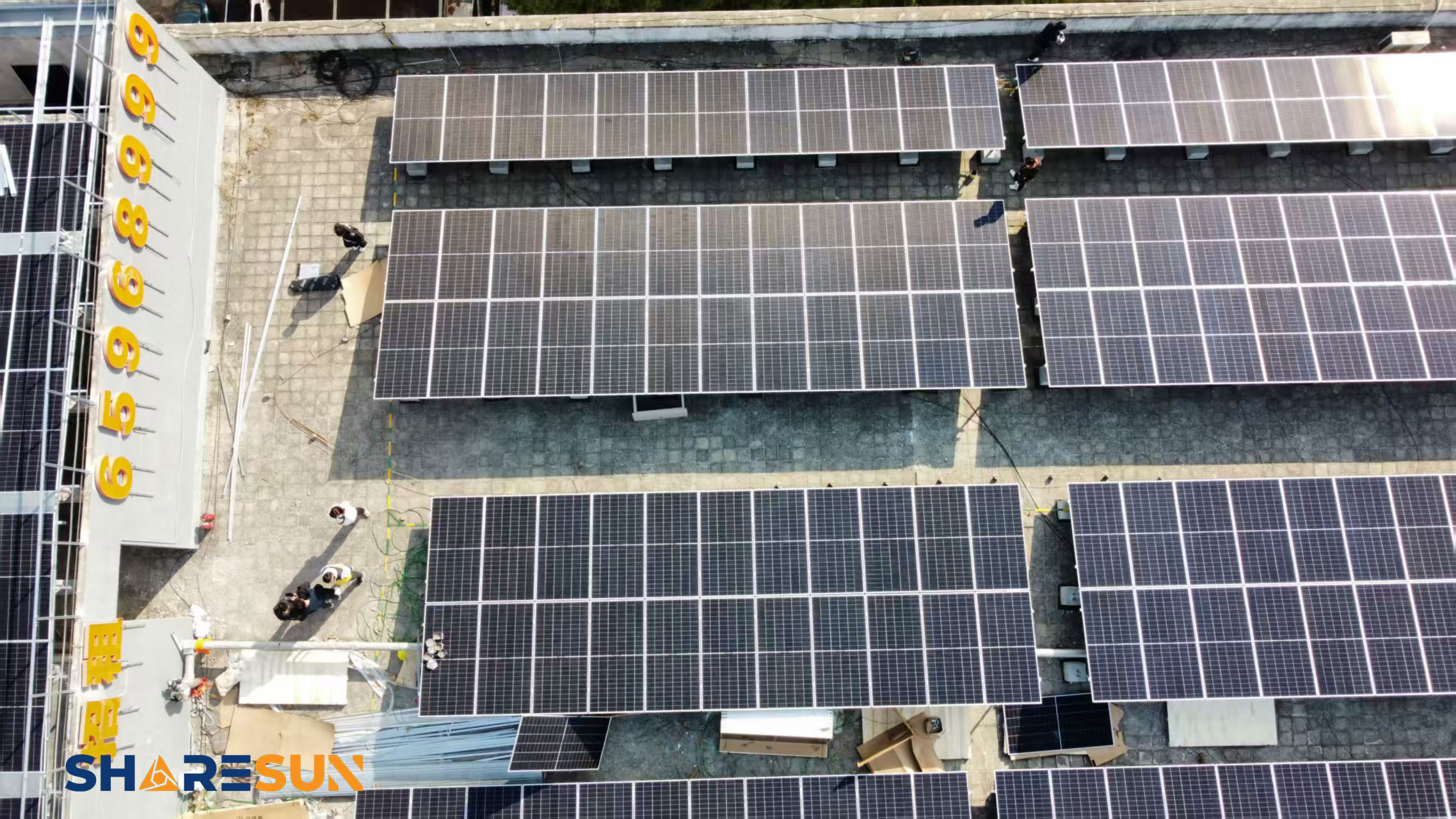
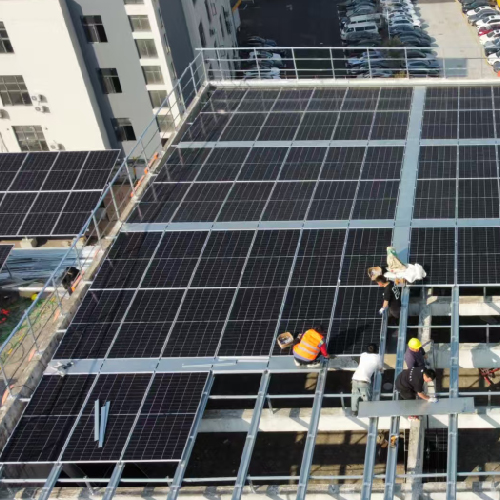
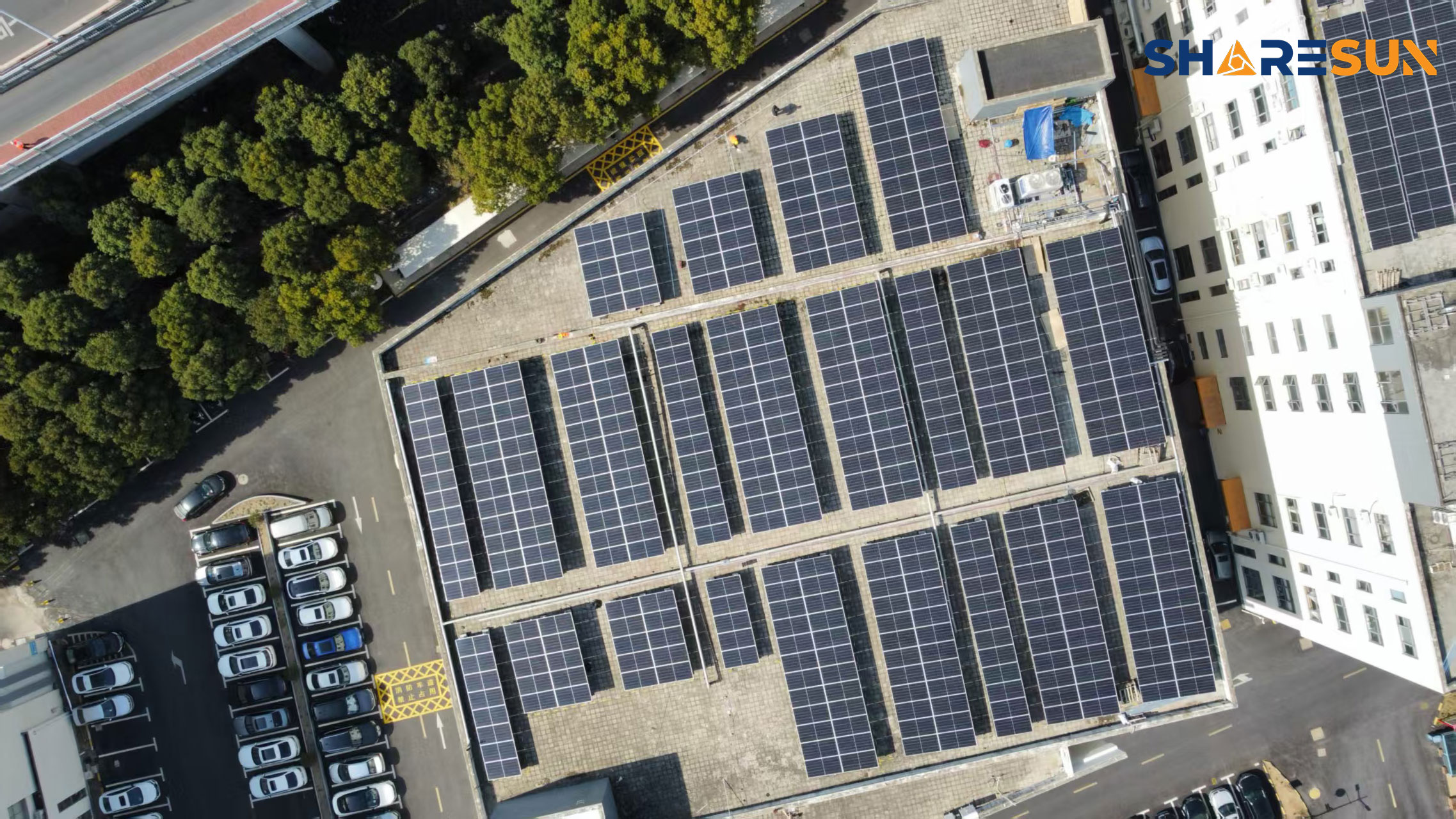
In Yuyao City, Zhejiang Province, the rooftop of Ningbo Fuji Industrial Co., Ltd. is covered with over 3,500 solar panels. The company representative explained: “The electricity generated by solar panels is prioritized for factory use, with surplus sold to the grid company. Last year, we generated over 1.77 million kWh, saving us more than 1.4 million yuan in electricity costs.” This is a classic application scenario for commercial and industrial distributed solar power stations.
Primary Forms of Distributed Solar Power Plants
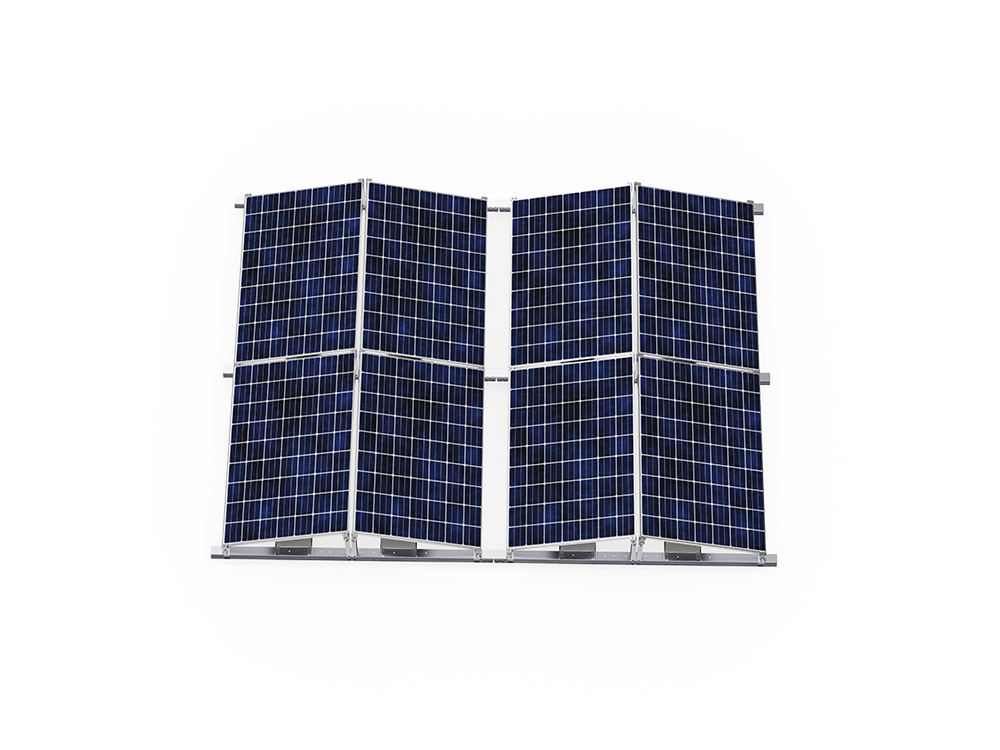
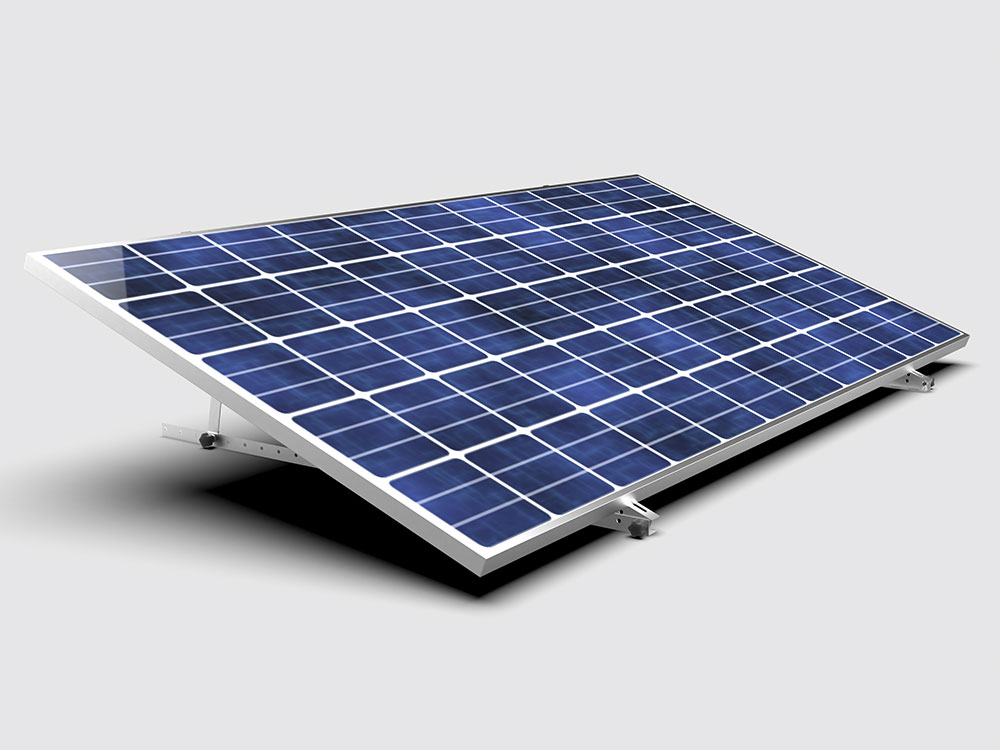
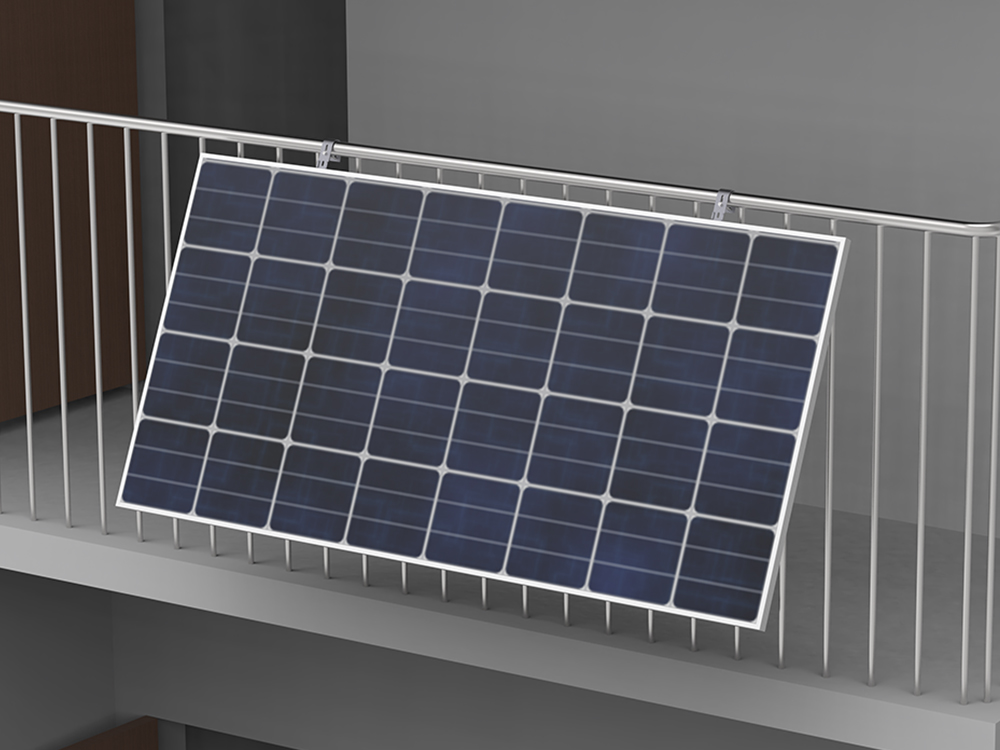
Distributed solar power plants offer highly flexible application models, capable of operating virtually anywhere sunlight is available.
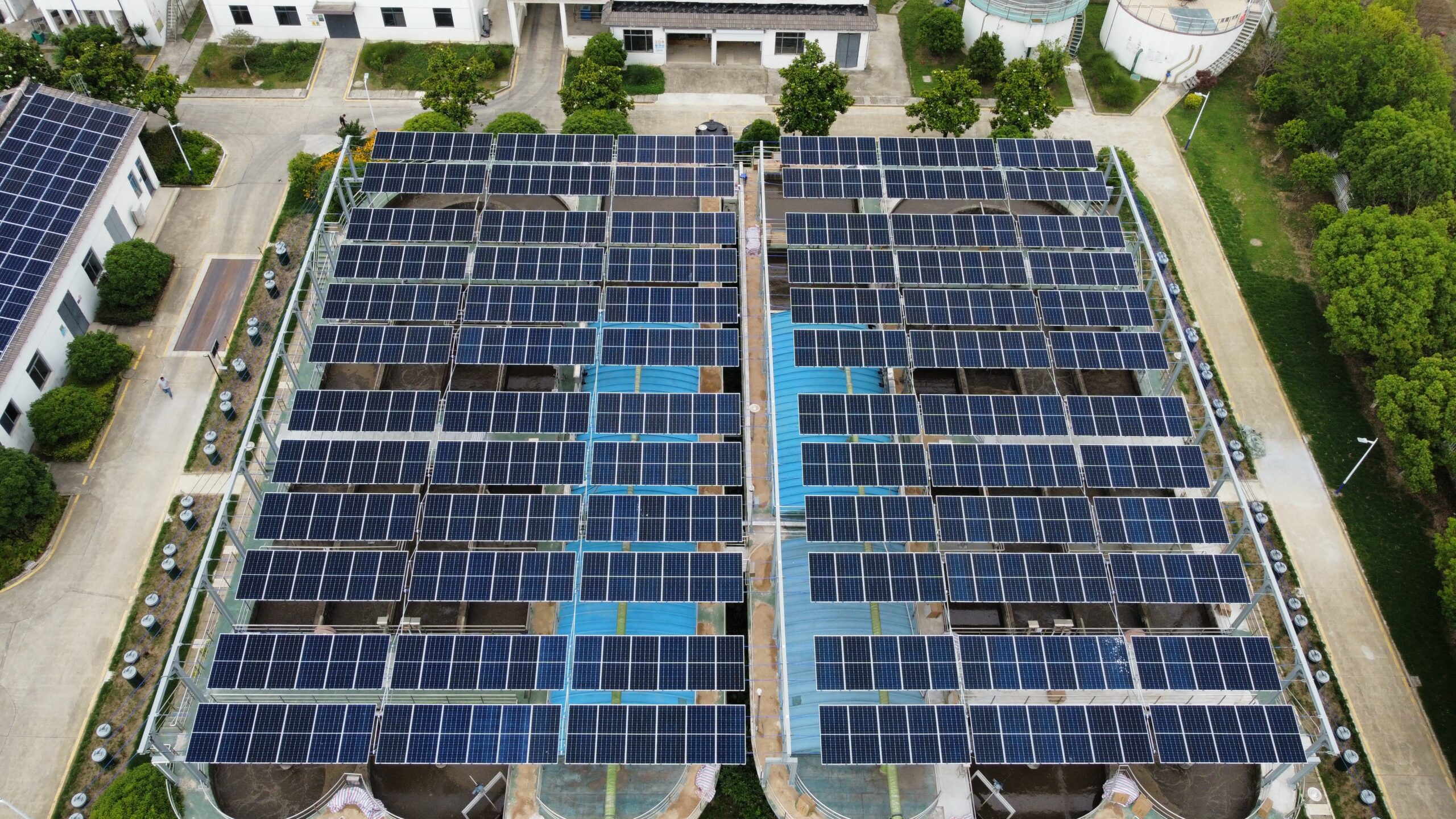
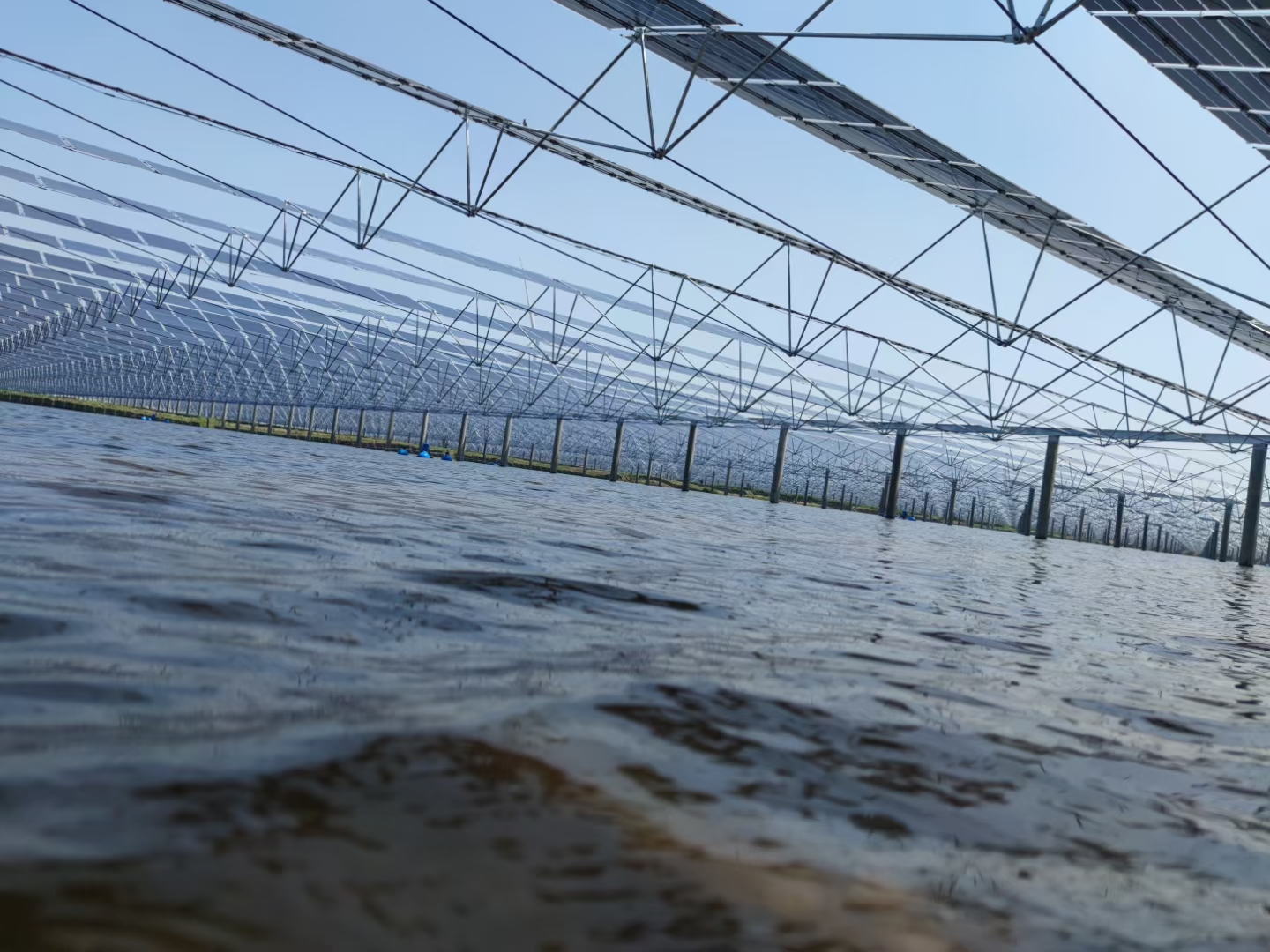
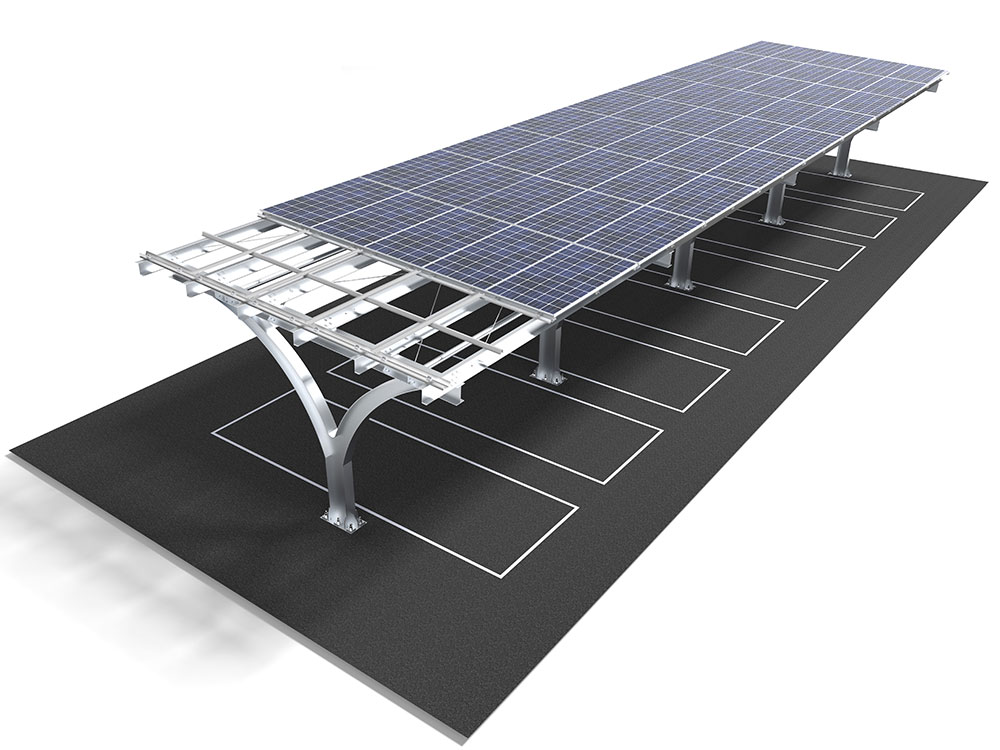
In the industrial sector, distributed solar is playing an increasingly vital role. A chemical enterprise in Shandong constructed a 6MWp distributed solar project. To address the industry’s specific risks—including flammability, explosiveness, and highly corrosive environments—the project employed smart inverters featuring IP66 protection, C5 corrosion resistance, and explosion-proof design. This ensures long-term stable operation in harsh conditions, boosting overall reliability by 40%. In Jingjiang, Jiangsu, Special Steel Co., Ltd. has deployed a multi-scenario distributed solar system across its premises, encompassing ground-mounted, road-mounted, rooftop, and floating solar installations—including floating solar, vertical solar, rooftop solar, and solar carports—effectively repurposing idle factory resources. These examples demonstrate that solar power generation has firmly established itself even in the most demanding industrial power scenarios.
In the transportation sector, distributed solar holds significant potential. Along Tianjin’s rail transit and highway networks, rows of solar panels are neatly arranged atop subway depot roofs, toll station canopies, and highway embankments, providing green power to speeding trains and bustling toll stations. This 60-megawatt distributed solar project, developed by Longyuan Power, stands as China’s first and largest demonstration project of its kind integrating “distributed solar + transportation.”
In rural areas, distributed solar energy is thriving with renewed vigor. At an eco-farm in Donglin Village, Taicang City, Jiangsu Province, solar panels cover the roofs of a pastoral train station, an eco-feed mill, and an eco-sheep farm. Villagers vividly refer to them as “sunshine passbooks.” The distributed solar system on the sheep farm’s roof alone generates over 180,000 kWh annually, not only meeting production needs but also providing shade to cool the lambs and improve market readiness rates. In the Xiao Jinchuan River Basin, power stations cleverly utilize rooftops and idle areas of factories, sluice gates, and camps. Through scientific planning without adding new land, they achieve three-dimensional development of land resources.
Operating Models for Distributed Solar Power
Distributed solar power stations primarily operate under two models: “self-consumption with surplus fed into the grid” and “full grid feed-in.”
The “self-consumption with surplus fed into the grid” model prioritizes using solar-generated electricity for on-site consumption, selling any excess back to the grid. This model is particularly attractive to commercial and industrial users, as enterprises typically face higher electricity rates. Replacing grid-purchased power with solar generation directly reduces electricity expenses. Tianjin’s “Distributed Solar + Transportation” project adopted an innovative “Energy Performance Contracting” model, where solar electricity prices are 10% to 15% lower than grid rates, saving energy-consuming enterprises over one million yuan annually in electricity costs. After surpassing 1 million kWh of annual generation, the distributed solar project in the Xiaojin River Basin Industrial Park generated direct economic benefits of approximately 360,000 yuan. This included about 310,000 yuan from selling surplus electricity back to the grid and approximately 50,000 yuan in savings from self-consumption.
The Unique Advantages of Distributed Solar Power
The rapid growth of distributed solar power is intrinsically linked to its inherent characteristics.
First, it enables on-site consumption, reducing transmission losses. Developed at the consumer end, distributed solar power is utilized locally without requiring long-distance transmission, thereby avoiding energy losses during power transfer.
Second, it revitalizes idle resources. Distributed solar does not require additional land use, instead utilizing existing building rooftops, unused factory spaces, highway embankments, and similar areas. In urban and industrial zones where land is at a premium, this “patchwork” development model proves particularly valuable.
Third, it alleviates local electricity shortages. Distributed solar generates peak output during daytime hours, precisely when electricity demand is highest, effectively relieving local grid strain. Simultaneously, it complements traditional hydroelectric and pumped-storage hydro power to build a diversified green energy network encompassing solar, hydro, and storage.
Fourth, it delivers outstanding environmental benefits. Distributed solar generates no noise during operation and causes no air or water pollution. Tianjin’s transportation solar project reduces carbon dioxide emissions by 43,800 tons annually—equivalent to planting one million trees in the city.
Current Development Status of Distributed Solar
China’s distributed solar sector has achieved remarkable growth. By the end of 2024, cumulative installed capacity reached 370 gigawatts—121 times the level recorded at the end of 2013—accounting for 42% of total solar power installations. In terms of electricity generation, distributed solar produced 346.2 billion kilowatt-hours in 2024, representing 41% of total solar power output. The dual-track development approach of both distributed and centralized solar power has become evident, with distributed solar emerging as a vital force in the energy transition.
From a cost perspective, solar panel prices have plummeted from approximately ¥5 per watt in 2013 to around ¥0.7 per watt today. New energy sources, including distributed solar, have now fully entered the stage of grid parity without subsidies. This cost reduction has significantly enhanced the economic viability of distributed solar.
Challenges and Responses for Distributed Solar
Of course, the development of distributed solar power has not been entirely smooth sailing. With explosive growth, grid integration and consumption have become the primary constraints on development. Simply put, there is too much electricity being generated, and the grid sometimes cannot absorb it all.
To address this issue, the National Energy Administration’s newly revised “Administrative Measures for the Development and Construction of Distributed Solar Power Generation” proposes a systematic solution. It requires grid companies to establish a quarterly publication and early warning mechanism for available capacity in distribution grids, guiding the scientific and rational layout of distributed solar power. Simultaneously, new projects must meet the requirements of being “observable, measurable, adjustable, and controllable” to enhance the grid’s capacity and control capabilities.
Regarding model innovation, the new regulations permit projects to participate in grid dispatch through microgrids, integrated source-grid-load-storage systems, and virtual power plant aggregation. Large-scale commercial and industrial distributed solar projects may also establish dedicated power supply lines with users. These measures collectively provide institutional safeguards for the healthy development of distributed solar.
The Future Prospects of Distributed Solar
Looking ahead, the development space for distributed solar remains vast. In industrial parks, it can integrate deeply with corporate energy use to help build near-zero-carbon factories. In transportation, it can merge with rail transit and highways to construct green transportation systems. In rural areas, it can combine with agricultural production to form a three-dimensional economic model of “power generation on panels, farming/farming below panels.” In urban buildings, it can be integrated into architectural design, turning every structure into a micro power plant.
From the perspective of national policy direction, supporting distributed solar development must be balanced with regulation. This approach aims to promote growth while addressing constraints such as insufficient grid integration and consumption capacity. Simultaneously, it seeks to standardize the market and effectively safeguard the legitimate rights and interests of both producers and consumers, particularly farmers. This development strategy, which prioritizes both quantitative growth and qualitative improvement, will lay a solid foundation for the long-term, healthy development of distributed solar energy.
For the broader user base—whether commercial and industrial owners seeking to reduce electricity costs or farmers aiming to supplement their income with “sunshine revenue”—distributed solar has become a viable option worthy of serious consideration. It is not some distant high-tech concept, but a tangible presence right at our doorstep, quietly reshaping our energy structure and lifestyle.
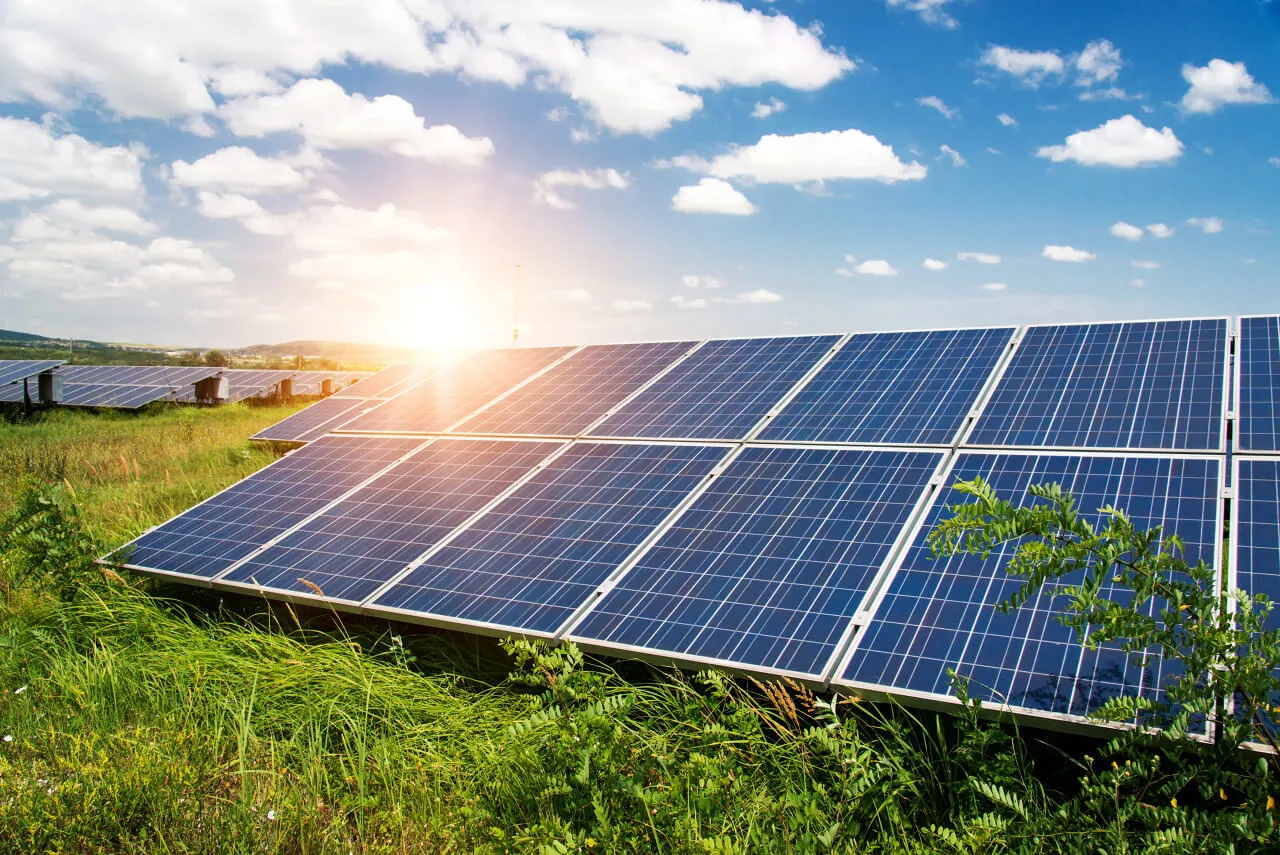
When sunlight hits those blue solar panels, every ray is converted into clean electricity—lighting homes, powering factories, and propelling trains. This is the magic of distributed solar: bringing energy production back to the user’s doorstep, empowering everyone to become an energy producer, not just a consumer.
For professional consultation, please click here: Contact Us