When planning a rooftop solar system, the mounting structure is as crucial as panel and inverter selection. Serving as the “skeleton” of your installation, the right mounting system ensures safety, durability, and optimal energy production. With various options available, many homeowners ask: Which solar mount is best for my roof?
The answer depends entirely on your roof type, condition, and specific needs. Roofs generally fall into two categories: sloped and flat.
For Sloped Roofs: “Attached” Mounting Systems
Most residential roofs with tiles, asphalt shingles, or metal sheets are sloped. For these structures, an attached mounting system is typically the optimal choice for safety, cost-effectiveness, and aesthetics.
This system uses bases and hooks secured directly to the roof rafters, integrating seamlessly with the existing structure. Panels follow the roof’s natural slope, minimizing visual impact.
Key advantages include:
- Low wind resistance
- Relatively simple installation
- Minimal structural impact
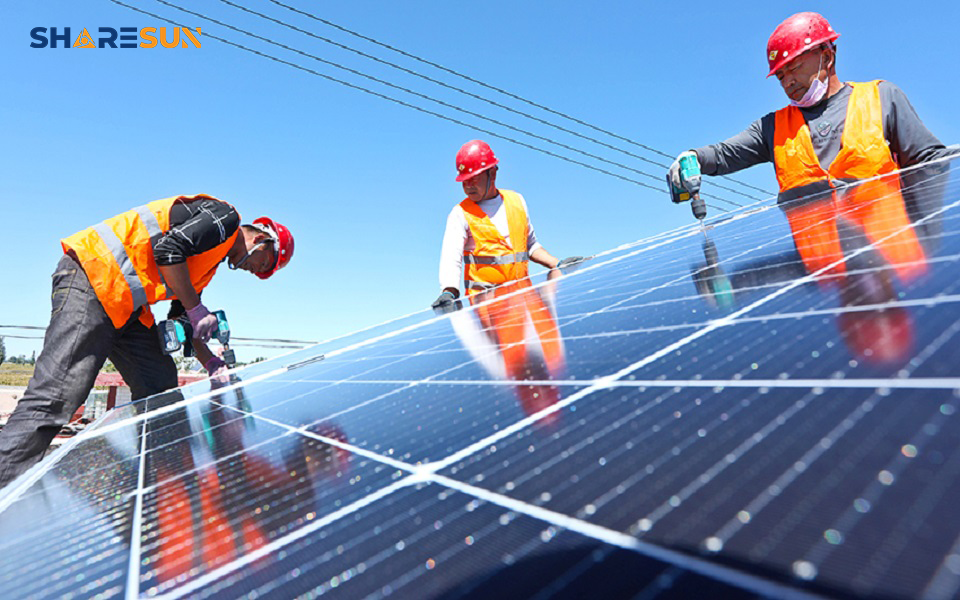
Professional installers ensure all penetration points are properly sealed, eliminating leak risks. For traditional sloped roofs, this efficient solution is often the preferred choice.
For Flat Roofs: “Ballasted” Mounting Systems
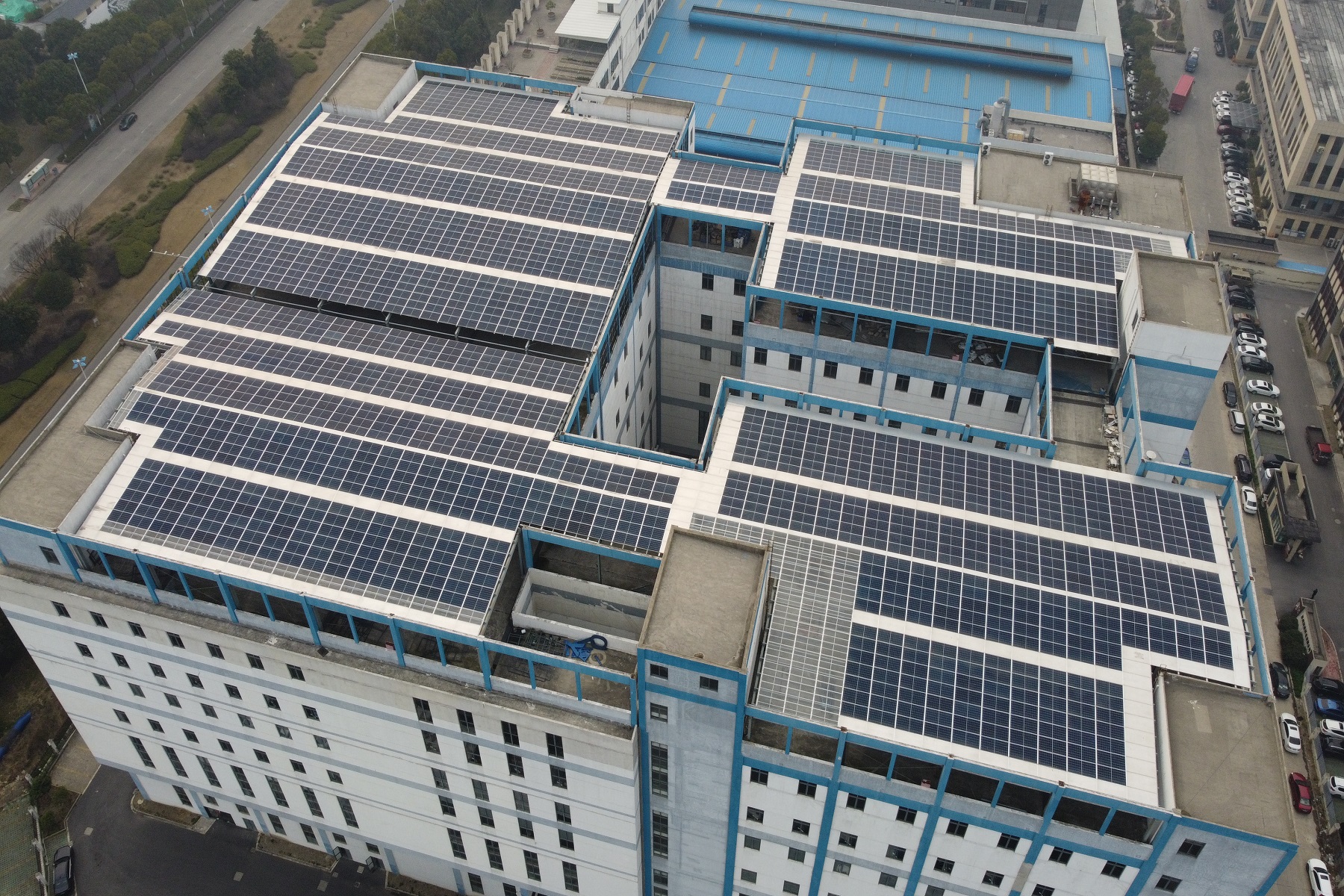
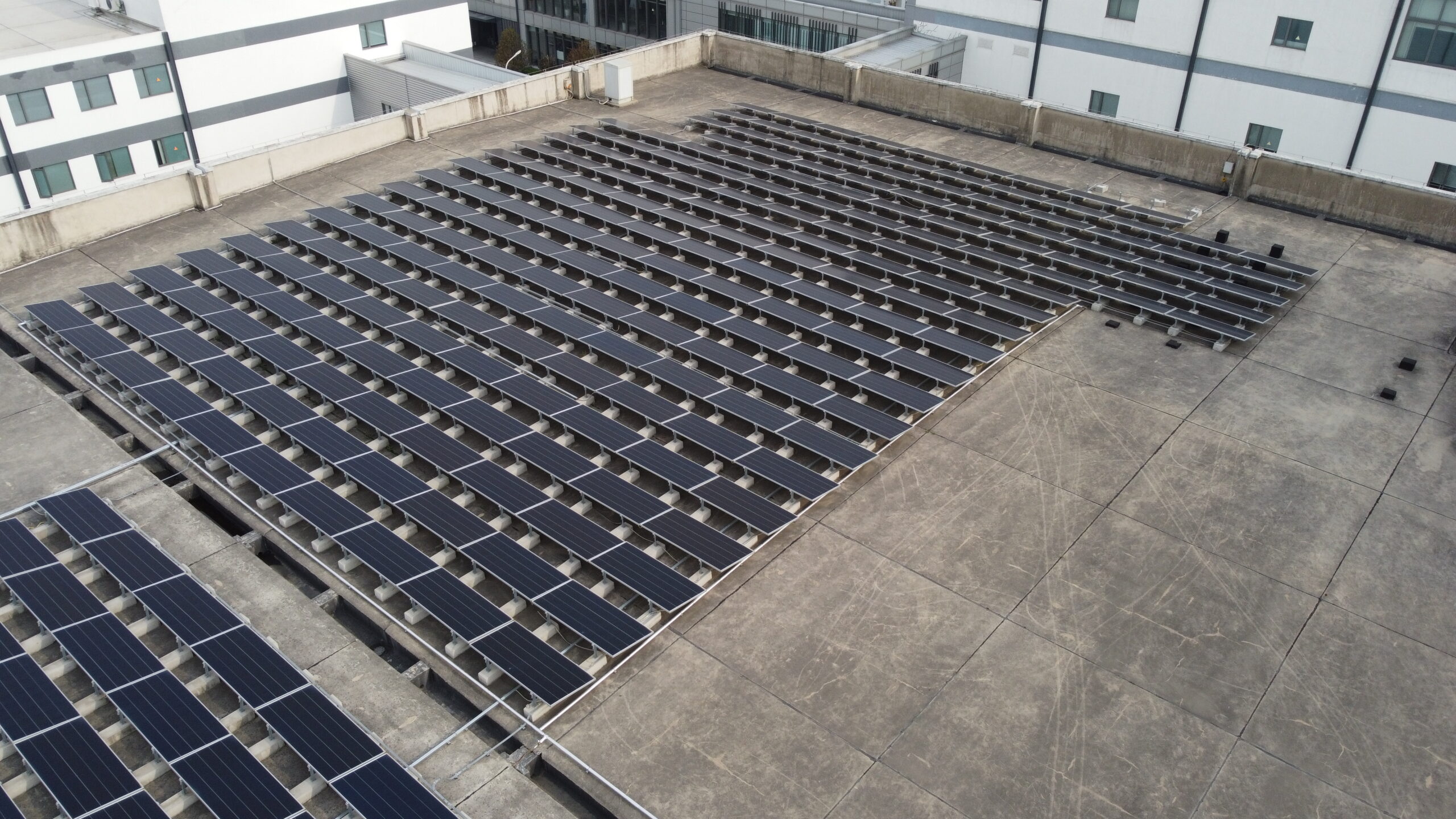
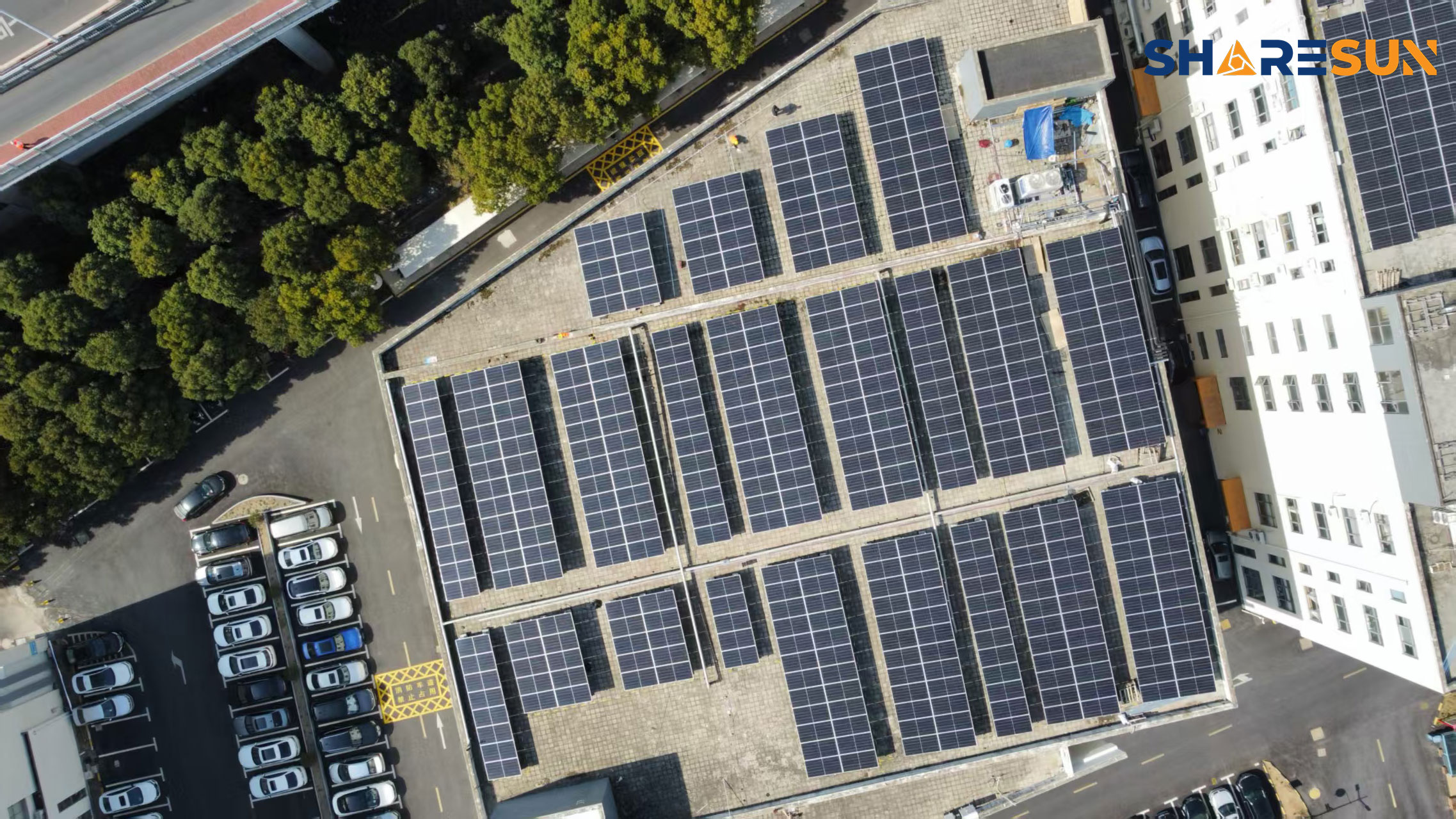
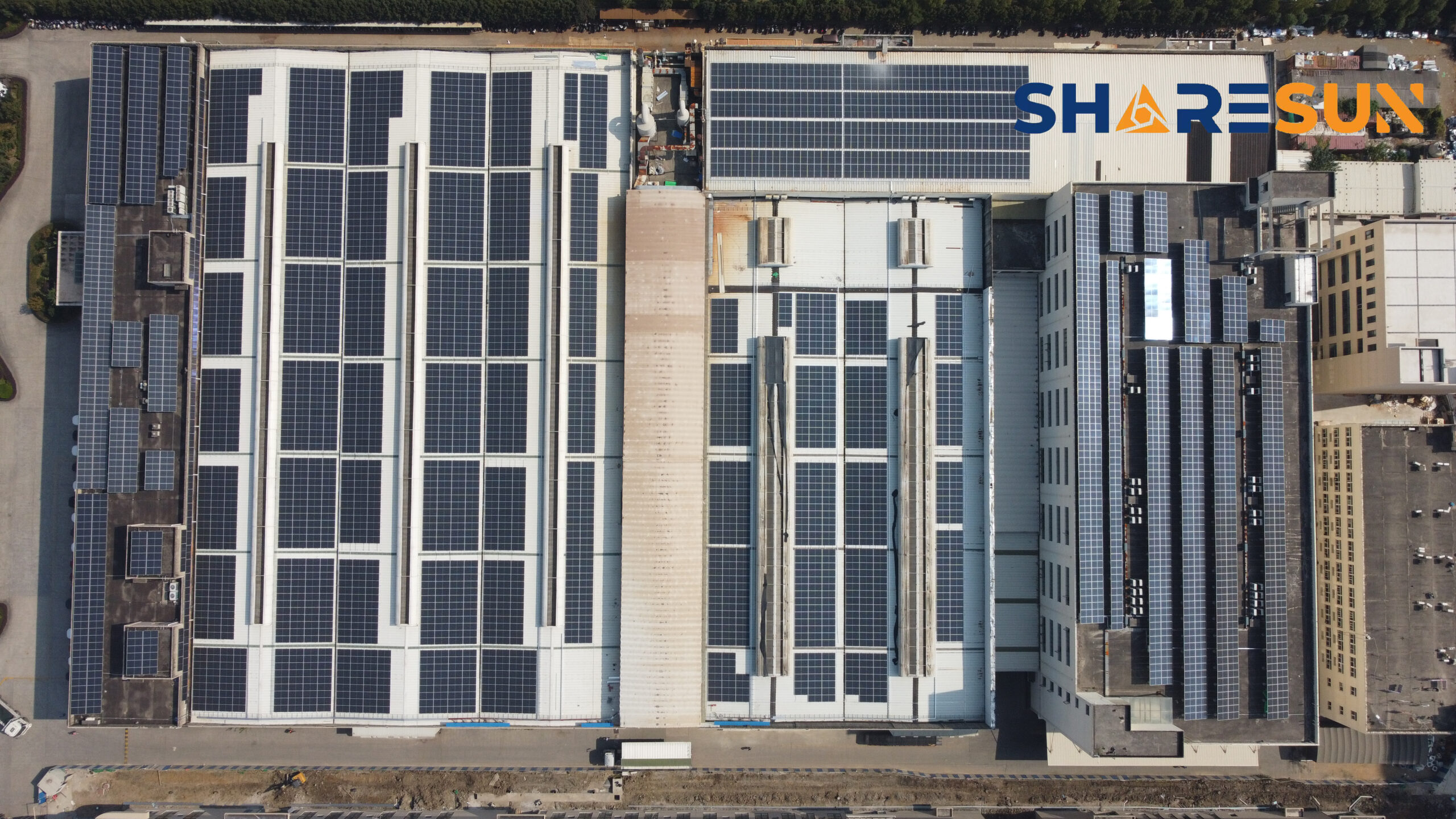
Commercial buildings, factories, and some modern homes often feature concrete flat roofs. Here, ballasted systems provide an ideal solution without roof penetration.
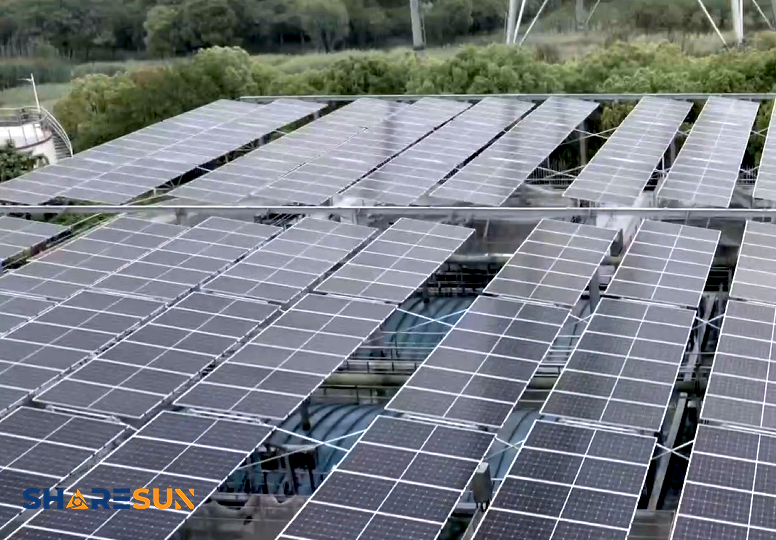
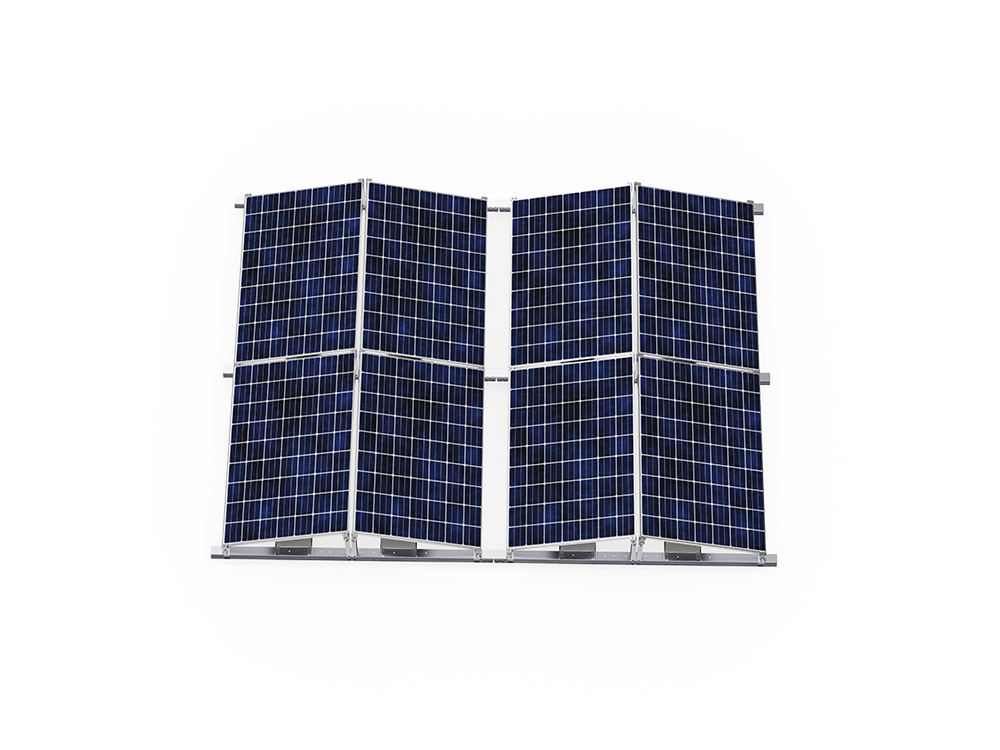
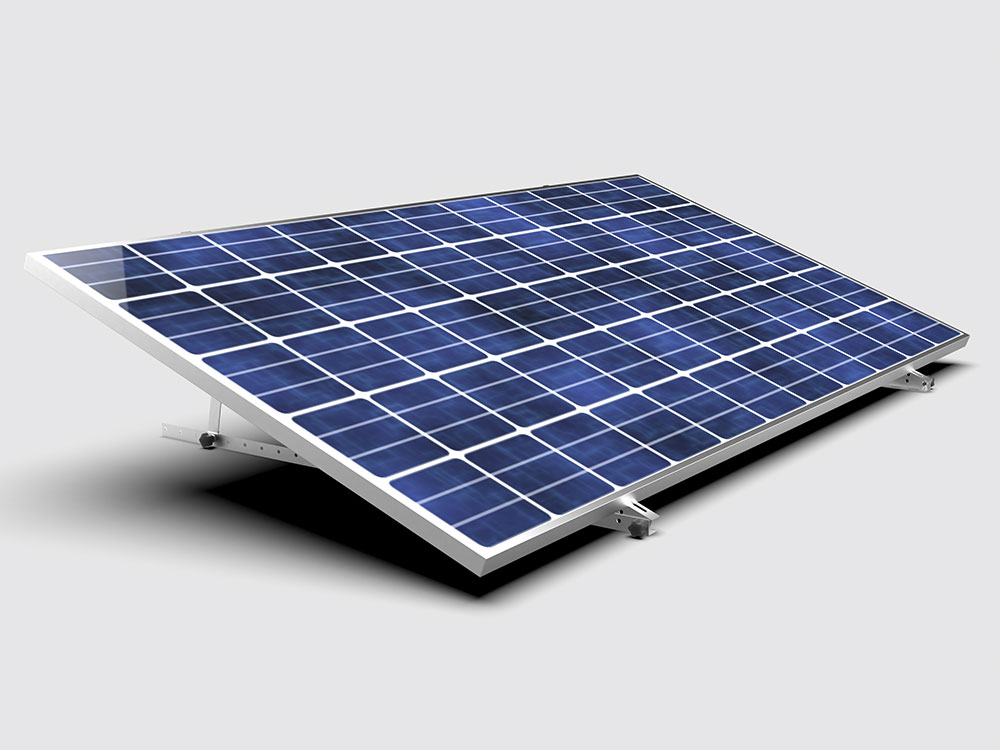
Instead of drilling, these systems use concrete blocks or specialized weights to secure the entire solar array. The panels are angled (typically 15-30 degrees) for significantly improved energy production.
Major benefits include:
- Zero penetration, preserving roof waterproofing
- Increased energy yield (10-25% more than flat layouts)
If your roof has adequate load capacity and you seek higher energy returns, a ballasted system is worth considering.
Making the Right Choice
While attached and ballasted systems cover most scenarios, “penetrating” mounts may be used where maximum structural stability is required. Regardless of type, professional assessment is essential.
Consider these factors when selecting your system:
- Roof structure & material (tiles, metal, or concrete? Load capacity?)
- Local climate (wind/snow loads affecting strength and ballast needs)
- Cost vs. long-term benefits (durability and energy yield matter most)
There’s no universal “best” solution. Choosing an attached system for sloped roofs or a ballasted one for flat roofs represents proven, reliable approaches. The most critical step is to consult professional installers for a site inspection. They can provide a customized solution that ensures safety, cost-efficiency, and maximum energy production for decades of stable operation.