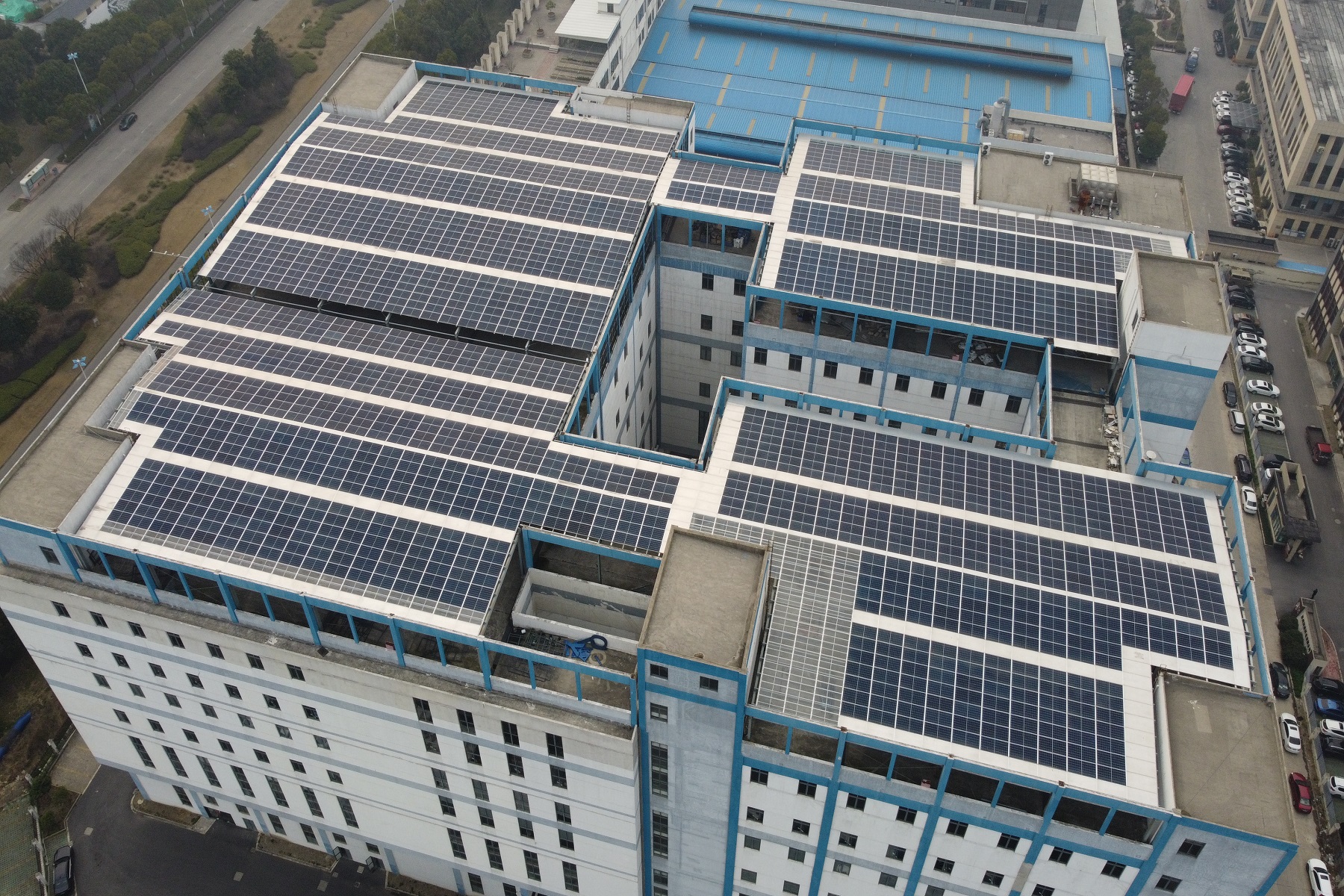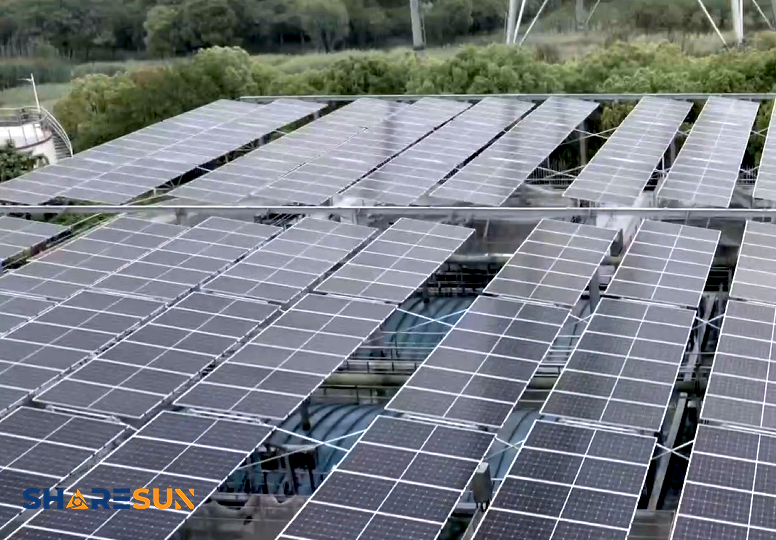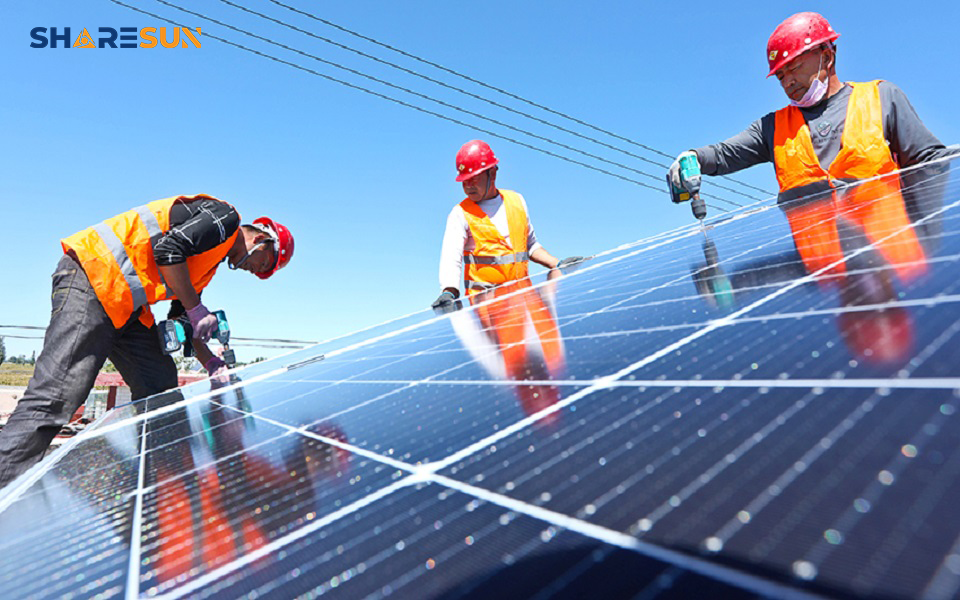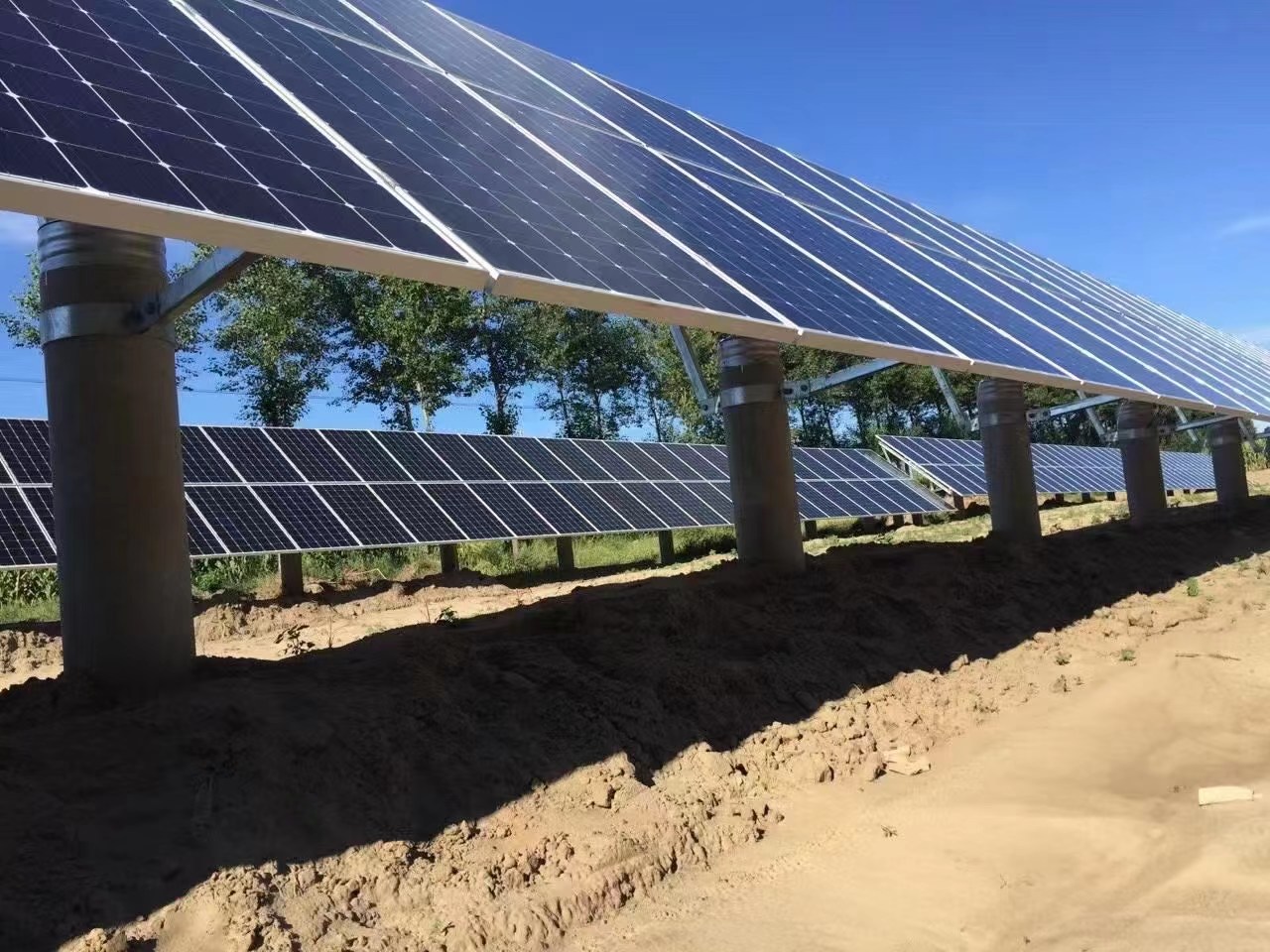
When investing in solar power systems, people often focus most on how much electricity the panels can generate and their operational lifespan, yet they tend to overlook a crucial “skeletal” system—the solar mounting structure. Though not directly generating electricity, these structures silently bear the weight of the entire plant while enduring wind, rain, and snow erosion. If the mounts fail prematurely, even perfectly functional panels leave the entire system vulnerable to collapse.
So how long do different types of solar mounts actually last? Can they match the 25-year lifecycle of a solar power system? This article provides a straightforward breakdown.
Expected Lifespans of Mainstream Solar Mounting Structures
Current solar mounting structures on the market are primarily categorized by material. The corrosion resistance and physical properties of different materials directly determine their service life.
- Hot-dip galvanized carbon steel structures: Over 20 years
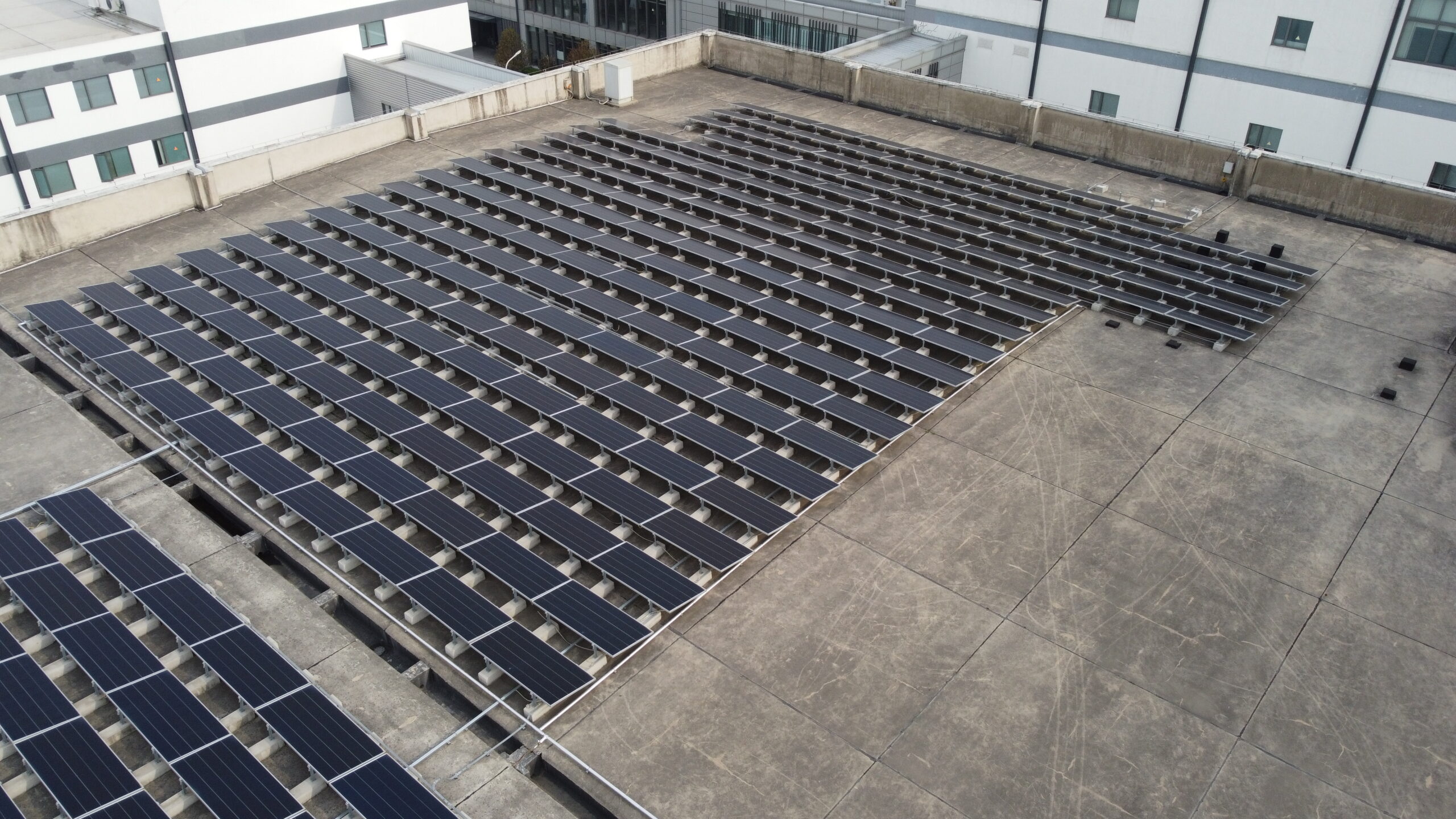
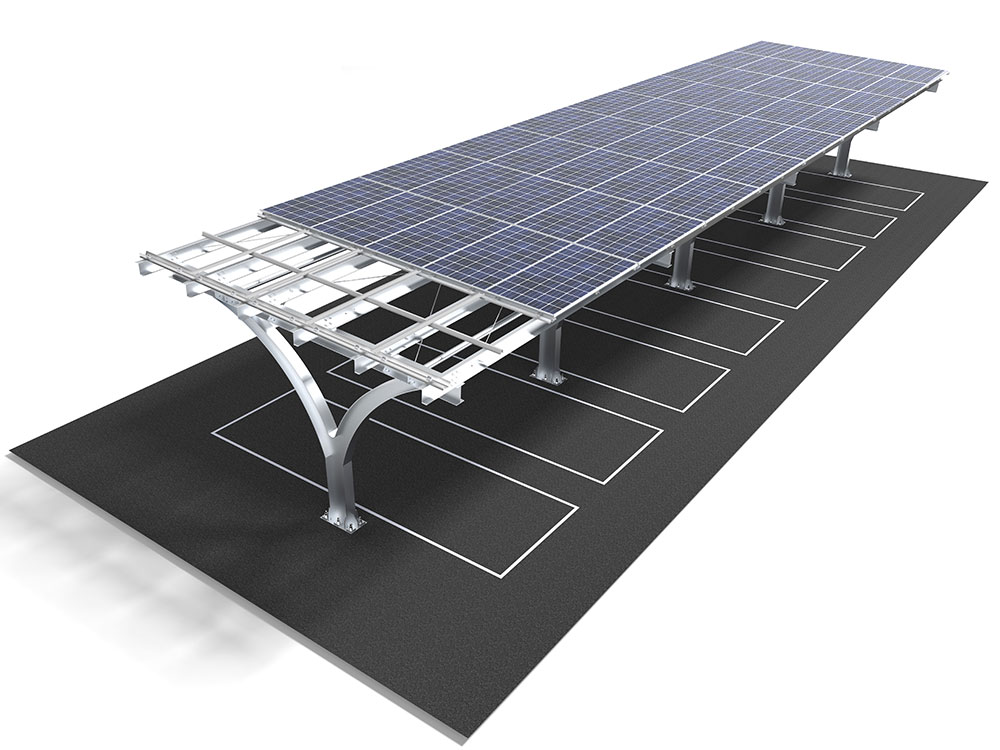
This is the most common type in large-scale ground-mounted power plants and village-level poverty alleviation projects. It primarily uses Q235 steel as the base material, treated with hot-dip galvanization for corrosion protection. Under normal corrosive conditions, the sacrificial corrosion protection of the hot-dip galvanized coating remains highly stable.
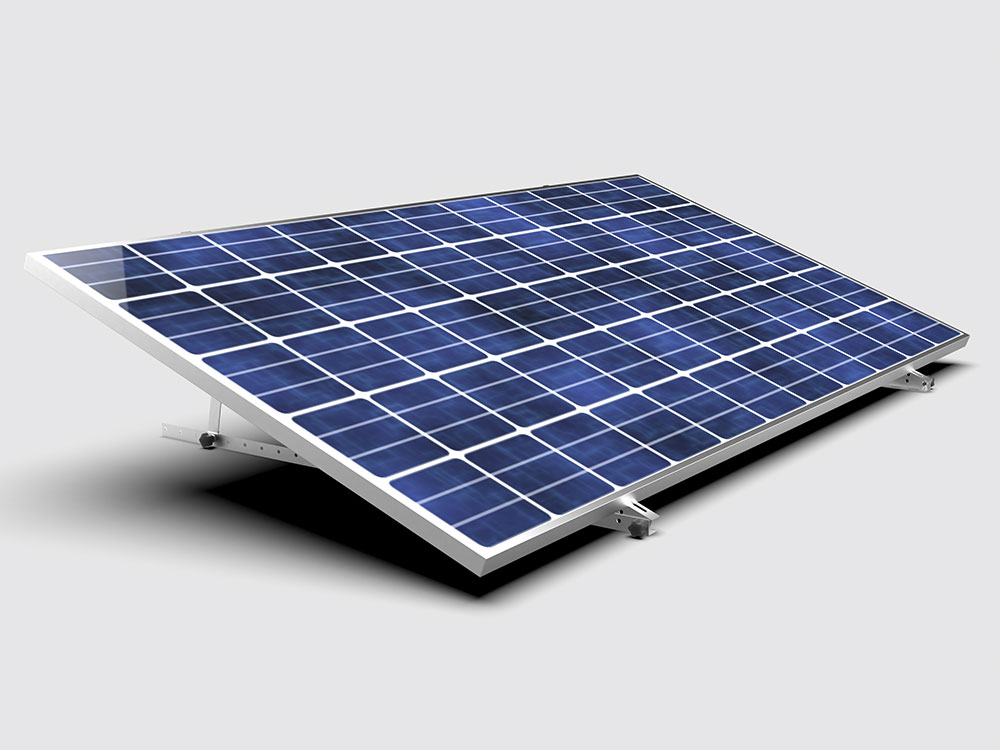
Based on actual project feedback, hot-dip galvanized carbon steel racks with stable performance and excellent corrosion resistance typically have a service life exceeding 20 years. To meet the 25-year design operational lifespan of solar power plants, reputable manufacturers strictly control steel thickness (e.g., 2.0–2.5 mm) and galvanized coating thickness (average 55–60μm). Provided the galvanized coating meets specifications and remains undamaged, these supports are fully capable of sustaining plant operations for 25 years, representing the current industry standard configuration. - Aluminum Alloy Supports: Extended Lifespan and Corrosion Resistance
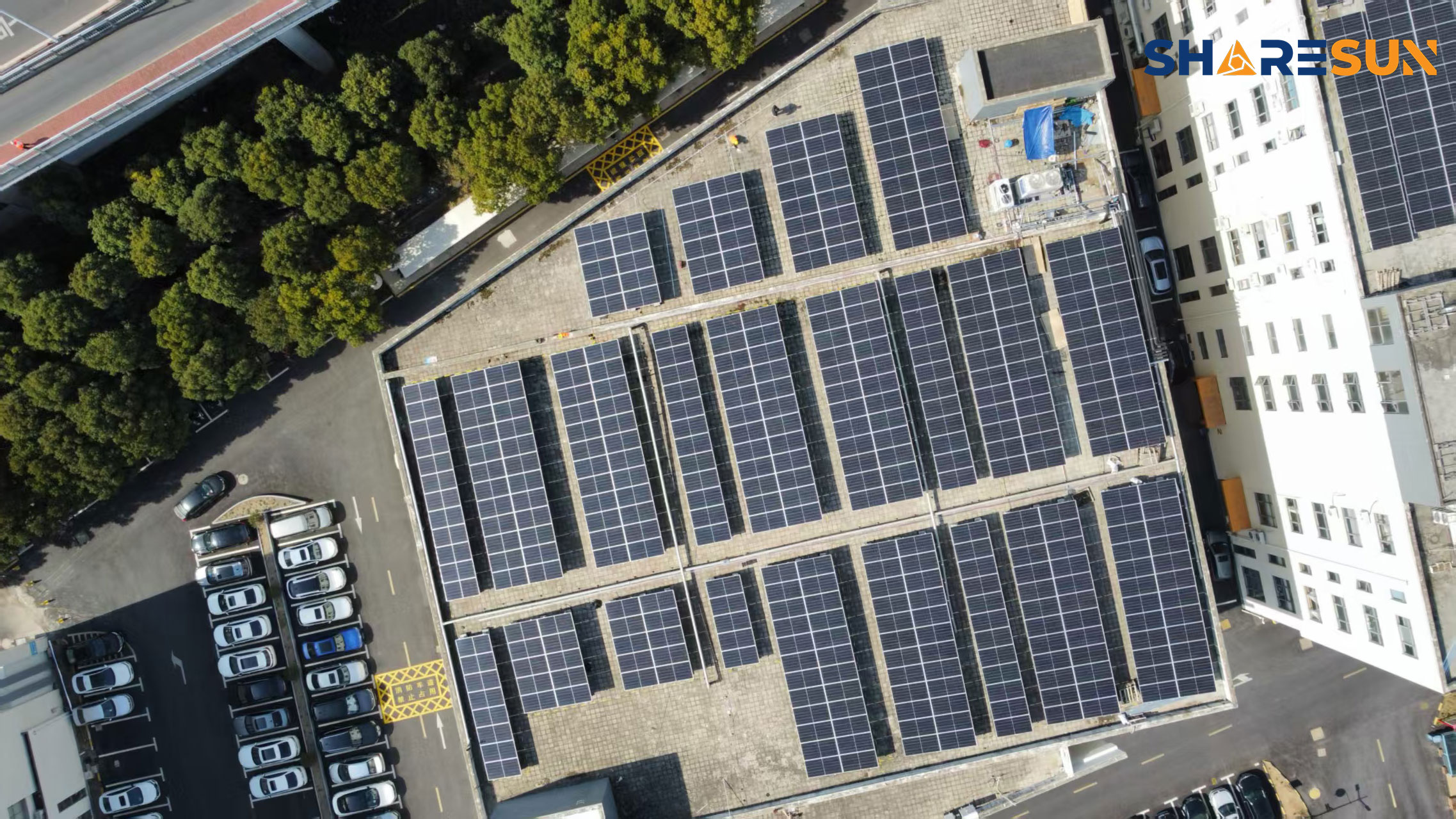
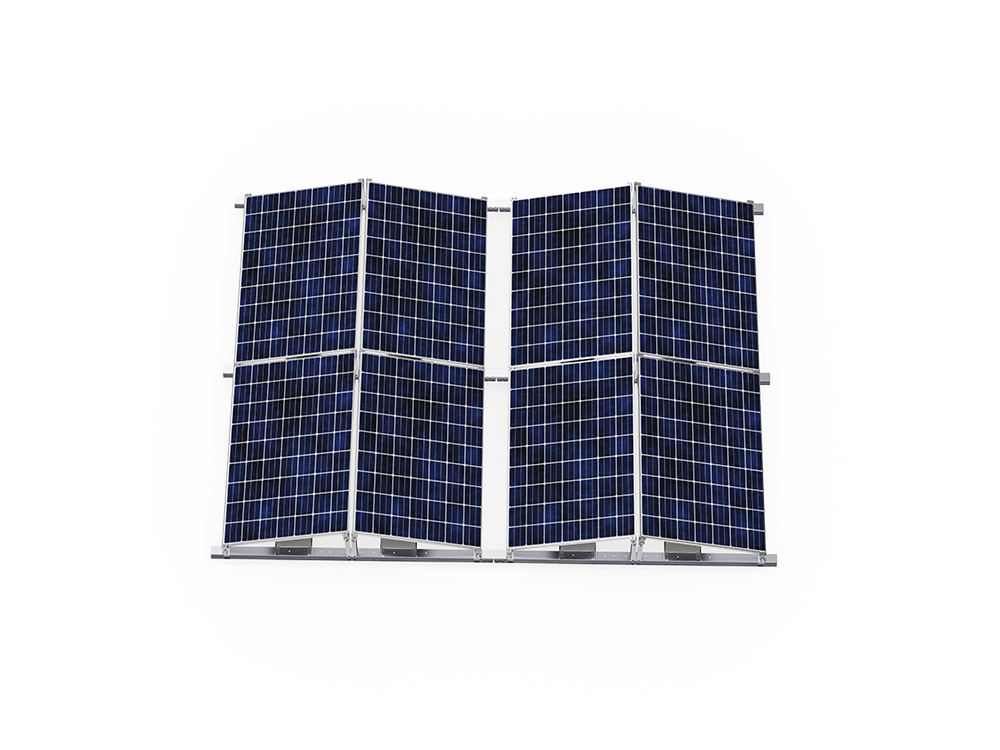
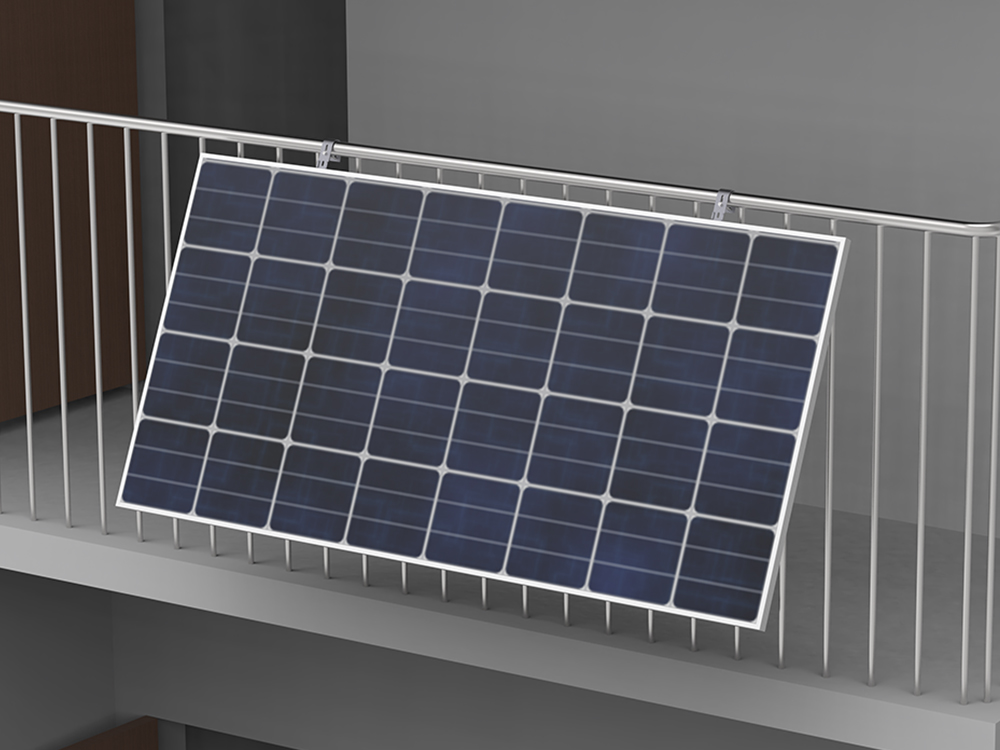
Aluminum alloy supports are commonly used on residential building roofs or color-coated steel roofs. Their primary advantages lie in lightweight construction, aesthetic appeal, and inherent corrosion resistance. Since aluminum naturally forms a dense oxide layer in air, it does not require additional coating protection like steel. Under normal conditions, provided the material selection complies with standards (e.g., commonly used 6063-T5), aluminum alloy mounts exhibit excellent weather resistance, fully meeting the long-term operational demands of solar systems. - Composite (Plastic/FRP) Mounts: Weather Resistance Requires Validation
These mounts are primarily used for rooftop or floating solar installations, offering key advantages of lightweight construction and buoyancy. While research suggests composite materials hold potential for corrosion resistance and low lifecycle costs, their current industry adoption requires caution. The weatherability (resistance to climate-induced aging) of some early products under prolonged UV exposure and thermal cycling remains to be proven over time, and market availability faces issues of inconsistent quality. - Tracking Mounts: Focus on Mechanical Component Lifespan
Tracking mounts follow the sun’s movement to maximize power generation but incorporate additional motors, controllers, and moving mechanisms. While the primary steel structure can still meet a 25-year design lifespan, the reliability of these moving parts is critical to overall performance. Premature wear or failure of these components can render the entire tracking system inoperable.
Why do some mounts fail prematurely?
While most metal mounts theoretically support 25 years, real-world longevity hinges entirely on corrosion protection.
Metal corrosion is the primary “killer” of support lifespan. Oxidation occurs whenever metal is exposed to water and oxygen. This process accelerates significantly in coastal areas, saline-alkali soils, or heavily industrialized zones where airborne salts and corrosive gases intensify the reaction. Corrosion leads to thinned panels and weakened connections, making structures vulnerable to component detachment or even collapse during high winds.
Secondly, cutting corners in manufacturing directly impacts lifespan. Some low-cost, substandard racks use steel less than 2mm thick with inadequate galvanized coating. Exposed to outdoor elements, these racks may rust within three to five years, with structural integrity significantly compromised after about a decade.
Support lifespan can match the power plant’s, but with conditions
The lifespan of solar supports isn’t a fixed number: high-quality supports made of hot-dip galvanized carbon steel or aluminum alloy can fully match the 25-year design lifespan of solar power generation systems. However, substandard supports or those in extreme corrosion environments (such as unprotected coastal areas or near chemical plants) may require reinforcement or even replacement within 10-15 years.
For ordinary consumers and investors, selecting solar mounting systems should not focus solely on initial costs. Instead, prioritize material quality, galvanized coating thickness, and manufacturer craftsmanship. After all, a sturdy “skeleton” is the fundamental guarantee for a solar power plant to generate stable returns over its 25-year lifespan.
For professional consultation, please click here: Contact Us