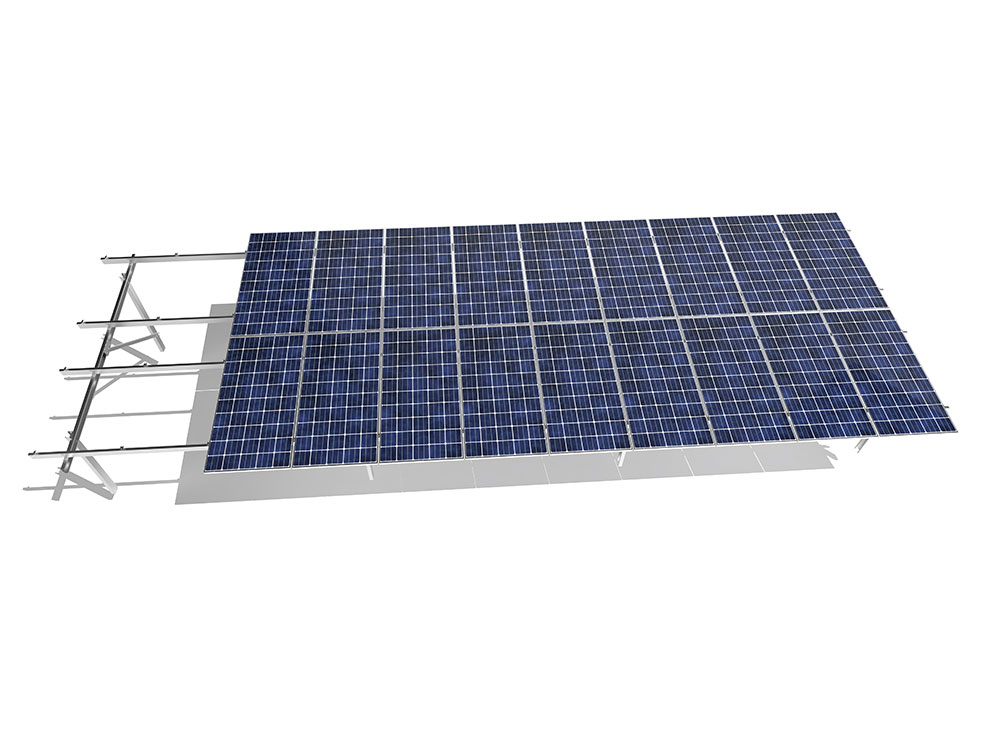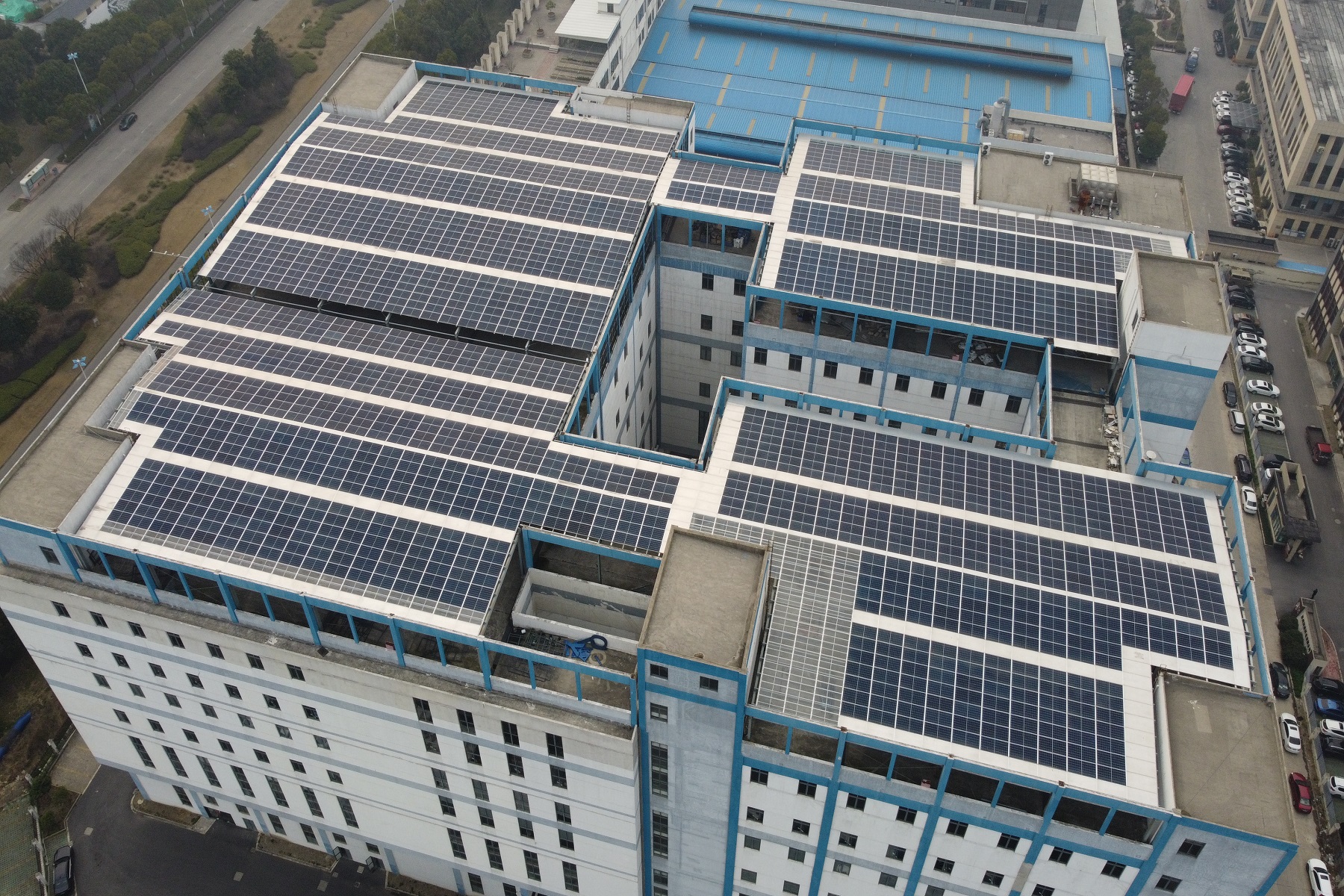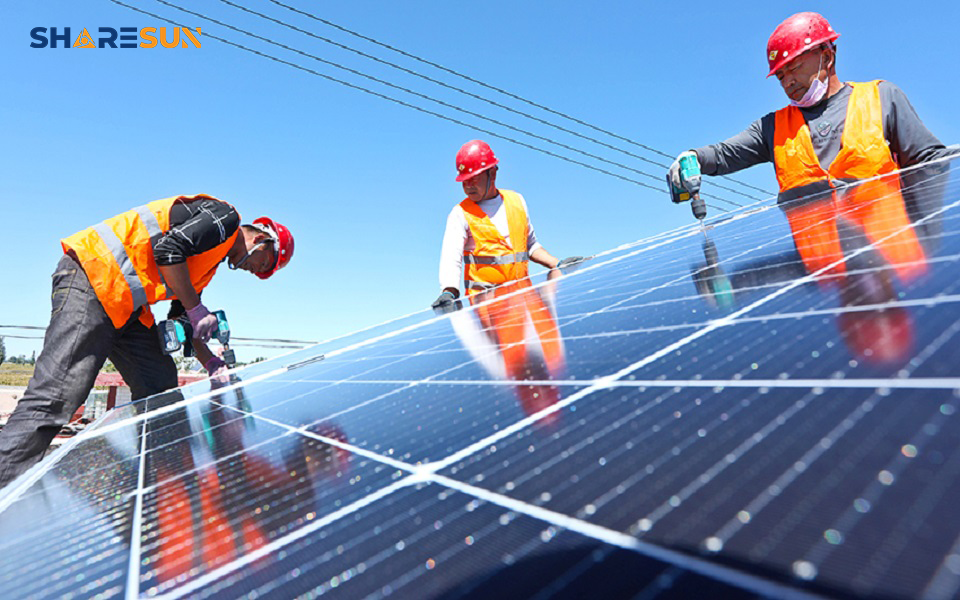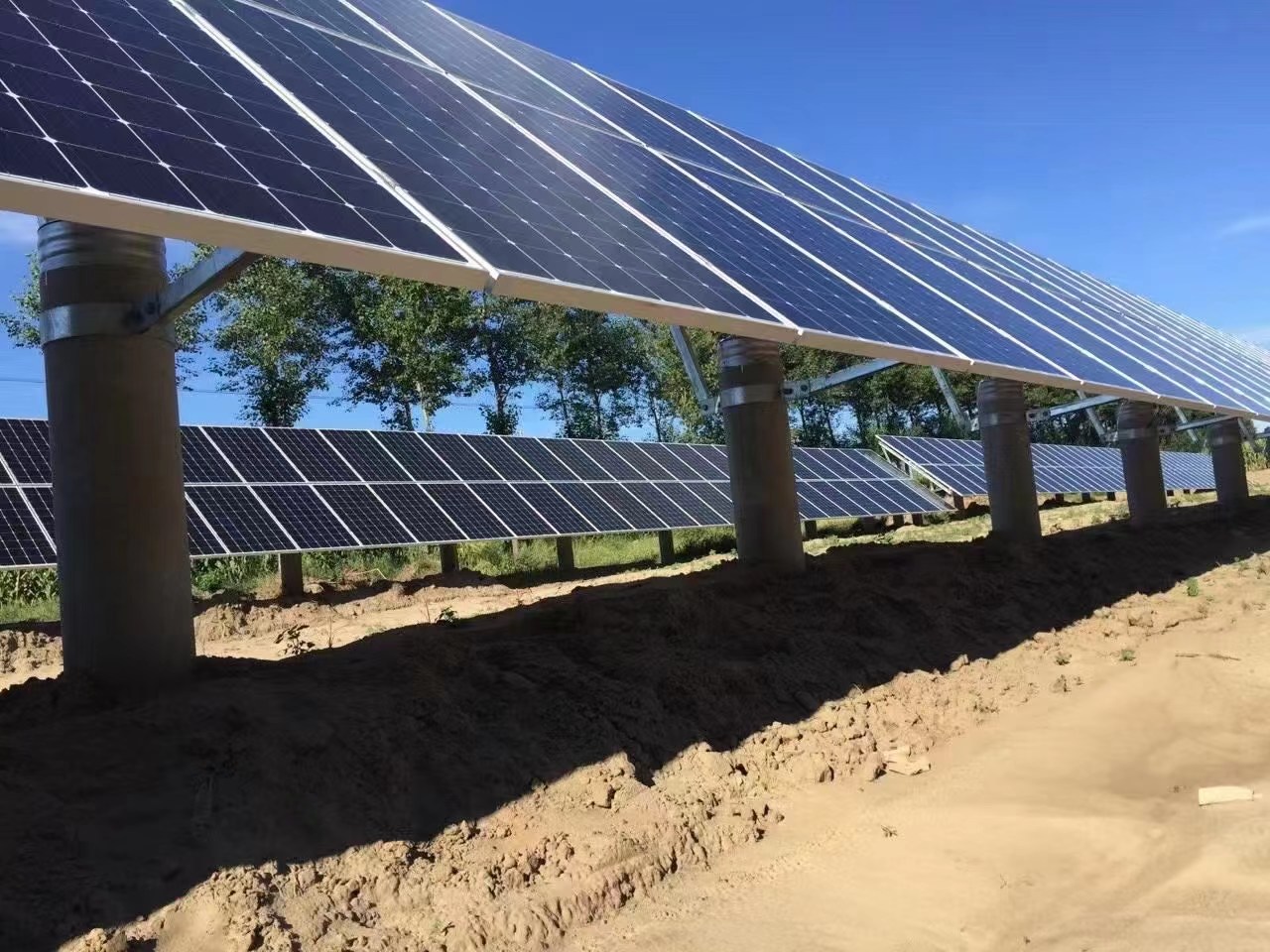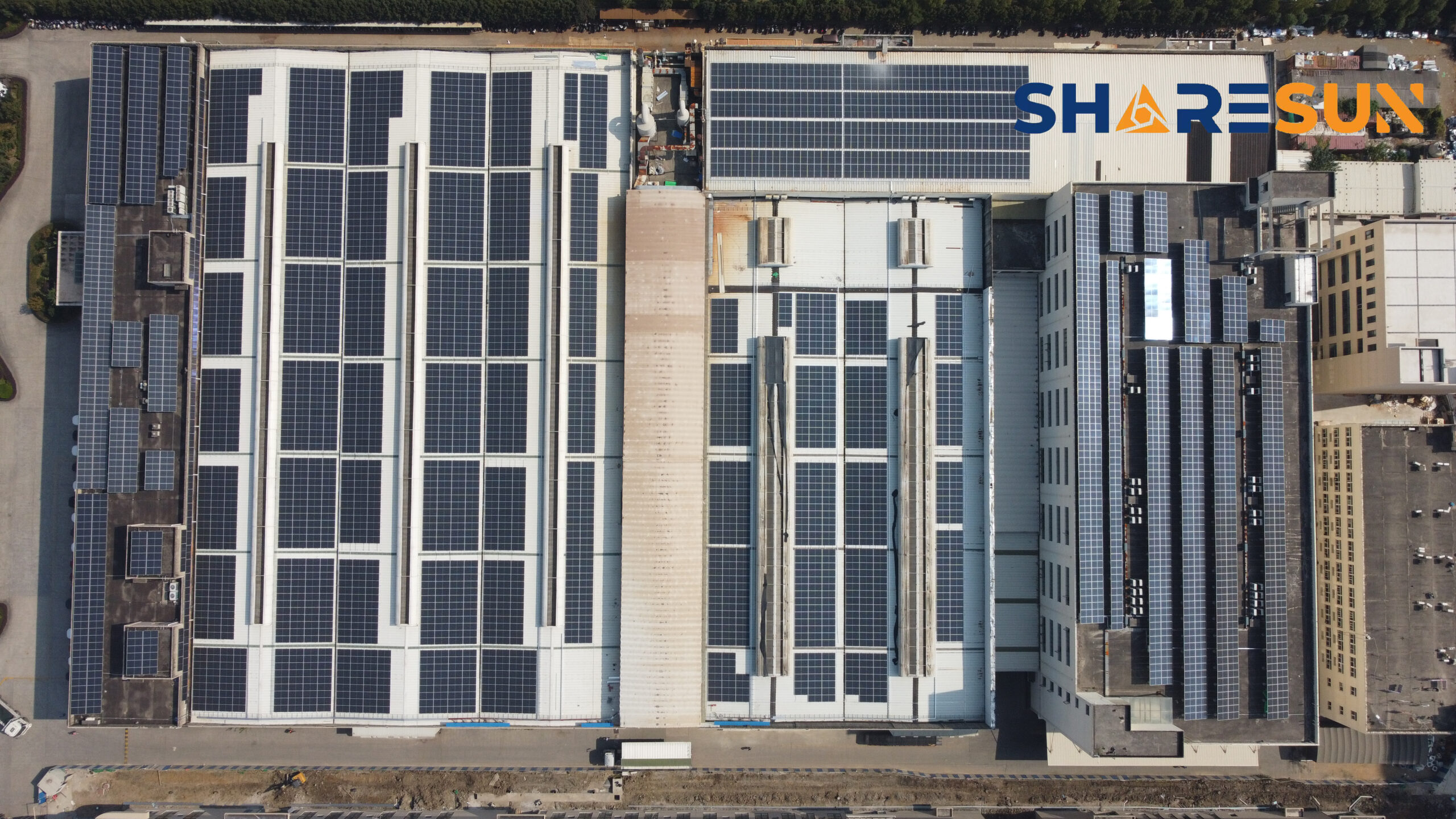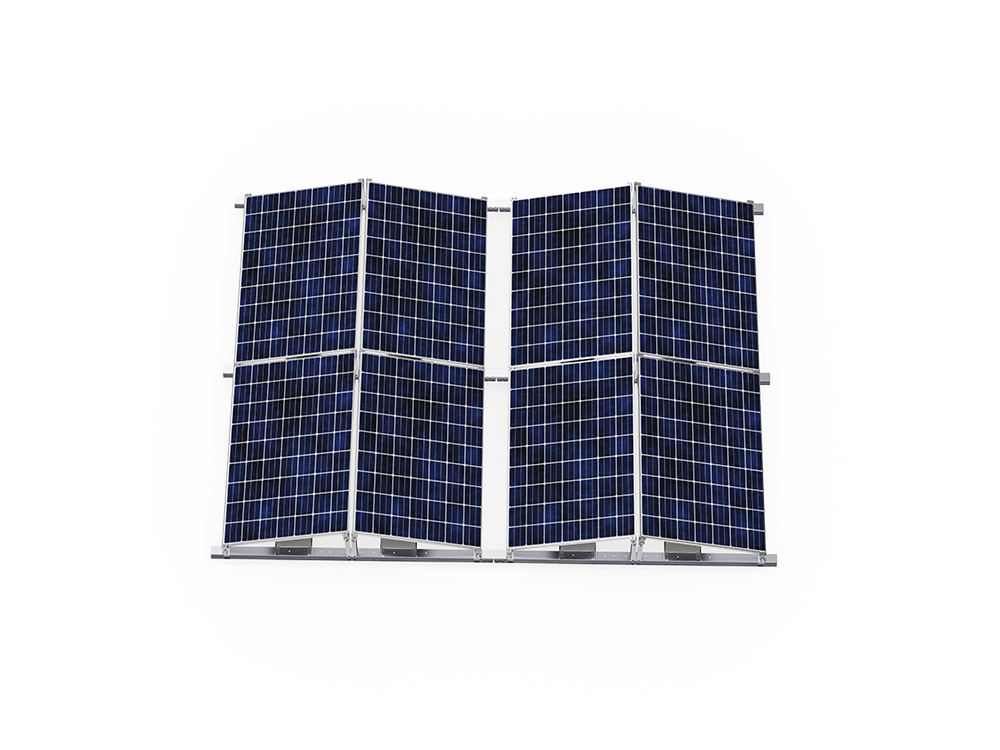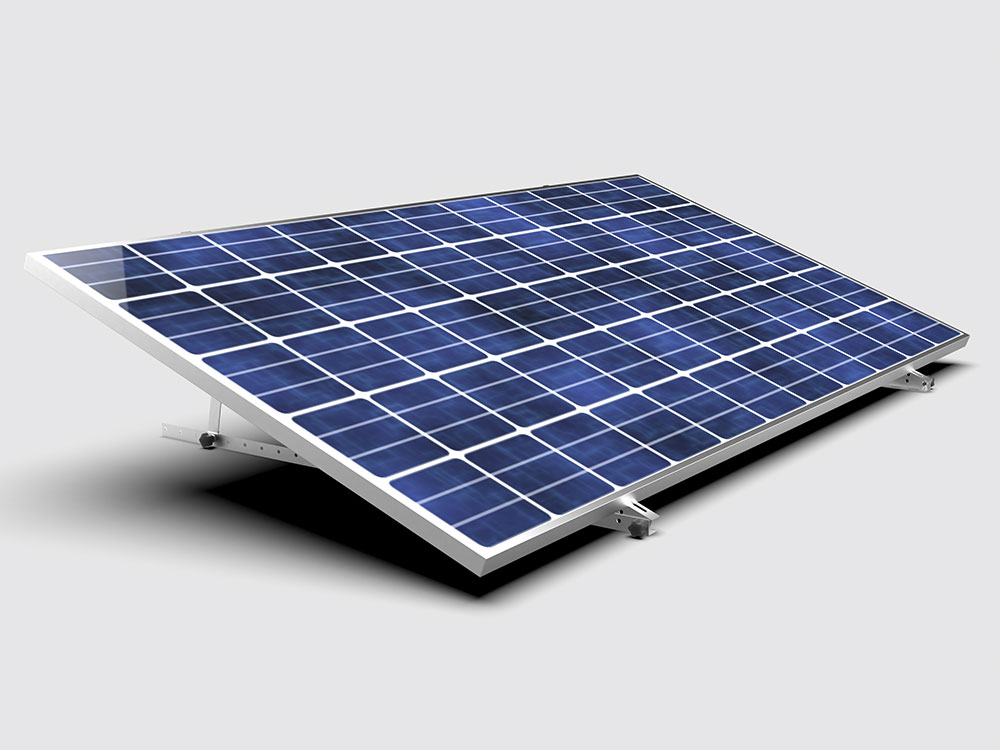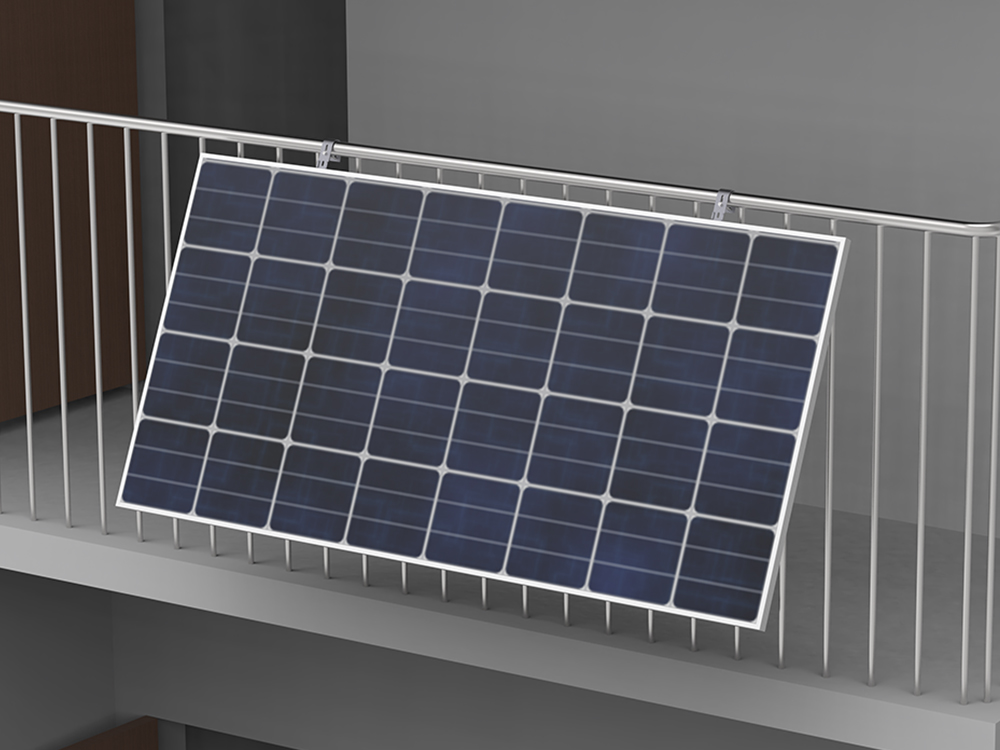
When we discuss industrial power generation, what often comes to mind are rows of neatly arranged solar panels on factory rooftops or open ground.
However, within this solar power generation system, there exists a seemingly low-key yet crucial component—the solar mounting system. It serves not only as the “skeleton” supporting solar panels but also determines the long-term stable operation and power generation efficiency of the entire plant.
This article will explore the practical and specific roles of solar mounting systems in industrial power generation.
Ensuring Safe Plant Operation
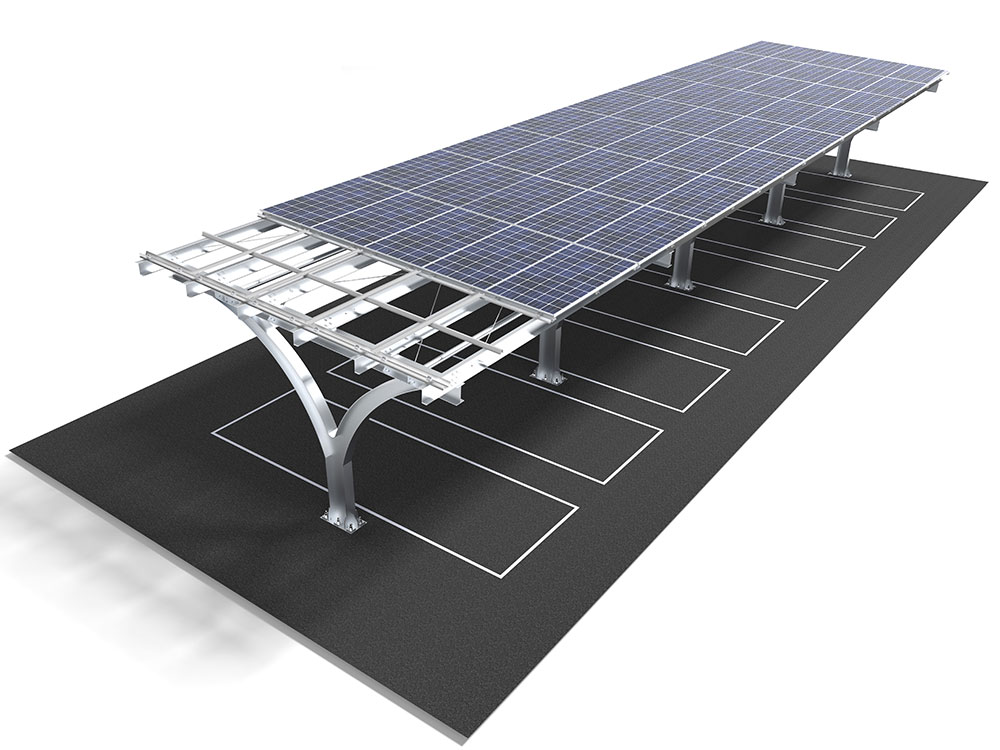
Safety is paramount in industrial production, and solar power systems are no exception. The most fundamental function of solar mounting structures is to provide a stable foundation for solar panels. In industrial power projects, whether installed on factory rooftops or ground-mounted parking lots, solar panels must withstand diverse environmental challenges.
This is particularly critical in coastal or monsoon-prone industrial zones, where typhoons and strong winds pose significant threats. Modern high-quality solar mounting systems, particularly the flexible structures widely adopted in recent industrial power projects, demonstrate exceptional wind resistance through advanced prestressed spatial cable-net structures and a “rigid-flexible hybrid” design philosophy. Field evidence confirms that specially engineered mounting systems can withstand super typhoons exceeding Category 14, ensuring structural integrity and stability of solar panels during extreme weather to safeguard industrial assets. This reliable protective capability is fundamental to solar power’s sustained contribution to industrial electricity generation.
Unlocking the Idle “Second Dimension”
For industrial enterprises, land and space are precious resources. Traditional solar mounting systems are often constrained by terrain and building structures. Yet in new industrial power generation scenarios, these systems are playing the role of “space magicians,” transforming previously unusable idle spaces into energy production treasures.
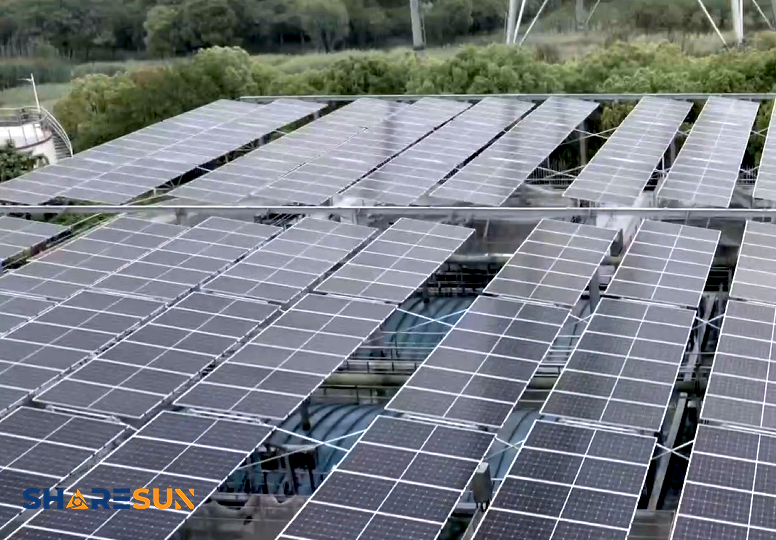
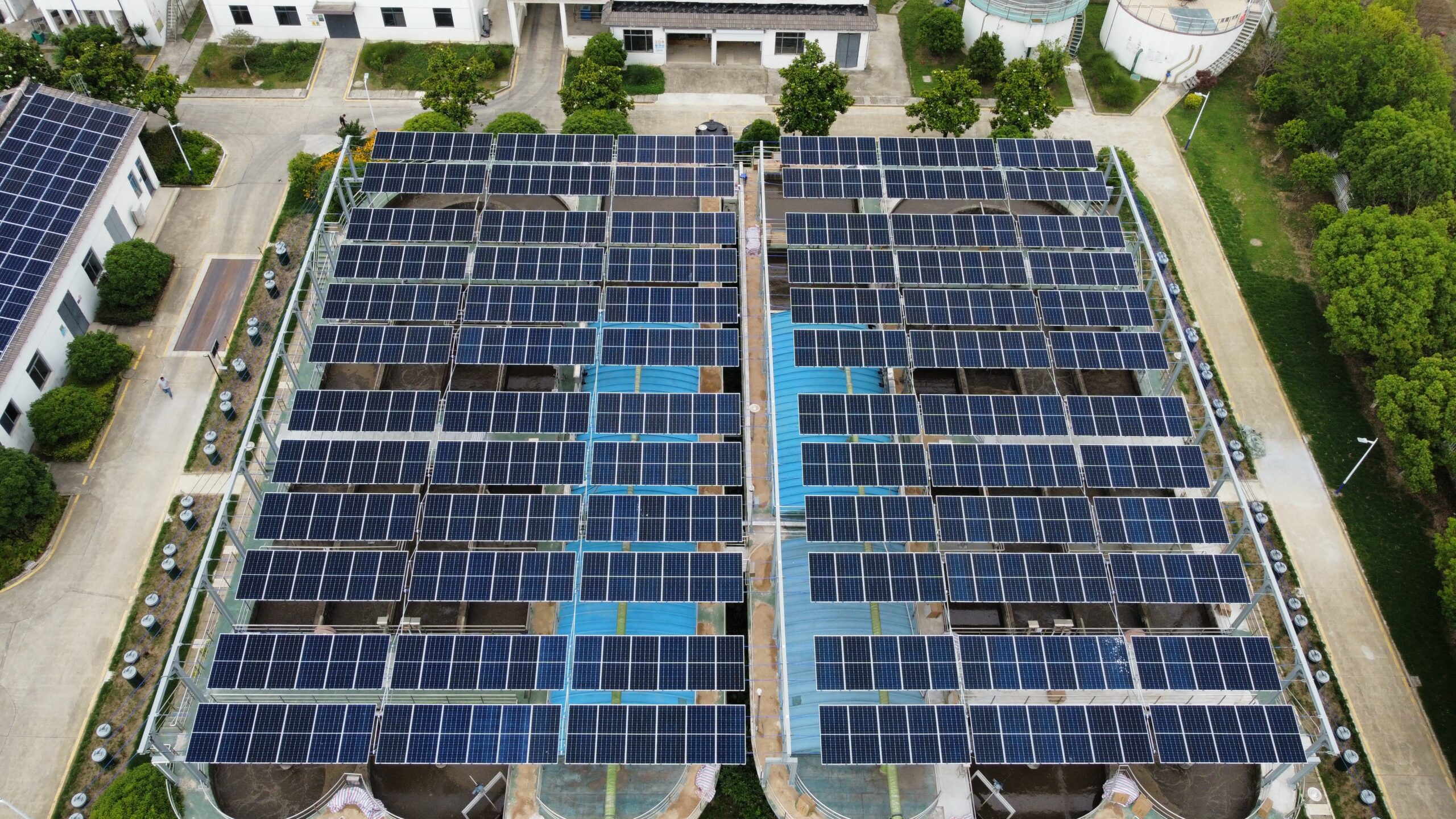
In many industrial parks, the expansive pools atop wastewater treatment plants have long been solar power dead zones due to the impossibility of installing support columns. Innovations in solar mounting technology have transformed this landscape. Flexible solar racks, with their extraordinary spans of 25 meters or even over 60 meters, can effortlessly arch over pools, parking lots, and passageways without requiring intermediate columns. For instance, at an industrial water plant in Yiwu, Zhejiang, builders employed a composite spatial suspension solar mounting system. They successfully installed solar panels atop a mixed sedimentation tank—approximately 86 meters long with complex underground process pipelines surrounding it—achieving a single span of 30 meters and a total span of 120 meters.
This demonstrates how solar racks enable systems to “hover in mid-air,” freeing up industrial land while preserving production operations and vehicle access below—truly achieving multi-functional space utilization.
The Catalyst for Benefits: Cost Reduction, Efficiency Gains, and Energy Conservation
For industrial enterprises investing in solar power, the core driver lies in balancing economic returns with environmental responsibility. Solar racks act as catalysts in this process, directly improving project returns by enhancing power generation and extending service life.
On one hand, solar rack designs prioritize power generation efficiency. By optimizing tilt angles and array density, these structures position solar panels at optimal angles for sunlight absorption while significantly reducing installation gaps between modules. This boosts installed capacity and power output per unit area. For instance, in a large-scale distributed solar project in Xiangyang, Hubei, an innovative flexible mounting structure enabled annual power generation of 49 million kWh, meeting 60% of the factory’s production electricity needs.
On the other hand, the durability of solar mounting systems directly impacts a power plant’s lifetime profitability. To address corrosion challenges in industrial settings, material selection for solar racks continues to advance. Coastal industrial projects, for instance, utilize aluminum-magnesium alloy racks with specially oxidized surfaces, delivering exceptional corrosion resistance and adaptability to high-salt-fog environments. This durability ensures solar power systems sustain industrial electricity generation throughout their 25-year lifespan, minimizing long-term maintenance and replacement costs.
Ultimately, the clean electricity generated by these solar mounting systems, through the “self-consumption with surplus fed into the grid” model, not only significantly reduces industrial enterprises’ electricity costs but also tangibly lowers carbon emissions.
Solar mounting systems are far from mere supporting players in solar power generation. In industrial applications, they serve as guardians of safety, withstanding harsh weather; as spatial optimizers, activating every inch of usable land; and as catalysts for efficiency, empowering enterprises to achieve green transformation.
For professional consultation, please click here: Contact Us