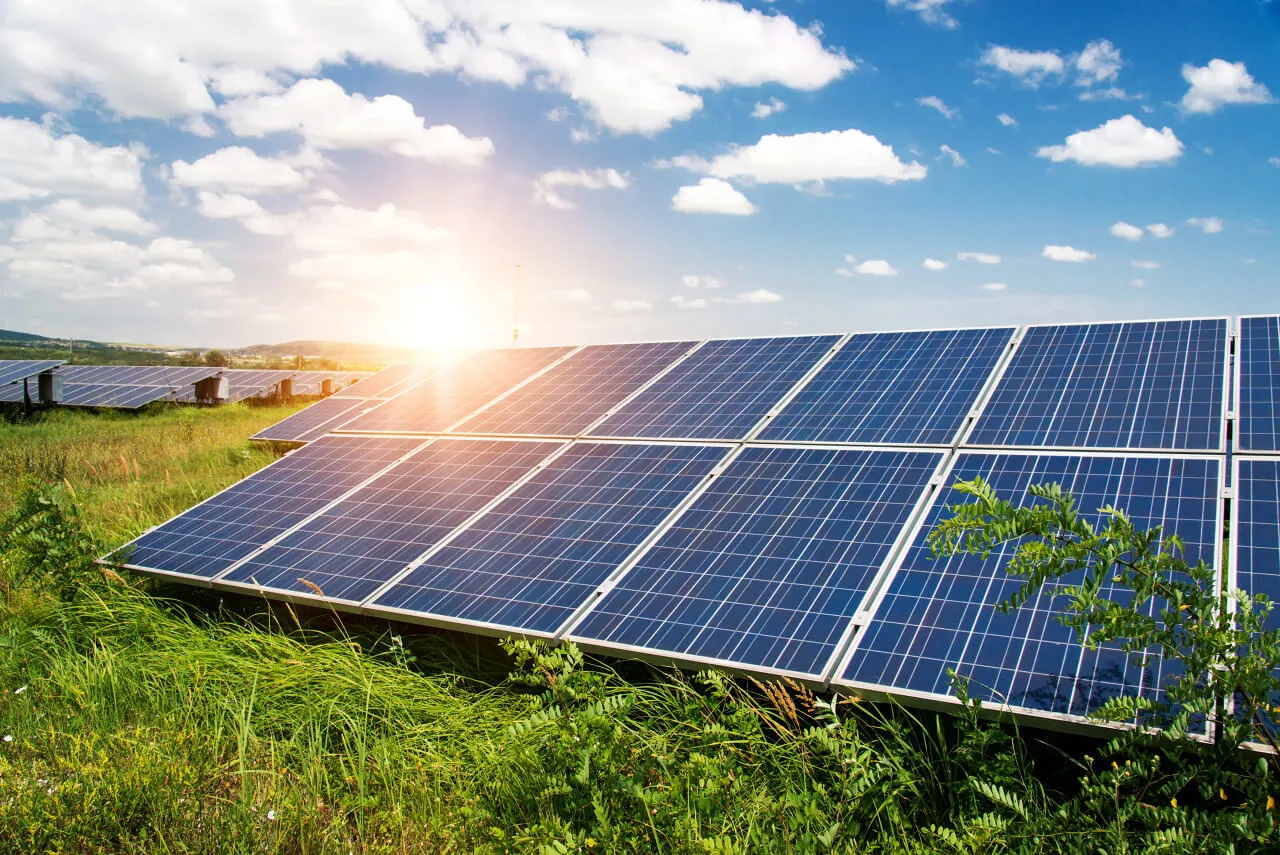
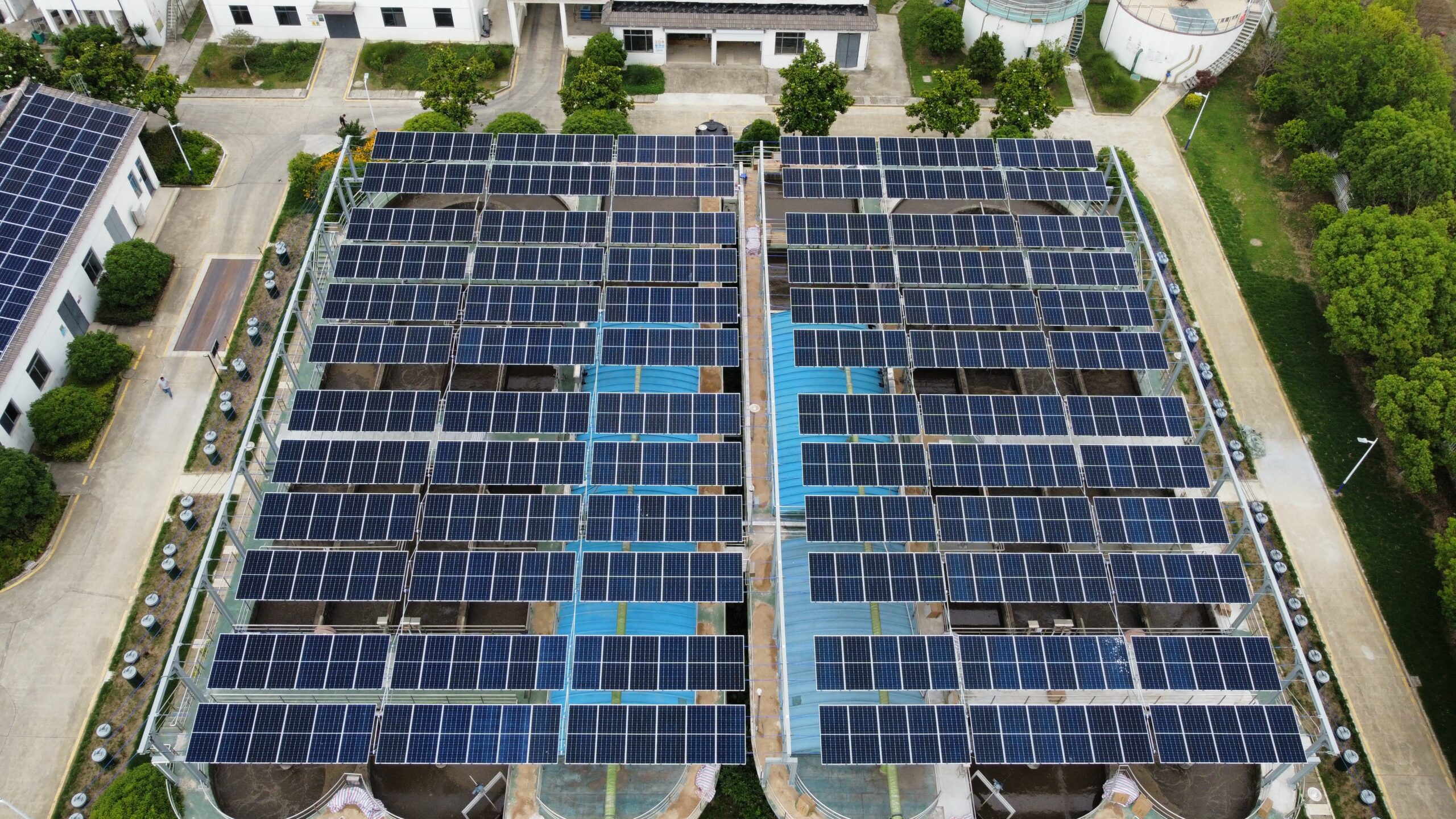
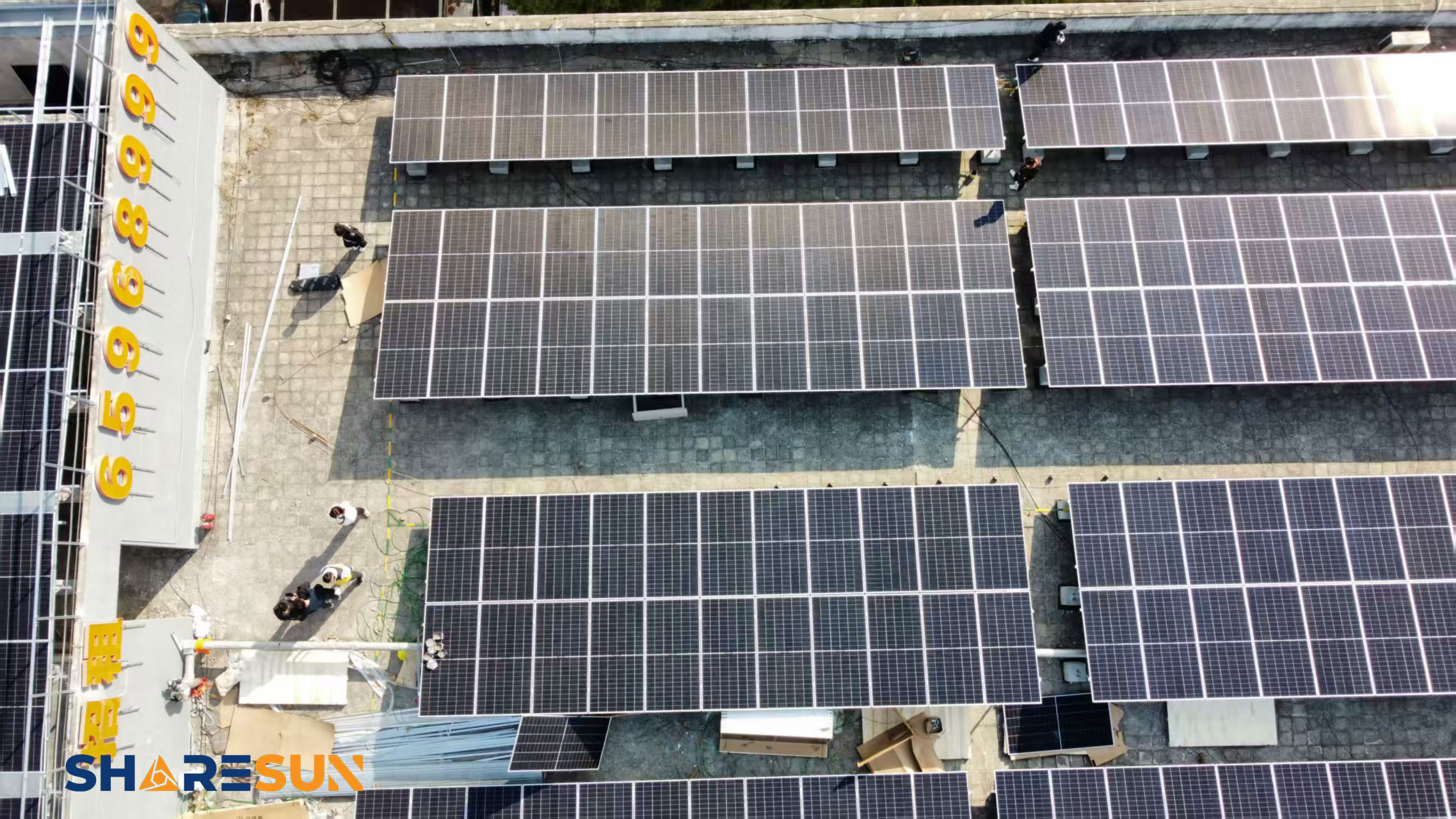
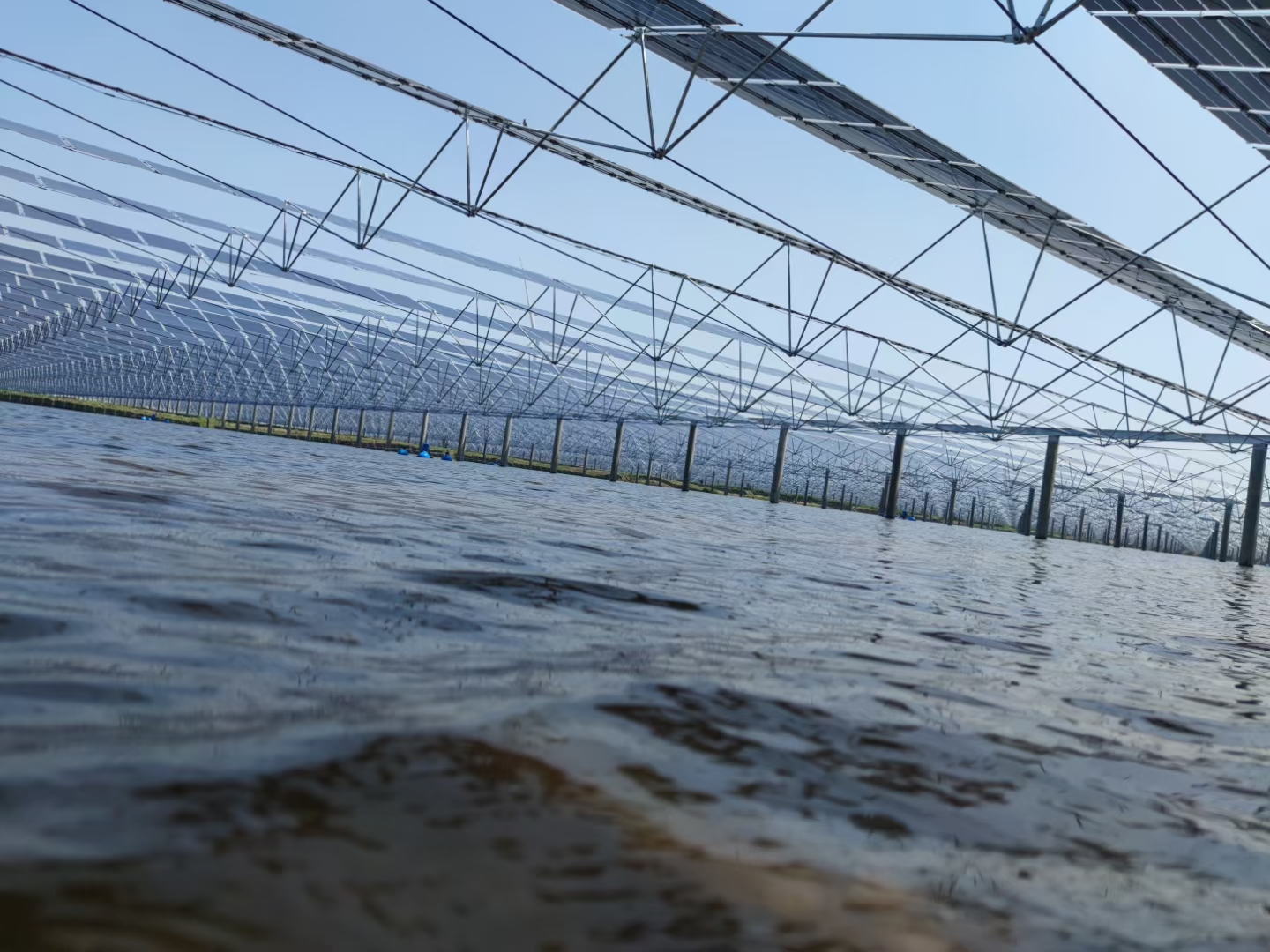
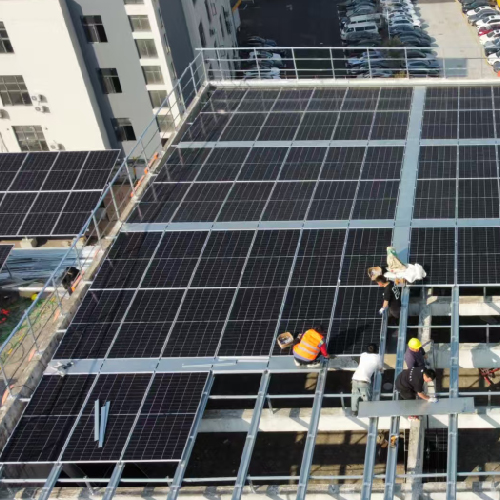
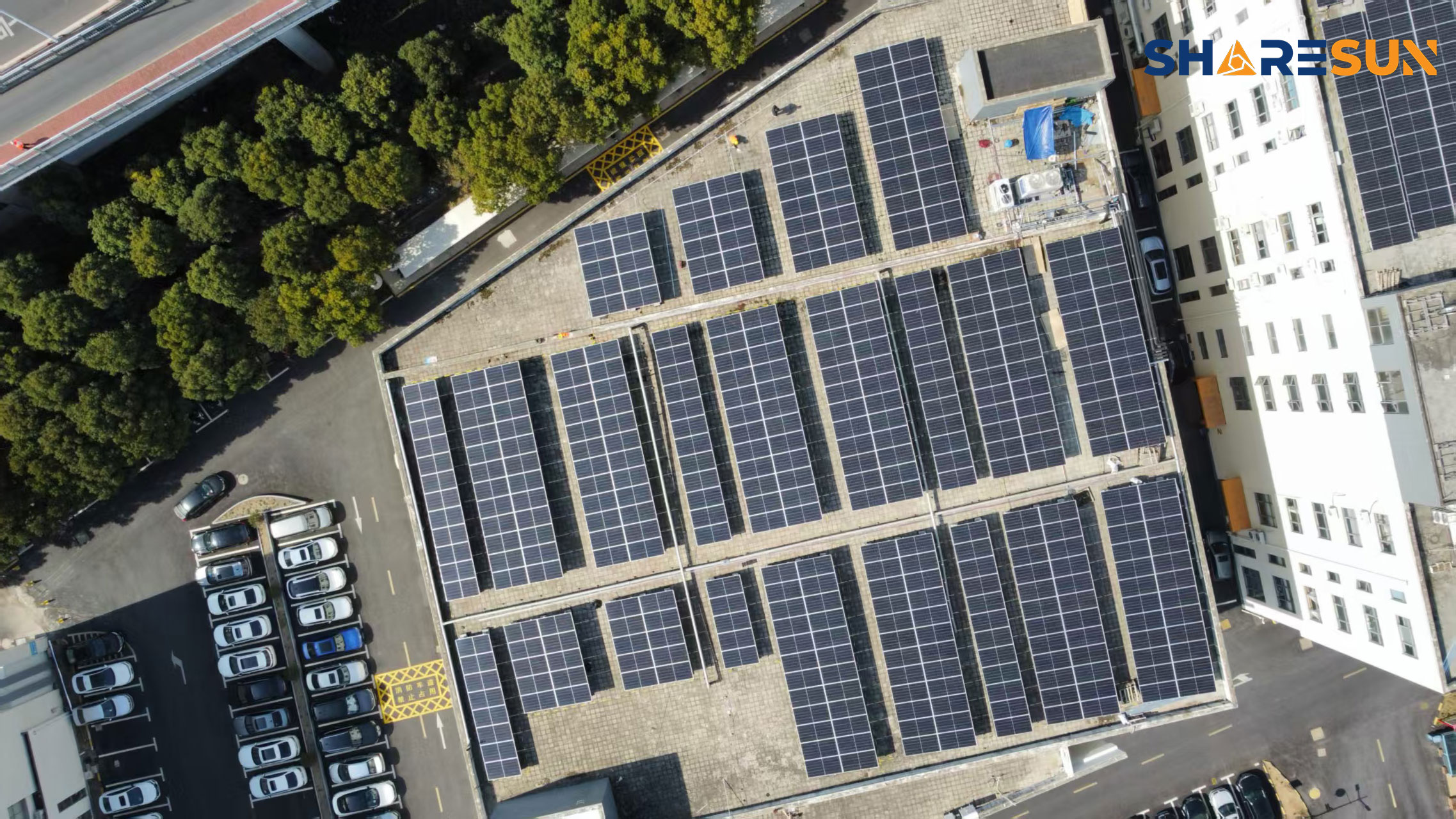
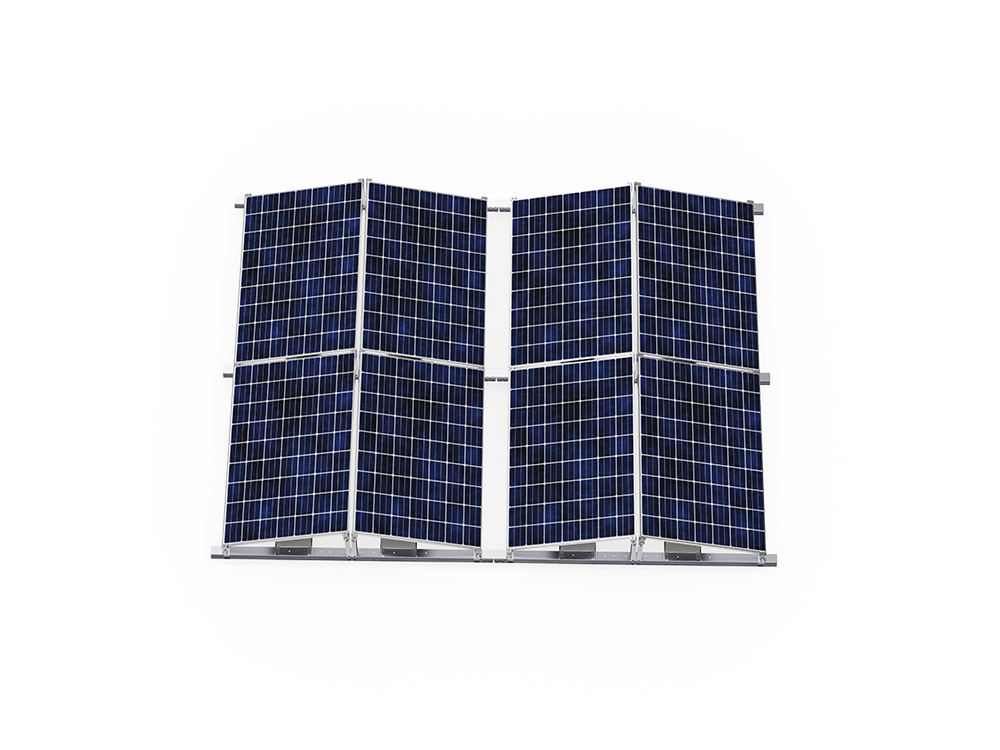
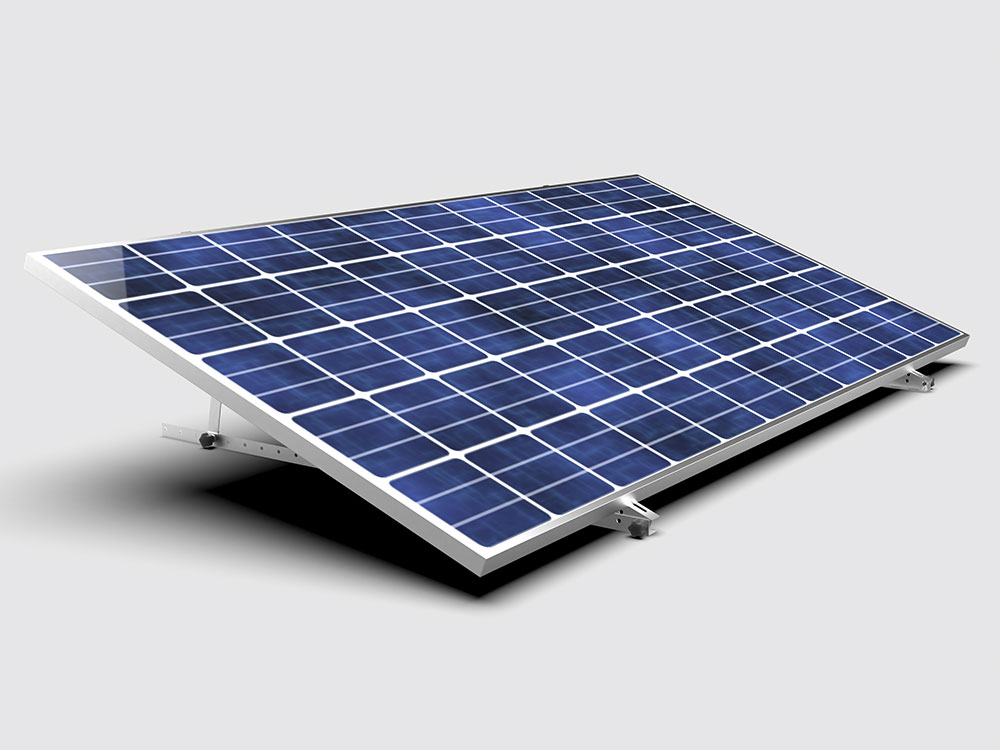
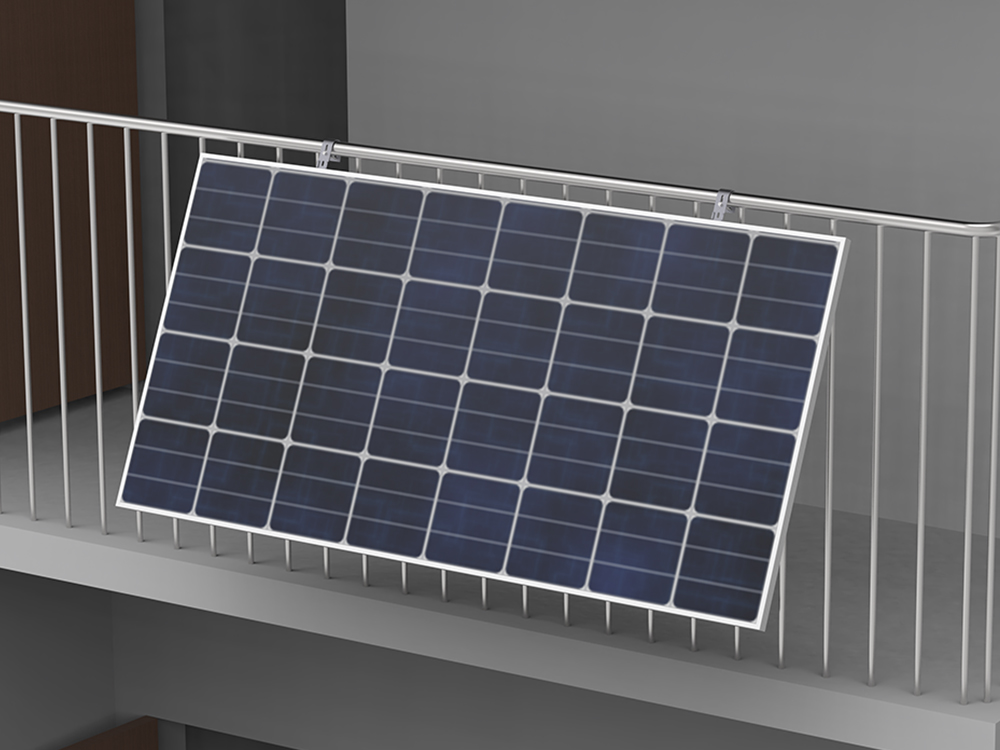
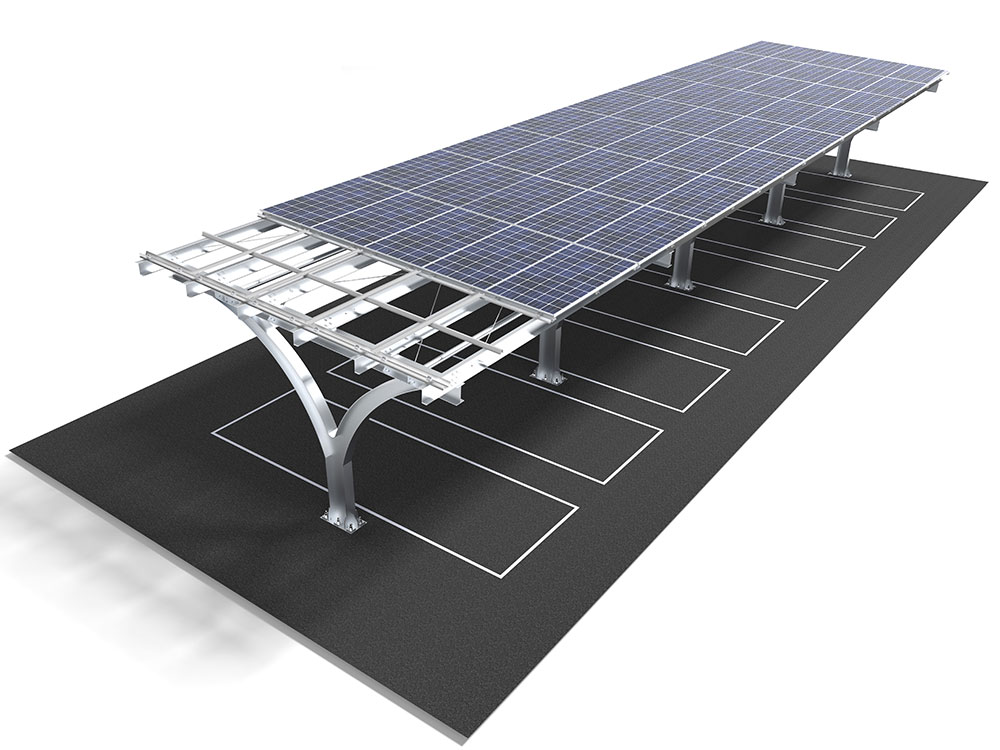
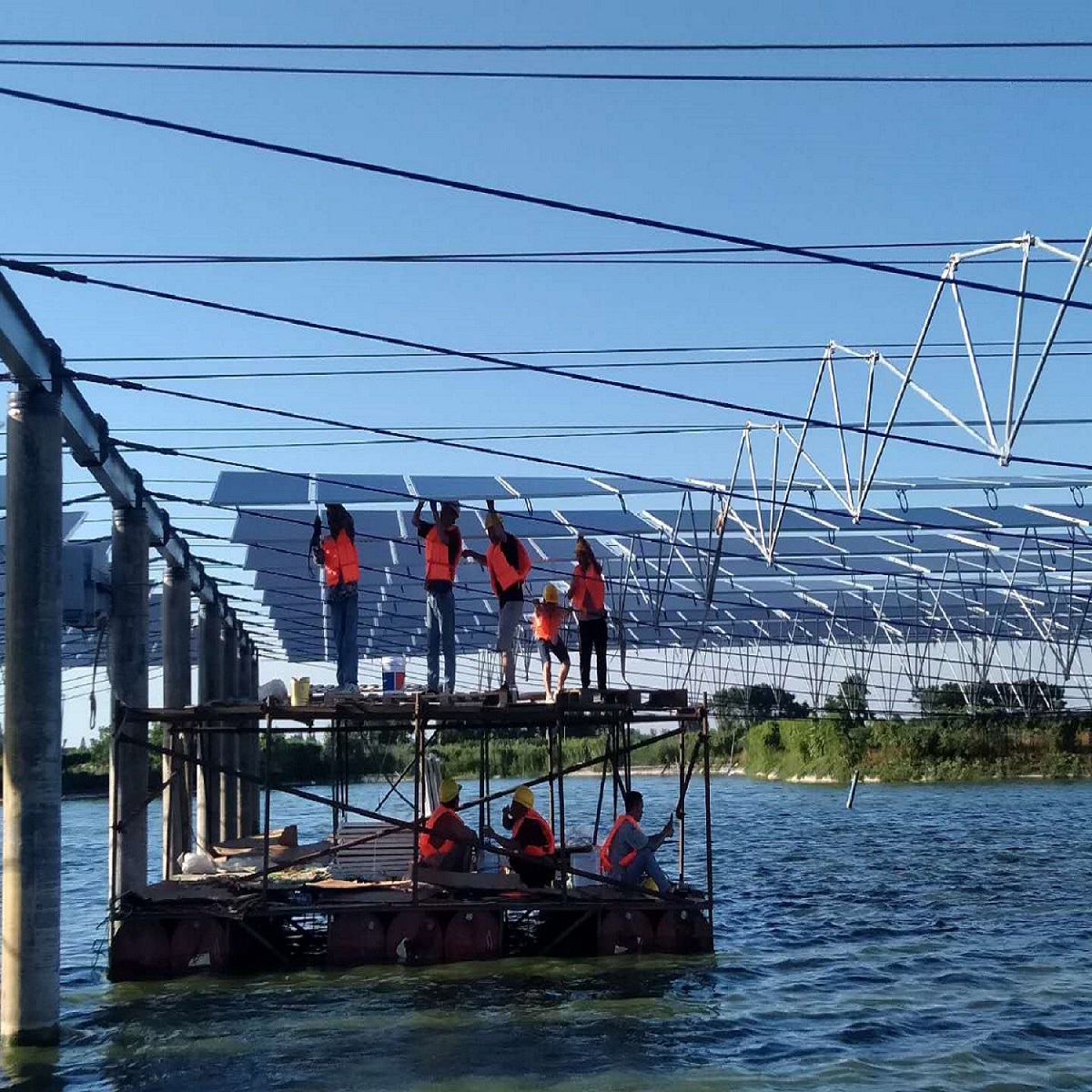
As the “solar-plus” model gains popularity, fish-solar hybrid systems—which integrate “power generation above water with aquaculture below”—are increasingly favored. However, installing solar power systems on fish ponds, tidal flats, or lakes, while improving land utilization, poses significant challenges for solar support structures. High evaporation rates, humidity, and even potential saltwater corrosion above the water surface mean that improper material selection can lead to corrosion becoming the “cancer” of the power station within just a few years.
So, what material should be used for corrosion protection in support structures for aquaculture-photovoltaic integration? The following are the most reliable options:
Hot-dip galvanized steel: The most common and practical choice
Currently, hot-dip galvanized steel remains the dominant material in the vast majority of fish-solar hybrid projects. Its corrosion protection principle is straightforward: steel components are immersed in molten zinc, forming a thick zinc coating that acts as a sacrificial anode, effectively shielding the underlying steel from corrosion.
For inland freshwater fish ponds and lakes, where atmospheric corrosion levels typically range from C3 to C4, hot-dip galvanized supports with a compliant zinc coating thickness (generally requiring an average thickness exceeding 80μm) can fully withstand the high-humidity environment above the water surface, ensuring a service life of over 25 years.
Zinc-Aluminum-Magnesium and Weathering Steel: Advanced Coating-Free Solutions
For projects requiring higher corrosion resistance—such as those in saline-alkali soils or coastal areas—or seeking alternatives to traditional hot-dip galvanizing, zinc-aluminum-magnesium sheets and weathering steel offer superior upgrades.
Zinc-aluminum-magnesium supports incorporate aluminum and magnesium into the coating, delivering corrosion resistance several times greater than traditional pure zinc coatings. They also exhibit strong self-healing properties at cut edges, preventing rust even on exposed surfaces after cutting.
Super weathering steel (such as products launched by Baosteel) represents a different approach. Instead of relying on coatings, it incorporates alloy elements that enable the steel surface to spontaneously form a dense, stable oxide layer in corrosive environments. This layer acts like a protective “rust coat,” preventing further internal corrosion. Its greatest advantage is being “paint-free and maintenance-free”; even if scratched during processing, transportation, or installation, it can self-repair. This super weathering steel has been successfully applied in projects like the salt-alkali tidal flat photovoltaic-aquaculture integration project in Binzhou, Shandong, and China’s first three-dimensional maritime rights-based solar project, significantly enhancing the safety and reliability of support structures in complex environments.
High-Performance Composites: A New Approach to Replacing Steel with Plastics
Beyond metal materials, composites have also begun to gain prominence in the photovoltaic-aquaculture integration sector in recent years.
Continuous fiber-reinforced composites developed by institutions like Beijing University of Chemical Technology exhibit unmatched chemical corrosion resistance compared to metals. Intrinsically impervious to salt spray and moisture erosion, experimental data shows no degradation in mechanical properties after 240 hours of immersion in 10% salt, alkali, or acid solutions. For investors concerned about metal supports “corroding away” in prolonged high-humidity environments, this “plastic-for-steel” solution fundamentally eliminates rust issues. The material itself is insulating and lightweight. While initial costs may be slightly higher, maintenance expenses are extremely low over the entire lifecycle.
Key Details: Coatings and Fasteners
Beyond the main support structure, the success of corrosion prevention often lies in the details.
For offshore or highly corrosive areas in fish-solar hybrid projects, the base material alone may be insufficient, necessitating heavy-duty anti-corrosion coatings. For instance, in China’s first offshore fish-solar integration project in Jimo, Shandong, the contractor applied a heavy-duty anti-corrosion coating dubbed “Deep Sea Armor” to the steel structure. This coating passed a 4,000-hour salt spray test, ensuring a 25-year lifespan.
Furthermore, fasteners at connection points (bolts, nuts) are often corrosion initiation sites. The current mainstream practice mandates critical connectors be made of 316L stainless steel to prevent galvanic corrosion caused by potential differences in dissimilar metals, which could lead to structural failure at connection points.
Returning to the original question: How should one select support structures for aquaculture-photovoltaic integration?
For ordinary freshwater lakes or ponds, hot-dip galvanized steel offers the best cost-performance ratio.
For saline-alkali soils or coastal areas, consider super weathering steel or zinc-aluminum-magnesium coatings.
For ultimate corrosion resistance and maintenance-free operation, composite materials represent the future trend.
Regardless of material choice, remember: Aquaculture-photovoltaic hybrid plants have extended revenue cycles, and the corrosion resistance of the support structure directly determines the plant’s lifespan. In the mild yet deadly corrosive environment of water surfaces, selecting the right material and implementing proper protection ensures the plant can steadily “cultivate the sea and raise fish,” producing more clean electricity.
For more professional consultation, click here: Contact Us
What material should be used for corrosion-resistant supports in fish-solar hybrid projects?
As the “solar-plus” model gains popularity, fish-solar hybrid systems—which integrate “power generation above water with aquaculture below”—are increasingly favored.
Share this post
Pinterest
LinkedIn
Facebook
WhatsApp