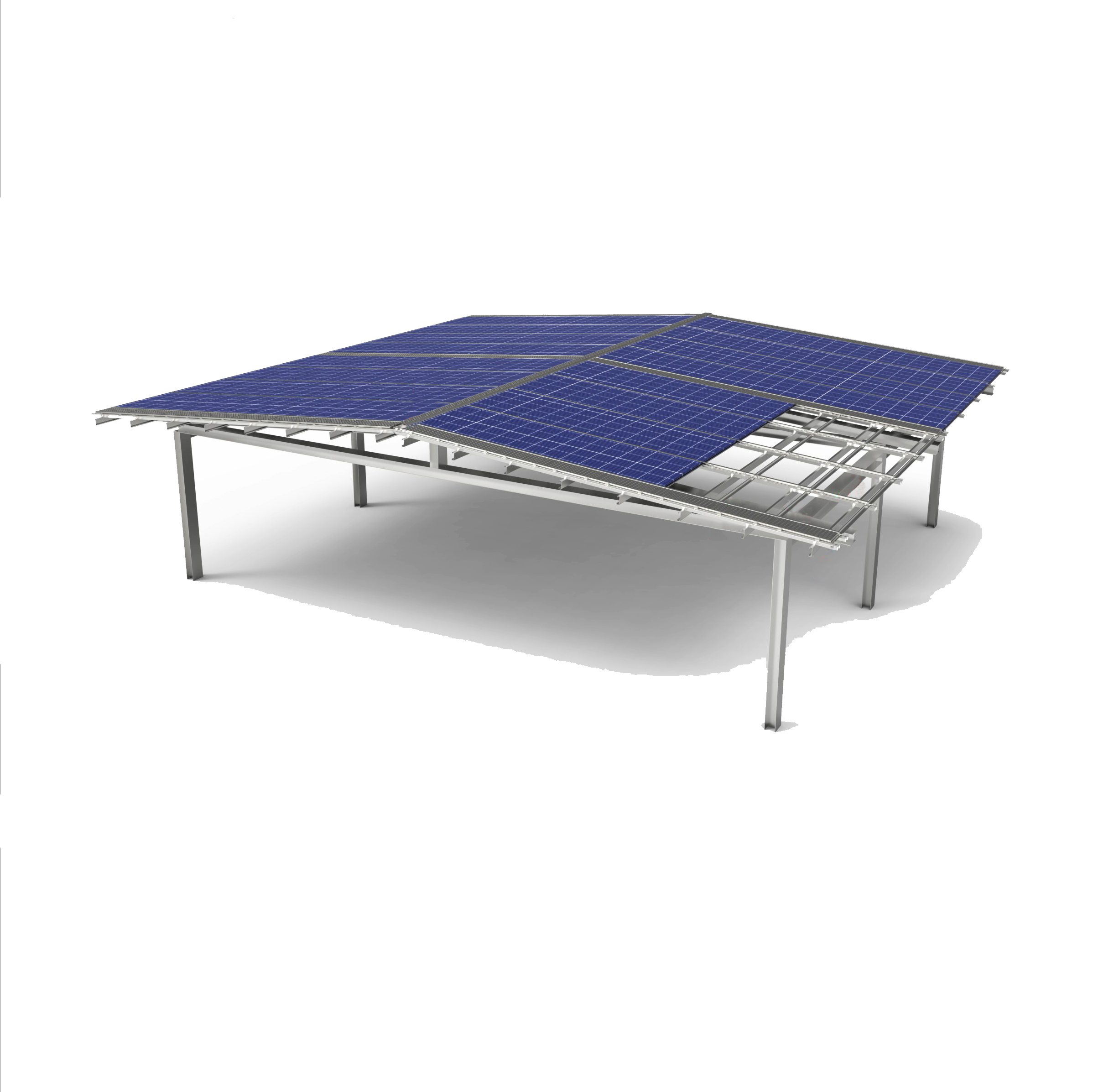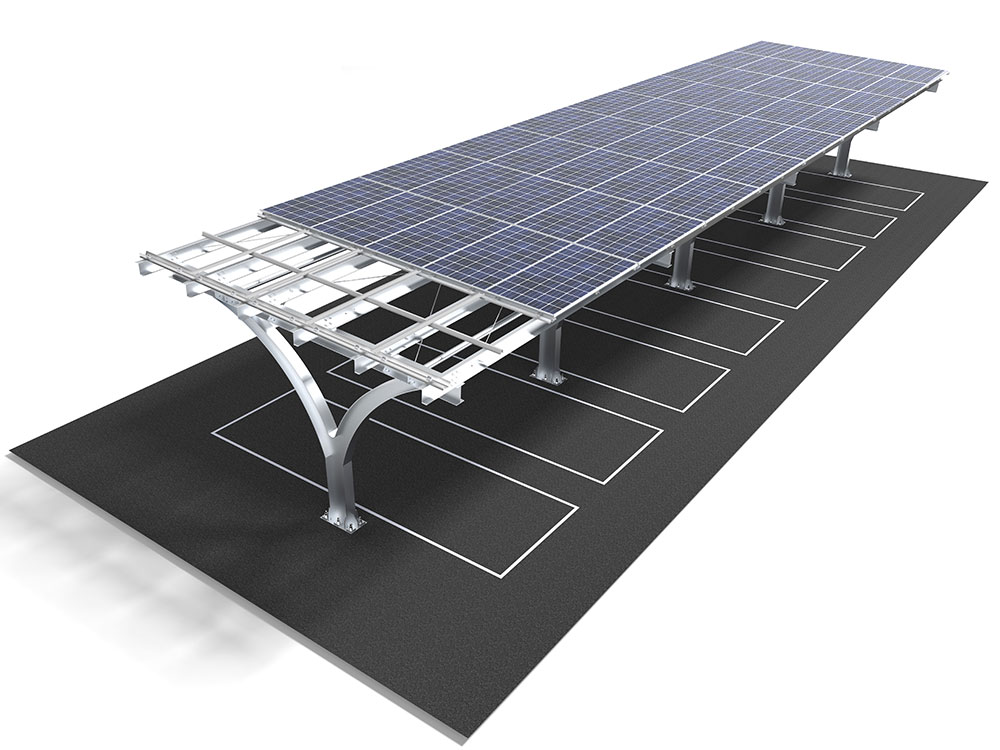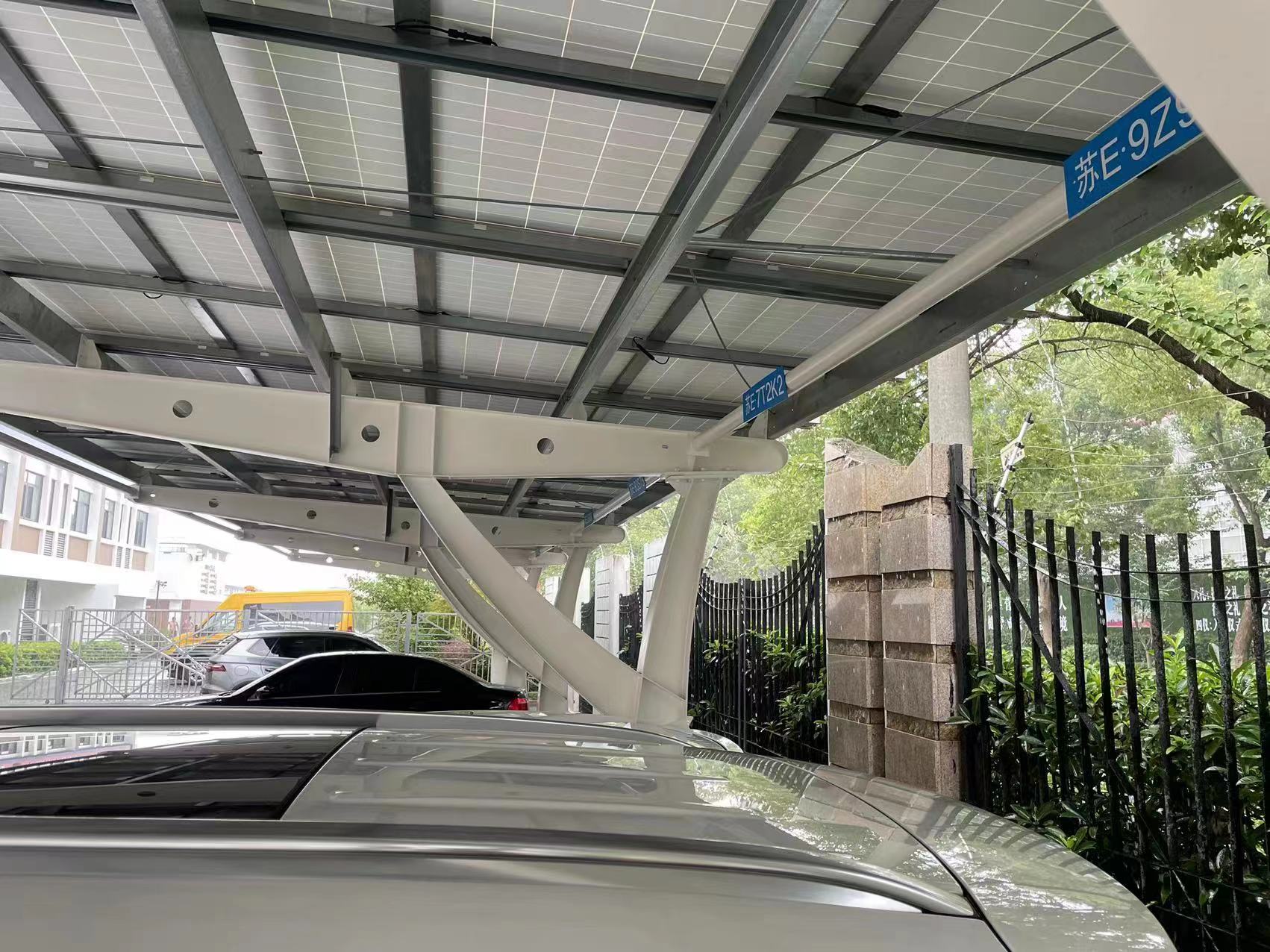
In recent years, solar carports have become increasingly common. Many corporate campuses, shopping malls, and even residential communities have begun integrating parking lots with solar power generation. The typical first reaction is: Oh, this space can generate electricity. In reality, solar carports offer far more than just “power generation.” The practical benefits they provide may be even more noteworthy than the solar panels themselves.
First and foremost is the tangible benefit of “shelter from wind and rain.”
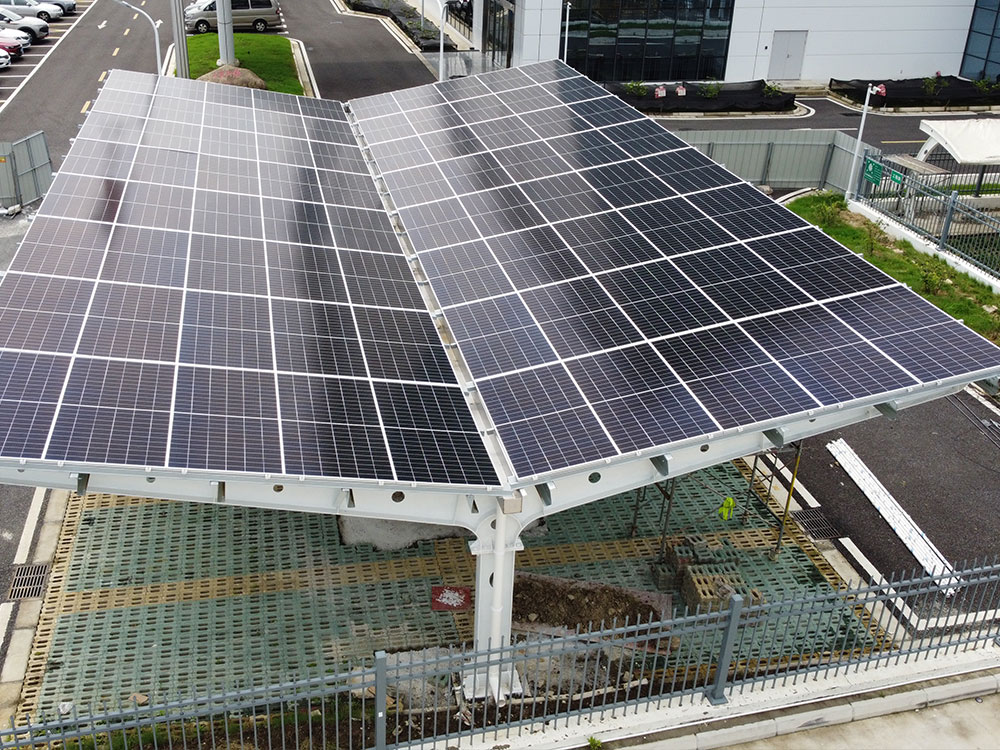
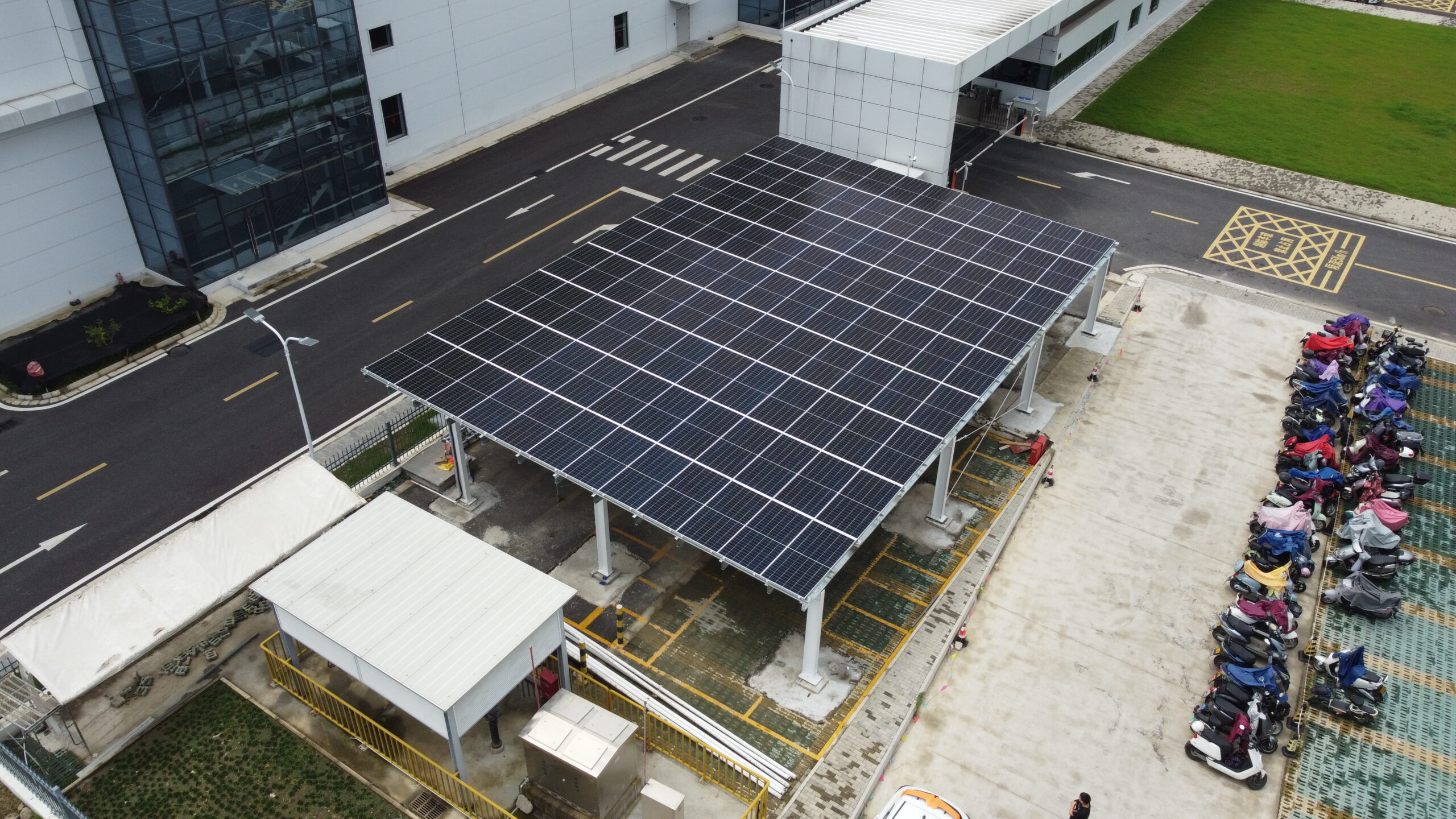
This may sound simple, but those who’ve experienced it know the difference is significant. On scorching summer days, a car parked in an open lot for just two hours can reach temperatures of 60-70°C inside—the steering wheel becomes too hot to touch, and the seats unbearably uncomfortable. A solar carport acts like a giant umbrella for your vehicle, offering better shade than standard sunshades and significantly lowering interior temperatures. On rainy days, the extended canopy of the solar structure serves as an instant shelter, making it much easier to get out of the car, use an umbrella, or carry items. For car owners, this everyday convenience feels more tangible than saving a few hundred dollars on electricity bills annually.
Second, solar carports significantly boost “space utilization.”
Many corporate campuses and factories have vast unused land serving no purpose beyond parking. Installing solar carports allows the same plot to accommodate vehicles while generating electricity—doubling output from the same land. For energy-intensive businesses, the generated power can directly fuel production and office operations, effectively transforming parking spaces into “micro power plants.” This dual functionality holds greater value than pure electricity generation in areas with scarce land resources.
Third, for businesses and campuses, this represents a “low-cost image enhancement.”
Don’t misunderstand—this isn’t meant pejoratively. Many companies wish to showcase a green, low-carbon image, but installing solar panels on empty land can appear contrived. Solar carports are different—they inherently serve parking needs, with solar panels added as a natural complement. This seamless integration delivers immediate impact. Visitors arriving by car encounter orderly solar racks and expansive power-generating canopies, forming an instant impression of the company’s technical prowess and environmental commitment. This subtle brand enhancement proves more effective than paid advertising.
Additionally, solar carports extend the lifespan of both vehicles and pavement.
This benefit is often overlooked. Vehicles parked outdoors endure constant sun and rain, accelerating paint deterioration and causing interior fading and cracking. A carport provides a protective layer. Simultaneously, shielding the ground from direct sunlight and rain extends the lifespan of epoxy or asphalt surfaces, delaying cracking and sanding issues and reducing maintenance costs. For large parking lots, these long-term savings are significant.
Finally, it partially addresses the “charging challenge.”
Solar carports are naturally suited for charging stations. Electricity generated overhead powers nearby charging points with short cables and minimal loss. Many solar carport projects reserve charging bays where solar power directly fuels electric vehicles, creating “green charging zones.” This offers tangible convenience for EV owners.
Ultimately, solar carports aren’t about cutting-edge technology—their value lies precisely in their “practicality.” Power generation is their core function, but not their only one. A well-designed, solidly constructed solar carport first serves as a reliable sunshade and durable parking structure before functioning as a power station. The solar racks support more than just panels; they deliver dual convenience—power generation above and vehicle use below.
Observe solar carports that have stood for years—even decades—and you’ll notice owners rarely boast about “how much power it generated.” Instead, they often remark, “This structure is rock-solid. Parking in summer is so much more comfortable now.” Sometimes, the tangible comfort users experience speaks louder than flashy power generation figures.
For specific professional inquiries, please click here: Contact Us