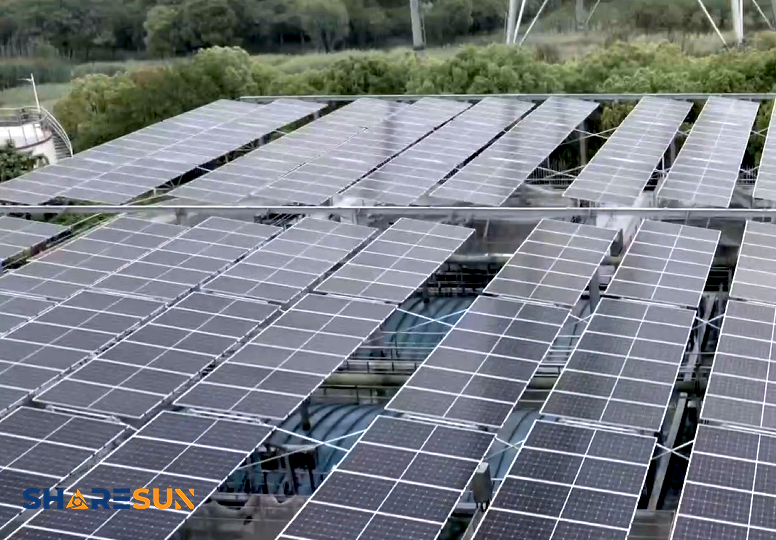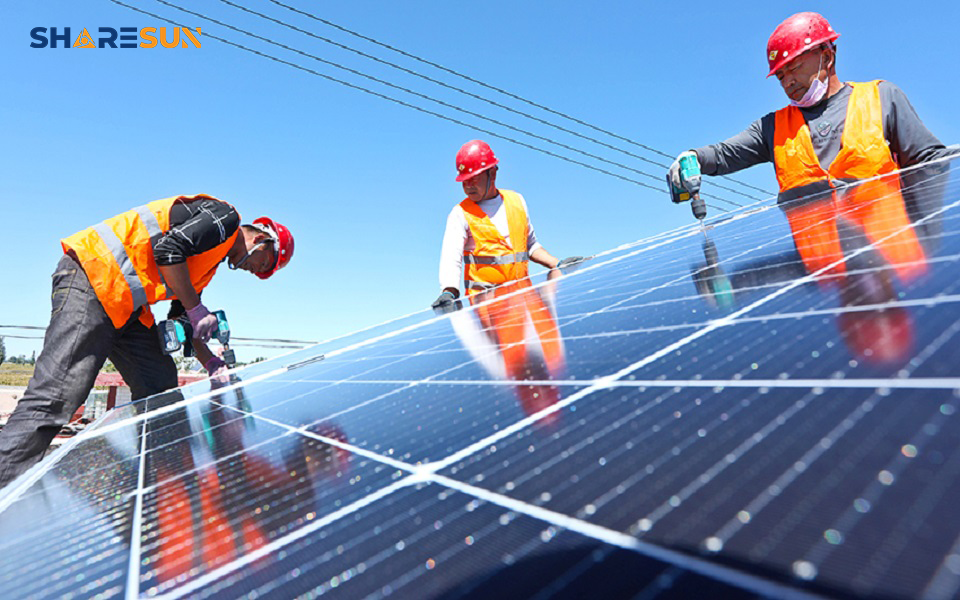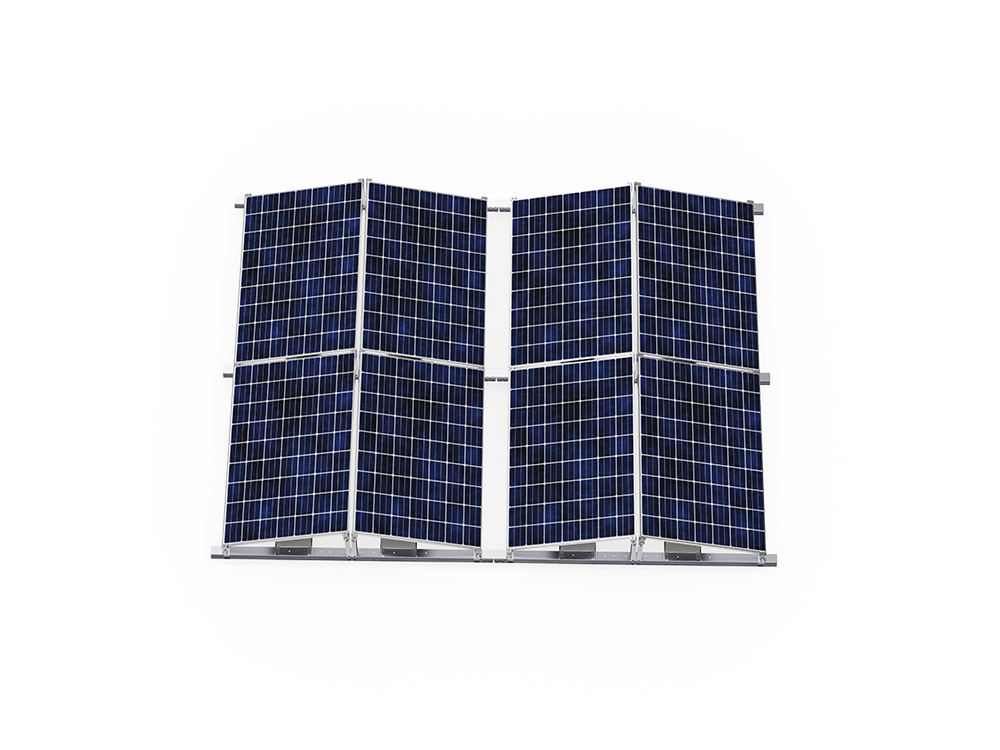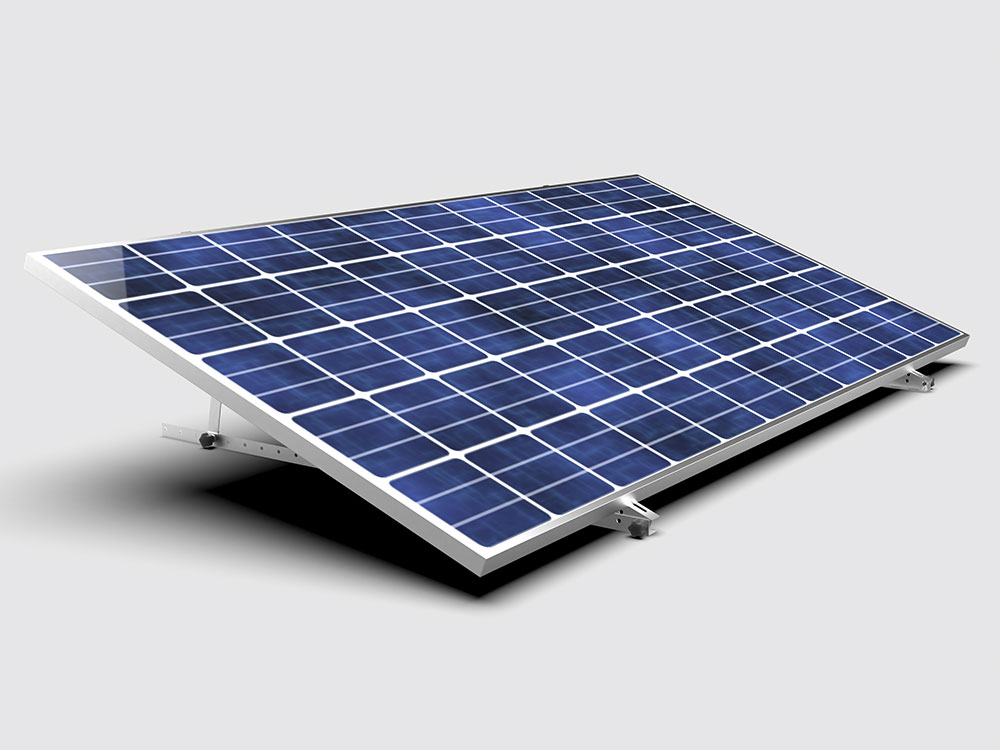
With the integrated development of modern agriculture and clean energy, agricultural solar mounting structures are gaining recognition as an innovative solution. They combine solar power generation with agricultural production on the same land, achieving dual benefits: “power generation above and crop cultivation below.” So, where exactly are agricultural solar mounting structures suitable for use?
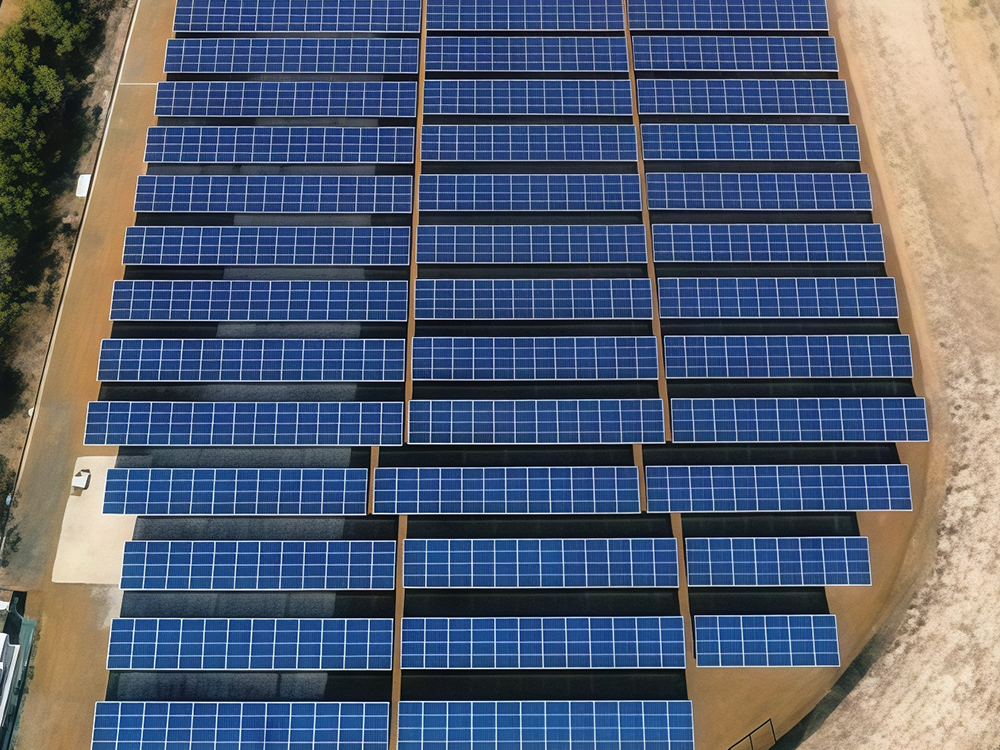
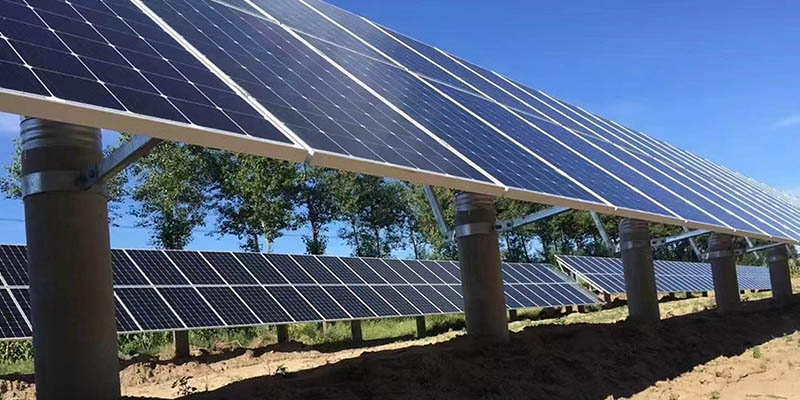
First, they are particularly well-suited for farms in plains or hilly regions with abundant sunlight and relatively rich soil resources. These areas typically offer excellent solar radiation conditions, conducive to efficient power generation from solar panels. Simultaneously, large-scale farmland provides a stable spatial foundation for mounting structures. By installing solar racks at a certain height above crops, agricultural production can proceed as usual while generating green electricity. This supplies clean energy to the farm and surrounding areas, directly reducing agricultural electricity costs.
Second, agricultural solar racks can also excel in regions specializing in niche crops or livestock. For instance, in cultivation areas requiring moderate shade—such as certain tea varieties, medicinal herbs, mushrooms, or specific vegetable crops—solar panels can form natural “shade structures.” These structures help improve microclimates in the fields, reducing direct sunlight exposure and water evaporation, which can sometimes actually benefit crop growth. Similarly, installing agricultural solar racks above livestock farms (e.g., poultry or sheep operations) enables power generation while providing animals with a more comfortable outdoor environment.
Agricultural solar racks also demonstrate adaptability in regions with diverse land conditions or unique challenges. For instance, on highly saline-alkali or nutrient-poor soils where traditional crops yield poorly, scientifically designed elevated solar arrays allow the underlying land to be reclaimed for drought-tolerant crops, livestock farming, or horticulture. This approach effectively boosts overall land productivity, combining ecological restoration with economic benefits.
Deploying agricultural solar racks is particularly cost-effective and practical in farmlands adjacent to electricity load centers—such as villages, towns, agricultural industrial parks, and agricultural product processing zones. Electricity can be consumed locally, reducing transmission losses over long distances. This enables more direct and efficient support for local production and residential electricity needs, enhancing regional energy self-sufficiency and stability.
In summary, agricultural solar racks offer extensive application potential. They are ideally suited for regions seeking supplementary income, reduced energy costs, and efficient resource utilization without disrupting agricultural production. Whether applied to traditional field farms, specialized cultivation and breeding bases, or marginal lands requiring value enhancement, these racks can deliver tangible benefits through scientific planning and design. They inject green momentum into rural revitalization and sustainable development.