When selecting solar panel mount configurations, many users wonder: which type—single-row or double-row mounts—actually produces more electricity? This isn’t a simple yes-or-no question but requires comprehensive evaluation based on installation conditions, sunlight exposure, and practical applications.
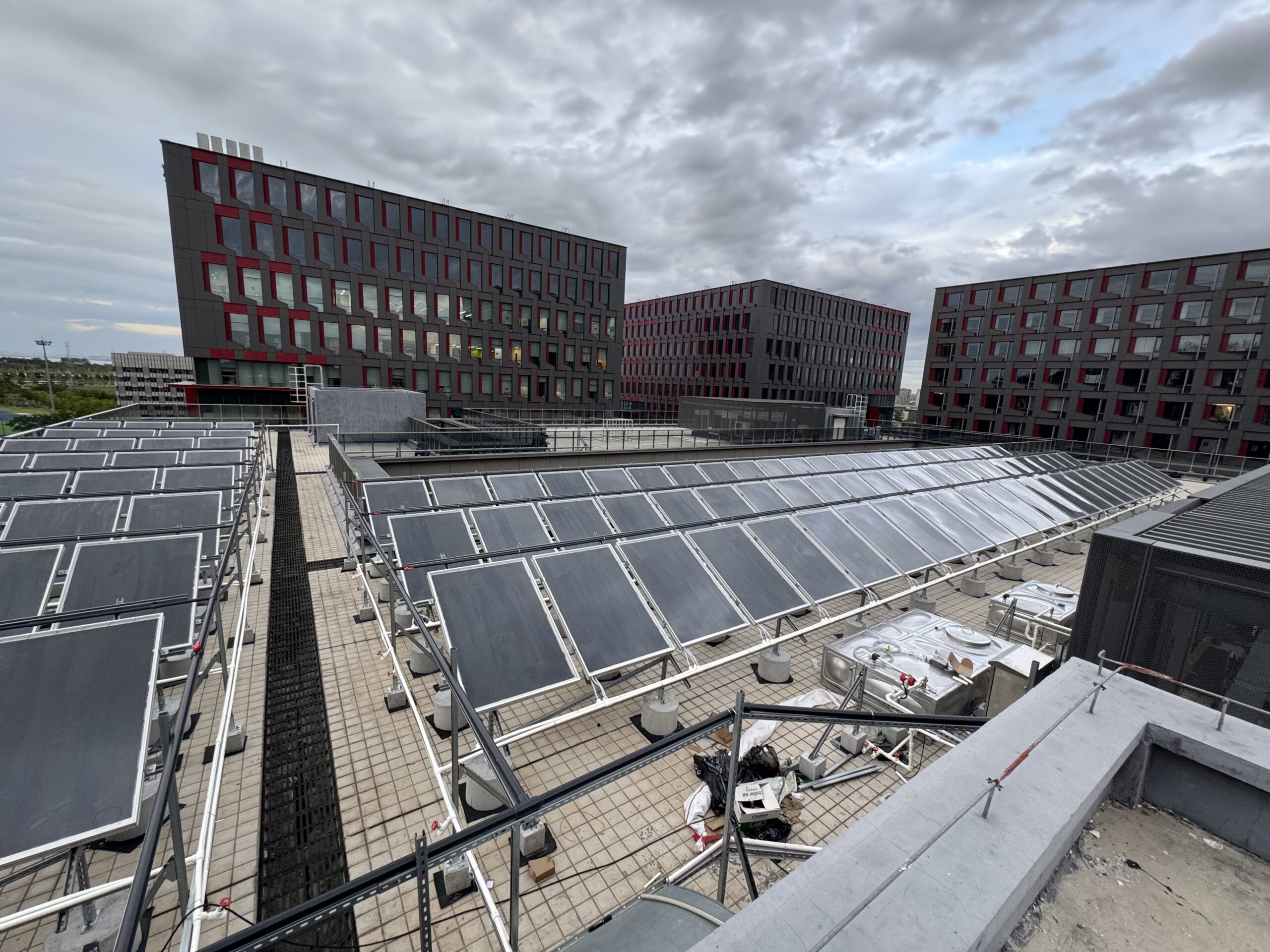
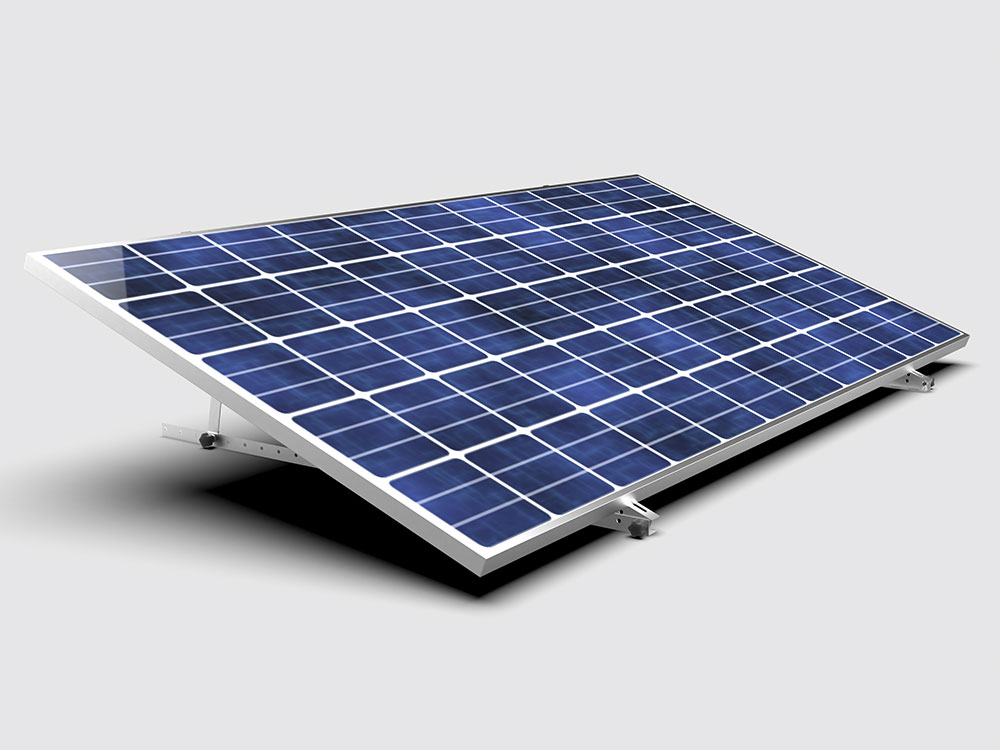
Single-row solar racks typically refer to structures where solar panels are arranged in a single vertical layer, commonly seen in ground-mounted power plants or rooftop projects. This layout ensures each panel receives ample sunlight without front-to-back shading. It maximizes the power generation efficiency of each component, particularly in areas with abundant sunlight and open spaces. For the same footprint, if unobstructed installation is feasible, single-row racks often deliver more stable and efficient power output.
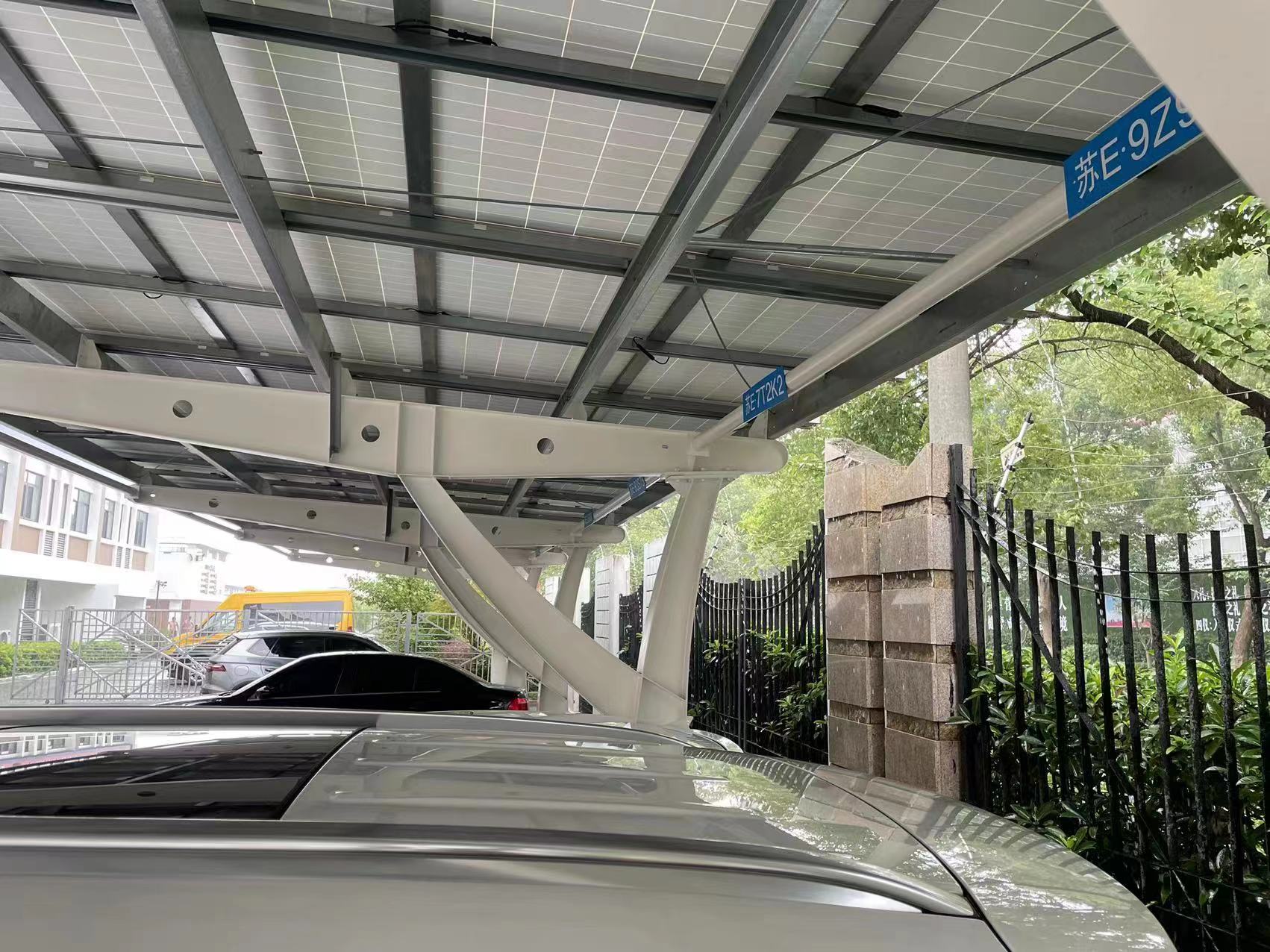
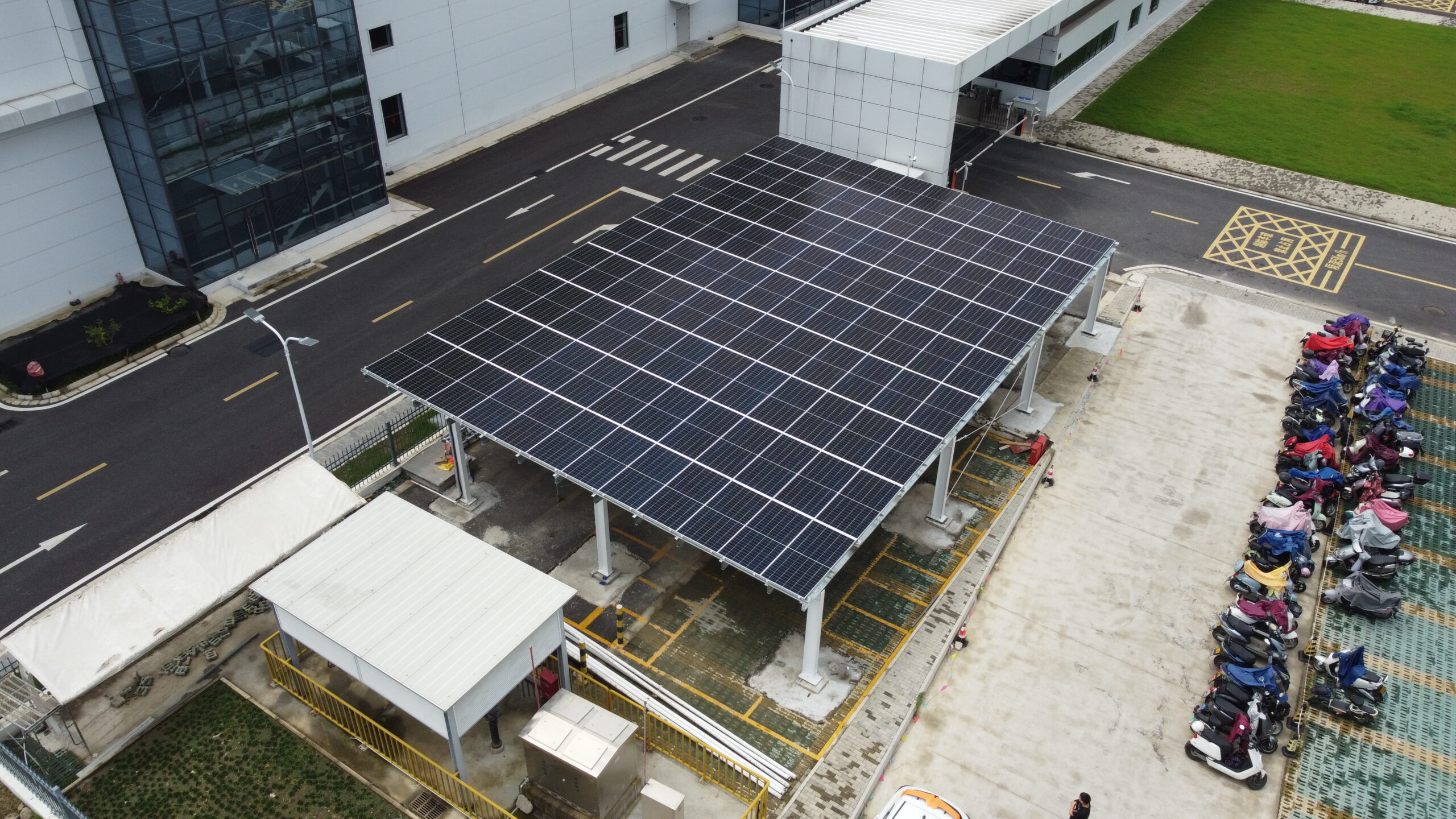
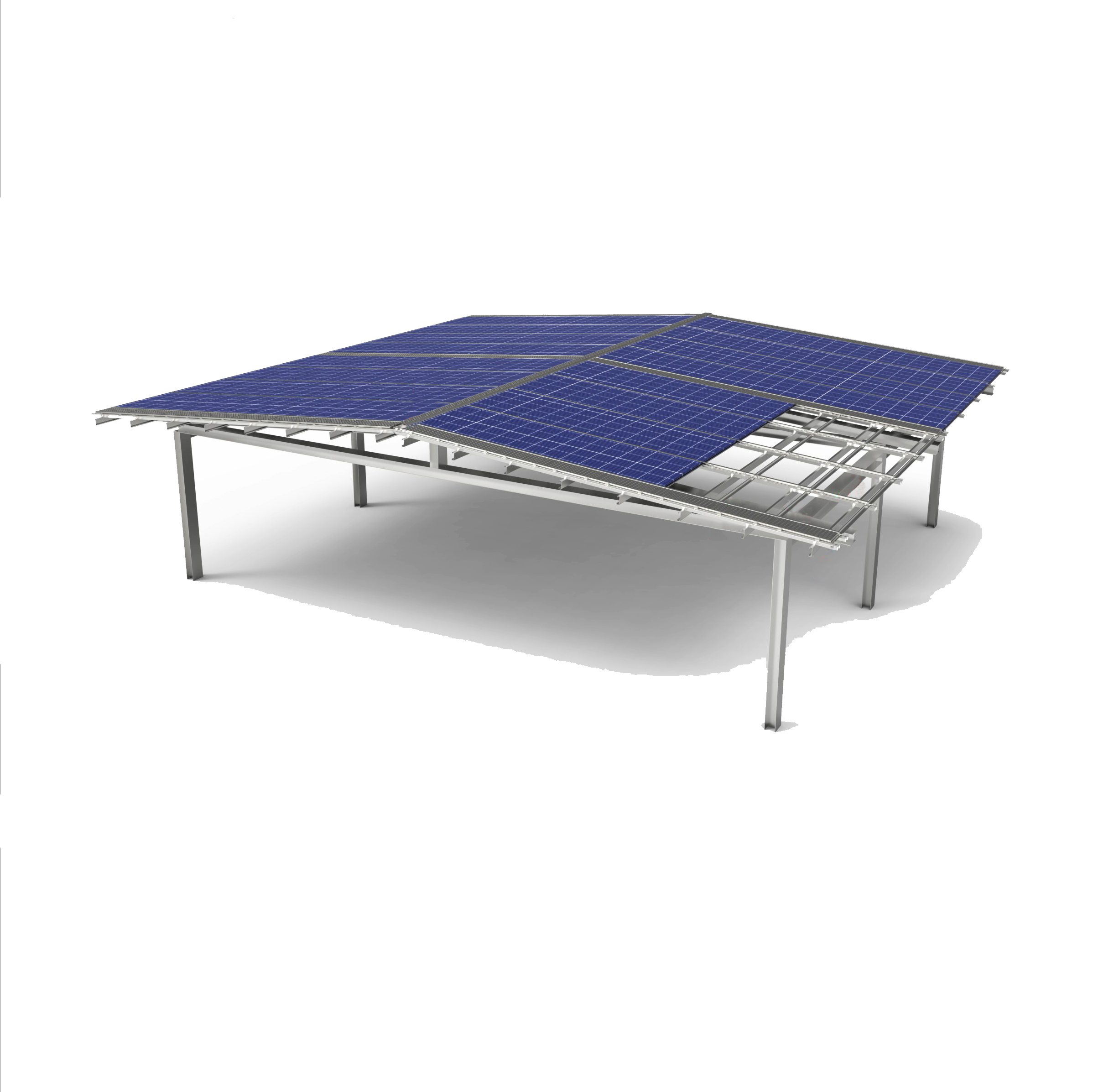
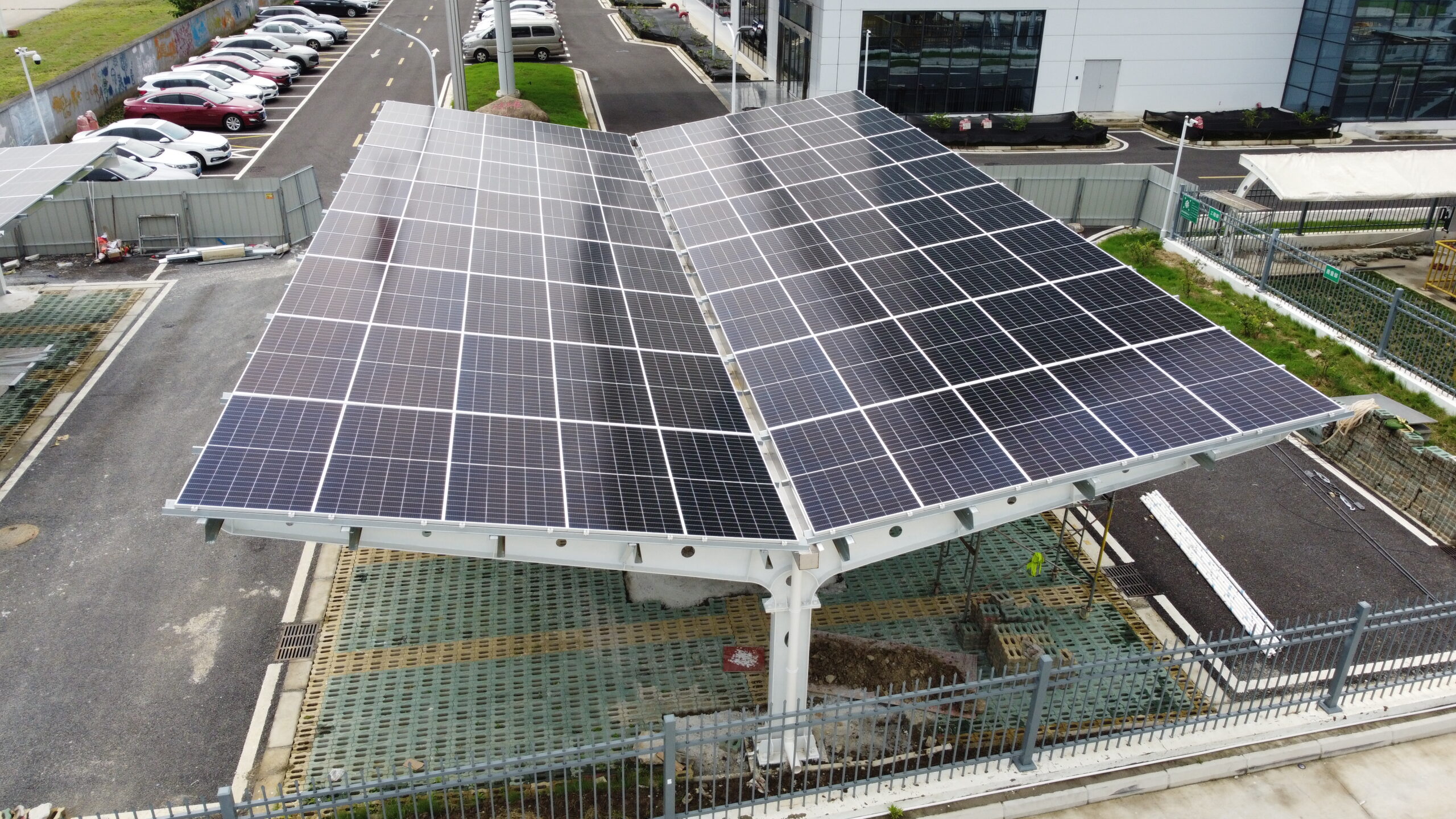
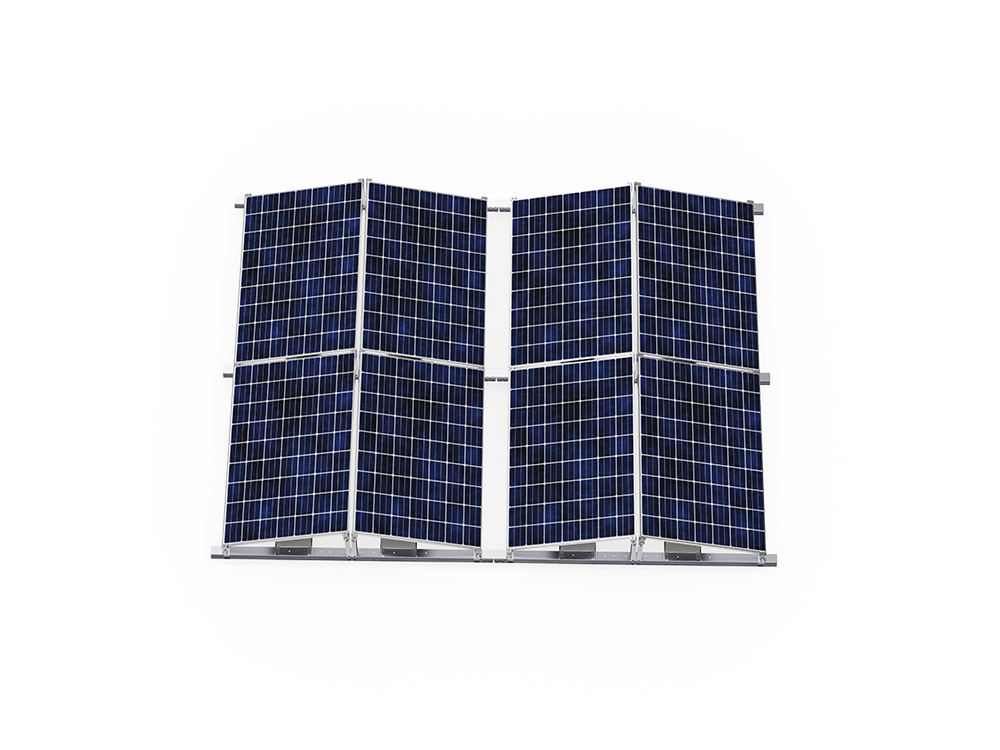
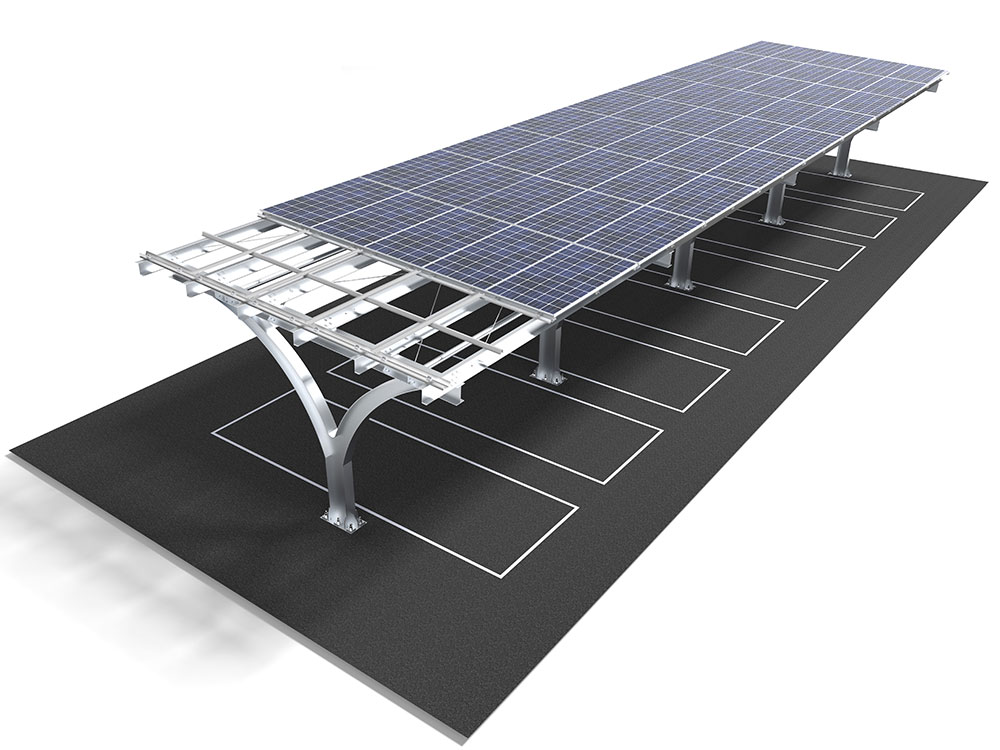
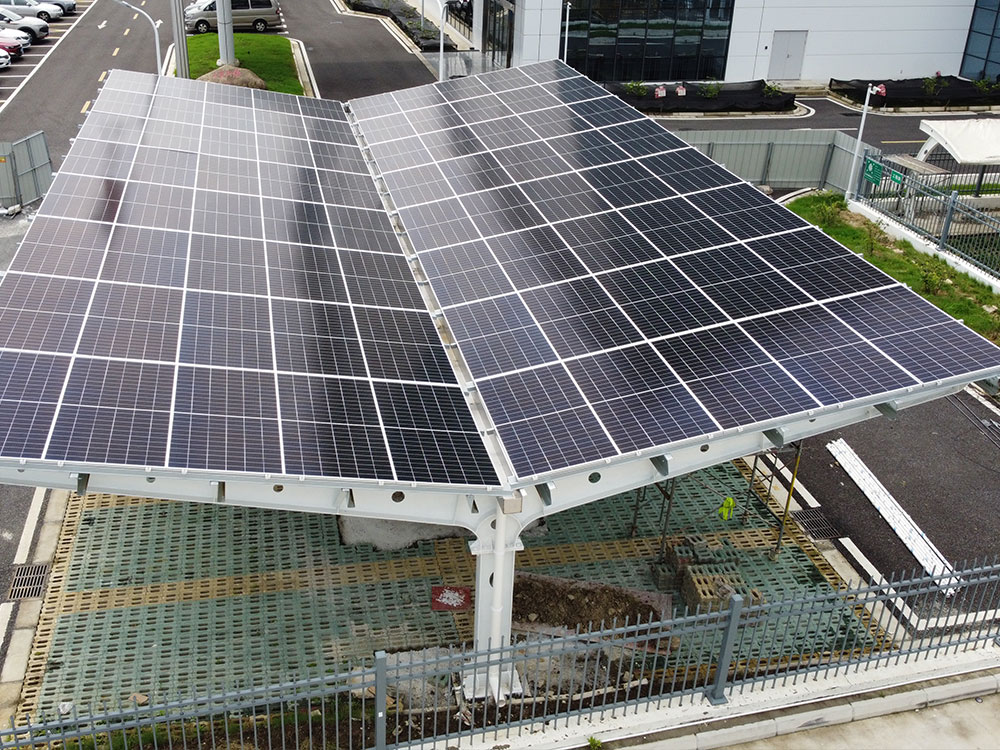
Double-row solar racks, conversely, arrange panels in two tiers on the support structure, commonly used in space-constrained locations like solar carports. This design allows for installing more modules within limited ground or roof space, increasing overall installed capacity. For instance, in solar carport projects, double-row racks can significantly boost power generation scale without expanding the footprint. However, if improperly designed, upper-tier components may partially shade the lower tier for extended periods, reducing overall efficiency.
Therefore, power generation capacity is not solely determined by whether the mounting structure is single-row or double-row. The key lies in maximizing the utilization of available space while minimizing shading effects. In scenarios with ample land or roof area and no obstructions, single-row mounting typically achieves higher power generation efficiency per unit area. Conversely, in space-constrained environments requiring dual functions like shade and parking—such as solar carports—double-row mounting delivers greater total installed capacity and higher overall power generation.
Selection also requires consideration of local latitude/longitude, solar angle, and climate characteristics. Proper tilt angle design and inter-row spacing calculations are particularly crucial for double-row systems to effectively reduce shading losses. Furthermore, integrated projects like solar carports necessitate comprehensive evaluation of structural safety, vehicle access, and maintenance convenience.
In summary, single-row and double-row racks each suit specific scenarios. For maximizing module efficiency with unlimited space, single-row may be preferable. When aiming to boost total power generation within limited space while minimizing shading through optimized design, double-row racks are often the ideal choice—hence their prevalence in solar carport projects. The final decision should be based on professional calculations and site-specific conditions to unlock the solar system’s full power generation potential.
For professional and detailed inquiries, please click here: Contact Us