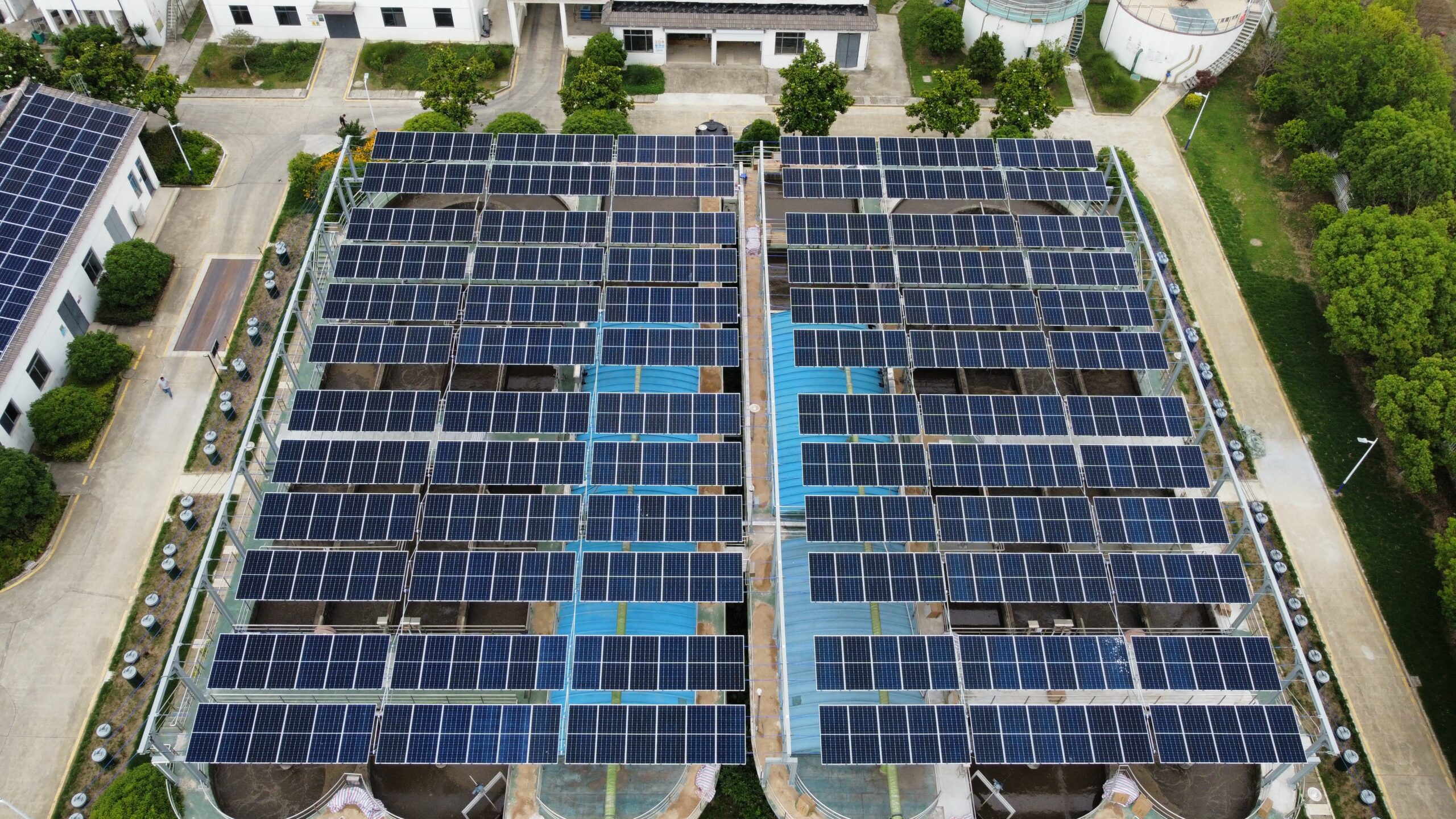
As an innovative structure in the solar power generation field in recent years, Fishery PV Mounting Systems often come with a significantly higher price tag than traditional solar racks. Many people find their cost puzzling, but this premium isn’t arbitrary—it stems from unique design requirements, complex construction environments, and higher material standards.
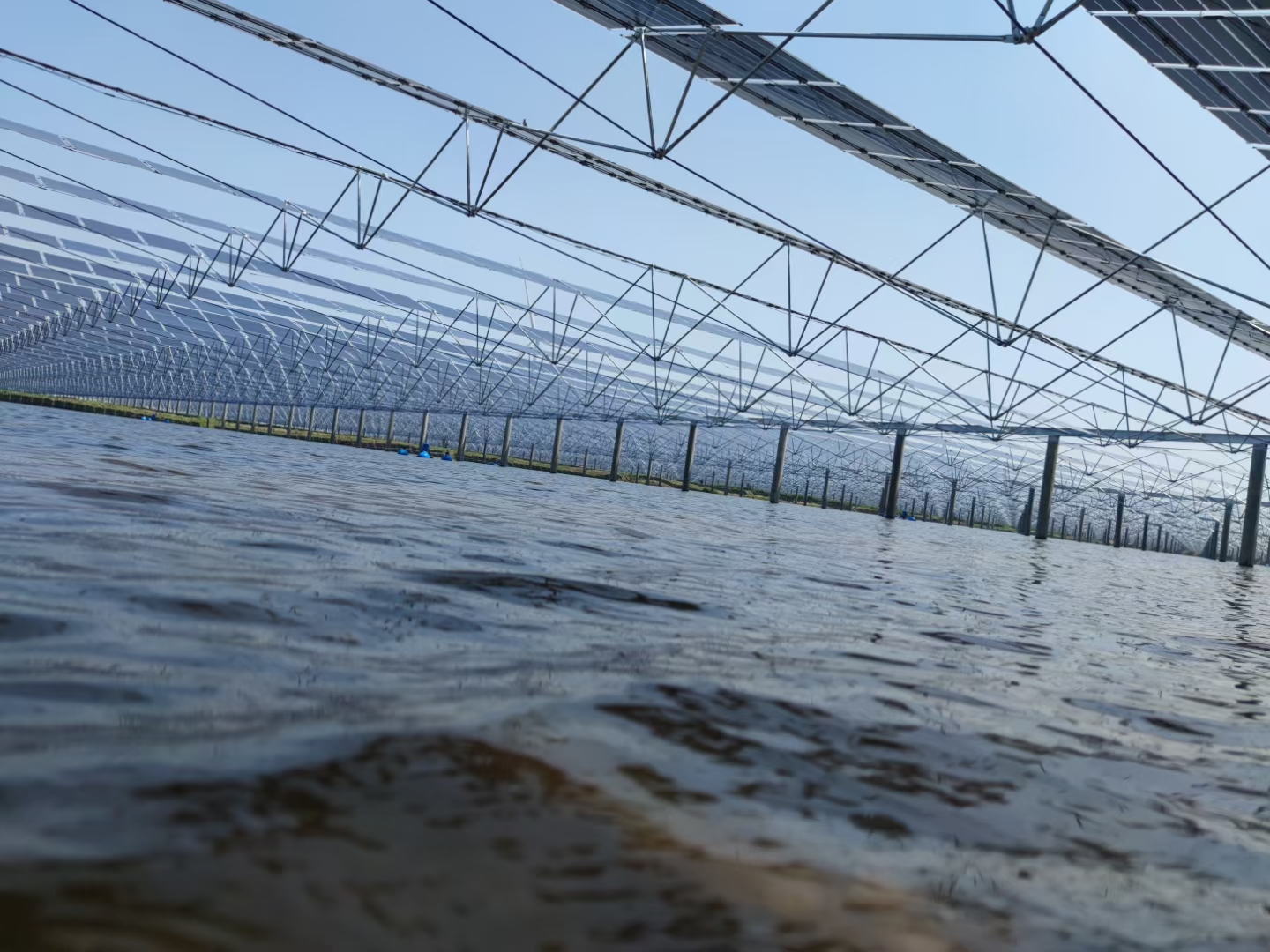
From a design perspective, these structures must simultaneously accommodate both above-water solar generation and below-water aquaculture. This means they not only need to securely support solar panels for optimal power output but also account for aquatic environments, fishing operations, and ecological impacts. The structure often requires specialized anti-corrosion treatment to withstand long-term exposure to moisture and microbial erosion, making its design significantly more complex than standard ground-mounted or rooftop systems. Furthermore, precise calculations are needed for installation height, tilt angle, and array layout to avoid disrupting underwater light penetration and fish growth—design costs that are naturally reflected in the price.
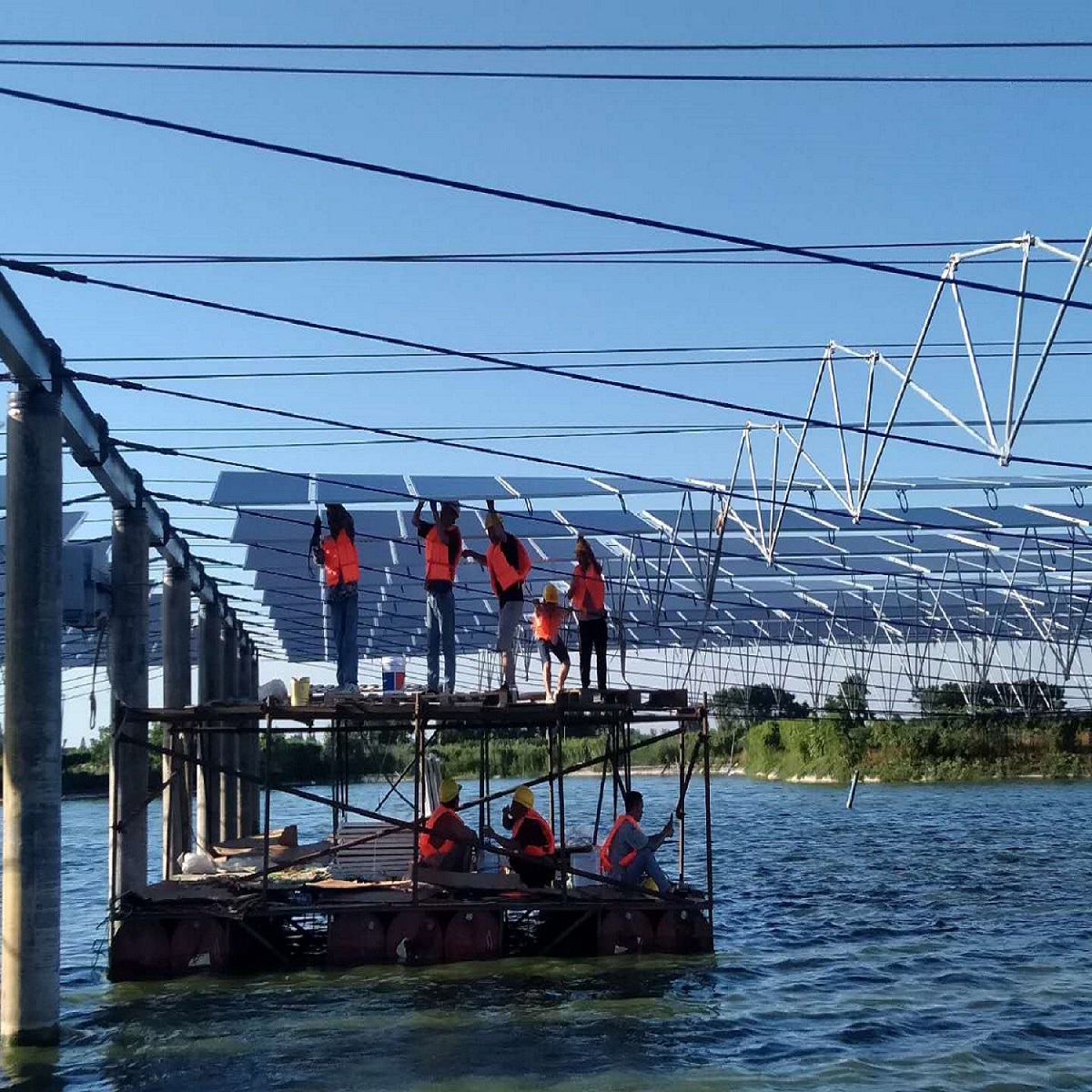
Construction conditions represent another key factor driving the cost of aquaculture-photovoltaic hybrid structures. Waterborne operations are significantly more complex than land-based work, requiring specialized vessels, lifting equipment, and waterproof/slip-resistant construction protocols. During installation, ensuring structural integrity while preventing ecological damage to aquatic habitats presents substantial challenges, extending project timelines and significantly increasing labor and equipment expenditures. Furthermore, projects often necessitate coordination across multiple departments—including water resources, environmental protection, and agriculture—indirectly inflating costs.
Material selection for fish-solar hybrid racks mandates high-strength, corrosion-resistant materials. Ordinary galvanized steel struggles to withstand long-term aquatic corrosion, necessitating aluminum-magnesium alloys, stainless steel, or specially treated corrosion-resistant steel. While these materials carry higher upfront costs, they significantly extend the racks’ lifespan and reduce long-term maintenance expenses. Additionally, the foundation components may require pile foundations or floating platform designs. Floating structures, in particular, demand higher reliability and safety standards for buoyancy materials and anchoring systems, further increasing material and manufacturing costs.
In the long run, the “cost” of photovoltaic-aquaculture hybrid racks is reflected in their comprehensive value. By integrating solar power generation with fish farming, they enable intensive utilization of land (or water) resources, generating additional economic benefits. Although the initial investment is high, the dual income from power generation and aquaculture often recoups costs within the project cycle. For projects prioritizing ecological sustainability and efficient resource utilization, this investment is worthwhile.
Thus, the premium cost of fish-solar hybrid racks stems from their integration of cross-disciplinary technical requirements, their adaptability to complex environments, and the innovative efforts invested in realizing synergistic “solar energy + agriculture” development. For the solar power industry, these racks represent not merely structural upgrades but a progressive advancement in resource utilization models.
For more details, please click here: Contact Us