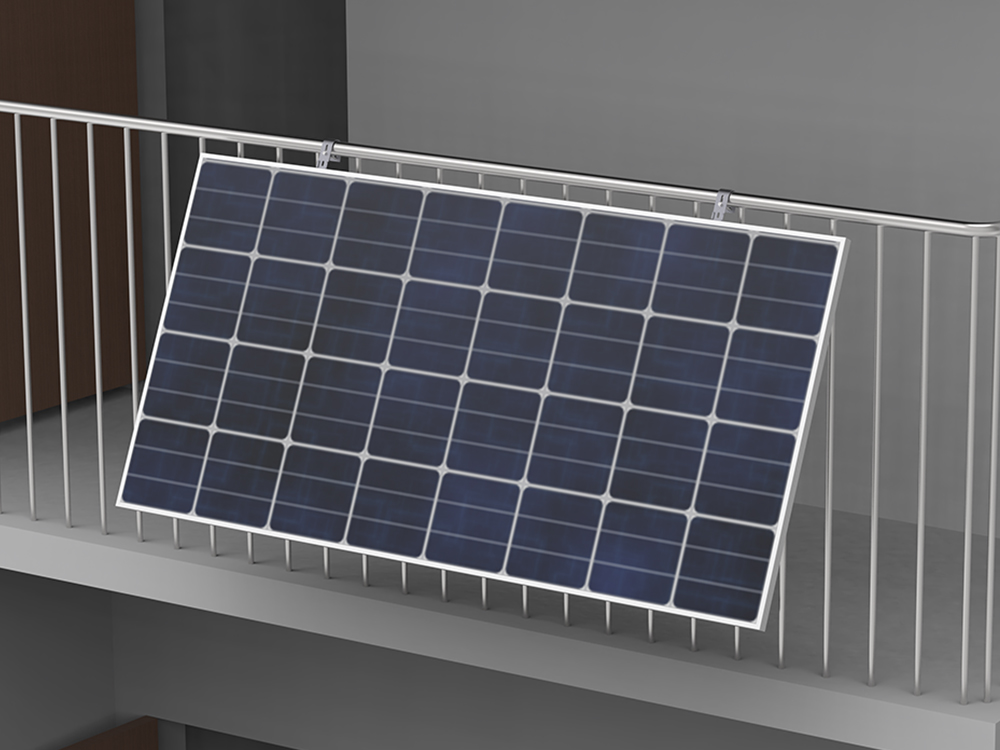
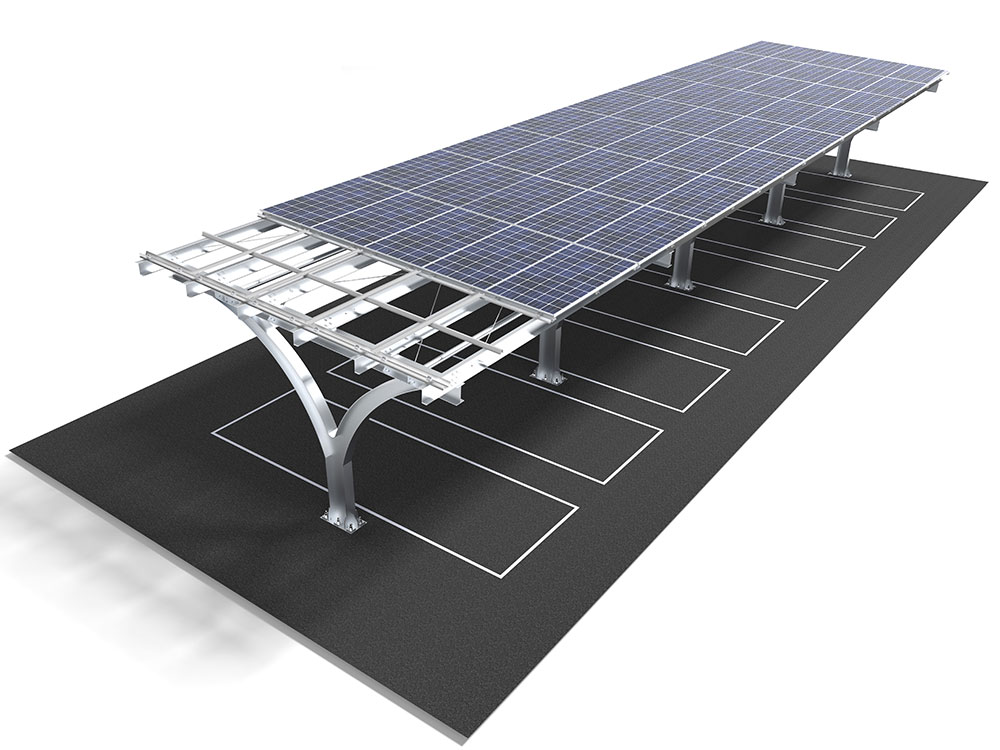
In today’s renewable energy sector, Building-Integrated Photovoltaics (BIPV) technology is gaining increasing prominence. As a crucial component of this technology, BIPV solar mounting systems possess notable features that warrant attention.
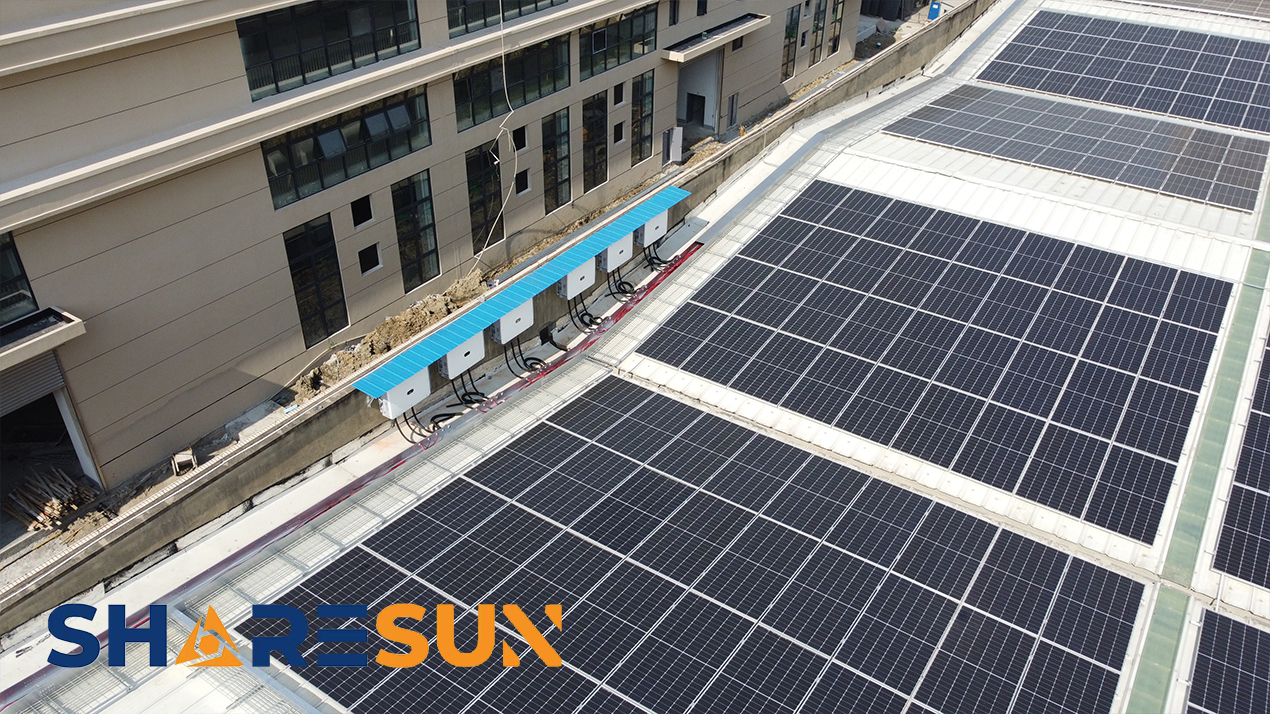
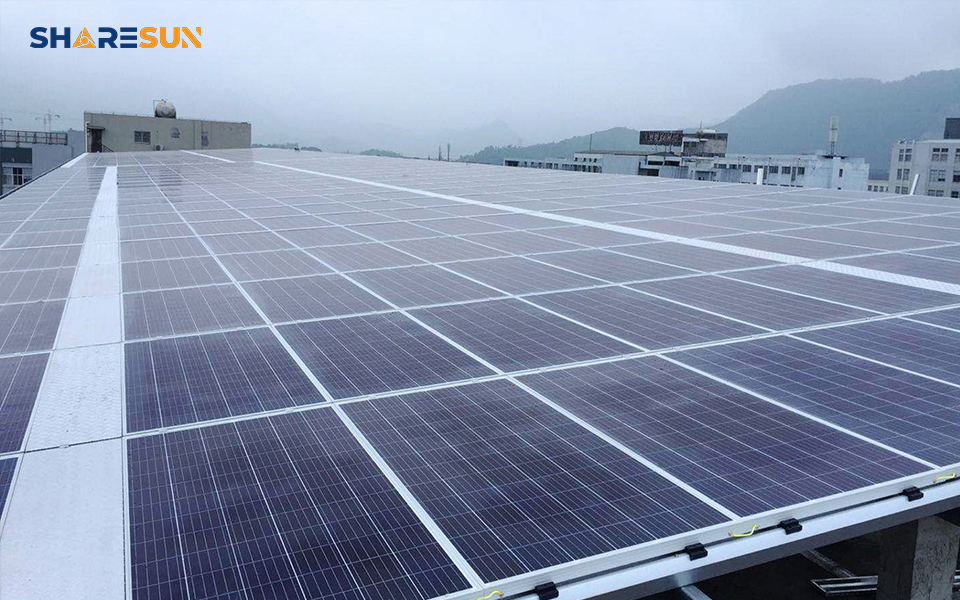
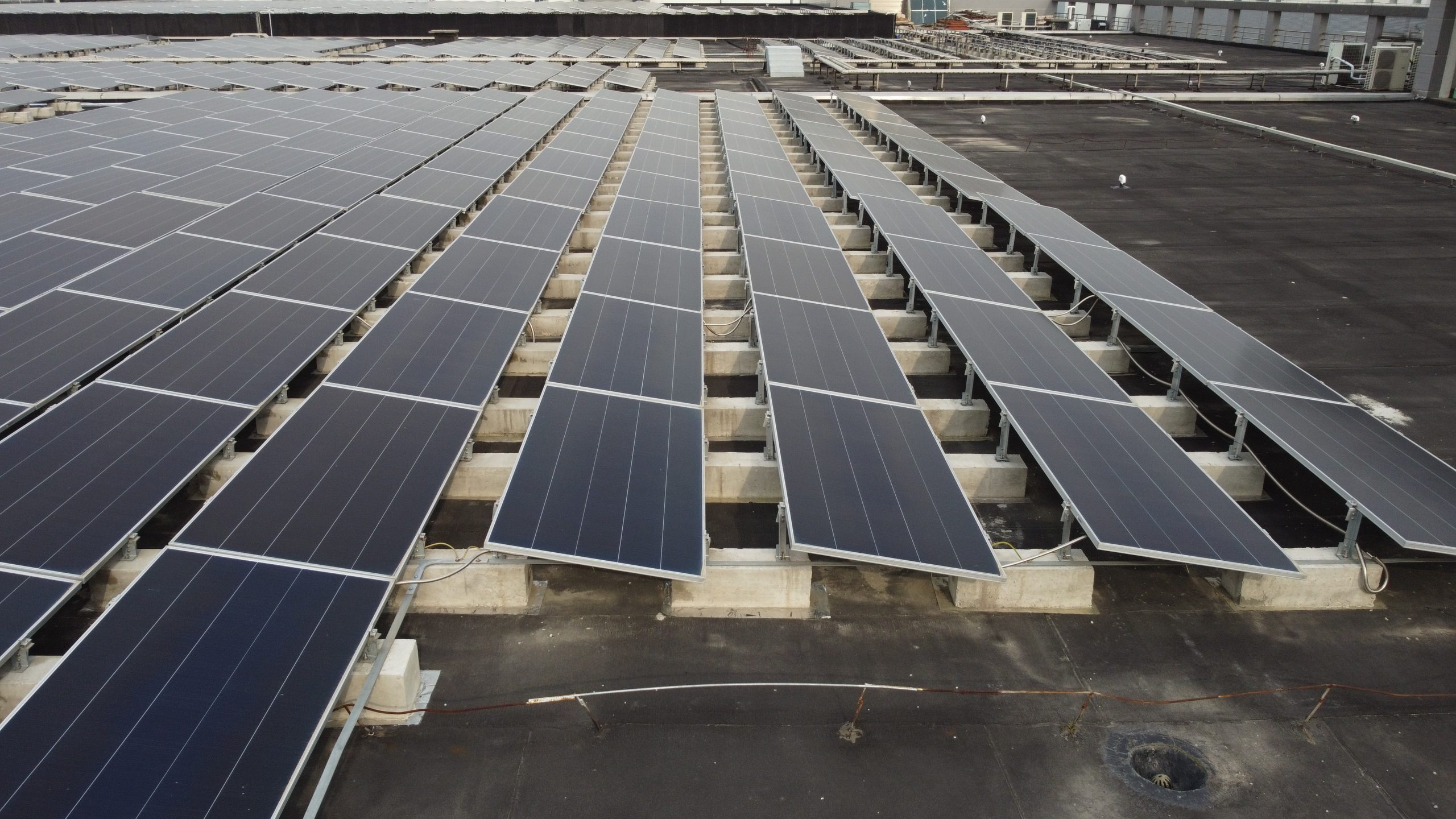
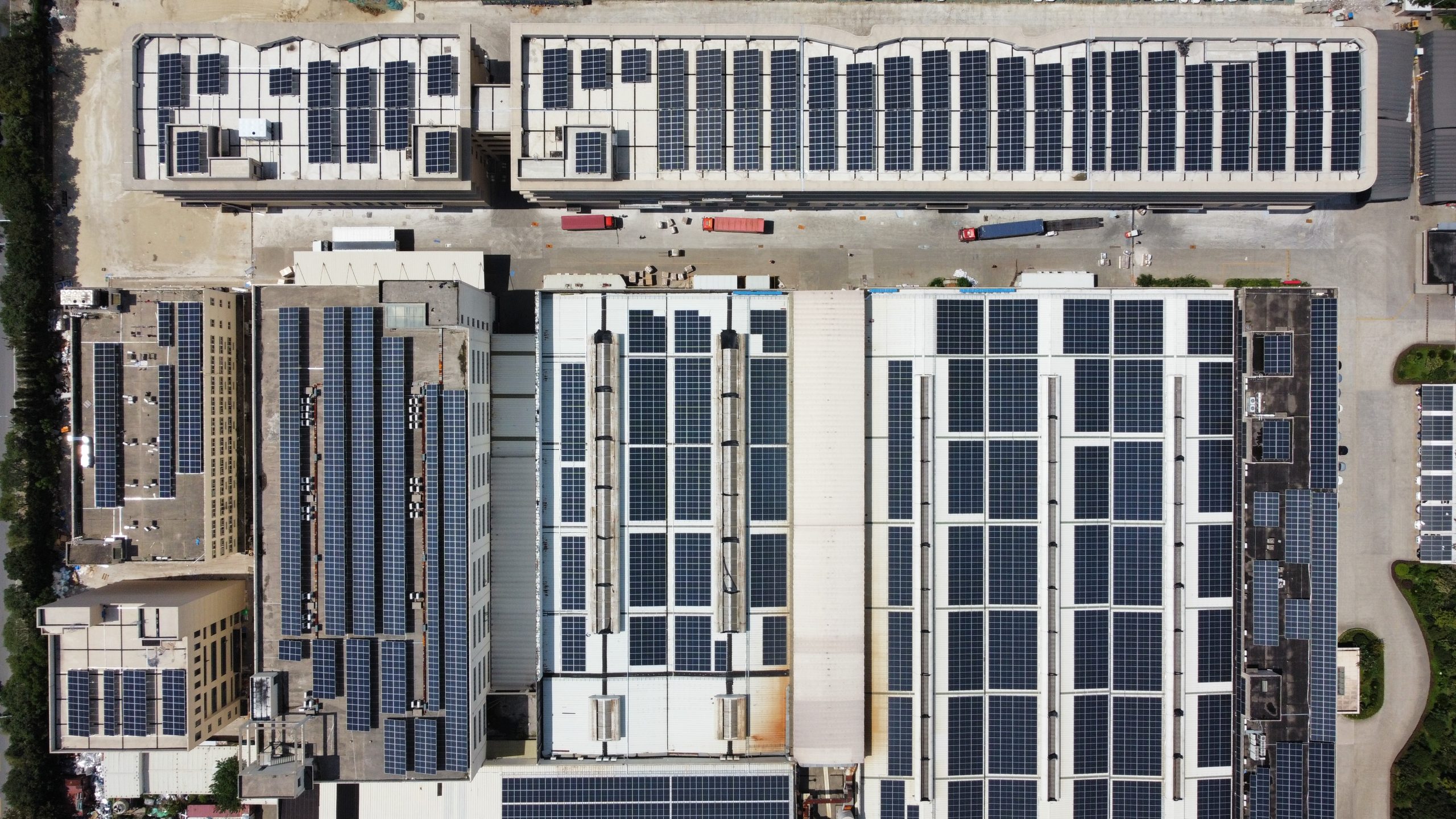
The most distinctive characteristic of BIPV solar mounting systems is their high degree of integration with buildings. Rather than merely attaching solar panels to building surfaces, they organically integrate the solar system with the building structure, making it an integral part of the architecture. This design not only fulfills the functional requirements of solar power generation but also preserves the building’s aesthetics and integrity. For instance, some BIPV solar mounting systems can be designed to blend seamlessly with building roofs, curtain walls, or shading structures. Visually, they appear virtually indistinguishable from traditional architecture and can even enhance the building with a distinctive modern flair.
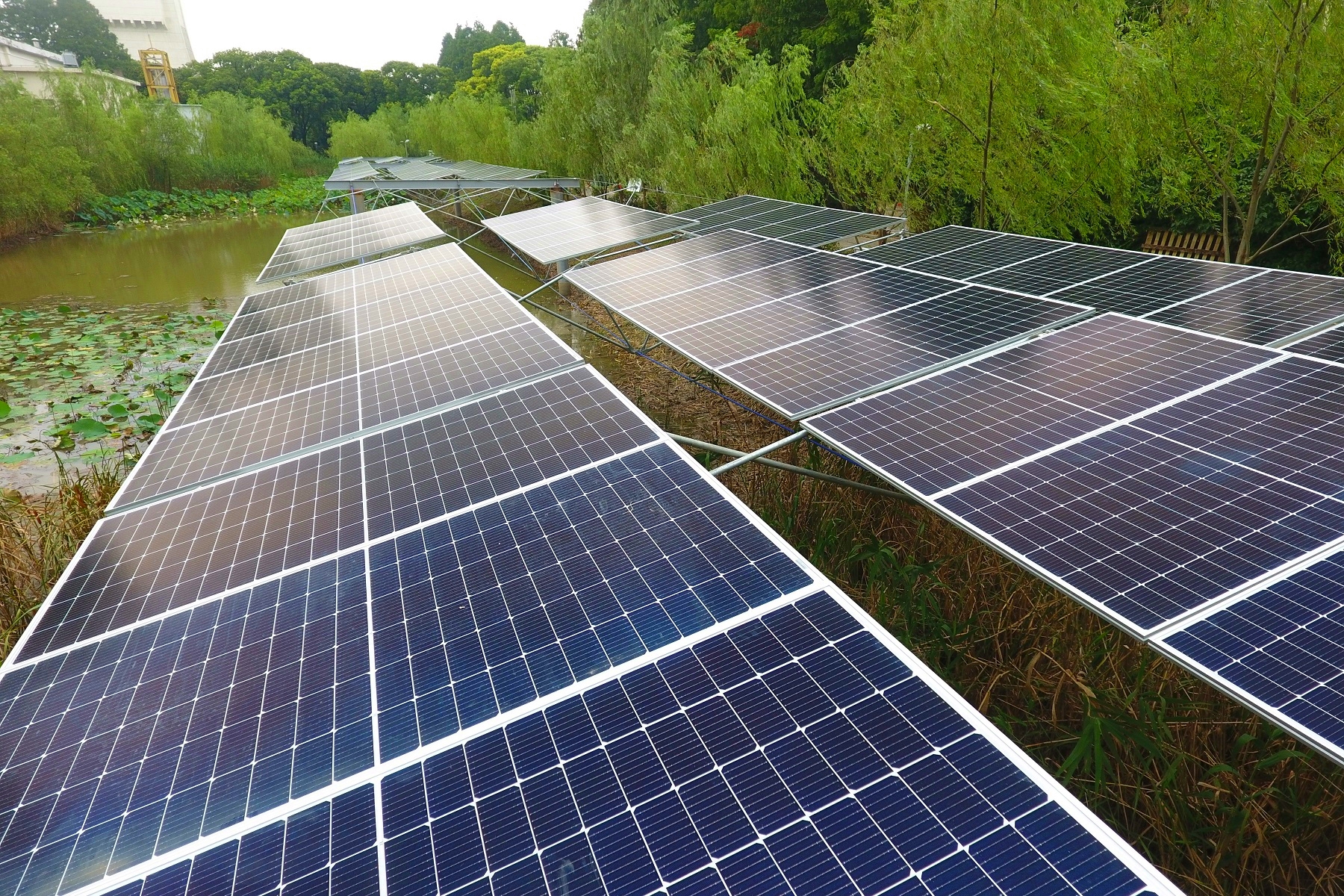
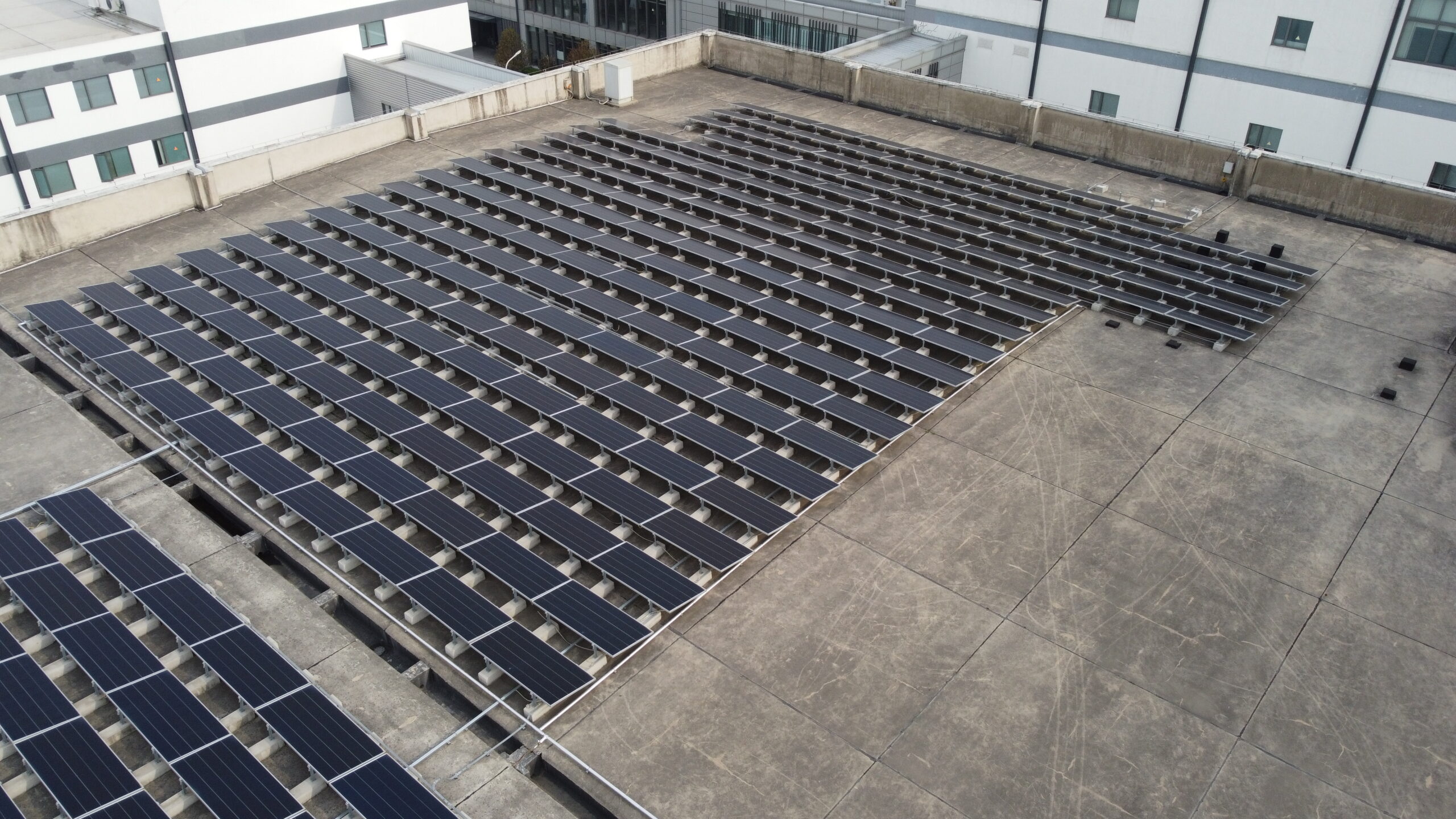
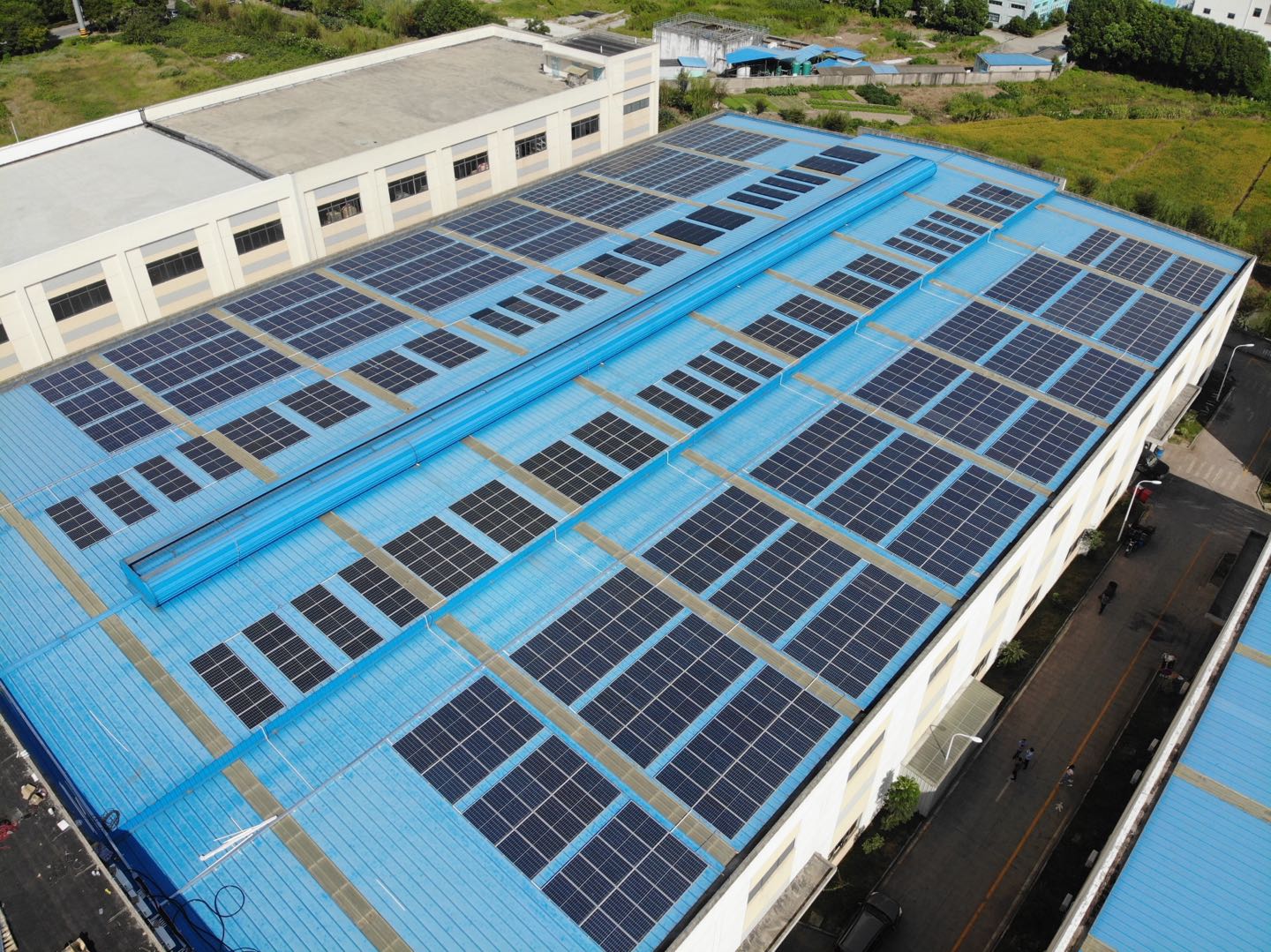
BIPV solar mounting systems demonstrate exceptional adaptability. Designed to accommodate diverse building structures, they flexibly adapt to varying architectural shapes, dimensions, and orientations. Whether installed on flat roofs, pitched roofs, or complex facades, BIPV systems achieve optimal installation through customized designs. This adaptability enables widespread application across diverse construction projects.
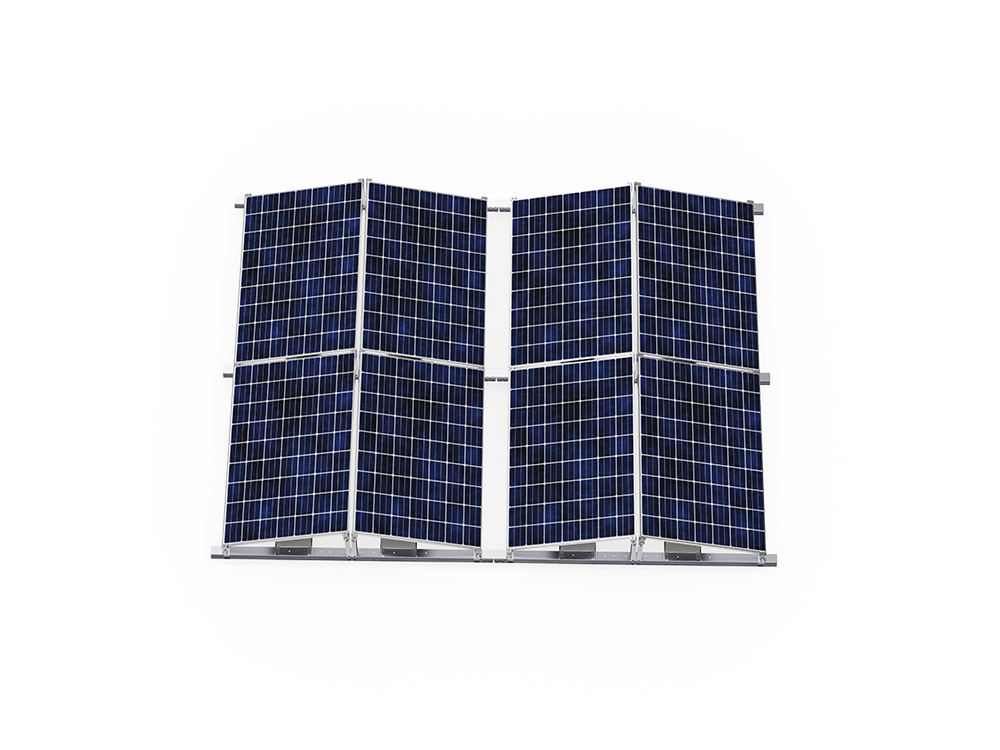
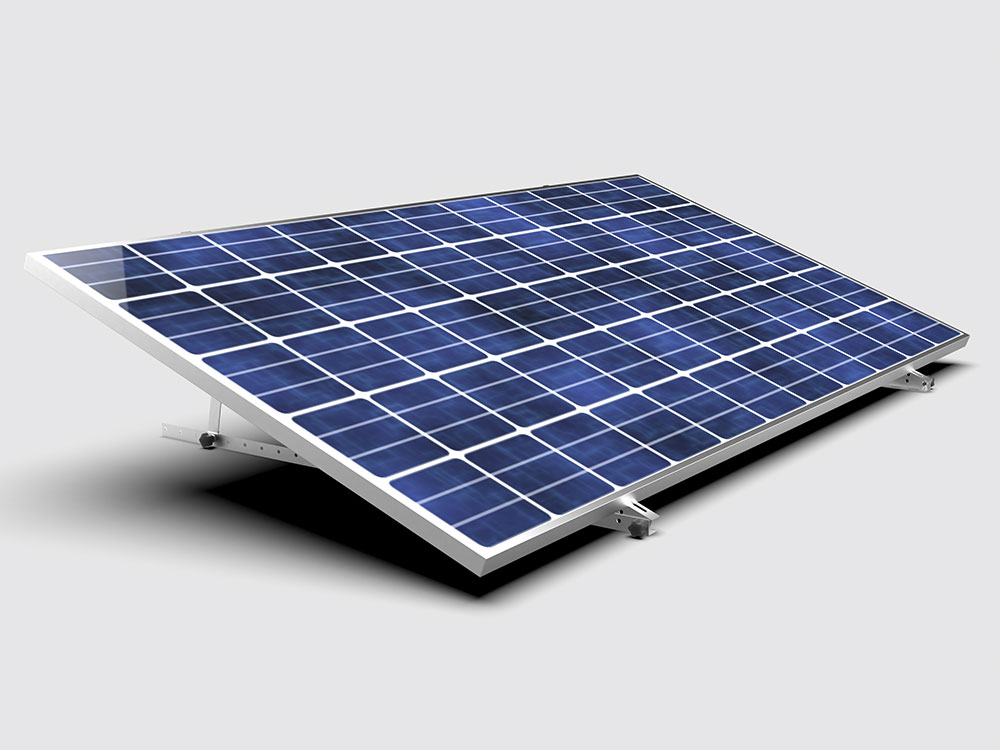
BIPV solar mounting systems also offer distinct performance advantages. Typically constructed from high-strength, corrosion-resistant materials, they withstand natural factors like wind loads, snow loads, and temperature fluctuations, ensuring long-term stable operation of the solar system. Furthermore, to maximize power generation efficiency, BIPV solar mounting systems adjust the installation angle and spacing of solar panels based on the building’s geographic location and solar radiation patterns. This ensures optimal sunlight exposure across different seasons and times of day, significantly boosting energy output.
BIPV solar mounting systems also deliver significant energy-saving benefits. Their seamless integration with building structures reduces heat transfer, providing insulation and thermal retention. During summer, they block solar radiation from entering buildings, lowering indoor temperatures. In winter, they minimize heat loss, thereby reducing overall building energy consumption and achieving energy conservation and emission reduction goals.
Installation and maintenance of BIPV solar mounting systems are relatively straightforward. Their integration with building structures allows full utilization of existing frameworks during installation, minimizing the need for additional support structures and foundations. This reduces installation costs and construction complexity. Maintenance is also simplified since BIPV systems are typically mounted on building surfaces, facilitating routine cleaning and inspections. This accessibility enables prompt detection and resolution of potential faults, ensuring continuous system operation.
The high integration with buildings, excellent adaptability, superior performance, energy-saving benefits, and straightforward installation and maintenance of BIPV solar mounting systems demonstrate broad application prospects in the field of building-integrated solar energy. As demands for energy-efficient and environmentally friendly buildings continue to rise, BIPV solar mounting systems will undoubtedly play an increasingly vital role in future construction projects.
What are the characteristics of BIPV solar mounting systems?
In today’s renewable energy sector, Building-Integrated Photovoltaics (BIPV) technology is gaining increasing prominence. As a crucial component of this technology, BIPV solar mounting systems possess notable features that warrant attention.
Share this post
Pinterest
LinkedIn
Facebook
WhatsApp