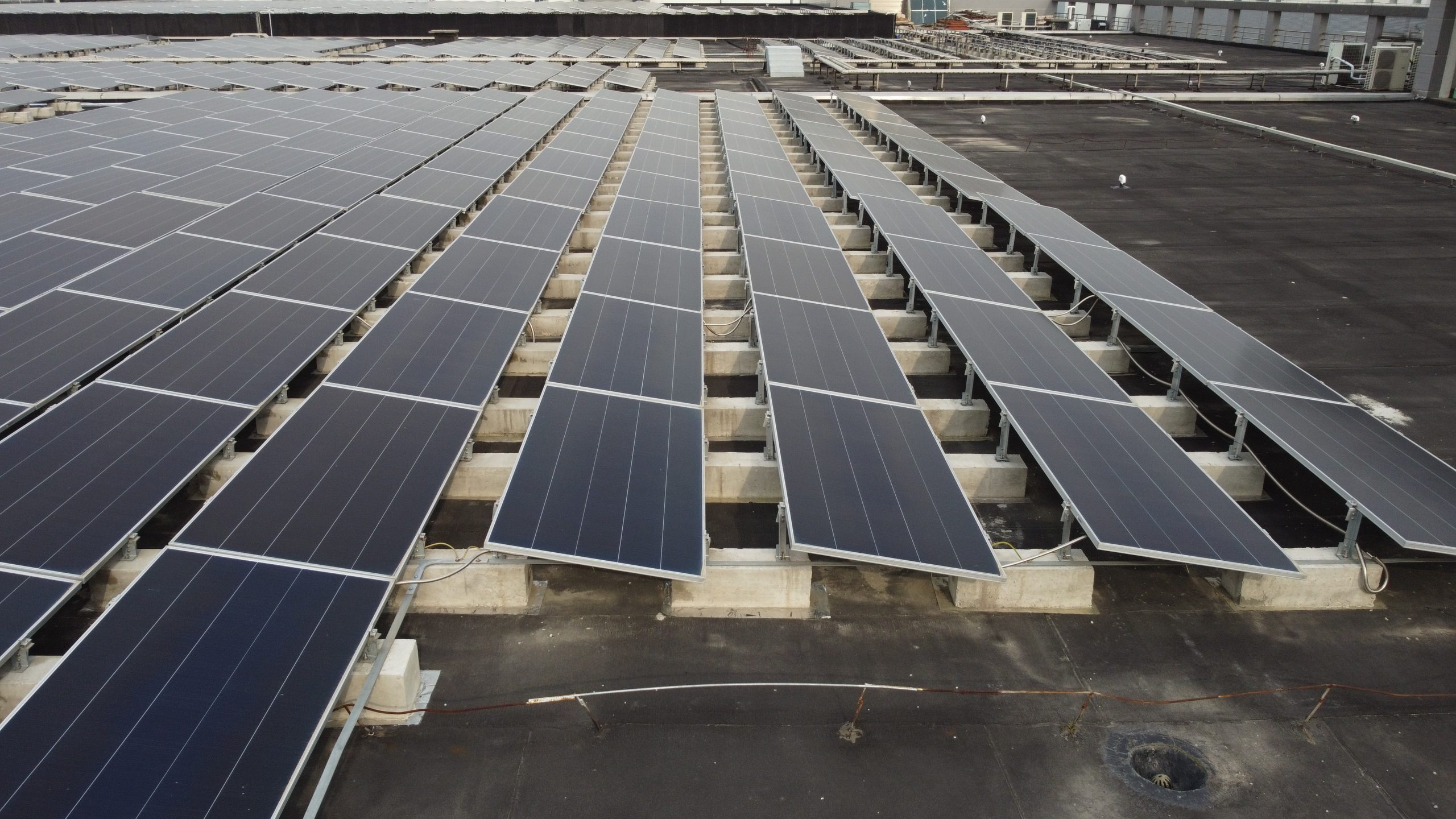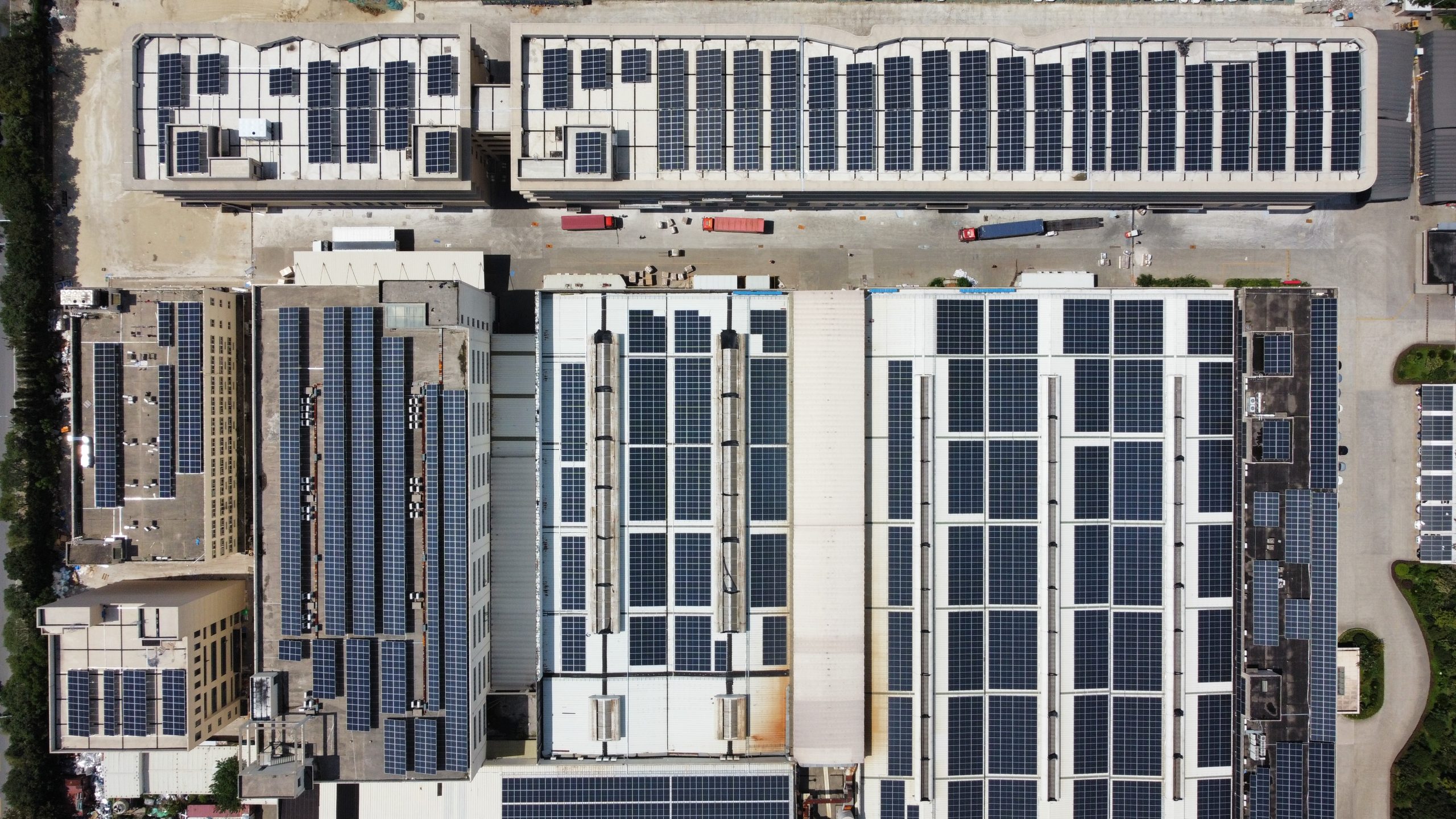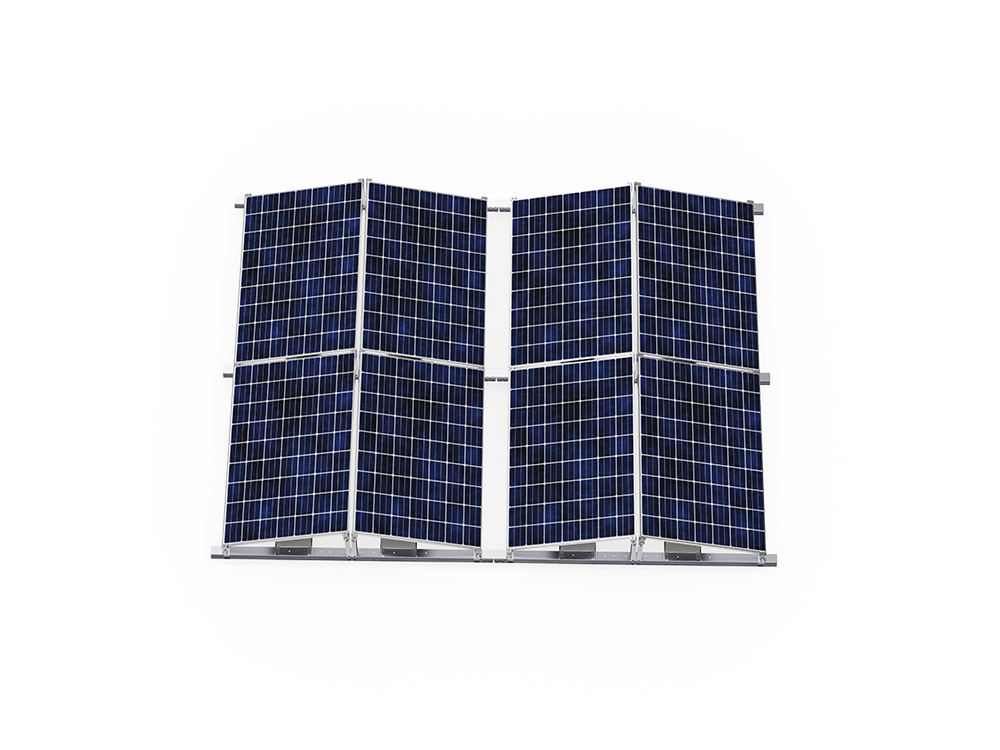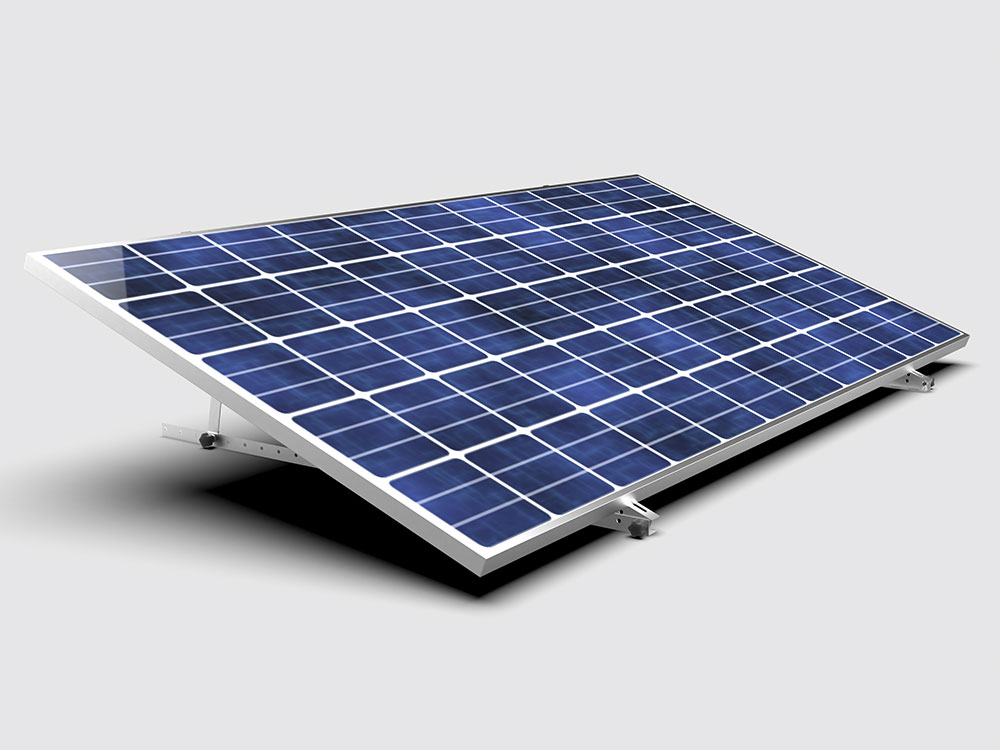
There are numerous key factors in the conceptual design of a solar power plant, covering multiple aspects. The following are some of the main considerations:
- Geographic Environment and Resource Conditions: The geographic location, climatic conditions, and solar radiation levels of a solar power plant directly affect its power generation efficiency and economic benefits. Building a solar power plant in resource-rich areas—such as those with ample sunlight and high solar radiation—helps achieve higher power generation efficiency and economic returns.
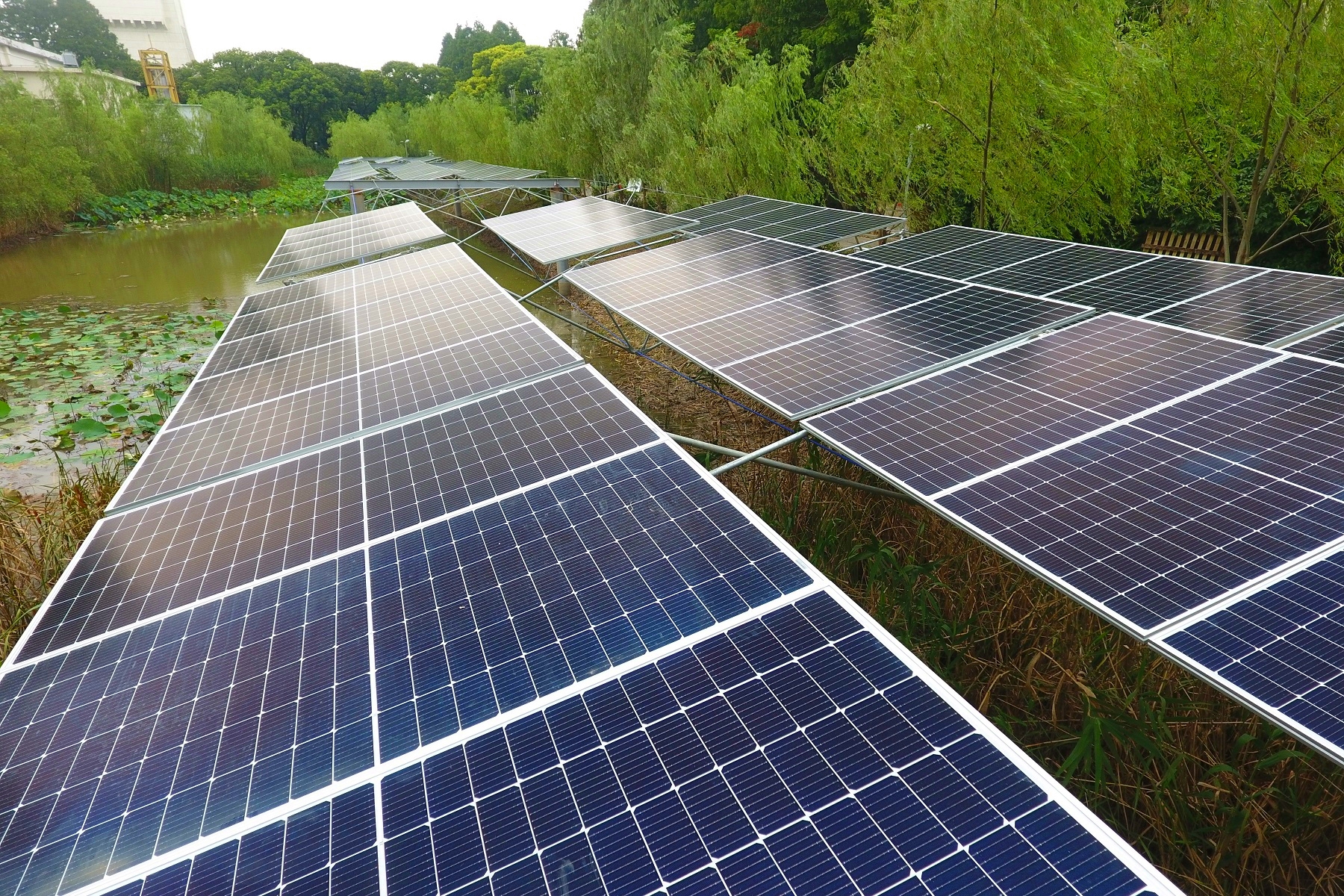
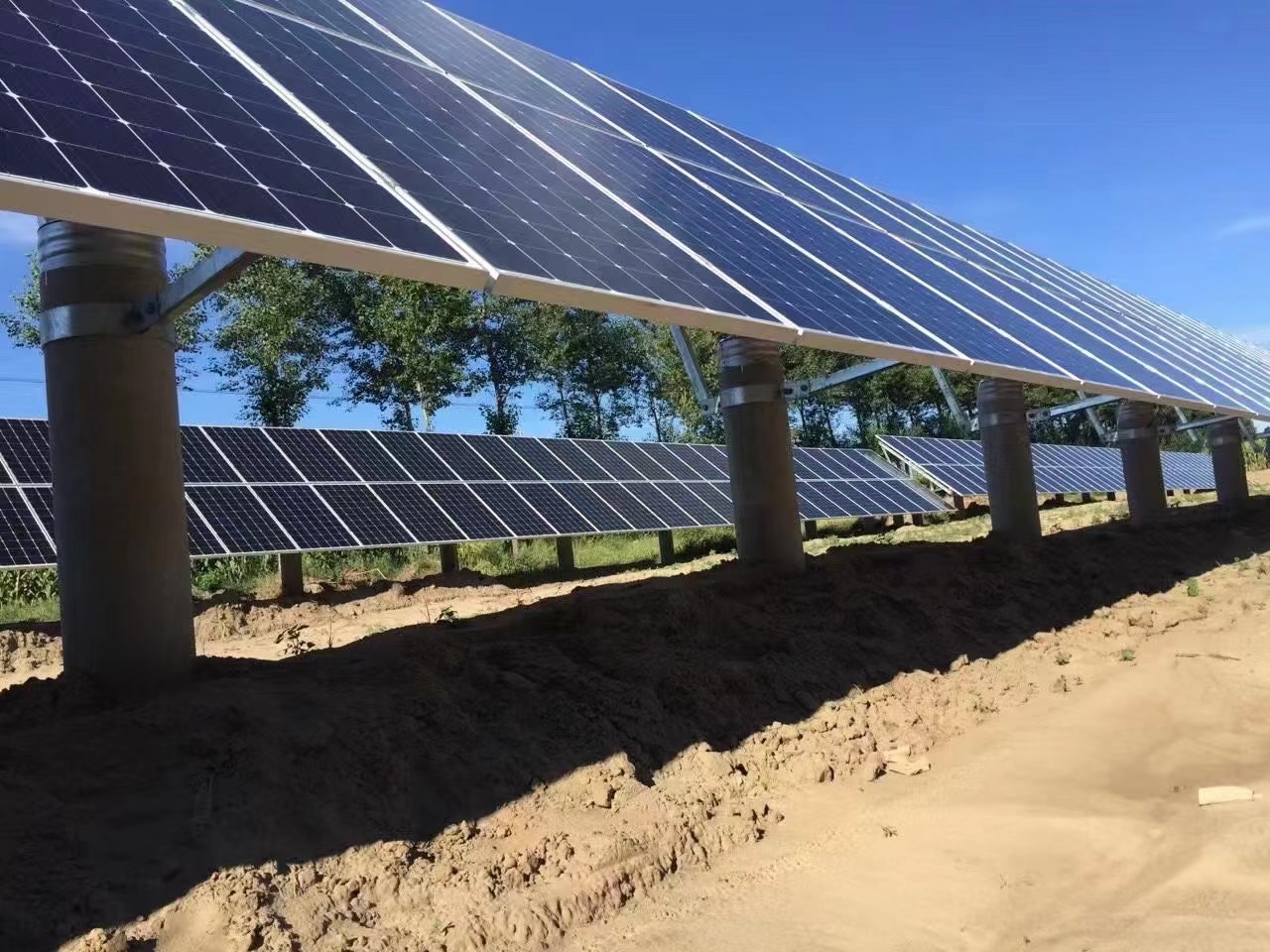
- Land Conditions: Land availability, topography, and geological conditions not only affect construction costs but also impact the plant’s safety and stability. Additionally, construction must comply with local land-use policies and environmental protection requirements.
- Cost and Benefits: The design of a solar power plant must strike a balance between energy output and cost. It is essential to ensure the system generates sufficient electricity to meet demand while controlling costs to guarantee the plant’s economic viability.
- Irradiance and Climatic Factors: The intensity and angle of sunlight vary by geographic location and season; therefore, these factors must be considered to optimize the orientation and tilt angle of solar panels to maximize energy output.
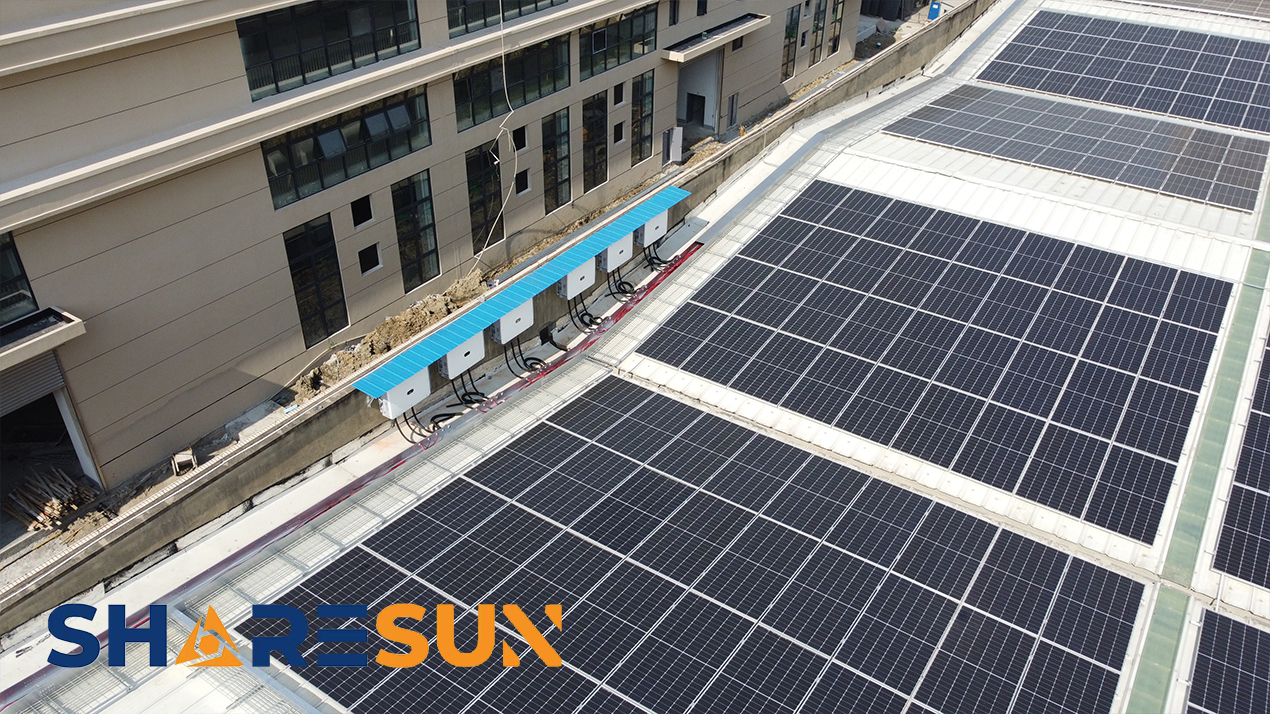
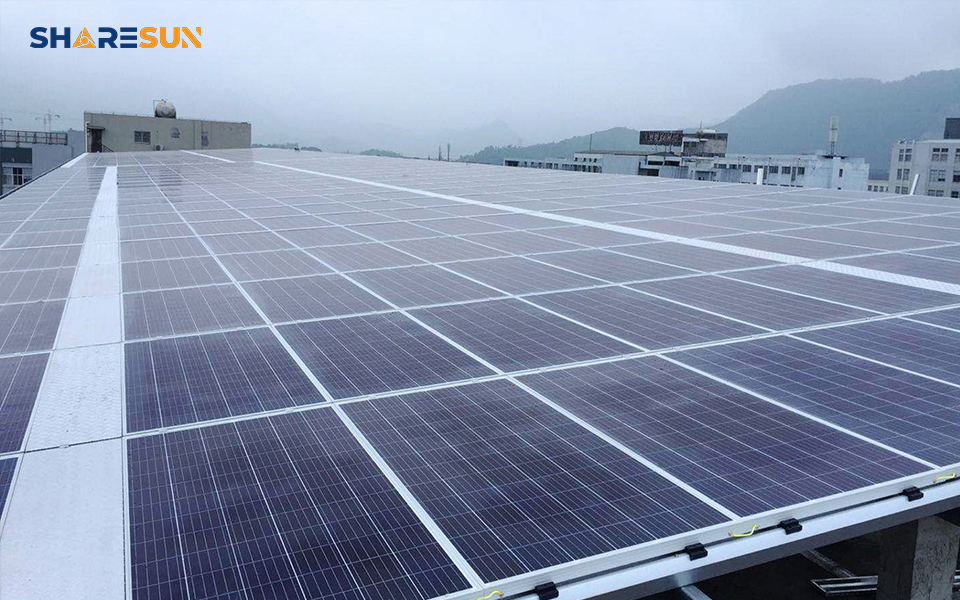
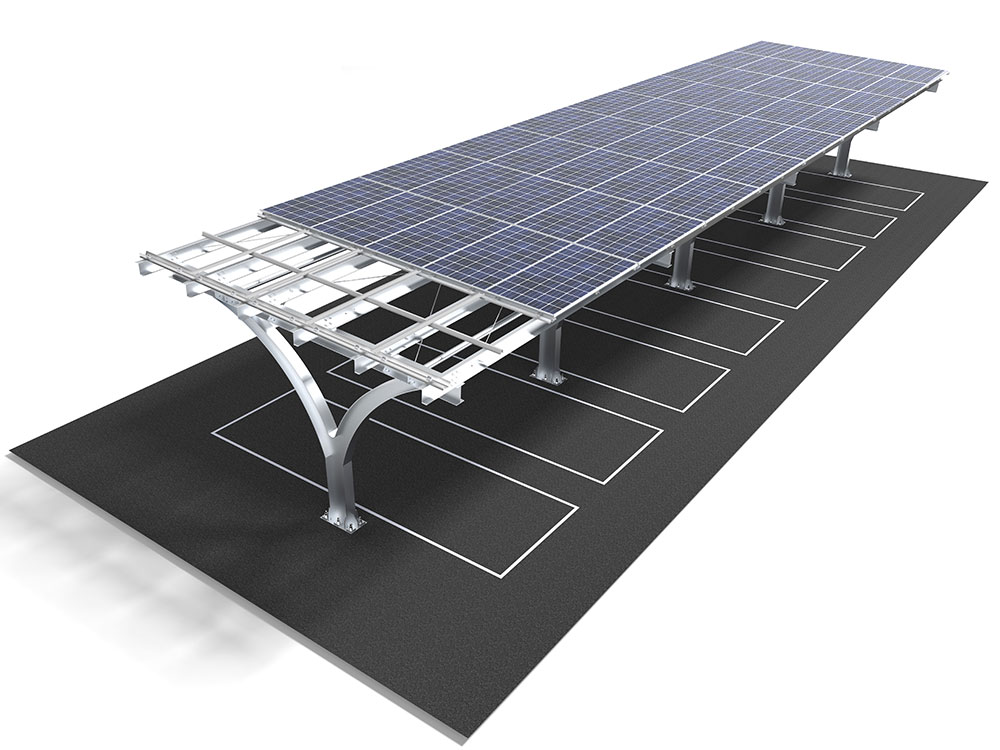
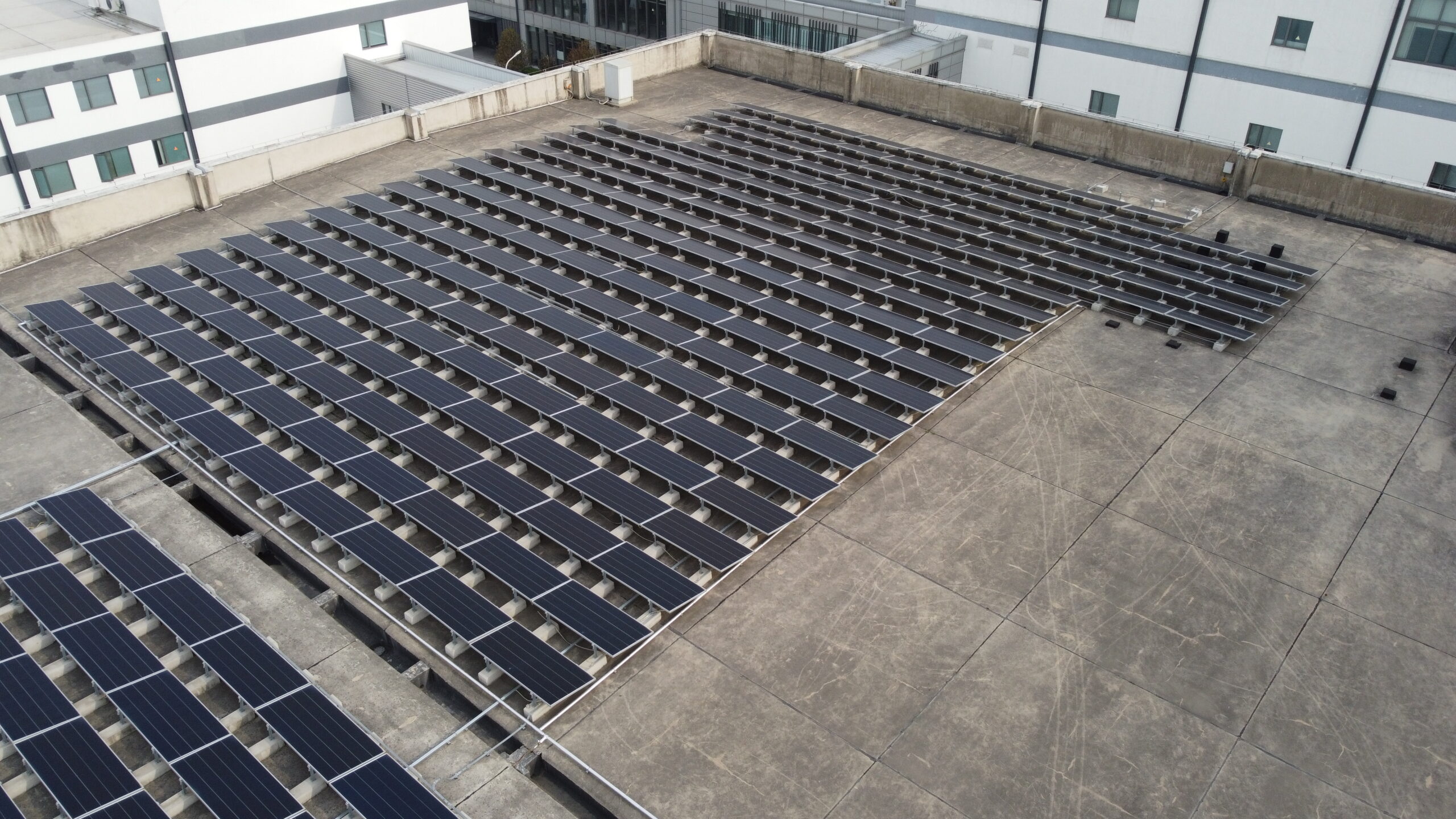
- Plant Layout and Equipment Selection: The layout design of the plant—including module arrangement, mounting structure design, and cable routing—should be planned reasonably based on the terrain and available space. Equipment selection must also take into account factors such as performance, compatibility, and maintainability. For a deeper dive into choosing the right support structures, you can also refer to our guide on What to Consider When Selecting Solar Mounting Systems.
- System Integration and Compatibility: Solar power plants typically need to be integrated with other energy systems (such as energy storage devices and the power grid). Design must account for compatibility and interoperability to ensure the smooth operation of the entire system.
- Safety and Reliability: Solar systems must operate reliably over the long term. Design considerations must include material durability, weather resistance, and corrosion resistance, while also prioritizing safety measures such as lightning protection, electrical leakage prevention, and fire protection.
Key factors in the design of solar power plant solutions encompass a wide range of aspects, including geographical environment, resource conditions, land conditions, cost and benefits, sunlight and climate, plant layout and equipment selection, system integration and compatibility, as well as safety and reliability. Comprehensive consideration of these factors and optimized design are crucial for ensuring the efficient, stable, and economical operation of solar power plants.