Solar mounts are often overlooked in solar power systems, yet many people don’t realize that they are the key factor determining the lifespan and profitability of the entire power plant. While many people are meticulous when selecting solar panels, they don’t put the same level of care into choosing the mounting system.
This mindset is misguided and often results in higher costs for subsequent operation and maintenance.
So, why are solar mounting systems so important?
The core function of a solar mounting system is to securely anchor the solar panels, ensuring they can generate electricity continuously for over two decades. Achieving this goal may seem simple, but it becomes a complex task when viewed from a long-term perspective.
When selecting a solar mounting system, one must consider whether it can withstand strong winds, heavy snow, and earthquakes, as well as resist corrosion caused by decades of exposure to sun and rain. More importantly, the installation precision of the mounting system directly affects the orientation and tilt angle of the solar panels; even a slight deviation in angle can result in a significant difference in power generation. Selecting a good mounting solution essentially involves striking a balance between stability, durability, and cost-effectiveness.
Current mainstream types of solar mounting systems on the market
Based on installation scenarios, solar mounting systems are primarily divided into two categories: ground-mounted and rooftop systems.
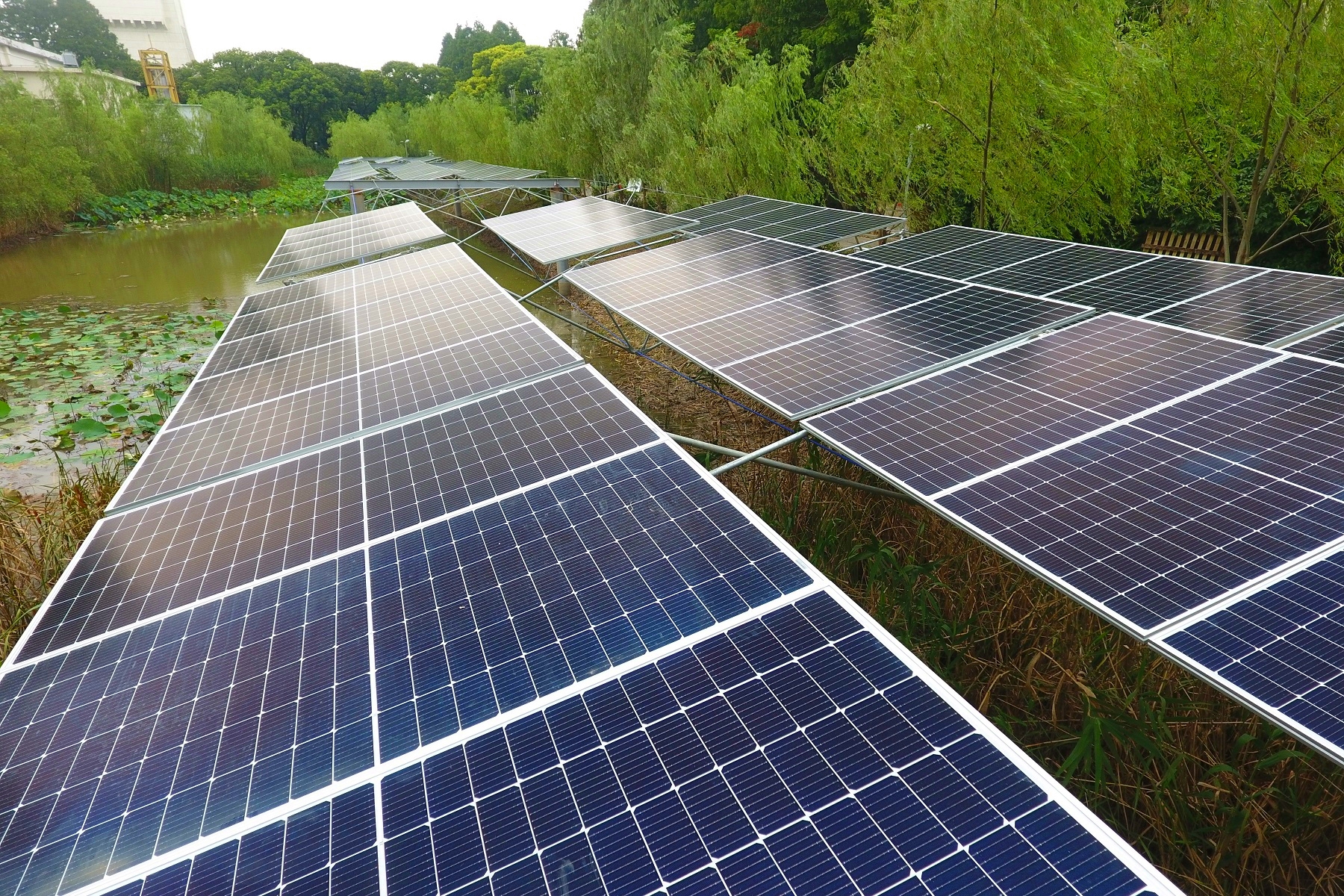
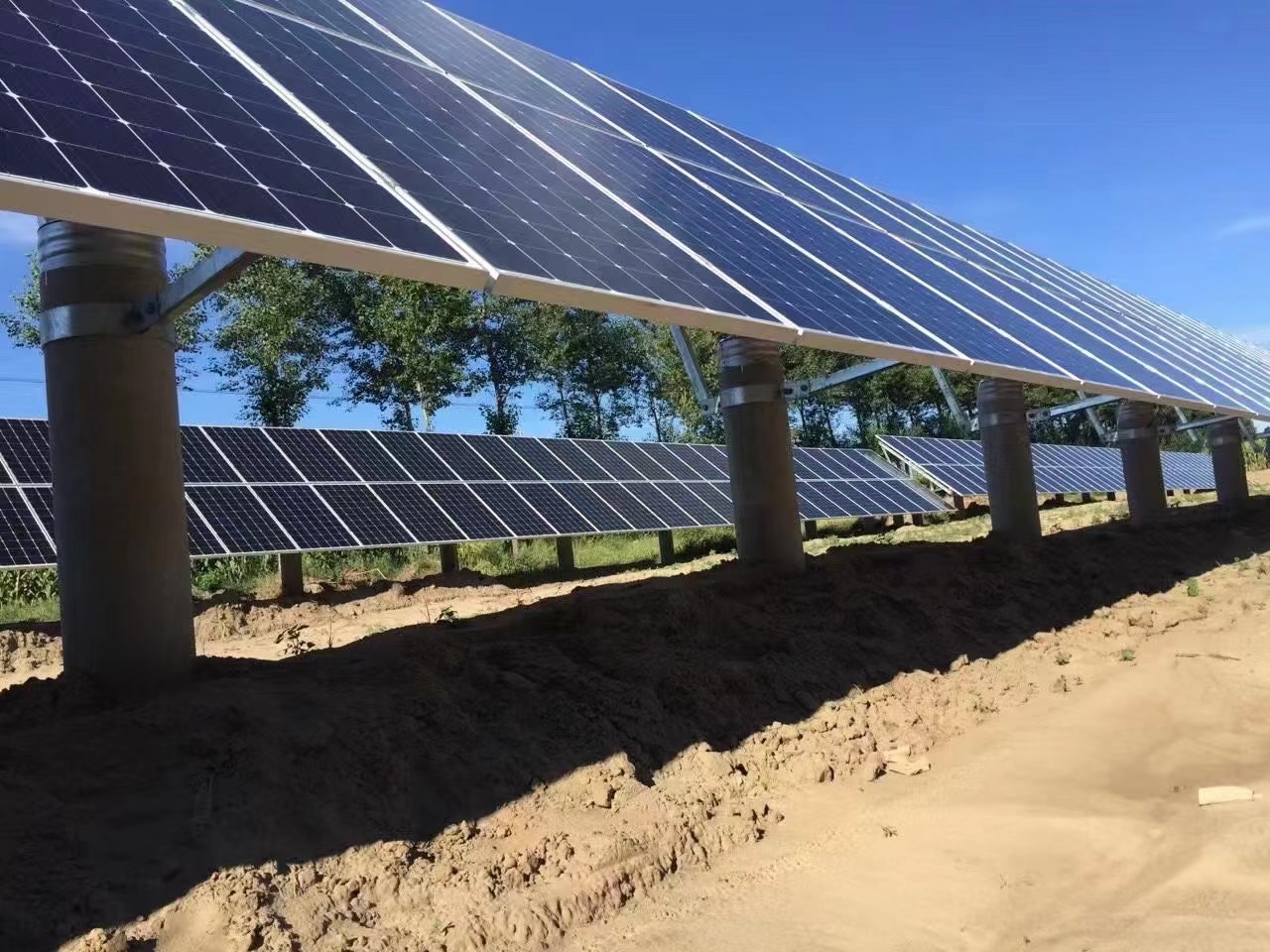
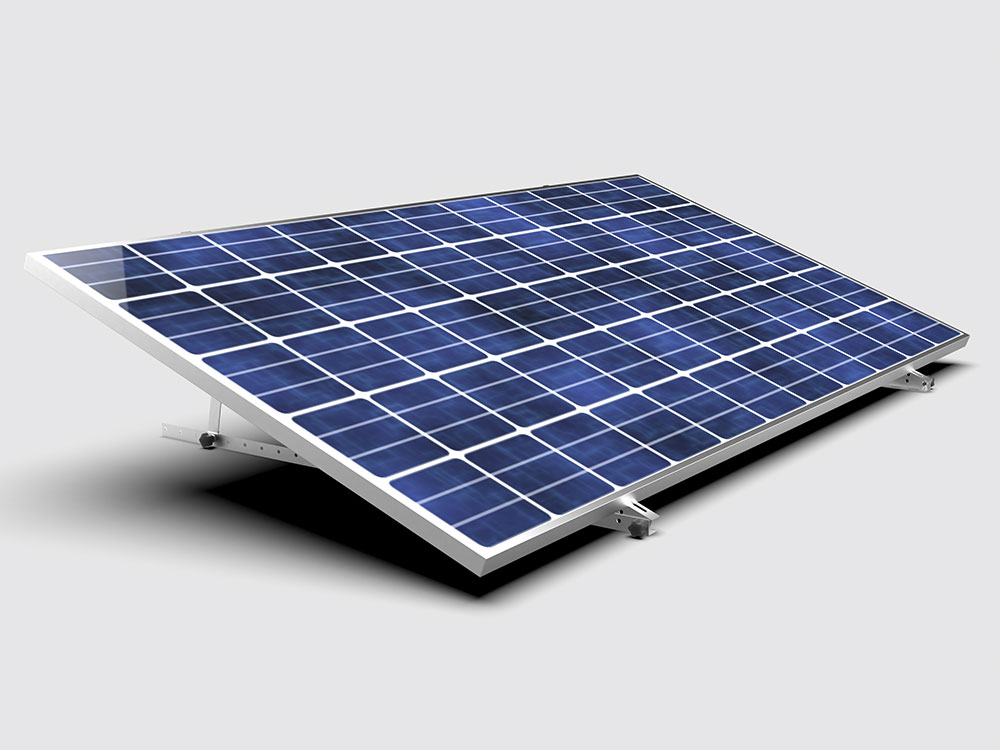
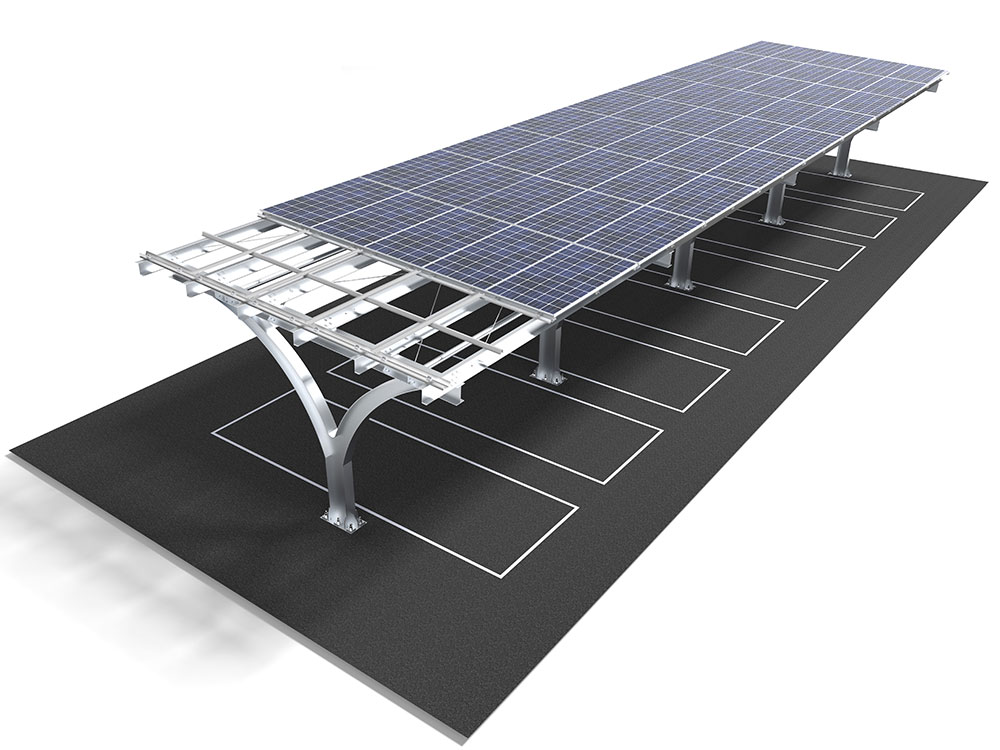
Ground-mounted systems are generally used for large-scale power plants. A common type is the hot-dip galvanized carbon steel mounting system, which offers high cost-effectiveness and reliable corrosion resistance, making it the mainstream choice for large-scale ground-mounted power plants today. Another option is the aluminum alloy mounting system, which is lightweight and offers superior corrosion resistance, though it comes at a slightly higher cost and is suitable for applications with specific requirements.
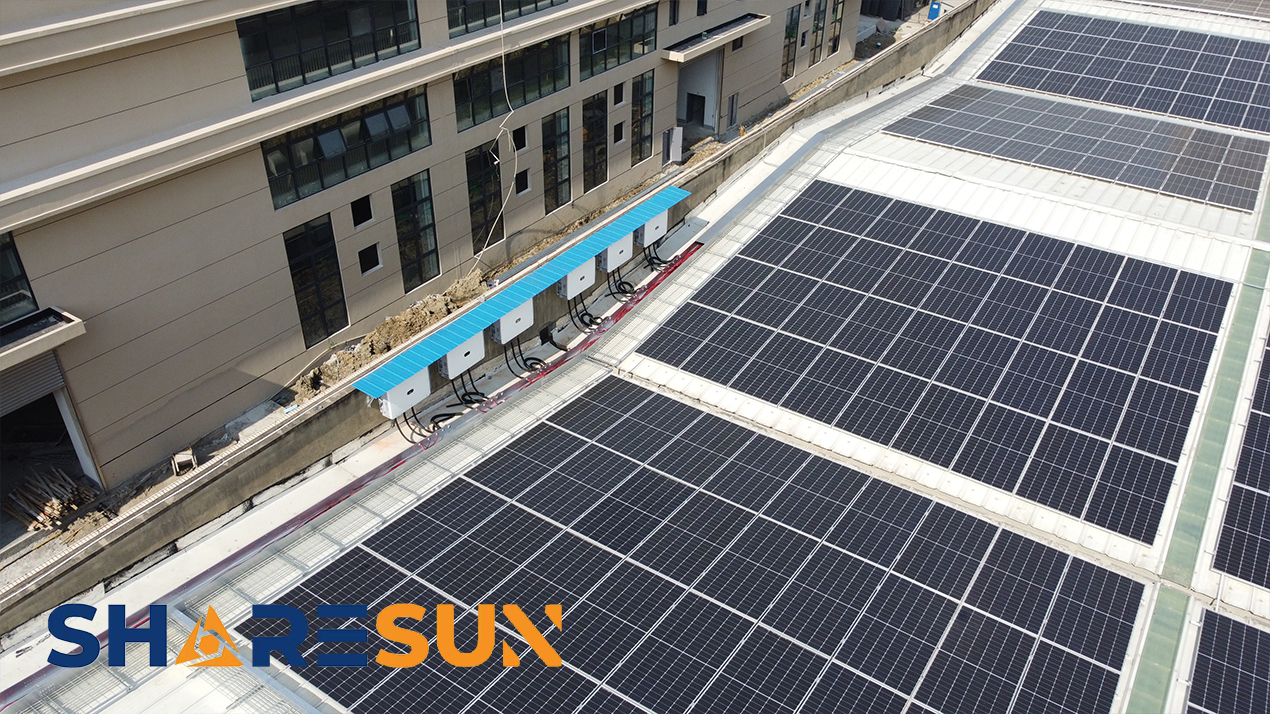
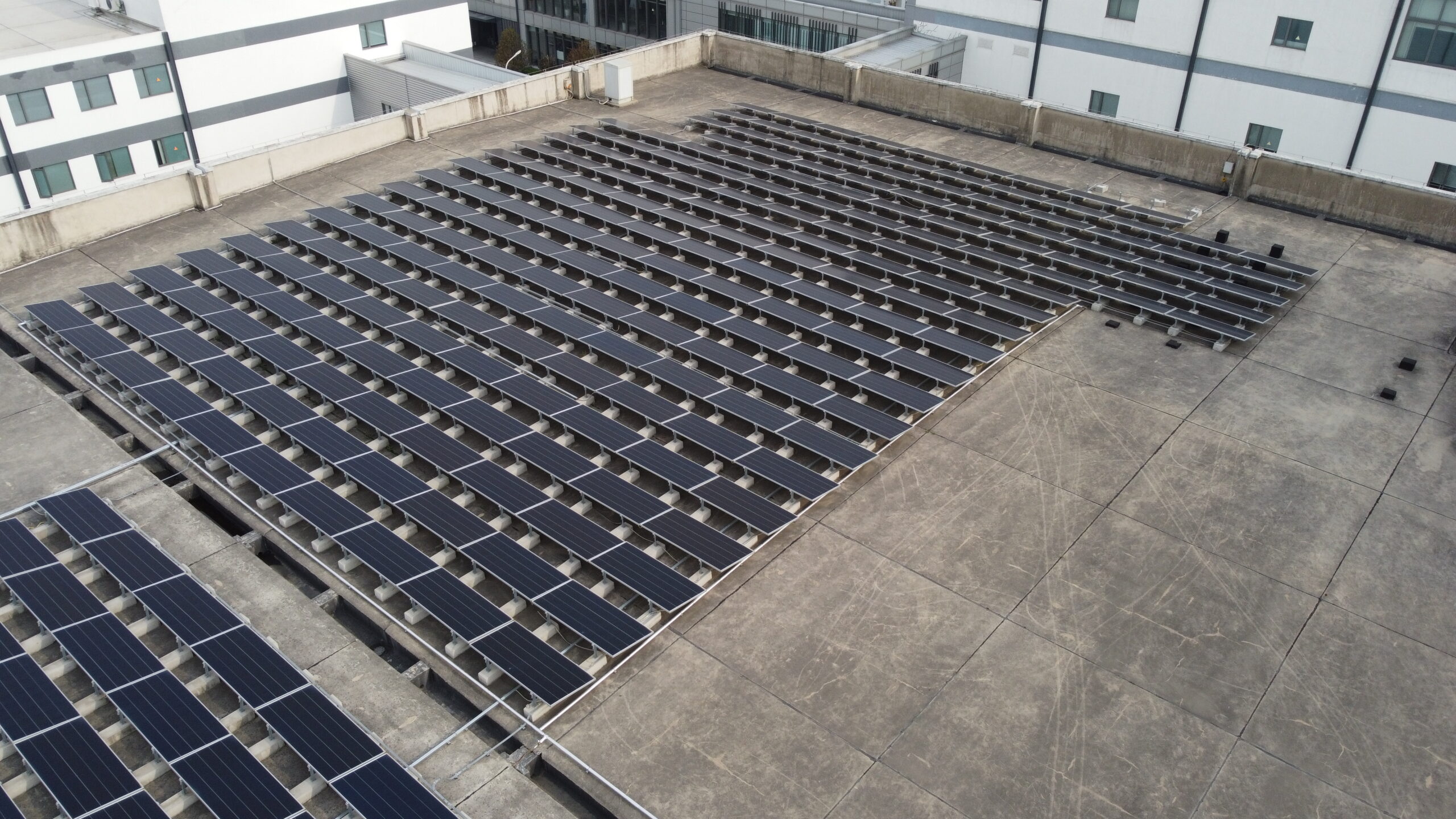
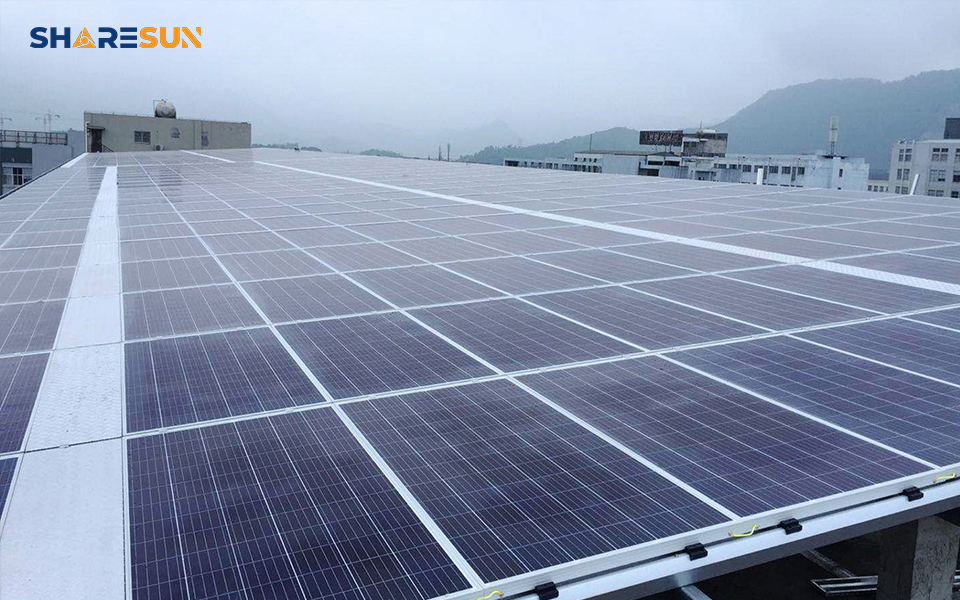
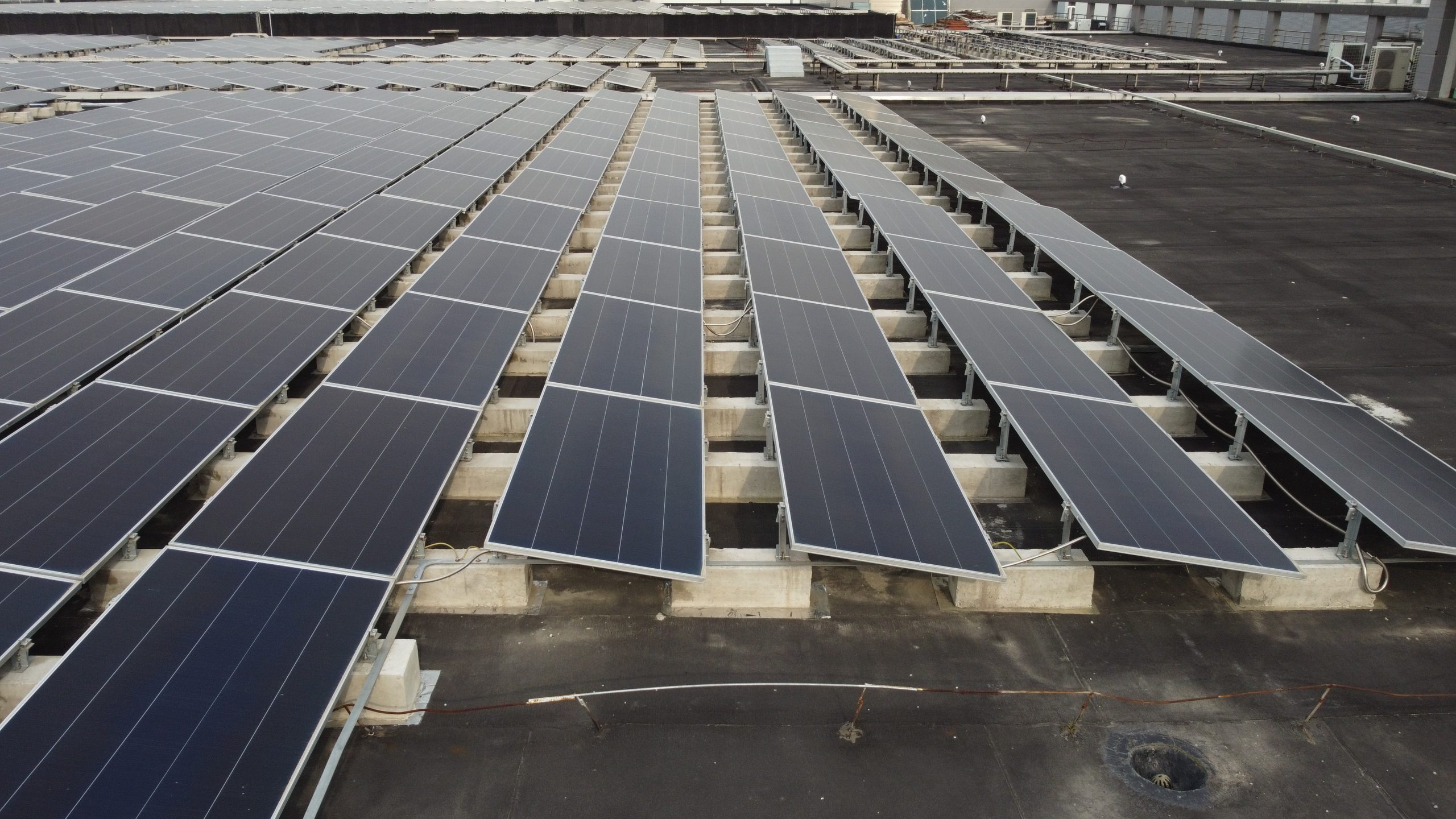
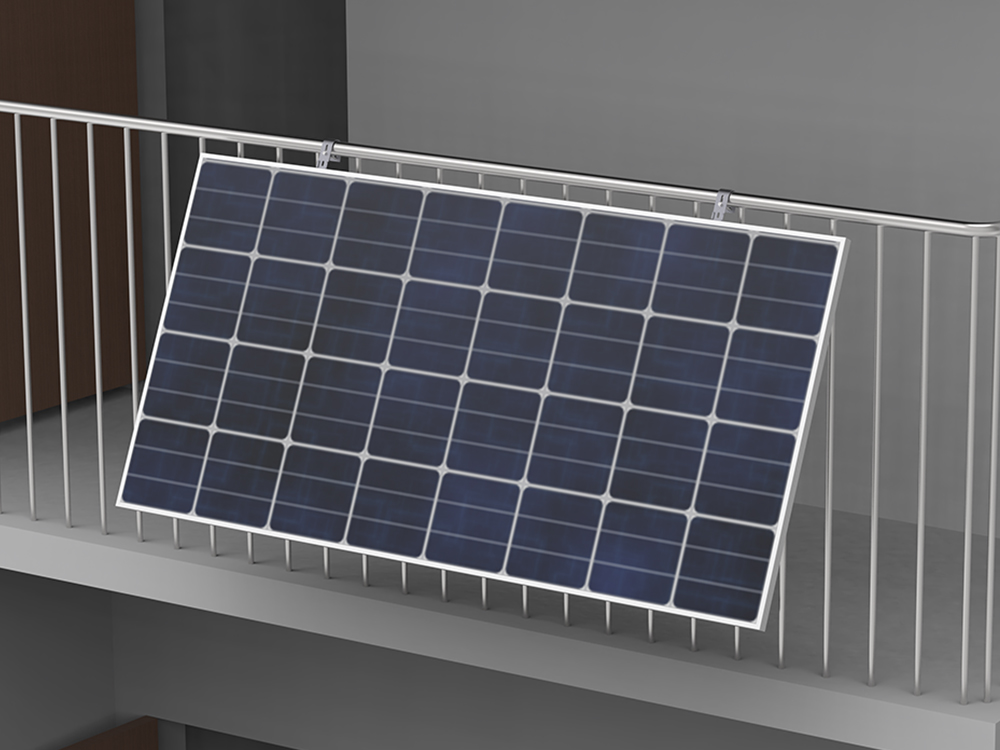
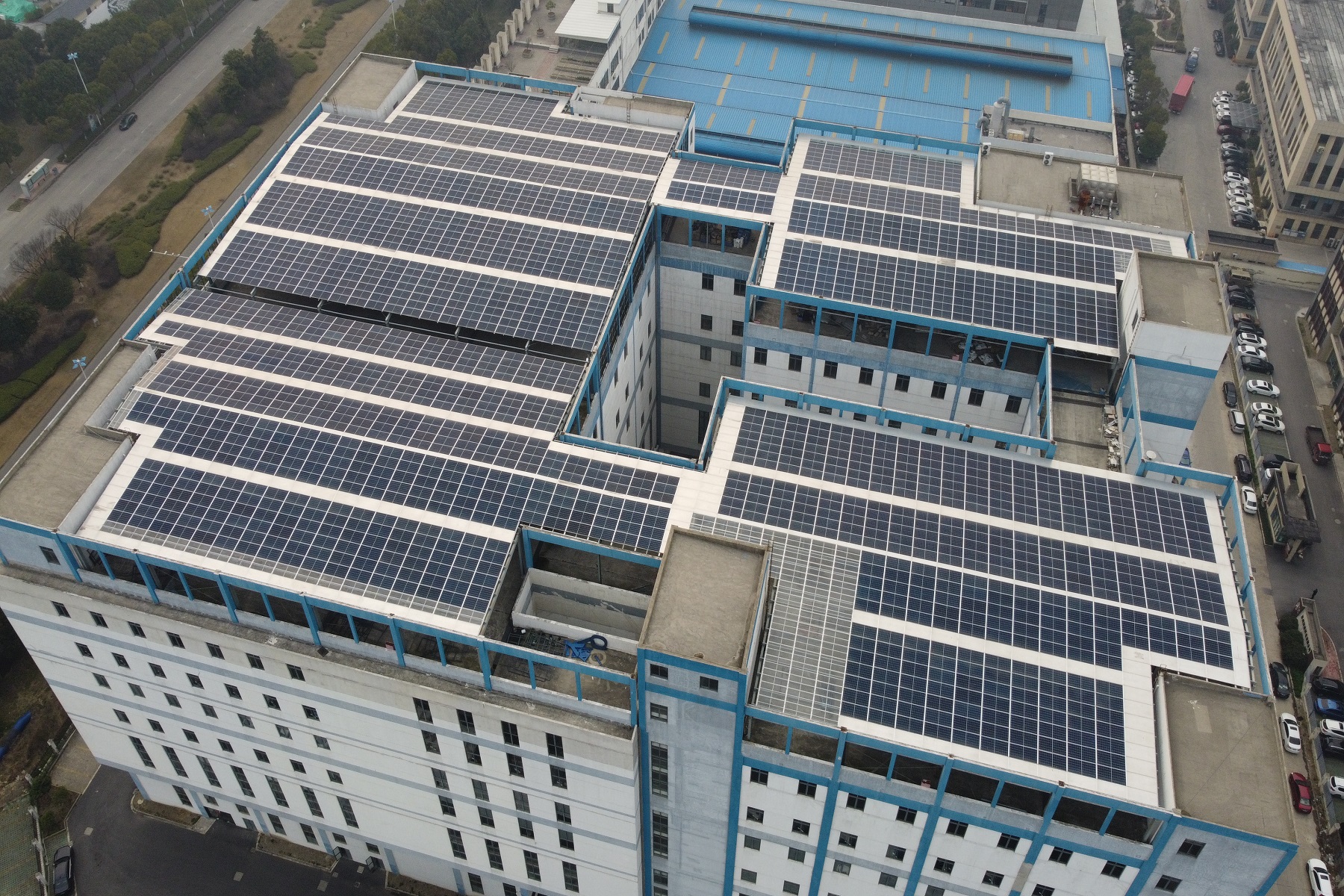
Roof-mounted systems, on the other hand, require a more “site-specific” approach. For color-coated steel sheet roofs, there are specialized clamping systems that typically allow for secure mounting without penetrating the roof panels. For flat concrete roofs, a method using concrete piers paired with aluminum alloy rails is commonly employed, relying on the structure’s own weight to resist wind loads. For tiled roofs, adjustable hook systems are available to accommodate the installation requirements of different tile types.
What Are the Key Factors for High-Quality Mounting Systems?
To determine whether a solar mounting system solution is effective, we can evaluate it from these three dimensions.
First, consider the materials. For hot-dip galvanized mounts, examine the thickness of the zinc coating. National standards require a minimum of 65 microns, while reputable manufacturers can achieve over 80 microns—a factor that directly determines how many years the mounts will last without rusting. For aluminum alloy mounts, check the alloy grade; 6063-T5 is commonly used in the industry and offers reliable strength and corrosion resistance.
Next, assess the safety of the structural design. A well-designed mounting system will perform structural calculations based on the local weather conditions. Factors such as wind speed, snow load, and geological conditions must all be taken into account. Every detail—from the spacing of the posts and the arrangement of the diagonal braces to the bolting methods—affects overall stability. Some low-cost mounting systems on the market omit diagonal braces or reduce connection points; while this may not cause issues in the short term, it can lead to accidents during extreme weather.
Finally, consider the impact of installation convenience on costs and construction schedules. High-quality mounting solutions prioritize on-site construction efficiency. Products with a high degree of pre-assembly, simple connection methods, and a wide range of adjustability can significantly reduce on-site cutting and drilling work, saving labor costs and minimizing construction errors.
What solutions are available for different scenarios?
For large-scale ground-mounted power plants, the primary consideration is the cost per kilowatt-hour (LCOE). The current mainstream solution involves hot-dip galvanized carbon steel mounting systems paired with pile foundations. This approach offers low cost per panel, fast installation, and a corrosion resistance lifespan of over 25 years. For sites with complex geological conditions, screw pile foundations can be used, eliminating the need for excavation and backfilling, thereby minimizing land disturbance.
Commercial and industrial rooftops typically feature large areas but limited load-bearing capacity. Lightweight construction is a key requirement, and aluminum alloy mounting systems offer advantages in this regard. At the same time, roof waterproofing must be considered; the connection points between the mounting system’s base and the roof must be properly waterproofed, as any leaks can result in extremely high repair costs.
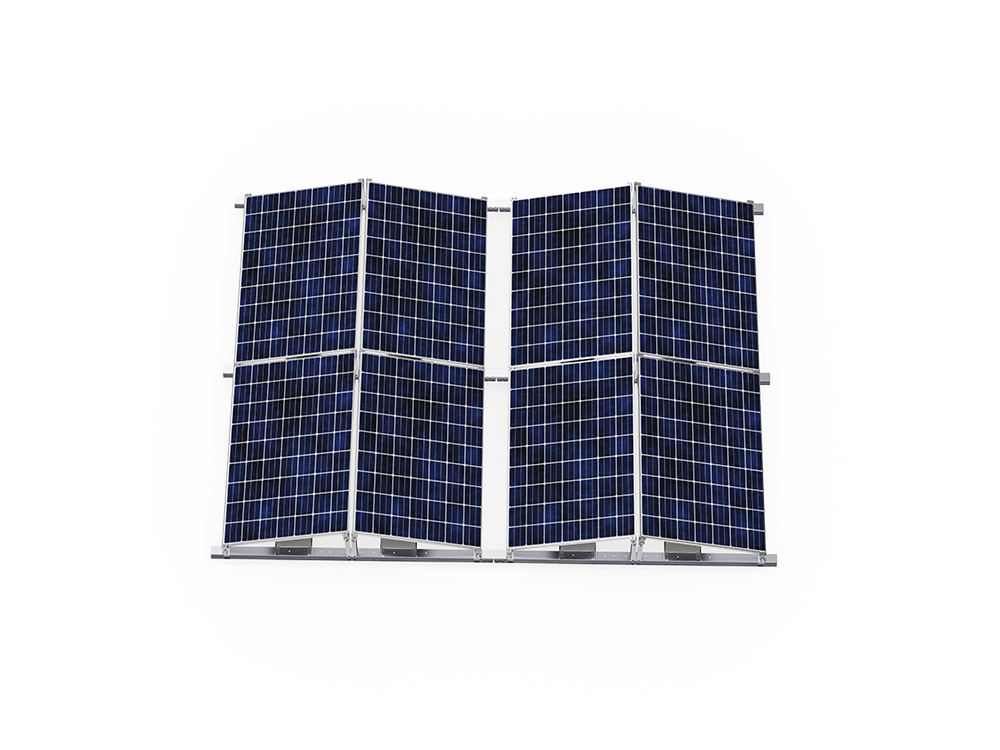
Residential solar installations are even more complex, as every home’s roof is unique. High-quality residential mounting systems typically employ a modular design that allows for flexible on-site adjustments to accommodate various roof structures. Aesthetics must also be considered during installation; rails should run parallel to the roof’s contours as much as possible, with wiring concealed to avoid compromising the building’s appearance.
Easily Overlooked Details
The reliability of a mounting system often hinges on the details. The grade of stainless steel bolts, the weather resistance of rubber gaskets, and the method of grounding—these seemingly minor aspects are precisely where quality issues most frequently arise. The compatibility between the mounting system and the solar modules also warrants attention. Module frame thicknesses vary by brand, so the clamping range of the mounting brackets must be compatible. If the brackets do not match the module frames, there is a risk of modules detaching during high winds, requiring extra caution.
Here are some recommendations for selecting a mounting system:
Don’t focus solely on the unit price when purchasing: Mounting systems account for a relatively small portion of the total cost of a solar system—less than 10%—yet they significantly impact the safety of the entire plant. It is not cost-effective to save a few cents per watt on mounting systems only to end up spending tens of thousands of yuan on crane fees for repairs later on.
Be sure to choose a manufacturer with proven project experience: While solar mounting systems may appear structurally simple, truly high-quality products are refined through continuous optimization across numerous real-world projects. Experienced manufacturers can provide comprehensive calculation reports and construction drawings, helping clients avoid many potential issues early in the project.
Prioritize after-sales service and warranty: A solar power plant is expected to operate for at least 25 years, so it is crucial that the mounting system manufacturer’s warranty commitments are honored. Choose a supplier with a stable scale and a long operating history, and ensure warranty terms are clearly stipulated in the contract to prevent unscrupulous vendors from reneging on their promises.
As the “backbone” of the entire solar system, the quality of the mounting system is crucial to the stable operation of the power plant for over two decades. Selecting the right mounting solution is not only a matter of responsibility toward the project but also a guarantee of long-term returns. Solar power generation is a long-term investment, and every aspect deserves careful consideration.
For more professional consultation, please click here: Contact Us
What Are the High-Quality Solar Mounting Solutions?
Solar mounts are often overlooked in solar power systems, yet many people don’t realize that they are the key factor determining the lifespan and profitability of the entire power plant.
Share this post
Pinterest
LinkedIn
Facebook
WhatsApp