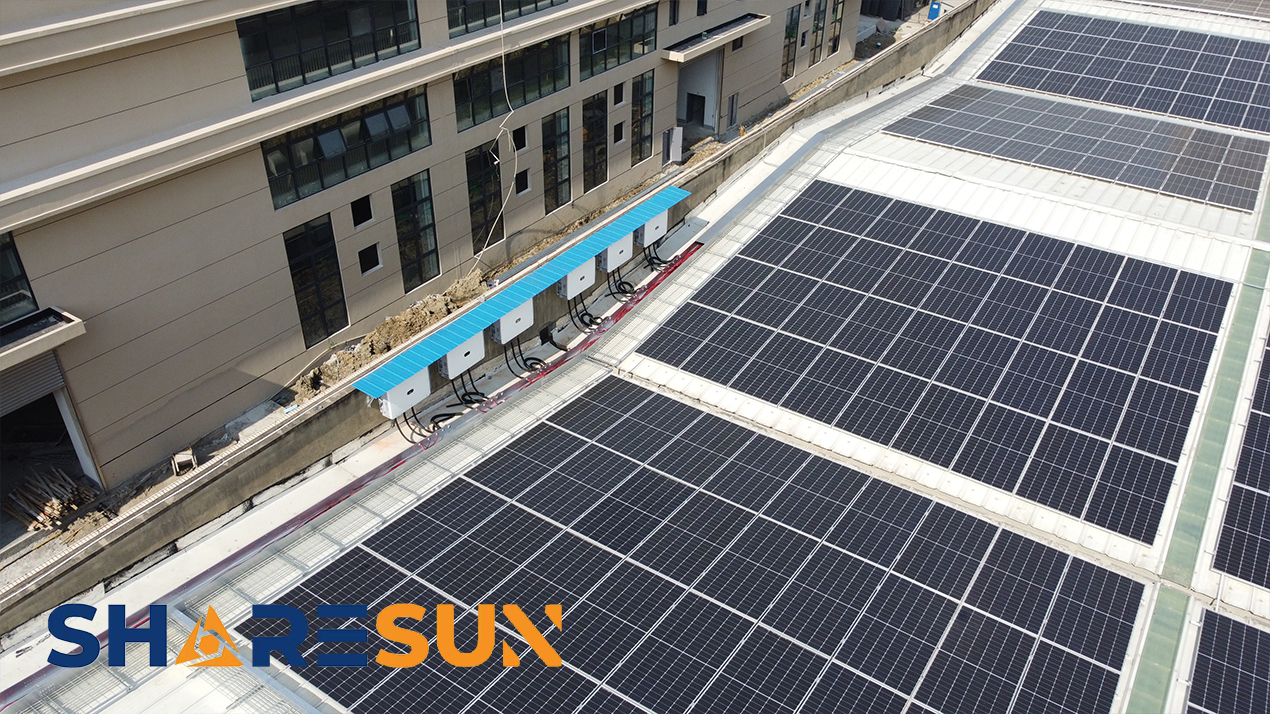
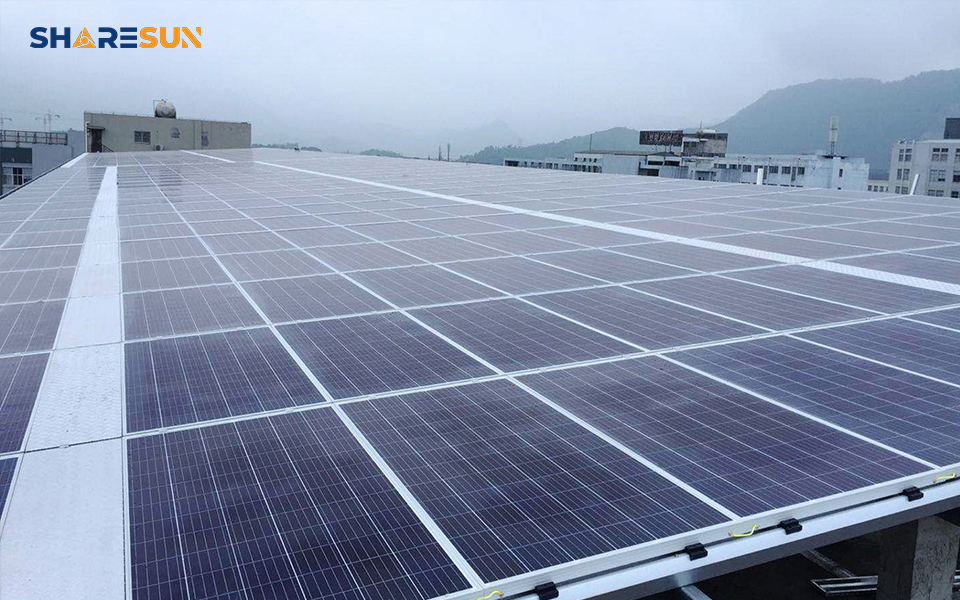
If your home or factory has a flat roof and you want to install solar panels on it, the first dilemma you’ll likely face is: How do you choose the right mounting system?
To be honest, flat roofs are different from sloped roofs. Sloped roofs have a built-in angle, so you can simply lay the solar panels along the slope without worrying too much about drainage or sunlight exposure. But flat roofs are, well, flat. If you lay solar panels flat on them, not only will water and dust accumulate, but power generation efficiency will also be compromised. Therefore, the key to flat roofs is to get the solar panels “standing up” and finding the right tilt angle.
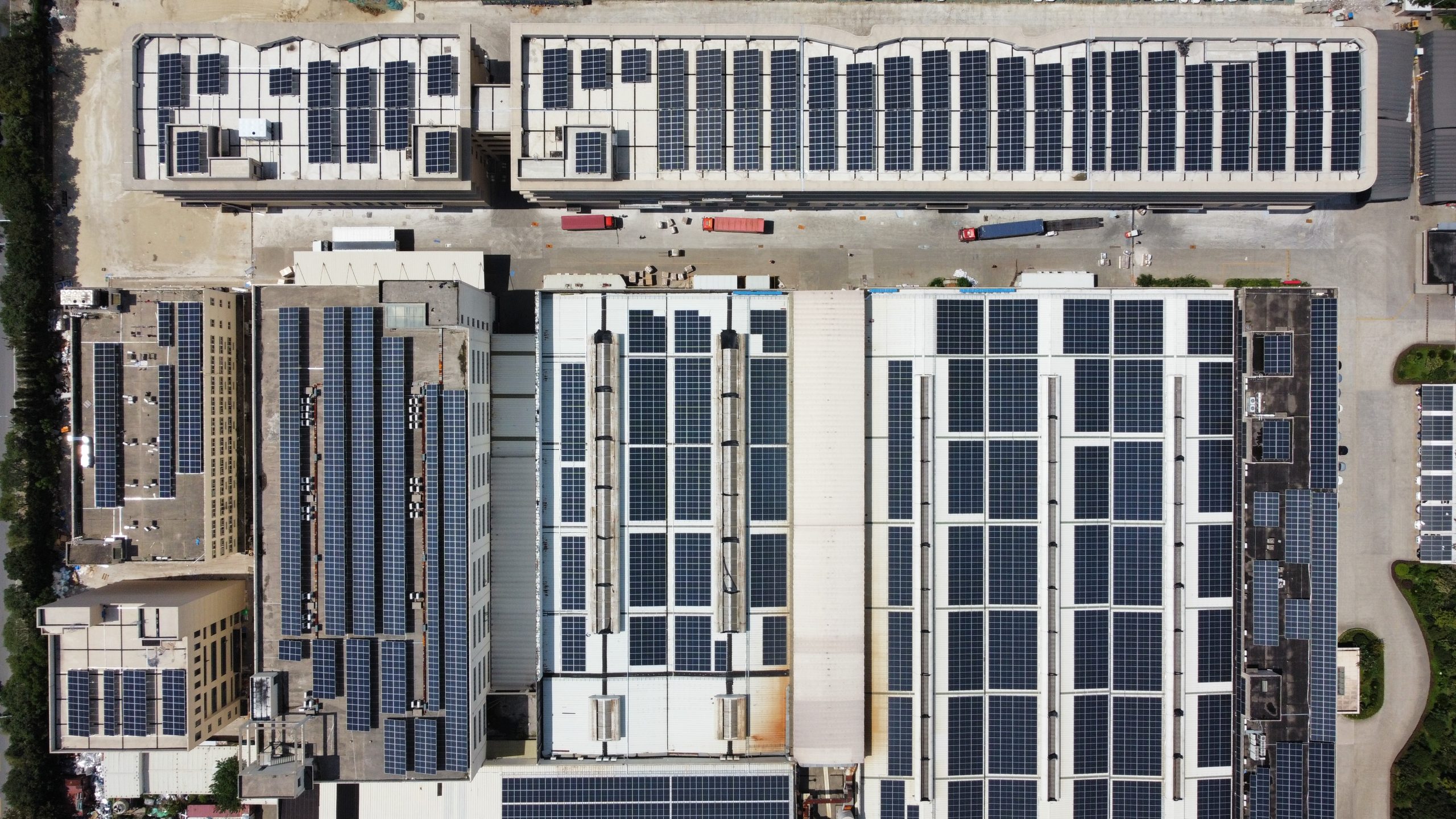
The mainstream mounting systems available on the market for flat roofs include: concrete pedestals with triangular brackets, aluminum alloy rail systems, and adjustable ballast mounts, which have become increasingly common in recent years.
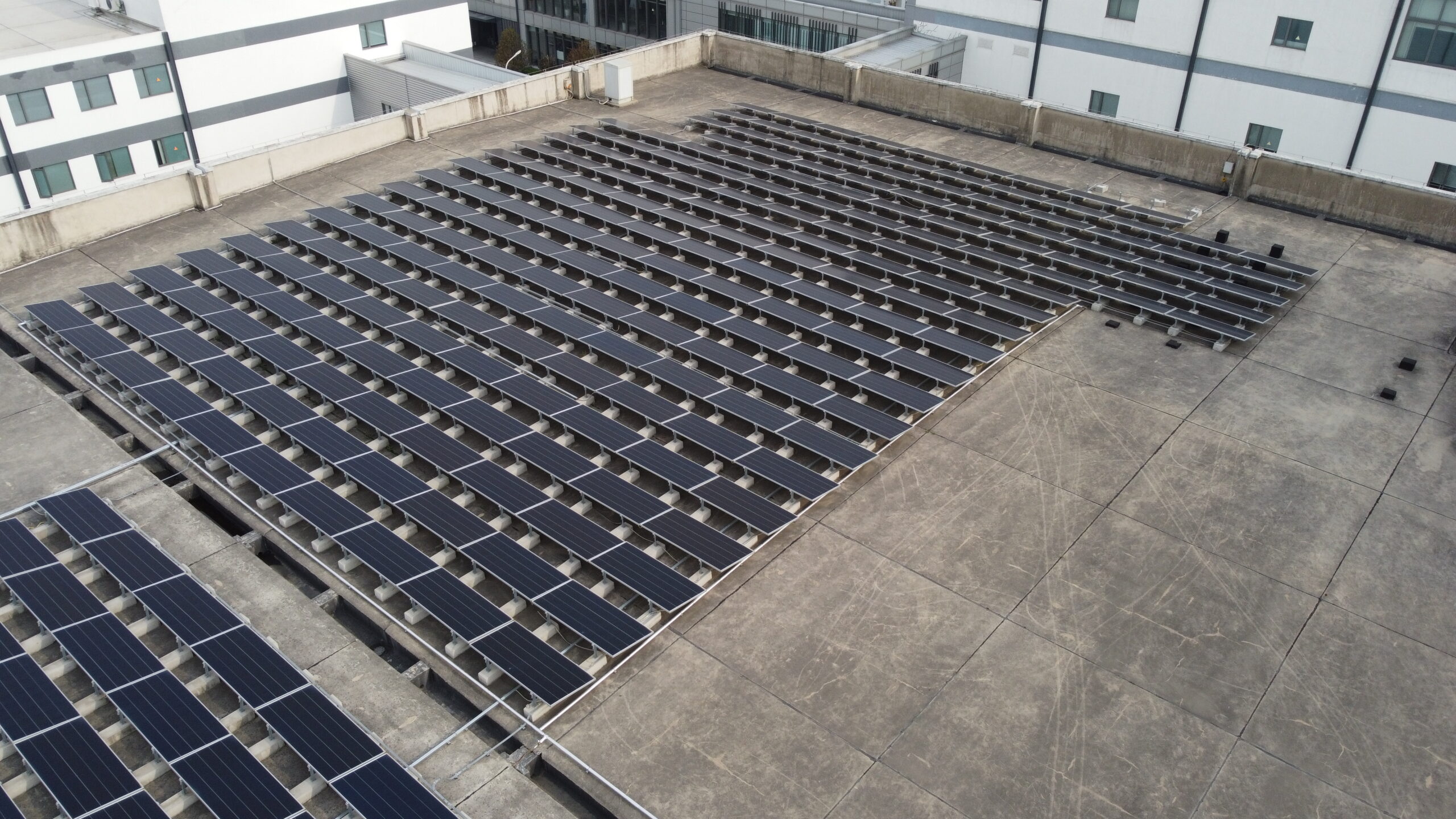
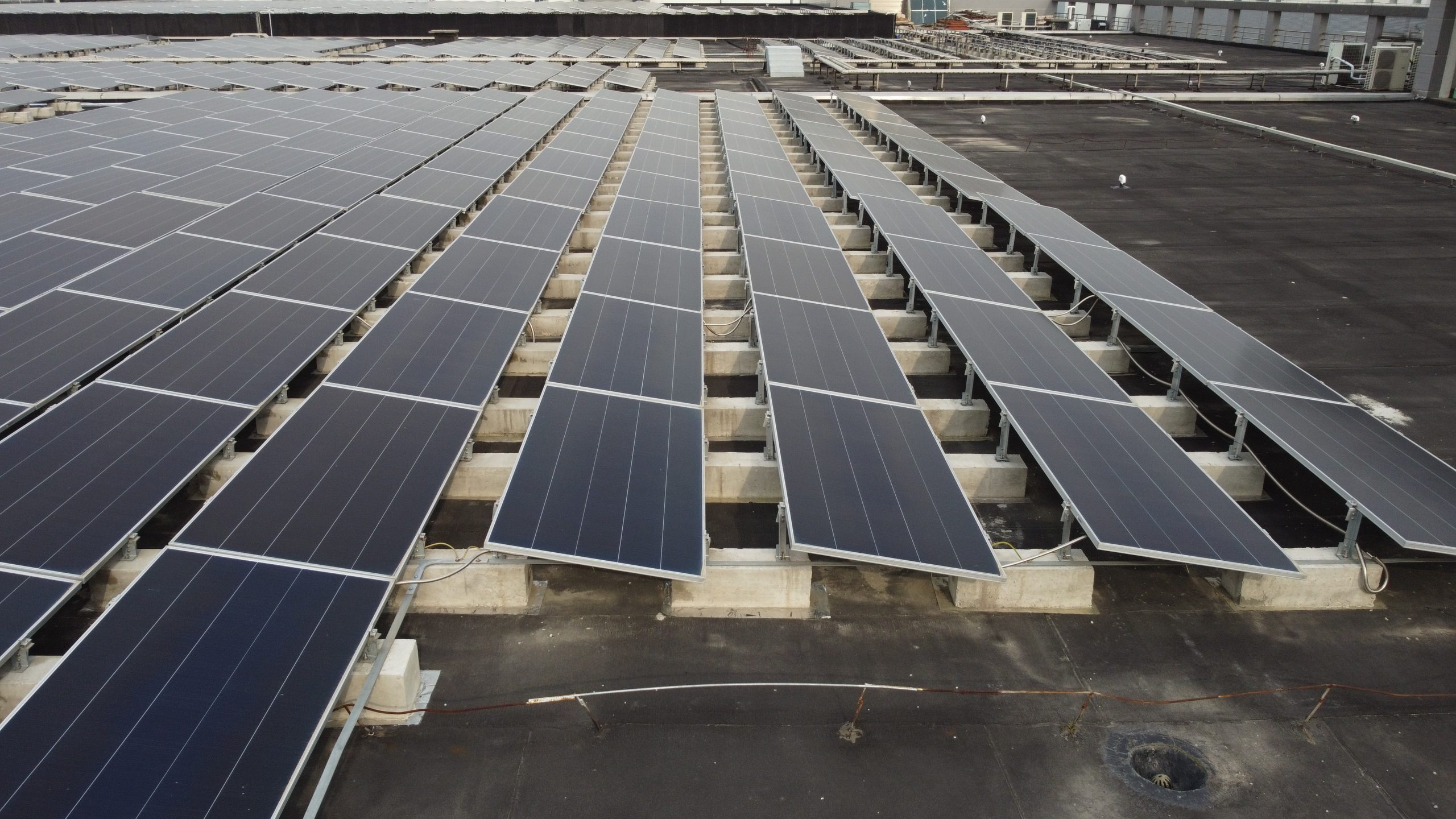
Let’s start with the most traditional method: concrete blocks with triangular brackets. This is a more old-school approach: you place a row of precast concrete blocks on the roof, secure triangular galvanized steel brackets to them, and then mount the solar panels on the sloping sides of the triangles. The advantages are that it’s extremely stable, highly wind-resistant, and doesn’t damage the roof’s waterproofing layer—the concrete blocks simply rest on top, so there’s no need for drilling or cutting holes. The drawbacks are equally obvious: it’s too heavy. Each concrete block weighs dozens of kilograms, and when laid out densely across the roof, it puts a significant strain on the roof’s load-bearing capacity. Additionally, once the concrete blocks are in place, they’re virtually immovable, making adjustments or maintenance difficult later on.
The other option is an aluminum alloy rail system. This looks more “modern,” using lightweight aluminum alloy profiles as rails. Combined with specialized clamps and pressure blocks, the solar panels are secured to the rails, which are then attached to the roof using a minimal number of connectors. The advantages are that it is lightweight, aesthetically pleasing, and uses fewer materials. However, the issue is that on flat roofs, it often still requires some form of connection to the roof itself; some designs recommend using chemical anchors to secure the panels by drilling holes. This touches on a sensitive issue for many people—once the roof’s waterproofing layer is penetrated, leaks are inevitable. Although waterproof sealant can be applied, the sealant will age over time, so the risk remains.
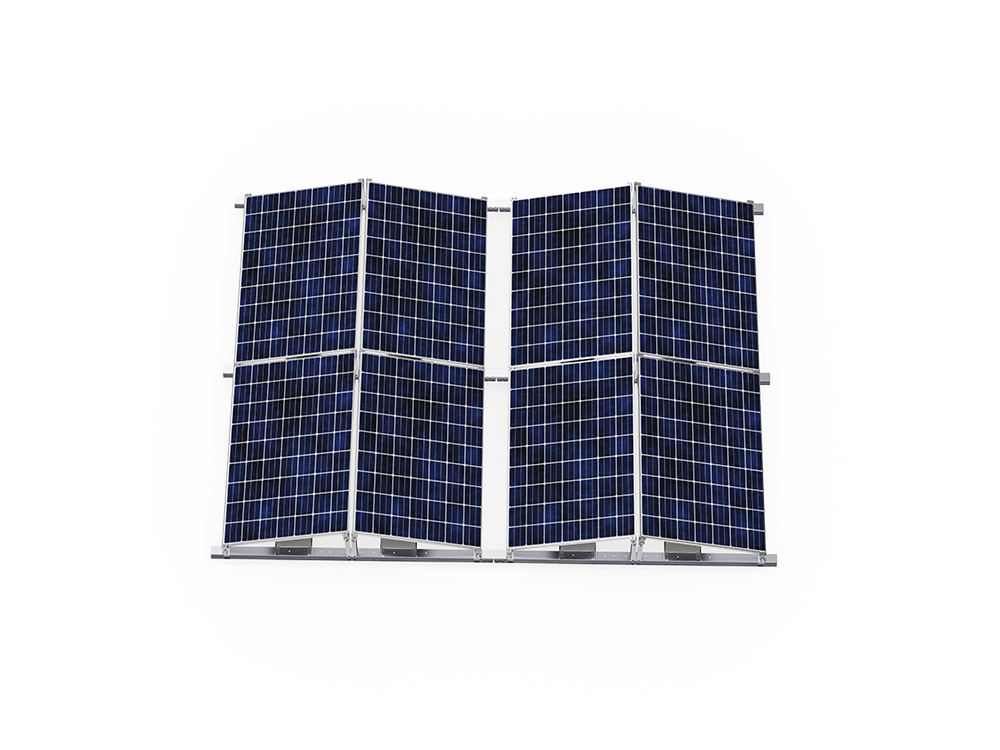
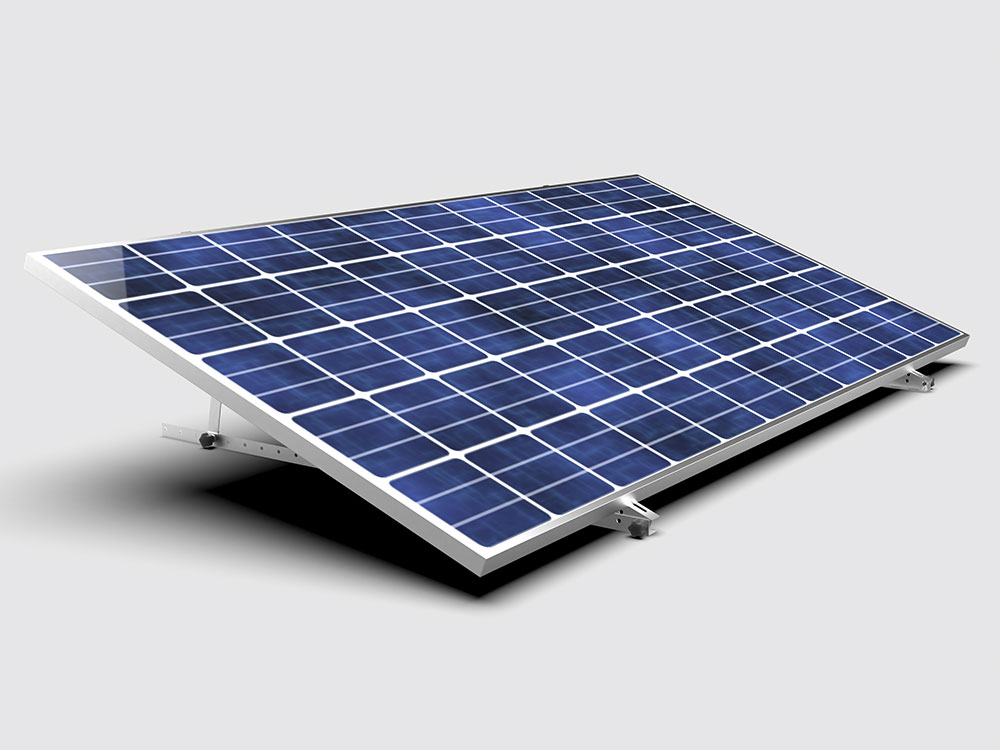
Now let’s discuss the increasingly popular adjustable ballast mounting brackets. This type of bracket combines elements of the two previous solutions: it features a one-piece base frame made of metal (typically galvanized steel or aluminum alloy), with designated slots on the base for ballast blocks (such as concrete blocks or weight-bearing bricks). Additionally, the bracket’s angle is adjustable, typically ranging from 10 to 15 degrees. The solar panels are mounted directly on these adjustable support legs. The benefits are clear: First, no drilling is required—the weight of the ballast alone provides wind resistance. Second, the angle can be flexibly adjusted based on the roof’s orientation and sunlight conditions—flatter in summer and steeper in winter. Third, because the system is modular, it’s easy to disassemble and reassemble if you need to relocate panels or add more in the future.
So, back to the original question: which option is best for flat roofs?
For the flat roofs of older residential buildings, where load-bearing capacity is generally limited and budgets are tight, a lightweight aluminum alloy rail system paired with a minimal ballast solution is worth considering—provided you plan to redo the roof waterproofing anyway, or you don’t mind drilling holes and carefully sealing them afterward. If the roof waterproofing has been painstakingly installed and you don’t want to compromise it, then concrete pedestals with triangular brackets or adjustable ballast brackets are more suitable.
If I were to offer a balanced recommendation, I’d say adjustable ballast brackets are currently the most “low-maintenance” option for flat roofs. The reason is simple: they meet all the core requirements—stability, no damage to the waterproofing, flexible installation, and the ability to make adjustments later on. Although the initial cost is slightly higher than the pure concrete pedestal solution, the savings in maintenance hassles and the avoidance of water leakage issues make it worthwhile in the long run.
Of course, regardless of which mount you choose, there’s one principle to remember: wind on a flat roof can be stronger than at ground level because the building itself alters the wind’s direction. So, never compromise on structural strength just to save a little money on ballast—safety always comes first. Additionally, it’s best to have a structural engineer assess the roof’s load-bearing capacity before installation so you have a clear understanding of the situation before proceeding. Solar panels are designed to last over twenty years, and since the mounting system serves as their “foundation,” choosing the right one ensures peace of mind for years to come.
Solar panels are designed to last over twenty years, and since the mounting system serves as their “foundation,” choosing the right one ensures peace of mind for years to come. If you’d like a more comprehensive overview of different installation methods, check out this guide: What Are the Different Types of Solar Mounting Systems?
What is the best solar mounting system for flat roofs?
If your home or factory has a flat roof and you want to install solar panels on it, the first dilemma you’ll likely face is: How do you choose the right mounting system?
Share this post
Pinterest
LinkedIn
Facebook
WhatsApp