When developing solar projects, everyone pays close attention to panel selection, but mounting systems are often overlooked. In reality, the mounting system serves as the “skeleton” of the power plant; choosing the wrong one can, at best, affect power generation and, at worst, lead to safety incidents. Based on my experience working on projects over the past few years, the mainstream commercial solar mounting solutions on the market can generally be categorized as follows:
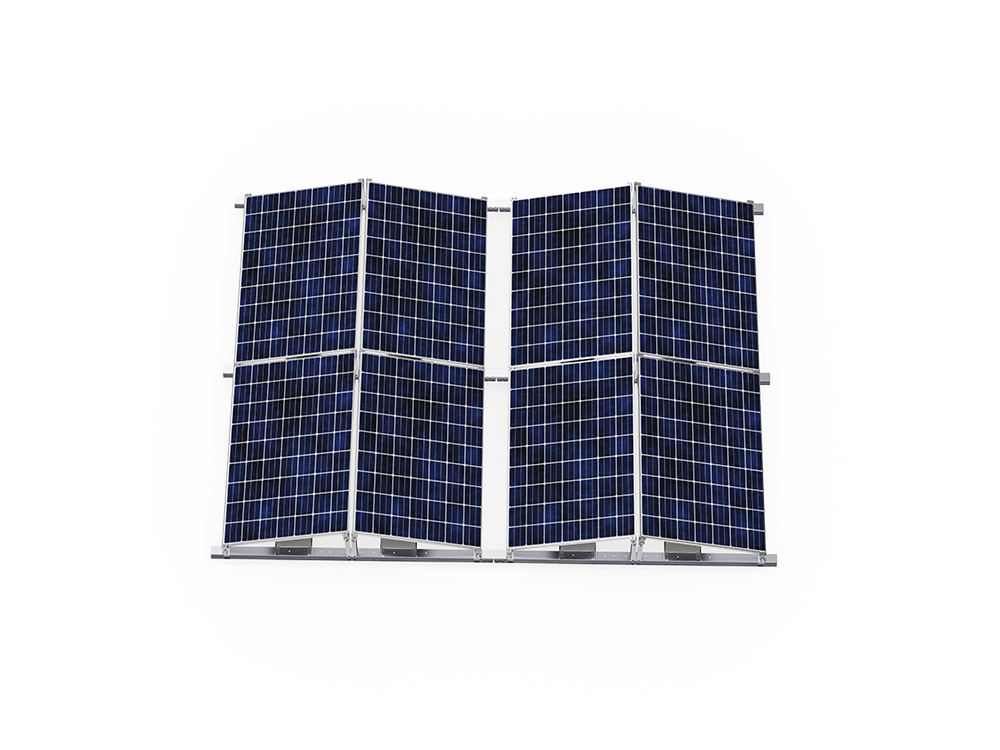
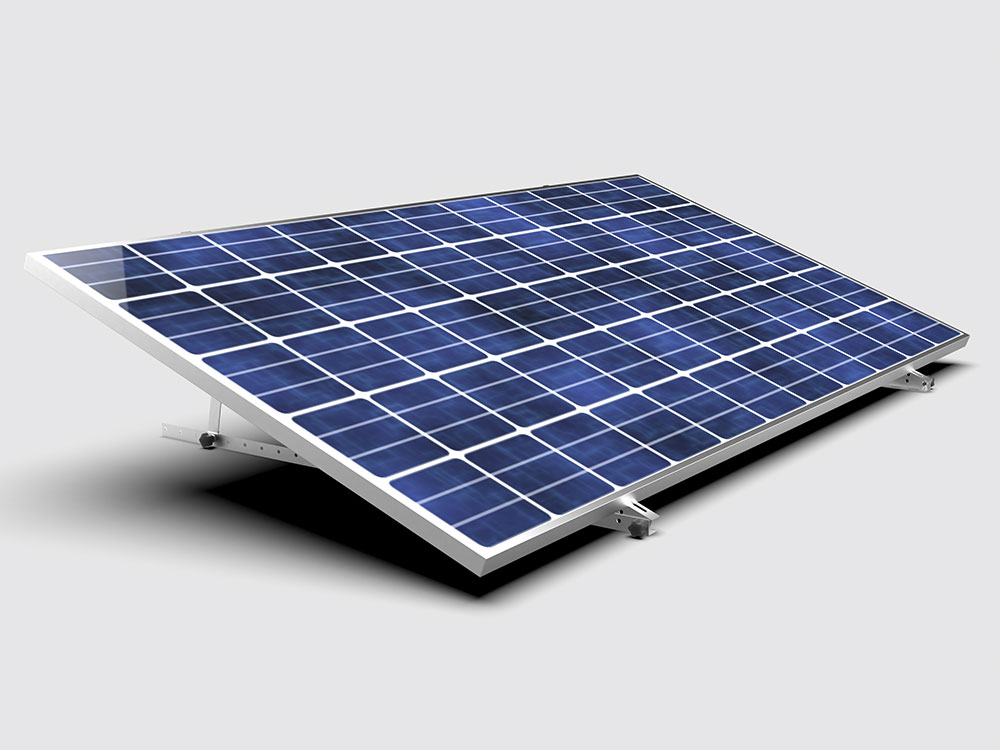
1. Fixed Mounting Systems: The Safest Choice
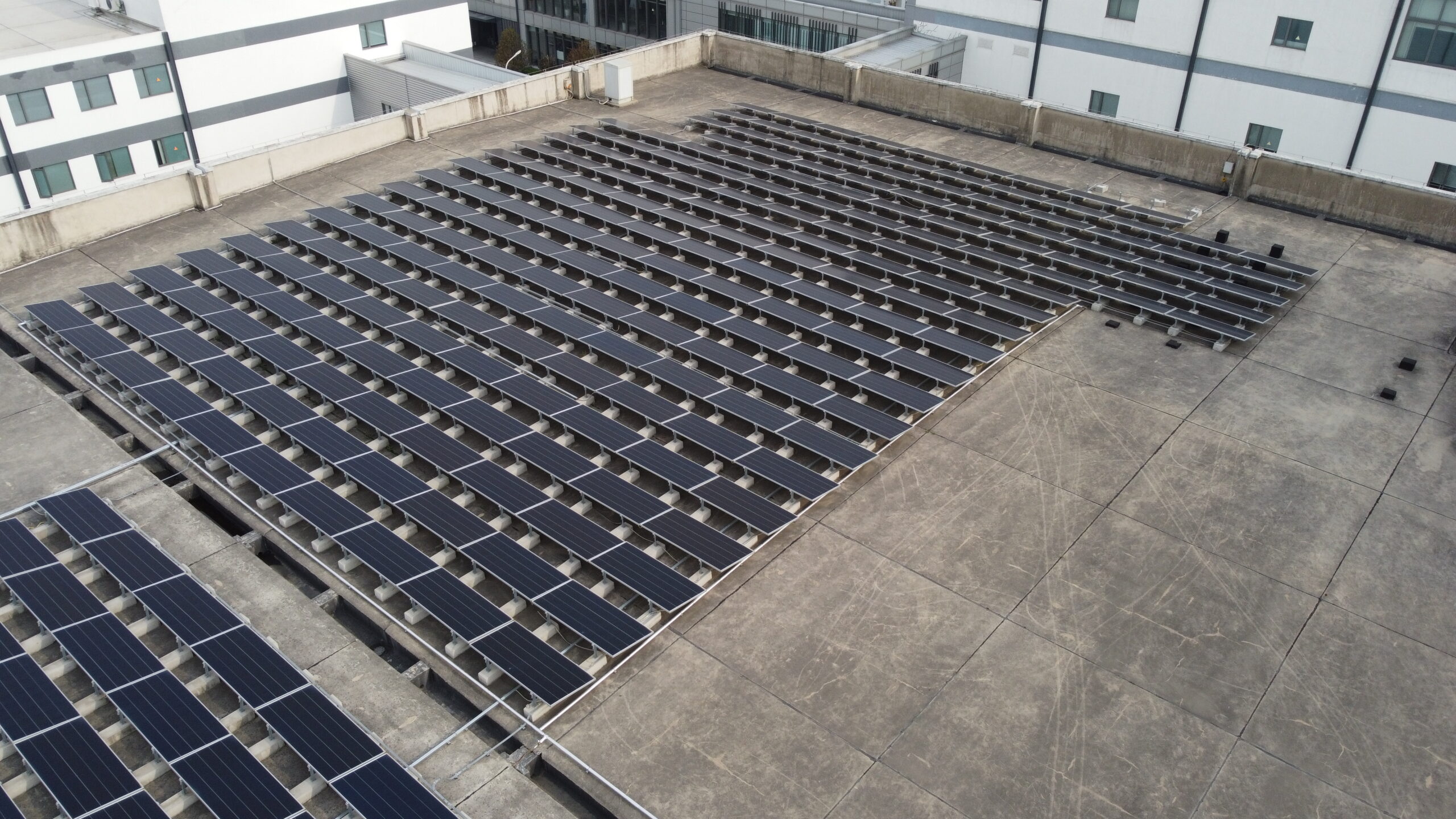
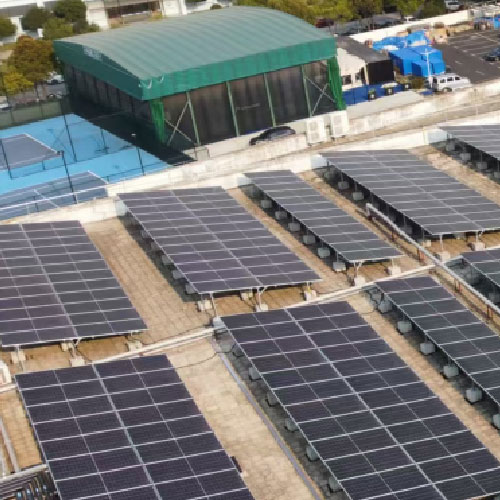
If you ask me which mounting system is the most hassle-free, I would say fixed mounting systems. They feature a simple structure with no moving parts and require virtually no maintenance.
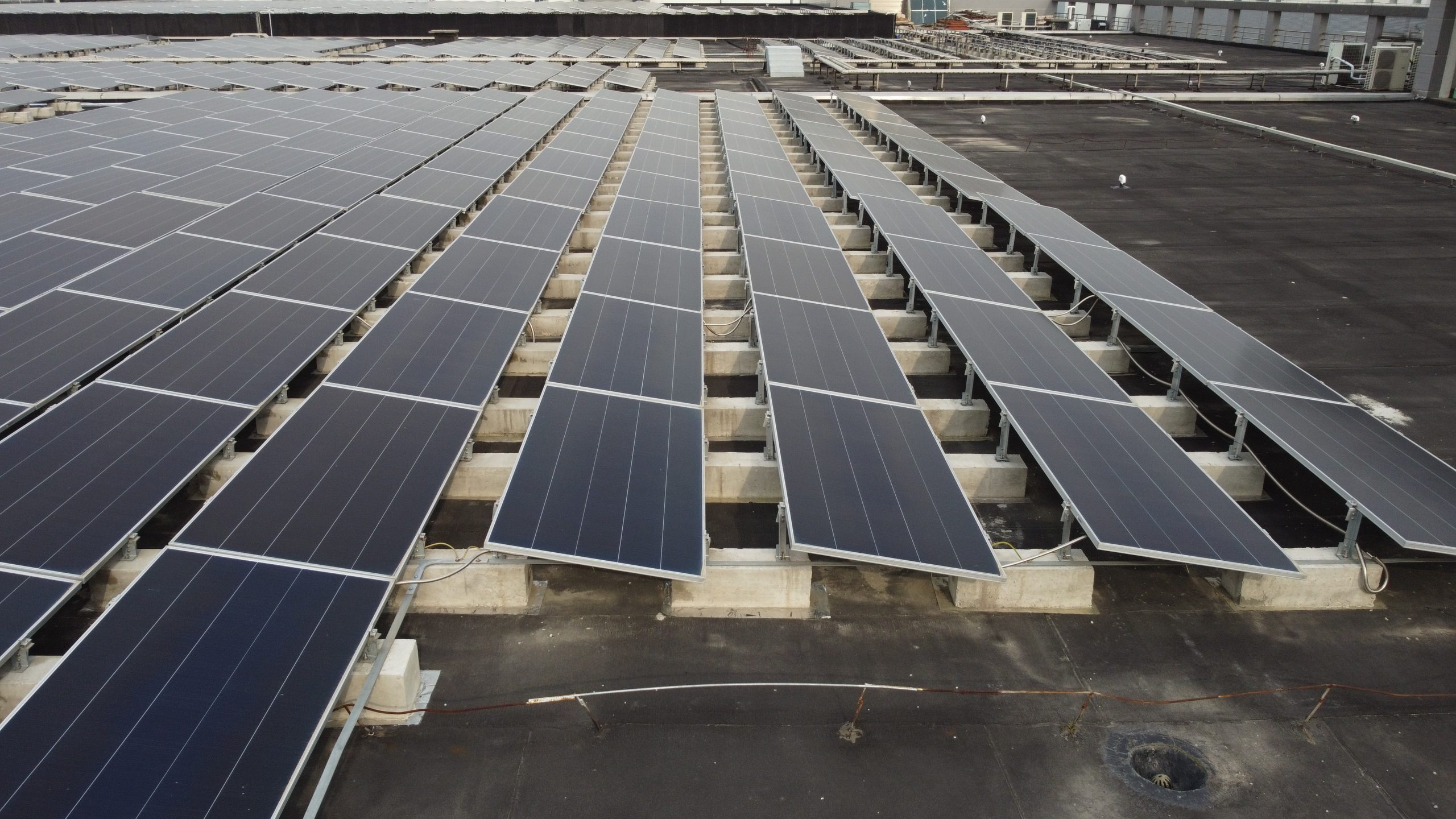
Suitable scenarios: Large, flat land areas; factory rooftops (especially those with good load-bearing capacity)
The materials used for fixed mounts are also evolving. Previously, hot-dip galvanized steel was the standard, but zinc-aluminum-magnesium alloys are becoming more common. While slightly more expensive, they offer superior corrosion resistance—making the extra investment worthwhile, particularly for projects near coastal areas or chemical plants.
Points to note: The tilt angle of fixed mounts must be calculated accurately. Many people simply adopt the recommended values from design institutes, but actual wind and snow loads should be verified against local meteorological data—don’t be afraid to go the extra mile.
2. Tracking Mounts: Choose This for Maximum Power Generation
Tracking mounts have become increasingly common in large-scale ground-mounted solar power plants in recent years. Simply put, they allow solar panels to track the sun, “capturing” more power during sunrise and sunset.
Actual Results: In regions with good sunlight (such as Northwest and North China), they can generate 12%–15% more electricity than fixed mounts. If the project participates in the power market, where electricity prices are higher during morning and evening peak hours, the benefits of tracking mounts become even more pronounced.
However, there’s one prerequisite: the site must be open, with no obstructions in the surrounding area. Additionally, modern tracking systems are no longer just simple rotating mechanisms. High-quality solutions incorporate AI algorithms that adjust the angle in real-time based on cloud cover and wind speed, and can even automatically “lay flat” to avoid wind damage during strong gusts.
In terms of cost: The upfront investment for tracking mounts is higher than for fixed mounts, but when calculated over the entire lifecycle, the internal rate of return (IRR) is often better. If you’re not in a rush to recoup your investment and are focused on long-term returns, this is worth considering.
3. Flexible Mounts: The Solution for “Difficult” Sites
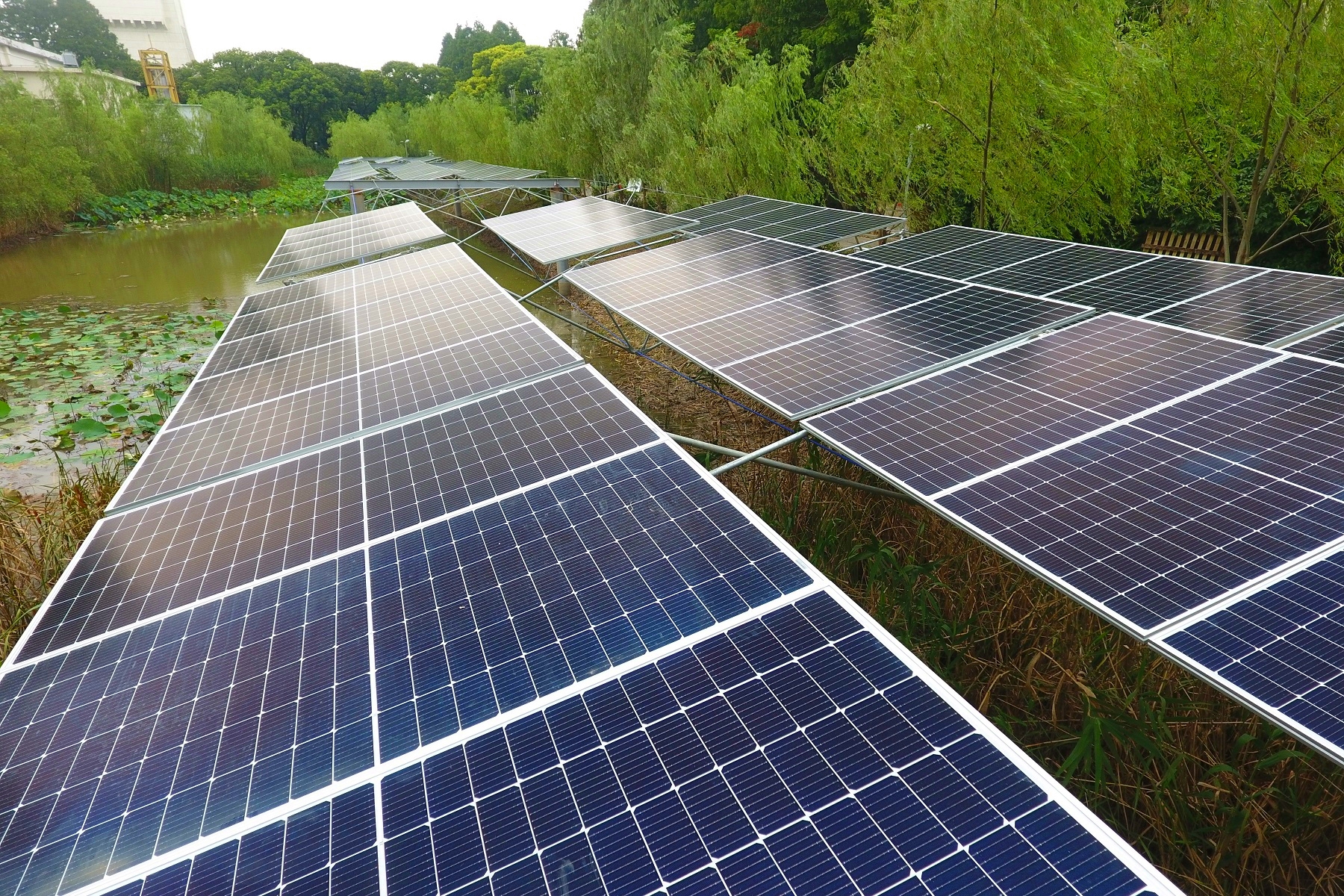
Flexible mounts have proven to be a valuable solution for complex terrain in recent years. Mountainous areas, fish ponds, wastewater treatment plants, mine pits… In these locations where piling is difficult and traditional mounts are impractical, flexible mounts offer distinct advantages.
Understanding Flexible Bracing: Instead of rigid beams, it uses tensioned steel cables as the primary load-bearing structure, allowing for very large spans and a significant reduction in the number of piles required.
For example: For a 1,000-meter-long fish pond, traditional bracing might require 300 piles, whereas flexible bracing might only need 100. Fewer piles mean a shorter construction timeline.
Is it safe? This is the primary concern. While early versions of flexible support structures did suffer damage from strong winds, current fourth-generation products (such as spatial cable-net structures) are now well-established. They can withstand typhoons of force 12 or higher and have been proven in real-world applications.
Who should consider this: If your site has complex topography or strict environmental requirements (such as prohibitions on large-scale excavation), flexible support structures are worth serious consideration.
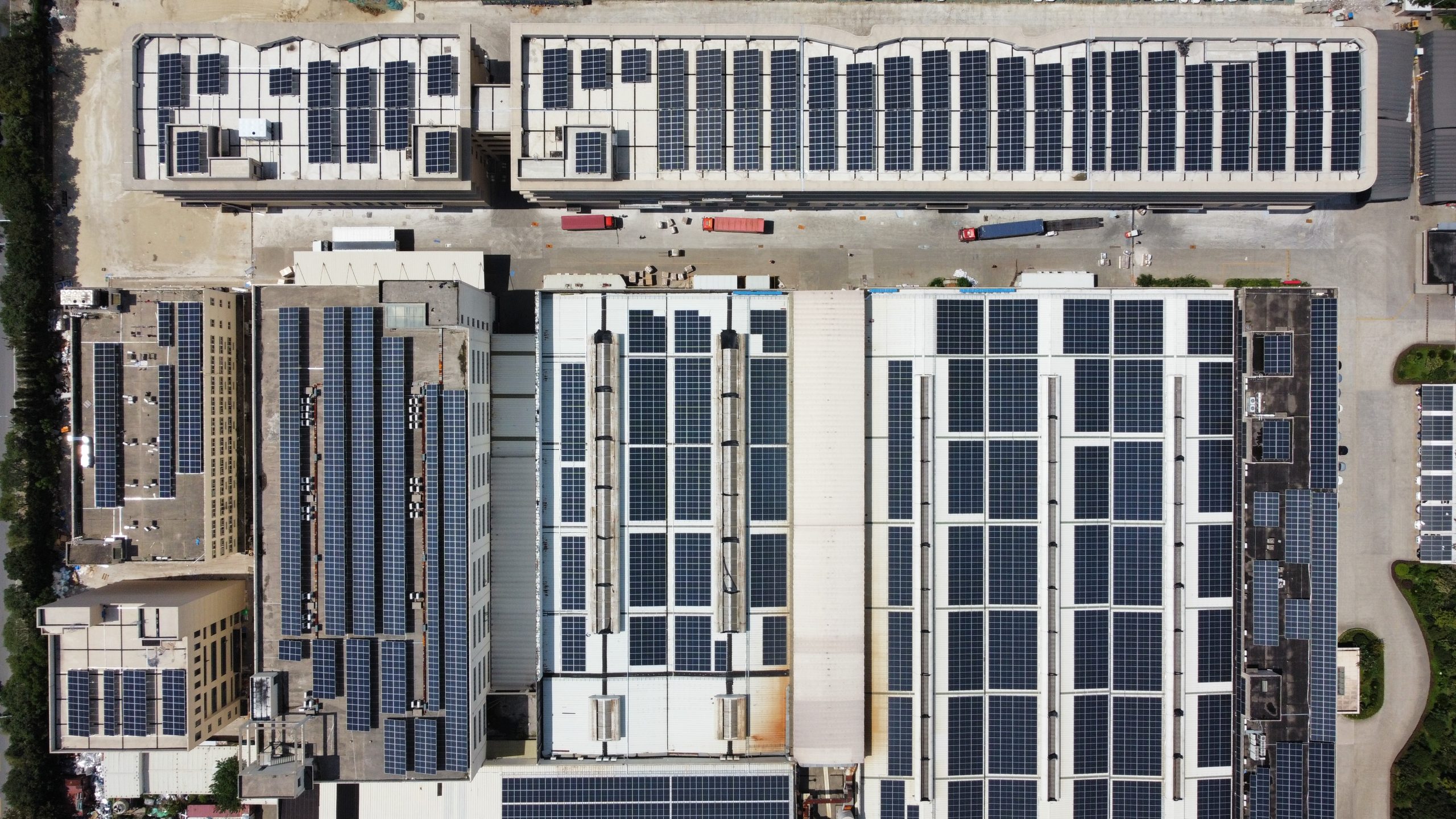
4. Distributed Systems and BIPV: Tailored Solutions for Commercial and Industrial Roofs
For commercial and industrial roof projects, the main challenges are often not power generation, but rather waterproofing, load-bearing capacity, and aesthetics.
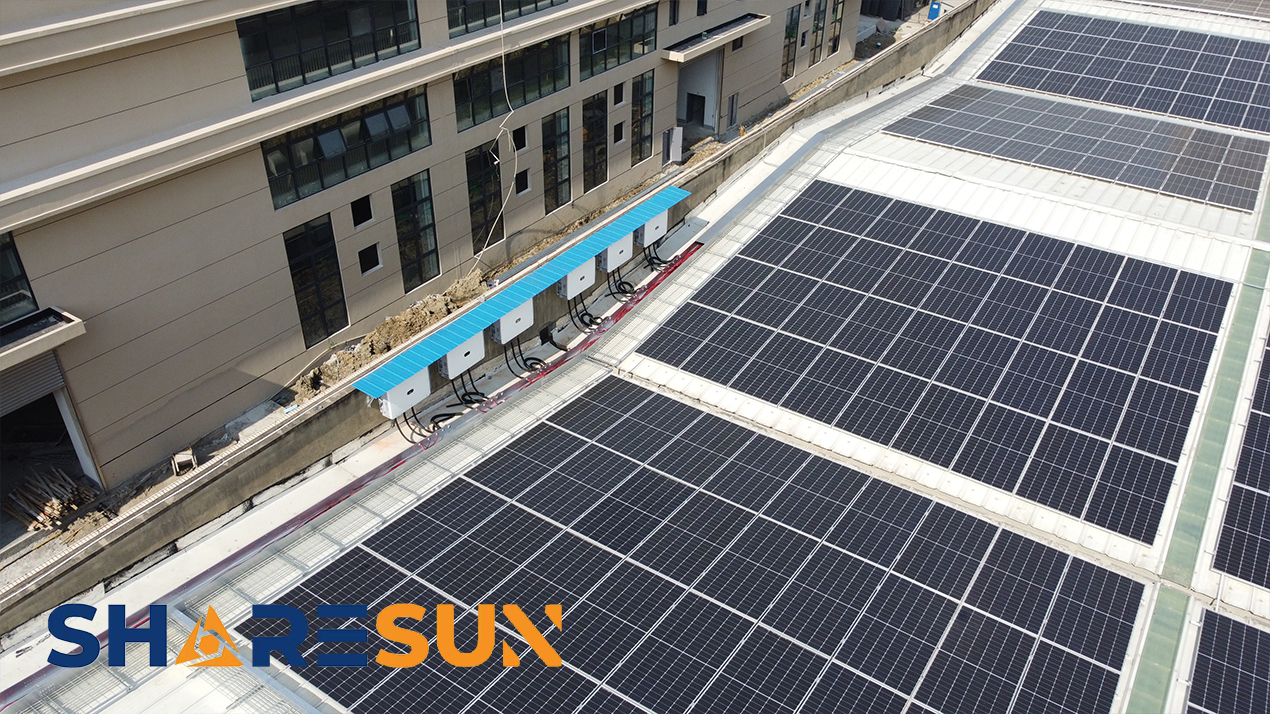
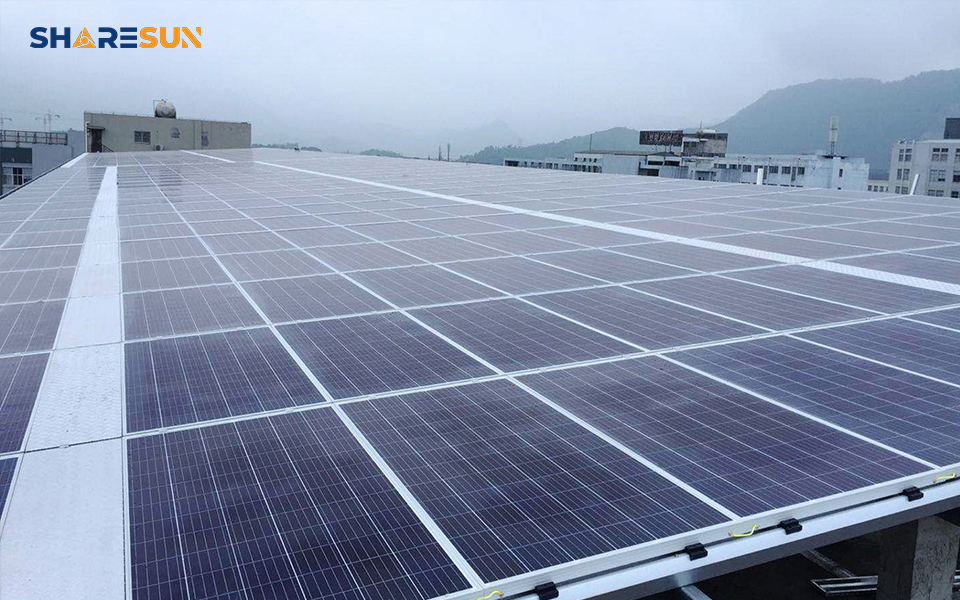
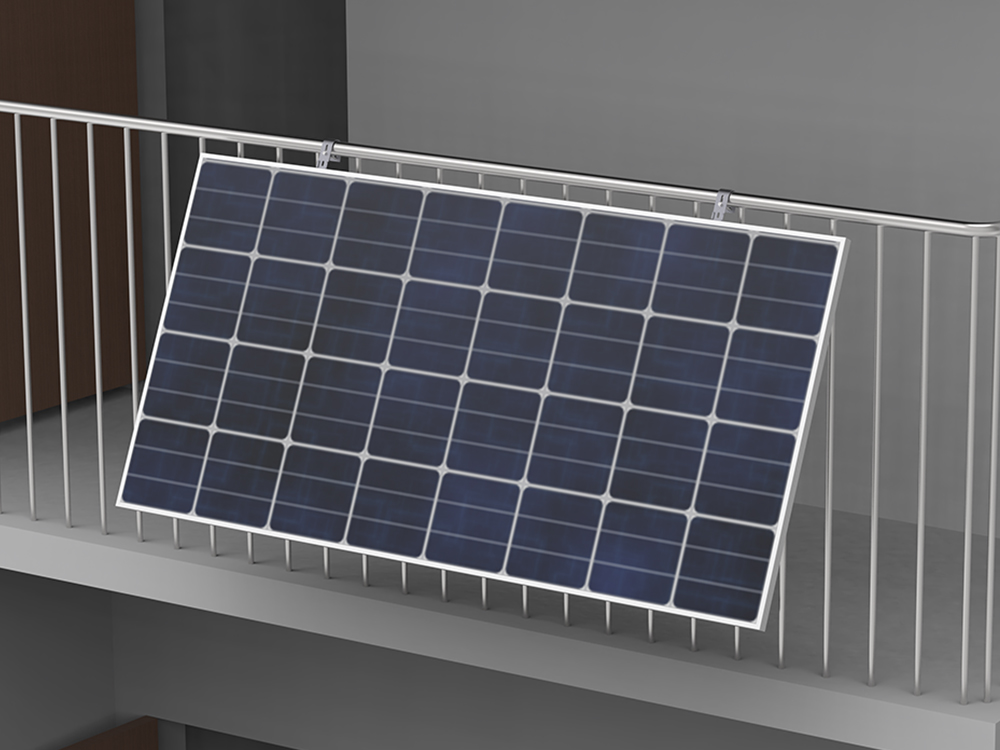
Lightweight Solutions: Many older factory roofs lack sufficient load-bearing capacity, so installing conventional mounting systems directly could pose safety risks. Now there are specialized lightweight rail systems that are lightweight, quick to install, and require no welding or penetration of the roof panels, ensuring waterproofing integrity.
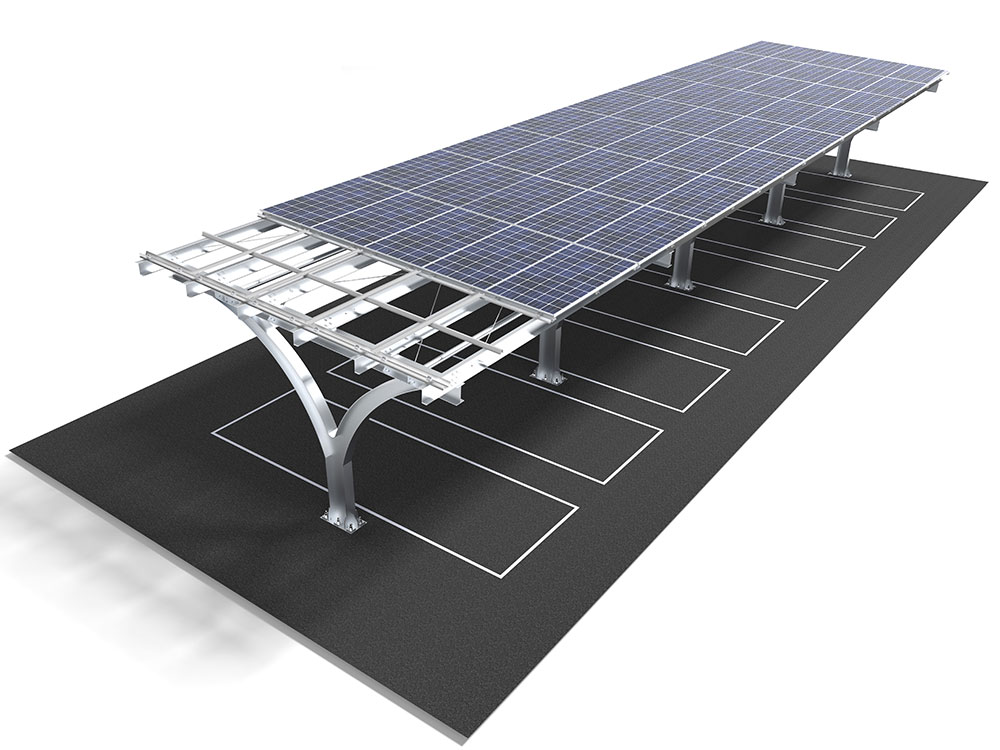
BIPV (Building-Integrated Photovoltaics): This is currently a more “advanced” approach. Solar panels directly replace roofing materials, serving as both power generation equipment and building components. This is worth considering for new carports, warehouses, and factory buildings, as it offers excellent overall aesthetics, though the unit cost is higher.
A quick tip: Before undertaking a rooftop project, always have a structural engineer verify the load capacity. Don’t just go ahead based on a manufacturer’s claim that “our system is lightweight.” Safety comes first—no one can bear the consequences if something goes wrong.
Which one to choose? Here are three criteria
After all that, how do you choose? Here are three perspectives:
Consider the terrain: Flat land → Fixed or tracking; Hillsides/ponds → Flexible; Rooftops → Distributed/BIPV
Consider your budget: Looking to save money → Fixed; Willing to invest a bit more for higher returns → Tracking
Consider your return expectations: Short-term payback → Fixed; Long-term holding → Tracking or flexible
Finally, a word of advice: Mounting systems account for a small portion of the total solar system cost, but they have a significant impact. Don’t skimp excessively here—choosing a solution that matches your site conditions is more important than anything else.
For more professional consultation, Contact Us