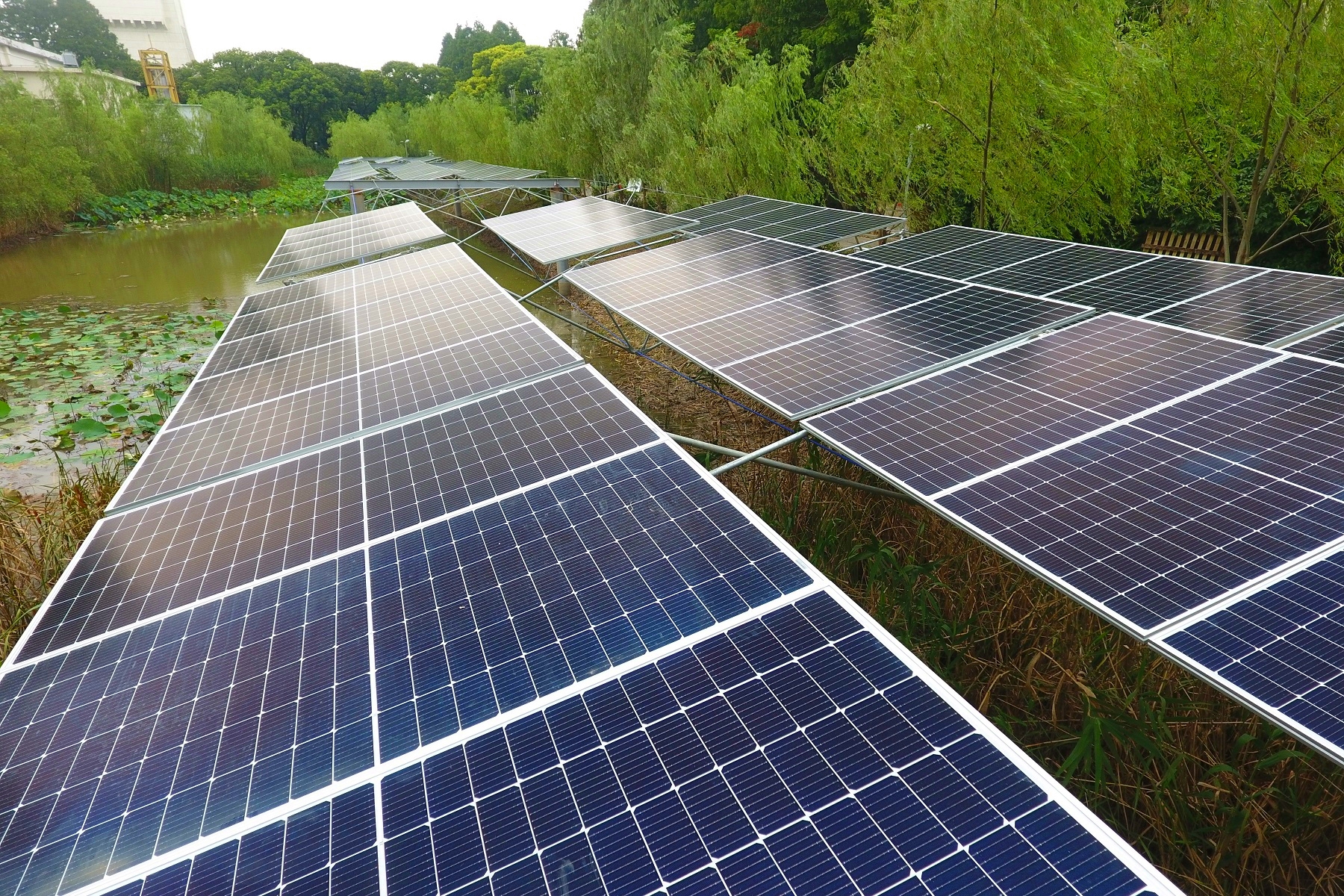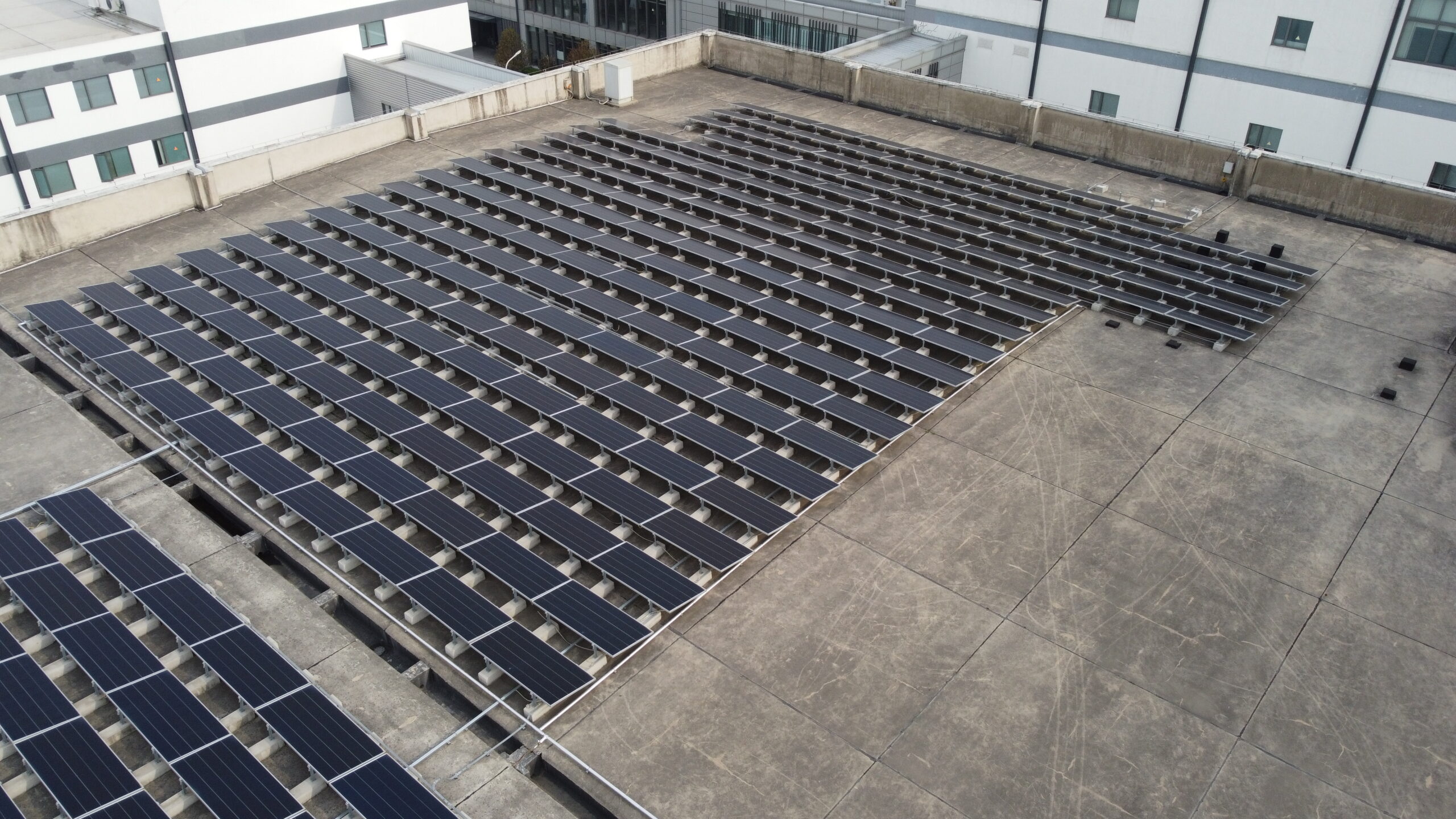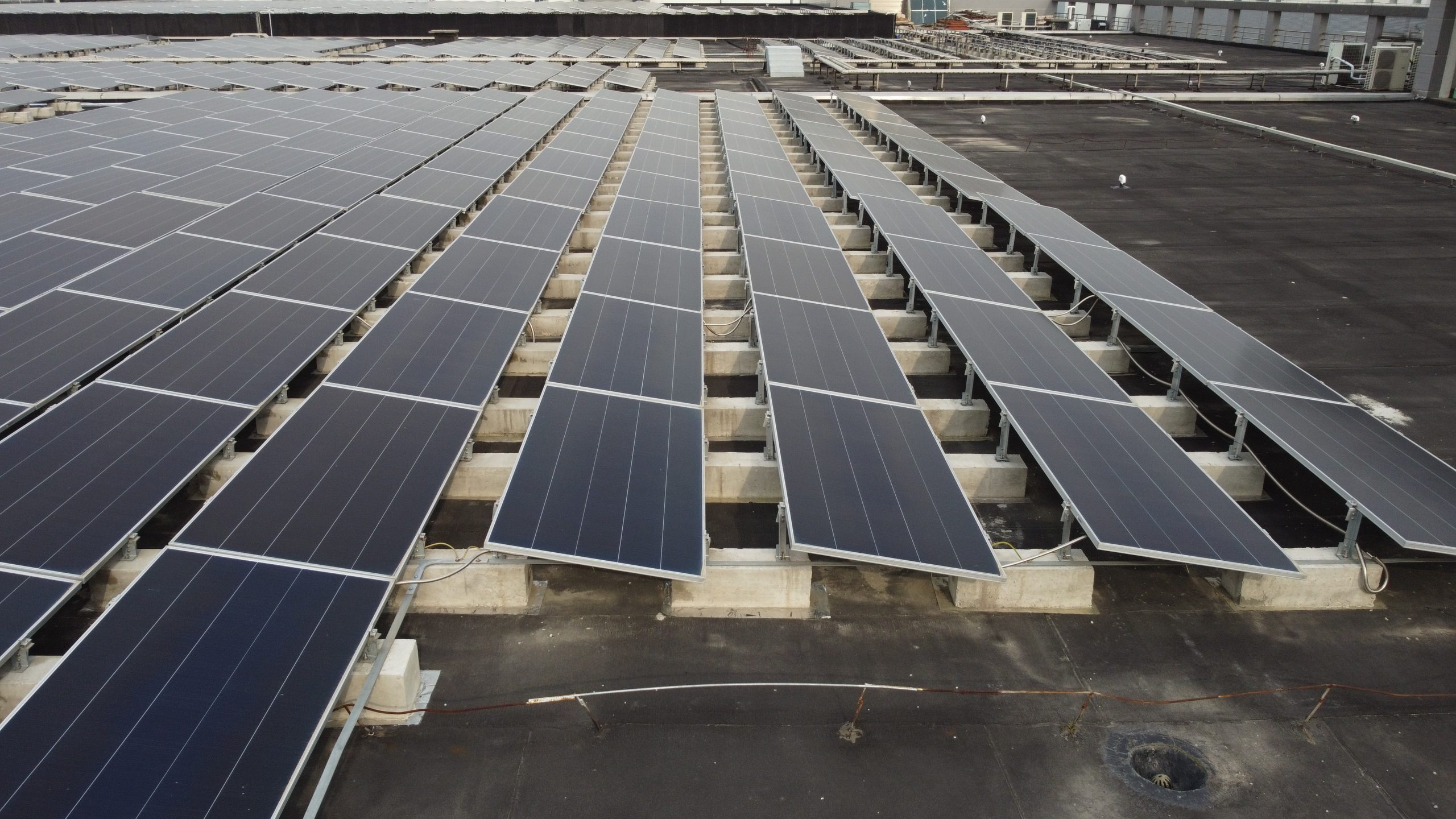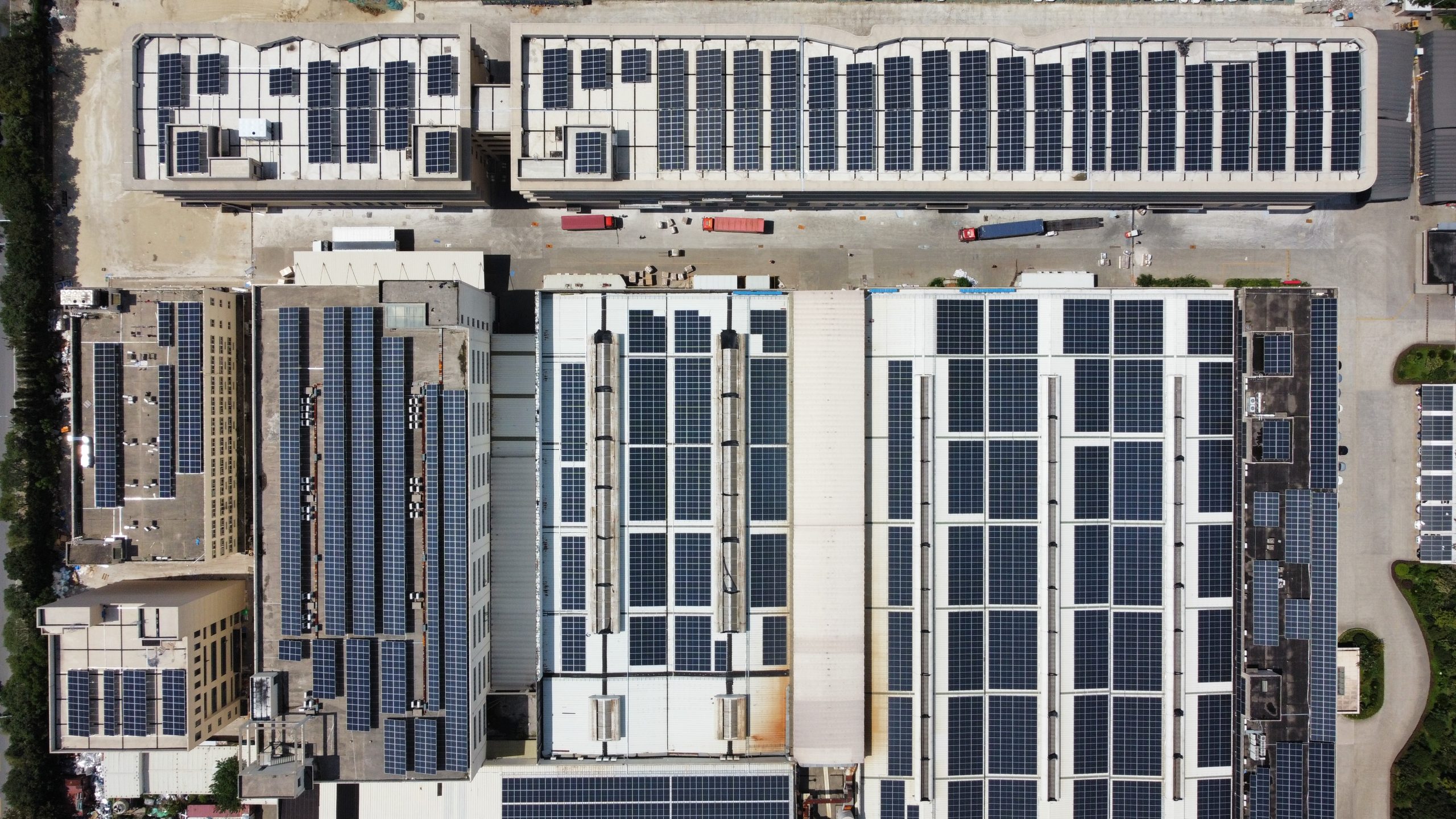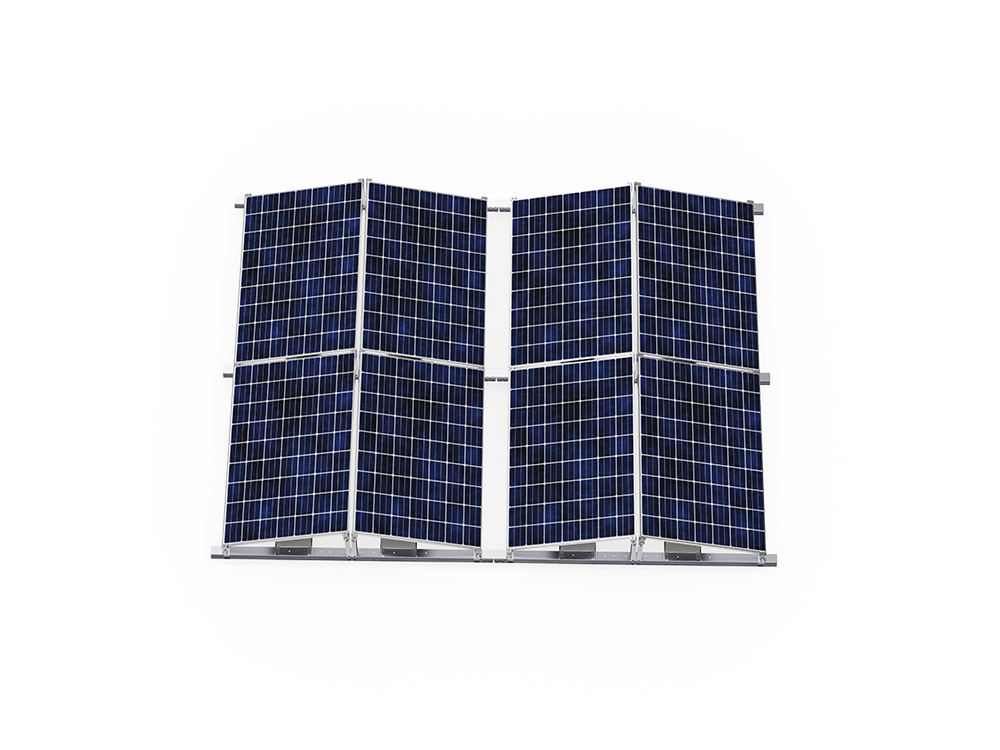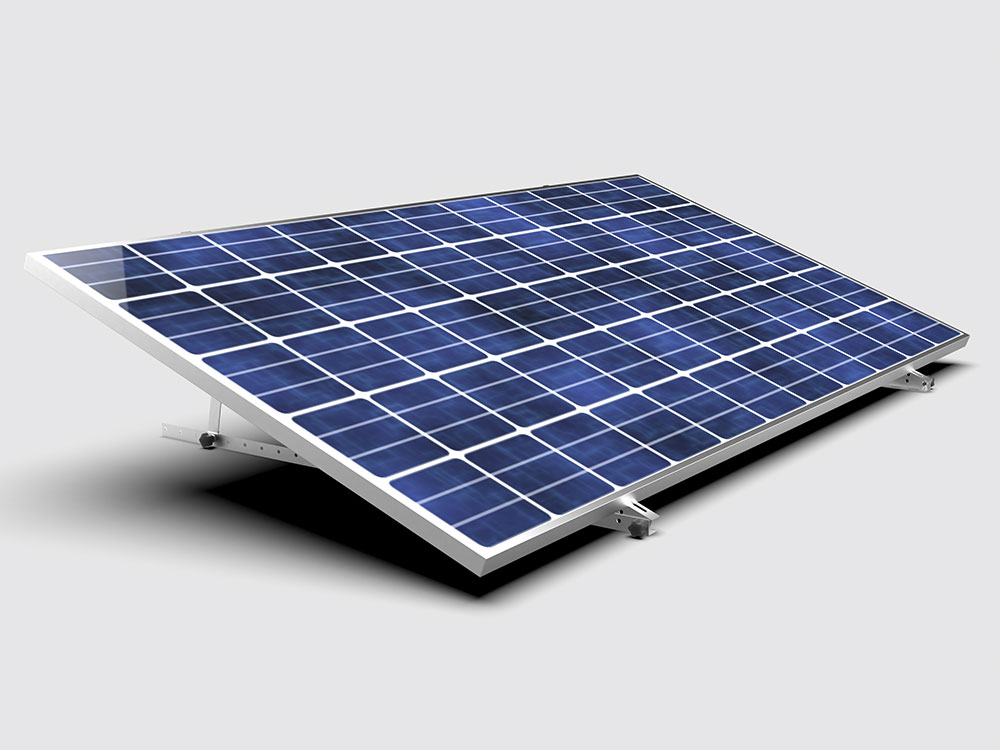
The core challenge of installing solar panels on a farm is the conflict between the space required for power generation and the land needed for farming. If the wrong mounting system is chosen, either crops cannot be grown underneath or farm machinery cannot access the area. Currently, the mainstream solution that is truly suitable for farms is the agro-solar complementary mounting system.
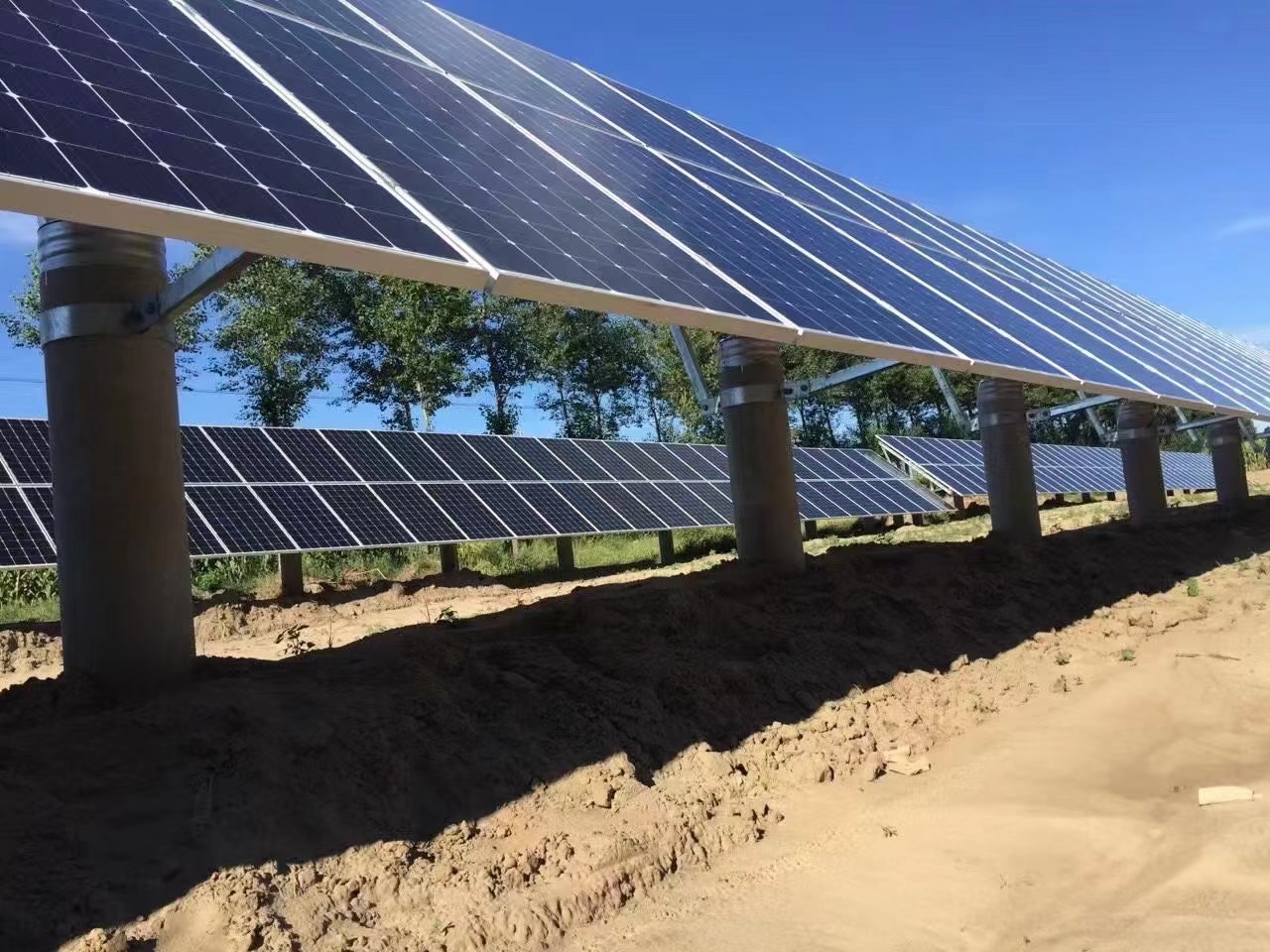
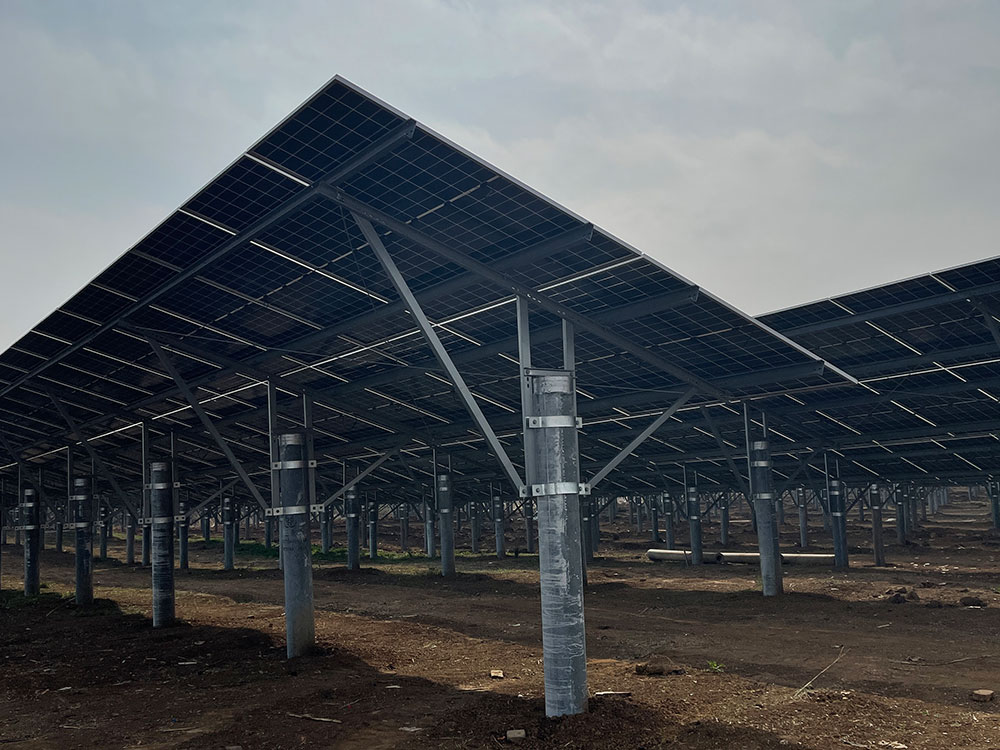
The design concept behind agro-photovoltaic mounting systems is simple: elevate the solar panels so that crops can continue to be grown beneath them. Typically, the height of the support columns ranges from 2.5 to 3.2 meters. At this height, medium-sized tractors and harvesters can pass through normally, and daily cultivation of field crops such as wheat, corn, and soybeans is largely unaffected. There are two common structural configurations: a single column with diagonal braces, or dual columns with crossbeams. Hot-dip galvanized steel is the primary material used, offering controllable costs and adequate corrosion resistance.
The key to this type of mounting system lies not in the structure itself, but in the spacing and arrangement of the posts. To ensure sufficient sunlight reaches the crops below, the panels must be spaced appropriately; they cannot be densely packed side-by-side as in ground-mounted power plants. Typically, the spacing between single rows of modules is at least 1 meter, and the spacing between rows in the north-south direction must be determined based on the length of shadows cast on the winter solstice in the local area. Some designs involve installing specialized solar panels with a light transmittance of about 30% on top of the support structure; this not only generates electricity but also diffuses light, making it more suitable for shade-loving crops. If you’re considering a non-elevated setup on open land, you may also want to check out this guide: How to Choose a Ground-Mounted Solar Mounting System?
Another practical advantage of agro-solar complementary structures lies in their foundation design. Since most farmland has loose soil, deep piles—as required in construction—are unnecessary; screw piles or precast concrete pedestals provide sufficient stability. Screw piles are quick to install, cause minimal soil disturbance, and do not affect subsequent farming operations when removed. However, one important point to note is that if the farm is located within the scope of “basic farmland,” it is necessary to first confirm whether local policies permit the installation of solar panels.
Some farms raise the structures to over 4 meters in height to grow oil-producing peonies, edible mushrooms, or raise poultry underneath—a variation of agro-photovoltaic systems. However, increased height leads to a significant rise in steel consumption and foundation costs; unless the economic crops yield high returns, blindly increasing the height is not recommended.
Overall, solar-agriculture complementary mounting systems represent the most practical choice for farm applications today. They do not occupy additional land or obstruct agricultural production, and a single system can last 25 years while allowing crops to continue growing beneath it as usual. If you are seeking a solar solution for your farm, you should prioritize this elevated mounting structure and request a shadow analysis from the installer to confirm that sunlight levels meet your crops’ needs.