Solar mounting systems serve as the “backbone” of photovoltaic systems and are an indispensable component of solar power generation. The selection of the right mounting system directly determines the safety and power generation efficiency of the power plant. A high-quality solar mounting system can last for over 25 years. While there are many high-quality solutions available on the market today, they must be specifically matched to different installation scenarios and should not be installed haphazardly.
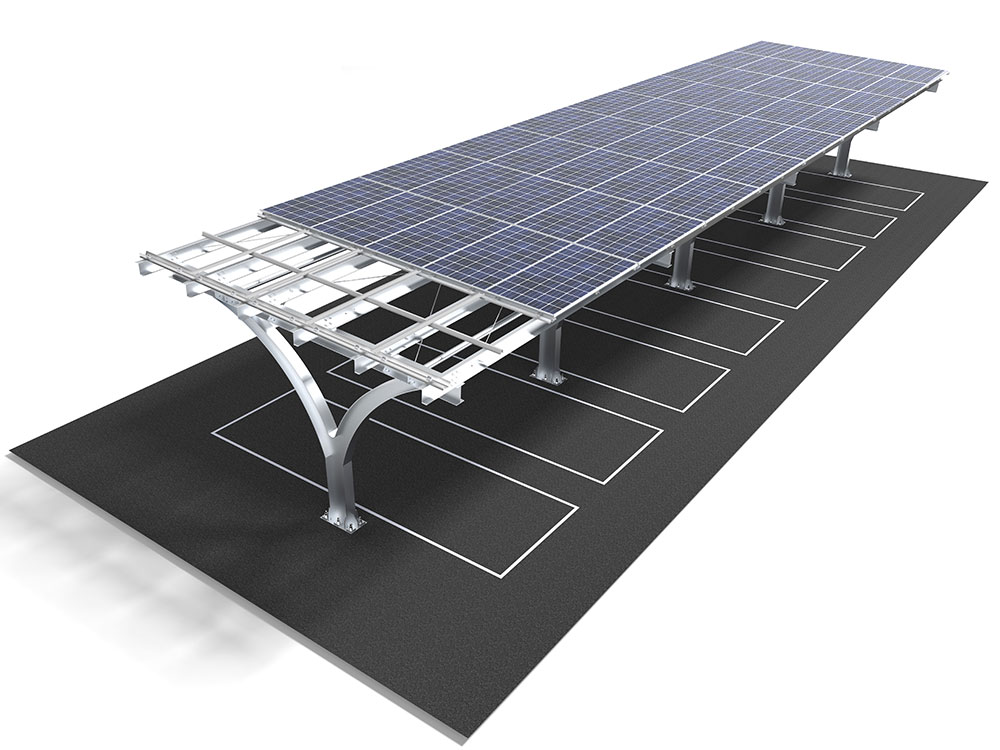
First is the solar carport installation solution. Solar carport solutions must account for load-bearing capacity to withstand snow accumulation and wind pressure, while also considering aesthetics and space utilization. High-quality carport mounting systems typically employ a modular structure, with posts and beams made of hot-dip galvanized steel or high-strength aluminum alloy, meeting stringent corrosion resistance standards. Panels can be arranged in single or double rows, creating standard parking spaces beneath. A key consideration is waterproofing; drainage channels must be designed at the joints to prevent rainwater from leaking into the parking area. Some projects also employ long-span designs without central columns to facilitate vehicle access.
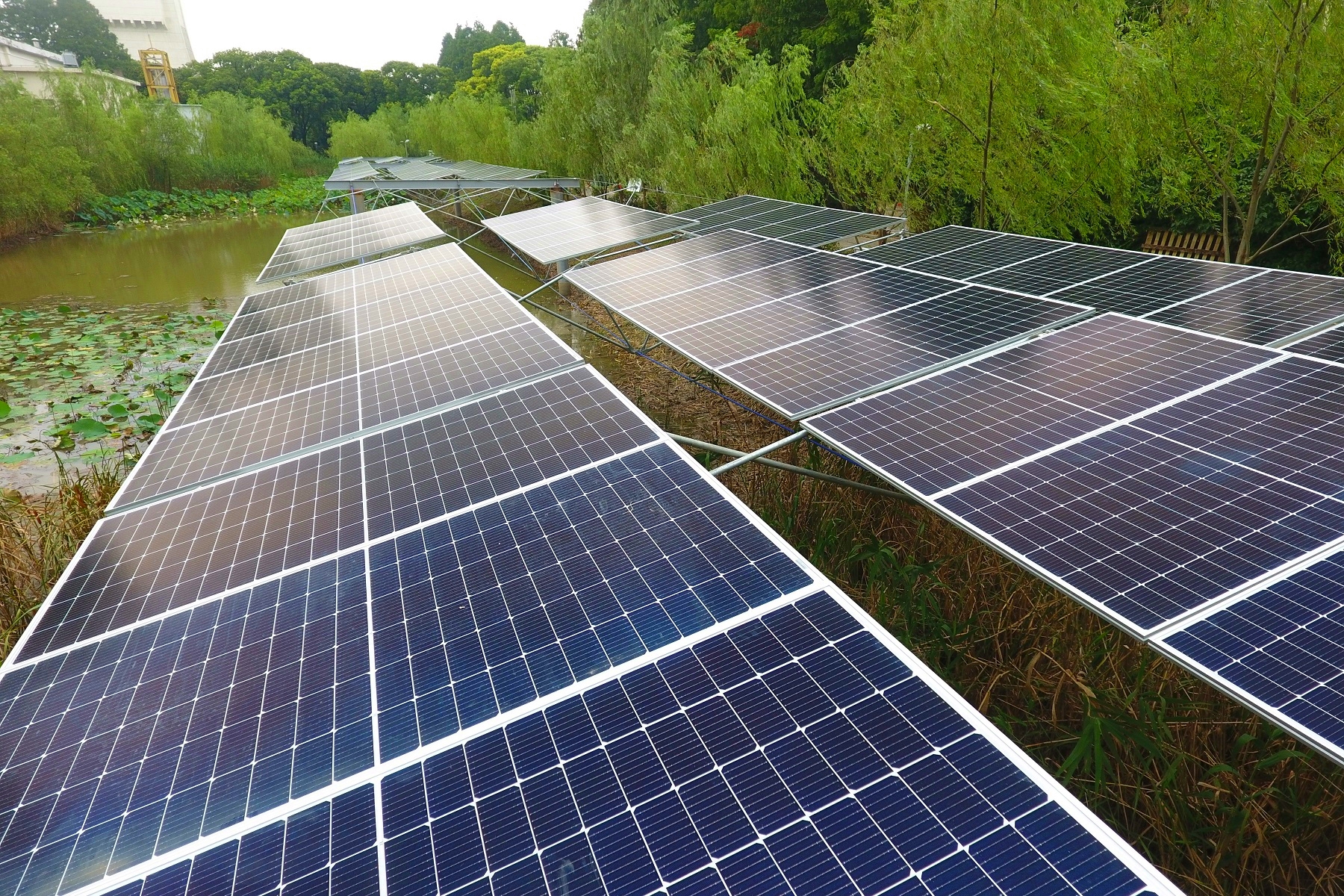
Fish-solar hybrid solar installation solutions are designed for water-based environments such as fish ponds and lakes. There are two core requirements: first, the foundation of the mounting structure must be higher than the maximum water level, typically achieved using precast concrete pipe piles; second, the mounting materials must be resistant to moisture and corrosion, generally made of anodized aluminum alloy or carbon steel treated with special coatings. Such mounting structures are often over 2 meters tall, leaving ample space below for fishing boats to operate and fish to move freely. During installation, attention must be paid to the tilt angle of the modules to minimize impact on the pond’s sunlight requirements while facilitating future cleaning and maintenance.
Agricultural Solar Installation Solutions: There are two scenarios: one is “agrovoltaics,” where the mounting structure is raised to over 2.5 meters to allow large agricultural machinery to pass underneath, while shade-tolerant crops or edible fungi continue to be cultivated below; the other is “greenhouse photovoltaics,” where the mounting structure is integrated with the greenhouse framework, with solar panels installed on the roof and light strips left in certain areas. The key to a high-quality agricultural solution lies in flexible post spacing that does not interfere with farming zones, while also accounting for the attachment and replacement of agricultural film. If livestock are raised beneath the structure, anti-collision guardrails must be added.
For solar installation solutions in high-wind-pressure areas—such as coastal regions, wind corridors, or high-altitude mountain passes—the focus is on foundation ballast and the strength of connecting components. A common practice is to use cast-in-place pile foundations with depths increased to over 1.5 meters, larger cross-sections for the main support beams, and an increased number of diagonal braces. Aluminum alloy support frames should have a wall thickness of no less than 3 mm, while Q355B grade steel is recommended. Clamps and bolts must be made of stainless steel or have a Dacromet coating to prevent loosening due to long-term vibration. Some designs also incorporate wind-resistant tie rods on the rear of the modules to distribute wind loads to the ground.
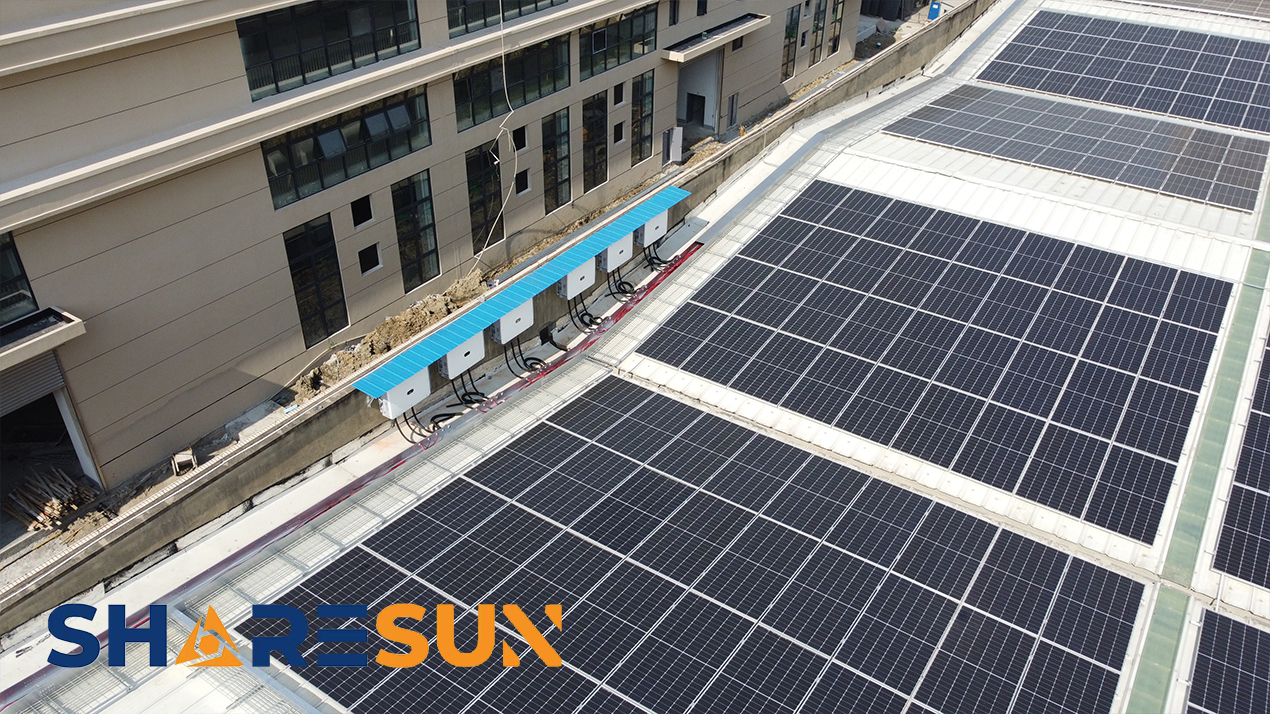
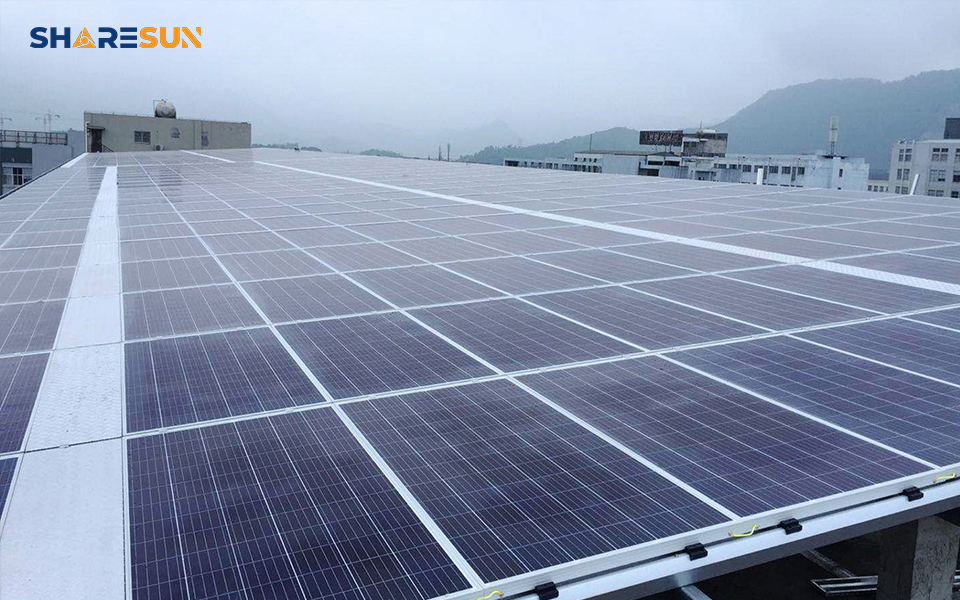
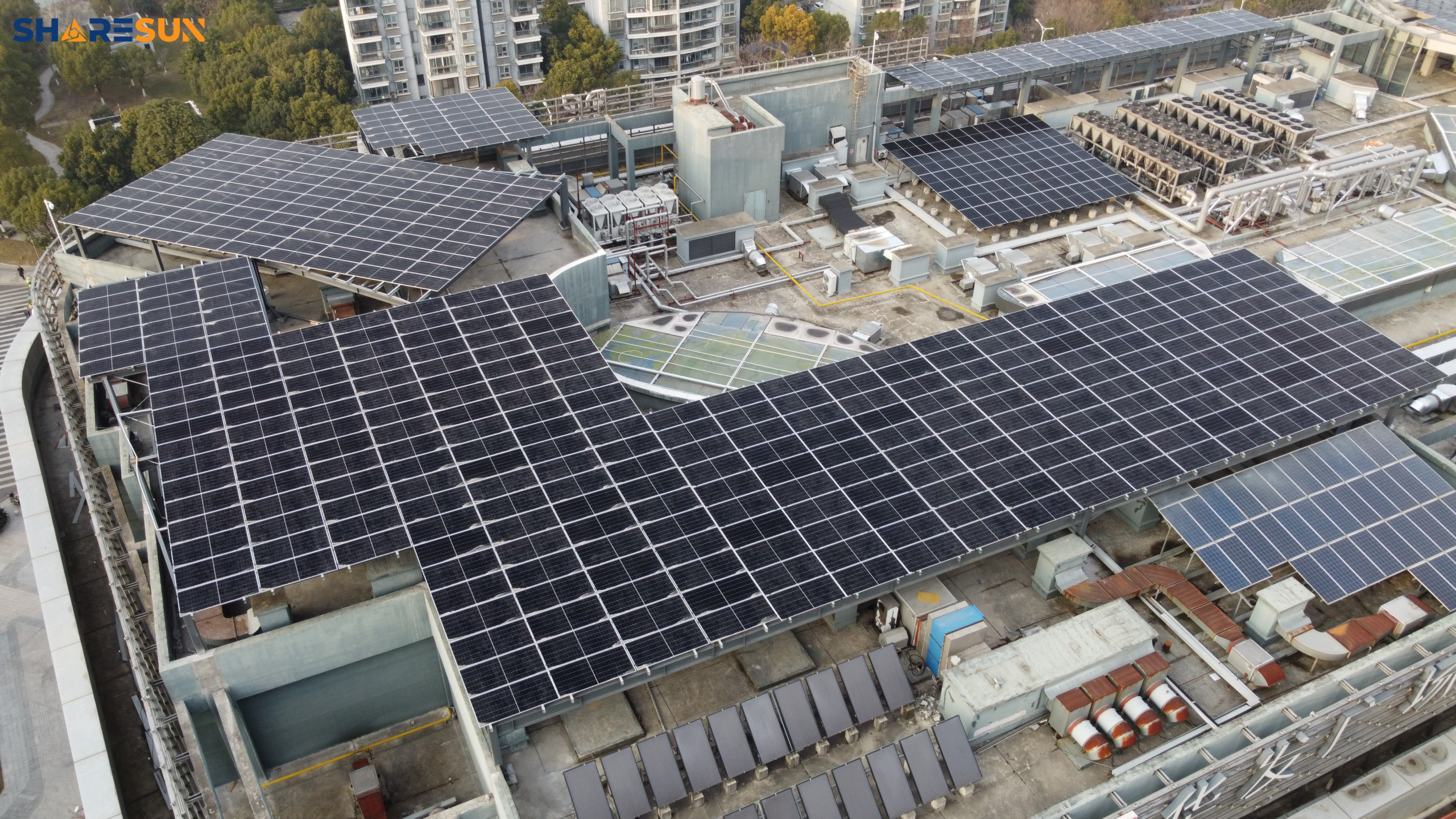
Lightweight solar mounting solutions for metal-roofed buildings have seen significant demand in recent years. The load-bearing capacity of color-coated steel roofs on factories and warehouses is limited, so the mounting structures must be lightweight. A common approach involves using aluminum alloy rails paired with specialized clamps, which must be compatible with different roof profiles (such as corrugated or standing seam types). It is not possible to drill through the roof panels; instead, the system secures the panels by clamping onto the ribs. The spacing of the rails must be calculated based on local wind pressure, and the self-weight of the mounting system is typically kept between 3 and 5 kilograms per square meter. Additionally, thermal expansion and contraction must be accounted for, requiring expansion joints between long-span rails.
In addition to the specialized scenarios mentioned above, the following are common and frequently used solar mounting solutions:
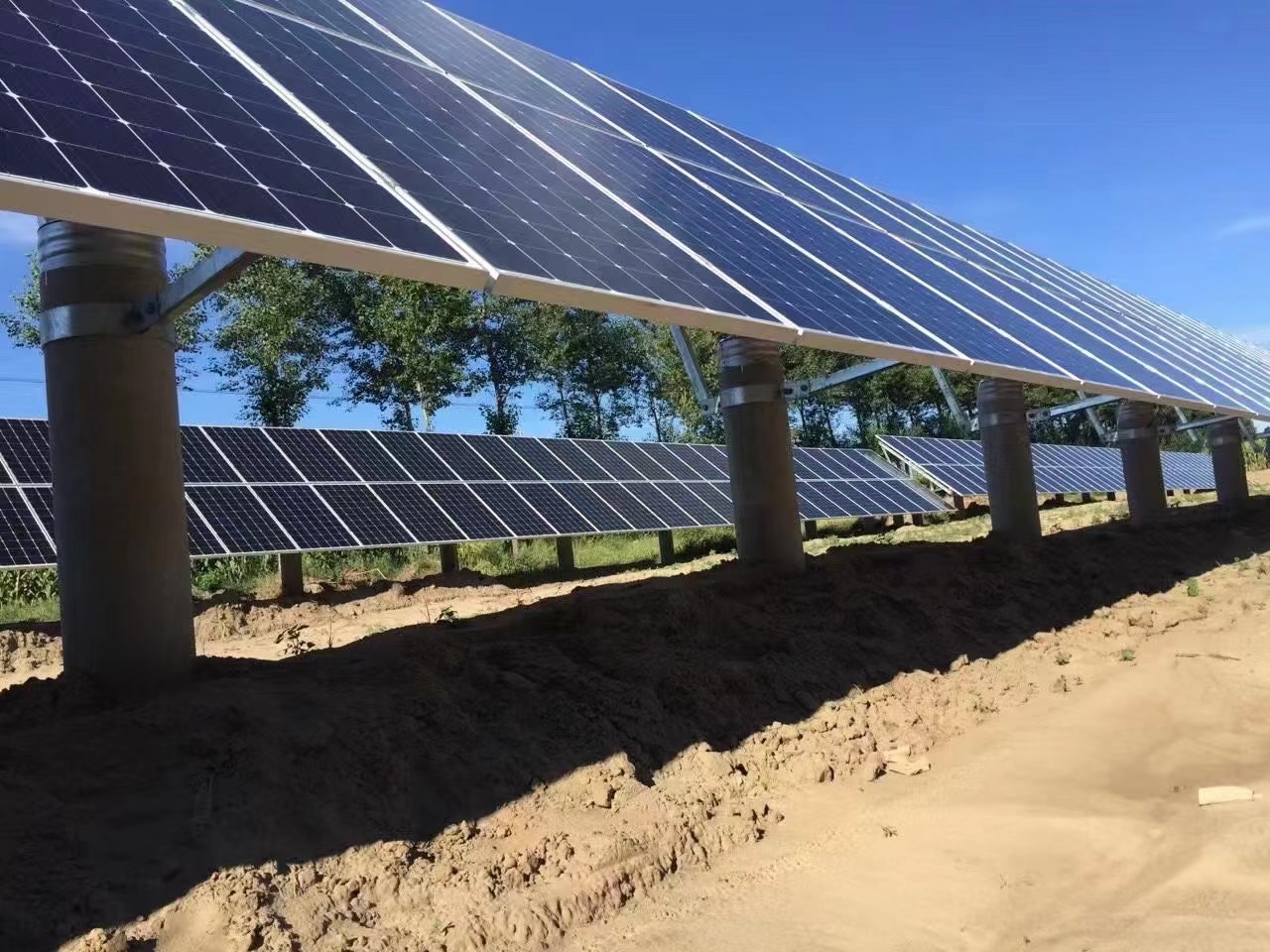
Carbon steel mounting systems for ground-mounted power plants: Suitable for open, flat terrain and relatively low-cost. These systems use C-channel or U-channel steel with factory-pre-drilled holes, assembled on-site with bolts. Corrosion protection is typically achieved through hot-dip galvanization with a minimum coating thickness of 65 microns.
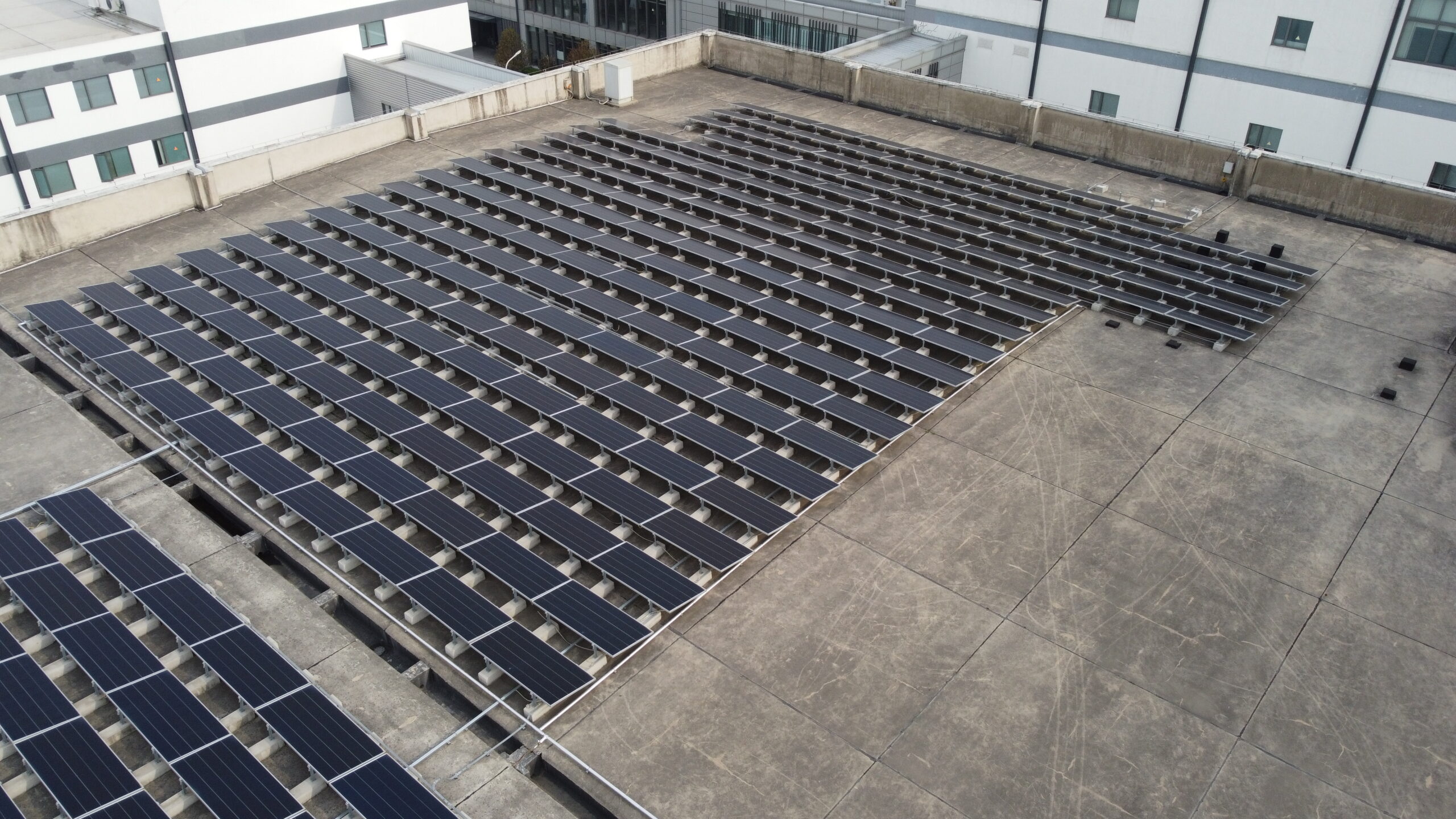
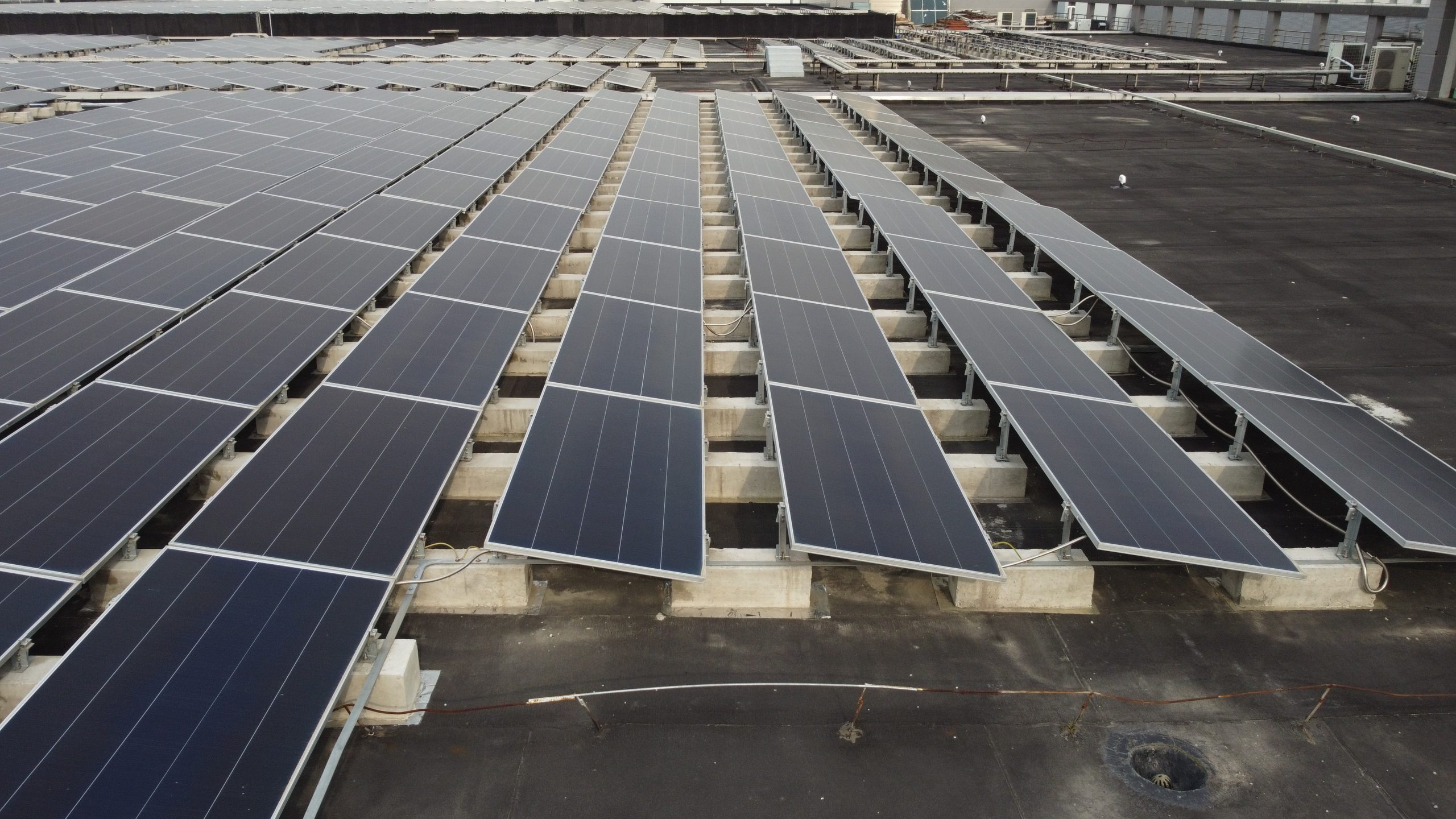
Ballast-based mounting systems for flat concrete roofs: These systems do not damage the waterproofing layer and are secured using concrete ballast blocks. Rubber pads must be placed under the mounting bases, and the bases are bolted to the ballast blocks.
Tile Roof Hook Mounts: Suitable for residential buildings. Specially designed hooks are inserted into the gaps between roof tiles and secured to the roof purlins, followed by the installation of mounting rails. Key components include waterproof O-rings and drainage channels to prevent roof leaks.
Single-Axis or Dual-Axis Tracking Mounts: Ideal for high-irradiation regions, capable of increasing power generation by 15%–25%. However, they require favorable geological conditions and a professional maintenance team; otherwise, the risk of mechanical failure is high.
When selecting high-quality solar mounting systems, focus on three key factors: the material’s corrosion resistance rating, the fatigue resistance of the connectors, and whether the system has passed third-party wind tunnel testing. There is no need to pursue the most expensive solution, but it is essential that the mounting system’s lifespan matches that of the PV modules (25 years or more). Before installation, commission a professional organization to conduct a site survey, particularly for wind and snow load calculations—these should not be estimated based on experience alone.If you’re looking for a step-by-step design guide, check out this resource: How to Design an Efficient Solar Mounting System?
Solar mounting systems directly impact the power generation quality of the solar system. Even with the same design, failure to meet bolt tightening torque standards or excessive deviations in foundation levelness can significantly compromise system safety. Hiring an experienced installation team is more important than simply comparing mounting system quotes.