Building a solar power plant is not simply a matter of installing solar panels; it relies heavily on scientific design and sound decision-making in the early stages. A successful solar power plant project requires comprehensive consideration of technical, environmental, economic, and even policy factors from the outset to ensure long-term, stable operation and achieve expected returns.
The following are some of the most critical factors in solar power plant design and site selection. Site selection is a crucial step in the success of a power plant. Solar radiation conditions are the primary natural factor directly affecting the plant’s power generation efficiency. Therefore, the first step in site selection is to assess the area’s solar resources, including total annual radiation and hours of sunshine. Priority should be given to locations with ample sunlight and minimal cloudy or rainy weather. Secondly, topography and geological conditions are also critical. The site should be as flat as possible or have a suitable slope to minimize construction difficulty and earthwork costs. Additionally, the geological structure must be stable, and areas prone to geological hazards—such as landslides, mudslides, or flood-prone zones—should be avoided.
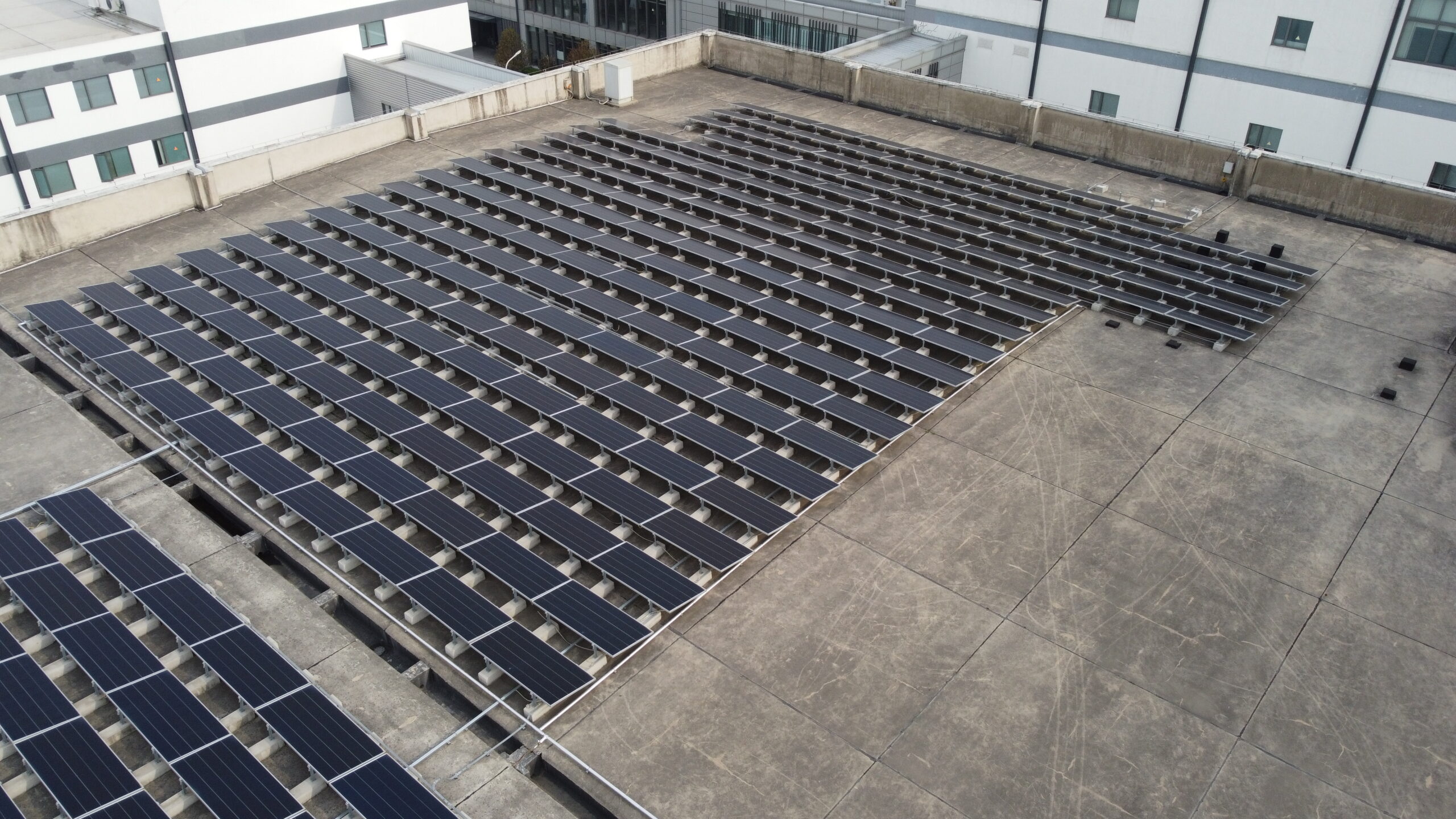
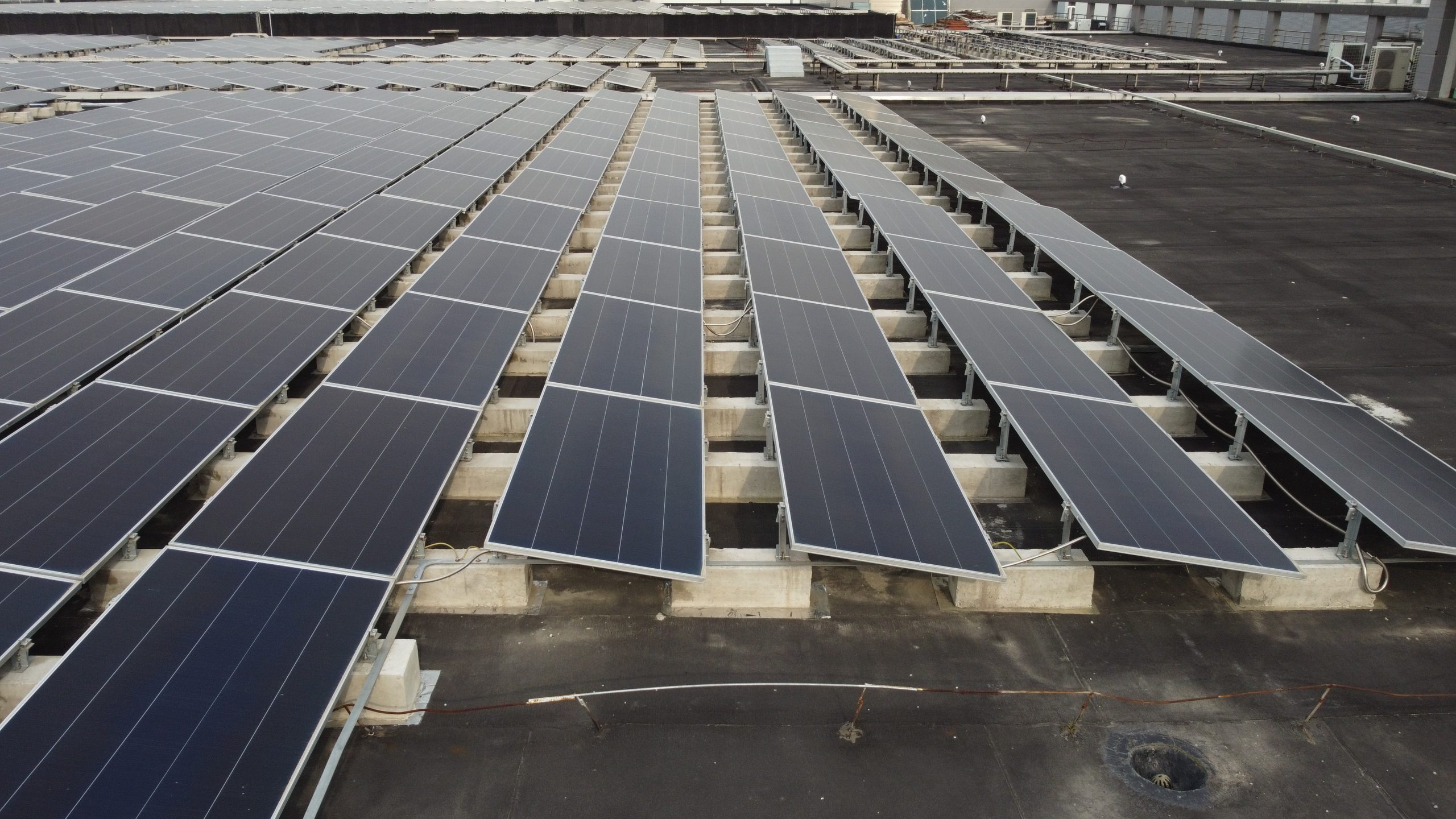
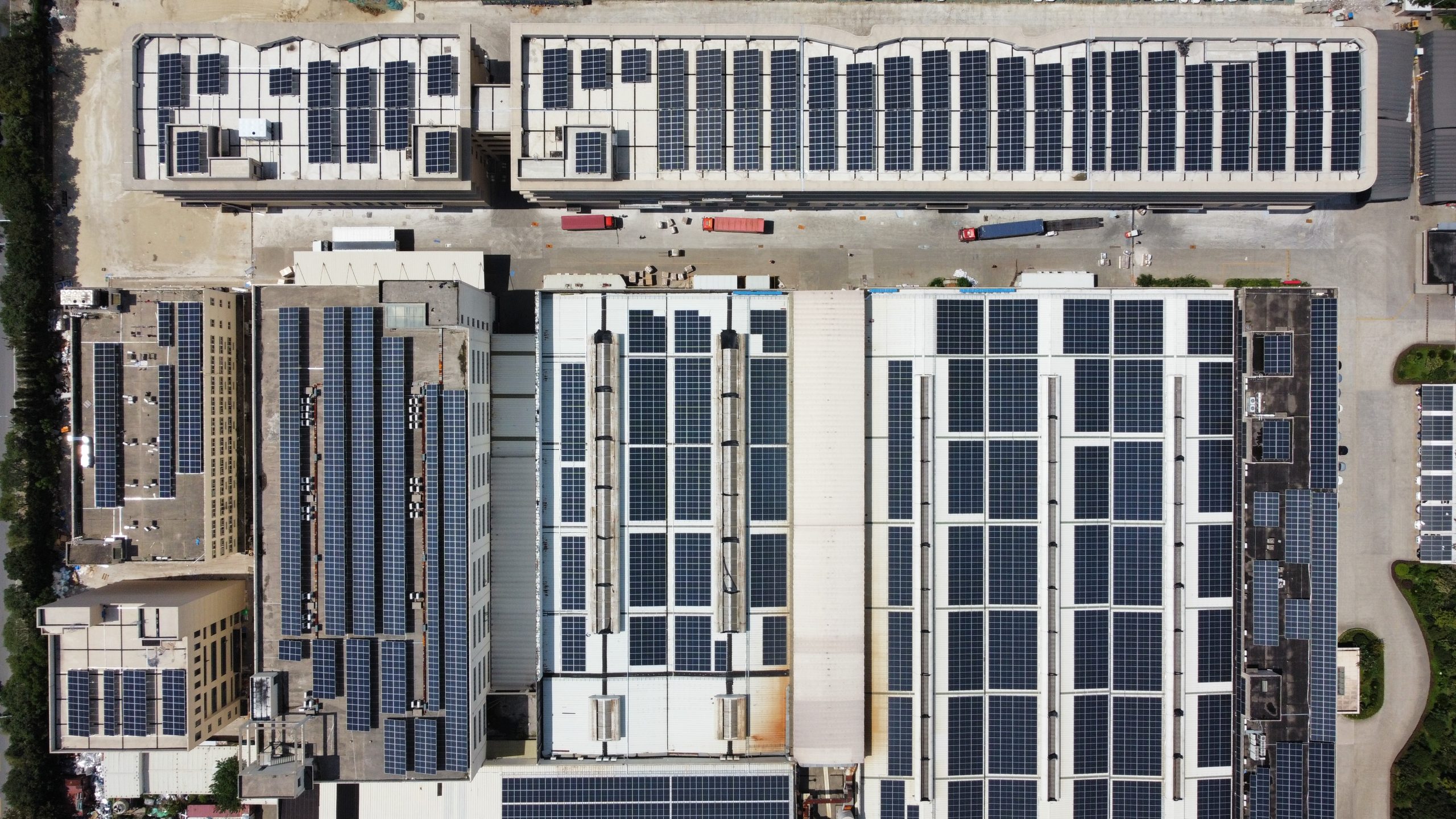
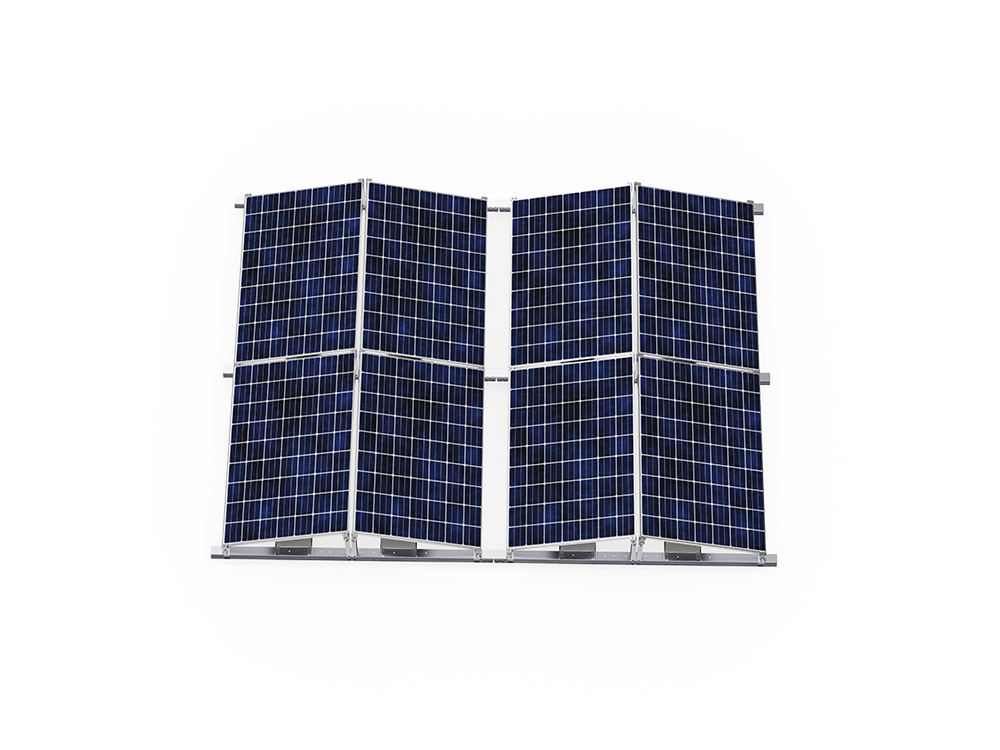
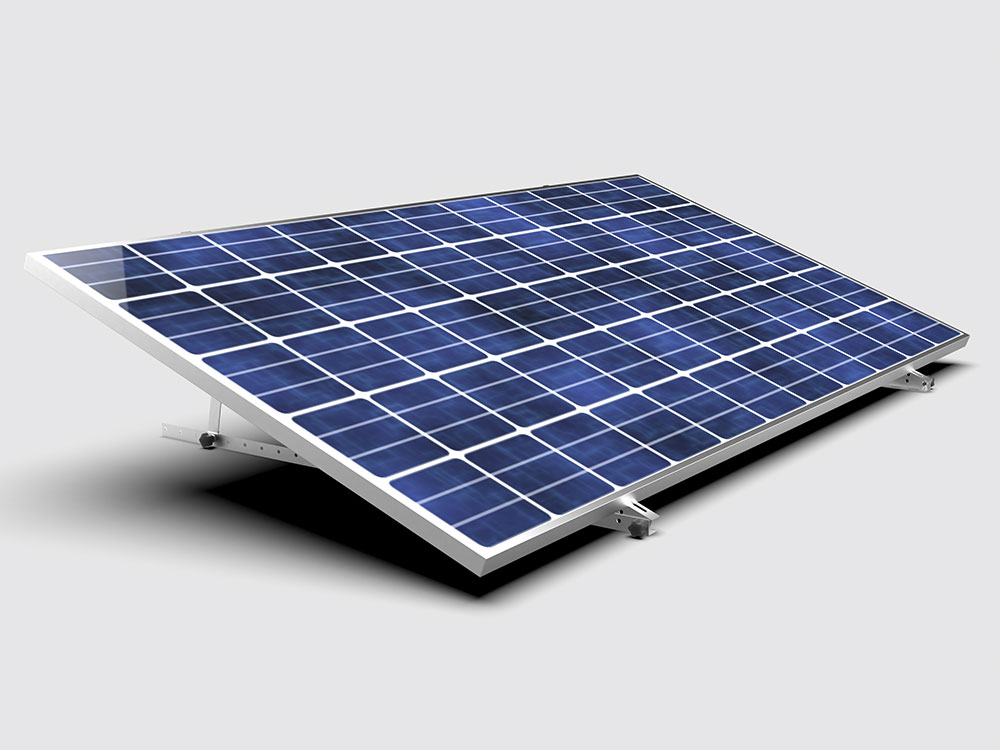
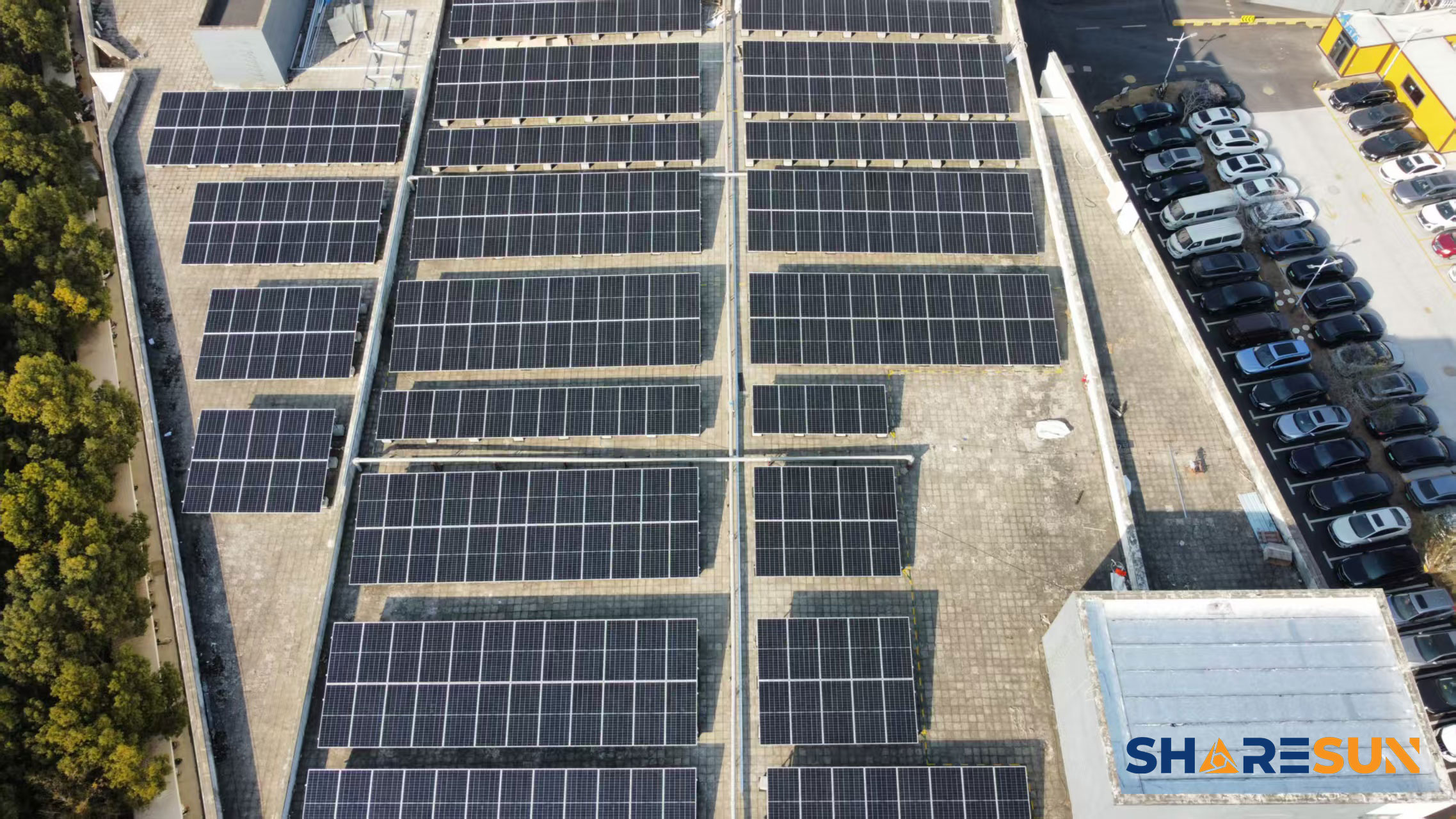
Furthermore, site selection must consider transportation accessibility to facilitate the transport of large equipment and materials, as well as future operation and maintenance. Design is central to the efficient operation of a power plant, and a key aspect of the overall design is the module layout. Based on the site’s longitude, latitude, and topography, the tilt angle and orientation of the solar array must be accurately measured to maximize solar energy capture. At the same time, the spacing between arrays must be planned reasonably to prevent front-row modules from shading those in the rear, which would reduce overall power generation. System configuration design is also critical. Based on factors such as grid-connected or off-grid requirements and load characteristics, the capacity and models of solar modules, inverters, and energy storage devices must be scientifically matched to ensure that all system components operate efficiently in coordination, avoiding situations where equipment is over-specified for the task or runs at excessive loads.
In addition to natural and technical factors, economic and policy considerations must not be overlooked. Site selection requires consideration of land costs, as well as the distance and difficulty of grid connection, all of which directly impact the project’s initial investment. At the same time, the design phase must accurately calculate the project’s return on investment to select cost-effective equipment and plans. Furthermore, staying informed about local land policies, solar subsidies, feed-in tariffs, and other preferential policies can significantly enhance the project’s chances of success.
Understanding the broader benefits of this energy source is also essential — you may want to explore what are the advantages of solar power generation? to see why this field continues to attract global investment.
The design and site selection of a solar power plant is a multi-objective optimization process that requires a close integration of natural environment, technical feasibility, and economic benefits. An excellent project is inevitably the optimal combination of solar radiation resources, land conditions, grid connection, policy environment, and technical solutions.