As the “backbone” supporting the entire power generation system, solar mounting systems are crucial to the longevity and safety of a solar power plant. If the mounting system fails, even the best solar panels will not remain stable. So, what practical tips should you consider when selecting ground-mounted solar mounting systems? Before diving into specific tips, it’s also essential to understand What Are the Most Important Considerations When Installing Solar Mounting Systems? as installation practices directly impact the long-term performance of your chosen system.
Make “Corrosion Resistance” Your First Line of Defense
Ground-mounted solar power plants are often exposed to wind, sun, and rain, making corrosion resistance the primary criterion for evaluating the quality of a mounting system. Many plants are built in open fields, farmland, or even coastal tidal flats, where environmental moisture and salt content can severely corrode metal.
One detail that is easily overlooked is this: avoid cutting or welding the mounting system on-site whenever possible. On-site cutting damages the galvanized coating, and the exposed metal at the cut edges will quickly rust, becoming a “weak point” in the entire structure. Professional manufacturers complete prefabrication in the factory to ensure the anti-corrosion coating remains intact. At ShareSun, we place special emphasis on material selection and anti-corrosion processes during structural design. After all, only when the mounting structure can withstand corrosion can the power plant operate safely for 25 years.
Foundations Must Go “Three Feet Deep”
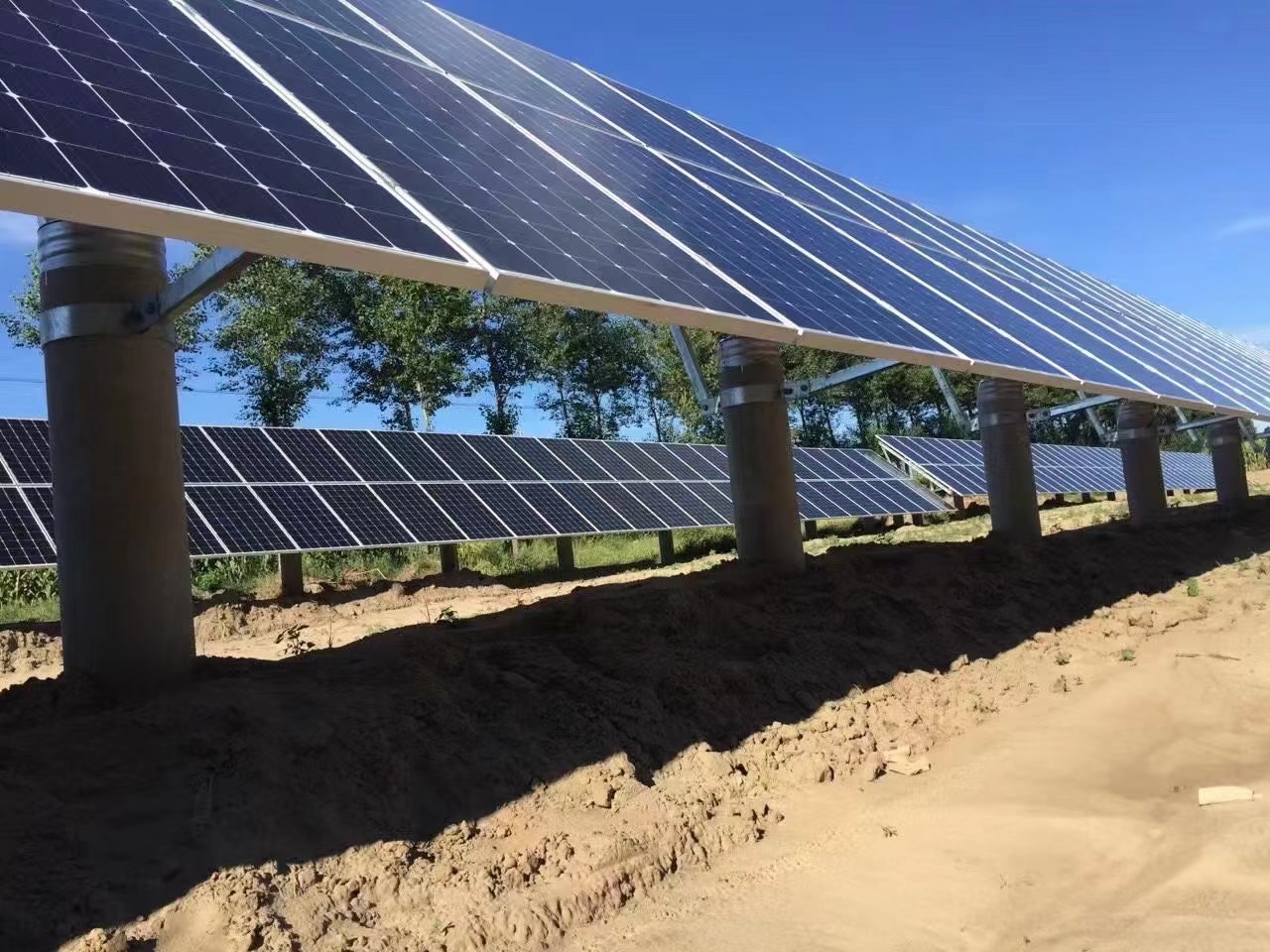
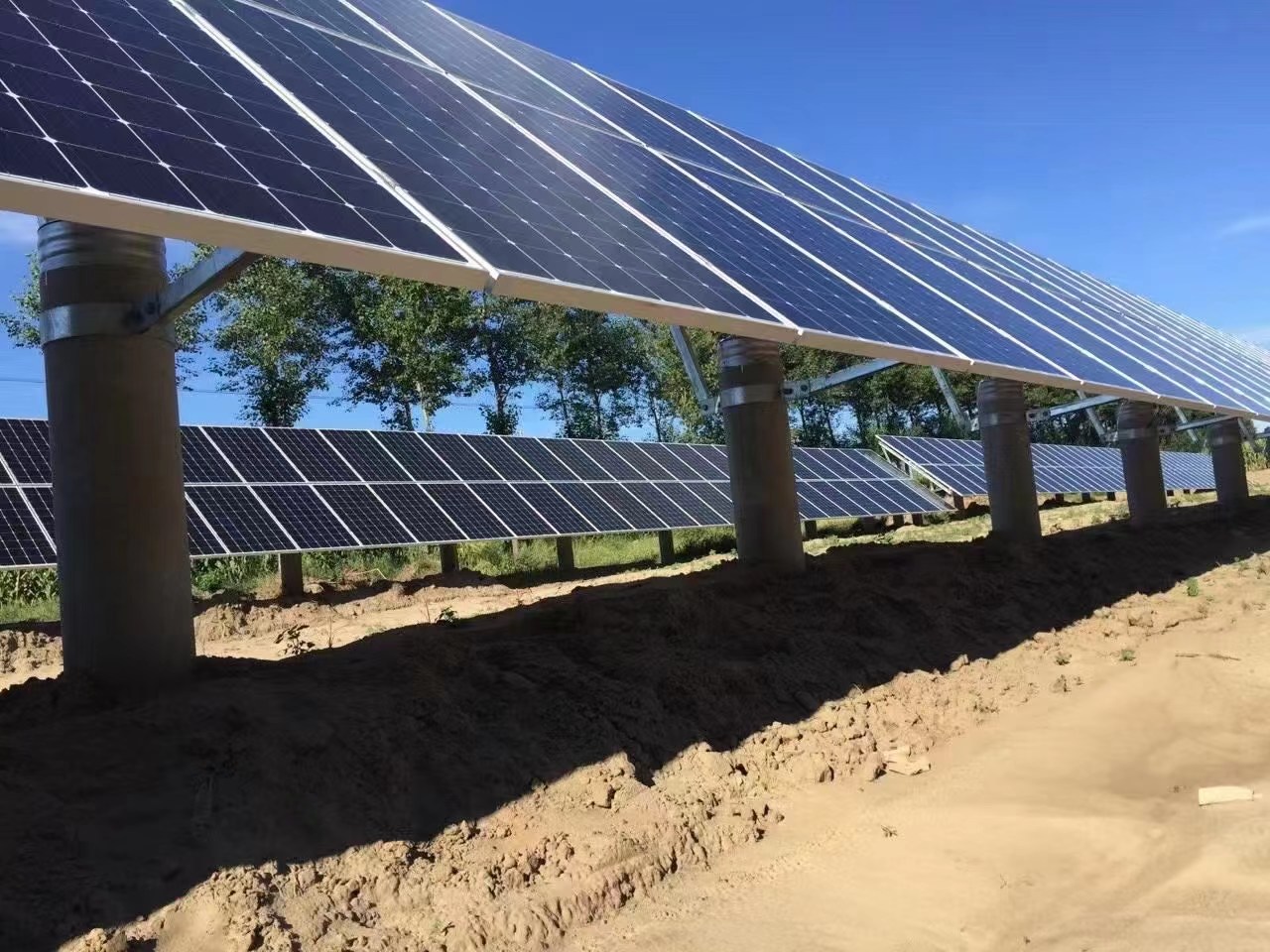
Solar mounting structures cannot simply be placed on the ground; their “roots”—the foundation—are the invisible yet most critical component.
When selecting a mounting structure, it is essential to verify whether the design fully accounts for local geological conditions. Soil conditions vary greatly from place to place: some areas have soft silt, others have loess prone to severe frost heave, and still others have highly corrosive saline-alkali soil.
In cold northern regions, soil freezes and expands in winter. If the foundation is not dug deep enough or lacks thermal insulation, the force of frost heave can literally push the pile foundations upward, causing the solar array to become uneven or even collapse. Therefore, reputable solar companies conduct detailed geological surveys before construction. For special geological conditions such as permafrost or collapsible loess, they employ professional solutions—such as cast-in-place piles with an isolation layer or foundation replacement—to ensure the mounting structure stands firm.
Adapt to Local Conditions; Avoid Blindly Following Trends
The terrain of ground-mounted solar power plants is often highly variable, ranging from flat deserts to undulating hillsides. When selecting a mounting structure, the principle of “adapting to the terrain” must be followed.
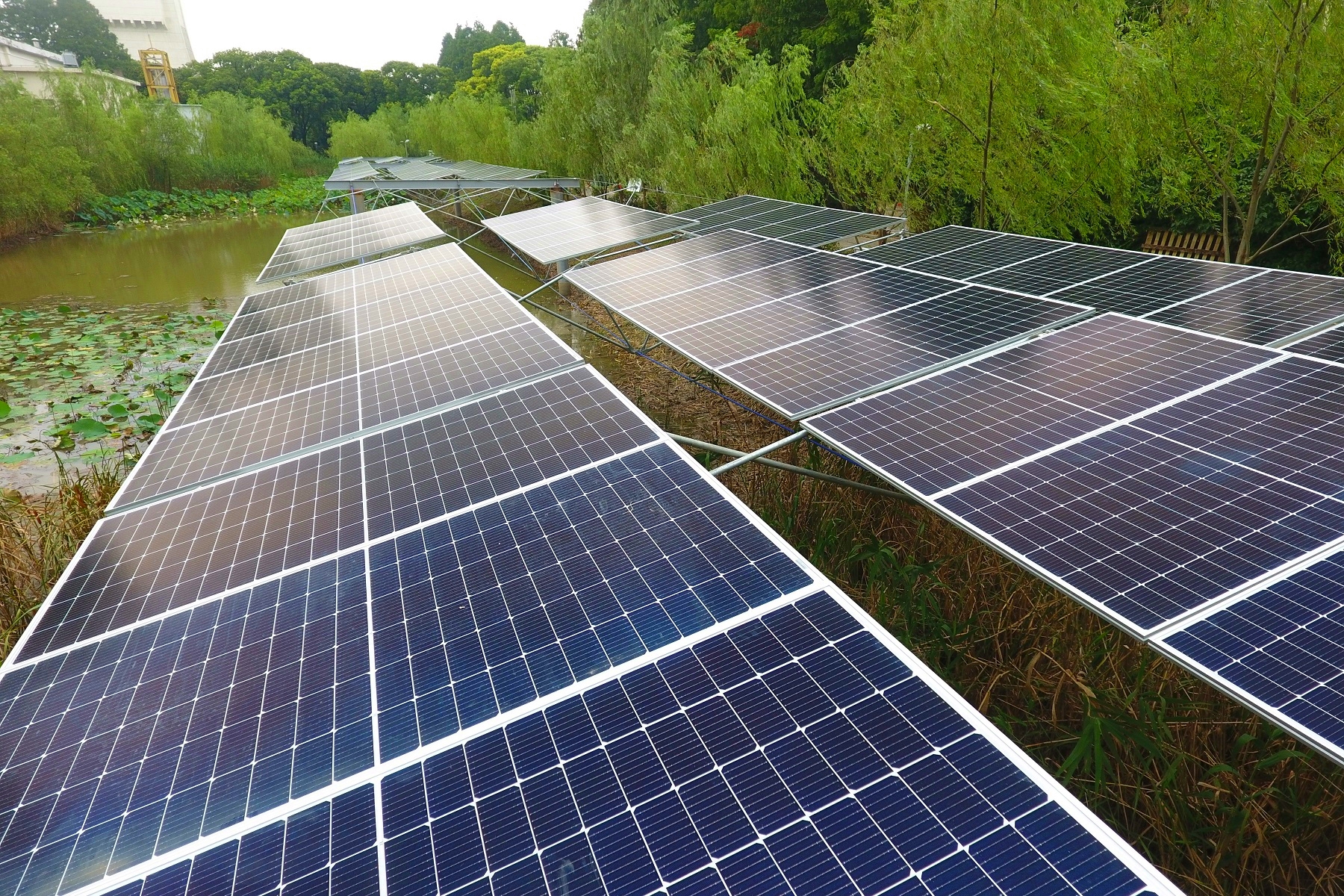
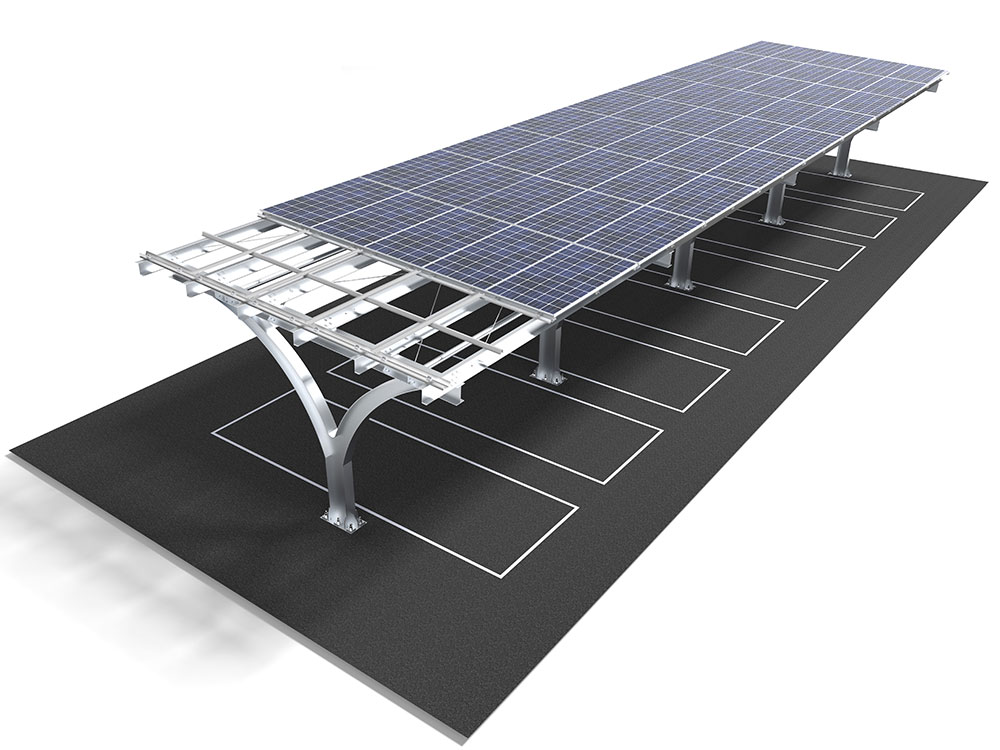
For mountainous projects, blindly using a single mounting specification not only makes installation difficult but also wastes a significant amount of steel. A smarter approach is to choose dual-post adjustable mounts. This structure can adapt to terrain undulations by adjusting the height of the front and rear posts, ensuring consistent panel tilt angles while reducing earthwork excavation and minimizing environmental impact. Additionally, for “agrivoltaic” projects where road traffic or crop cultivation is required beneath the panels, large-span cable-supported structures are an excellent choice. Tianjin Xiehui Electric has accumulated extensive experience in this area, particularly in the field of large-span tensioned cable structures, achieving large-scale application. These solutions meet the dual requirements of power generation while allowing for uninterrupted farming or parking below.
Wind and Snow “Load” Calculations
A solar mounting system is essentially an outdoor steel structure that must withstand the region’s maximum wind speeds and heaviest snow loads. These requirements are typically specified in the design drawings.
When selecting products, do not focus solely on the thickness or diameter of the mounting system; instead, prioritize the manufacturer’s structural calculation capabilities. Reputable manufacturers will calculate precise wind and snow resistance parameters in accordance with the requirements of the “Design Code for Solar Power Stations” and historical meteorological data for the project site, and will select steel grades and connection methods based on these results. If a manufacturer cannot provide a complete structural calculation report and merely increases the thickness of the steel blindly, this is actually counterproductive—it not only increases costs but also makes the mounting system bulky and unsightly.
Choosing a ground-mounted solar mounting system is, in essence, choosing a sense of “security.” It is not simply a matter of buying a few steel posts, but rather a systematic engineering project that comprehensively considers anti-corrosion processes, foundation treatment, terrain adaptation, and structural mechanics. And when reviewing these mechanical factors, revisiting What Are the Most Important Considerations When Installing Solar Mounting Systems? can help bridge the gap between design and on-site reality.
For those looking to invest in a solar power plant, finding a reliable partner is more important than simply comparing prices. At ShareSun, a professional team offers integrated services ranging from site surveys, design, and construction. They know how to tailor the most stable and cost-effective mounting solutions based on varying soil and climatic conditions, preventing the power plant from “aging prematurely” due to mounting quality issues.
Only by selecting the right mounting system can a solar power plant embark on a steady path toward electricity generation.